Last updated: Apr 19, 2026
Spring and summer thunderstorms roll through the Upstate like clockwork, and this is where shingles often take their hardest hits. Wind-lifted shingles, granule loss, and sudden leaks aren't headline events so much as recurring annoyances that stack up between power outages and hot afternoons. This isn't a coastal or snow-heavy climate, but the pattern is relentless enough to demand a plan: you want to spot trouble early, document it clearly, and move fast on repairs or replacement when the damage is real. The routine isn't just about catching a storm; it's about preventing the next one from turning a minor repair into a major headache.
In spring, the first rounds of hail and gusty winds show up with little warning, leaving your roof with hairline fractures, lifted tabs, and creased shingles. By early summer, a few more strong storms can create a backlog of claims and emergency-response calls that echo through local crews' schedules. The pattern repeats through late summer, with the best chance for a quick turn to a full reroof if the damage is extensive. The key is not to wait for a perfect sunny day. If shingles curl, granules are washing into gutters, or you see daylight in the attic after a storm, act-don't hesitate. Procrastination is the enemy here, because the next storm could compound the issue or invalidate a lingering claim.
Fall brings its own twist. Tropical storm remnants can ride up from the coast and drag heavy rain, wind, and debris into Greenville County. That means a second wave of weather-related backlog after the primary summer pull. Scheduling windows can shrink quickly, so you want to have a plan for a rapid assessment and a decisive path forward once the storm season has run its course. The cadence is simple: assess promptly after the last big storm of the season, document thoroughly, and initiate stabilization (tarps and temporary patches) without waiting for everything to line up perfectly.
First, do a surface scan after each storm-look for missing shingles, lifted edges, buckling underlayment, or streaks on interior ceilings. If you notice water staining in the attic or damp insulation, treat that as an urgent signal, not a detail. Photograph damage from multiple angles, including close-ups of shingle edges and the roof's overall condition, then wide shots that show the surrounding property and property lines. A homeowner's best friend is a clear, dated trail of evidence that supports the severity and timing of the damage.
Second, contact your insurer as soon as you've captured the obvious issues. Many carriers want a prompt inspection while the damage is fresh and before repair work begins, so you can document preexisting conditions and the storm's impact in tandem. If a contractor arrives quickly for a temporary tarping or weatherproofing, educate them on your goal: stabilize the roof and protect interior spaces while you determine the full scope of replacement needs. Quick stabilization buys time to settle on the right approach without letting water do more harm.
Third, keep the contractors' timelines realistic. In this market, storm-damage messaging floods the inbox, and the best teams move fast on assessments and initial protection. Expect to see some pressure to authorize emergency repairs to limit further damage; maintain a calm, evidence-based stance. If a roof has sustained widespread damage from multiple storm events in rapid succession, prepare for the likelihood of a full roof replacement rather than piecemeal fixes. This is the moment when documentation and timely decisions make a real difference in outcomes.
Track the weather window between storms and plan damage-control steps around it. If a major storm is forecast, secure valuables and relocate sensitive items in the attic and upper floors before the rain begins-this is especially prudent in older homes with weaker attic access or compromised insulation. If you're navigating the aftermath of a tropical remnant's reach into the area, review files from the inspection and write down any new concerns that emerge after the rain has passed. In this neighborhood, timing isn't just about safety-it's about preserving the home's structure, the family's comfort, and peace of mind as the spring through fall cycle continues to test your roof.
Refined Roofing Company
(864) 363-3154 www.refinedroofingco.com
212 Satterfield Rd, Simpsonville, South Carolina
5.0 from 210 reviews
Refined Roofing Company is a roofing contractor in Upstate South Carolina. At Refined, we strive to serve the communities of North Carolina, South Carolina, and Georgia. Refined Roofing Company can assist you with all of your roofing and gutter needs. We specialize in providing a roofing system that makes sense for you, your home, and your budget. Whether you are reaching out for a quote on a retail project, or you have experienced storm related damage and need to utilize our free inspection process to begin a claim with insurance, Refined Roofing is here for you. Refined Roofing Company is equipped and ready to help with your roofing and gutter project at home, business, or Church!
Sentry Construction
(864) 399-6797 sentry-construction.com
511 Palmetto Dr Ste 11, Simpsonville, South Carolina
4.9 from 127 reviews
At Sentry Construction, we are a veteran owned and operated construction company that serves the Simpsonville, South Carolina area. Licensed, bonded, and insured for your protection. Services include roofing, roof replacement, roof repair, commercial roofing, emergency roofing, metal roofs, flat roofs, shingle roofs, roof installation and roof leak repairs.
Noble Roofing
(864) 525-9380 llcnobleroofing.wordpress.com
702 Spring Meadow Way, Simpsonville, South Carolina
4.9 from 33 reviews
An upstate roofing company that you can trust to honor your home and treat you with respect!
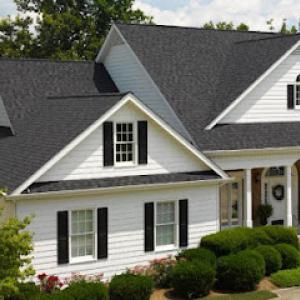
PCS Roofing
1008 Fairview Rd, Simpsonville, South Carolina
4.3 from 71 reviews
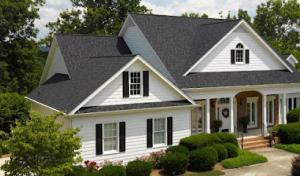
We handle everything from new installations, replacements, and minor repairs. PCS is your hometown contractor and your go to Storm Damage Company located in Simpsonville and Easley, SC. We're the right roofing company for your home.
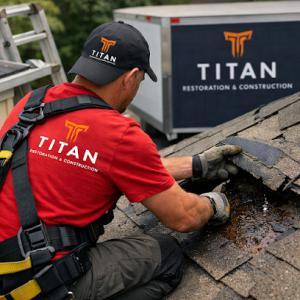
Titan Restoration & Construction
211 Ricelan Dr, Simpsonville, South Carolina
4.2 from 38 reviews
Titan Restoration & Construction is South Carolina’s trusted roofing, construction, and storm restoration expert. We offer FREE inspection as well as financing options for our clients in the greater Greenville, SC area. Years of experience coupled with quality materials and state of the art practices allow us to deliver superior results at affordable prices to both homeowners and businesses. We know the importance of safeguarding your largest investment, your home, and making it safe from the elements as well as attractive, and are ready to quickly and neatly provide you with a new roof, gutters, or skylights with minimum disruption to your routine. Local Roof experts in Simpsonville and Greenville offering Free Emergency Leak Detection!
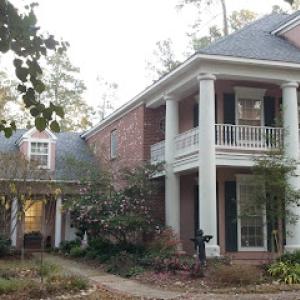
VJ's Construction
Simpsonville, SC
4.1 from 9 reviews
When it comes to maintaining your home, you deserve the best. In Spartanburg South Carolina, VJ's Roofing & Construction offers top-notch roof restoration services. Whether it's a minor leak or extensive storm damage, our team is ready to assist you. Our roof services cover both residential and commercial needs, ensuring your property remains safe and secure. With our licensed insurance adjuster, we streamline the claims process, so you can focus on what matters most. Visit us in Spartanburg and see how we can make a difference for your home.
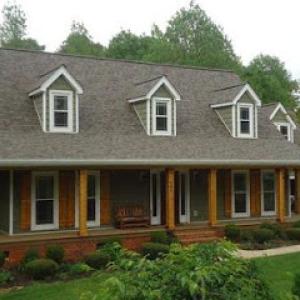
Mighty Dog Roofing of Greenville
(864) 664-2060 www.mightydogroofing.com
Serving
4.5 from 67 reviews
Roof Roof, now Mighty Dog Roofing specializes in Roofing, Storm Damage Repair, Siding and Windows. A locally owned and operated company is your choice for servicing Greenville, SC. Mighty Dog Roofing is the most trusted name in the roofing industry, offering state-of-the-art 25 point inspections using our GoLive and Drone Superscan technology. This technology, matched with the highest quality products and superior workmanship, allows you to have peace of mind on the most important investment you have - your home. Do you keep your roof “top of mind”? Our Mighty Watchdog Maintenance Program keeps an eye out for any issues today to avoid big repairs or replacements tomorrow.
ATD Roofing
(864) 618-2353 www.atdroofing.com
Serving
4.9 from 340 reviews
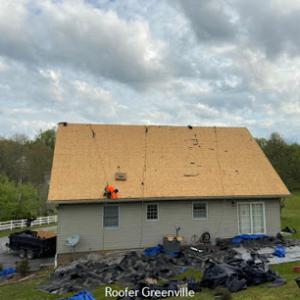
Are you looking for a trusted roofing contractor in Greenville, SC? If yes, ATD Roofing is here for you. We are a top-rated roofing company you can count on for roof installation, repair, or replacement. We have highly trained and experienced roofing technicians to offer unmatched roofing services. We are honest and use high-quality roofing materials from top manufacturers. Our roofing materials come with warranties, and we provide workmanship guarantees. Besides roofing, we provide gutter, downspout, and siding services. We also offer dependable storm restoration services. Please note that we are licensed and insured, and our services are very affordable. Contact us for more information.
Above All Contractors
Serving
4.4 from 25 reviews
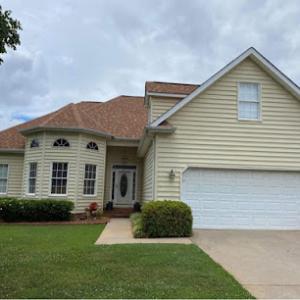
We are a locally owned roofing company that specializes in storm restoration work through insurance claims
Merritt Roofing
(864) 552-3396 merrittroofing.com
Serving
5.0 from 34 reviews
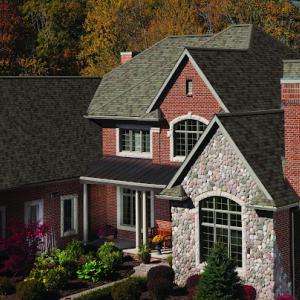
Merritt Roofing is committed to excellent workmanship and customer service. Led by Chris Merritt, a Haag-certified roof inspector with over 30 years of experience, our team approaches every roofing job that comes our way with the utmost professionalism and accountability. Our technicians are the best in the business. We are licensed, bonded, and insured. We warranty our work and take pride in our outstanding customer service. We are also proud of our A+ BBB rating and strive to continue to be the best in the business. Financing options are available.
MD Roofing
Serving
4.8 from 29 reviews
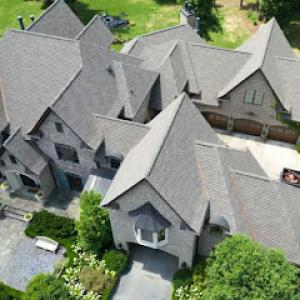
MD Roofing provides roof services from small repairs to full roof replacements. We help protect your biggest investment by installing quality products, constantly offering the best customer service while still offering affordable pricing.
TeamCraft Roofing
Serving
4.8 from 18 reviews
TeamCraft Roofing is a leading full-service commercial roofing contractor with locations throughout the eastern half of the US. Since 1996, TeamCraft Roofing has been dedicated to honesty, safety, teamwork and quality in order to achieve ultimate customer satisfaction. We are proud to provide roofing services for any 24-hour emergency, leak and roof repairs, preventative maintenance programs, re-roofing projects, retrofit and new construction projects. Our roofing expertise ensures the right solution is selected for your facility. With 18 offices spread across 9 states, we shelter you.
In the Simpsonville market, insurers commonly ask for documentation of replacement scope, prior claim history, and photo evidence, so homeowners need organized records before adjuster visits. Start a simple file early: take dated photos of the entire roof from multiple angles, include attic shots of any signs of leaks, and keep a written note of materials and square footage being replaced. When you can, assemble a rough plan of the replacement scope in plain terms-shingle type, underlayment type, and any accessory work like vent repair or flashing replacement. Having this ready helps the process move faster and reduces back-and-forth when the adjuster arrives.
Adjusters in this area may request details on ventilation, underlayment, and flashing, which ties claim handling directly to how the roof was assembled rather than just visible shingle damage. Be prepared to discuss the roof's ventilation balance, the age and condition of underlayment, and whether flashing around chimneys, skylights, and vents was replaced or damaged. If you have recent photos of attic vents, ridge vents, or any signs of prior repairs, include them. A clear link between roof assembly and observed damage helps the claim reflect the true scope, not just cosmetic concerns.
Storms that sweep through the Upstate often leave a mix of wind-driven damage and moisture intrusion. Timing your claim after a major event matters, because insurers in this region face more volume and scrutiny when the weather pattern shifts. Keep a dated log of any weather-related issues you notice-shingle cupping, lifted tabs, or interior staining from leaks-and attach corresponding photos. If you've had temporary or emergency repairs, document the dates, the nature of the fixes, and who performed them. A concise chronology tied to photo evidence reduces the chance of disputes during the adjuster's visit.
Because coverage availability remains stable locally but rate volatility follows big regional storms, the claim's documentation can influence both approval and future premium pressure. The more you show about the exact scope-materials, ventilation, underlayment, flashing-along with the rationale for replacement versus repair, the smoother the claim review tends to be. If possible, obtain professional notes or a brief scope letter from your contractor outlining the proposed replacement plan. Presenting this alongside your photo evidence helps align expectations with what the insurer will authorize.
If an initial adjuster assessment seems short of the actual needed scope, request a re-inspection and provide any new documentation you've gathered, including utility or contractor statements that support ventilation and underlayment considerations. In Simpsonville, a thoughtful, well-documented appeal often clarifies whether components beyond shingles, such as underlayment or flashing, should be included in the settlement. Stay organized: keep copies of all correspondence, notes from calls, and a timeline of events to reference during follow-up discussions.
Connect with contractors who help homeowners navigate the claims process from damage assessment to final approval.
Refined Roofing Company
(864) 363-3154 www.refinedroofingco.com
212 Satterfield Rd, Simpsonville, South Carolina
5.0 from 210 reviews
Sentry Construction
(864) 399-6797 sentry-construction.com
511 Palmetto Dr Ste 11, Simpsonville, South Carolina
4.9 from 127 reviews
Noble Roofing
(864) 525-9380 llcnobleroofing.wordpress.com
702 Spring Meadow Way, Simpsonville, South Carolina
4.9 from 33 reviews
In this area, the hot, humid subtropical pattern plus frequent summer storms mean your roof faces faster aging and greater weather stress than in milder climates. Ventilation and underlayment choices matter as much as the shingles themselves. The goal is to move moisture away from the attic efficiently, reduce heat buildup, and preserve decking from the rapid cycles of wet-dry weather common in spring through fall. Local homes tend to be built with stock-sized asphalt systems and mid-range framing, so a roof that balances wind resistance, humidity handling, and practical maintenance tends to perform best over the long run.
Asphalt shingles dominate the local market for a reason: they're generally reliable, straightforward to install, and can be paired with effective underlayment and ventilation to handle Simpsonville's humidity. The practical takeaway is that a high-quality underlayment and a well-ventilated attic become nearly as important as the shingles themselves. Look for modern, synthetic underlayment options that resist moisture intrusion and reduce heat transfer to the attic. A properly sized soffit intake and ridge vent system helps push hot, humid air out before it condenses and soaks the decking. If your roof lines are straightforward, asphalt can deliver solid durability with reasonable upkeep when paired with a ventilated attic and a well-sealed drip edge.
Metal roofing has a meaningful local specialty presence and is a practical upgrade path for homeowners focused on storm durability and heat performance, especially if coastal corrosion concerns aren't a factor here. Metal panels or standing seam reflect sun, shed rain quickly, and tolerate rapid temperature swings with less material fatigue over time. For upstate conditions, the best metal choices emphasize robust fasteners, proper attic ventilation, and a careful installation that minimizes potential for ice dams or wind-driven uplift in severe storms. A well-installed metal roof can cut long-term heat gain and provide excellent wind resistance, which makes it a compelling option when storm durability is a priority and you're planning a roof replacement driven by performance as much as appearance.
Tile, wood shake, and synthetic options exist in the market but are clearly secondary specialties here, reflecting that most local homes are not built around heavy tile stock the way some Sun Belt markets are. Clay and concrete tiles bring a distinct look and excellent longevity, but they require a stronger deck, careful detailing for penetrations, and precise flashing to handle humidity-driven expansion and contraction. Wood shakes offer rustic charm but demand meticulous maintenance and moisture control to prevent fast aging in heat and wet seasons. Synthetic or composite shingles can mimic the look of these materials with lower weight and sometimes better moisture resistance, but still require compatible underlayment and ventilation. If choosing these paths, ensure the system is matched to a ventilated attic and moisture-aware flashing details to avoid early deterioration.
Regardless of material, the most reliable outcomes come from a combination of a ventilated attic, moisture-resistant underlayment, and a roof deck prepared for seasonal humidity. In Simpsonville's climate, ensuring proper ventilation at intake and exhaust points reduces heat and moisture buildup, protecting decking and extending the life of the roof system. Regular inspections after storm season help catch loose fasteners, lifted shingles, or compromised flashings before minor issues become major failures.
Reroof pricing in this market is driven by storm-driven demand spikes, since the contractor base leans toward reroofing and post-storm work rather than solely new construction. When a strong spring storm or a late summer thunderstorm batch hits, crews, materials, and even trucks can tighten up, pushing schedules and costs. You'll notice longer waits for crews to start and for material deliveries to settle into a predictable rhythm.
Costs can rise when projects are scheduled in hot summer weather or during stormy spring and fall periods, because weather delays and material handling constraints slow production in this climate. In practice, that means a two-week window can turn into a month if a spell of humid, peak-season heat or a series of storms interrupts progress. Planning windows with a bit of buffer helps keep crews on track and reduces the chance of weekend surcharge fees.
Material choices in this market range from asphalt shingles at 350 to 700 USD per square up to tile systems at 900 to 1800 USD per square, with metal and synthetic products occupying the middle-to-upper local price bands. You'll typically see asphalt as the starting point for most homes, with metal offering a durable middle option, and concrete or clay tile appealing for longer-term resilience but at a higher upfront outlay. Synthetic or composite shingles sit comfortably between value and performance for storm resistance.
Most reroofs in this area follow a practical progression: inspection and quick damage assessment, reroofing using the chosen material, and a focus on weatherproofing as soon as possible after removal of old decking. Expect staged material deliveries during shoulder seasons to mitigate weather delays, and factor in the potential for temporary protection on high-wind days. A well-timed schedule aligns neighbors' storm-ready upgrades with the local contractor rhythm.
If a storm spike is forecast, set aside a contingency of 5-10% above the base estimate to cover sudden material or crew surges. In a season with frequent Upstate thunderstorms, locking in a preferred contractor sooner rather than later can help stabilize a project timeline and minimize weather-related cost creep. You'll thank yourself when the first thunder rattle loosens a few shingles and you're already covered.
Get a clear picture of your project costs upfront - no commitment required.
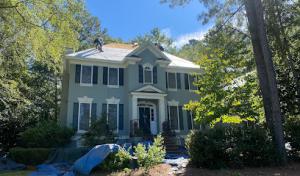

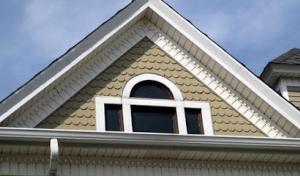
In Simpsonville, a full reroof typically requires a permit handled through the City of Simpsonville Building Department within the Greenville County regulatory context. That means before any shingles come off or new underlayment goes on, a permit application goes in and a plan review happens. The goal is to make sure the roof structure, ventilation, underlayment, and flashing details align with local code and weather realities for this area. Skipping or delaying the permit can lead to delays, fines, or trouble with insurance claims later on, so treat the permit step as an essential part of the project, not an afterthought.
Inspections are commonly scheduled during installation and again at final, with tear-off or rough-in review followed by a completion inspection rather than a single sign-off. That means you'll likely see the contractor back at the jobsite for a rough-in check as the underlayment, flashing, and venting are put in place, and then a final inspection once the new roof is complete and all details pass muster. If the inspector notes discrepancies, expect a correction notice that requires timely remedy before final approval. This two-step approach keeps you aligned with local expectations and reduces the risk of post-install problems that become costly or complicated to fix later.
Beyond shingle brand and color, some local projects require documentation showing ventilation, underlayment, and flashing details. If your contractor can't provide an up-to-date package when the permit review happens, you may face extra review time or requests for additional drawings and product specifications. Plan for a bit more paperwork than you might expect, and verify that your contractor includes the necessary details in the permit attachment. Having complete documentation on hand helps smooth the process during both the tear-off/rough-in phase and the final inspection, reducing the chance of delays when the inspectors arrive.
Storm season patterns and the county's reroof permitting cadence influence timing. A timely application supports smoother scheduling around spring-through-fall weather windows, when wind-driven rain and severe storms are most likely to disrupt progress. Coordinate with the contractor to align permit issuance, inspection appointments, and weather-ready milestones. If a weather event interrupts work, you may need to paused inspections and rebook, so maintain open lines with the Building Department and your contractor to keep the project moving without letting the paperwork backlog accumulate.
Spring and fall are the preferred windows for reroofing in this area. The steady temperatures and manageable humidity help crews work efficiently and handle shingles, underlayment, and flashing without the extreme heat that slows material handling on the roof. Fall brings cooler days and fewer surprise afternoon storms, which helps with drying times and minimizes heat-related issues for workers and materials.
Heavy spring rain in the Upstate can delay tear-off and dry-in schedules. If you're aiming for a spring replacement, build in a couple of weeks of buffer for weather interruptions and plan for leak protection during the wait. Check your roof for soft spots or active leaks early, so you aren't scrambling once crews arrive. If a rain front moves through, you'll want a plan for temporary cover or tarps, especially over any exposed deck areas or valleys.
Fall often gives a more predictable window after the peak summer heat has abated but before the first cold snaps. Use this season to target a longer, steadier install cadence. Schools and community calendars can influence crew availability, so align timing with a few flexible start dates. Dry, calm days in the fall reduce the risk of wind-driven debris causing damage to exposed underlayment or freshly installed shingles.
Occasional winter cold snaps or frost can slow installation, but the bigger scheduling issue is usually storm interruption rather than prolonged winter shutdown. If a storm is forecast, plan for temporary protective measures and expect possible rescheduling. Do not rely on winter being a reliable, uninterrupted window.
1) Check forecasts and aim for a dry spell of 7-10 days building ahead. 2) Schedule inspections and material staging during a clearer stretch. 3) Prepare for potential leaks if a storm is anticipated, with tarps or temporary containment. 4) Have a flexible start date within the chosen window to absorb weather delays without compromising the project.
Flashing and ventilation are the quiet guardians of a roof, and in Simpsonville they face daily trial from hot humid summers and frequent storms. Local reviews emphasize flashing around chimneys, valleys, and vent pipes because a small lapse here invites water right under the first row of shingles. When you see rust spots, loose metal, or dark streaks along a seam, that is not just cosmetic wear; it's a warning that a claim may hinge on those details during processing.
The contractor market shows meaningful chimney and skylight activity, indicating leak-prone penetrations are a real concern rather than a rare specialty issue. In homes with brick chimneys, improper step flashing or cement washouts can unlock water migration at the joint. Skylights, especially vented units, attract condensation and capillary moisture; the flashing must seal every corner and shed water away from the curb. If you notice peeling flashing tape or damp ceilings near these points after a storm, treat it as a priority.
Fast storm-response demand after severe weather can increase the risk of rushed repairs, making cleanup quality and detail work especially important in a reroof-heavy market. A hurried patch may cover the leak today but trap moisture behind synthetic underlayment and fascia, inviting rot and new damage when the next squall rolls through. In Simpsonville, a thoughtful repair prioritizes secure upstream seals and clean, accurate flashing contiguity to avoid repeating the same fail points next season.
After a storm, keep an eye on these weak spots to slow the cycle of quick fixes and deeper damage. Document, photograph, and pursue durable repairs that address flashing, penetrations, and proper seal transitions for lasting protection.
Find contractors experienced in skylight installation, flashing, and leak repairs to bring natural light into your home.
PCS Roofing
1008 Fairview Rd, Simpsonville, South Carolina
4.3 from 71 reviews
Titan Restoration & Construction
211 Ricelan Dr, Simpsonville, South Carolina
4.2 from 38 reviews