Last updated: Apr 19, 2026
Southlake sits in the Dallas-Fort Worth hail corridor, making spring hail and wind events a primary trigger for inspections, emergency dry-ins, and full replacements. When a storm hits, the clock starts ticking on curb appeal and long-term protection. If hail impacts are suspected, a prompt, thorough roof check matters more here than almost anywhere else in the region. Delays breed hidden damage, which can escalate from cosmetic dents to compromised underlayment and compromised attic ventilation. In short, fast action after a storm is not just advisable-it's essential to preserve roof integrity and, ultimately, home value.
In this market, insurers commonly ask for dated photos, roof condition documentation, and sometimes supplementary or engineering support before approving replacement scope. Southlake homeowners should prepare a concise storm narrative: dates of observed hail or wind, photos showing granule loss, bruised shingles, and edge damage, plus a clear timeline of any prior leaks or attic moisture signs. If an adjuster needs to see the roof in person, have access ready and a quick, direct path to the attic to demonstrate ventilation or insulation concerns. For complex roofs-steep slopes, tile varieties, or premium coverings-engineering input may be requested to validate load, underlayment type, or retrofit needs. This is not a burden to fear; it's a pathway to a proper, durable restoration that stands up to the next round of storms.
Storm demand spikes after North Texas hail events can delay both adjuster scheduling and roofing production calendars in Southlake. When the sky clears, crews rush to restart damaged jobs, and production slots fill quickly. This means timing matters: delays can push you into a second season with lingering leaks or accelerated wear from sun and wind exposure. If your claim is approved, align the field schedule with the contractor early, and confirm lead times for your chosen material. Premium materials-tile, metal, or designer shingles-often require longer ordering windows and more precise installation planning. Do not assume the timetable will bend in your favor; lock in dates and set milestones for inspect-or-replace decisions.
When a claim opens, the decision point is not just "fix now" versus "wait." Assess whether the underlayment is compromised, if there is signs of water intrusion into ceilings or attic spaces, and whether the existing deck has sustained moisture damage. In Southlake, the weather window is unforgiving: a delayed replacement risks additional hail exposure and potential secondary damage from wind-driven moisture. If an insurer approves a full replacement, insist on a scope that matches the roof's actual condition-tile, metal, or high-end shingle systems require precise curb appeal and performance standards to justify the investment and preserve home value.
Act quickly after a hail event, gather dated photos, and document roof conditions with clear perspective shots from multiple angles. Contact a local, reputable roofer experienced with Southlake's premium housing stock and storm restoration workflows to facilitate the adjuster visit and provide engineering or supplementary support if needed. Coordinate with the contractor to secure a firm start window and maintain open lines for weather-related delays, so the project can progress without unnecessary hold times. The goal is a durable, properly scoped replacement that withstands the next hail season while preserving the home's curb appeal and long-term value.
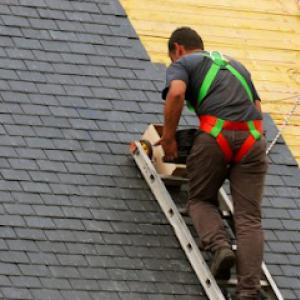
CLC Roofing
(817) 416-7663 www.roofingsouthlaketx.com
Southlake, Texas
5.0 from 176 reviews
Since 1999, CLC Roofing has been the trusted name in Southlake and surrounding areas for expert roofing solutions. More than just roofs, we enhance homes and businesses with skylights, rain gutters, siding, windows, and insulation. Whether it's residential or commercial, our qualified team tackles everything from storm damage repairs and replacements to leak detection and interior damage solutions. At CLC Roofing, we're dedicated to delivering exceptional results, ensuring your peace of mind with every project.
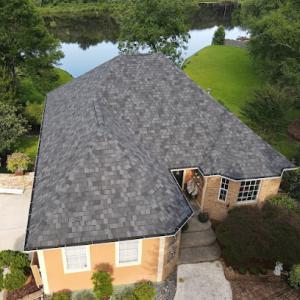
Prime Roofs
(817) 523-1308 www.primeroofstx.com
1560 E Southlake Blvd, Southlake, Texas
5.0 from 112 reviews
We are a premium roofing company specializing in composite, slate, tile, and metal roofing, while also expertly replacing hundreds of laminated shingle roofs each year. As a veteran-owned, family-first business, we take pride in delivering exceptional craftsmanship and customer service. Roofing isn’t just our trade—it’s our passion.
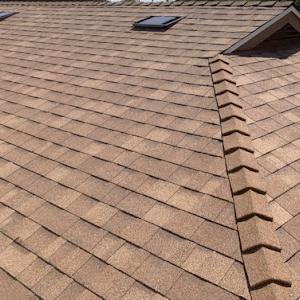
Best Roofer Solar
(682) 688-7727 bestroofersolar.com
950 E State Hwy 114 Ste 160, Southlake, Texas
4.9 from 301 reviews
Best Roofer Solar is a top-rated roofing company dedicated to delivering exceptional quality and craftsmanship. Our crew specializes in various roofing services, from installations and repairs to total replacements. We pride ourselves on employing only the finest materials and advanced strategies to ensure every project exceeds industry standards. Our commitment to excellence is reflected in our attention to detail and the long-lasting results we provide. We focus on clear communication, honest pricing, and reliable service to ensure a seamless experience for every client. At Best Roofer Solar, our goal is to enhance the durability and beauty of each roof while maintaining the highest possible degree of client satisfaction.
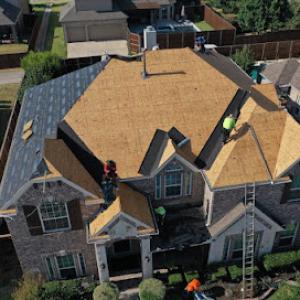
Shepherd Tile Roofing
(214) 699-8266 www.shepherdtileroofing.com
1560 E Southlake Blvd Suite 100D, Southlake, Texas
5.0 from 29 reviews
Shepherd Tile Roofing is the go-to tile roofing contractor for homeowners and businesses in Southlake and the surrounding areas of the Dallas-Fort Worth Metroplex. We specialize in clay and concrete tile roof installations, repairs, and replacements—backed by over a decade of experience and a reputation for quality workmanship. Whether you're looking to upgrade your roof, fix storm damage, or schedule a professional inspection, our team delivers durable solutions with unmatched customer care.

Rankin Roofing & Solar
(817) 554-2064 rankinroofingandsolar.com
2825 Exchange Blvd Ste 102, Southlake, Texas
4.8 from 65 reviews
Rankin Roofing & Solar provides roofing, fencing, deck, siding, gutter, and holiday lighting services in the DFW, TX.

Greyhawk Roofing
(817) 999-8553 www.greyhawkroofing.com
Serving
5.0 from 72 reviews
Greyhawk Roofing is located in Southlake, TX and offers quality residential and commercial roofing services throughout Dallas/Fort Worth and surrounding communities. Our professional team offers a full range of services including roof replacement, repair, roof inspection and damage assessment. Additionally, our experienced team can assist with the insurance claims process and offers restoration services to restore your home after a storm. Greyhawk Roofing is an accredited business with the Better Business Bureau and has maintained an A+ rating since 2014.
BRM Roofing & Construction Services
(817) 672-7077 brmconstruction.com
Serving
4.8 from 60 reviews
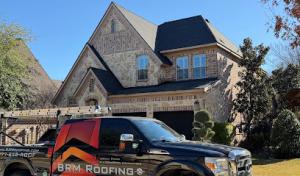
BRM Roofing & Construction Services, Inc. is a trusted roofing contractor in Colleyville, offering top-tier craftsmanship with over three decades of experience. Specializing in roof replacement, gutter replacement, fence staining and replacement, windows, regular and solar screens, as well as interior and exterior painting, we are committed to delivering quality service to our clients. We also assist with insurance claims to make your roofing experience stress-free. As a 5th generation contractor, we take pride in our longstanding reputation for customer satisfaction. Fully insured and A+ Accredited by the BBB, we are your go-to roofing contractor in Colleyville for all your needs.

Hail King Professional Roofing
(682) 235-2880 www.hailkingpros.com
Serving
5.0 from 349 reviews
Hail King Professional Roofing, located at 1900 Industrial Blvd Ste 200, is the leading roofing contractor near you in the Dallas-Fort Worth area and East Texas. We specialize in residential and commercial roofing services, including roof repair, roof replacement, and TPO roofing solutions. Our expert team ensures durable, cost-effective solutions tailored to withstand Texas weather. In addition to traditional and commercial roofing, we offer exterior improvements like painting, siding, gutters, and fencing. Trust Hail King for professional, prompt, and reliable roofing services. Contact us for a free inspection and discover why we're the top choice for roofing companies near you.
Roger the Roofer
(817) 501-0623 www.rogertheroofer.com
Serving
5.0 from 275 reviews
With Roger The Roofer as your experienced roofing team you can count on the best in quality, craftsmanship, and professionalism. Prepare to be amazed!
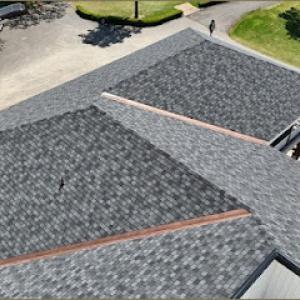
Cabrera Brothers Roof Repair
Serving
4.9 from 82 reviews
GRAPEVINE ROOFING EXPERTS AT YOUR SERVICE

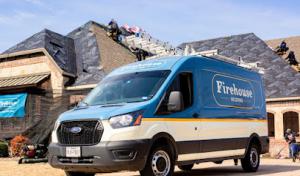
Firehouse Roofing
(817) 402-8171 firehouseroofing.com
Serving
5.0 from 164 reviews
Founded in 1997 and voted Best Roofer in DFW, Firehouse Roofing is the area’s leading expert in roof repairs. We provide the highest quality shingles, insulation, ventilation, gutters, and solar stock to make sure you are getting the best products installed in your home or business. Our knowledgeable team specializes in roof repairs, roof replacements, metal roofing, residential roofing, commercial roofing, gutter installation, and offers in-house financing. Firehouse Roofing stands by a 100% Customer Satisfaction Guarantee. Whether it be residential or commercial roofing, Firehouse has got you covered. Call today to schedule a FREE inspection!

PROCO Roofing
Serving
4.8 from 309 reviews
We are your local and licensed roofing company who loves our community! Preferring people over profit is what we have been about since 2014. Take advantage of our free roof inspection services as well as getting a free quote for your project. From traditional to high end roofs, we've got you covered. Commercial or residential we'll treat your project like it's our own!
Southlake's housing stock features larger custom homes where asphalt shingles share the stage with metal, clay tile, concrete tile, wood shake, and synthetic products. On these standout structures, material choice isn't just about curb appeal; it's about weight, wind uplift, and long-term performance in a hail-heavy climate. Your roof decision should start with assessing the long-term goals for durability, maintenance, and resilience against frequent storms. Metal provides a lighter, wind-tolerant option with a modern look, while clay and concrete tiles deliver dramatic profiles and excellent hail resistance when properly installed. Asphalt shingles remain a practical baseline, but on premium projects they often give way to heavier or more premium systems to harmonize with the architectural details.
Heavy tile systems demand attention to structural loading, accessory compatibility, and replacement logistics that differ from standard shingle tear-offs. If the house features multiple stories, expansive eaves, or a complex ridge line, the roof structure should be evaluated for the added dead load of clay or concrete tile. It isn't uncommon to see a required upgrade to existing rafters or trusses to support a tile system over the long term. When venting, flashing, and drip edge are re-aimed to accommodate tile shapes, the installer must preserve adequate clearance for underlayment and insulation while maintaining proper drainage. Consult with a designer or structural engineer familiar with Southlake-scale projects to confirm that joist spacing and attachment methods align with the chosen tile or metal profile. In practice, tile and metal crews often collaborate to verify anchor points at hips, valleys, and transitions where heavy materials meet siding or masonry.
Steeper rooflines, multiple facets, valleys, dormers, and architectural details common on upscale homes increase waste, labor complexity, and flashing exposure points. Hail storms are less forgiving on vent flashings and step-flashing around dormers; each detail needs a tailored approach to maintain watertight integrity after installation or replacement. For tile roofs, ensure that the chosen underlayment is compatible with the tile profile and that battens are properly spaced to prevent uneven seating. In metal systems, flashing at joining seams and at ridge caps must be precise to prevent ripple or misalignment that can trap moisture. On multi-facet designs, a careful ridge and hip layout minimizes potential water pockets and reduces the likelihood of pre-mature material fatigue. The result is a roof that not only looks premium but also holds its water-shedding performance after the next hail event.
In this market, storm-driven replacements are common, and the timing of a full or partial replacement matters for both value and aesthetics. When hail damage is confirmed, consider how the replacement aligns with the home's visible architecture. A well-coordinated project will replace not only the surface but related components such as underlayment, flashing, and ridge lines in a way that preserves the home's character. Align the material selection with the home's architectural language-tile for a classic, Mediterranean-influenced profile; metal for a contemporary look; or synthetic options that mimic these species with different installation dynamics. The goal is a seamless integration where the new roof reads as a single, intentional finish rather than a patchwork repair.
Choose installers who are experienced with large, bespoke layouts and complex detail work. Ask about how they handle ice and water shield placement at valleys, how they seal around dormers, and how they protect accessory products such as solar, skylights, and gutters during replacement. For owners considering a tile system, verify that the crew has a plan for ballast or battens appropriate to the tile type and climate. For metal roofs, confirm that the panel profile and fastener color complement the home's exterior palette and that flashing around chimneys and vents is designed to resist wind-driven rain. The right combination of materials, structural prep, and meticulous detailing yields a roof capable of withstanding Southlake's hail climate while elevating the home's iconic silhouette.
In this area, the premium-material mix reflected on executive homes drives sticker shock compared with generic neighborhoods. Asphalt shingles commonly run about 350 to 600 per square, a noticeable gap once you factor in a large footprint. If you're upgrading to metal, you're looking at roughly 700 to 1,200 per square, depending on profile and coatings. Clay tile soars higher, typically 1,400 to 3,000 per square, with concrete tile following at 1,100 to 2,100 per square. Wood shingles or shakes and synthetic options sit in between, roughly 700 to 1,200 and 800 to 1,400 per square, respectively. These ranges reflect the mix you'll frequently see on substantial, design-forward homes with unique elevations.
Large roof footprints are common in this market, and every extra square adds material and labor. Steep pitches, complex elevations, dormers, multiple ridges, and premium accessory details like copper flashings, decorative vents, or premium underlayment raise both material and installation costs and extend project timelines. In Southlake, those factors aren't optional upgrades-they're frequently essential for maintaining curb appeal and performance. If you're weighing a replacement, expect the starting point to move higher once the plan includes roof-to-wall transitions and intricate ridge lines. A premium finish or color-matched components can add to the premium, but the result is a roof that looks and performs as expected on a luxury home.
North Texas storm surges can temporarily raise labor and scheduling pressure after hail events, and Southlake is no exception. When a storm hits, crews shift from ongoing replacement work to storm response, and supply chains for premium materials tighten. That squeeze can push both scheduling and pricing up for a period of days or weeks, especially if a large share of neighboring homes are pursuing replacements simultaneously through insurance-driven processes. Having a plan that accounts for potential overlaps with nearby properties can help you secure preferred dates and avoid the last-minute premium that comes with peak demand.
A practical approach is to set a realistic budget range that aligns with your roof's size, pitch, and chosen material. For clay tile or concrete tile, allocate additional contingency for specialty fasteners, mortar adaptations, and potential reinforcement where necessary on high-end elevations. Factor in long lead times for premium materials and the possibility of temporary scheduling shifts after hail events. With a clear view of your roof's footprint and design features, you can coordinate with a contractor to align milestones with your insurance claim timing, minimizing both disruption and cost surprises on a project that matches the home's established character.
Don't let upfront costs delay a critical repair - these contractors offer payment plans to fit your budget.
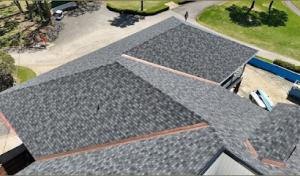
A full roof replacement in Southlake typically requires a permit through the City of Southlake Building Department. This means your project begins with a formal review of the proposed scope, including the materials to be installed and the roof's structural considerations. The permit process helps ensure that the work aligns with local wind and hail resilience standards, as well as the town's architectural expectations for large, steep-slope homes. Plan to coordinate with your contractor on the specific documents needed, such as truss or rafter layouts, deck attachment details, and any attic ventilation considerations, since these items often surface during plan review.
Southlake commonly uses an underlayment or rough-in inspection followed by a final inspection for reroof projects. The rough-in check ensures the roof deck and underlayment installation are correctly prepared to receive the final roofing system you've chosen, whether that's tile, metal, or a premium designer shingle. The final inspection verifies that all components meet code requirements and that penetrating details around chimneys, vents, and skylights have been properly flashed and sealed. Knowing this two-step rhythm helps homeowners align the schedule with weather windows and avoid delays caused by missed steps.
Processing often takes about 1-2 weeks in Southlake, so permit lead time can affect storm-season scheduling. During hail-heavy periods, the demand for inspections can spike while the city coordinates with utility and drainage reviews, which can extend timelines beyond the typical window. It's prudent to add a buffer for inspection delays when planning a storm-related replacement, especially if the project involves premium materials that require additional documentation or engineering reviews. Work closely with the contractor to track permit status and to identify any weather-backed windows where roof replacement can proceed without compromising interior protection or landscaping.
To streamline the workflow, prepare to submit a complete plan set at once: a site plan showing roof dimensions and drainage, material selections with profiles suitable for the local climate, and any necessary structural notes for higher-end, steep-slope assemblies. If your home features specialized features-such as custom tile or intricate metal ridges-explicit details about fasteners, underlayment type, and flashings can expedite the review. Maintain a dedicated contact line with the contractor who will be handling the permit disclosures, inspection notices, and any city inquiries that arise during the process.
A well-coordinated permit and inspection process minimizes the risk of rework and ensures the new roof meets Southlake's standards for performance and aesthetics. Stay proactive about review turnarounds, align the schedule with storm-season forecasts, and confirm that the chosen roofing system has the appropriate underlayment, flashing, and fastening specifics for this market. The result is a durable, visually cohesive roof that stands up to hail and Texas heat while respecting the neighborhood's characteristic architecture.
Southlake roofs endure prolonged DFW summer heat that accelerates aging in some asphalt-based systems and can shorten replacement cycles compared with milder climates. Shingles that are labeled as high-bid or with reflective granules may still soak up heat on steep, sun-facing slopes, causing the surface to soften and the underlying layers to wear faster. In homes with large, visible roof lines, the effect is not just longevity but appearance; heat-induced fading and minor curling can show up on elevation views where neighbors notice quickly. The practical takeaway is to understand how heat interacts with the specific shingle choice and its application on tall, striking roofs that define the skyline.
Summer thunderstorms in North Texas create a combination of thermal stress and sudden wind-driven rain exposure that tests flashing and penetrations. The transition from blistering heat to rapid cooling can create micro-movements in roof assemblies, especially around chimneys, vents, and valley intersections. On high-visibility architectural designs, any flashing wear or minor nail pop becomes conspicuous after a storm. Those who have metal or tile accents may notice faster fatigue at roof penetrations if the flashing isn't integrated with a weathered cladding edge. The warning is clear: thermal shock paired with gusty downpours can reveal vulnerabilities that might not be obvious in calm, dry months.
Material choice in Southlake is often influenced by balancing hail resistance, heat performance, and appearance on high-visibility residential architecture. Tile and metal options provide robust hail resistance and a strong curb appeal, yet each comes with its own heat signature and expansion patterns. Clay and concrete tiles handle heat differently than asphalt shingles, and their weight brings its own set of installation and substrate considerations. On contemporary expressions with dramatic angles, the material palette should harmonize with the roofline while acknowledging how sun exposure alters color and texture over time. The prudent approach is to pair a hail-resilient core with a finish that maintains color integrity and shape under Texas sun.
Southlake homes frequently feature intersecting roof planes, tall chimneys, skylights, and decorative transitions that create more flashing-dependent leak points than simple ranch layouts. Those features concentrate vulnerabilities where valleys meet walls, where step-flashings meet brick, and where curbs or skylight perimeters interrupt the roof line. In a climate with hail and high winds, these joints become the first places for moisture intrusion after a storm, and each additional penetration multiplies the risk.
Wind-driven rain during North Texas storms commonly exposes weaknesses first at valleys, wall intersections, chimney flashings, and skylight perimeters on complex Southlake roofs. The geometry of these homes channels rain into tight corners and flashing gaps. If flashings are older or improperly installed, or if fasteners have loosened from hail impact, even small gaps can leak after a heavy downpour. The result is often hidden moisture that travels along roof decking or into attic spaces before a visible drip appears inside living areas.
Large custom homes in Southlake often have more roof-mounted penetrations and elevation changes, increasing inspection scope after storms. Each additional vent, antenna, or decorative application invites another potential failure point. Elevations complicate water tracking; run-off patterns can push moisture toward eaves, overhangs, or stacked transitions where flashing meets tile or shingle. Regular checks for lifted flashing, loose fasteners, or broken sealants around skylights and chimneys are essential, especially after hail events or strong North Texas winds.
After a storm, walk the roof only if it is safe to do so and prioritize high-risk areas first: valleys, chimney flashings, skylight perimeters, and wall intersections. Look for granule loss, lifted metal counter-flashings, or sealant degradation. Inside, scan ceilings beneath suspect sections for staining or soft spots. If moisture is detected behind walls or around penetrations, consider a professional roof assessment focused on these complex points to prevent escalating damage.
Find contractors experienced in skylight installation, flashing, and leak repairs to bring natural light into your home.
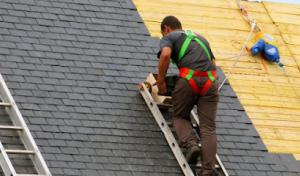

Because the area sits in a high-claim Texas hail environment, having pre-storm roof photos and written condition records before severe weather season is essential. These records become your baseline when an insurer evaluates storm-related damage versus age-related wear under intense sun and repeated hail exposure. A well-documented roof helps you tell the story of what changed after a storm, not what was already wearing thin from years of sun.
Maintain a current set of clear photos of all roof faces, vents, skylights, and flashing from ground level and an accessible crawlspace lookover if safe. Include interior attic photos showing any staining, moisture, or unusual daylight through decking. Create a simple written condition log that notes shingle granule loss, any curling or blistering, and the age or known service life of replacement materials. Keep a dated binder with insurance policies, prior claim notes, and contractor estimates for quick reference after a claim is filed.
If hail or severe wind occurs, document the aftermath as soon as safely possible. Take timestamped photos of impacted areas, especially any cracked or displaced shingles, dented metal components, or damaged tile edges. Capture measurements of drips, leaks, or signs of moisture on ceilings and attic spaces. Compare post-storm photos to your pre-storm baseline to illustrate changes. When you speak with the adjuster, present both the physical evidence and the pre-storm condition log to support a clear storm-related damage narrative.
Adjusters in this region may request supplementary estimates or engineering review when damage is disputed or when premium materials like tile are involved. Have a trusted local roofer or engineer prepared to provide an independent evaluation that speaks to tile, metal, or designer shingle performance under hail impact and sun exposure. Clear, professional documentation speeds up the process and reduces back-and-forth delays.
Connect with contractors who help homeowners navigate the claims process from damage assessment to final approval.
Prime Roofs
(817) 523-1308 www.primeroofstx.com
1560 E Southlake Blvd, Southlake, Texas
5.0 from 112 reviews
Best Roofer Solar
(682) 688-7727 bestroofersolar.com
950 E State Hwy 114 Ste 160, Southlake, Texas
4.9 from 301 reviews
Within a typical Southlake home, it's common to encounter low-slope sections over porches, room additions, and attached outdoor living areas threaded into a predominantly steep-slope design. These transitions create a seamless look but require careful planning during replacement. The goal is to preserve the distinct character of the main roof while ensuring the low-slope areas integrate cleanly, both visually and functionally. Pay attention to how the low-slope portion ties into the larger roof system, since mismatches in materials or profiles can stand out after a storm.
Transitions between steep decorative roof systems and low-slope sections demand meticulous drainage detailing. In practice, that means verifying eave and valley alignments so water moves smoothly from the high, steeper planes to the lower, flatter planes without pooling. Flashing must bridge different roof angles and materials without gaps. A single poor connection can become a hotspot for leaks during heavy hail or driving rain, especially where additions butt into the original roof line. Inspect edge collars, step flashing, and counter-flashing at seams where the two roof types meet, and plan for additional moisture barriers in the low-slope zones.
Storm damage in mixed-roof homes can present uniquely because the main roof and attached low-slope areas age differently and show different damage patterns. The steep portions may show up as broken shingles or hail hits, while the low-slope sections can bear more wind-driven debris and membrane wear. When inspecting after a storm, focus on the interfaces-where the low-slope meets the main roof, around penetrations, and at edge details. A thorough assessment should separate damage findings by roof section to ensure nothing is overlooked in the insurance claim and replacement plan.
In a home with mixed-roof geometry, routine maintenance is key to catching issues early. Clean debris from low-slope drains and scuppers, monitor for hairline flashing gaps along transitions, and verify that coatings or membranes are intact in flatter planes. Scheduling proactive checks after major weather events helps protect the more intricate junctions that define these Southlake homes.
Find specialists in TPO, EPDM, and built-up flat roofing systems for residential and commercial properties.