Last updated: Apr 19, 2026
Euless sits in the Dallas-Fort Worth hail corridor, where storm-damage and insurance-claims roofing work are a frequent local tempo. Spring hail storms and strong winds are the most disruptive roof events for homeowners, often triggering sudden leaks, missing shingles, and same-week demand spikes for inspections. The pattern is consistent: hail arrives, roofs take hits, and claims activity surges as adjusters move through neighborhoods with a rapid-fire schedule. In this climate, a swift, organized response is essential to minimize interior damage and keep water intrusion from turning into a long-term problem.
Because DFW insurers see frequent hail and wind losses, homeowners in Euless should expect detailed photo documentation, damage reports, and adjuster confirmation before full roof replacement is approved. Treat every storm as a potential trigger for a full replacement pathway, but verify the extent of damage with a professional when shingles are missing, granules are washed into gutters, or roof valleys show exposed substrate. A careful, methodical claims package minimizes delays and prevents partial repairs from ballooning into a full teardown later in the season. Expect to share weather-accurate timestamps, hail sizes from the event, and a ground-level assessment that notes wind-driven damage on edges, chimneys, and around skylights.
If a hail event hits your street, document everything within 72 hours. Take clear photos of damaged shingles, flashing, vents, and any interior staining near ceilings or walls. Create a simple damage report that lists date of storm, estimated hail size, observed leaks, and any prior repairs. When an adjuster arrives, walk through the roof with them, pointing to broken tabs, bruising on composite layers, or lifted granules that might not be obvious from the ground. During the claim, you want a written scope of work that aligns with the observed damage and an explicit confirmation that a full replacement is appropriate, rather than a piecemeal repair. If multiple neighbors are filing, coordinate your documentation to avoid conflicting information that could slow approvals or create gaps in coverage. Staying organized helps ensure the storm season doesn't drag your roof into a prolonged, iterative process.
Inspectors and contractors should align on a damage-first approach, prioritizing sections with the most exposed substrate and evidence of water intrusion. In the busy spring window, same-week demand spikes for inspections are common, but rushed decisions risk overlooking hidden damage under soffits or inside attic spaces. Engage a local roofer who understands the typical Euless housing stock-whether asphalt, metal, or tile-and who can deliver a cohesive, insurer-ready report that matches the adjuster's expectations. A focused, well-documented claim accelerates the path from assessment to replacement, reducing the chance that a damage episode becomes a longer, stressful seasonal ordeal.

Rough Riders Restoration & General Contracting
(682) 503-4848 www.roughridersrestoration.com
1105 S Airport Cir C, Euless, Texas
5.0 from 58 reviews
Storm damage restoration, roofing, general contractor, fencing, gutters, windows, window screens, painting, siding, metal fencing, wood fencing, tile roofing, clay tile roofing.

Legends Roofing
(972) 679-4640 www.legendsroofing.com
107 Shadow Ln, Euless, Texas
4.9 from 57 reviews
Serving the DFW Metroplex area. Legends Roofing specializes in roofing, gutters, and remodeling. Satisfaction guaranteed. 100+ years of combined experience. Price matching. Call for service.
True Bond Roofing
(817) 720-0706 www.truebondroofing.com
Serving
5.0 from 56 reviews
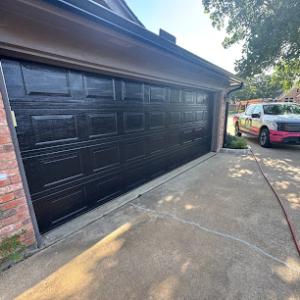
True Bond Roofing is a husband-and-wife owned local roofing and general contracting company serving the DFW area. We specialize in roof repairs, full roof replacements, chimney flashing repairs and reseals, hail and wind damage repairs, gutter installation, pergolas, fencing, permanent outdoor lighting, and home improvement projects. We focus on clear communication, dependable service, and helping homeowners protect and improve their homes.
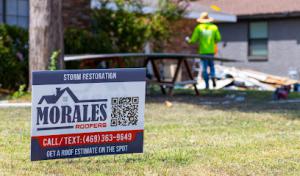
Morales Roofers
(469) 363-9649 www.moralesroofers.com
Serving
4.9 from 235 reviews
Morales Roofers is a family owned roofing company that offers, residential multi-family, and commercial roofing services. We specialize in roof replacement, storm restoration, repair and general contracting in all of DFW and all surrounding North Texas areas. Morales Roofers is local and family owned with more than 25 years of roofing experience in the roofing trade. At Morales Roofers we are committed to one hundred percent customer satisfaction and are dedicated to providing you with top tier workmanship no matter how big or small the project. In a marketplace full of "roofers", Morales Roofers is a family owned company composed of tradesmen ready to get to work.

PMR Roofing
Serving
4.8 from 78 reviews
Roofing with a STRONG foundation. With millions of square feet of roof systems designed and tailored to our clients needs, each of our projects are thoroughly supervised from start to finish to ensure the site is kept clean, residents are safe, and the property staff is kept in the loop at all times. We are the leading roofing company in Plano, Allen, McKinney, Frisco, Richardson, and the rest of DFW looking to serve your roofing needs!
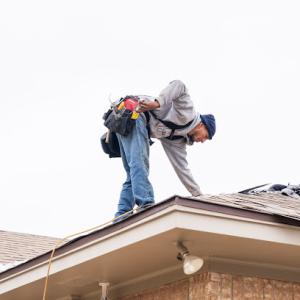
Golden Nail Roofing & Construction
(972) 954-1264 goldennailroofing.com
Serving
5.0 from 90 reviews
''Here at GoldenNail Roofing & Remodeling we are a family-owned business With humble beginnings and a dedication to excellence, Our team of skilled professionals is dedicated to excellence in every project we undertake. Whether it's a simple repair, a complete roof replacement, or ongoing maintenance, we approach each job with precision and integrity, ensuring customer satisfaction every step of the way.
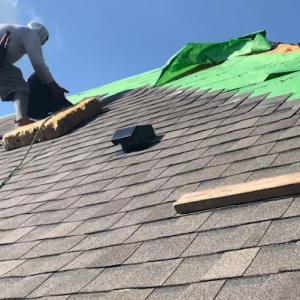
HAIL2NAIL Contracting
(682) 561-9795 www.hail2nail.com
Serving
5.0 from 77 reviews
Roof replacement & Restoration. Rain-gutters, Siding , Windows, wood & concrete flooring & general remodeling.
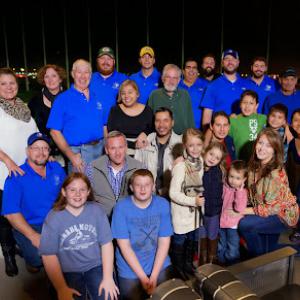
Rebuild Texas Construction
Serving
4.7 from 103 reviews
Rebuild Texas Construction - Trusted roofing and remodeling contractor serving the DFW area. We provide: - Residential & Commercial Roofing (repairs, replacements, storm restoration) - Interior Remodeling (kitchens, bathrooms, flooring, cabinets, tile) - Siding & Gutter Services - Covered Patios Quality workmanship, honest service, lasting results.
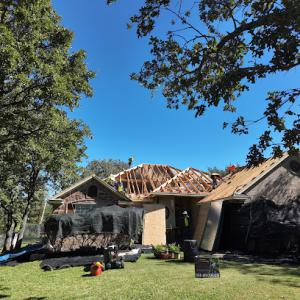
American National Roofing & Restoration
Serving
5.0 from 161 reviews
American National Roofing & Restoration, established in 2019, offers a comprehensive approach to roof repair and restoration in the Dallas-Fort Worth area. we did more than 423 roof repair & replacement in one year our expertise extends beyond roof damage, encompassing hail impact assessment and education for homeowners. The company prioritizes customer service and aims to restore a home's value after hail or other unforeseen events. flat roof , residential roof , hail and wind storm damage , insurance claim , water damage , roof repair , flat roof coating system , GAF certified ,
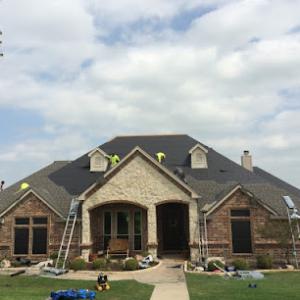
Platform Construction & Roofing
(817) 776-0302 www.platformroofing.com
Serving
4.8 from 65 reviews
For over eight years, Platform Construction & Roofing has served Arlington and surrounding areas as the area’s top roofing contractor. They are committed to delivering exceptional roofing solutions for both residential and commercial properties, specializing in a wide range of services that cater to the unique needs of every customer.
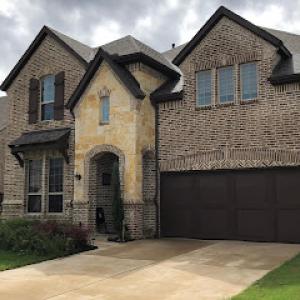
ACC Roofing
Serving
5.0 from 45 reviews
#1 Most Trusted Roofing Company In DFW! We Are Your Local Roofing Contractors Offering Roof Replacement, Roof Repairs, New Roofs In Arlington, Irving, Dallas, Fort Worth, Coppell, Southlake, Not All Roofers Are The Same. Check Out Our 5 Star Reviews!
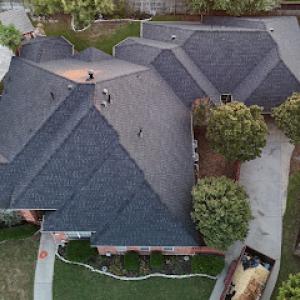
X Roofing & Solar
(682) 376-2497 xroofandsolar.com
Serving
5.0 from 149 reviews
We offer roofing services and general contractor services
In this part of the Mid-Cities, summers bring high heat and frequent hail events that stress roofs differently than milder climates. Asphalt shingles dominate many neighborhoods, delivering a familiar balance of cost and repairability, but hot North Texas summers and periodic hailstorms shorten service life compared with milder climates. When choosing a roof, you weigh heat resistance, impact tolerance, and how the roof will perform after a storm-not just how it looks on day one. The practical path is to match the material's resilience with how storms tend to strike your street, your attic ventilation, and how quickly you can verify and address damage after a hail event.
Asphalt remains the workhorse for many Euless homes. Modern fiberglass or modified bitumen shingles can handle summer heat when paired with proper attic venting and reflective underlayment. The key practical move is to install adequate ventilation and consider shingles with reinforced tabs for better wind and impact resistance. After a hail event, a quick review of exposed shingle edges, including any bruising on multiple panels, helps decide whether a formal roof inspection is warranted. If you see granule loss or penetrating marks, plan a thorough inspection after weather has cleared, since hail damage can evolve as shingles age under Texas sun.
Tile and slate appear in higher-end homes across the Mid-Cities, but their weight and breakage patterns make post-storm inspection and replacement logistics different from standard shingle roofs. Clay or concrete tiles resist impact better than many shingles, yet they're heavier and more brittle under sudden temperature shifts or heavy hail. After a storm, look for cracked or dislodged tiles, plus any signs of water intrusion around penetrations. Replacement work often requires careful roof framing assessment and sometimes crane access, so coordinating with a contractor who understands local wind zones and live-load considerations is essential. You'll want to plan for a staggered replacement approach if multiple areas are affected, to keep weight distribution balanced during the repair process.
Metal roofing is a meaningful local specialty, reflecting homeowner interest in impact resistance and heat performance in the DFW climate. Metal panels can shrug off hail better than many shingles when installed with proper underlayment and sealants, and they typically respond well to high heat by reflecting rather than absorbing solar energy. When evaluating metal, confirm a sealed panel system and appropriate fastener spacing to prevent water leaks after storms. After hail or wind events, metal roofs often reveal fewer obvious surface defects, but fastener heads and seams deserve a careful check, especially near roof-to-wall transitions where weather exposure is greatest.
In the weeks following a hail event, adopt a methodical inspection routine. Start with a visual walk around the rooftop edges for raised granules, lifted shingles, or displaced tiles, then confirm attic signs of moisture or increased humidity. Schedule a professional assessment if any doubt remains about visible damage or if there are many trees nearby that increase debris load. Regular maintenance-clean gutters, reseal around penetrations, and replace damaged flashing promptly-extends the roof's life in this climate and keeps the home's envelope tighter through hot summers and surprise storms.
In this area, many roof replacements line up in spring or fall to dodge the peak summer heat that stacks up around North Texas. The goal is a comfortable installation window where crews can work at steady pace without midday heat forcing heat-related slowdowns or safety pauses. If your calendar has flexibility, aim for a start date in late March through May or September through early November. This keeps the crew on a predictable rhythm and reduces the chance of weather-related holdovers.
Summer heat in the DFW area accelerates asphalt aging and can complicate installation conditions on exposed roofs during midday. If you must replace during July or August, plan for early starts and late finishes to avoid peak sun. Consider shingle type choices and underlayment options that tolerate heat better, and coordinate work hours to minimize the most intense heat exposure. It's helpful to discuss shade strategies for staging materials and to confirm temporary cooling measures with your contractor.
Fall brings the region's heavy rains and sometimes brisk winds, which can delay tear-off schedules and complicate debris management if projects aren't tightly sequenced. If a fall project slips behind, the risk of weather-driven interruptions rises, so you want a contractor who can sequence deck, tear-off, underlayment, and final roof placement in a tight, predictable flow. Ensure the crew has a clear plan for securing loose debris after storms and for prioritizing critical weather windows to keep the job advancing without piling up days between steps.
Coordinate with a trusted local contractor to map a window that aligns with typical weather patterns and your home's needs. Favor a start time that allows for a clean tear-off before the wet season begins, and a completion buffer before winter nights set in. If a storm is forecast close to your ideal window, discuss flexible sequencing or interim covers to shield exposed areas. A well-timed replacement minimizes heat exposure, weather delays, and the risk of project creep, helping your home stay secure and your project stay on track.
Get a clear picture of your project costs upfront - no commitment required.
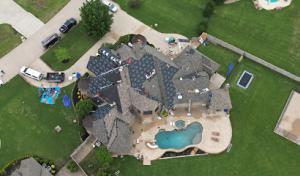
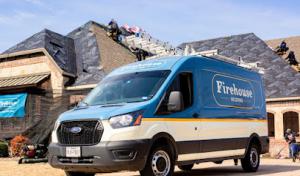
In this market, post-hail demand across the wider DFW area can push labor, scheduling, and material turnover toward the upper end of typical ranges. When a hail event hits, crews are booked weeks out and some materials may be in shorter supply, which means a straightforward replacement can become a closer-to-upper-bound project. Homeowners should plan for potential price shifts that reflect urgent timelines, not just the base material price. Local pricing is notably sensitive to how quickly crews can secure dumpsters, disposal space, and stack permits, which can tilt costs upward even for standard asphalt shingle jobs.
Asphalt shingles remain the common choice for many Euless homes, reflecting familiar aesthetics and straightforward installation. However, upgrades to metal, clay tile, concrete tile, synthetic or slate can change both labor complexity and inspection expectations. Metal roofing often brings higher per-square pricing but can yield faster installation and different warranty considerations. Clay and concrete tiles increase weight and require more precise roof structure checks, which can raise labor time and inspection scrutiny. Synthetic or composite shingles offer a middle ground with improved impact resistance and sometimes quicker installation. If a property moves beyond standard asphalt, plan for a broader cost range that reflects material-specific labor and potential contingency needs during hail-damage assessments.
Costs in this area can move based on how the project is staged after a storm, including whether storm damage has created urgent temporary repairs before full reroofing. Disposal and cleanup expectations, as well as the scope of debris management required by the contractor, influence the final figure. Local crews often adjust scheduling to accommodate insurance-driven timelines, which can compress window planning and push pricing closer to the upper end of the provided ranges. When estimating, consider not only the roof material but also the logistical loads tied to hauling away damaged material and delivering new stock, as these factors frequently shape the bottom line in a storm-affected season.
Don't let upfront costs delay a critical repair - these contractors offer payment plans to fit your budget.
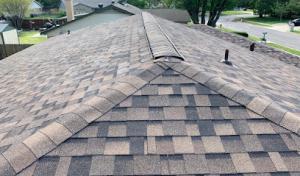

The City of Euless typically requires a building permit for a full roof replacement rather than treating reroofing as permit-free maintenance. This means you'll need to plan for permit processing early in the project and coordinate with the building department to avoid delays at the street or in your driveway when inspections are due. Reroof work that involves removing existing layers, changing the roof layout, or upgrading underlayment or ventilation generally triggers permit activity rather than a simple repair notice. Understanding this distinction helps prevent misunderstandings once the crew is on site.
In this market, contractors commonly file the permit and coordinate inspections through the city building department as the job progresses. A dependable approach is to designate one point of contact who can receive updates from the contractor and relay information to you. The typical workflow progresses in stages: plan review, framing checks if replacement alters deck structure, and installation inspections as layers go down and back up. Rely on the contractor to submit the necessary documentation, but stay engaged so any required amendments are addressed promptly. This hands-on coordination minimizes downtime and supports a smoother permit path through the department.
City inspections in this area occur during and after the work to verify framing or deck conditions, underlayment, ventilation, and installation details, with a final inspection required before the permit is closed. Expect inspectors to verify that the framing or deck meets current code when structure changes occur, that the underlayment is properly installed, and that ventilation and attic protection are adequate for long-term roof performance. Installation details-such as nailing patterns, flashing around penetrations, and chimney or vent venting-are checked to ensure water shedding and wind resistance align with local expectations. A clear checklist from the contractor helps you anticipate what's needed at each inspection.
Because weather events and insurance timelines often drive roof work in this region, align permit timing with storm season planning. Maintain organized copies of permits, inspection approvals, and any change orders as the project progresses. If a delay arises, communicate promptly with the contractor and the city to keep the sequence intact and avoid rework. A transparent process reduces surprises and supports a smoother finish when the final inspection is completed and the permit closes.
The DFW area is a high-claim roof market, so homeowners often face stricter insurer scrutiny than owners in lower-loss regions. After major hail seasons in North Texas, some carriers have tightened certain coverages, making policy review especially important before replacement decisions are made. That reality isn't about fear, but about staying prepared so a storm doesn't derail what you actually need to fix your home. In practice, that means understanding what your current policy will and won't cover and how a claim could affect future premiums, deductibles, or renewals.
For claims, homeowners should preserve date-stamped photos, interior leak evidence, contractor inspection notes, and any emergency tarping records to support adjuster review. When a hail event leaves dents on gutters, ridge caps, or attic rafters, rapid documentation helps tell the full story beyond a single blown shingle. Keep a dated log of all weather incidents, and store copies of receipts for emergency repairs. If there is interior staining or ceiling bulges, photograph those areas promptly and keep a timeline of when the leaks were first noticed. The adjuster will rely on this evidence to distinguish between preexisting conditions and new damage caused by a storm, which can influence the settlement outcome.
Contractors in the area frequently perform thorough, field-based evaluations that focus on roofing components most vulnerable to hail: the shingles, underlayment, flashing, and vent stacks. A reputable contractor should provide an itemized inspection note that you can share with the insurer, highlighting damaged areas and recommended replacements. Be cautious about rushing into a replacement decision before the adjuster has completed review; some policies require the carrier's scope to align with the actual damage observed. If a policy deck changes after a major hail season, take extra time to compare the new language against your specific roof and condition, so a denial isn't tied to an overlooked coverage nuance.
In this area, hail and wind commonly damage ridge caps, shingle tabs, flashing edges, and other exposed roof components before homeowners notice interior leaks. A quick visual check after a storm can reveal lifted shingles, granule loss at joints, and loose edges that let water creep inside. When hail lands, look for hairline cracks along shingle edges and any sudden cupping. If a ridge vent shows uneven screws or loose flashing, treat it as a priority fault.
Rapid summer heat cycling in North Texas can accelerate granule loss, brittleness, and seal-strip fatigue on aging asphalt roofs. On older roofs, you might notice more granular dust in gutters, small granule caps along eaves, and more frequent wind uplift at the ridge during hot afternoons. These subtle failures often precede leaks, especially around flashings and vents. Early detection of fatigue can prevent a small leak from turning into ceiling staining. It pays off.
The local contractor market shows meaningful demand for chimney and skylight-related roof work, indicating these penetrations are recurring inspection points on homes. Flashing around chimneys, skylights, and vent stacks tends to deteriorate faster than surrounding shingles, inviting water intrusion if neglected. Regular checks for loose sealant, rusted metal, or lifted edges can save interior damage in a storm. Because chimney and skylight work is common, have a trusted pro pre-inspect these areas annually and after hail events. Even cosmetic flashing gaps can channel water inside if ignored for seasons.
Find contractors experienced in skylight installation, flashing, and leak repairs to bring natural light into your home.
Rough Riders Restoration & General Contracting
(682) 503-4848 www.roughridersrestoration.com
1105 S Airport Cir C, Euless, Texas
5.0 from 58 reviews

Legends Roofing
(972) 679-4640 www.legendsroofing.com
107 Shadow Ln, Euless, Texas
4.9 from 57 reviews
Although pitched residential roofs are common in this area, the local contractor market also shows active flat-roof specialization, reflecting demand on additions, porches, multifamily, and commercial properties in the Mid-Cities. For homes with flat or low-slope sections, anticipate careful attention to edge details, flashing intersections, and drainage paths during reroofing. A skilled flat-roof crew will verify deck integrity, install appropriate membrane systems, and coordinate with any existing parapets and scuppers to avoid ponding after storms.
Solar roofing appears as an active specialty in this market, which matters because penetrations and attachment details need careful coordination after hail events and during reroofing. If you pursue solar panels or a standing-seam photovoltaic system, plan for load paths that integrate with the roof deck, flashings that meet wind-driven rain expectations, and secure attachment points that won't compromise shingles or membranes. Work with installers who understand the local hail history and how integrated solar affects warranty coverage.
Heavy rain periods in the DFW area make drainage performance especially important on low-slope sections that do not shed water like standard steep-slope roofs. Ensure that the roof-to-drain relationships are intact, with properly sized plugs, scuppers, and internal drains. During inspections, look for signs of slow drainage, scum lines near parapets, or minor membrane wrinkles that could become leaks after a heavy storm.
When planning a reroof that includes low-slope or solar components, align the sequence so that penetrations are sealed once, and ensure temporary protectors are in place during replacement windows. In storms-prone seasons, a well-coordinated crew that understands both flat-roof details and solar penetrations helps prevent call-backs and preserves long-term performance.
Find specialists in TPO, EPDM, and built-up flat roofing systems for residential and commercial properties.