Last updated: Apr 19, 2026
Bedford sits in the DFW hail belt where severe spring hail and strong wind events are a primary driver of roof replacement timing. When the roar of hail hits your neighborhood, the clock starts ticking on potential damage that isn't always visible from the ground. Shingles can crack, granules can loosen, and flashing around vents and chimneys can misfire under the pressure of a sudden wind gust. The risk is real for homes with older roofs, composite or asphalt shingles, and clay or concrete tiles that aren't designed to shrug off repeated hail impacts. When a storm clears, the urgency is to verify whether your roof sustained damage that could qualify for an insurance claim, because delays in reporting can complicate the adjustment process and push repairs further into the season.
Texas insurers in this region commonly require photo documentation, roof age details, and clear storm evidence before adjusting Bedford-area hail and wind claims. That means you should gather clear, dated photos showing hail impact on shingles, dented metal, and any visible interior leaks or attic moisture. Take wide exterior shots of the entire roof and closer close-ups of any puckering, bruising, or missing granules. Have a basic roof-age record ready-whether through a previous inspection, a home-building receipt, or a note from a trusted contractor on the roof's baseline condition. If possible, document wind-driven debris around the yard and driveways, because evidence of a broad storm event can help validate a multi-property claim cluster that insurers recognize in this market. The goal is to provide a straightforward storm narrative: when the storm hit, what you observed immediately afterward, and what areas show signs of damage that could compromise roof performance. The more precise and organized the documentation, the smoother the adjustment path tends to be.
Because hail events affect the wider Mid-Cities at once, Bedford homeowners can face contractor scheduling backlogs and insurance processing delays immediately after major storms. The peak window for rapid inspection is typically the first week after the storm, but the reality is that larger claims can cascade across multiple homes, forcing calendars to back up. If a claim lags, there is a practical risk of secondary damage from lingering leaks or water intrusion during seasonal rains. Plan for potential scheduling gaps with a trusted local roofer who can perform a professional inspection, document findings, and coordinate with the insurer. Do not delay reporting to your adjuster if you suspect significant impact; waiting can complicate the claim and extend the time to repair, especially when crews are stretched thin across the DFW area.
As a homeowner, you want to separate cosmetic concerns from structural risk. Look for lifted or curling shingles, granule loss in gutters and downspouts, and any sudden soft spots or buckling around vents and skylights. Check the attic for signs of moisture or dark stains that indicate a slow leak. Inspect coping, attic sheathing, and trim around the chimney for wind-driven gaps that could let water back into the home. If any damage is visible, note the location with photos or sketches and add a brief description of the condition. A quick, honest damage map helps the insurer and the contractor align expectations for the scope of work and timing. If a contractor identifies hail damage that remains hidden from ground view, insist on a thorough roof evaluation, because some issues only reveal themselves after a careful up-close inspection.
Storm-driven claims thrive on speed. Seek a local roofer who can commit to prompt site assessment, a transparent scope, and a plan for full cleanup after work is completed. A reliable crew will protect landscaping, remove debris responsibly, and ensure no leftover nails or hazardous materials linger after replacement. Coordinated communication among you, the insurer, and the contractor is essential to avoid misaligned expectations, especially when the weather continues to flirt with the area. If multiple neighboring homes are filing, push for a coordinated scheduling approach to reduce disruption and ensure the neighborhood sees timely, complete repairs rather than piecemeal work. In this weather-driven market, preparedness and rapid action are your best defense against cascading delays and lingering risk.

Lake Dallas Roofing & Restorations
(469) 912-0561 www.lakedallasroofing.com
Bedford, Texas
5.0 from 98 reviews
At Lake Dallas Roofing & Restorations, we take pride in our extensive experience working on all types of exterior remodeling for residential properties. We bring the same outstanding work ethic and customer support to every job that we undertake.
Stonewater Roofing
(214) 347-9241 stonewaterroofing.com
111 Bedford Rd # B, Bedford, Texas
4.8 from 145 reviews
Stonewater Roofing provides professional commercial and residential roof maintenance and replacement services in Bedford, TX, Tarrant Count, and surrounding areas. . From the free inspection to the roof installation, our roofers will be there to help protect your property and grant you peace of mind. We also install solar shingles and solar panels to modernize homes and businesses with renewable energy solutions. Ask about a free energy assessment and the benefits of goin green with us! As you top local roofing company in Bedford, we go above and beyond to make the roofing experience simple for our customers in Bedford, Hurst, Euless, North Richland Hills, Arlington and surrounding DFW areas! Schedule your free damage assessment today!

Rebuild Texas Construction
Bedford, Texas
4.7 from 103 reviews
Rebuild Texas Construction - Trusted roofing and remodeling contractor serving the DFW area. We provide: - Residential & Commercial Roofing (repairs, replacements, storm restoration) - Interior Remodeling (kitchens, bathrooms, flooring, cabinets, tile) - Siding & Gutter Services - Covered Patios Quality workmanship, honest service, lasting results.
HAIL2NAIL Contracting
(682) 561-9795 www.hail2nail.com
Serving
5.0 from 77 reviews
Roof replacement & Restoration. Rain-gutters, Siding , Windows, wood & concrete flooring & general remodeling.

Rough Riders Restoration & General Contracting
(682) 503-4848 www.roughridersrestoration.com
Serving
5.0 from 58 reviews
Storm damage restoration, roofing, general contractor, fencing, gutters, windows, window screens, painting, siding, metal fencing, wood fencing, tile roofing, clay tile roofing.

Roofing by Mark
(817) 991-4017 roofingbymark.com
Serving
5.0 from 77 reviews
Haillelujah... Roofing By Mark Looking for a roofer who will respect your home, a person of his word, be present during the restoration, communicates to you throughout the project, is a local resident since 1982, has only 1 stellar and committed crew for 11 years. A joy to work with ... STOP RIGHT NOW... Because You Found YOUR MAN! Mark has been in the construction arena for more than 25 years serving homeowners with roof restoration, general repairs and energy efficiency. Mark has built his clientele strictly through relationships and referrals by being committed to building lasting relationships with his clients and having a servants heart. Mark treats all clients with integrity & respect on every project, from inception to completion.
IFC Roofing
(817) 706-6070 www.ifcroofing.com
Serving
5.0 from 311 reviews
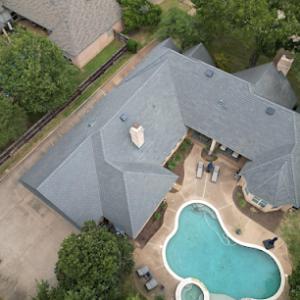
IFC Roofing specializes in repairing your property’s roof after a storm or natural disaster. We are a locally owned general contractor and construction company which manages roofing projects, hands-on, from start to finish. We also can help you navigate each step of, sometimes complicated, insurance claim process. If you suspect your home has been damaged by Mother Nature, give us a call and see why we're the highest rated and reviewed Roofing General Contractor in DFW!
K&M Services, Roofing & Construction
(817) 918-3940 kmservicepro.com
Serving
4.9 from 95 reviews
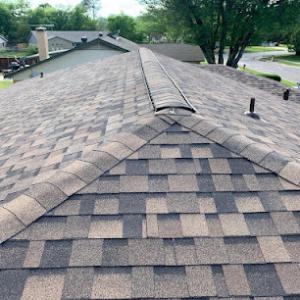
K&M Services Roofing & Construction is Colleyville’s go-to contractor for roofing and storm restoration throughout the Dallas–Fort Worth Metroplex. Family-owned, licensed, and insured, we specialize in roof replacements, hail damage repair, and full-service insurance claim assistance. We proudly serve Colleyville, Southlake, Arlington, Fort Worth, and surrounding areas with fast emergency response for storm and leak damage. From shingles to metal and flat roofs, we deliver expert craftsmanship, honest pricing, and personalized service. We also offer financing to fit your budget. Call 817-918-3940 or visit our website to schedule your free roof inspection today.
David Martin & Son Roofing
(817) 236-9898 www.davidmartinandsonroofing.com
Serving
4.9 from 93 reviews
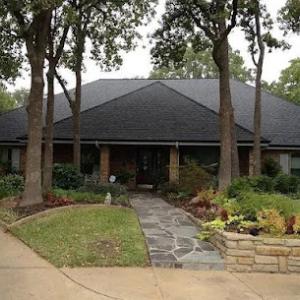
David Martin & Son Roofing provides quality work by experienced roofers in North Texas, Call Now for free estimates

Firehouse Roofing
(817) 402-8171 firehouseroofing.com
Serving
5.0 from 164 reviews
Founded in 1997 and voted Best Roofer in DFW, Firehouse Roofing is the area’s leading expert in roof repairs. We provide the highest quality shingles, insulation, ventilation, gutters, and solar stock to make sure you are getting the best products installed in your home or business. Our knowledgeable team specializes in roof repairs, roof replacements, metal roofing, residential roofing, commercial roofing, gutter installation, and offers in-house financing. Firehouse Roofing stands by a 100% Customer Satisfaction Guarantee. Whether it be residential or commercial roofing, Firehouse has got you covered. Call today to schedule a FREE inspection!

Legends Roofing
(972) 679-4640 www.legendsroofing.com
Serving
4.9 from 57 reviews
Serving the DFW Metroplex area. Legends Roofing specializes in roofing, gutters, and remodeling. Satisfaction guaranteed. 100+ years of combined experience. Price matching. Call for service.
Firefighter Roofing
(817) 750-0911 firefighterroofing.com
Serving
4.9 from 553 reviews
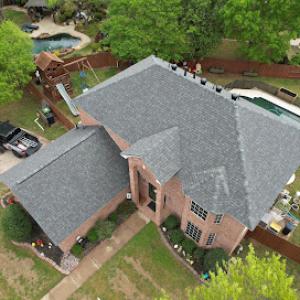
Firefighter Roofing is a roofing company based in Dallas-Fort Worth, TX providing comprehensive roofing services for homes and businesses. Our roofing services include roof replacement, roof repair, commercial roofing, emergency roof repair and a full range of roofing solutions, ensuring your property is fully protected. We are a full service roofing contractor servicing all of the Dallas-Fort Worth Metroplex and surrounding areas including Frisco, McKinney, Plano, Prosper, Southlake, Highland Park, University Park, Colleyville, Trophy Club, Flower Mound and more.
Asphalt shingles dominate the market because they fit the typical suburban housing stock and replacement economics in this area. They're familiar to local crews, readily available, and straightforward to install on most existing roof lines. In the DFW climate, however, asphalt is especially exposed to hail bruising and heat aging during the long, hot summers. That means careful selection of shingle granule density, better impact resistance ratings, and a preference for higher-ply underlayment to buy time after a hail event. In practical terms, consider shingles with a robust wind uplift rating for the wind-prone cycles and a reflective or low-slope-capable design to help weather those afternoon heat spikes. For homeowners dealing with the aftermath of a storm, asphalt can be a forgiving choice because repair options are widely available and the replacement process tends to integrate smoothly with existing structures. In this market, quick response and full cleanup after a weather-driven replacement are often expected, so sticking with a familiar, serviceable system helps keep the project on track.
Metal roofing stands out as a thoughtful option for homeowners who want to move past repeated hail seasons and focus on longer-term performance. In Bedford, metal's appeal centers on impact resistance, heat management, and the higher upfront cost that gets reflected in longer service life and reduced long-term maintenance. If hail is a frequent concern, metal can reduce recurring damage scenarios and cut down on interior disruption after big storms. Heat performance is another win, as metal tends to shed sun exposure more efficiently than many other materials, potentially lowering attic temperatures and extending roof system life. The trade-off is weight considerations for existing structures and the level of fabrication or panel customization required for conforming to complex roof lines commonly found here. If the goal is fewer repairs and a more predictable post-storm experience, metal stands out, but budget timing and roof geometry must be weighed carefully.
Tile and synthetic options appear in the market, adding variety to the local landscape. Tile brings durability and a distinct aesthetic, yet weight concerns are real - many homes here were not built to support heavy tile without reinforcing, and that reinforcement adds cost and disruption. Breakage risk under hail is another factor; larger hail events can pose higher chances of cracked or displaced tiles, which complicates rapid cleanups after storms. Synthetic options mitigate some weight and cost concerns but still involve careful matching to existing roof geometry and structural capacity. Replacement complexity matters more in North Texas storm cycles than in milder regions, where quick turnover and easy scope management are the norm. For storm-focused homeowners, tile or synthetic can offer long-term performance, but ensure the structure supports the chosen material, and plan for potential additional repairs alongside the initial installation.
In Bedford, full replacement pricing is framed per square (each square equals 100 square feet) and follows local material ranges. Asphalt shingles typically run from 350 to 700 per square. Metal roofing climbs from 600 to 1200 per square. Clay tile commonly lands between 900 and 2000 per square. Concrete tile sits roughly 800 to 1600 per square. Wood shingles or shakes tend to be 700 to 1300 per square. Synthetic or composite shingles span from 550 to 1300 per square. When you multiply by the number of squares on a typical Bedford roof, these per-square ranges translate into a practical budget bridge from modest to premium setups. The exact total depends on roof complexity, existing decking, and any required underlayment upgrades, but the per-square framing gives you a realistic starting point for comparison with local bids.
Costs in Bedford can rise after major DFW hail events when regional demand spikes for tear-off crews, disposal, and replacement materials across the Mid-Cities. The surge isn't just about materials arriving on-site; it hinges on the pace of work crews, crew availability, and the need to coordinate multiple trades in a condensed window after a storm. If a hail event hits hard, you'll often see bids that reflect faster timelines, higher labor demand, and the premium for ensuring debris removal and cleanup keep pace with replacements. That means your project total may temporarily tilt toward the upper end of the local ranges during a busy storm season, especially if the roof requires extensive tearing off and disposal.
Beyond the basic shingle choice, the complexity of replacing storm-damaged accessories such as flashing, vents, skylights, and chimney tie-ins can materially change Bedford project totals. If those elements need to be replaced or upgraded to match the new roof, you'll see incremental costs added to the per-square price. Additionally, the condition of underlayment and decking can introduce extra expense if rotted or damaged boards must be removed and replaced. In practice, the quoted per-square price is the starting point; the final total reflects the full scope of the replacement and the labor required to restore a weather-tight roof.
Begin with an honest assessment of roof area in squares to match the local per-square ranges. Gather bids from two or three reputable local roofers who understand the Mid-Cities exposure to hail and wind. Ask bidders to itemize tear-off, disposal, and any accessory replacements so you can compare apples to apples. If the project includes flashing, vents, skylights, or chimney work, request a separate line item for those tasks to see how much each adds to the bottom line. Finally, set aside a contingency to account for potential weather-driven price shifts during peak storm periods, and align scheduling with the contractor's ability to complete a thorough cleanup after installation.
Get a clear picture of your project costs upfront - no commitment required.
David Martin & Son Roofing
(817) 236-9898 www.davidmartinandsonroofing.com
Serving
4.9 from 93 reviews
A building permit is typically required for a full re-roof, and the City of Bedford Building Department handles permit processing. Before any shingles come off, you'll want to confirm that a permit is active for the scope of work and line up the necessary documentation. In practice, a re-roof that involves replacing all decking or changing material type will trigger the permit, while cosmetic updates usually do not. The city's permitting office can guide you on the exact forms needed, the project address, and any required notices to adjacent property owners. Plan to apply early in the process, especially if weather-driven repairs are queued behind insurance adjustments, so there's room to coordinate inspections without delaying critical work.
For standard shingle re-roofs in Bedford, plan review is often minimal, but the city still requires permit issuance and inspection signoff. This means the contractor or homeowner should expect to submit a basic project description and confirm that the roof assembly and attachment methods meet current code as enforced by the local inspector. Once issued, the permit travels through the city's intake, and you'll be issued notice of when inspections are scheduled. The typical sequence is inspection at rough framing or decking replacement (if applicable), followed by a final inspection after the entire installation is complete. Having a clear timeline helps align weather windows after a hail- or wind-related claim and minimizes rework attempts.
Bedford commonly requires a final inspection after completion and may also require a weatherization or wind-related check depending on project scope. Expect the final visit to verify that the roof system is properly installed, the flashing is sealed, penetrations are flashed correctly, and attic ventilation remains compliant. If the project coincides with storm-claim work, the inspector may look for appropriate cleanup and debris removal, as well as compliance with any wind uplift requirements relevant to the season. Some jobs may trigger an additional wind-resistance or weatherization verification, especially if the replacement involves higher wind exposure areas or newer materials. Be prepared to address any deficiencies noted during the final walkthrough promptly to keep the project on the approved path.
Bedford's extreme summer heat in the DFW area can accelerate shingle aging and make installation conditions harder on both crews and materials. When the sun peels off its long daily watch, asphalt shingles become more pliable in the heat and more brittle during the cool of night, which increases the risk of surface damage during handling. Metal faces the risk of heat-related expansion that can affect fasteners and alignment if sections are rushed into place. For homeowners, this means choosing start times that keep crews out of the peak scorch hours and aligning any interior work, like attic access or ventilation checks, with cooler parts of the day to reduce unexpected heat-driven delays.
Rapid weather swings in North Texas transitional seasons can interrupt Bedford roofing schedules even when projects are already underway. A late afternoon thunderhead, sudden gusts, or unexpected downpours can stall lifts, hoists, or shingle settlement periods. If a roof is partially disassembled, a quick shift to temporary coverings may be necessary to prevent water intrusion; this can add days to a timeline you were counting on. Contractors familiar with the area will build contingency buffers into their daily plans, but you should expect some this-season unpredictability and plan for occasional pause points to reassess tarp placement, flashing reselection, and ventilation checks before resuming.
Occasional winter cold fronts in the region can affect material handling and create short scheduling windows for replacements and repairs. Cold mornings stiffen materials, and the shorter daylight window in late fall and winter can compress tasks that normally flow in a longer warm season. In Bedford, crews often shift early to complete critical steps such as roof deck inspection and underlayment installation before freezing conditions set in, then wrap finish work when daytime conditions are favorable. This means that even if the project commences smoothly, a few days of truly favorable weather must align for the final sealant cures and detail work to achieve a durable result.
To navigate these realities, set realistic milestones that assume the possibility of heat-related slowdowns, sudden weather pauses, and shorter winter windows. Communicate a clear plan for daily start times, a defined sequence for deck inspection, underlayment, and shingle placement, and a simple approach for weather-driven recovery days. Have a plan for evening or early-morning work when temperatures are friendlier, and ensure crews commit to proper heat protection for workers and to careful handling of roofing materials during hotter periods. This practical pacing can help preserve warranty conditions and minimize surprises when weather changes demand flexible scheduling.
Bedford homeowners operate in a high-claim Texas hail and wind market where roof condition and age can affect underwriting and renewal decisions. That reality means the condition of your roof isn't just about leaks-it signals risk to insurers evaluating your entire home. After a severe storm, even well-maintained roofs can prompt tighter renewal terms or higher deductibles if the prior losses aren't clearly supported by documentation. The risk isn't theoretical: a few years of repeated weather hits can shift an insurer's appetite for covering certain structures, making clear records essential to preserving favorable terms.
Regional carriers have adjusted claim handling in recent years, making Bedford homeowners more dependent on thorough inspection records and date-stamped damage photos. A detailed pre-loss inspection, photos taken immediately after a storm, and notes on any prior repairs help normalize a claim and reduce disputes over what happened when. Insurers now expect a clear trail: from hail dents on metal flashings to granule loss on shingles, every detail matters. Without solid documentation, it's easy for a claim to stretch longer than needed or be narrowed in ways that complicate repairs and future coverage.
In Bedford, insurance considerations often influence whether owners choose another asphalt roof or upgrade to metal or synthetic materials after repeated storm losses. If a claim history shows multiple hail events in a short span, the switch to metal or synthetic can be appealing due to potential durability and improved wind performance. However, such decisions should be weighed against the home's needs, aesthetics, and overall long-term resilience, since the coverage implications can be as consequential as the upfront installation.
Although the work landscape is largely pitched-roof in this market, signals from local contractors show enough low-slope tasks to make drainage and membrane transitions relevant on additions, porches, and some mixed residential-commercial jobs. In these areas, a small misstep on drainage details can become a big leak after a hail season or a windy front moves through North Texas weather swings.
Skylight repairs matter because storm-driven rain and hail can expose weak curb flashing and aged seals, especially after a brisk spring storm or a winter chill with rapid temperature swings. In practice, expect that skylight flashing is often the first line to fail where the roof slope changes or a vertical curb is involved. Inspect skylight wells, boot seals, and their intersections with surrounding shingles or membrane edges after heavy rain, and plan for resealing and flashing upgrades when you replace adjoining roofing.
Chimney and roof-penetration tie-ins are a recurring concern because many local contractors advertise chimney-related roof work alongside standard re-roofing. When you're evaluating a project, verify that step flashing transitions into the chimney or vent collars are continuous and that counter-flashing remains intact. Pay particular attention to joints where a low-slope section meets a steeper field run, as these transitions often hide drainage gaps or membrane laps that can trap moisture.
After a weather event, examine all edges where membranes, flashing, and curb attachments meet the roof deck. Look for lifted edges, hairline gaps along chimney bases, and any moisture staining around skylights or vents. Quick follow-up with a seasoned roofer who understands these connections helps prevent hidden leaks from turning into bigger comfort and durability concerns.
Find specialists in TPO, EPDM, and built-up flat roofing systems for residential and commercial properties.
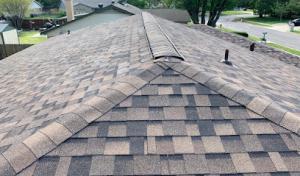
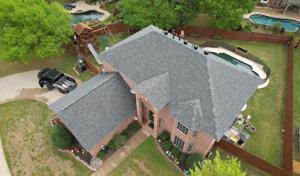
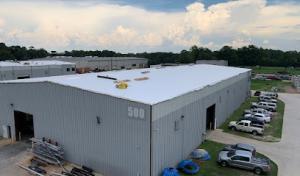
In Bedford's storm-response market, homeowners consistently prioritize quick response and cleanup-included service because many projects begin right after hail and wind events. Local crews know that a fast roof assessment and immediate tarping can limit interior damage and secondary leaks. A contractor that commits to on-site presence within 24 hours and follows through with debris removal earns trust quickly in this market.
The local contractor mix includes many long-established, family-owned, and residential-focused companies, which shapes how homeowners evaluate trust after a storm. Residents favor operators who can point to a local address, provide references from nearby neighborhoods, and maintain steady crews through the project. Documentation of damage, repair plans, and clear schedules matter more than glossy marketing.
Manufacturer certification and written warranty offerings are present in the market, but they are secondary to storm competence, documentation, and post-job cleanup for many local hires. A strong contractor will walk you through hail- and wind-related failure modes, show evidence from the attic and walls, and outline a thorough cleanup plan that covers leftover nails, shingle fragments, and disposal. Ask for a detailed punch list and a final cleanup guarantee before signing. Pay attention to how crews protect landscaping, gutters, and driveways during work, and how waste is handled at the end of the project.
In this market, solar roofing is active enough to require careful coordination between a roof replacement and any panel or solar-integrated system work. The schedule of solar installation should align with the roof project so panels don't sit in unfinished transitions or expose newly replaced decking to wind-driven debris. Planning around consecutive trades helps prevent weather-related delays that are all too common after a hail event in the DFW corridor.
Hail exposure is a daily factor in Bedford, so documenting the pre-existing roof condition is essential before any solar-related roofing work begins. Take comprehensive photos and a written condition report of the entire roof, including attic access, flashing, and vent details. This baseline helps avoid disputes later about what was damaged versus what existed beforehand and supports smooth coordination with an insurance-driven timeline.
Roof replacement planning should account for whether storm damage, insurance timing, and roof age make it smarter to re-roof before solar work. If hail claims are active or likely, a coordinated approach-where the roof is fully replaced and weather-tight before solar installation-reduces the risk of matching mismatched warranty terms or retrofit complications. Conversely, if the roof shows limited wear but solar incentives align, staged work with a careful sequencing plan can work, provided weather gaps are minimized and guarantees from both trades are synchronized.
Engage a contractor experienced with high wind and hail-prone neighborhoods to create a joint project timeline. Ensure the roofing contractor and the solar installer schedule the critical milestones together, including when the roof decking is inspected, when underlayment is secured, and when panel racking can be mounted without re-accessing finished areas. Build in contingency buffers for storm delays typical to this market, and confirm that the final roof warranty and solar equipment warranties are aligned through the completion of both trades.
Because storm-driven replacements leave a strong emphasis on full cleanup, insist on a shared checklist that covers debris removal, flashing integrity, and sealant performance around all penetrations. A clean, weather-tight roof at the conclusion of the solar work protects the investment and supports long-term performance of both the roof and the solar system.
Find contractors who integrate solar panels or solar shingles into your roof for long-term energy savings.
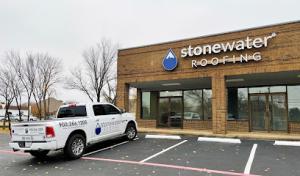
Stonewater Roofing
(214) 347-9241 stonewaterroofing.com
111 Bedford Rd # B, Bedford, Texas
4.8 from 145 reviews