
Last updated: Apr 19, 2026
Spring thunderstorms in this area aren't just annoying-they are the trigger for many roof replacements. Instead of aging out, many homes see replacement driven by hail and wind events. That means your decision window can open or close with each storm, not with the calendar. The unique mix of upscale neighborhoods, steep-slope roofs, and tile or composite coverings in this market amplifies risk: hail damage isn't always obvious from the ground, and insurance-driven cycles can push replacement even when the visible wear seems minor. Stay aware of storm timing and how a single event can shift your options from contractor availability to material backlogs across the Mid-Cities and greater DFW area.
North Texas insurers typically require more than a casual assessment to approve a claim. Expect photo documentation that clearly shows hail impact and damage to shingles, underlayment, vents, and the flashing. Proof of a pre-existing condition is often needed to avoid disputes about whether the damage was caused by the storm or preexisting wear. A tightly defined scope of work is usually demanded before the claim is approved, so vague or broad requests can stall approvals. If there are any pre-existing conditions that could affect performance-like prior repairs or mismatched materials-have them disclosed and documented. The goal is a clean, audit-ready file that shows the storm was the proximate cause of the needed replacement.
Take high-resolution photos from multiple angles, including close-ups of granule loss, dented metal, and compromised ridge caps. Capture the interior signs as well-stained ceilings or attic heat exposure-that corroborate roof performance issues. Keep a simple ledger of dates: when you first noticed damage, when the storm occurred, and when you contacted your insurer. Resist delaying documentation; insurers can tighten timelines after a major event, and delays can shrink your leverage. If you have prior repairs or weaker roof sections, photograph those areas to establish a clear baseline for the contractor and the adjuster.
After large regional storms, contractor calendars in the Mid-Cities and surrounding DFW area can fill quickly. Material lead times may extend as suppliers juggle demand, and crews may be booked out weeks or even months. That means acting promptly to secure a reputable, licensed contractor is critical. Don't rely on the first contractor who answers the phone; verify that they have experience with hail claims, proper documentation practices, and a track record of coordinating with insurers. Early engagement helps lock in preferred materials and start the scope-of-work details before the peak claim cadence hits your neighborhood again.
If you suspect hail impact, initiate contact with your insurer and a trusted local roofing professional within days, not weeks. Gather and organize your photos, notes, and any prior repair records so you can present a concise claim package. Request a joint inspection with your insurer and the chosen contractor to ensure the scope of work is aligned with the repair plan from the outset. Maintain a clear line of communication with your insurer about any changes in the scope, materials, or timelines to prevent surprise delays. Remember: in this market, timing is a key asset-act with intent to protect your home and your replacement options.
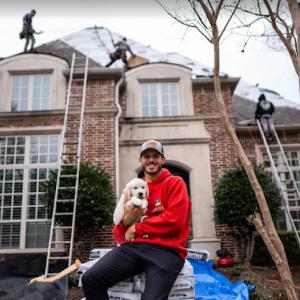
Hail King Professional Roofing
(682) 235-2880 www.hailkingpros.com
1900 Industrial Blvd Ste 200, Colleyville, Texas
5.0 from 349 reviews
Hail King Professional Roofing, located at 1900 Industrial Blvd Ste 200, is the leading roofing contractor near you in the Dallas-Fort Worth area and East Texas. We specialize in residential and commercial roofing services, including roof repair, roof replacement, and TPO roofing solutions. Our expert team ensures durable, cost-effective solutions tailored to withstand Texas weather. In addition to traditional and commercial roofing, we offer exterior improvements like painting, siding, gutters, and fencing. Trust Hail King for professional, prompt, and reliable roofing services. Contact us for a free inspection and discover why we're the top choice for roofing companies near you.
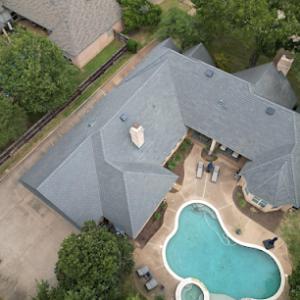
IFC Roofing
(817) 706-6070 www.ifcroofing.com
5115 Colleyville Blvd, Colleyville, Texas
5.0 from 311 reviews
IFC Roofing specializes in repairing your property’s roof after a storm or natural disaster. We are a locally owned general contractor and construction company which manages roofing projects, hands-on, from start to finish. We also can help you navigate each step of, sometimes complicated, insurance claim process. If you suspect your home has been damaged by Mother Nature, give us a call and see why we're the highest rated and reviewed Roofing General Contractor in DFW!
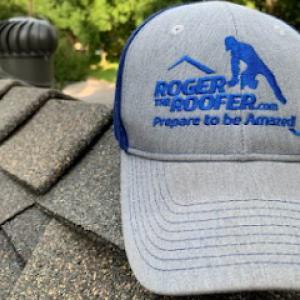
Roger the Roofer
(817) 501-0623 www.rogertheroofer.com
6409 Colleyville Blvd Suite 4, Colleyville, Texas
5.0 from 275 reviews
With Roger The Roofer as your experienced roofing team you can count on the best in quality, craftsmanship, and professionalism. Prepare to be amazed!

Firehouse Roofing
(817) 402-8171 firehouseroofing.com
5712 Colleyville Blvd Ste 227, Colleyville, Texas
5.0 from 164 reviews
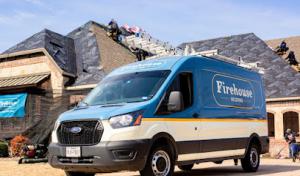
Founded in 1997 and voted Best Roofer in DFW, Firehouse Roofing is the area’s leading expert in roof repairs. We provide the highest quality shingles, insulation, ventilation, gutters, and solar stock to make sure you are getting the best products installed in your home or business. Our knowledgeable team specializes in roof repairs, roof replacements, metal roofing, residential roofing, commercial roofing, gutter installation, and offers in-house financing. Firehouse Roofing stands by a 100% Customer Satisfaction Guarantee. Whether it be residential or commercial roofing, Firehouse has got you covered. Call today to schedule a FREE inspection!
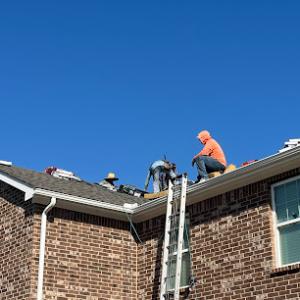
Roofing by Mark
(817) 991-4017 roofingbymark.com
5000 Thompson Terrace, Colleyville, Texas
5.0 from 77 reviews
Haillelujah... Roofing By Mark Looking for a roofer who will respect your home, a person of his word, be present during the restoration, communicates to you throughout the project, is a local resident since 1982, has only 1 stellar and committed crew for 11 years. A joy to work with ... STOP RIGHT NOW... Because You Found YOUR MAN! Mark has been in the construction arena for more than 25 years serving homeowners with roof restoration, general repairs and energy efficiency. Mark has built his clientele strictly through relationships and referrals by being committed to building lasting relationships with his clients and having a servants heart. Mark treats all clients with integrity & respect on every project, from inception to completion.
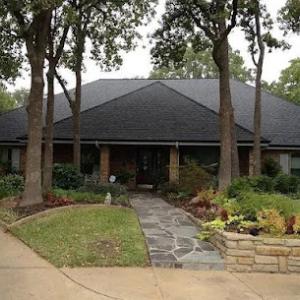
David Martin & Son Roofing
(817) 236-9898 www.davidmartinandsonroofing.com
5200 Colleyville Blvd a, Colleyville, Texas
4.9 from 93 reviews
David Martin & Son Roofing provides quality work by experienced roofers in North Texas, Call Now for free estimates
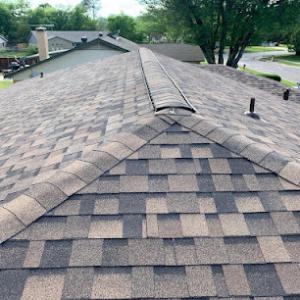
K&M Services, Roofing & Construction
(817) 918-3940 kmservicepro.com
4843 Colleyville Blvd Suite #120, Colleyville, Texas
4.9 from 95 reviews
K&M Services Roofing & Construction is Colleyville’s go-to contractor for roofing and storm restoration throughout the Dallas–Fort Worth Metroplex. Family-owned, licensed, and insured, we specialize in roof replacements, hail damage repair, and full-service insurance claim assistance. We proudly serve Colleyville, Southlake, Arlington, Fort Worth, and surrounding areas with fast emergency response for storm and leak damage. From shingles to metal and flat roofs, we deliver expert craftsmanship, honest pricing, and personalized service. We also offer financing to fit your budget. Call 817-918-3940 or visit our website to schedule your free roof inspection today.
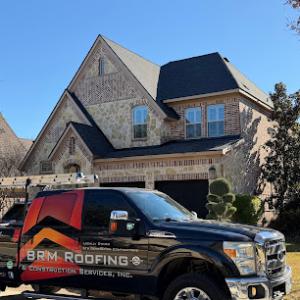
BRM Roofing & Construction Services
(817) 672-7077 brmconstruction.com
1901 John McCain Rd Suite: D, Colleyville, Texas
4.8 from 60 reviews
BRM Roofing & Construction Services, Inc. is a trusted roofing contractor in Colleyville, offering top-tier craftsmanship with over three decades of experience. Specializing in roof replacement, gutter replacement, fence staining and replacement, windows, regular and solar screens, as well as interior and exterior painting, we are committed to delivering quality service to our clients. We also assist with insurance claims to make your roofing experience stress-free. As a 5th generation contractor, we take pride in our longstanding reputation for customer satisfaction. Fully insured and A+ Accredited by the BBB, we are your go-to roofing contractor in Colleyville for all your needs.
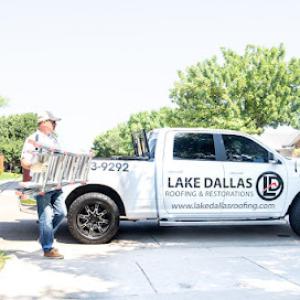
Lake Dallas Roofing & Restorations
(469) 912-0561 www.lakedallasroofing.com
Serving
5.0 from 98 reviews
At Lake Dallas Roofing & Restorations, we take pride in our extensive experience working on all types of exterior remodeling for residential properties. We bring the same outstanding work ethic and customer support to every job that we undertake.
Acme Roof Systems
(817) 752-4344 acmeroofsystems.com
Serving
4.8 from 88 reviews
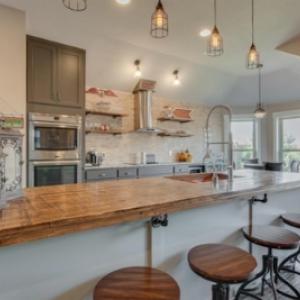
Serving the greater DFW Metroplex since 1995, Acme Roof Systems is a locally owned and operated business committed to enhancing your home. Our team of highly trained specialists is ready to assist with all your roofing needs. From residential and commercial roofing to skylight installation and ventilation solutions, we offer a comprehensive range of services. We also specialize in remodeling, including kitchens and bathrooms, and provide expert water damage restoration. We pride ourselves on delivering quality craftsmanship and reliable service to every customer.
Rebuild Texas Construction
Serving
4.7 from 103 reviews
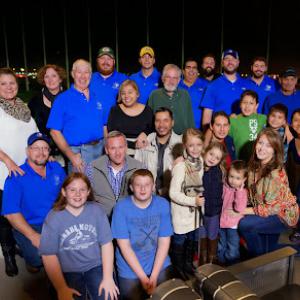
Rebuild Texas Construction - Trusted roofing and remodeling contractor serving the DFW area. We provide: - Residential & Commercial Roofing (repairs, replacements, storm restoration) - Interior Remodeling (kitchens, bathrooms, flooring, cabinets, tile) - Siding & Gutter Services - Covered Patios Quality workmanship, honest service, lasting results.
Prime Roofs
(817) 523-1308 www.primeroofstx.com
Serving
5.0 from 112 reviews
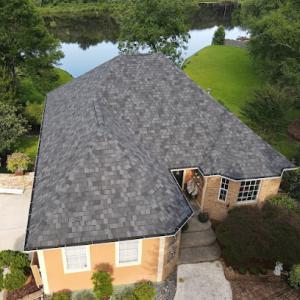
We are a premium roofing company specializing in composite, slate, tile, and metal roofing, while also expertly replacing hundreds of laminated shingle roofs each year. As a veteran-owned, family-first business, we take pride in delivering exceptional craftsmanship and customer service. Roofing isn’t just our trade—it’s our passion.
The dominant Colleyville material mix includes asphalt shingles, metal, clay tile, concrete tile, wood shakes, and synthetic/composite products, which is broader and more upscale than many basic shingle-only markets. This variety matters because the neighborhood's roofs age differently depending on the chosen system. Asphalt shingles remain common for their balance of value and performance, but the heat and hail patterns in North Texas push many homeowners toward options that resist UV degradation and hail impact. When a roof is replaced, the choice isn't just about color or look; it's about how the specific system stands up to long summers, bright sun, and the probability of hail events that can interrupt the normal life cycle of a roof.
North Texas summer heat and UV exposure are a major selection factor in Colleyville because they accelerate aging and can make lower-grade materials a poor fit for long-term performance. In practice, this means prioritizing materials with proven UV stability and dimensional stability under high temperatures. Asphalt shingles with dimensional stability under heat perform better over 15-20 years, while metal roofs resist heat buildup and can shed radiant heat if properly insulated. Clay and concrete tiles inherently shrug off sun more gracefully than low-end shingles, but they require a proper attic ventilation plan and a solid deck to carry the heavier weight. Synthetic or composite shingles often mix durability with lighter weight and strong UV resistance, making them appealing in homes with flat or low-slope transitions near sunny exposures. In hot climates, the color selection matters too: lighter tones reflect more solar heat, while darker tones store more heat and may influence cooling loads.
Tile and metal appear often enough in this market that replacement planning must account for heavier systems, accessory matching, and specialized crews rather than assuming a standard laminate shingle reroof. Hail events in the DFW corridor can dent metal panels, crack clay or concrete tiles, and misalign shingles, which complicates insurers' expectations and the replacement process. When choosing a material, consider not just the immediate impact resistance but the ease of post-storm repair and the availability of compatible accessories (flashings, underlayment, ridge caps, and ventilation components). For those who expect the possibility of future hail-driven replacements, a system that integrates with a robust accessory package and allows for color and texture continuity can minimize the disruption of a follow-up repair or re-roofing cycle.
Tile and metal systems demand crews with specialized experience, proper anchors, and precise fastening patterns to avoid issues such as cracking, panel misalignment, or fastener corrosion. In markets with the mix described above, a reroof project often touches multiple trades: tile or metal specialists, flashing and seam work, ventilation and insulation adjustments, and careful matching of color and profile with existing elements. The plan should include a staged approach for tile and metal installations to ensure underlayment and deck integrity are preserved, especially in the face of limited roof access and the need to coordinate with heavy material handling. For asphalt or synthetic shingles, hiring crews with proven experience in north Texas heat cycles and hail restoration can keep the project on a predictable schedule and reduce the risk of thermal buckling or wind damage at edges.
Because the market supports a range of materials, homeowners should frame replacement planning around the expected life of the chosen system and the local storm history. Insurance-driven replacement cycles are common, so keep an up-to-date record of panel profiles, color matching options, and accessory inventories to preserve curb appeal without sacrificing performance. Regular inspections after hail season help catch denting, flashing displacement, or UV wear early, allowing targeted repairs that extend the life of the roof without a full reroof.
Using the provided local ranges, Colleyville homeowners are comparing a wide spread from asphalt shingles at 350 to 650 USD per square up to clay tile at 800 to 1500 USD per square. This spread reflects material performance, weight, and installation complexity common in upscale neighborhoods with premium steep-slope roofs. When you price out a replacement, note that the per-square figures exclude tear-off, disposal, and accessory work, which are substantial on larger, custom homes.
Costs in Colleyville can rise when storm demand surges across DFW, especially after hail events that pull labor and materials into insurance-funded reroofing work. If multiple storms hit in a short window, crews may be scarce and specialty materials can experience lead times, pushing both material and labor charges upward. In practice, a roof replacement scheduled in the peak post-storm window often runs higher in both material choices and overtime or expedited labor costs. Budget with a cushion if a hail event triggers local demand spikes, and consider temporary protection options while waiting for a contractor with available crews.
The city's housing stock often includes larger custom homes and more premium steep-slope materials, which can increase tear-off complexity, accessory work, and staging compared with a simple one-story shingle roof. Steeper pitches, multiple ridges, tall vents, and intricate valleys can add hours to the project, as can heavier materials like concrete or clay tile. Expect higher scaffold setup, extra waste management, and precision trim work around tall eaves and balcony details. If there's a built-up roof deck or skylight-lit roof, the scope can grow further, affecting both schedule and bid.
1) Get at least three written bids that clearly itemize tear-off, disposal, underlayment, and accessory work.
2) Ask for a breakdown showing square footage treated as "gross roof area" vs. "net roofing square" to align expectations on waste and waste-haul costs.
3) Request a storm-adjusted schedule and a contingency plan for supply delays typical to DFW hail corridors.
4) Review weight and structural considerations for heavier materials if the home is perched on a premium steep slope, ensuring the structure can accommodate the load without surprises during tear-off.
Get a clear picture of your project costs upfront - no commitment required.
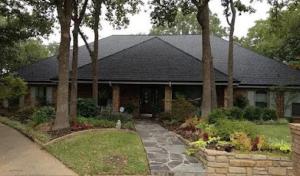
Firehouse Roofing
(817) 402-8171 firehouseroofing.com
5712 Colleyville Blvd Ste 227, Colleyville, Texas
5.0 from 164 reviews
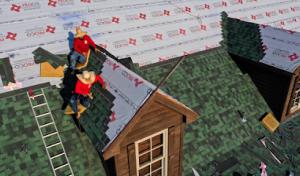
David Martin & Son Roofing
(817) 236-9898 www.davidmartinandsonroofing.com
5200 Colleyville Blvd a, Colleyville, Texas
4.9 from 93 reviews
Colleyville typically requires a building permit for a full roof replacement, with review handled by the City Building Department. This isn't a formality to rush through; the permit ensures the roof installation meets local codes, wind resistance standards, and framing integrity that often come into play after storms. For someone living in upscale North Texas neighborhoods with steep-slope roofs, this review helps verify attic ventilation, chimney flashing, and the interface where shingles meet ridge lines are properly addressed. If the project stays strictly within reroofing boundaries and does not alter structural members, the permit process is streamlined, but any move to change the roof's structural elements or add new venting will trigger additional approvals.
Inspections in this city are staged during installation and again at final completion, rather than being a one-step closeout. The mid-project inspection focuses on critical moments such as shingle installation, flashing around penetrations, and the integration of venting with the existing soffit or attic space. This staged approach helps catch issues early, especially given the area's exposure to hail and intense summer heat, which can stress underlayment, hips, and valleys. The final inspection confirms everything is sealed, sealed properly, and ready for long-term performance under North Texas weather patterns.
If the roofing project changes structural elements or adds new venting, additional approvals may be required beyond a straightforward reroof permit. For homes with attic conversions, skylight modifications, or those seeking enhanced wind-rated systems in hail-prone corridors, expect the Building Department to request more details. In Colleyville, that can mean engineering notes, revised framing drawings, or ventilation calculations to demonstrate continued energy efficiency and moisture control. Plan ahead for any planning-level coordination if the roof line or roof-to-wall connections are being altered.
Coordinate timing with the City Building Department early in the project so permit applications align with your contractor's schedule, especially during peak spring storms when permit review times can extend. Communicate clearly about any planned vent additions, roof penetrations, or flashing upgrades, since these tend to trigger additional checks. During the installation, maintain open lines of communication with the inspector-addressing potential concerns about intersections of a steep-slope roof with gutters, downspouts, and roofing material transitions. After completion, ensure the final inspection is scheduled promptly to avoid any delays at project closeout and to confirm warranty-eligible work.
Neighborhoods in this market often feature high-end materials like metal, clay or concrete tile, and architectural asphalt shingles. These choices can interact differently with flashing details and ventilation needs, so reflect that in permit applications and inspection requests. Keep documentation organized: product data sheets, roof plan drawings, and any wind uplift or ice barrier specifics. With the right preparation, permit and inspection steps integrate smoothly into the storm replacement cycle, helping you achieve a durable, code-compliant roof that stands up to the next round of hail and heat.
Spring in Colleyville arrives with hail and thunderstorms that can slam a roof with little warning and disrupt installation timelines. Even outside of a heavy storm day, the rapidly shifting humidity and gusty winds can loosen loose shingles or bend flashing, creating a domino effect for crews trying to keep a tight schedule. On the upside, spring can offer reasonable daylight and milder temperatures, but the unpredictability of hail cores the timing of any replacement. If a hail event hits your street, expect a pause in work while crews assess damage, protect interior spaces, and coordinate with insurers. The key is to build a contingency plan and communicate anticipated wrap dates with your roofing team before the work begins.
Summer heat in this area can quietly tighten the schedule. Workers face fatigue, material handling challenges, and higher risk of heat-related strain, which can slow progress on steep or complex profiles common in North Texas homes. Shingle adhesives cure more quickly in heat, but some sealants soften if temperatures spike midday, risking alignment issues on new installations. Daylight runs shorten when the heat indexes climb, so crews may shift heavier work to early mornings or late afternoons. Plan for shorter daily sessions and multiple visits to complete an entire phase, understanding that resource availability may push completion into the shoulder weeks.
Fall winds and winter freezes create extra strain on debris control and installation conditions. Gusty patterns can scatter granules, loosen recently set components, or complicate site cleanup during windy days. Cold snaps after a warm day can stiffen sealants and reduce their ability to seal promptly, which matters for flashing, joints, and underlayment transitions. In Colleyville, working through late fall often means tighter adherence to weather forecasts and more careful staging of materials to avoid wind-driven damage. If a replacement starts in cooler months, anticipate occasional pauses for cold mornings, with crews resuming once temperatures permit proper adhesive and sealant performance.
Colleyville homeowners operate in a high-claim North Texas market where hail and wind losses have made carriers more demanding about documentation. The harsh sun, heat aging, and frequent storm cycles put roofs to the test, and insurers are watching closely for evidence that damage is storm-related rather than preexisting wear. That scrutiny shapes every storm-related conversation you have with an adjuster, from initial claims to final settlement.
Adjusters in this region may ask for photos, receipts, and evidence separating storm damage from wear, heat aging, or prior repairs. Gatherings of documentation should be organized and dated, with clear marks showing new impact marks, granule loss, or shingle curling that coincide with a recent hail event. Premium outcomes hinge on how convincingly the documentation connects damage to a specific storm rather than to aging or prior upkeep. Missing or ambiguous records can stall progress and invite closer scrutiny.
Weather-driven aging in this climate can mimic hail and wind impact, so the line between repair and replacement becomes a strategic decision. A roof that has endured several severe summers may still present a credible case for replacement if the insurer questions the longevity of repaired sections. In high-damage markets, a contractor's affidavit, photos of recent storms, and a history of prior repairs can influence whether patches suffice or a full roof replacement is pursued. The goal is to present a coherent narrative that aligns with the actual performance of the roof under recent storms.
Tighter carrier guidelines in high-damage DFW areas can influence whether a roof is repaired or replaced and how material choices affect future coverage. Some materials resist hail differently, and insurers may view long-term durability as a factor in future claims. If replacement becomes the advised path, choosing durable assemblies that demonstrate better hail resistance can support smoother future communications with adjusters. Understand that the decision landscape is shaped by both the damage profile and the documented history of the roof.
Connect with contractors who help homeowners navigate the claims process from damage assessment to final approval.
Hail King Professional Roofing
(682) 235-2880 www.hailkingpros.com
1900 Industrial Blvd Ste 200, Colleyville, Texas
5.0 from 349 reviews
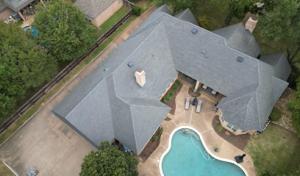
IFC Roofing
(817) 706-6070 www.ifcroofing.com
5115 Colleyville Blvd, Colleyville, Texas
5.0 from 311 reviews
Roger the Roofer
(817) 501-0623 www.rogertheroofer.com
6409 Colleyville Blvd Suite 4, Colleyville, Texas
5.0 from 275 reviews
Colleyville homeowners often have tile, metal, skylights, and some solar-related roofing work all in one project. When that mix is present, plan for more than a basic shingle field replacement. Start with a thorough exterior inspection to map every penetration, flashing detail, and edge termination. Metal seams, tile-to-shingle transitions, and skylight boots require matching sealants and compatible fasteners. If solar racking sits near the upper roof plane, ensure flashing around mounts is integrated with the primary roof system rather than treated as a separate add-on. A coordinated plan reduces callbacks after storms and minimizes wind-driven leaks.
Skylight and penetration details matter more in storm-prone North Texas because hail and wind-driven rain can expose weak flashing quickly. Inspect glazing, curb flashings, and step-flash details after a hail event or strong wind. If the roof is being replaced, consider upgrading skylight flashing to a step-down system that ties into the roof deck with corrosion-resistant metal. Seal all penetrations with color-matched, long-lasting sealants, and verify that curb mounting hardware remains square and properly fastened. In this area, a small failure at a skylight can become a large leak path, so address even minor cracks promptly.
Low-slope sections can appear on larger custom homes and additions in this market even when the main roof is steep-slope, requiring different detailing and drainage planning. Identify these transitions early and design for proper drainage, with clearly defined eave and ridge lines to prevent ponding. Ensure flashing continuity across the transition and install appropriate underlayment beneath low-slope areas. Consider separate ridge venting or dedicated drainage outlets to avoid water backup during heavy storms. For additions, match the existing roof's material and flashing style to maintain a cohesive, weather-resistant envelope.
Find contractors experienced in skylight installation, flashing, and leak repairs to bring natural light into your home.
Hail King Professional Roofing
(682) 235-2880 www.hailkingpros.com
1900 Industrial Blvd Ste 200, Colleyville, Texas
5.0 from 349 reviews
IFC Roofing
(817) 706-6070 www.ifcroofing.com
5115 Colleyville Blvd, Colleyville, Texas
5.0 from 311 reviews
Roger the Roofer
(817) 501-0623 www.rogertheroofer.com
6409 Colleyville Blvd Suite 4, Colleyville, Texas
5.0 from 275 reviews