
Last updated: Apr 19, 2026
You're traveling through a stretch where spring hail and wind are a routine test for every roof on a north Texas street. The storm season isn't a distant threat here-it's a near-annual event that triggers inspections, spot repairs, and, when the damage stacks up, full replacements. In Ennis, those hail-driven hits often come with fast-moving timelines: the longer a leak or fractured underlayment sits, the more heat and UV work it loses its edge. Each season, the window for documenting damage and coordinating a proper claim narrows as weather turns harsher and shingles age under the sun.
When a hail event hits, you're on a clock. The first 24 to 72 hours matter for saving the roof-and your home's interior-from secondary damage. Heavy spring rains in the Ennis area can delay tear-off schedules and leave storm-damaged roofs exposed longer if temporary protection isn't installed quickly. If you notice bruised granules, warped shingles, or dark bruises on metal vents, treat it as urgent, not cosmetic. The farther you push the tear-off or temporary cover, the greater the risk of interior leaks, attic mold, and insulation degradation as temps climb toward summer.
Because local claim activity is driven by hail and wind, you must gather sharp, time-stamped evidence. Photograph the roof from multiple angles, close-ups of bruised or missing shingles, and any signs of exposed underlayment. Take interior photos of staining in the attic and around ceiling joints. Keep a dated log of every storm event, hail size when available, and any roof ailments you observe-insurers and adjusters rely on crisp, chronological detail to separate weather damage from wear-and-tear. When you call your insurer, request an adjuster visit promptly and confirm the appointment in writing. Weather windows can close quickly, and a late report can hamper your repair or replacement options.
Storms in this corridor don't just threaten the roof; they test the entire drainage plan on a steep-slope home. Prior to any replacement decision, ensure the roof system has proper ventilation and that the underlayment is still viable under the hot sun of summer. If the roof is nearing the end of its life or the damage is widespread, prompt decision-making helps prevent cascading failures across the attic and living spaces. The best outcome tends to come from clear, timely communication with the insurer and a trusted local roofer who can explain whether temporary protection, partial repairs, or full replacement is the right path given Ennis's typical spring weather and the age of your shingles.
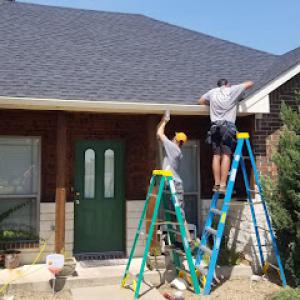
NexGen Seamless Gutters & Roofing
(972) 825-6892 nexgenseamlessgutters.com
1911 S Kaufman St, Ennis, Texas
4.8 from 84 reviews
At NexGen Seamless Gutters And Roofing, we are a gutter and roofing contractor specializing in all roofing services, and gutter installations, repairs, and cleaning services. As a community-minded, customer-centered business, we take the time to examine each property and understand the unique needs of each individual before we recommend the best roofing and gutter solutions.
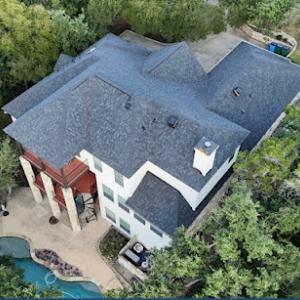
Dynamite Roofing & Construction
(469) 570-8043 dynamiteroof.com
115 W Ennis Ave, Ennis, Texas
4.9 from 12 reviews
Dynamite Roofing & Construction is proudly serving North Texas & the San Antonio area, as a company you can trust with your residential or commercial needs. Contact us today with any questions.
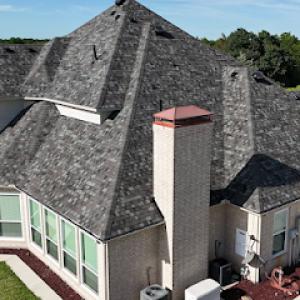
American Prime Roof
(945) 293-9801 americanprimeroofing.com
Ennis, Texas
5.0 from 6 reviews
American Prime Roofing is a trusted roofing company proudly serving homeowners and businesses in Ennis, Texas and surrounding areas. We specialize in high-quality roof replacements, roof repairs, storm damage restoration, and insurance claim assistance. Whether your roof has been damaged by hail, wind, or simply needs an upgrade, our experienced team delivers reliable, long-lasting solutions built to protect your property.

iConcrete Construction & Roofing Ennis Texas
908 Smith St, Ennis, Texas
5.0 from 1 review
iConcrete Construction & Roofing is a Leading Commercial Contractor in Ennis, Texas. Our Goal Is to Continue To Bring Awareness To Cancer One Project At A Time. We specialize in Design Builds, Commercial Buildings, Restoration, Catastrophe/Disaster Relief, Remodeling, Additions, Driveways,Dumpster Enclosures, Outdoor Kitchens, Pergolas, Roofing, Green Smart Home Builder and other Construction Renovations. Your Concrete Construction needs are unique so we work one on one with every customer to ensure their project is completed on time exactly as envisioned. If you are uncertain about the look of your current design we have expert designers on staff to create a space that is customized to fit your needs.
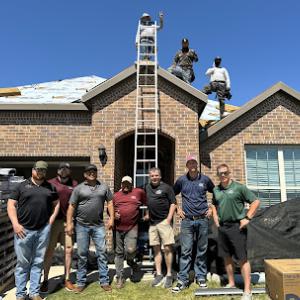
FBM Roofing & Solar
Serving
5.0 from 85 reviews
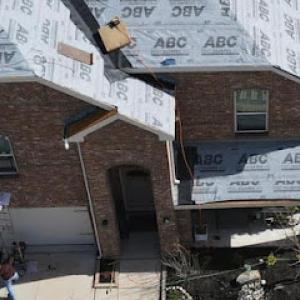
FBM Roofing and Solar is a leading roofing contractor in Waxahachie, TX, providing comprehensive roofing services for both residential and commercial properties. With over 40 years of experience and a team of skilled professionals, we are committed to delivering exceptional quality, unmatched customer service, and timely completion of all projects. Whether you need a new roof, roof repair, or storm damage restoration, we are here to help you achieve your roofing needs. Contact us today for a free consultation and let us protect your home or business with a durable, long-lasting roof.
K & H General Contracting & Roofing
(972) 351-4823 khgeneralcontractingandroofing.com
Serving
4.9 from 72 reviews
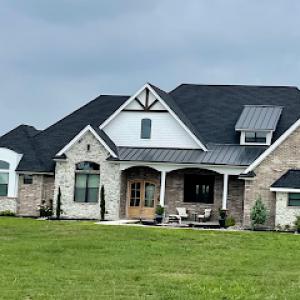
K & H General Contracting And Roofing, located at 110 E Franklin St, is your premier roofing contractor in Waxahachie, Texas, specializing in top-notch roof repair, roof replacement, and emergency roof repair services. With over 20 years of experience, our family-owned business excels in both residential and commercial roofing, offering comprehensive roof inspections and new roof installations. As one of the leading local roofing companies, we pride ourselves on delivering exceptional craftsmanship, from minor repairs to major roof replacements. Contact us today to ensure your home or business is protected with the best roofing solutions available.
MOC roofing & Construction
Serving
4.9 from 100 reviews
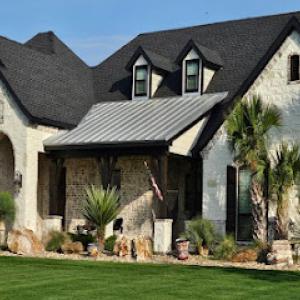
MOC Roofing is a trusted roofing company in Waxahachie, TX, offering professional roofing services. Specializing in residential and commercial roof replacement, repair, and installation services, we also provide expert solutions for multi-family roofing services, including repair, replacement, and installation. As Roofers Waxahachie, TX, for new roof construction, our services cover roofing for new homes and high-quality metal roofing installations. Our metal roofing experts handle aluminum metal roofing, standing seam roof installations, and more. We offer comprehensive commercial roofing services, including repairs, inspection, replacement, and maintenance. Contact our trusted and best roofing contractors in Waxahachie today!
Red Phoenix Roofing & Construction
(214) 501-5814 www.rprcteam.com
Serving
5.0 from 72 reviews
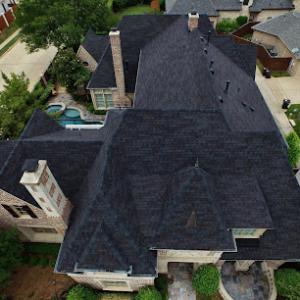
At Red Phoenix Roofing & Construction, we deliver a full suite of roofing, remodeling, and restoration services to homes and commercial properties throughout Waxahachie and the greater Ellis County area. Our local team is fully insured and bonded—using our over 40 years of combined industry experience to provide results that are second to none. From emergency roof repairs and pool buildouts to kitchen remodels and commercial roof installation, our contractors can do it all. Our team understands that your roof is an investment, which is why we are committed to using the highest quality materials on the market—only installing 40+ year roofing materials and offering high-definition ridge shingle roofs, when appropriate.
HUF Construction
(972) 903-7763 hufconstruction.com
Serving
5.0 from 143 reviews
Huf Construction began as a roofing company in 2013, and we have since expanded our construction services to meet a variety of residential and commercial needs in Waxahachie, Ellis County, the greater DFW area, the Permian Basin, Rio Grande Valley, McAllen, Edinburg, Harlington.
Elevation Roofing
(214) 949-0562 www.elevationroofrepair.com
Serving
4.9 from 50 reviews
Elevation Roofing provides roof replacements, roof repairs, storm damage services, & Solar to the DFW and surrounding areas.

MINT Exteriors
(214) 214-6468 mintexteriors.com
Serving
4.9 from 484 reviews
MINT Exteriors, Inc. is a full-service roofing and general contracting services provider specializing in helping both commercial and residential property owners overcome some of the biggest challenges and obstacles of owning a home or business. From smaller home improvement projects, like constructing pergolas and painting exterior spaces, to major commercial roofing repairs and replacements, we're committed exclusively to making sure you have everything you need to make sure the job is done right - even if what you need most is help navigating insurance claims.
Southern Brothers Roofing Company
(214) 399-1570 www.southernbrosroofing.com
Serving
5.0 from 33 reviews
General Contractor specializing in Roofing and Exterior remodeling
In this area you'll see a broad mix: asphalt shingles, metal roofing, clay tile, concrete tile, wood shingles or shakes, and synthetic or composite shingles. Each option ages differently under North Texas hail exposure and long, sun-soaked summers. Asphalt shingles resist hail when installed with proper underlayment and right nailing patterns, but UV exposure ages the surface quickly, especially on darker shingles that absorb more heat. Metal roofs handle heat well and shed hail more predictably, yet the fast-moving hail in Ennis can dent exposed panels or trim if edges aren't reinforced. Clay and concrete tiles shrug off heat better than asphalt, but they're heavier, require a robust structure, and can crack under severe hail impact if installed without appropriate fasteners and sublayers. Wood shingles or shakes add a classic look but are vulnerable to hail and sun deterioration if not treated and sealed. Synthetic or composite shingles offer a hail-friendly profile with better impact resistance and improved fade resistance, yet they vary by brand in heat aging.
Hail is a fact of life around here, so choose systems with impact-tested attributes and compatible underlayment. For asphalt, look for products with higher Class 3 or Class 4 impact resistance and a proven underlayment that protects against punctures from hail-driven granule loss. Metal roofs should be installed with a continuous deck and properly sealed seams to minimize denting and water intrusion after a storm. Tile options demand careful attention to edge protection, ridge cap quality, and a reinforced deck since hail can cause cracks or displacement if the roof isn't supported well. Wood shingles benefit from a coating system that resists UV and moisture and from tight, staggered installation to reduce hail impact paths. Synthetic shingles can blend resilience with lighter weight, but it's essential to pick a product tested for both impact and heat aging in high-UV environments.
Great heat performance goes hand in hand with ventilation. Steep-slope homes near the Texas sun need an effective attic vent strategy to reduce heat buildup, which slows material aging and helps preserve underlayment. Adequate drip edges and proper flashing around chimneys, skylights, and vents are critical for preventing leaks after hail events. When selecting tiles or metal, ensure the installation plan accounts for expansion in summer heat and includes secure fasteners that tolerate repeated heat cycles without loosening. For tile and metal, confirm that the ridge and hip lines are addressed with solid sealing and alignment so water sheds cleanly after a storm. In Ennis, you'll want a roof that not only looks right but stands up to the seasonal mix of intense sun and flashy hail, with installation details that minimize future repair needs.
Permits and the inspection process for a full re-roof in Ennis follow a structured path through the City of Ennis Building Department. A full re-roof typically triggers a building permit rather than a simple maintenance notice, and the permit scope reflects the work projection beyond cosmetic changes. The permit ensures that the roof system is designed and installed to meet current code requirements for your steep-slope residential roof, with attention to safety, drainage, and long-term performance. Starting this process early helps prevent delays that can come from plan disputes or missing documentation once the project is underway.
Local plan review may ask for details that go beyond a straightforward, "like-for-like" swap. Expect the plan review to examine the proposed roof type, underlayment choice, ventilation strategy, and drainage provisions in depth. In Ennis, the emphasis is on ensuring that the underlayment and ventilation are adequate for the local Texas climate, including strong summer sun exposure and the potential for hail damage. The plan reviewer will often want to see how the chosen underlayment interacts with the roof deck, fastener patterns, and the overall ventilation scheme. Drainage requirements-especially in areas with steep slopes and potential for limited run-off space-are scrutinized to prevent water intrusion into eaves, fascia, or attic spaces. Providing clear, detailed specifications for roof vents, soffit intake, ridge ventilation, and any attic baffles can keep the review moving smoothly. If the project involves upgrading roof geometry or adding energy-efficient features, the plan review may request supporting calculations or manufacturer installation guidelines to confirm compatibility with the existing or proposed deck and framing.
Inspections are conducted during and after installation in Ennis, and the permit remains open until the final inspection is approved. Scheduling the inspections in sync with major milestones-deck removal or replacement, underlayment installation, ventilation installation, and the completed installation-helps avoid backtracking. The final inspection confirms that the entire assembly meets code, including how the underlayment overlaps with flashings, how vents are integrated, and how drainage is managed at hips, valleys, and eaves. A successful final inspection leads to permit closure and a certificate of substantial compliance for the re-roof. If any deviations or deficiencies are found, corrections must be completed and re-inspected, which underscores the importance of aligning contractor work with the submitted plan and local code expectations.
Coordinate with the chosen roofing contractor to obtain a detailed materials list and installation plan that addresses underlayment type, ventilation strategy, and drainage details specified in the plan review. Before work begins, verify that the contractor holds the appropriate permits and that the permit address matches the project scope. Have the site ready for inspections: clear access to the roof, attic spaces, and eave areas, and keep internal ventilation and attic hatch areas unobstructed. If hail-damaged components are present, document them with photos and a clear inventory to support any insurance-related timelines and decisions. Remember, the goal of Ennis's permit and inspection process is to secure a durable, code-compliant roof that withstands local weather stressors while ensuring proper drainage and attic ventilation for long-term performance.
In Ennis, pricing is typically discussed by the square, with local ranges spanning from asphalt shingles at 350 to 700 USD per square up to clay tile at 900 to 1600 USD per square. After a hail event, that spread can widen quickly as crews get booked and supplier stock tightens. If a storm has rolled through recently, expect scheduling pressure to push both labor availability and replacement pricing higher than in calmer periods.
Hail-driven damage often means more than a simple shingle replacement. Local labor intensity matters; metal, tile, and wood systems require different specialty crews and fastening methods. In Ennis, the market supports everything from basic asphalt re-roofs to more complex metal or tile installations, which translates to price variances you'll notice as you compare bids. When hail is fresh, crews prioritize projects in the immediate area, and you may see shorter windows between inspection, approval, and the start of work.
Material selection matters more here because the local market can swing with availability and weather-related wear. Asphalt shingles stay the most budget-friendly option, typically near 350-700 USD per square. Metal roofing ranges from about 550-1100 USD per square and can offer substantial hail resistance and a longer life, though the upfront cost is higher. Tile options vary widely: clay at roughly 900-1600 USD per square or concrete at about 800-1500 USD per square. Wood shingles and synthetics sit between asphalt and high-end tiles in price, with synthetic often balancing durability and weight. After hail, a higher-end system may keep future repair bills lower, but the upfront cost will be noticeably larger.
Start with a trusted, local contractor who can quickly identify wind- or hail-induced issues beyond what's visible on the surface. Ask for a full underlayment and ventilation assessment, since Ennis requires proper underlayment and drainage to maintain a long-lived roof. Get multiple, itemized bids that reflect material choice, attic ventilation, flashing, and potential deck repairs. If insurance is involved, document hail damage comprehensively and align claim timing with contractor availability to minimize project delays.
If the roof is approaching the end of its service life or sustained extensive hail damage, replacement often makes more sense than piecemeal repairs. In times of tight labor, securing a firm start date and a written warranty becomes especially valuable. For homeowners weighing options, consider long-term performance and maintenance needs alongside the immediate out-of-pocket cost, recognizing that Ennis pricing spans from asphalt's economy to tile's durability.
Don't let upfront costs delay a critical repair - these contractors offer payment plans to fit your budget.
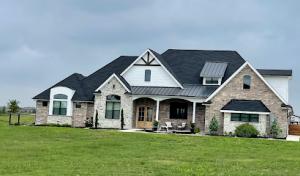

In Ennis, asphalt roofs are especially exposed to combined hail bruising, wind-lifted tabs, and accelerated granule loss from prolonged summer sun. Bruised shingles can hide leaks after the next rain, and lifting tabs invite wind-driven damage during Texas gusts. The high heat of North Texas summers accelerates granule loss, which shortens the roof's protective life and dulls appearance. When hail stones find the surface, you may not see immediate leaks, but small bruises weaken the top layer and invite moisture intrusion after seasonal storms. Timely inspection after hail events is critical to prevent sneaky water damage.
Clay and concrete tile roofs in the Ennis market face a different problem set: impact breakage from hail and replacement challenges when matching damaged field tiles and accessories. A single broken tile can permit hidden water intrusion into underlayment and decking if not addressed promptly. The weight of these tiles amplifies the risk of structural stress after hail impacts, and fasteners may loosen with vibration from storms. Finding exact color and profile matches for replacements can complicate insurance claims and long-term maintenance, so plan for careful patchwork rather than quick fixes.
Metal roofs resist many weather threats but face their own vulnerabilities in this climate. Severe hail can dent panels and damage the fasteners, creating potential water paths that aren't obvious from the ground. Prolonged sun exposure accelerates surface wear and may reveal microcracks along panel edges. In a market with steep slopes, drainage and edge sealing are crucial; improper detailing around vents and penetrations can trap water and promote corrosion over time. A metal roof can shed impact more readily, yet the resulting dents can still compromise accessibility and curb appeal if left unattended.
Wood shingles or shakes bring natural beauty but react sharply to hail, wind, and sun. Ennis homes with wood roofs may experience accelerated splitting or checking after hail impacts, especially where shakes have begun to wear thin. Wind can lift edges and expose underlayment earlier in the roof life, inviting moisture intrusion on steeper pitches. Over time, UV exposure dries and ovalizes wood fibers, increasing the risk of rot around fasteners and flashings. Regular inspection after severe weather is essential to catch early warp or decay.
Synthetic or composite shingles blend resilience with flexibility, yet hail can still cause bruising and edge damage that seeping moisture hides. In Ennis, summer sun accelerates wear on reflective coatings or surface textures, which may dull performance if granule-like materials wear unevenly. Look for loose or delaminated layers after storms, and pay attention to curled edges on steeper sections where wind exposure concentrates damage. Replacements should match the original profile to maintain drainage and underlayment continuity on this blended material.
Find contractors experienced in skylight installation, flashing, and leak repairs to bring natural light into your home.
Southern Brothers Roofing Company
(214) 399-1570 www.southernbrosroofing.com
Serving
5.0 from 33 reviews
Ennis homeowners are operating in the broader North Texas insurance environment, where frequent hail and wind losses drive high claim volume and closer scrutiny of roof condition. That reality translates into more detailed reviews of every exposed asset after a storm, and a homeowner who shows up with a damaged roof may face questions about prior repairs, attic ventilation, and drainage performance. When matter-of-fact details matter to the adjuster, accurate damage assessments conducted soon after hail events can affect how the claim moves forward and whether replacement becomes a necessity rather than a repair.
Weather-related risk assessments can affect coverage terms, deductible requirements, and underwriting decisions for older roofs in the Ennis area. A roof that looks fine from the ground can hide accelerated aging from sun exposure, heat, and repeated hail hits. If the roof is near the end of its expected life, insurers may tighten terms, or request additional drainage and underlayment information to validate replacement needs. In practice, that means documenting obvious and hidden damage promptly-especially in the aftermath of spring storms when heat and subsequent rains can alter the roof surface and disguise issues.
Timely documentation matters locally because adjuster scheduling after regional storms can influence whether damage is evaluated before additional heat, rain, or temporary repairs change roof conditions. Take clear, dated photos of impact marks, granule loss, and any interior signs of leaks. Keep a simple damage diary: note the storm date, the time of discovery, and any temporary measures taken to protect the dwelling. Having a dated record helps avoid disputes about when damage occurred and supports a smoother path toward an objective, evidence-based assessment.
Connect with contractors who help homeowners navigate the claims process from damage assessment to final approval.
Dynamite Roofing & Construction
(469) 570-8043 dynamiteroof.com
115 W Ennis Ave, Ennis, Texas
4.9 from 12 reviews
Texas Legit Roofing & Solar
(469) 456-0003 texaslegitroofing.com
1206 S Clay St, Ennis, Texas
4.2 from 41 reviews