
Last updated: Apr 19, 2026
When a storm rolls through, the risk isn't just rooftop damage-it's the potential for a rushed, poorly documented claim that can slow your repairs for weeks. Hail-driven inspections surge in Ellis County, and Waxahachie sits in the North Texas hail belt, where spring hail storms are a primary trigger for roof assessments and full replacements. Immediately protect your interior and attic from weather intrusion, capture timely photos from multiple angles, and note any dented vents, loose flashing, missing shingle granules, or lifted edges. The first 72 hours matter: secure debris, cover exposed areas with tarps, and restrict access to fragile spots to prevent further damage. Quick, clear action now reduces the risk of a denied or delayed claim later.
In this high-claim market, insurers commonly require detailed photo sets, precise repair timelines, and sometimes multiple rounds of documentation or engineering notes. Start a damage file the moment the storm passes: date-stamped photos, the date of exposure, and a concise description of what you observe on the roof, chimney cap, gutters, and fascia. Photograph interior signs of leakage or staining, and keep track of any shifts in attic temperature or humidity that could indicate hidden water intrusion. If you're working with an adjuster, request a written checklist and a scope of work that spells out each rooftop component affected by the hail event. The more organized you are, the fewer back-and-forth requests you'll face.
Because storm-chasing demand spikes after hail events in Ellis County, homeowners often need temporary protection and fast scheduling before permit and inspection backlogs build. Arrange for temporary coverings promptly to minimize further damage during the claim period. When you request estimates, be explicit about the need for quick turnaround-extend your timelines to accommodate adjuster visits and potential engineering notes. If a contractor tries to push a rushed start, insist on a documented plan: who will tarp, what areas are protected, and when permanent repairs will begin. Delays at this stage can cascade into longer processing times and additional out-of-pocket risk.
Clear, written communication is your ally. Share your photo set and damage description with the insurer in the format they request, and attach any engineering notes or product specifications that support your claim. If multiple rounds are anticipated, establish a point of contact and a reasonable response window so you're not left waiting through weekend gaps. When discussing repairs, request a detailed, line-by-line scope of work that lists each roof area, ventilation, flashing, and underlayment requirement. This precise roadmap helps prevent scope creep and keeps the project aligned with the actual damage observed.
As soon as you've stabilized the roof and collection of documentation is underway, line up temporary protection and confirm scheduling for the initial contractor visit. In a market where demand surges quickly, having a plan and a responsive team ready to seal leaks, document findings, and transition to permanent repairs can make the difference between a smooth claim experience and a protracted back-and-forth with insurers. Stay proactive, stay organized, and keep your claim momentum moving forward without letting backlog chatter derail your recovery.
After spring hail events, pricing pressure can show up quickly in this market. In Waxahachie, homeowners typically see a tight labor pool and accelerated scheduling as local crews shift from one storm-damaged home to the next. Provided local pricing ranges run per square from $450 to $750 for asphalt shingles, $700 to $1200 for metal, $1200 to $2000 for clay tile, $900 to $1500 for concrete tile, $600 to $1100 for wood shingles or shakes, and $500 to $900 for synthetic or composite shingles. Those ranges reflect both material variety and the surge in demand that follows a regional hail event. Before committing, it helps to verify what's included in a "per square" quote-tear-off, decking inspection, flashing replacement, and waste disposal all impact the final figure.
Spring hail storms hit quickly, and the best protection is immediate emergency measures. If you still have a vulnerable roof, cover any exposed valleys, vents, or damaged patches with sturdy tarp or roofing-grade fabric to minimize water intrusion while you arrange a replacement. Photograph the roof and surrounding areas from multiple angles as soon as it's safe to do so; those images support insurance documentation and contractor pricing discussions. In this market, a visual record helps separate pre-existing conditions from storm damage, which can influence both deductible decisions and scope.
When a claim is filed after hail, the adjuster will want clear evidence of damage and scope. Gather recent roof measurements, photos of hail impact zones, and a written list of repairs observed by a trusted contractor. If possible, obtain a temporary repair estimate to demonstrate urgency, but avoid committing to long lead times before the claim is processed. In this market, adjusters may request a more detailed decking or flashing assessment; having a contractor who can present a concise, itemized scope helps keep the process moving. Keep records of communication with the insurer, including dates, names, and claimed damages. If premium changes or depreciation apply, you'll want documentation ready to support any negotiations on replacement versus repair.
Heavier tile systems tend to push costs higher, particularly when tear-off and decking work is involved. Clay tile, for instance, sits at the upper end of the price spectrum, often between $1200 and $2000 per square when full replacement is needed. Concrete tile falls in a similar range but can be more forgiving on weight distribution depending on existing structure. For steeper, more detailed rooflines common in older neighborhoods, expect additional labor for careful shingle alignment, flashing integration, and gutter interfacing, which can raise both material and labor charges. Asphalt shingles remain the most common and typically the most economical option, yet even here, the post-storm demand can widen the gap between a standard replacement and a premium architectural or impact-resistant variant.
First, assess urgency and safety: tarps and temporary patching where needed, with a plan to secure a licensed contractor. Second, document damage thoroughly and organize insurance communications to support the claim and scope. Third, compare two or three local bids that break out tear-off, decking, flashing, and disposal separately, ensuring each bid uses the same scope for an apples-to-apples comparison. Fourth, consider the roof's long-term needs: heavier tile systems or complex details may justify higher upfront investment if durability and wind resistance are critical in the North Texas climate. Finally, schedule the work with a contractor who can align the replacement with your insurer's timeline, helping minimize gaps where weather or demand could extend the process.
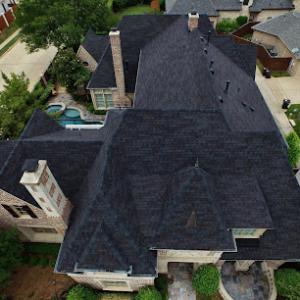
HUF Construction
(972) 903-7763 hufconstruction.com
2693 N Hwy 77 #203, Waxahachie, Texas
5.0 from 143 reviews
Huf Construction began as a roofing company in 2013, and we have since expanded our construction services to meet a variety of residential and commercial needs in Waxahachie, Ellis County, the greater DFW area, the Permian Basin, Rio Grande Valley, McAllen, Edinburg, Harlington.
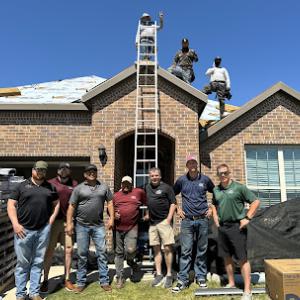
FBM Roofing & Solar
16 Northgate Dr, Waxahachie, Texas
5.0 from 85 reviews
FBM Roofing and Solar is a leading roofing contractor in Waxahachie, TX, providing comprehensive roofing services for both residential and commercial properties. With over 40 years of experience and a team of skilled professionals, we are committed to delivering exceptional quality, unmatched customer service, and timely completion of all projects. Whether you need a new roof, roof repair, or storm damage restoration, we are here to help you achieve your roofing needs. Contact us today for a free consultation and let us protect your home or business with a durable, long-lasting roof.

MINT Exteriors
(214) 214-6468 mintexteriors.com
2761 N Hwy 77 Suite 120, Waxahachie, Texas
4.9 from 484 reviews
MINT Exteriors, Inc. is a full-service roofing and general contracting services provider specializing in helping both commercial and residential property owners overcome some of the biggest challenges and obstacles of owning a home or business. From smaller home improvement projects, like constructing pergolas and painting exterior spaces, to major commercial roofing repairs and replacements, we're committed exclusively to making sure you have everything you need to make sure the job is done right - even if what you need most is help navigating insurance claims.
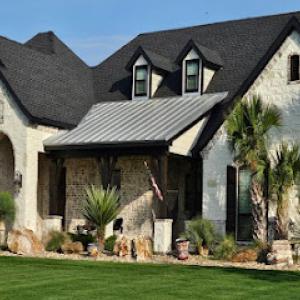
Red Phoenix Roofing & Construction
(214) 501-5814 www.rprcteam.com
1348 US-287 BYP Suite 200, Waxahachie, Texas
5.0 from 72 reviews
At Red Phoenix Roofing & Construction, we deliver a full suite of roofing, remodeling, and restoration services to homes and commercial properties throughout Waxahachie and the greater Ellis County area. Our local team is fully insured and bonded—using our over 40 years of combined industry experience to provide results that are second to none. From emergency roof repairs and pool buildouts to kitchen remodels and commercial roof installation, our contractors can do it all. Our team understands that your roof is an investment, which is why we are committed to using the highest quality materials on the market—only installing 40+ year roofing materials and offering high-definition ridge shingle roofs, when appropriate.
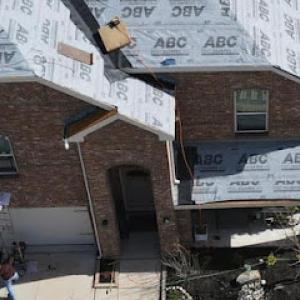
K & H General Contracting & Roofing
(972) 351-4823 khgeneralcontractingandroofing.com
110 E Franklin St, Waxahachie, Texas
4.9 from 72 reviews
K & H General Contracting And Roofing, located at 110 E Franklin St, is your premier roofing contractor in Waxahachie, Texas, specializing in top-notch roof repair, roof replacement, and emergency roof repair services. With over 20 years of experience, our family-owned business excels in both residential and commercial roofing, offering comprehensive roof inspections and new roof installations. As one of the leading local roofing companies, we pride ourselves on delivering exceptional craftsmanship, from minor repairs to major roof replacements. Contact us today to ensure your home or business is protected with the best roofing solutions available.
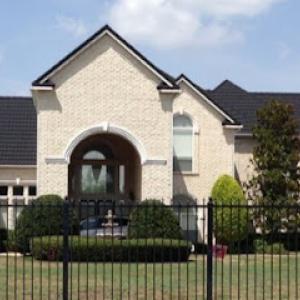
Roof Time General Contractors
(972) 723-8463 www.rooftimegc.com
919 Ovilla Rd, Waxahachie, Texas
4.9 from 152 reviews
Roof Time was initially founded during the devastating destruction from Hurricane Katrina. The need for quality roof repair, trustworthiness, immediate service and sometimes just a helping hand was the beginning of what is now a respectful roofing company. Roof Time General Contractors and their employees have become very involved in the support of community events and charities. Building relationships and trust throughout the industry has helped build Roof Time into the quality company they sought after from the first day of business. Roof Time General Contractors is a proud sponsor of the American Cancer Society, an organization we hold close to our hearts.
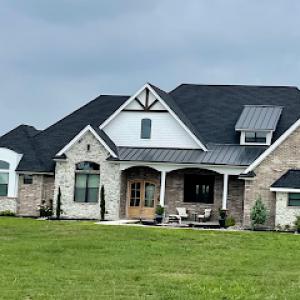
MOC roofing & Construction
512 Brown St, Waxahachie, Texas
4.9 from 100 reviews
MOC Roofing is a trusted roofing company in Waxahachie, TX, offering professional roofing services. Specializing in residential and commercial roof replacement, repair, and installation services, we also provide expert solutions for multi-family roofing services, including repair, replacement, and installation. As Roofers Waxahachie, TX, for new roof construction, our services cover roofing for new homes and high-quality metal roofing installations. Our metal roofing experts handle aluminum metal roofing, standing seam roof installations, and more. We offer comprehensive commercial roofing services, including repairs, inspection, replacement, and maintenance. Contact our trusted and best roofing contractors in Waxahachie today!
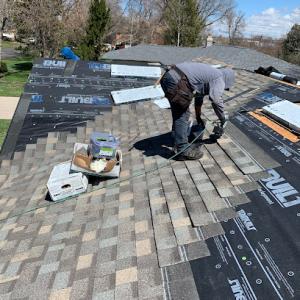
Southern Brothers Roofing Company
(214) 399-1570 www.southernbrosroofing.com
122 E University Ave, Waxahachie, Texas
5.0 from 33 reviews
General Contractor specializing in Roofing and Exterior remodeling

Elevation Roofing
(214) 949-0562 www.elevationroofrepair.com
201 Ferris Ave Suite L, Waxahachie, Texas
4.9 from 50 reviews
Elevation Roofing provides roof replacements, roof repairs, storm damage services, & Solar to the DFW and surrounding areas.

Synergy Roofing
(972) 953-5064 synergyroofing.com
191 Bryson St, Waxahachie, Texas
4.9 from 51 reviews
Synergy Roofing is a full service roofing company specializing in residential and commercial roofing installation and repair for more than a decade. We are proud of our longstanding reputation of excellence and dependability in the roofing industry. We are fully insured, maintain an A+ BBB rating and can share our extensive list of satisfied customers in the North Texas area.

Optimal Development & Restoration
(469) 383-9503 www.youroptimaldevelopment.com
2610 Solon Rd, Waxahachie, Texas
5.0 from 24 reviews
Family oriented custom home builder and general contractor located in Ellis county. We perform work all over the state of Texas. Fully capable on helping you restore your home from wind and storm damage offering roof inspections, fence, gutter, and outdoor living consultations

Roofing Restoration Services of America
351 Solon Rd, Waxahachie, Texas
4.6 from 66 reviews
Roofing & Restoration Services of America (RRSA) specializes in solar shingles, residential and commercial roofing, and siding. RRSA is a family-owned and operated company with a nationwide reach that has been in business for over 30 years. We will work with every client to find the best option that fits their needs. When you choose RRSA, you become a part of the RRSA family.
For a full roof replacement, a building permit is typically required rather than simply tearing off and installing new material. This ensures the work complies with current wind, drainage, and structural standards that are critical after North Texas hail events. The permit process also helps coordinate inspections and prevent backlogs that could delay your project into the busy spring and early summer window. In practice, that means planning the permit step as part of the project timeline right after you decide on the scope of work and before any materials are loaded or ladders go up.
The City of Waxahachie issues permits through its online portal, and setup should be finished before your crew arrives to begin tearing off or installing. Create or log into the portal early, then start a new project tied to your address and the planned roofing scope. You will typically need a summary of the project, contact information for the contractor, and any required materials or engineering notes if the roof has unusual framing or uplift considerations. Uploading the necessary documentation early helps keep the project on schedule and reduces the risk of a mid-project hold if an inspector needs an extra drawing or specification. Since storm season brings higher permit volume, having the portal active and the submission ready well in advance is a practical safeguard against avoidable delays.
Inspections are a standard part of the roofing process, and in this market they come both during construction and after project completion to confirm code compliance and proper installation. Expect at least one rough inspection after the roof deck and underlayment are installed and another final inspection once the shingles or other roof covering are in place. While most inspections proceed smoothly, peak storm season can slow progress due to higher permit volume and tighter scheduling. Build time into the plan for potential delays in access to inspectors, and keep your contractor responsive to any requested corrections. Having a clearly documented inspection plan helps both you and the inspector verify that every step meets local code and the city's safety requirements.
As soon as you authorize the project, line up the permit setup in the online portal with your contractor's team. Then coordinate a sequence that aligns the tear-off, deck evaluation, underlayment, and final roof covering with the anticipated inspection windows. If weather or supply constraints push work into hotter days, know that inspections may be delayed and plan for follow-up appointments. Communication with the city's building division is often streamlined when the contractor provides all required forms in the portal and responds quickly to any resident requests for additional information. By treating the permit and inspection steps as integral parts of the project timeline, the roof replacement can progress more predictably through Waxahachie's permitting cycle.
Asphalt shingles dominate many replacements in this market because they fit the local housing stock and remain the most common storm-restoration choice after hail. They offer a balanced mix of affordability, ease of installation, and reasonable repairability after hail events. When selecting an asphalt system, look for larger-format tabs, impact-resistant (ICR) ratings, and a factory-applied protective layer that improves hail resistance. In areas with long, hot summers, opt for shingles with a heat-reflective or cool-roof option to modestly reduce surface temperatures and extend the roof's service life.
Metal roofing is a meaningful local option in this market and is often considered by homeowners trying to improve durability against recurring North Texas weather cycles. Metal panels with proper interlocking seams and good underlayment can perform well under hail impact and high heat, and they typically shed hailstones with less denting than some other materials. When choosing metal, prioritize thicker gauge, reinforced fasteners, and a concealed fastener system if possible to minimize impact points. Expect longer installation times and confirm compatibility with existing roof vents and chimney details to avoid hidden entry points for moisture.
Clay tile, concrete tile, wood shakes, and synthetic products all appear in the local material mix, but heavier or more brittle systems require closer attention to impact exposure, structural load, and repair complexity after hail. Clay and concrete tiles deliver strong aesthetics and durability under heat, but hail can crack or fracture individual tiles, creating the potential for leaks if the underlayment is compromised. Wood shakes bring a distinct look but are prone to surface damage in hailstorms and can be more susceptible to wind uplift in hot, dusty conditions. Synthetic shingles provide versatility and may offer good impact resistance, yet exposure to extreme heat can cause fading and warping in some profiles. For any heavy or brittle option, ensure the existing roof structure can bear the load and plan for more precise inspection after hail events to identify micro-cracks and barely visible damage.
Regardless of material, the Waxahachie environment benefits from proactive inspection after hail season and a quick emergency protection plan. Keep walking the roof line after storms to spot missing granules, displaced shingles, or cracked tiles, and document damage promptly for insurance purposes. If a storm hits during peak season, temporary covers and tarping can prevent water intrusion while awaiting professional assessment. The choice of roof type should align with long-term maintenance expectations, local weather patterns, and how easily the system can be inspected and repaired after hail exposure, balancing durability, repair complexity, and long-term resilience in a high-claim market.
In this climate, the hot, windy summers push shingles and underlayment to their limits. Prolonged heat accelerates aging and can unsettle adhesive seals on many shingle systems. That means ventilation performance isn't a nicety-it's a practical safeguard for long-term roof integrity. When intake and exhaust aren't balanced, attic heat climbs and can push the attic temperature well above the living space, stressing roof components and increasing the chance of gap formation around penetrations.
Spring and fall are the dependable windows. Warm, but not scorching, days let crews work with less heat stress, which helps adhesives cure properly and minimizes wind-driven interruption. Mid-summer work is feasible only if there is a forecast of consistent, moderate daytime highs and cooler nights for curing cycles. If a storm season pressures crews to push ahead in peak heat, insist on staged work with protective coverings and careful sequencing to keep critical joints from baking in direct sun.
Ventilation performance matters more in this area because prolonged summer heat can accelerate shingle aging and increase attic heat load if intake and exhaust are unbalanced. Before any roof work starts, verify the balance: soffit intake should align with ridge or exhaust paths to pull hot air upward. If the attic is unusually hot or exhibits stagnant air during a typical hot day, adjust the plan to add or reposition vents or small powered exhausts for short periods. During installation, keep soffit vents clear and avoid blocking with decking or flashings. On steeper pitches or under metal roofs, confirm that the exhaust path remains unobstructed even when a temporary ladder or staging is set up.
If work must occur in hotter months, schedule critical adhesive or sealant steps for cooler portions of the day-early morning or late afternoon-when temperatures are dipping. Protect newly sealed areas from direct sun for the initial cure window, and plan for a second inspection within 24 to 48 hours after the first sealant set to confirm full adhesion. Use shaded staging, windbreaks, and rapid-clean-up routines to minimize debris buildup around vents and penetrations, which can compromise performance as heat intensifies.
During the project, monitor attic temperature by a simple thermometer at the intake and exhaust points on calm days. If readings show a persistent imbalance or a notable heat spike inside the attic, pause non-critical steps and re-evaluate vent placement or add temporary exhaust aids. In this environment, proactive tuning of ventilation during the installation yields better long-term shingle performance and lower risk of heat-related failure.
In the town, many projects are re-roofing rather than new builds, so hidden deck issues and flashing shortcuts surface as the tear-off ends. When shingles come off fast, deck boards can be sunken, warped, or water-damaged, and flashing around valleys, chimneys, and vents may be tucked in too tightly or left half-hidden. The result is a leak path that only becomes obvious after the new roof is in place. A careful eye catches soft spots, crews who rush past the deck edge, and any gap at the transition from old to new material. If a contractor can't show a clean, protect-and-inspect approach to the deck and flashing, that is a warning sign.
Rapid post-storm production can push crews to pace cleanup and detail work, and that matters when homeowners expect a thorough finish and dry attic spaces. Quick patches or skim-coats may mask underlying penetrations for weeks, only to reveal themselves during the first cold snap or a sudden rain. In this market, cleanup should include all drip edges, kickout flashing, and penetrations sealed with proper sealant and flashing, not just shingling. If debris is left in gutters, or if nails and fasteners are scattered around the yard, the project tends to overlook subtle leak paths.
Winter moisture plus occasional freezes can expose weak repairs, underlayment problems, and leak-prone penetrations that held temporarily through warmer months. Water trapped under torn or inadequately sealed zones can freeze, expand, and aggravate any soft decking or compromised underlayment. Look for condensation in attic spaces, damp plywood seams, and staining that shows up only after frost cycles.
Inspect along valleys, around chimneys, and at roof-to-wall transitions for gaps, exposed fasteners, or mismatched sealant. Pay attention to any telltale staining tracing from a sealed leak that never quite dried. If a repair feels temporary or there is a repeat leak after a storm, treat it as a warning sign rather than a finish-the-job badge.
Although this area is dominated by steep-slope residential roofs, local contractor signals show enough flat-roof work to justify careful attention to low-slope drainage and membrane transitions. In practice, flat sections near porch roofs, garage extensions, or sunrooms often suffer from hidden ponding that worsens after spring hail events. Check for minuscule blisters, seam loosening, and edge cracking where flashing meets parapets or step-down transitions. When inspecting, pay particular attention to the field-perimeter interfaz, where membrane laps can hide micro-tears that still leak during heavy Texas downpours. A simple DIY check after a hailstorm is to spray water along seams and corners while the area is dry; note any sheen or slow seepage that appears at joints within the first hour.
Skylight and solar roof penetrations need extra scrutiny after hail in North Texas because impact and seal failures may appear around accessories before they show on the main field of the roof. Look for cracked glazing, dented frames, or loose flashings around curb-mounted skylights and mounted solar rails. Sealant deterioration around gasketed edges can progress invisibly until a warm, windy day reveals a leak path. For flat or low-slope portions, ensure counter-flashing and backside sealants remain continuous under the curb or mounting brackets. A thorough visual walk of every penetration is essential, with a flashlight at dusk to catch minor seepage that daylight misses.
These specialty details are less common than standard shingle replacements in Waxahachie, but they can complicate inspections, leak tracing, and insurance documentation. When documenting damage, photograph each penetration point with a ruler for scale, and capture the surrounding field condition to show whether leaks trace to the edge of a skylight, solar module, or membrane transition. Keep a log of weather conditions at the time of observed leaks and track any delayed leaks. Clear labeling of damaged flashings, sealants, and fasteners helps speed claim review and reduces back-and-forth with adjusters.
Find specialists in TPO, EPDM, and built-up flat roofing systems for residential and commercial properties.

Synergy Roofing
(972) 953-5064 synergyroofing.com
191 Bryson St, Waxahachie, Texas
4.9 from 51 reviews
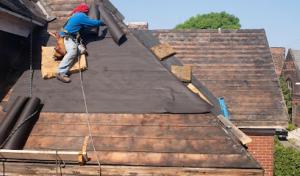
Roofing Repair Guys Contractors In Ennis TX
(972) 876-7011 www.roofingrepairguy.com
Waxahachie, Texas
5.0 from 1 review
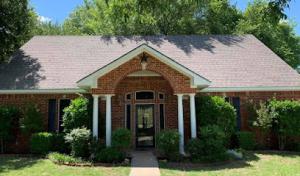
In a hail-prone North Texas environment, carriers have tightened roof coverage in some markets, and Waxahachie homeowners can feel the heat from both weather and adjuster timelines. Detailed, timestamped records help separate a storm-damaged roof from wear and tear and support the claim when a major replacement is on the line. If a filed claim lingers, the adjuster may request supplemental documentation, so having a clear paper trail reduces surprises and delays.
Take detailed date-stamped photos of every affected area, both before and after temporary protections are installed. Do room-by-room leak notes, capturing ceiling stains, interior drips, and attic moisture with dates and times. Keep the sequence logical: where the water entered, what room, and how it progressed. Photograph exterior damage from multiple angles, including gutters, vents, and any hail impacts on the roof surface. Retain any contractor invoices or work orders linked to the storm event, and note weather conditions at the time of each photo for context.
Prompt claim reporting matters. As soon as you suspect damage, initiate the claim and provide a concise summary of what happened, when, and where. Organize records so an adjuster can quickly verify scope: the initial damage photos, follow-up leaks, and any temporary protections. If additional documentation is requested, supply it promptly and in the same organized format to avoid back-and-forth delays.
For significant losses, engineering review is not unusual in this region, so keeping permit records, inspection results, and all repair invoices organized from the start is prudent. A clean, complete file helps the insurer and the contractor coordinate a proper scope and reduces the chance of misinterpretation as the claim moves through the process.
Connect with contractors who help homeowners navigate the claims process from damage assessment to final approval.
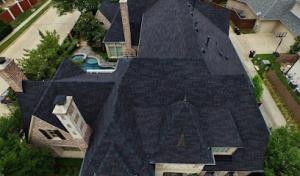
HUF Construction
(972) 903-7763 hufconstruction.com
2693 N Hwy 77 #203, Waxahachie, Texas
5.0 from 143 reviews
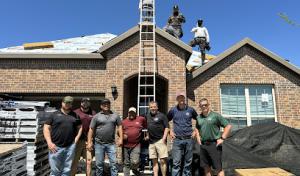
FBM Roofing & Solar
16 Northgate Dr, Waxahachie, Texas
5.0 from 85 reviews

MINT Exteriors
(214) 214-6468 mintexteriors.com
2761 N Hwy 77 Suite 120, Waxahachie, Texas
4.9 from 484 reviews