
Last updated: Apr 19, 2026
Red Oak sits in the North Texas hail and severe thunderstorm belt, and spring storms here are a primary trigger for roof inspections and replacement decisions. When a major storm rolls through, this isn't a "maybe." It's a real risk to your home's structure, ventilation, and interior comfort. The most urgent red flags are bruised shingles, granule loss, and any sudden changes in attic temperature or moisture. If a storm shows up with hail or strong winds, treat your roof as a potential candidate for a full reroof rather than a cosmetic fix.
The contractor signal mix around town tends to lean toward storm-damage and insurance-claims support more than niche installation specialties. That means many local roofers are quick to assess and act on hail-related damage, and they are comfortable guiding you through the insurance documentation and claim process. That can be a big help when you're juggling weather windows, repair timelines, and the need to restore the home's envelope quickly. But it also means you should be selective in choosing who leads your claim and your roof replacement plan. Storm-season claims can create pressure to decide fast, so you want a team that explains options clearly and won't cut corners to "move to the next job."
After a strong storm, your first move is to capture clear surface damage photos and videos from multiple angles. Focus on shingles that are lifted, cupped, or missing granules, as well as dented or cracked vent caps, sagging ridge components, damaged flashing around chimneys and chimneys or vent stacks, and any ridge vent separation. Take close-ups of impacted shingles and a wider shot of the roof's overall condition so a contractor can see the scope. If you notice interior signs of water intrusion, document attic moisture, staining, and any condensation on insulation. Keep a dated log of what you observe and when, because insurance claims move on timing as much as on imagery.
When you suspect storm damage, don't wait for a stubborn sun or a calm week to start the process. Reach out to a few local, storm-focused contractors for a roof inspection within 48 hours of the storm if possible. Ask for a no-pressure assessment that clearly distinguishes surface damage from structural concerns, and request a comprehensive report that includes attic inspection notes, flashing and vent conditions, and a staged plan for either repair or full replacement. If you move toward replacement, insist on a written scope of work that covers shingles, underlayment, flashing, and ventilation, plus a timeline that aligns with your weather window. With a solid documentation trail and a contractor who guides you through the insurance language, you'll avoid back-and-forth delays and keep the project on track.
If shingles are blistered, curling, or missing granules in the aftermath of a hail event, or if you notice wind-lift around edges and corners, treat the signs as urgent. A delayed response can allow minor damage to escalate into rot, mold, or compromised attic insulation. Similarly, if there's any sign of interior leakage after rain, don't hesitate to initiate a rapid assessment and request a coverage-backed plan that accounts for both surface repairs and potential roof system reinforcement.
Storms in Ellis County can be unpredictable in intensity and duration. Your goal is to stay ahead of water intrusion, ensure your roof's load-bearing integrity remains solid, and align the replacement decision with the insurance process rather than age alone. By maintaining rigorous documentation, choosing a contractor with a clear storm-focused track record, and moving decisively when damage is evident, you protect your home and your peace of mind when the next thunderhead builds on the horizon.

MOMENTOUS Construction Group (Roofing For HOPE LLC)
(214) 758-0511 momentousconstructiongroup.com
101 Vintage Dr, Red Oak, Texas
4.9 from 146 reviews
Roofing for HOPE, now MOMENTOUS Construction Group serving the DFW, Ellis County and surrounding areas, is a full-service roofing and general contracting company. Our priority and commitment are to give you the MOMENTOUS experience. Serving you above anything else with Compassion, Excellence, Leadership and Integrity is our commitment to you. Protecting your Kingdom Investments.
JM Builders & Roofing
104 East Ovilla Road #432, Red Oak, Texas
5.0 from 27 reviews
Roofing is the #1 Service we provide to those in Ellis County and Greater Dallas Metroplex. Whether roofing your home after a storm or building a custom roof project, we can help! We work with all insurance organizations & make the process easy, while covering all the details. Custom Remodeling is our #2. Whether it's a new updated bathroom, new flooring, or a new patio addition, we specialize in taking your custom concept to creation.
Ayala Roofing & Restoration
(469) 509-6328 www.ayalaroofingllc.net
110 Ranch Rd, Red Oak, Texas
4.9 from 17 reviews
Roofer owned 5 Stars Roofing serving DFW priority our customers and quality projects. Started 15 years ago we offer services such as Roof repair, roof vents, roof Replacement skylight repairs, gutters, siding, painting and more. If you need any inspection give us a call Feel free to contact Osly Ayala (owner) 2145774336 4695096328 4695096328 We work with insurance!!! Hail damage specialist! Lifetime warranty Best prices in town! Give us a call!

Legend Exteriors
(469) 773-8443 legend-exteriors.com
213 TX-342 #205, Red Oak, Texas
5.0 from 12 reviews
Not all roofing companies are the same. Legend Exteriors is a family owned and operated roofing company that has been doing business since 2011 in the DFW area. Slade Russo, our beloved brother lost his life unexpectedly. Our companies name and logo are a tribute to The Legend #22. Out of the ashes of tragedy our mission became clear and our logo became a reminder, "Serve with humility, integrity and excellence everyday because tomorrow isn't promised. Wearing our logo comes with a great responsibility so every man and woman that wears our uniform is well qualified to be in the field with the Legend#22
Martin Roofing
(972) 780-0646 martinroofing.us
412 S Interstate 35 E, Red Oak, Texas
4.9 from 16 reviews
Welcome to Martin Commercial Roofing Dallas! With over 30 years of experience, we specialize in providing top-quality commercial roofing solutions tailored to your needs. Our expert team is dedicated to delivering exceptional craftsmanship and customer service, ensuring your business remains protected and efficient. We offer a wide range of services, including roof repairs, replacements, and maintenance, using the latest materials and techniques. At Martin Commercial Roofing, we understand that every project is unique, which is why we provide free quotes to help you make informed decisions. Trust us to safeguard your investment with reliable roofing solutions. Contact us today for your free estimate!
Zavala Contracting
(972) 823-5141 zavalacontracting.net
Red Oak, Texas
4.3 from 44 reviews
Why settle for ordinary roofing service when your roof is the primary barrier safeguarding your home and loved ones? At Zavala Contracting, we've been a proud pillar of the Ennis, TX community since 2018, ensuring both homes and businesses remain sturdy, safe, and energy efficient. Every property owner knows the importance of a robust roofing system. As a dedicated roofing contractor, we specialize in everything from asphalt shingle roofing to metal roofing, catering to both residential and commercial clientele throughout the Ennis area. Our skilled teams also handle siding installation and repair, ensuring the overall exterior of your home or business stands resilient against the elements.

MINT Exteriors
(214) 214-6468 mintexteriors.com
Serving
4.9 from 484 reviews
MINT Exteriors, Inc. is a full-service roofing and general contracting services provider specializing in helping both commercial and residential property owners overcome some of the biggest challenges and obstacles of owning a home or business. From smaller home improvement projects, like constructing pergolas and painting exterior spaces, to major commercial roofing repairs and replacements, we're committed exclusively to making sure you have everything you need to make sure the job is done right - even if what you need most is help navigating insurance claims.
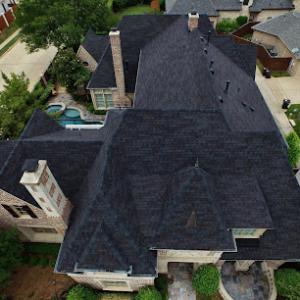
HUF Construction
(972) 903-7763 hufconstruction.com
Serving
5.0 from 143 reviews
Huf Construction began as a roofing company in 2013, and we have since expanded our construction services to meet a variety of residential and commercial needs in Waxahachie, Ellis County, the greater DFW area, the Permian Basin, Rio Grande Valley, McAllen, Edinburg, Harlington.

Optimal Development & Restoration
(469) 383-9503 www.youroptimaldevelopment.com
Serving
5.0 from 24 reviews
Family oriented custom home builder and general contractor located in Ellis county. We perform work all over the state of Texas. Fully capable on helping you restore your home from wind and storm damage offering roof inspections, fence, gutter, and outdoor living consultations
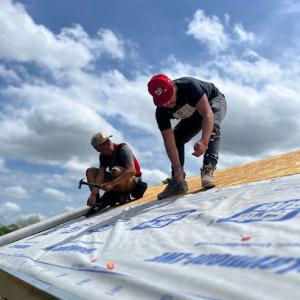
4 U Roofing & Construction
(469) 620-0010 www.4uroofing.us
Serving
5.0 from 38 reviews
4 U Roofing and Construction, a veteran-owned and family-operated business, has been enhancing homes in Glenn Heights, TX, since 2009. We offer a full range of services, including roofing, painting, handyman solutions, gutter installation, fence contracting, kitchen and bathroom renovations, cladding, and drywall. With a strong commitment to quality craftsmanship and customer satisfaction, our skilled team ensures every project is completed with precision and care. At 4 U Roofing, we take pride in making your home the best it can be.
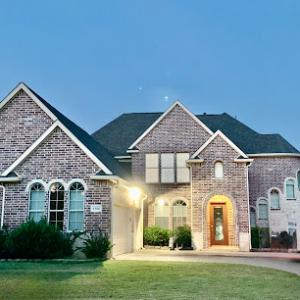
MedRoof.com
(469) 586-6475 www.medroof.com
Serving
4.9 from 74 reviews
Established in 1990, MedRoof is the roofing contractor with an unmatched track record of servicing Lancaster and surrounding areas. Our highly trained team of experts delivers a wide range of services, including roof replacement, roof repair, roof installation, and water damage restoration. With superior craftsmanship and unparalleled attention to detail, MedRoof is the trusted choice for building structures that endure.
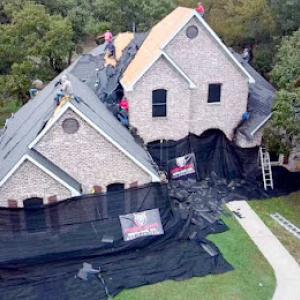
Highland Roofing
(877) 766-3852 www.highlandroofing.co
Serving
5.0 from 107 reviews
Highland Roofing is your trusted roofer near me, specializing in top-quality roof replacements, repairs, and free inspections across DFW. We work closely with homeowners and realtors, offering expert insurance claim assistance and innovative solutions like the Catch-All System to protect your property during installations. Every new roof comes with free material upgrades, improved attic ventilation, and a lifetime workmanship warranty. With a 5-star Google rating, we prioritize exceptional service, ensuring lasting results. Contact Highland Roofing for reliable, professional roofing you can count on!
In this area, hail and windy days along the I-35E corridor are common, and carriers already know the volume can push claims into higher scrutiny. What that means for you is that simply reporting damage once the storm passes isn't enough to keep the process moving. Insurers expect a well-documented trail that shows what happened, when it happened, and how the roof condition has changed since the impact. A thorough record helps avoid delayed decisions and surprises during payment reviews or claim reopenings after an initial denial or partial approval.
Expect requests for detailed roof-condition photos that cover all elevations, close-ups of compromised shingles, and any granule loss, dented metal, or broken flashing. A common pitfall is photographing only obvious damage from the ground; insurers want images that illustrate the roof from multiple angles and include the surrounding yard and street to give scale. Contractor estimates should mirror those photos, showing each area of work with explicit scope and reasoning. Wind-related documentation-such as lifted shingles or wind-stripped granules-helps establish the severity and ties the claim more clearly to the storm. Keeping a dated, itemized file that pairs photos with notes can speed up the adjuster's review when they arrive.
Begin with a storm-date log that notes the time of day you first noticed damage and when you first contacted your insurer. Create a simple grid of roof sections and assign a photo set to each area: valleys, valleys-to-ridge transitions, hips, chimney flashing, and any satellite structures. Include interior signs of leaks or roof decking issues, even if minor, because interior damage can influence the scope of a full replacement. If you have prior photos for comparison, label them clearly to show pre-storm conditions versus after. Retain any contractor estimates that break down labor, materials, and timelines; insurers will compare them to the adjuster's notes and any contractor-supplied documentation.
Because many reroofs follow storm events, claim timing, adjuster scheduling, and contractor photo documentation can directly affect how quickly a project moves from inspection to permit filing. Communicate with your contractor about the need for consistent, timestamped photos that align with the adjuster's requested format. Ask for a written summary of findings after the initial inspection and keep copies of every communication. If an adjuster asks for additional information, respond promptly and provide the exact items requested. A calm, organized approach reduces the risk of misinterpretation and helps everyone on the team move toward a resolution more efficiently.
Avoid delaying photos until after you've spoken to multiple contractors or before you've made any repair decisions. Delayed or incomplete documentation can invite questions about the damage's extent and the integrity of the roof. Do not rely on a single, wide-shot image from the ground to tell the whole story; insurers will want close-ups of damaged shingles, flashing, and edge gaps. Finally, resist the urge to replace anything prematurely; a well-documented claim often yields the correct scope and prevents gaps in coverage due to mismatched workmanship claims.
Connect with contractors who help homeowners navigate the claims process from damage assessment to final approval.

MOMENTOUS Construction Group (Roofing For HOPE LLC)
(214) 758-0511 momentousconstructiongroup.com
101 Vintage Dr, Red Oak, Texas
4.9 from 146 reviews
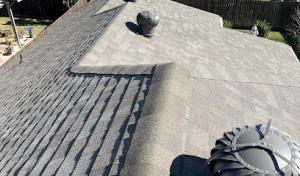
JM Builders & Roofing
104 East Ovilla Road #432, Red Oak, Texas
5.0 from 27 reviews
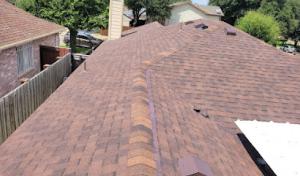
Ayala Roofing & Restoration
(469) 509-6328 www.ayalaroofingllc.net
110 Ranch Rd, Red Oak, Texas
4.9 from 17 reviews
Asphalt shingles remain the market baseline in Red Oak, offering the most predictable price and a straightforward installation cadence. In practice, a typical asphalt roof runs roughly from $350 to $750 per square, depending on shingle quality, roof complexity, and local crew availability. After a major hail event, demand spikes can push scheduling and prices upward quickly, so you'll often see shorter windows to lock in a contractor and material slate. In hot months, installers may limit long days to keep crews from overheating, which can nudge both time and cost estimates upward even for a straightforward layover or replacement.
Metal systems bring a wider swing in both material cost and installation nuance. Expect roughly $900 to $1,800 per square, influenced by panel profile, gauge, coating, and the need for additional structural checks after hail impacts. Storm resilience is a key driver here: metal can shed hail impacts more predictably, but the upfront price and availability of experienced North Texas crews vary after big hail events. In Red Oak's climate, metal often makes sense where attic ventilation or roof-to-structure compatibility demands precision, and labor scheduling can be tight when multiple homes are in line for replacement.
Clay tile commands a premium, with typical ranges from about $1,600 to $3,800 per square. The higher end reflects specialty mounting, heavier framing considerations, and the skill set required for wind-related fastening in a hail-prone environment. Clay tile's durable life is attractive, but storm-season demand can slow availability of licensed tile crews, pushing closer to the upper end of the pricing band. Summer heat also affects installation speed, as installers work around peak daytime temperatures to protect tile integrity and worker safety.
Concrete tile sits between asphalt and premium tile options, commonly $1,300 to $2,800 per square. It provides good impact resistance without the weight of some clay systems, but Red Oak homes with older framing may need reinforcement or structural assessment before a full reroof. After hailstorms, concrete tile crews can be scarce, which can extend project timelines and elevate labor costs during peak demand periods.
Wood shingles or shakes run roughly $600 to $1,400 per square, with performance risk tied to weather exposure and maintenance needs. In storm-heavy seasons, deteriorated wood surfaces can require extra underlayment or decking work, driving up both material and labor costs. Availability of skilled wood crews in the area can also tighten, especially when multiple homes are in need of replacement after a hail event.
Synthetic or composite shingles offer a middle ground of cost and performance, typically $700 to $1,400 per square. They balance hail resistance and ease of installation, but scheduling remains sensitive to seasonal demand. In spring and fall, weather delays can cap crew productivity, while hot summer days can slow handling of synthetic products that require careful acclimation. Overall, composites provide a flexible option for homeowners facing tight storm-season timelines and fluctuating labor availability.
A full reroof in this area is governed by the City of Red Oak building department and is handled through a formal permit process rather than an informal handoff between owner and contractor. Before any tear-off begins, verify that a permit has been pulled in your name or your licensed roofing contractor's name and that the permit is active for the project. This step helps ensure the work aligns with local wind, weather, and roofing material requirements, and that inspections will proceed without delays.
Once the contractor files the permit, the project moves through the city's inspection sequence. In Red Oak, a final inspection is standard after installation to verify code compliance, underlayment installation, and venting details are correct. The inspector will look for proper attic ventilation balance, correct placement and type of underlayment, and that roof penetrations - such as vents, collars, and snow guards if present - are properly flashed and sealed. Being prepared for this final check reduces the chance of rework and keeps the project on a predictable timeline.
Communication with the building department matters. Expect the inspector to coordinate or confirm a schedule with you or your contractor, and be ready to provide access to the attic for ventilation checks or to verify attic insulation conditions. If your home carries any unique features-such as historical elements, unusual roof pitches, or mixed material transitions-have the contractor document these in the permit notes. Clear records help the final inspection flow smoothly and minimize the risk of hold-ups due to code interpretations.
Wind documentation and project-specific approvals can vary by jurisdiction within North Texas, and Red Oak is no exception. Confirm whether any project-specific wind load documentation, roofing system certifications, or additional approvals are needed in your area. If the contractor indicates a local wind-resistance requirement or a product-listed mitigation plan, obtain those documents in writing and keep them with the permit and inspection paperwork. Having these items ready ahead of the inspection reduces the chance of a second visit or rework that can arise from overlooked local requirements.
On the day of final inspection, ensure all roofing components meet the city's standards: proper nailing patterns, flashing around chimneys and skylights, and correct installation of vents and exhausts. If the inspector flags an issue, coordinate promptly with the contractor to address it, then request another inspection window as soon as the fix is completed. Once clearance is granted, your reroof is officially closed out with city records, and the project moves toward occupancy or immediate weather readiness.
Spring and fall are the sweet spots for reroofing in this area. The milder days help crews keep a steady pace without fighting the peak heat that drags asphalt and other materials toward damage from sun exposure. At the same time, you still carry some storm-delay risk, since spring and fall bring their share of north Texas weather swings. If a storm rolls through, you may see crews pause to inspect once the roof is clear, then resume quickly to keep the project on track.
Hot summer temperatures can slow installation pace and influence how crews handle materials on the roof. Shingles heat up fast, and workers may need extra breaks to stay safe and protect sealant from overheating. In Red Oak, that can translate to longer project windows and staged deliveries to prevent scorching or shrink-wrapping of underlayment. If a reroof must happen in summer, expect a more deliberate schedule and daylight-aware planning to minimize heat-related rollbacks.
Winter cold snaps are less frequent than up north, but fronts still moving through can shorten work days or force minor delays. Frost, brief cold mornings, or crossing fronts can slow material handling and adhesive curing. If a winter window is chosen, look for a forecast with several days of stable mornings and evenings, so crews can complete sealing and final inspections without chasing short warm spells. In Red Oak, the winter delays tend to be manageable, but they're real enough to factor into your timeline.
Coordinate reroof timing with your insurer's post-storm claim process, if applicable, and align with your contractor's weather contingency plan. If a roof shows obvious hail damage, starting soon after the storm can help lock in a smoother claim process and reduce the risk of secondary leaks during a prolonged dry spell. For a non-storm-related replacement, target spring or fall to balance temperature, daylight, and typical Texas storm activity. When setting dates, ask the contractor to map out daily heat exposure expectations and the sequence of tasks, so you know what to expect from dawn-to-dusk cycles.
Red Oak homeowners commonly choose among asphalt shingles, metal roofing, clay tile, concrete tile, wood shingles or shakes, and synthetic composites, so material selection is broader than a simple shingle-only market. Each option carries its own balance of appearance, installation nuance, and repairability after a severe storm. In practice, the choice often reflects how a roof will perform through quick follow-up hail events, how easily manufacturer warranties transfer, and how well a layer can be coordinated with a storm claim repair.
In this environment, impact resistance matters just as much as curb appeal. Asphalt shingles with upgraded impact resistance can handle most hail events without immediate collapse, but repairs after a claim tend to be quicker when the underlying deck remains solid and the roof system is modular. Metal roofs resist denting better than many composite surfaces, and modern metal systems frequently offer interlocking panels that simplify replacement patches after storm damage. Clay and concrete tiles resist impact well, yet their weight and brittle edges can complicate field repairs and require careful framing reviews for retrofit projects. Wood shingles or shakes deliver a distinct look but may require more proactive maintenance to prevent moisture-related issues after storms. Synthetic composites blend a hail-resilient core with flexible contours, offering a practical middle ground for North Texas weather.
Tile and heavier specialty systems bring structural and installation considerations that are more significant in North Texas retrofit projects than a straightforward asphalt reroof. A full-length assessment of rafters and deck integrity becomes essential when opting for tile or metal over existing materials. Trusses and purlins may need reinforcement to support heavier weights, and local conditions can influence fastener choices, underlayment, and roof-to-wall detailing. Even when choosing a resilient material, ensure the plan accommodates potential storm-driven debris impacts and the need for quick access for post-storm inspections and repairs.
When weighing options, consider how each material handles long-term repair cycles and insurance documentation needs. A system with simpler, faster field repairs often aligns better with post-storm timelines, while heavier tiles or specialty metals may deliver durability at the cost of longer install times and more meticulous workmanship. The right path balances appearance, storm performance, and the ability to complete a reliable reroof promptly after hail events.
Find contractors who integrate solar panels or solar shingles into your roof for long-term energy savings.

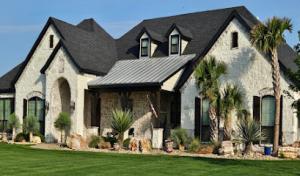
In this market, reroof work often replaces storm-worn systems rather than starting from a brand-new home. After a hail or thunderstorm event, crews surge into town, chasing insurance-funded work. That rush can lead to a scope that favors speed over thorough preparation-especially on homes with older underlayment, venting layouts, or attic insulation that isn't performing as designed. The result can be a roof that looks done at first glance but fails to shed moisture as effectively as it should, setting up future repairs or leaks when the next storm hits.
Final inspection in Red Oak tends to reveal where installation quality mattered most: attic airflow details and weatherproofing layers. If venting was overlooked or undersized, or if underlayment wasn't chosen to handle rapid temperature swings and moisture, those gaps show up as attic condensation, bulkhead frost, or sudden humidity-driven issues in the peak heat. You may notice more ice dam risk in colder spells or accelerated aging along roof edges where moisture sits. The most durable reroofs pay careful attention to venting, attic hatch seals, and a continuous weatherproof barrier from fascia to ridge.
After major storms, many homeowners encounter a crowded field of contractors competing for insurance-funded work. This can lead to rushed crews, incomplete cleanup, and documentation gaps that complicate future claims or warranty support. Inspect the site after the crew leaves: confirm all debris is cleared, gutters are free of nails, and the attic space is accessible for a proper inspection. Keep a detailed record of materials installed, work orders, and photos from both before and after. If something feels off, ask for clarification in writing and request a clear line of communication with the contractor for post-installation checks.