
Last updated: Apr 19, 2026
Spring in the Dallas-area hail belt brings fast-moving hail and high winds that can punch through shingles, loosen granules, and compromise underlayments in a hurry. In this environment, a roof that looks fine from the driveway can be hiding damage that leads to leaks days or weeks later. Forney homeowners face a tight window between the storm, the insurance notice, and the moment repairs become critical to stop further damage. The timeline you follow now can determine how many storms a compromised roof endures and how smoothly the claim progresses through adjusters and contractors.
Right after a hail event, the priority is protection and documentation. If you hear hail or see damaged siding and attic condensation, you should arrange tarping or temporary protection to cover vulnerable areas-especially around skylights, vents, and chimney valleys. In this market, insurers expect date-stamped photos, so you need to capture the roof edge, gutters, and any hail impact marks on shingles and metal components. Take wide shots for context and close-ups for detail, then label and store them in a single, accessible folder. Promptly notify the insurer with a written notice that includes your policy number, the storm date, and a brief description of observed damage. The goal is to establish a clear claim trigger and reduce back-and-forth over whether damage existed before the storm.
As the claim moves forward, organized documentation becomes your strongest lever. Create a dated log of every contact with the insurer, including the person you spoke with, the subject discussed, and any reference numbers. Gather and preserve all evidence: weather reports for the storm date, contractor estimates, and the photos already captured. If hail was reported as severe by local meteorology or utility crews, reference that data in your claim narrative. In North Texas, where claim activity runs high, these details can shorten cycles and lower the risk of miscommunication about scope. Your file should read like a concise briefing: what happened, what you saw, what you documented, and what you expect to happen next.
An adjuster will typically schedule a visit to assess exterior damage, interior signs of moisture, and the integrity of the roof deck. Because the market in this area is busy, you may have to coordinate promptly to accommodate timelines. When the adjuster arrives, provide access to the attic and to any areas where you observed leaks or staining. Share your photos and log so they can correlate physical findings with your documentation. If there are discrepancies between the adjuster's assessment and your observations, insist on a written scope of damage and a copy of the estimate. You want the record to reflect every distinct damage item so repairs can address both visible and latent issues.
Texas claim handling can be affected by assignment-of-benefits considerations, making it especially important in this storm-prone area to understand who is communicating with the insurer and what authority has been signed over. If you've granted AOB rights inadvertently or without fully understanding the implications, a secondary review may be necessary to protect your interests. In practice, keep all communication with the insurer in your name or in the name of a clearly authorized representative who has your explicit consent to discuss, negotiate, and sign on repairs. This control helps prevent unexpected claim gaps or disputes about who makes decisions and who approves scope changes.
Once the claim is advancing, you should have a clear plan for the scope of work, the preferred materials, and a realistic repair timeline that aligns with the spring storm cadence. Confirm that the contractor's proposed scope includes necessary ventilation checks and any roof deck repairs that may be required after water intrusion. In this climate, lingering moisture can accelerate secondary issues, so a proactive, staged approach-temporary fixes to stop leaks followed by permanent restoration-keeps you from getting blindsided by weather delays or policy hiccups.
As the process nears closure, ensure you have a comprehensive, itemized settlement that matches the observed damage and the agreed-upon repair plan. The goal is to transition smoothly from claim approval to actual work without ambiguity, with all parties aligned on scope, sequencing, and responsible parties. In a busy market, this alignment is what prevents delays and missing steps that can escalate once the next storm hits.
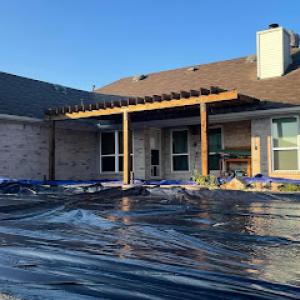
Smith Roofing & Restoration
(972) 851-7420 smithroofingtx.com
10933 Helms Trail, Forney, Texas
5.0 from 53 reviews
Roofing and Restoration
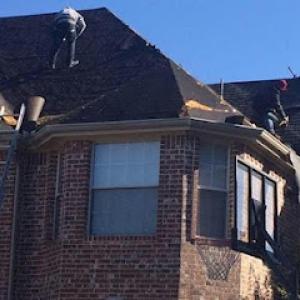
Maximum Construction & Restoration
(469) 595-6059 maximumconstructiontx.com
1031 Blackthorne Road, Forney, Texas
4.9 from 71 reviews
Maximum Construction & Restoration is a top roofing contractor in the Dallas-Fort Worth area, offering services such as roof repair, roof leak repair, and emergency roof repair for residential and commercial clients. Specializing in roof inspections, storm damage repair, and roof replacement, our team is dedicated to protecting your property from severe weather. Serving communities like Dallas, Wylie, Plano, Murphy, and Mesquite, trust us for high-quality workmanship and extended warranties on all our services!
Pursuit Roofing & Construction
(469) 510-0765 pursuitindustries.net
12062 Currency Cir, Forney, Texas
5.0 from 41 reviews
Pursuit Roofing and Construction is a full-service roofing and construction company proudly serving the entire Dallas Fort-Worth metroplex and beyond. From the ground up, we handle every aspect of your project with precision, integrity, and unmatched craftsmanship. Whether it’s roofing, renovations, or complete builds, our team manages the entire process from start to finish—delivering durable results, clear communication, and work you can trust.
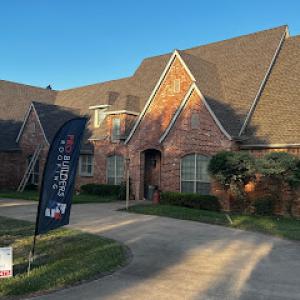
Pro Builders Roofing
(469) 602-5007 probuildersroofing.com
201 Elm St, Forney, Texas
5.0 from 39 reviews
Combining years of experience with a dedication to client satisfaction, Pro Builders Roofing has established itself as the local leader in the following specialties: Roofing, Gutters and Remodeling.
Brownlee Roofing & Gutters
(972) 312-1008 www.brownleeroofing.com
Forney, TX
4.9 from 49 reviews
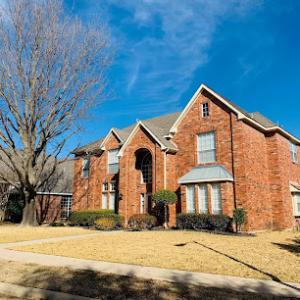
With over two decades of dedicated service since 2003, Brownlee Roofing & Gutters has been the trusted partner for all roofing and gutter needs. Our expertise lies in providing exceptional solutions, from new roof installations to seamless gutter services. We take pride in our meticulous craftsmanship and unwavering commitment to customer satisfaction. Our team is dedicated to protecting your home and enhancing its beauty with every project we undertake. Choose Brownlee for quality, reliability, and peace of mind.
Imperial Roofing & Restoration
(214) 505-9369 www.imperialroofingservices.com
Forney, Texas
5.0 from 28 reviews
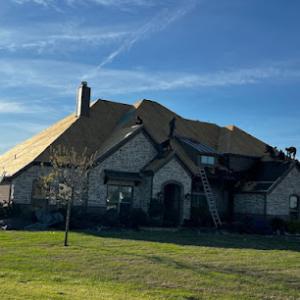
When looking for a dependable roofer in Forney, TX, look no further than us. Our roofers acquired their skills and knowledge working side by side with other professionals in the industry. With over 10 years of experience, you can expect only top-quality results from us. We truly enjoy helping others have a sturdy roof, whether it’s a customer or someone in our community who needs help, we always go the extra mile to ensure you and your property is protected from the elements.
Triple J Contracting Services
(214) 325-7814 www.triplejcontractingservices.com
2017 Cone Flower Dr, Forney, Texas
5.0 from 19 reviews
Residential and Commercial Insurance Claims. Roof Repair. Free Inspection.
Forney Roofing Services
(469) 984-4225 www.forneyroofingservices.com
504 Olive Trail, Forney, Texas
5.0 from 13 reviews
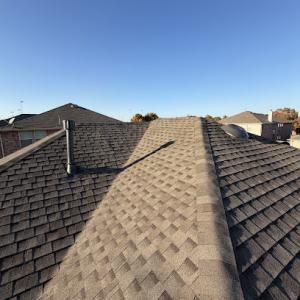
Forney Roofing Services, serves Forney, TX, and its surrounding cities with unmatched prowess and professionalism. Our team is committed to excellence, delivering impeccable results on every project we undertake. From simple repairs to intricate replacements, our unwavering focus on meticulous craftsmanship and superior materials ensures that each roof we construct or rejuvenate is built to last. Our unwavering commitment to customer satisfaction is reflected in every aspect of our service, ensuring that your roofing needs are met with the utmost care and expertise.

MasterCraft Roofing & Construction
(972) 552-3093 www.mastercraftrac.com
16 Mustang Ct, Forney, Texas
4.3 from 39 reviews
Mastercraft Roofing & Construction is a veteran owned and operated business. We have been in business for 20 + years. We take pride in taking care of our customers and our work. Our company also does residential and commercial projects. We can help you with any roofing systems, roofing repairs, gutters, painting, garage doors, windows, skylights, patios, & awnings and so much more.
N-TEX Solutions 365
Forney, Texas
5.0 from 3 reviews
Make the Most of Your Space. Get the general contractor services you need in Forney, TX. Maintain a safe, sturdy home with general contractor services from N-TEX Solutions 365. We're ready to do whatever it takes to keep your home or commercial building in great shape. As a jack of all trades, we're ready for anything. Our services include: Storm damage restoration services Junk removal services Roll-off dumpster rental services Roof repair services Contact us today to request our general contractor services in Forney, TX.

Evolve Roofing & Exteriors
4113 Sarno Dr, Forney, Texas
5.0 from 2 reviews
At Evolve, we do things differently. We take pride in the quality of work we provide. We offer a personalized customer service that will suit your needs and situation. From a free roof inspection, to roof repairs or full roof replacement, we are able to help! Our experts are available to offer a solar technology consultation and work with your insurance company upon your approval to ensure a smooth claim process after a storm.
FTX Roofing & Remodel
(972) 730-4229 ftxroofingremodelllc.com
10231 Fireside Ln, Forney, Texas
4.3 from 4 reviews
Protect your largest investment with the reliable roofing services of FTX Roofing & Remodel. We are a locally owned and operated roofing company currently serving Forney, TX and surrounding communities. If you want to make your roof last as long as possible, it is vital that you never put off a roof repair. Small issues with roofing become big issues in a hurry. No matter how major or minor the repair you need, we are here to help. Our services include roof replacement, roof repairs, and new gutters. As well as remodeling services and fencing.
When hail season hits the Dallas exurban belt, Forney neighborhoods feel the squeeze first. Storm-driven demand spikes across the contractor base, and after a major hail event, it's common for scheduling to tighten and pricing to edge upward. If your roof shows granule loss, dented metal, or shingle delamination, you'll likely see more pressure on lead times and a scramble for crews. Your best approach is to plan ahead: call two or three vetted local roofers within a week after the storm, get written scope and line-item pricing, and set a tentative start window before a contractor's calendar fills.
Provided local cost ranges run from 350 to 700 USD per square for asphalt shingles, 700 to 1400 for metal, 1000 to 2500 for clay tile, 600 to 1400 for wood shingles or shakes, 1400 to 3000 for slate, and 500 to 900 for fiber cement shingles. These figures reflect Forney's mix of newer subdivisions with steep-slope roofs and the typical storm-drive demand that can push totals beyond base pricing. If your home is in a subdivision with distinctive roof lines or a need for extra ventilation adjustments, expect the final number to tilt toward the upper end of the range, especially after a hail event when crews are juggling multiple repairs.
In Forney, many homes use asphalt shingles as the quick, reliable choice, but a growing share of newer builds stacks on metal or fiber cement for longevity. The variance between materials isn't just the per-square price; it's how the installation demands affect labor time, flashing, decking checks, and ventilation corrections. For example, a steep slope or a roofline with multiple peaks can complicate decking or flashing repairs, pushing the total above the base per-square price. If a hail cut requires replacing underlayment or repairing ventilation housings, those line items compound quickly. Prepared homeowners can avoid sticker shock by requesting a full breakdown that includes decks, fasteners, and any required ventilation fixes.
First, verify the scope with the roofer: confirm the number of squares, roof pitch, and any necessary decking or flashing work. Next, compare apples to apples by asking for price-per-square plus the cost of overages for ventilation corrections and flashing repairs. Then, align on a preferred material. If you're weighing asphalt shingles versus metal, consider not only the upfront cost but the potential for reduced maintenance and longer-term performance in wind-prone conditions. Finally, anticipate scheduling realities: after a big spring hail event, you may be offered an estimated start window that slides as crews prioritize larger insured jobs over smaller quick repairs.
Budget with a cushion that reflects the storm-driven demand in the Dallas-area contractor base. If your plan includes steep-slope re-roofing, add a contingency for flashing and decking repairs that are triggered by hail inspection. When you receive bids, insist on a transparent scope that names each component: underlayment, vents, cap shingles, flashing, decking, and any required ventilation corrections. Remember that material choice-be it asphalt, metal, or fiber cement-dictates both the base price and the potential add-ons tied to storm-related repairs, so keep your options realistic and aligned with your neighborhood's typical construction.
Get a clear picture of your project costs upfront - no commitment required.
Triple J Contracting Services
(214) 325-7814 www.triplejcontractingservices.com
2017 Cone Flower Dr, Forney, Texas
5.0 from 19 reviews

MasterCraft Roofing & Construction
(972) 552-3093 www.mastercraftrac.com
16 Mustang Ct, Forney, Texas
4.3 from 39 reviews
Before lifting a shingle bundle or hauling in a new roof panel, you need to check with the City of Forney Building Department. Most re-roof projects require a building permit before work starts. In practical terms, that means your contractor should pull the permit and you should review the permit specifics while the crew is preparing for the job. The permit process in this area hinges on ensuring the home's structure and ventilation meet current codes, not just swapping out shingles. Expect questions about attic ventilation, ridge or soffit intakes, and any added attic vents. Having answers ready helps the call-and-response with the permit reviewer go smoothly and can prevent delays once work is underway.
In this market, the review commonly covers structural and ventilation work rather than treating every roof swap as a simple material exchange. The reviewer may want to see a plan that shows roof deck condition, any necessary repairs, and how the new system will breathe. If the existing attic ventilation seems marginal, expect guidance on increasing airflow, balancing soffit and exhaust vents, or adding a vented underlayment approach. Your contractor should align the replacement design with these expectations before order placement, because a mismatch can trigger permit holds or a rework request during inspection.
Once the permit is issued, work can proceed in alignment with weather and the storm-driven Texas spring schedule. A staged approach often helps: confirm deck integrity, address any hail-related damage that could affect structure, then install underlayment and ventilation components in a sequence that preserves airflow and roof integrity. After the crew completes the installation, a post-installation inspection is scheduled as part of the local process. This final check confirms that all ventilation provisions, flashing details, and roof-to-wall interfaces meet code and that the structure behaves as designed under Forney's climate and wind events. The permit remains active until this final inspection is signed off.
To avoid back-and-forth, keep communication lines open with both the contractor and the Building Department. If the inspector notices a discrepancy in ventilation or a retrofit detail that affects the roof's performance in spring hail and wind, you'll want to address it promptly. Gather any relevant documentation-roof plan amendments, attic vent calculations, and photos of any pre-existing issues-so the review can be thorough yet efficient. Remember, the final stamp is what closes the permit, so schedule the final inspection when both the installation and ventilation modifications are complete and accessible for inspection.
Forney experiences a distinctive seasonal rhythm that shapes roofing decisions. Spring brings a real chance of hail and gusty winds, which can leave shingles dinged or loosened and sometimes require rapid post-storm repairs to prevent leaks. Summer arrives with long, intense heat that can slow crews and affect shingle handling, adhesive set times, and overall installation tempo. The result is a window of opportunity where you want dry, moderate conditions for a steady, quality installation rather than racing through under peak heat or in a soaking drizzle. This is why many Forney homeowners plan major roof work for spring or fall when temperatures are friendlier and the work can proceed more predictably.
Weak attic ventilation shows up quickly in this climate as condensation on cold mornings or dampness that carries a musty odor into living spaces. Those moisture issues can turn into leaks later if not addressed alongside roof work. In practice, that means ventilation is often a practical, non-negotiable part of the project scope in this area. When installers replace or reseat underlayment and shingles, they commonly step through attic ventilation details to ensure airflow paths are balanced and capable of moving moisture out of the attic rather than trapping it. If the attic already runs warm or humid in the summer, improving intake and exhaust airflow can measurably reduce heat buildup under the deck and help shingles perform longer.
Spring is the sweet spot to harness manageable temperatures while still keeping out the worst of the storm risk. Fall offers another solid window after peak heat and before winter moisture cycles fully set in. In winter, freezing nights and fluctuating humidity can reveal or aggravate ventilation-related moisture issues, so addressing these concerns before the next spring storm season helps you avoid cascading problems. When planning, coordinate with the crew to align on days with low chance of heavy rain and moderate daytime temperatures, so materials aren't stressed by heat or water exposure during setup and installation.
Communicate expectations about a ventilation check during the project and request confirmation that airflow paths will be balanced post-repair. If the attic shows signs of warm, stagnant air in the attic, plan for temporary or upgraded venting as part of the replacement sequence. Consider staging work to avoid peak heat hours-early mornings or late afternoons-so crews can maintain steady progress without compromising material performance. By aligning timing with the region's spring hail risk, summer heat, and winter moisture dynamics, you improve the odds of a durable, well-sealed roof that stands up to Forney's unique weather cycle.
Asphalt shingles dominate the local market because they match the look of the large base of suburban steep-slope homes and perform well under the spring hail and wind cycles that hit east of Dallas. They are the most practical option when repairs or reroofs need to happen quickly after a storm, and they align with the typical roof pitches you'll see on Forney's newer neighborhoods. If you are evaluating a repair after a hail event, you'll often find the fastest path back to a weather-tight roof involves a well-installed asphalt system with good underlayment and proper attic ventilation. The material's availability, ease of matching with existing shingles, and wide contractor familiarity make it a resilient choice for Forney's spring storm pattern.
Metal roofing has a meaningful niche for homeowners who want added durability against repeated hail impacts and heat exposure. In the Forney climate, metal can shed rain more aggressively and resist denting better than many other options, which is appealing after a heavy hail season. The trade-off is that color choices, panel profiles, and flashing details require careful planning to ensure a seamless match with the house style and the existing ventilation plan. For storm-related repairs, metal often provides a longer service life with fewer immediate maintenance needs, but it can demand specialized labor for replacement or patching in a way that preserves wind resistance and curb appeal.
Clay tile and slate are present in the market but are less common in the typical Forney roof landscape. Their heavier weight and unique breakage patterns after hail translate into longer repair timelines and more complex matching challenges. Wood shakes or shingles offer a distinctive look but can suffer more quickly in hail-prone conditions and require attention to ventilation and attic moisture control during reroofing. Fiber cement shingles provide a versatile middle ground, often aligning with neighborhoods that blend modern durability with traditional aesthetics. When considering these materials, anticipate variations in how they respond to hail, the ease of finding matching replacements, and the labor required to execute precise, weather-sealed repairs.
The most popular roofing material in the US. Find pros who install, repair, and replace asphalt shingles.
Pursuit Roofing & Construction
(469) 510-0765 pursuitindustries.net
12062 Currency Cir, Forney, Texas
5.0 from 41 reviews
Pro Builders Roofing
(469) 602-5007 probuildersroofing.com
201 Elm St, Forney, Texas
5.0 from 39 reviews
Triple J Contracting Services
(214) 325-7814 www.triplejcontractingservices.com
2017 Cone Flower Dr, Forney, Texas
5.0 from 19 reviews
High winds that accompany North Texas spring storms can turn lifted shingles, ridge damage, and flashing failures into active leaks in Forney homes. When gutters and soffits take a beating, every gust pushes water where it shouldn't go. The clock starts the moment you notice damp ceilings, staining, or a draft near the attic access.
The local contractor market shows strong prevalence of emergency repair and quick-response positioning, reflecting homeowner demand in Forney for tarping and fast leak stabilization after storms. A rapid tarp can buy crucial time until a full assessment is possible and reduces interior damage from ongoing rainfall. Look for crews that carry portable tarps, heavy-duty fasteners, and a plan for weather-resistant coverage for the largest exposed roof areas.
Because many Forney roofing jobs are insurance-related re-roofs, temporary protection and photo documentation immediately after a storm are often part of the first response sequence. Take clear, timestamped photos of all affected areas from multiple angles, including interior shots of any leaks. Keep a simple log of dates, times, and observed conditions to share with your insurer and the contractor.
If safe, inspect from the ground for missing shingles or visible flashing gaps, but avoid climbing onto a slippery, weather-damaged roof. Clear the area beneath the damaged section and protect valuables from water intrusion. Call a local, trusted roofer with storm-response experience to perform a professional assessment and start temporary stabilization without delay.
When you can't wait, these contractors offer fast response times to stop leaks and prevent further damage.
Maximum Construction & Restoration
(469) 595-6059 maximumconstructiontx.com
1031 Blackthorne Road, Forney, Texas
4.9 from 71 reviews
Pro Builders Roofing
(469) 602-5007 probuildersroofing.com
201 Elm St, Forney, Texas
5.0 from 39 reviews
Forney sits in a high-claim Dallas-area insurance environment where hail and wind losses make documentation quality especially important. After a spring storm, the right set of photos and notes can determine how quickly a claim moves from the initial report to a settled scope. When roofs are spread across newer homes with laminated shingles, tile, or metal profiles, the types of damage seen by an adjuster often hinge on what is visible from the ground and what a trained eye finds up close. The goal is to present a clear, accurate picture that avoids questions later about what was or wasn't found.
Insurers serving this region may request detailed damage photos, timely notice, and independent adjuster assessments before approving full scope. This means you should photograph every angle of the roof and any interior signs of moisture as soon as safely possible after a storm. Include attic ventilation, fascia, and any penetrations that could reveal hidden leakage. When an independent adjuster is involved, ensure the appointment is scheduled promptly and that your contractor is available to participate with direct access to the roof and relevant equipment. Delays or gaps in documentation often translate into extended timelines and a narrower scope of work.
Texas-specific assignment-of-benefits considerations can affect how roofing contractors and homeowners coordinate claim communication and payment handling in Forney. Understand who signs what and when, especially if a contractor is assisting with the claim. Misunderstandings about who owns the claim documents or who communicates changes to the insurer can slow the process or shift responsibility for approvals. Keep communications clear and tracked, with written summaries after expert visits or photos are shared. This helps avoid friction when adjustments to the scope are needed after the initial assessment.
Connect with contractors who help homeowners navigate the claims process from damage assessment to final approval.
Smith Roofing & Restoration
(972) 851-7420 smithroofingtx.com
10933 Helms Trail, Forney, Texas
5.0 from 53 reviews
Maximum Construction & Restoration
(469) 595-6059 maximumconstructiontx.com
1031 Blackthorne Road, Forney, Texas
4.9 from 71 reviews
Pursuit Roofing & Construction
(469) 510-0765 pursuitindustries.net
12062 Currency Cir, Forney, Texas
5.0 from 41 reviews
In the storm-prone environment around Dallas exurbs, roof penetrations such as skylights and chimney flashing are common leak checkpoints after hail and wind events. Local contractor signals show meaningful skylight and chimney-related service activity, indicating that detail repairs matter in the market even when the main roof covering is otherwise serviceable. These areas often become part of broader re-roof scopes because post-storm inspections frequently look beyond field shingles to vulnerable transitions and penetrations.
After a hail or wind event, start with a careful walk-around to identify any fastener loosening, flashing gaps, or torn sealant around skylights and chimneys. Pay attention to dark staining, lingering moisture on the interior ceiling near a skylight, or peeling exterior sealant at transition corners. In Forney, the first signs of trouble often show up at the flashing valleys and around curb-mounted skylights, where wind-driven hail can compromise the seal even if the shingle field looks intact. Document the edges of metal flashings and the condition of any kick-out flashing against sidewalls.
If flashing shows just minor lifting, reseal with a high-quality exterior sealant compatible with the flashing material, and secure any loose fasteners. For more pronounced gaps or damaged metal, remove and replace the affected flashing section, ensuring a tight, water-tight interface with the roofing material and the skylight curb. Chimney flashing benefits from re-crimping or replacing step flashing where it meets the masonry, and resealing the joint with a compatible sealant. Ensure that the skylight curb is flashed with an integrated boot or flashing kit designed for curb-mounted units, preventing water from migrating under the curb and into the attic.
Detail repairs should be coordinated with any broader roof work, since post-storm inspections in this market frequently look at penetrations as part of the overall condition. Schedule a follow-up check after the next major storm to verify that the skylight and chimney transitions remain watertight as temperatures fluctuate and sealants cure. A careful handoff between the field shingles and the penetrations keeps the roof system cohesive and reduces the chance of latent leaks.
Find contractors experienced in skylight installation, flashing, and leak repairs to bring natural light into your home.
Forney Roofing Services
(469) 984-4225 www.forneyroofingservices.com
504 Olive Trail, Forney, Texas
5.0 from 13 reviews
MasterCraft Roofing & Construction
(972) 552-3093 www.mastercraftrac.com
16 Mustang Ct, Forney, Texas
4.3 from 39 reviews