Last updated: Apr 19, 2026
Spring thunderstorms travel through the Dallas-Fort Worth hail corridor with relentless frequency, and that pattern directly shapes when your roof gets inspected, evaluated, and potentially replaced. In Sachse, a hail event in late March through May can trigger a cascade of insurance reviews, contractor callbacks, and, if damage is found, a window for replacement that aligns with mild weather and feasible scheduling. The urgency is real: after a strong storm, neighbors start calling, insurers request documentation, and the rush to secure a durable roof ramps up. Waiting too long into the heat of summer risks heat-related damage to exposed decking and shingles, complicating repairs and prolonging exposure to the elements.
This area sits squarely in the Dallas-Fort Worth hail corridor, so the primary trigger for inspections and decisions is not a distant forecast but the actual spring A- or B-stage storms. You may notice granule loss, dented edges, or curved shingles after a hail event, but attributing those cues to weather alone isn't enough. Insurers in this market frequently request photo documentation, contractor estimates, and damage-specific inspections before approval is granted. That means your readiness to respond with precise, dated evidence can shave weeks off the process. The faster you document, the sooner a claim can move from file to field work, and that speed matters when a proactive replacement window is closing as heat climbs and storm systems resume activity in fall.
Think ahead about the exact information your insurer will want. Start with clear before-and-after photos of damaged sections: upper elevations, overhangs, and any exposed decking. Capture close-ups of dented metal, cracked shingles, and hail impacts on softer surfaces like vents or flashings. A simple roof plan showing the affected zones helps the adjuster visualize scope. If you can, secure a reputable, local contractor's damage assessment early in the process and have it timestamped. Written notes describing the storm date, observed conditions after the event, and any previous repairs provide a crisp narrative that reduces back-and-forth questions. In this market, quick, thorough documentation can be the difference between a smooth approval and a drawn-out delay.
Bite-sized windows form around the Twin peaks of spring and fall in Sachse. Spring is the immediate reaction season: storms roll in, claims are filed, and new roofs are installed before summer heat intensifies workmanship challenges. Fall becomes the secondary window, offering milder temperatures and a buffer before winter weather settles in. If a claim is approved in spring but weather cooperates only into late summer, delays can threaten material availability and scheduling. Your best move is to align with the contractor's crew as soon as the insurer signs off, and lock in a timeline that avoids peak heat days and the most active storm periods.
Keep a log of storm dates, track any hail reports from local weather sources, and photograph any visible damage promptly. Reach out to a local, reputable roofing contractor with experience in Sachse's climate and insurance processes, and keep communications concise and document-rich. If you're told to wait for a specialist inspection, set a firm follow-up date and have your documentation ready. In this neighborhood, acting decisively after a qualifying hail event reduces risk and accelerates the path from trigger to a weather-ready roof.
When estimating a re-roof after spring hail, you'll want to anchor expectations to local pricing ranges. Asphalt shingles commonly run from 350 to 700 USD per square, while metal roofing sits higher at 700 to 1100 USD per square. If clay tile is in the mix, expect 900 to 1400 USD per square, and concrete tile from 800 to 1300 USD per square. Wood shingles or shakes typically range 500 to 900 USD per square, with synthetic or composite shingles at 600 to 1000 USD per square. These are the banded figures you'll see from local crews, and they reflect typical material costs plus the common re-roof scope in this market.
After regional hail events, demand spikes across the DFW area, which tightens labor availability and stretches material lead times. That pressure translates into higher bids and shorter scheduling windows. In this market, tear-off and decking checks are routine parts of a replacement, not optional add-ons, and flashing replacement plus cleanup drive up the total versus a simple overlay. The suburban housing stock here tends to trigger more extensive re-roof projects than new construction, so you'll see firms emphasizing full tear-off, inspection, and replacement of vulnerable components rather than quick overlays to save a few dollars per square.
You'll typically start with an inspection that confirms hail damage and identifies deck condition, prior leaks, and flashing wear. In many cases, the roofing crew will remove the existing roofing down to the deck, then replace decking where needed, install new flashing, and lay the chosen material. Expect some variability in the schedule if popular materials are back-ordered or if multiple storms have localized crews. A thorough job will include waste removal, disposal fees, and a careful cleanup so no nails or fragments remain in the yard or garden beds.
Because costs can spike after a hail surge, it's prudent to secure a written estimate soon after the claim is filed and to prioritize materials with steady lead times when possible. If you're balancing a tight spring window, ask for a phased plan that addresses critical deck and flashing work upfront, with scheduling for final finishing once material availability stabilizes. When comparing bids, weigh not only the per-square price but also the scope: does the bid include deck repairs, ice and water shield where applicable, new vents or flashing at joints, and a thorough cleanup? A realistic budget should incorporate tear-off, decking checks, flashing replacement, and cleanup as standard line items rather than unexpected add-ons, reflecting the typical re-roofing pattern in this market.
All Hart
(972) 339-2572 allhartroofing.com
6909 Coral Ln, Sachse, Texas
5.0 from 50 reviews
Roofing Contractor
Double RR Construction
(972) 825-7796 doublerrconstructionrc.com
Sachse, Texas
5.0 from 31 reviews
Double RR Construction is a family-owned roofing contractor proudly serving Royse City, TX and surrounding communities. We specialize in roof damage repair, new construction roofing, and all types of roofing services for residential and commercial clients. Our experienced team is also skilled in fencing and deck installations, ensuring your outdoor spaces are both functional and beautiful. Committed to quality craftsmanship and customer satisfaction, we use durable materials and proven techniques for lasting results. Whether it's emergency roof repair or new construction, Double RR Construction offers dependable, affordable solutions with a personal touch. Trust us for expert roofing and outdoor construction services tailored to your needs.
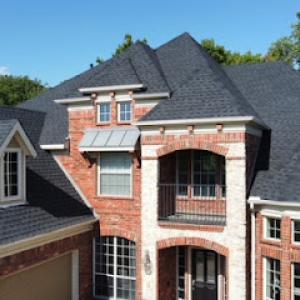
R2 Roof Guys
(214) 405-4396 www.r2roofguys.com
Serving
5.0 from 61 reviews
R2 Roof Guys is a family owned and operated roofing company since 1991 serving the DFW and surrounding area. We pride ourselves in workmanship and dedication to ensuring you and your family are kept safe and the job is done up to the highest standard.
Wilco Contractors
(972) 303-8882 wilcoroofing.com
Serving
4.9 from 85 reviews
Wilco Contractors is a black-owned, full-service roofing contractor in Garland, TX specializing in residential and commercial roofing, roof coatings, flat roofs, metal roofs, storm restoration, gutters, paint, siding, windows, hail & wind damaged roofs, attic foam, and blow-in insulation, and insurance claim assistance. Wilco Contractors is an A+ rated Business with the BBB and is an Owens Corning Preferred Contractor. Contact us today for a complimentary inspection!
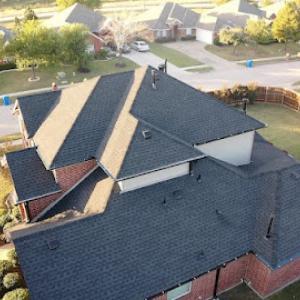
JPR Construction Inc - Roofing Company
(972) 278-0668 jprconstructioninc.com
Serving
4.9 from 67 reviews
At JPR Construction, roofing is our specialty. Whether it's residential, commercial, or industrial roofing, our team of skilled professionals is equipped to handle any project with precision and excellence. From roof repairs to complete installations, we ensure that your property is well-protected and aesthetically enhanced
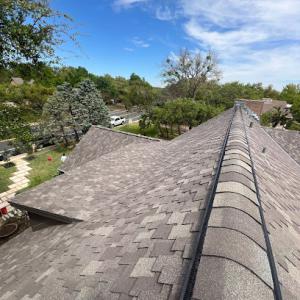
Rhino Roofing & General Contracting
(844) 387-4466 rhinoroofingtx.com
Serving
4.8 from 63 reviews
Rhino Roofing and General Contracting, LLC is a professional restoration and roofing company. Since 2011 we have helped home and property owners in need of roof repair, storm damage repair, roof replacement and exterior restoration needs. We offer: Roof Replacement Roof Repairs Roof Maintenance Storm Damage Repair from Hail or Wind Residential Roof Inspections Commercial Roof Inspections Gutter Replacement Roof Dry-In As your local roofing contractor we hold certifications through CertainTeed as Master Shingle Applicators, GenFlex commercial roof systems and we are members of the Roofing Contractors Association of Texas. If you need a roofing company let us help you today
Infinity Roofing & Remodeling
(214) 952-1950 www.roofsbyinfinity.com
Serving
5.0 from 32 reviews
Infinity Roofing & Remodeling has been providing high quality workmanship and customer service since 2006. We offer some of the most affordable pricing in the industry. Our team has the experience to handle all your roofing and remodeling needs. When it comes to your home, you can trust that the reliable professionals at Infinity Roofing & Remodeling will be dedicated to completing your project to your satisfaction.
Riddle Brothers Roofing & Construction
(214) 884-8346 riddlebrothersroofing.com
Serving
4.9 from 268 reviews
DFW's trusted full service roofing & construction company. Trusted by 1,000s of happy homeowners and businesses in DFW. $0 down. Locally owned. Free inspections. Call now! 214-884-8346
Firehouse Roofing
(469) 457-2133 firehouseroofing.com
Serving
4.9 from 235 reviews
Founded in 1997 and voted Best Roofer in DFW, Firehouse Roofing is the area’s leading expert in roof repairs. We provide the highest quality shingles, insulation, ventilation, gutters, and solar stock to make sure you are getting the best products installed in your home or business. Our knowledgeable team specializes in roof repairs, roof replacements, metal roofing, residential roofing, commercial roofing, gutter installation, and offers in-house financing. Firehouse Roofing stands by a 100% Satisfaction Guarantee 24/7. Whether it be residential or commercial roofing, Firehouse has got you covered. Call today to schedule a FREE inspection!
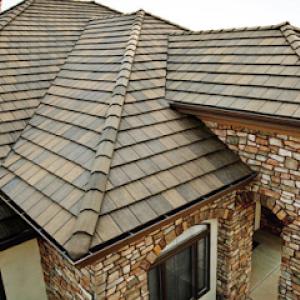
Aveco roofing
(972) 754-9722 avecoroofing.net
Serving
5.0 from 50 reviews
Roofing specialist and general contractor • Asphalt shingles • Tile Roofing • Metal Roofing • Residential & Commercial • Gutters • Fencing • Patio covers Matt@avecoroofing.net

Community General Contractors
Serving
4.8 from 26 reviews
Welcome to Community General Contractors, your go-to source for top-tier construction services. As seasoned General Contractors, we excel in overseeing diverse projects with a focus on quality craftsmanship and timely delivery. Our expertise extend as a Roofing Contractor, where we provide durable solutions for installations, repairs, and maintenance. Trust our Fence Contractors to enhance your property's security with stylish fencing options. For lasting exterior impressions, our Siding Contractors offer expert services in vinyl, wood, and fiber cement siding. Choose Community General Contractors for excellence in General Contracting, Roofing, Fence, and Siding services. Your satisfaction is our priority.
Pro American Roofing
(945) 340-7256 proamericanroofing.com
Serving
4.9 from 152 reviews
Pro American Roofing serves DFW homeowners with storm damage inspections, insurance claim filing assistance, and full roof replacement. Our team accompanies you at the adjuster meeting, documents every detail, and fights for the full scope of your claim. If your claim was denied, we coordinate reinspection and guide you through the appraisal process. BBB A+ rated. 146 Google reviews at 4.9 stars. Free inspections. Serving Prosper, McKinney, Frisco, Plano, Southlake, Lewisville, Keller, and Little Elm.
Full roof replacements in Sachse generally require a permit through the City of Sachse Building Department. Before any visible work starts, contact the building department or check the online permit portal to confirm the correct permit type for a complete roof replacement. Have the project address, the roofing material type, and the anticipated installation date ready. The department often requests basic project details such as the proposed ventilation plan and the type of underlayment. If contractors are involved, ensure they are licensed and listed as the permit holder or as the responsible party on the permit application. Beginning with the right paperwork up front helps avoid delays that can stretch out after a spring storm.
The local process typically involves plan review, fee payment, permit issuance, and inspection. Plan review focuses on whether the roof replacement aligns with local building codes, attic ventilation requirements, and any accessory structures like skylights or venting systems. Have a clear set of installation details ready for review: attic space ventilation strategy, underlayment type, nailing pattern, flashing around chimneys and vents, and the method used to seal penetrations. Fees are tied to the scope of the project and the district's schedule, so expect a straightforward calculation once the permit type is confirmed. Once the plan review is cleared and fees are paid, the permit is issued with an expiration date that matches the project timeline. It is important to display the permit card at the job site until the project is complete, as inspectors will need to reference it during visits.
Inspection of installation details in this area typically covers underlayment, nailing, flashing, and venting. Inspectors check that the underlayment meets local code requirements and is installed without gaps or tears. The nailing pattern must align with the chosen shingle type and the roof pitch, and fasteners should be driven to the correct depth without backing out. Flashing around chimneys, vent pipes, dormers, and transitions must be sealed and integrated to resist wind uplift and water intrusion. Venting adequacy is evaluated to ensure proper roof-to-attic air exchange, which helps prevent moisture buildup and ice dam issues. If metal present on the ridge or valleys, flashing continuity and sealing details receive careful scrutiny. Expect multiple inspections as installation progresses, not just a single visit at the end.
Inspection scheduling and turnout in Sachse can shift with weather and department workload, which matters when storm-season replacement demand is high. Spring hail events often trigger a surge in permit requests and inspections, so plan for potential scheduling bottlenecks. If a preferred inspection window is not available, coordinate with the inspector for the earliest feasible slot rather than delaying critical milestones. Storm-season timing also influences the sequence of inspections: some steps may require that prior stages-such as underlayment installation and flashing installation-be verified before moving to subsequent tasks. Maintain open communication with both the roofing contractor and the building department to track progress and adjust timelines as needed.
Keep copies of all permit-related documents, inspection notices, and installation receipts in a centralized file. If any work deviates from the approved plans, alert the building department and obtain an approved modification before proceeding. Weather-related pauses should be documented, with notes on dates and expected resumption, to avoid gaps in inspection eligibility. When a replacement nears completion, arrange a final inspection to confirm that the installation meets all local codes and the permit is closed out properly.
Asphalt shingles are the practical workhorse for many replacements after hail events in this northeast Dallas suburb. The combination of availability, installer familiarity, and a broad insurance-repair workflow keeps these shingles as the default choice for most homeowners. In a typical Sachse neighborhood, the shingles pair well with the standard roof geometry found on mid-century ranches and modern suburban homes. When hail comes through, asphalt can often be replaced quickly, with a profile that blends into the surrounding streetscape while delivering solid impact resistance, especially with newer, impact-resistant variants. If longevity and ease of repair in a high-activity hail belt are priorities, asphalt remains a reliable, familiar option that fits the local service ecosystem.
Metal roofing stands out as an active specialty in this market. Homeowners seeking stronger performance against recurring hail and the intense summer sun commonly consider metal as a long-term upgrade. In Sachse, metal often rides the line between premium protection and distinctive curb appeal. It excels in hail resistance and shedding ability during heavy downpours, which means fewer concerns about denting and granule loss after storms. However, the heavier weight and the need for precise, compatible underlayment and ridge venting require planning with the existing structure. For homes with aggressive roof lines or multiple angles, metal can deliver a notably stiff, weather-ready roof that minimizes maintenance over time.
Clay tile and concrete tile offer a classic, substantial look that some Sachse homes pursue for a permanent upgrade. Tile can handle heat well and offers strong durability, but weight and the potential for breakage during a hail event mean that replacement planning must account for structural support and careful handling. Synthetic or composite shingles provide a more versatile alternative, combining some tile-like aesthetics with easier handling and repair logistics. In practice, these options present a middle ground: better impact resistance than plain asphalt in some cases, with lower weight and simpler replacement considerations than real clay or concrete. The choice often hinges on roof footprint, existing deck structure, and how aggressively the home's profile will be re-created after storm damage. For homeowners aiming to preserve a specific architectural feel without overloading the structure, synthetic products can offer a balanced path.
In this market, the best roof is the one that aligns with typical Sachse rooflines, the expected storm pattern, and the repair workflow that local crews understand well. After a hail event, the fastest path to a durable, code-ready, and aesthetically cohesive result often starts with asphalt for broad compatibility, moves to metal when hail resistance and longevity are top priorities, and considers tile or synthetic products for homeowners seeking a particular look with manageable repair considerations. Always verify a roof's load capacity, ventilation, and alignment with the home's existing framing before deciding on a replacement path.
After a spring hail event or a heavy wind-driven rain, the first leaks often show up at flashing details, along ridge lines, and where any roof penetrations meet the flashing. These areas are exposed to repeated thermal cycles and wind uplift, which can loosen sealant and shift metal flashing over time. In this climate, a small weak seam can become a larger problem quickly, especially around vent pipes, attic vents, and skylights. You'll want to inspect these zones after storms for lifted flashing, loose screws, or dark staining along the seams. If you notice dampness near a flashing seam or staining at a ridge cap, treat it as a red flag and have a professional evaluate the integrity of the flashing and any surrounding shingles before dry conditions return.
Summer heat in this region accelerates the aging of exposed roofing materials, reducing flexibility and allowing micro-cracks to form in shingles, underlayment, and sealants. Older roofs tend to become more brittle, making them vulnerable to the next hail hit or wind gust. The effect is cumulative: a roof that survived last year's storm might still be weakened by the heat, with minor flaws turning into active leaks after a hail season or a sudden downpour. If a roof shows curling edges, granule loss, or a sudden change in color or texture, it's a sign that the material's protective capabilities are waning. Proactive inspections in the heat season help catch these issues before a rainstorm reveals them.
North Texas winter brings rapid temperature swings, which stress sealants and can loosen nails or fasteners that were tensioned during earlier storm activity. The resulting effects can be small gaps or nail pops that let moisture in with the next rain or hail event. If you notice nail heads that are missing their heads, adhesive sealant that has cracking or peeling, or damp spots near the attic or along the eaves, a qualified roofer should reassess fasteners, re-seal vulnerable joints, and re-secure any compromised penetrations. Addressing these issues promptly helps prevent more extensive interior damage during the rest of the season.
Find contractors experienced in skylight installation, flashing, and leak repairs to bring natural light into your home.
You are operating in the broader DFW insurance landscape, where spring hail and wind losses trigger a steady stream of roofing claims and closer insurer scrutiny. In this market, carriers frequently tighten review criteria after severe storms, and a quick claim may not automatically translate into a full replacement. The reality is that insurers are learning what typical damage looks like on local roofing layouts and components, not just on age or a quick exterior glance.
Detailed documentation matters locally because adjusters may ask for damage-specific inspections rather than approving replacement from a basic visual summary. A sudden-resume claim can stall if photos are blurry or incomplete. Take clear, targeted photos that show both the overall roof and the specific problem areas-hail marks on shingles, dented flashing, damaged vents, and bruised decking if accessible. Keep a simple damage timeline: when the storm occurred, what you observed immediately after, and any interim repairs you attempted to prevent further water intrusion.
Insurance decisions in Sachse are often tied to whether damage can be shown on specific slopes, components, and photos, not just to the age of the roof. Slopes facing prevailing wind and hail paths may bear more noticeable damage, and certain components-valleys, ridge lines, gutters, and sealant around penetrations-tend to drive coverage decisions. Beware of relying on a brief summary from a contractor or a casual inspection; the adjuster may request a damage-specific inspection to justify replacement versus repair.
Collect before-and-after photos from multiple angles, emphasizing affected slopes, components, and any interior leakage evidence. Maintain a simple ledger of storm dates, observed damage, and any temporary mitigations. When talking to your insurer, present this data calmly and organized, and be prepared for follow-up inspections. In this environment, patience and precise documentation are your strongest allies.
Connect with contractors who help homeowners navigate the claims process from damage assessment to final approval.
Up To Date Roofing & Construction
(214) 994-0446 uptodateroofing.com
5250 Lavon Dr #750, Sachse, Texas
4.8 from 32 reviews
In this northeast Dallas suburb, you'll still see a strong preference for traditional pitched roofing, but local crews report meaningful demand for low-slope and hybrid configurations, especially on newer builds and additions. Spring hail activity can stress transitions between low-slope sections and steeper fields, so plan for careful seam detailing, flashings, and edge integration. When inspecting after a storm, pay special attention to the edges where a low-slope base meets a higher tier, since hail impact often sits just at the boundary and can propagate leaks from a seemingly minor hit. Proactively coordinating with a contractor who understands both shingle and low-slope compatibility helps avoid mismatches that lead to premature wear or inspection delays.
Skylights are a common target for storm-driven leaks, and in this market the service is visibly active. Penetrations and transitions near skylight curbs tend to reveal issues first, so property owners should inspect around these features after hail events and before heavy rains. In Sachse homes, a skylight retrofit or replacement can be paired with improved flashing kits and sealed curb considerations to reduce future intrusion. If a skylight is aging or shows moisture or condensation, do not delay its reseal or replacement, because the surrounding roofing material often mirrors the performance of the seal. A qualified roofer will verify pan alignment, flashing continuity, and proper integration with the adjacent roof plane to prevent recurring leaks.
Solar-equipped roofs are common enough to influence replacement planning. If removal is required for a full roof swap, expect sequencing that preserves intact mounting rails and flashings while the old roof deck is accessed. For homeowners with roof-mounted solar, coordinate timing so the solar array can be temporarily detached and reinstalled without exposing the system to weather during transitions. Experienced crews will map the plan to minimize disruption to power continuity and to maximize performance of both the new roof and the solar hardware.
Find specialists in TPO, EPDM, and built-up flat roofing systems for residential and commercial properties.
Up To Date Roofing & Construction
(214) 994-0446 uptodateroofing.com
5250 Lavon Dr #750, Sachse, Texas
4.8 from 32 reviews