
Last updated: Apr 19, 2026
Balch Springs sits in the Dallas-area insurance market, where hail and wind claim volume is high enough to affect underwriting and premiums. That pressure translates into faster claim cycles for some homeowners, but it also means adjusters and contractors may be tied up when a neighborhood-wide event hits. The result is a real risk of delayed inspections, longer repair timelines, and tighter scheduling windows right after a storm. Knowing this cadence helps you plan your response the moment the skies clear.
Spring storm cycles in this part of Dallas County can create sudden neighborhood-wide roof loss events that compress contractor availability and inspection scheduling. A single hail storm can ripple through multiple blocks, forcing homeowners to compete for the same handful of inspectors and crews. If a storm hits during a weekday, a surge of urgent repairs often surfaces in the following 24 to 72 hours; weekends can push everything back, leaving you to navigate a longer wait. Anticipate a fast ramp-up in activity and a potential backlog that affects both the claim review and the replacement timeline.
Local claim support is strongest when homeowners document elevations, soft-metal hits, shingle bruising, interior leaks, and a detailed replacement scope before adjuster review. Elevation shots that clearly show roof angles, vents, chimneys, and edge details make it easier to recognize storm-driven damage from a distance. Close-ups of bruised shingles, granule loss, and dented soft metals (like flashing and gutters) provide concrete evidence of hail impact. Keep a running log of interior leaks and signs of water intrusion that appear after a storm, including dates and affected rooms. Draft a precise replacement scope that lists attic ventilation, underlayment, flashing, and a target shingle or tile profile. When the adjuster arrives, you want to be able to walk them through the exact components you expect to be replaced and why, rather than guessing at what might be needed.
When the claim starts, have a single point of contact ready-ideally the homeowner who can articulate the damage in real time. A sharp, organized presentation speeds the process: bring architectural plans or roof sketches if available, a copy of the most recent photo record, and a simple line-item scope for the replacement. If the weather allows, schedule the inspection for the first morning slot after a storm-early visibility helps prevent scheduling bottlenecks and gives your crew the chance to mobilize sooner. If an inspection is postponed, ask for a specific window and confirm the rescheduled time in writing so there's no ambiguity about the appointment.
In a market with high claim volume, the fastest path to a permanent fix is aligning your replacement scope with the adjuster's findings and avoiding scope creep. Stay disciplined about only adding items that are clearly necessary and supported by evidence. If the roof shows consistent hail bruising across multiple elevations, be prepared to discuss underlayment replacement and venting considerations that may not be visible from a single attic or roof vantage point. Keep a concise contact list for nearby reputable crews and material suppliers who understand Balch Springs weather patterns and the typical storm-response timelines.
If the inspection seems rushed or the scope appears incomplete, request a second opinion from a licensed roofer who can provide a preliminary scope for comparison. In neighborhoods where events compress schedules, it's common for adjusters to propose smaller scope fixes that don't fully address hidden damage. Pushing back politely but firmly with documented evidence helps protect long-term performance. If interior leaks persist after the initial repair, flag this quickly to the insurer and the contractor so a follow-up assessment can be scheduled without delay.
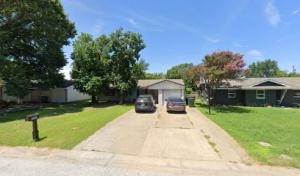
Smart Donkey Construction
4809 Pebbleridge Dr, Balch Springs, Texas
5.0 from 13 reviews
Roofing and General Contractor. Emergency service available. Free roof inspection. Fence repair and installation. A/C service and repair. Concrete. Landscaping. Power washing. Plumbing. Windows. We handle everything from the foundation up on your home and property.
Adcock Roofing
(903) 216-6550 adcockroofingtx.com
Balch Springs, Texas
4.1 from 9 reviews
Veteran owned residential and commercial roofing experts providing quality work throughout DFW and East Texas since 2011. 903-216-6550
Elias Roofing & Home Improvements
(844) 992-7663 voyagedallas.com
Serving
5.0 from 70 reviews
Home improvements
Dominguez Roofing & Construction
(817) 791-5242 www.dominguezroofingllc.com
Serving
3.9 from 32 reviews
Trust Dominguez Roofing and Construction, LLC with all your residential or commercial roofing needs. Whether you need a brand new roof or repairs to an existing roof, we have you covered. We treat your property like it’s our own and make it a point to keep your property clean during the process as well as clean up the site after we’re done with the job.
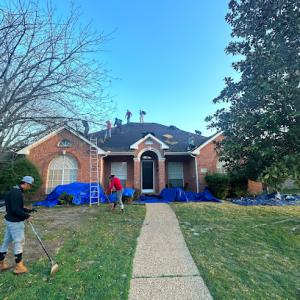
MGC Roofing & Solar
(214) 484-1401 www.mgcroofingandsolar.com
Serving
5.0 from 40 reviews
When it comes to your roof, you want a company you can trust. Fortunately, MGC Roofing & Solar has the experience you want for the services you need. Our roofing contractors specialize in repairs, replacements, new installations and reroofing. We offer free roof inspections to determine the quality of your roof and even help with insurance claims. No matter your request, you can trust that we'll provide the highest quality and durability for every project.
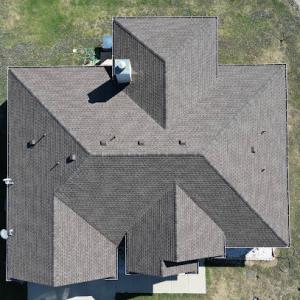
Divine Path Construction
(972) 310-0123 www.divinepathconstruction.com
Serving
5.0 from 18 reviews
Imagine stepping into a world where your property's potential is fully realized, where every detail of your roofing and painting needs is handled with professionalism and care. Welcome to Divine Path Construction in Kaufman, TX, where our commitment to excellence is a standard we live by. Our roofing expertise is unparalleled, offering a wide range of services, from the essential roof repairs to the comprehensive installations that safeguard your property. Our asphalt shingle roofing is a popular choice for its balance of durability and affordability. Another option is metal roofing for its longevity.
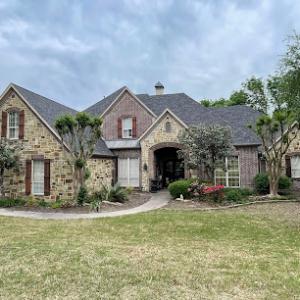
Fetch Roofing
(972) 749-9911 fetchroofing.com
Serving
5.0 from 102 reviews
Fetch Roofing is your trusted local roofing partner proudly serving Dallas, Rockwall, Heath, Rowlett, Mesquite, and Garland, TX. As “Man’s Best Roofer,” we specialize in high-quality roofing services, including repairs, replacements, and gutter protection. With a commitment to exceptional customer service and community support, we ensure every roof we work on stands strong against the Texas weather. At Fetch Roofing, we’re passionate about protecting your home and your furry friends! We even provide dog treats during roofing calls and offer pet boarding services to keep your pets safe and comfortable during noisy projects. Our expert team is dedicated to delivering reliable and professional roofing solution
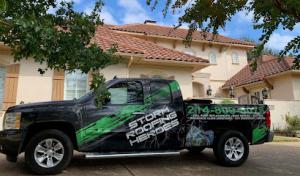
Storm Roofing Heroes Dallas
(214) 809-8078 stormroofingheroes.com
Serving
5.0 from 51 reviews
Since 2000, Storm Roofing Heroes Dallas has been safeguarding Dallas homes and businesses. Specializing in roofing and water damage restoration, we've earned our reputation for reliability across Dallas, Highland Park, and Oak Cliff. Trust our experienced team to deliver quality craftsmanship and protect what matters most. We are your local roofing company.
180 Roofing & Contracting
Serving
4.7 from 46 reviews
180 Roofing & Contracting, LLC is dedicated to serving the restoration roofing needs of homeowners, commercial building owners and multi-family communities in the area. When hail or wind causes damage to roofs in our area, we go to the impacted neighborhoods to help homeowners get their roofs assessed and restored as quickly as possible. We work with all insurance carriers, ensuring the only out of pocket cost to homeowners is their deductible. We are proud to be a Preferred Contractor for Owens Corning and provide top craftsmanship, great customer experience and the best workmanship and material warranties in the industry. Together we weather the storm!
Roofing Hidalgo
Serving
4.2 from 30 reviews
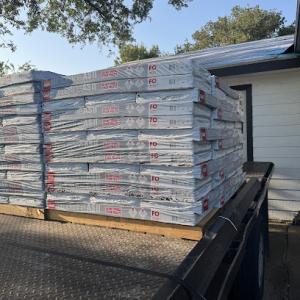
Roofing Hidalgo – Your Trusted Roofing Supply Partner At Roofing Hidalgo, we provide homeowners, contractors, and builders across DFW with top-quality roofing materials at the best prices. We carry a wide selection of shingles from leading brands like GAF, Owens Corning, TAMKO, IKO, and Atlas, along with all the accessories you need – from ridge caps and felt to nails and vents. We pride ourselves on fast, reliable service with same-day or next-day delivery, free estimates, and expert product guidance to help you get your project done right. Whether you’re tackling a small repair or a complete roof replacement, Roofing Hidalgo is here to make the process easier, affordable, and dependable.
Thunderstorm Roofing & Construction
Serving
4.8 from 38 reviews
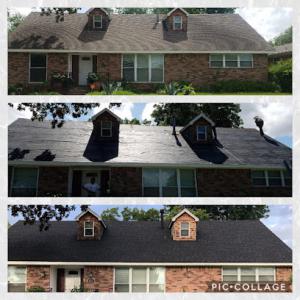
Roofing done with integrity. Insurance claim specialist. Call today for your free inspection. Roofing you can trust.
JRR Classic Construction
(214) 334-8907 www.jrrclassicconstruction.com
Serving
5.0 from 18 reviews
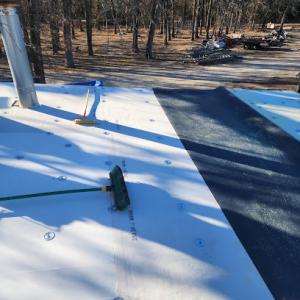
Roofing company,roofing reepairs, construction company, roofing & construction company
Wind-driven rain in the area can push leaks to the surface within hours, turning a minor attic drip into ceiling failure if not addressed fast. Storms often arrive with little warning, and the next North Texas line of thunderstorm activity can roll in quickly, making a rapid dry-in essential. Homes in this market frequently feature pitched roofs with older asphalt systems, where gusty spring and fall winds lift tabs and expose underlayment, setting the stage for rapid water intrusion. The moment a leak is suspected, action cannot wait.
On first notice of water intrusion, prioritize safety and a prompt dry-in plan. If you can reach the attic safely, locate the source of the dripping and document any visible damage on the sheathing or underlayment. Move furniture and valuables away from affected areas, and place trays or containers under drips to limit secondary damage. If access to the affected area is blocked or the rain is still active, set up a temporary tarping plan to cover the exposed roof as a bridge to professional help. Time is critical; every hour without a proper seal increases the risk of interior damage and mold growth.
Temporary tarps must be large enough to cover the exposed roof and secured against wind uplift. Use bright, high-visibility tarps and heavy-duty fasteners, ensuring edges are weighted and secured to prevent gusts from peeling the cover. Pay attention to valleys and penetrations where water tends to pool and find seams. If a professional crew is delayed, a reinforced tarp over the most vulnerable zones can buy critical hours until a proper roof repair or replacement is possible. Remember that the goal is to create a continuous barrier from the hail-impacted exterior to a dry interior, not to achieve a permanent fix.
Fast-response demand spikes after hail events in the eastern Dallas suburbs can tighten availability of crews and materials. When selecting a contractor, prioritize those who offer same-day or next-day emergency service, carry tarping materials on hand, and hold a track record of reliable temporary repairs that protect both structure and interior finishes. A local crew with experience in wind-driven damage will better anticipate gutter and soffit interactions with temporary covers and can coordinate quick re-sealing once weather permits.
Storm damage often triggers insurer involvement, so documentation matters. Photograph the leak, the exposed roof areas, and any damaged interior surfaces immediately. Keep a running log of the time, weather conditions, and personnel on site. When the emergency crew arrives, ask for a written dry-in plan with a clear timeline and contact information for the insurer liaison. In this urgent window, clarity and speed can dramatically influence the overall restoration trajectory.
When you can't wait, these contractors offer fast response times to stop leaks and prevent further damage.
Smart Donkey Construction
4809 Pebbleridge Dr, Balch Springs, Texas
5.0 from 13 reviews
In this part of the east-Dallas storm corridor, window replacements often follow hail and high-wind events more than the calendar year. After a damaging storm, look for installers who can assess seals, frames, and glass quickly, because accelerated claims timelines and weather windows matter. Spring and fall offer the gentler temperatures and steady crews that keep installation tolerances from drifting due to heat or humidity. If a wind-driven event gaps a few days of clear weather, that window can help prevent sealants from prematurely hardening or glazing from overworking during peak heat.
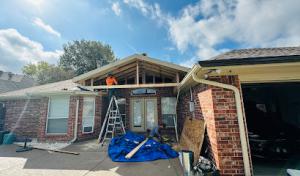
Many homeowners here pair window replacements with roof work when the house is already open for repairs. Those projects benefit from coordinating materials deliveries, scaffold access, and safety checks. When a roof crew is in the yard, ask your window contractor to bring sample frames and glazing options to the site so decisions can be made on the spot. This approach minimizes extra trips and keeps the project moving through spring or fall weather trends that steady temperatures for sealants and fasteners.
Winter freezes in this region can complicate seal-down and create intermittent ice-dam concerns in some years, even though the city is not a severe snow market. If a cold snap coincides with a window install, discuss with the contractor whether glazing compounds, caulking, and moisture barriers are rated for lower temperatures. A snug, well-vented interior helps prevent condensation behind new panes, which matters when the phantom cold spells arrive between sunny days. While summer heat is a factor, a flexible schedule during peak heat can keep crew productivity high without compromising caulking and frame integrity.
Local practice favors installers who bring weather-ready products suitable for storm exposure and wind-driven impacts. Panels or glazing options rated for impact resistance can reduce the call-backs that follow a hail season. When you review warranty terms, confirm coverage for frame deformation, seal degradation, and edge glazing, especially if the home experiences rapid temperature swings. In a market shaped by seasonal storms, choosing a provider with a track record of timely responses helps protect the interior comfort and exterior aesthetics during the next hail season.
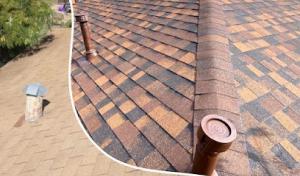
Asphalt shingles dominate the replacement market here because they fit the suburban housing stock and are commonly replaced after hail and wind events. In this area, you'll see a quick, reliable path from damage assessment to a refitted roof when a hailstorm leaves dimples or granule loss. You'll often find long-standing crews specializing in the specific color and profile that match your home's curb appeal, which helps with insurance timelines and neighbor coordination after a storm. For most roofs with modest slopes and standard attic space, asphalt shingles provide a familiar balance of ease of installation, repairability, and availability of matching materials after hail-related damage.
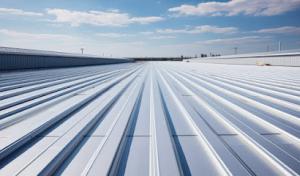
Metal roofing is a meaningful but secondary option for homeowners trying to improve durability against recurring North Texas storm cycles. If your plan is to resist repeated hail strikes or to gain faster wind resistance, metal can be appealing, especially on mid- to high-slope roofs common in the area. The weight is manageable on solid framing, but shake-free installation and proper underlayment are critical to performance in hail-prone events. Color and panel profiles matter, because a reflective surface can help reduce heat buildup in the attic, which is a practical consideration given the region's bright sun and long summer days. Expect a different service and repair dynamic with metal, since denting, seam integrity, and fastener sealing require specialized attention when hail does strike.
Tile systems appear in the market but require attention to impact vulnerability, weight, and repair logistics after hail in the Dallas region. Concrete tiles tend to perform better against impact than clay, but weight considerations push many homes toward reinforced framing or structural evaluation before installation. In hail events, broken tiles can lead to exposed underlayment and wind-driven leakage if fasteners or interlocks are compromised. If choosing tile, you'll want to plan for potential tile-specific replacements and ensure the layout accommodates easy access for follow-up inspections after a storm.
In this climate, the quickest route after a hail or wind event is typically a targeted inspection that confirms shingles or panels are intact, flashing is sealed, and the ridge line shows no visible movement. For asphalt, check for shingle granule loss and edge damage, which can signal the need for prompt replacement to preserve roof integrity. For metal, verify seam integrity and panel fasteners after a major storm cycle, since any looseness can propagate leaks. With tile, prioritize a licensed roofer who understands patching, underlayment replacement, and the weight-bearing considerations tied to your home's structure. Balancing durability, repairability, and compatibility with your existing exterior can help you land on a choice that weather-tests well in this market.
Provided local pricing ranges run from about 350 to 650 USD per square for asphalt shingles, 600 to 1100 for metal, 900 to 1800 for clay tile, 800 to 1400 for concrete tile, 500 to 900 for wood shingles or shakes, and 550 to 900 for synthetic or composite shingles. Those numbers reflect typical Balch Springs jobs, where market pressure can swing a project between a quick, cosmetic tear-off and a full deck-replacement on a large, sun-drenched roof. When you're comparing bids, the lowest number may come with trade-offs on decking work, warranty, or aging underlayment. Expect costs to move up if the existing decking needs repair or replacement after a tear-off, or if the inspection sequence required by the City of Balch Springs for full replacements adds steps to the process.
In Balch Springs, storm-driven demand surges can raise labor pressure and extend scheduling after major hail events across the Dallas area. If a hail event hits during peak season, you'll often see a flood of insurance-approved work that pushes contractor calendars out by a few weeks, sometimes longer for larger homes or more complex roofing systems. This isn't just a hustle-the extra demand can strain supply chains, push material lead times, and slightly inflate labor costs. If your project hinges on exact shingle color, certain profiles, or tile styles, expect those preferences to tighten up during post-storm weeks.
Costs can also move with decking repairs found during tear-off and with the inspection sequence required by the City of Balch Springs for full replacements. A standard tear-off may uncover rotted decking, damaged fascia, or compromised eave structure that wasn't visible until the old shingles came off. If decking repair becomes necessary, your square footage and chosen roofing material will scale accordingly: metal and tile systems tend to show higher marginal costs for decking repair than asphalt, while tile systems may require additional substrate work or underlayment adjustments. The sequence typically begins with a thorough inspection, moves into staged removal, then decking repairs, followed by installation, and finally finish work like flashing and ventilation. Budget a little extra for these contingencies, especially if multiple layers or unusual roof geometry exist.
Get a clear picture of your project costs upfront - no commitment required.
Longhorn Commercial Roofing Dallas
(214) 774-0280 longhorncommercialroofingdallas.com
Serving
4.9 from 18 reviews
A full roof replacement in this area typically requires a building permit filed with the City of Balch Springs Building Department. The process can feel bureaucratic, but rushing it or skipping steps can bite you later when the project needs final approval to close out with the insurer or to pass occupancy checks. The permit sets the scope, timeline, and safety standards for materials and workmanship. Because the permit is commonly handled by the contractor, homeowners should verify that permit filing and inspection coordination are included before work starts.
Local inspections are generally scheduled during installation, including a pre-roof decking or underlayment stage and a final inspection. Those checks aren't just paperwork; they're the chance to verify that decking, underlayment, flashing, ventilation, and eave details meet code and match the project plan. In windy and storm-prone seasons, inspections help catch early red flags before shingles are laid and the structure is exposed to the next round of weather. If plans shift mid-project, coordinate any changes with the inspector to avoid re-work.
Since the permit is often managed by the contractor, you should confirm up front that permit filing and inspection coordination are included in the contract. Ask for confirmation in writing and get a clear schedule showing when the pre-deck, decking, and final inspections are expected. Delays in inspections can stall emergency repairs and drive up the overall disruption to your home. If you're re-roofing after a hail event, bring your insurance notice and project timeline to the initial permit discussion so everyone stays aligned.
Balch Springs homeowners are operating in the broader Dallas-area insurance environment, where notable hail and wind claim activity can influence premiums and policy scrutiny. After a strong storm, carriers may tighten review on new claims and lean toward stricter interpretations of pre-existing conditions on the roof. That reality can translate to closer examination of materials, age, and previous repairs, even when the damage is genuine.
Adjusters in this market may request on-site evaluations during replacement, especially after widespread storm events affecting multiple neighborhoods at once. Those visits are not a formality; they can shape the scope of what gets approved for replacement and how quickly a project moves forward. Being prepared with clear documentation helps reduce back-and-forth and keeps repairs on track when everyone is juggling a busy claim queue.
Photo documentation and a line-item scope are especially important locally because storm-related roof claims are common and often closely reviewed. Take comprehensive photos from multiple angles, including attic views if accessible, and keep a dated record of observed damage. A detailed scope that itemizes shingles, underlayment, flashing, and vent replacements helps communicate exactly what is needed, reducing scope disputes and surprises later in the claims process.
Keep your project timeline flexible in the days following a major event, and coordinate with your roofer to prepare a draft scope early. When possible, align your documentation to the insurer's preferred formats, and request confirmation of any additional write-ups or inspections required by the adjuster before proceeding with material orders or work starts.
In Balch Springs, repeated heat exposure accelerates granule loss and aging on asphalt roofs faster than in milder climates. You'll notice the sun's glare wearing away the protective mineral granules, which leaves the asphalt more susceptible to UV damage and premature brittleness. The result can be brittle edges near eaves and ridge caps, with granules washing into gutters after heavy runoffs. When inspecting after a hot spell, look for darkened, worn patches and curling edges. A proactive maintenance rhythm-cleaning debris and keeping vents clear-helps slow the cycle, but the faster aging habit remains a fact of this climate. If you see accelerated granule loss after a hail event, test a few granules near the gutters to gauge how quickly the surface is thinning.
Wind-driven gusts that ride the fall and spring storm activity can lift loose edge tabs or even shift small sections of shingles. In practice, this means higher risk for edge damage along roof overhangs, valleys, and near parapet walls where wind acceleration can catch undersides of shingles. Debris kicked up by storms seasons this risk, creating punctures that may not be immediately visible from ground level. When you climb up for a visual check after a windy stretch, inspect for lifted tabs, curled corners, and any displaced granules around vents and flashing. Addressing tiny lifts early can prevent larger lift and edge failure during the next storm cycle.
Skylights and flashing leak points become more visible after hail and wind-driven rain events rather than from prolonged coastal moisture exposure. After a hail episode, inspect skylight seals for micro-cracks and verify the flashing around dormers and chimneys remains tight against the decking. Look for staining or soft spots along the ceiling interior beneath suspect seams, which often signal a delayed leak path. In this market, periodic post-storm checks help catch leaks before they manifest as widespread interior damage. If a leak is suspected, trace it to its most likely path from attic to exterior to avoid chasing multiple suspected spots.
Find contractors experienced in skylight installation, flashing, and leak repairs to bring natural light into your home.
Although this market is primarily pitched-roof residential, there are still homes and commercial properties in town that require low-slope roofing expertise. These projects demand careful detailing at transitions, edges, and penetrations to avoid standing water and accelerated wear after hail events. When assessing a low-slope section, prioritize accurate drainage assessment, matching material compatibility with the existing roof deck, and robust seam detailing. In the Balch Springs climate, storm-driven debris and hail can magnify edge and transition vulnerabilities, so expect closer scrutiny of scupper or parapet interfaces and any existing parapet cap failures. A practical approach is to pair a tight inspection of flashings with a conservative scope that anticipates re-seating or resealing adjacent penetrations during a related re-roofing effort.
Solar-integrated roofing is present but remains a smaller specialty in this market compared with storm restoration and standard re-roofing. When sun-facing or skylight-adjacent segments are involved, preserve existing shading patterns and roof anatomy while evaluating mounting compatibility, ballast or attachment methods, and potential impacts on drainage. For an active hail event timeline, plan solar edge work to align with the core replacement sequence so penetrations, racking mounts, and drainage details are coordinated rather than treated as parallel tasks. Involve the roofer early in the inspection to identify any damaged underlayment or deck irregularities that could influence module mounting angles or cable routing. Ensure that any edge flashings around solar components are included in the scope to prevent minor leaks from becoming bigger issues after spring storms. This coordinated approach minimizes friction between roof replacement and solar integration while keeping attention on future maintenance needs.
Find specialists in TPO, EPDM, and built-up flat roofing systems for residential and commercial properties.
Longhorn Commercial Roofing Dallas
(214) 774-0280 longhorncommercialroofingdallas.com
Serving
4.9 from 18 reviews
In a hail-prone Dallas County market like Balch Springs, homeowners need to distinguish manufacturer material coverage from workmanship promises after storm-driven replacements. A label on the shingle or panel can promise years of weather resistance, but that promise only travels as far as the installer's labor guarantees. Material warranties often survive beyond the work completed, yet many common scars from a heavy wind or hail event are tied to how the job was executed. If leaks appear or fasteners loosen soon after the tear-off, the practical protection may hinge on the contractor's workmanship warranty and the terms you negotiated up front. The mismatch between what the product coverages say and what a crew actually delivered frequently becomes the sticking point when claims are filed.
Because many local jobs are insurance-funded re-roofs completed during high-volume storm seasons, written scope clarity matters as much as the warranty label itself. A precise scope should spell out decking checks, fascia and drip edge conditions, vent replacements, and any patchwork or partial replacements planned during tear-off. When the scope is fuzzy, disputes surface after the crew leaves, especially if the insurer questions a late-added deck repair or an unexpected shingle upgrade. Your best safeguard is a clearly itemized scope attached to the contract, with signatures from both the homeowner and the contractor before work begins. This reduces post-storm friction when a claim is adjusted months later.
Balch Springs homeowners should confirm whether warranty support changes if decking repairs or partial accessory replacements are discovered during tear-off and inspection. If the inspection reveals hidden damage beyond the initial plan, ask how the warranty responds to those changes: does the coverage extend to newly installed underlayment, flashing, or vent components, and who approves any additional labor or material substitutions? Clarify what triggers a warranty call-back and the expected response time. A transparent process helps prevent the storm-season scramble from eroding long-term protection you rely on.