Last updated: Apr 19, 2026
In this part of the Dallas metro, the weather hits hard and the damage shows up fast after spring storms. You'll see season after season where wind-driven hail leaves granules on the lawn, dented gutters, and shingles that curl or crack within days. Rowlett sits in the Dallas-area hail corridor, and local reroof demand spikes after spring hailstorms and straight-line wind events. That means your roof is suddenly the topic of every neighbor's kitchen table conversation, and driveways fill with trailers as crews swing into town with high-pressure timelines. The reality is simple: the longer you wait to assess damage, the louder the insurance company's questions will get, and the more likely it is that a full replacement will be considered only if you have solid documentation and a solid plan in place.
Dallas-area insurers commonly ask for detailed photo documentation and may request wind-mitigation or storm-damage support before approving full replacement. Your first duty is to document everything-shingle edges lifted by wind, hail impact marks, and any visible flashing or vent damage. Take close, well-lit photos from multiple angles, and photograph the entire roof line from the ground with a wide shot. If you have attic or interior signs-stains on ceilings, warped decking, or sudden drafts-capture those as well. In Rowlett, carriers are used to these patterns and will expect you to show a clear link between what you're claiming and what's visibly damaged on the roof and adjacent structures. Be prepared: the insurer may request a wind-mitigation report, recent wind-load calculations, or a storm-damage appraisal before they authorize a tear-off or a complete replacement.
Because carriers can tighten underwriting after major North Texas hail events, Rowlett homeowners often need coverage verified before tear-off begins. That means the clock on your project starts ticking the moment you file the claim, not when the roofer shows up. If the insurer signals hesitation, you may be asked to provide additional support-up-to-date photos, an independent inspector's notes, or third-party documentation that confirms the extent and cause of the damage. It's not about beating the system; it's about proving the damage is storm-related and not pre-existing wear. In practical terms, you should plan for a staged process: gather documentation quickly, respond to requests promptly, and keep your contractor aligned with the insurer's preferred evidence package. A transparent, well-documented claim package often reduces back-and-forth and speeds the decision-making window.
Your next move is to assemble a ready-to-submit claim packet before you call a roofer. Photograph widely, label each image with date and location, and note recent storm dates and wind speeds if you have them from local weather sources. When you meet with a contractor, bring the same bundle-photos, a simple timeline of events, and written observations about interior signs of water intrusion. If the insurer asks for a wind-mmitigation or storm-damage appraisal, understand that this is a standard step in Rowlett's current climate pattern, not a delay tactic. The goal is to align your documentation with the carrier's expectations so the tear-off can proceed without unnecessary pauses, allowing you to protect the home you've worked hard to maintain in this challenging corner of the Dallas area.
Riddle Brothers Roofing & Construction
(214) 884-8346 riddlebrothersroofing.com
4410 Lakeview Pkwy # C, Rowlett, Texas
4.9 from 268 reviews
DFW's trusted full service roofing & construction company. Trusted by 1,000s of happy homeowners and businesses in DFW. $0 down. Locally owned. Free inspections. Call now! 214-884-8346
Roofs by Shiloh
(972) 789-5153 roofsbyshiloh.com
9200 Lakeview Pkwy c, Rowlett, Texas
5.0 from 70 reviews
Faith-Based Roofing Services with Integrity and Excellence Roofs by Shiloh is committed to serving the DFW metroplex with top-notch roofing solutions, guided by our faith and dedication to stewardship and service. At Roofs by Shiloh, we are dedicated to providing a wide range of high-quality roofing services to meet the diverse needs of our customers in the Dallas-Fort Worth area. From residential roof replacements to commercial roofing solutions, our experienced team is committed to delivering excellence in every project. Explore our services below to find out how we can help you protect and enhance your property.

Firehouse Roofing
(469) 457-2133 firehouseroofing.com
4001 Industrial St, Rowlett, Texas
4.9 from 235 reviews
Founded in 1997 and voted Best Roofer in DFW, Firehouse Roofing is the area’s leading expert in roof repairs. We provide the highest quality shingles, insulation, ventilation, gutters, and solar stock to make sure you are getting the best products installed in your home or business. Our knowledgeable team specializes in roof repairs, roof replacements, metal roofing, residential roofing, commercial roofing, gutter installation, and offers in-house financing. Firehouse Roofing stands by a 100% Satisfaction Guarantee 24/7. Whether it be residential or commercial roofing, Firehouse has got you covered. Call today to schedule a FREE inspection!

Bacon Roofing
(972) 945-7544 baconroofing.com
8126 Lakeview Pkwy #13, Rowlett, Texas
4.9 from 131 reviews
If you're searching for top-tier roofing services in Rockwall and Rowlett, Texas, Bacon Roofing is your go-to expert. With over two decades of experience since 1995, we specialize in Residential Roofing, Gutter Installation & Repair, Siding Installation, Interior & Exterior Painting, Storm Restoration, Soffit & Fascia Repair, and Solar Screens. Serving Rockwall, Rowlett, and the surrounding areas, we’re known for our precise craftsmanship and hassle-free insurance coordination, ensuring your roofing project is handled with care and professionalism. Trust Bacon Roofing for reliable and comprehensive roofing solutions that stand the test of time. Contact us today to schedule your inspection!
Duke Roofing & General Construction
(972) 814-4941 dukegeneralconstruction.com
Rowlett, Texas
5.0 from 53 reviews
We are a contractor working out of Ennis, TX and surrounding communities. We are a top rated construction service provider, and from the first nail to the final creative touches our contractor and crew will turn your home into a modern, unique, and comfortable place to live. We proudly offer roofing services, remodeling services, and general construction services.
Aveco roofing
(972) 754-9722 avecoroofing.net
3810 Melcer Dr Suite 106, Rowlett, Texas
5.0 from 50 reviews
Roofing specialist and general contractor • Asphalt shingles • Tile Roofing • Metal Roofing • Residential & Commercial • Gutters • Fencing • Patio covers Matt@avecoroofing.net
Capitol Roofing & Construction
(972) 474-8955 www.capitolrcllc.com
2806 Lawing Ln Suite B, Rowlett, Texas
4.9 from 109 reviews
Family owned and operated serving the Dallas Ft. Worth Metro since 2009
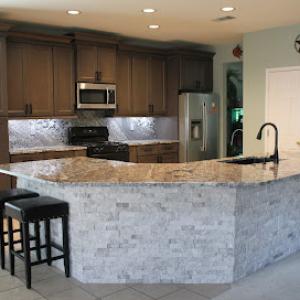
Infinity Roofing & Remodeling
(214) 952-1950 www.roofsbyinfinity.com
5805 San Marino Dr, Rowlett, Texas
5.0 from 32 reviews
Infinity Roofing & Remodeling has been providing high quality workmanship and customer service since 2006. We offer some of the most affordable pricing in the industry. Our team has the experience to handle all your roofing and remodeling needs. When it comes to your home, you can trust that the reliable professionals at Infinity Roofing & Remodeling will be dedicated to completing your project to your satisfaction.
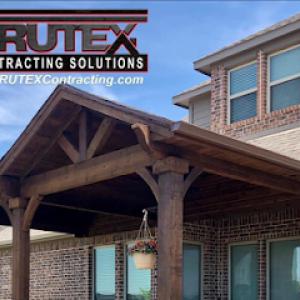
TRUTEX Roofing & Contracting Solutions
(469) 213-8877 trutexroofing.com
Rowlett, Texas
4.8 from 60 reviews
Please see our official TRUTEX google my business page.
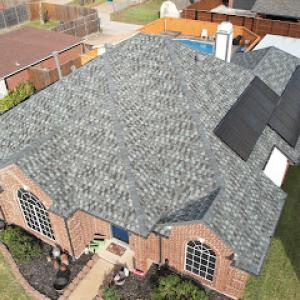
Rich The Roofer
(469) 267-6577 richtheroofer.com
Rowlett, Texas
5.0 from 20 reviews
Rich The Roofer is Forney Texas and all of DFW’s #1 roof maintenance and roof repair company. We created the first ever proactive roof maintenance solution, and it is transforming the way homeowners protect their most valuable asset. With our Proactive Roof Maintenance memberships paired with discounted roof repairs, we delay the need for roof replacements by years. And because you will have years worth of Roof Profile Protection Reports saved, when it is time to do a roof replacement, and you want to file an insurance claim, we eliminate the chance for your insurance company to deny your storm damage claim.
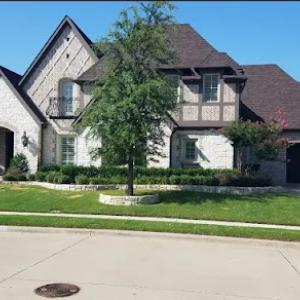
Mitchell Roofing & Restoration
3401 Anthony Cir, Rowlett, Texas
4.7 from 14 reviews
Protect your largest investment with our reliable roofing services. We are a locally owned and operated roofing company currently serving the DFW metroplex and surrounding communities. If you want to make your roof last as long as possible, it is vital that you never put off a roof repair. Small issues with roofing become big issues in a hurry. No matter how major or minor the repair you need, we are here to help. We offer roof replacement, roof inspection, and roofing service.
Double RR Construction
(972) 825-7796 doublerrconstructionrc.com
Serving
5.0 from 31 reviews
Double RR Construction is a family-owned roofing contractor proudly serving Royse City, TX and surrounding communities. We specialize in roof damage repair, new construction roofing, and all types of roofing services for residential and commercial clients. Our experienced team is also skilled in fencing and deck installations, ensuring your outdoor spaces are both functional and beautiful. Committed to quality craftsmanship and customer satisfaction, we use durable materials and proven techniques for lasting results. Whether it's emergency roof repair or new construction, Double RR Construction offers dependable, affordable solutions with a personal touch. Trust us for expert roofing and outdoor construction services tailored to your needs.
Rowlett's location along Lake Ray Hubbard brings a steady pattern of wind-driven spring storms and a humid heat that can complicate tear-off scheduling. When storms materialize, gusty winds, hail potential, and sudden rainfall can stall debris removal and healing gaps, forcing crews to pause and protect exposed decking. The local pattern means timing work to avoid the peak storm windows is essential. In practical terms, you want a dry, mild stretch with a clear forecast for several days in a row, rather than taking a chance on a late-summer heat wave that can stress materials and workers. The moisture-hungry lake environment also elevates the risk of condensation and moisture getting trapped under underlayment if damp conditions persist during tear-off and installation.
Fall remains the most workable season for reroofs around here, because the days tend to stay dry and the humidity drops enough to help sealants and underlayment set without sweating on the roof. However, North Texas storm systems still roll through, and that can interrupt dry-in and push timelines later into autumn or into early winter. The practical approach is to identify a window of at least five to seven consecutive dry days with moderate temperatures, then align a professional schedule to maximize that stretch. Keep in mind that lakeside exposure can amplify gusts or sudden wind shifts, so check forecast models that include near-term wind risk when you reserve a start date. If a late-season cold front or unexpected front passes through, be prepared to pause and protect the jobsite rather than pushing ahead with inches of new material exposed to wind-driven precipitation.
For homes with previous wind or hail damage, plan tear-off and set-up to occur just before forecasts showing stable, dry conditions. A careful sequence helps: first, remove damaged shingles and inspect decking; second, ensure the roof is adequately tarped or shingled to shed rain if a storm interrupts; third, complete underlayment and starter courses during the dry period; finally, install the new roofing during the same window if possible to minimize exposure. In Rowlett, the lake breeze can shift moisture overnight, so you want a contingency plan that transfers protection from wind-driven gusts to secure, tarped staging and rapid progress once work resumes. Coordination with the contractor to monitor storm advisories and adjust start times by a day or two can prevent backtracking on flashing and drip-edge work.
Build flexibility into the project schedule by targeting a core dry period but maintaining a short lead-time for weather-driven rescheduling. Maintain surface moisture checks, especially after passing fronts or high-humidity days, because even a light dew can slow tear-off adhesion and shingle seating. If a storm warning appears, prioritize securing loose materials, covering openings, and preserving interior spaces exposed to attic ventilation. In a neighborhood where many roofs share similar exposure, keeping line-of-sight communication with neighbors helps prevent misinterpretations about when the crew will return after a weather pause. A well-communicated plan reduces anxiety and prevents the project from lingering into the peak of the next storm season.
Asphalt shingles are the most common choice in Rowlett, and they are familiar to many local crews and homeowners. However, those familiarities come with a caveat: prolonged summer heat accelerates aging, and repeated hail exposure can lead to faster condition decline. In practice, this means a typical asphalt roof may require more frequent inspections after severe spring storms and after a busy hail season. If you choose asphalt, look for thicker architectural shingles or those with upgraded impact resistance ratings, and plan for vigilant maintenance after hail events. A well-sealed attic and proper ventilation help maximize the lifespan of asphalt products in the intense North Texas sun.
Metal roofing is a meaningful specialty in this market and is often considered by Rowlett owners looking for better hail resilience and lower long-term replacement frequency. Metal panels handle hail impact more predictably than standard shingles, and their rigidity helps resist wind-driven damage when installed with proven underlayment and proper fastener patterns. For homeowners evaluating metal, attention to coating quality, warranty terms, and attic ventilation remains crucial. In areas with heavy heat, metal can also reflect more solar energy, reducing cooling load, but paint or coating color choices should be aligned with local sun exposure. Consider a metal profile that matches your home's architectural character to preserve curb appeal while reinforcing a storm-ready roofline.
Clay tile and concrete tile reflect a long-standing suburban mix in Rowlett. Clay tile offers classic looks and strong wind resistance when correctly installed, but it can be heavier and more fragile under certain hail impacts. Concrete tile tends to be more impact-tolerant and can distribute wind loads effectively with a solid substrate and appropriate fasteners. Synthetic or composite shingles provide a lighter option with improved hail performance relative to traditional asphalt, and they often feature more resilient impact ratings without the weight burden of clay or concrete. Fiber cement shingles combine durability with a more moderate weight profile and can mimic wood or slate textures while withstanding heat and wind reasonably well. For homes in the newer or more varied neighborhoods, these options enable a balance between appearance, performance, and maintenance needs.
Rowlett neighborhoods feature a broad spectrum of roof lines and construction ages. A key decision point is aligning the roof material with the expected storm pattern, especially after hail and during wind-driven seasons. For homes with attics that vent poorly or that sit on higher wind exposure terrains along the lake shore, choosing a roof with strong wind uplift performance and dependable underlayment becomes as important as the surface material. Consider how the roof's mass, weight, and structural support interact with future roof upgrades or replacements. In high-heat, frequent-sun pockets, materials with better reflective properties and color choices that minimize heat gain can improve comfort and energy performance over the roof's life.
In this market, pricing can rise after major hail events when regional demand for crews, materials, and emergency dry-in work surges across the Dallas area. When a thunderstorm season leaves a few neighborhoods with dented shingles and leaking valleys, crews swing from nearby towns to Rowlett, and that crowding translates into quicker timelines and higher bids. If you're planning a re-roof after a storm, expect not just material costs but also the premium for faster availability and the ability to get the home weatherized quickly.
Material choice matters sharply in this market. Asphalt shingles run about $350 to $600 per square, metal $650 to $1100, clay tile $900 to $1400, concrete tile $750 to $1200, synthetic/composite $450 to $800, and fiber cement $500 to $900. Each option has tradeoffs in wind resistance, hail durability, weight, and roof life. Clay and concrete tiles deliver long life and a distinctive look, but installation costs climb and weight can require structural checks. Metal roofs resist hail well and shed wind effectively, yet the upfront price is higher. Synthetic and fiber cement offer a middle ground, with moderate weight and decent hail performance. Asphalt remains the most budget-friendly path, but local hail storms can drive higher replacement needs and more frequent repairs in the years ahead.
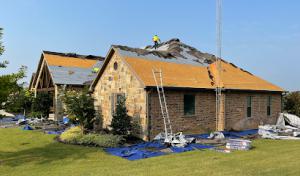
A typical re-roof project starts with choosing a durable, wind-hail rated system that fits the house style and local wind loads. In Rowlett, you'll notice that crews often juggle multiple projects after a hail event, so scheduling can stretch if demand spikes. Expect a phased process: material selection, debris removal, roof deck inspection, underlayment installation, and final shingle or panel placement, followed by trim and cleanup. Because storm seasons influence availability, coordinate your start date with a contingency plan for weather delays and potential temporary waterproofing during heavier rain windows.
Choosing higher-cost materials can pay off in reduced maintenance and longer service life in this Texas weather pattern. A roof that resists wind-driven rain and hail will save on call-back work and interior damage costs over time. If the goal is a balance of upfront cost and long-term durability, synthetic or fiber cement can offer compelling durability at a middle price point. For homes with lighter framing, asphalt may be attractive, but confirm that the deck and underlayment are upgraded to handle the local hail exposure. In any case, a well-sealed attic, proper attic ventilation, and effective drip edge details are essential to maximize your investment against the region's spring storms.
Get a clear picture of your project costs upfront - no commitment required.
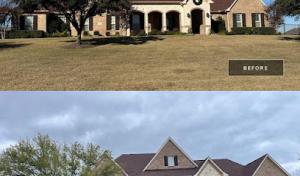
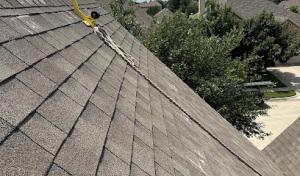
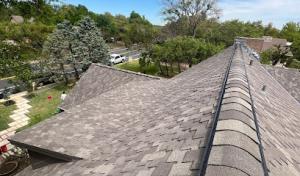
When a full re-roof is on the table, a permit is required and applications are filed through the City of Rowlett Building Division. Skipping this step or rushing the paperwork can come back to bite you with delays, stop-work orders, or mandatory corrections that push project timelines into the next season. Start by pulling the permit early in the planning process, before any tear-off begins. The Building Division will want to see basic project details, project address, and contractor information, plus proof of any required inspections you'll need along the way. If your insurer is involved, having the permit in place helps align the claim with local regulations and avoids questions about compliance down the line. In practice, this means coordinating with your contractor to ensure the scope matches what the permit covers, and keeping a copy of the approved permit handy at the job site.
Inspections in this market follow a staged pattern. First comes a rough-in or underlayment inspection, typically after the decking and ventilation are in place but before shingles or final coverings go on. This is when the city checks that the roof deck is sound, that attic ventilation is properly installed, and that the underlayment is correctly laid out and nailed. The final inspection is conducted after the roof is completed and flashing is secured, ensuring all components meet code requirements before the job is considered closed out. Missing or incorrect underlayment, improper flashing, or inadequate ventilation can trigger rework, added costs, and headaches with insurance claims.
During the final review, the city inspector focuses on a clean, code-compliant finish. They verify that decking is solid, ventilation meets code guidelines to manage heat and moisture, underlayment is continuous and properly installed, and flashing around chimneys, vents, and terminations is correctly integrated. If anything doesn't pass, you'll receive a notice to correct issues before the project can be officially closed. Planning for these checks-keeping access clear, having all materials staged per code, and coordinating with your contractor-helps avoid delays when the inspector arrives and supports a smoother transition from tear-off to a weather-tight roof.
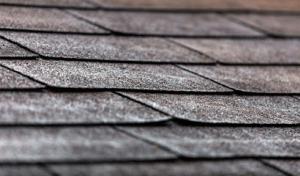
In a town perched near Lake Ray Hubbard, repeated hail and wind exposure shows up first as bruised or granule-lost asphalt shingles rather than purely age-related wear. Those bruises create tiny asterisks of failure that can grow into punctures or capillary leaks after a storm, long before you notice obvious curling or curling isn't the first sign. The pattern matters: you may see discolored granules washed into gutters or on the lawn after a hard north wind. If you've just survived a hail event, inspect the most exposed directions and the south-facing slopes for blistering or bare asphalt patches. Early reporting to a trusted roofer can prevent accelerated roof deck deterioration.
Flashing and underlayment details matter locally because city inspections specifically review those components on full re-roofs. When wind-driven storms push water toward joints around chimneys, vents, and transitions, compromised flashing invites leaks behind the fascia and into attic bays. In Rowlett, misshaped or lifted flashing often rides the edge of a wind gust, and synthetic underlay can blister under heat before a contractor notices. A careful contractor will test for any wet spots after a rain and verify sealant integrity around penetration points. Don't overlook small gaps where the vent boots meet the shingles-the spotty seal can become a quiet, recurring leak.
Skylight penetrations deserve extra scrutiny after North Texas storms, and skylight repair is a visible specialty among contractors serving this market. The combination of hail impact and rapid temperature swings can loosen glazing, crack seals, or misalign the curb. Inspect the flashing and shingle ring around the skylight for gaps, pooling water, or mineral staining on nearby shingles. If a skylight shows any fogging or moisture inside the glass, treat it as a leak risk rather than a minor cosmetic issue. Choosing a roofer with proven skylight repair experience reduces call-backs after the next storm season.
Find contractors experienced in skylight installation, flashing, and leak repairs to bring natural light into your home.

Bacon Roofing
(972) 945-7544 baconroofing.com
8126 Lakeview Pkwy #13, Rowlett, Texas
4.9 from 131 reviews
Capitol Roofing & Construction
(972) 474-8955 www.capitolrcllc.com
2806 Lawing Ln Suite B, Rowlett, Texas
4.9 from 109 reviews
In the Dallas-area insurance environment, this neighborhood benefits from date-stamped photos taken immediately after hail or wind events. After a storm, snap exterior shots of the roof, gutters, vents, and any visible damage from several angles. Photograph close-ups of touched-up granules, lifted shingles, and dented metal details. Time-stamped images create a clear storm record that supports any subsequent claim discussion.
Keep a running file of all documentation related to the claim. Because claims history can affect future underwriting in North Texas, homeowners should keep inspection reports, adjuster notes, and final invoices together. Store these in a single, organized location-physical folders and a cloud copy-and update it as the project progresses. If an inspection occurs, download or print the full report and attach it to the claim file for ease of reference.
Contractor and adjuster coordination is especially important in Rowlett's storm-repair market so approved scope matches the work actually installed. When the adjuster visits, have the contractor present to walk through the roof line and attic spaces, if reachable, to verify damage and proposed repairs. Confirm that the written scope aligns with what the crew intends to install, including material choices, underlayment, and fasteners. If the adjuster approves changes, request updated notes and revised invoices promptly to avoid gaps between approval and work performed.
Document every communication with the insurer and the contractor. Log dates, times, and the names of the representatives you speak with, and summarize the outcomes of each conversation in writing. When a decision is delayed, set a concrete follow-up deadline and record the result. If a dispute arises over coverage or scope, request a write-up that clearly states the reason for any denial or reduction and what needs to be provided to move it forward.
At project handoff, assemble the complete packet for your records: the storm photos, the pre- and post-inspection notes, the adjuster's final scope, the contractor's agreed-upon scope, intermediate invoices, and the final invoice paid. This compiled file helps smooth future renewals and any potential supplemental claims, and it keeps the story of how the home was repaired coherent for you and your insurer.
Connect with contractors who help homeowners navigate the claims process from damage assessment to final approval.
Riddle Brothers Roofing & Construction
(214) 884-8346 riddlebrothersroofing.com
4410 Lakeview Pkwy # C, Rowlett, Texas
4.9 from 268 reviews
Roofs by Shiloh
(972) 789-5153 roofsbyshiloh.com
9200 Lakeview Pkwy c, Rowlett, Texas
5.0 from 70 reviews
Firehouse Roofing
(469) 457-2133 firehouseroofing.com
4001 Industrial St, Rowlett, Texas
4.9 from 235 reviews
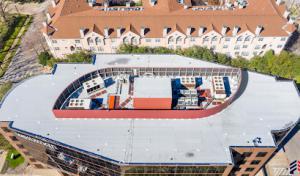
In Rowlett, the bulk of homes are pitched-roof houses, but there is meaningful demand for flat or low-slope roof work on additions, porches, and a few commercial properties. When planning a reroof or an upgrade near an existing addition, you should expect some areas to carry a different roof plane. Understanding how these spaces interact with the main roof helps prevent water intrusion and keeps transitions watertight through multiple seasons of Dallas-area weather.
Low-slope sections demand careful attention to drainage, seam details, and edge termination. Insist on properly integrated drip edges and scuppers where applicable, and verify that any new membrane or built-up layer ties securely into the surrounding pitched roof. In homes with additions, ensure the transition from a steeper main roof to a flatter addition is treated with a continuous, slope-compatible flashing plan. Cold-season drainage can expose weak seams, so a thorough inspection of existing edge membranes and terminations is worth planning into any replacement schedule.
Solar-integrated roofing appears as a growing specialty in this market, particularly when reroofing around existing or planned rooftop systems. Confirm that the chosen roof assembly accommodates the solar layout without compromising flashing and waterproofing at penetrations. If panels or membranes share the same plane as a low-slope section, look for compatible underlayment and bonding methods that prevent leaks at rafter tails and around rafter-to-sheathing transitions. For a smoother integration, coordinate the solar array plan with the roofing contractor upfront, especially near chimney and vent stacks.
Chimneys and mixed rooflines are common enough to demand close attention to transition flashing during replacement planning. On roofs where a chimney crosses a low-slope area, ensure counter-flashing sits above the main flashing, and that any metal flashing is continuous through the intersection. Mixed rooflines require careful seam alignment and a single plan for all penetrations, so gutters and soffits remain flush and dry. The goal is a unified waterproof detail that resists wind-driven rain and hail impacts common to spring storms.
Seasonal checks should emphasize low-slope seams, edge details, and the condition of transitional flashings around additions and chimneys. After storms, inspect downstream areas for signs of minor seepage near transitions and verify that solar penetrations remain properly sealed. Quick, targeted touch-ups around these zones can extend roof life and preserve the integrity of both the main roof and any add-ons.
Find specialists in TPO, EPDM, and built-up flat roofing systems for residential and commercial properties.