
Last updated: Apr 19, 2026
Spring in this corner of Loudoun County means clustered roof inspections and replacement demand across large subdivision neighborhoods after a single storm moves through. Hail, wind, and rapid temperature swings can light up several roofs at once, creating a ripple effect where neighbors start replacement projects within days of each other. The local contractor market shows unusually strong concentration in storm-damage and insurance-claim work, so you'll notice crews flocking to neighborhoods with fresh weather headlines. Pay close attention to the post-storm window: insurers and adjusters often prioritize homes with visible, recent damage and may pair the timing of their visits with weather activity that impacted a whole community.
Because many homes are in newer planned communities, insurers and adjusters commonly compare current storm photos with prior condition records and neighborhood-wide loss patterns when reviewing claims. That means a meticulous before-and-after narrative helps your file stand up under review. If your house lives in an HOA-driven section, expect uniformity in what gets replaced and when; this can accelerate decisions but also heighten scrutiny if any element appears out of step with neighbors. A faster path to approval often comes from showing a clear line from storm citation to current condition, including damaged decking, ventilation intakes, attic signs of moisture, and granule loss on shingles. If the storm left shallow dents or curling edges, those details can matter in the eyes of adjusters who routinely cross-check photos from the days immediately after the event.
Start by timestamping everything you observe after a credible storm: photos of impact points on the roof, valleys, and any visible fascia or gutter damage; attic photos showing insulation wetness or mold indicators; and close-ups of missing granules or asphalt wear. Create a simple log: date, time, weather notes, and what you observed from ground level versus attic access. If a neighbor's roof shows comparable damage, note that pattern-it supports a broader loss narrative that adjusters see as credible. Do not rely on a single image; compile a sequence from multiple angles and include wider neighborhood shots that illustrate the storm's reach. When a contractor consultation happens, bring the photo log and a written summary that links specific damages to storm events you've recorded. This approach reduces back-and-forth delays and helps align your claim with how the local market handles multi-home storms.
In an environment where many homes compete for the same window of approvals, speed is part of the strategy. Secure a reputable contractor's inspection promptly after the storm and request a thorough scope that addresses not only shingles but also ventilation, flashing, and attic contaminants if present. Expect adjusters to review photos and neighborhood loss patterns alongside your documents; presenting a cohesive story with dated evidence in clear sequence can shorten the path to approvals. Because many Aldie homes sit in newer developments, align your contractor's timeline with the typical post-storm surge so that roof replacement can progress before weather shifts again, reducing the risk of further moisture intrusion or delays from seasonal scheduling.
Argueta Roofing Construction
Serving
5.0 from 39 reviews
Kirby Kerns Contractors has been in business for more than 50 years — your trusted local expert for high-quality roofing, siding, gutter, and window services across Northern Virginia and Maryland. With decades of hands-on experience, our licensed and insured team specializes in both residential and commercial projects, including emergency roof repairs, storm-damage restoration, full roof replacements, and exterior upgrades. We’re known for our fast response times, honest pricing, and guaranteed workmanship. Whether you're dealing with leaks, aging materials, or planning a home improvement project, Kirby Kerns Contractors delivers reliable solutions with exceptional customer care. 📞 Call us today at 703-330-1555 for a free estimate.
All Side Construction
(703) 795-7036 allsideconstruction.com
Serving
5.0 from 29 reviews
Family owned home remodeling company specializing in interior and exterior improvements. Licensed and insured with over 30 years of experience in the Northern Virginia area.
Ridgeline Roofers
(703) 454-8334 www.ridgelineroofers.com
Serving
4.9 from 83 reviews
If you're in need of roof, gutter or siding repairs or replacement then call Ridgeline Roofers. We're a family-owned and operated roofing contractor operating in Leesburg, Ashburn or Sterling, VA. We owe all of our success to you, our Ashburn, Leesburg and Sterling customers who support us and we want to thank you! The highest compliment we receive is the trust in your referral and we truly appreciate your support!
MasterWorks Contractors
(703) 263-3304 www.masterworkscontractors.com
Serving
5.0 from 19 reviews
MasterWorks Contractors offers proven solutions in commercial roof coating, reinforcement, restoration, and maintenance to keep your building dry and energy efficient with the best warranties in the business. We provide businesses and organizations with quality results that protect their properties for years to come. If improving your energy efficiency, and safeguarding your property from costly repairs is your priority, call our team today. You will love our consultative approach, attention to detail, and commitment to quality results.
Your Vision Roofing
(540) 454-4975 www.yvrroofing.com
Serving
4.9 from 64 reviews
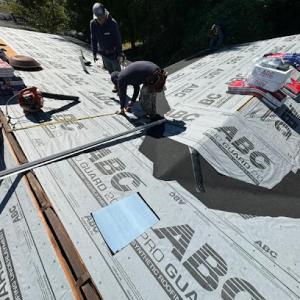
Your Vision Roofing provides expert roofing, siding, windows, gutters, painting, carpentry, and interior remodeling throughout Northern Virginia, Washington DC, and Maryland. Services include: • Complete roof replacement & repair • Siding, windows & gutter installation • Interior & exterior painting • Drywall & carpentry work • Kitchen, bathroom & basement remodeling • Insurance claim assistance BBB A+ rated | Licensed & insured | 20+ years experience We use premium materials with comprehensive warranties. Free estimates and emergency services available. Your vision, our commitment! Your Vision Remodeling
ProEx
(703) 659-4494 www.proexva.com
Serving
5.0 from 51 reviews
PROEX offers roof replacement, siding replacement, doors, window, and gutter services all over Northern Virginia to meet your project needs and ensure durable and cost-effective workmanship that lasts.
Johnson Roofing
(703) 753-3220 justcalljohnson.com
Serving
4.3 from 21 reviews
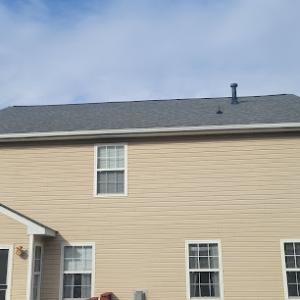
Our team is made up of professional, fully licensed and bonded roofers. We pride ourselves on finishing jobs on time and at the highest quality. Family owned and operated, you can count on us for quality work at affordable prices!
Keystone Roof Solutions
(570) 768-0058 keystoneroofsolutions.com
Serving
4.9 from 18 reviews
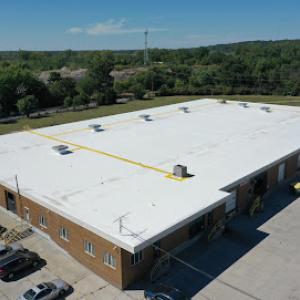
Keystone Roof Solutions is a leading commercial roofing contractor in Central Pennsylvania, specializing in flat and low-slope roofing systems for businesses, warehouses, industrial buildings, and commercial properties. We install and restore TPO, PVC, EPDM, metal roofing, spray foam, Acrylic and Urethane coating systems designed for durability, energy efficiency, and long-term performance. Our team provides reliable inspections, leak repairs, roof replacements, and full roofing restoration with clear communication and high-quality workmanship. Extend the life of your commercial roof with Keystone Roof Solutions.
NV Roofing
Serving
4.7 from 204 reviews
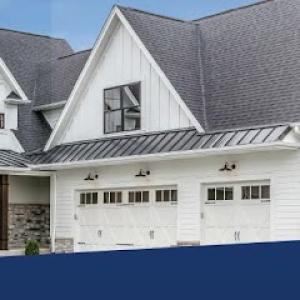
Roofing, Siding, Windows, and Gutters for home and commercial clients. Serving NoVa, DC, and MD since 1963. We promise responsive communications delivered with exceptional results.
Roof Fanatics
(571) 241-8806 www.rooffanatics.com
Serving
5.0 from 68 reviews
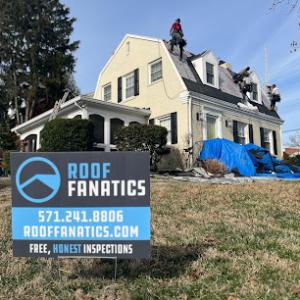
Roofing, siding and gutters contractor for Northern Virginia. Redefining what "attention to detail" means in the roofing industry, to bring you the best contracting experience.
S&K Roofing, Siding & Windows
(888) 994-8303 www.skroofing.com
Serving
4.8 from 45 reviews
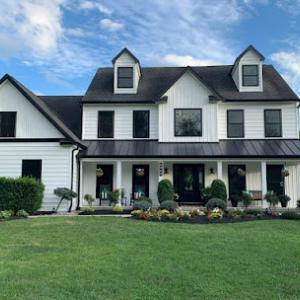
Worry Free. Guaranteed. S&K Roofing, Siding and Windows' Northern Virginia branch provides a wide range of exterior home and commercial exterior replacements. Services include roofing, siding, windows, doors, skylights, gutters, decks, and attic insulation. S&K is family owned and operated, and has served the area since 1980. Visit the website for additional information, to request and estimate, and to see examples of our work.
A Atlantic Services
(703) 586-0506 aatlanticservices.mobi
Serving
5.0 from 24 reviews
Family owned and operated with quality and integrity since 2005.
A full re-roof in Aldie typically requires a building permit through Loudoun County rather than a separate town roofing office. The county's permit office expects to see a clearly documented plan for the project before any shingles come off or new underlayment goes on. This is especially true in subdivisions governed by HOAs, where community rules often align with county requirements. The county process is designed to ensure storm-related work, ventilation details, and material selections meet local codes and county-approved standards.
Before work starts, the contractor should submit project details that cover the roofing material type and ventilation information. This is not a formality; it shapes how the ventilation will perform in Loudoun's hot summers and storm-prone springs. The submission usually includes the proposed shingle or metal type, a venting strategy that complies with code, and a plan for flashing, ridge ventilation, and attic access where applicable. In many Aldie homes, attic ventilation is a critical piece of the plan because undersized or blocked vents can lead to heat buildup and accelerated deck or sheathing wear, especially in attics with radiant barrier setups or older vent paths. Anticipate questions about wind resistance and installation details that align with county wind-airflow requirements. Your contractor should be prepared to address these specifics and present manufacturer data or engineering notes if requested.
Inspections are conducted during and after installation, and a final inspection is needed to close the permit for the property. The county inspection cadence often follows key milestones: after the roof deck is repaired or replaced and once underlayment and drip edge are in place, then again after the final shingle or metal surface is installed. In neighborhood clusters with HOA oversight, inspectors may cross-check that the work aligns with approved plans and that any required sarking, ventilation, or attic baffle details match what was submitted. If the project touches existing eaves, soffits, or fascia, expect an inspection item to verify that these components were repaired or replaced in harmony with the new system.
Storm damage documentation plays a central role in re-roof work under Loudoun County rules. Gather thorough photos of the damaged areas, including vent pathways, attic signs of moisture intrusion, and any wind-related lift or shingle loss. Insurance-driven replacements can accelerate via a claim that aligns with the permit submission, but the permit still requires the same ventilation and material details. Keep a running record of communications with the insurer, the contractor, and the county, so you can clearly demonstrate the sequence from damage discovery to permit approval and final inspection. A well-documented storm history reduces back-and-forth and helps ensure the new roof performs as intended within the county's code framework.
Coordinate early with a contractor who understands Loudoun's permit expectations and HOA considerations. Have the ventilation plan documented, including attic vent types and locations, and ensure the materials chosen match the approved plan. Schedule inspections in advance and maintain access for each required visit. If storm documentation is part of the claim, compile and organize the evidence so the permit package reflects the actual work needed and aligns with the insurer's scope. This alignment minimizes delays and supports a smoother close-out of the permit after installation.
Asphalt remains the practical workhorse for the newer subdivisions common in Aldie, where rapid construction meets reliable performance. In this climate, the hot humid summers and winter freeze-thaw cycles put extra emphasis on proper ventilation and a solid underlayment. Choose an asphalt system that includes a well-ventilated attic, balanced intake and exhaust vents, and a high-quality synthetic or traditional underlayment. A properly installed ridge vent combined with soffit ventilation helps manage moisture, reduce ice dam risk, and support long-term shingle life. Pay attention to drip edge and a watertight flashing plan around chimneys, skylights, and roof-to-wall interfaces, where Aldie homes frequently encounter heavy storm moisture.
Metal roofs offer solid durability against high winds and hail, traits valued in Aldie's evolving neighborhoods. Lightweight and fast to install, metal panels or shingles still require attention to edge details and adequately sealed penetrations. In a climate with freeze-thaw cycles, ensure the you select a system with rust-resistant finishes and proper sealing at fastener sites. Ventilation remains important under metal to prevent heat buildup in attic spaces that are partly finished or vented. Metal's reflectivity can help reduce cooling loads, but compatible attic insulation and vapor barriers are essential to prevent condensation issues in shoulder seasons.
Clay tile is a hallmark of the estate-style homes tucked into the hills around Aldie. Its weight and overlapping profile demand a reinforced structural plan and careful load transfer at the edges and hips. Clay tile offers strong longevity and distinctive curb appeal, yet installation and replacement require precise framing considerations and professional assessment of roof geometry. In hot summers, tile's thermal mass can help moderate attic temperatures if paired with adequate ventilation and a breathable underlayment system. Expect more meticulous maintenance around fasteners and flashing to guard against storm-driven water intrusion.
Concrete tile mirrors many benefits of clay tile but can be more economical in certain builds while still delivering long service life. The heavier profile benefits from robust roof framing and careful wind uplift assessment in Aldie's gusty periods. Like clay, it benefits from a ventilation plan that keeps attic spaces cooler and drier during humid summers. Proper underlayment and flashing around dormers, vent pipes, and chimneys remain crucial, especially where roof planes intersect complex geometry.
Wood shakes bring classic texture to select neighborhoods, often on homes with nods to Craftsman or farmhouse styling. They require regular maintenance to resist moisture intrusion, insect exposure, and color deterioration in Virginia humidity. Adequate attic ventilation helps prevent interior moisture buildup that can warp or accelerate decay of the wood. When selecting wood shakes, consider treated or thicker profiles and compatible underlayment to extend life in both wet springs and freeze cycles.
Slate projects a refined, durable look on estate homes, with a resilience that suits Aldie's seasonal swings. The weight of slate demands careful structural evaluation and potential reinforcement, especially on older or heritage-style footprints. Proper ventilation remains essential to prevent heat buildup in upper levels, and high-quality underlayment supports long-term performance under slate seams and fastener penetrations. Slate's maintenance focuses on ensuring fastener compatibility and monitoring for any cracked or loose pieces after severe weather events.
In the Aldie market, asphalt shingles typically run about 350 to 700 USD per square, metal 600 to 1100, clay tile 900 to 1300, concrete tile 900 to 1200, wood shingles or shakes 700 to 1100, and slate 1200 to 1800. These numbers reflect the local mix of newer asphalt-heavy subdivisions and estate homes where higher-end materials and larger roof footprints are common. When planning, use these ranges as your starting point and compare bids against the material selected and the roof's overall size.
Costs in Aldie can rise when storm events create a surge in scheduling demand across Loudoun County. If many homes in the same subdivision are being inspected or replaced at once, you may see longer lead times and temporary price pressure on labor and material deliveries. Expect a tighter window for appointments after a major storm, and prepare for possible small widenings in the project timeline and the contingency budget.
Pricing also shifts with roof complexity common in larger Aldie homes. Steeper pitches, multiple roof planes, and intricate attic ventilation add to both material and labor costs. Ventilation scope required for permit submission and the labor needed to protect landscaping and maintain cleanup standards in HOA communities can push the final number higher. Factor in the added care for driveways, curbs, and lawn damage prevention, plus post-job debris cleanup to meet HOA expectations.
HOA communities in Loudoun County often expect standardized cleanup, drip-edge protection, and careful waste handling. In practice, this means budgeting for extra protection during tear-off, potential waste-hauling costs, and a fence or shrub barrier to shield landscaping. When discussing bids, verify that the scope explicitly covers yard protection, debris removal, and a thorough final clean to satisfy HOA guidelines and avoid post-installation punch lists.
Start with a material choice within the local ranges, then layer in roof size, complexity, ventilation needs, and landscaping protection. Build a small contingency for weather-driven delays in storm-prone seasons. With these anchors, you'll navigate Aldie's market realities without surprises when the crew arrives.
Get a clear picture of your project costs upfront - no commitment required.
Spring and fall are the Michigan-like sweet spots for roof work in Aldie. The milder temperatures and more predictable humidity help materials seal properly and crews stay on track without the extreme heat of midsummer or the cold stress of deep winter. If you have a replacement on the calendar, aim for those shoulder seasons when storm chances are not at their peak, and crews can keep pace without weather-aligned delays.
Winter freeze-thaw cycles can complicate underlayment and shingle seating after installation. Cold-season temperatures make sealant stages finish more slowly, so a winter schedule often translates to longer project timelines and higher sensitivity to short cold snaps. If a full replacement must occur in late fall or early winter, plan for potential pauses and ensure materials are protected from overnight freezing when staging on the roof.
Spring storms bring powerlines, debris, and gusts that can expose roof vulnerabilities quickly. Fall winds and debris also routinely influence inspection timing in this area, as does the possibility of a weather break before the next cycle. After a major storm, book an inspection promptly to document any damage while it is fresh. Clear photos, hail marks, and granule loss details help quality conversations with contractors and insurers and can steer decisions about immediate repair versus full replacement.
Aldie's mix of HOA-governed planned communities means some homeowners need guideline alignment before work starts. If an HOA review is involved, collect any required documentation early and coordinate submission windows with the board. Scheduling around HOA review calendars helps prevent mid-project delays and ensures the replacement can proceed once approvals are in place.
When the calendar aligns with favorable weather, expect a measured pace: roof removal, decking inspection, underlayment, and shingle installation follow a logical sequence. In spring and fall, long daylight hours and moderate temperatures support energy-efficient progress. In any window chosen, ensure you have a contingency for wind-driven debris during the project and a plan for interior protection if a storm rolls in mid-work.
Storm damage in this area often ends up processed through homeowners insurance rather than a private replacement. The process can feel slow or adding scrutiny if the storm events are widespread across Loudoun County. Adjusters will review the overall claim for credibility and alignment with the damage observed on your roof and in your attic. The outcome can hinge on how clearly the damage connects to a named storm, and whether the evidence supports a full replacement versus a partial repair. The tone and detail of your claim can influence the final settlement, so the situation should be handled with care and honesty, especially when neighboring homes saw similar results.
Aldie homeowners should expect adjusters to coordinate with roofing contractors during the process. This coordination isn't a sign of distrust; it's how the typical regional approach operates when a claim involves multiple nearby homes after the same event. You may be asked to provide professional estimates and a thorough photo set showing the roof from multiple angles, plus interior shots where there's visible water intrusion or attic deck staining. The photos should clearly depict the extent of damage and tie it back to storm-related causes. If you can, preserve date-stamped photos and keep a simple log of when you noticed changes after the storm. Missing or unclear documentation can slow settlements or lead to partial reductions.
Documentation quality matters, because many claims in this area follow the same regional storm events. The clearer the proof of storm-related damage, the more likely the claim will be approved in full or with fewer limitations. Conversely, inconsistent records or gaps between observed damage and reported events can trigger closer scrutiny or partial approvals. Being precise about when and how the damage appeared helps maintain a straightforward path toward a settlement that reflects the actual condition of the roof.
Connect with contractors who help homeowners navigate the claims process from damage assessment to final approval.
Ventilation details matter in Aldie because the local permit process specifically calls for ventilation information on full re-roof submissions. If the attic feels warm in summer or the soffit vents look clogged, that imbalance can shorten a roof's life and complicate leak repairs after a storm. Pay attention to ridge vents, intake vents, and attic baffles, especially in newer subdivisions where insulation schemes vary. In practice, verify that the new roof includes balanced intake and exhaust, with clear pathways for moisture to escape. A tired vent setup often shows up later as indoor humidity and unexpected frost on ceilings in winter.
Skylights are a meaningful specialty in this market, suggesting leak-prone transitions and flashing details are a recurring concern on local homes rather than a rare add-on feature. When a skylight is installed or serviced, ensure the flashing steps are properly integrated with the roof deck and cap flashing. In many Aldie homes, improper membrane transitions at skylight curb edges lead to slow leaks that mimic more dramatic failures. Consider upgrades to high-quality sealants and drip edges, and confirm that any skylight replacement includes a full perimeter inspection for potential wind-driven leaks after a storm.
The prevalence of emergency repair services in the local market indicates active homeowner concern about sudden leaks after storms, not just planned replacement. After a hail event or heavy rain, quick tarp placement and temporary fixes matter, but they should lead to a full assessment and defined repair plan. Look for a contractor who documents damage, prioritizes roof sections with exposed felt, and follows up with a documented leak-trace of root causes. In practice, 빠른 response times save interiors and prevent minor drips from becoming costly interior renovations.
Find contractors experienced in skylight installation, flashing, and leak repairs to bring natural light into your home.
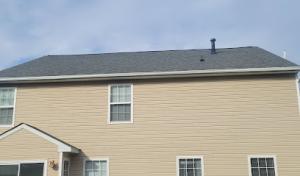
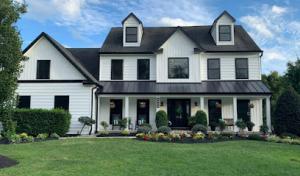
In Aldie, homeowners are selecting from many contractors that market quick response, re-roofing experience, and cleanup, showing that speed and jobsite control are major local hiring filters.
When you start, verify the contractor's licensing status and current insurance for liability and workers' compensation. Ask for a verifiable list of past projects in Loudoun County with recent client references who will speak to on-site conduct and cleanup. A quick way to gauge credibility is to see how promptly they respond to your initial inquiry and how clearly they outline the project scope, timeline, and communication plan.
Long-established and family-owned firms are well represented in this market, which matters in a county permit and inspection environment where follow-through after installation is important. Look for signs of stable leadership: how long the company has been in business, and whether a named project manager will remain your point of contact from start to finish. In-person visits to their office, if feasible, can reveal whether their operations are consistent with their promises on the job site.
Manufacturer-certified and warranty-offering contractors are present but not dominant, so you should verify whether warranty promises align with the actual installer qualifications on the project. Request the exact warranty terms that will apply to your roof system and ask to see written proof of the installer's eligibility to honor those warranties. Confirm who will handle warranty service later and whether any exclusions apply to storm-related damage.
During the estimate, ask for a detailed breakdown of the proposed system, including underlayment, ventilation, and rapid debris containment measures. Confirm who will perform critical tasks such as attic ventilation assessment and any necessary attic penetrations for proper breathing space. Note how they plan to protect landscaping and driveways and who is responsible for final cleanup and debris removal day-of.