Last updated: Apr 19, 2026
Spring storm activity and hail risk drive inspections, temporary repairs, and full roof replacements in this area. When a wind or hail event hits the I-66 corridor, local crews swing from zero to availability at a pace that can overwhelm schedules. Immediate triage matters: you need to identify damaged areas fast, document them accurately, and prevent secondary damage from rain or debris. Have a plan to inspect after storms with daylight, focusing on the roof, gutters, vents, flashing, and any attic signs of water intrusion. Quick tarping or temporary coverings can buy valuable time, but must be done with care to avoid further damage or contractor missteps.
Insurance documentation hinges on clear, current evidence. Virginia insurers commonly ask for photos of pre-existing damage, a detailed scope of work, and cooperation with adjusters during storm-related roof claims. Create a dated album from ground level and from a safe rooftop vantage if possible, highlighting loose shingles, lifted flashing, hail hits, and any interior signs of leakage. Keep a simple scope note that describes observed damage by area (gable ends, ridge lines, valleys, and intersections with vents). Include the dates of the storm, any interim repairs, and who performed them. This documentation not only speeds up the claim process but also anchors negotiations when adjusters review the claim alongside the pre-storm condition.
Local contractor demand spikes after regional wind and hail events, which can compress scheduling and make fast documentation more important for homeowners in Prince William County. Start outreach within 24 to 48 hours after a storm while conditions are safe to navigate neighborhoods. When you call, ask for a triage visit to confirm whether an in-depth inspection is warranted and to obtain an initial scope of work. Confirm the inspectable areas are clear for access, and designate a single point of contact so messages don't get lost in the shuffle. If you receive a preliminary estimate, compare it against your documented damage and request a line-item explanation for any notable deviations.
Virginia insurers value clarity and cooperation. During the claim process, be prepared to coordinate with adjusters on-site, provide the documented photos, and share your scope notes. If an adjuster requests access to interior spaces, arrange secure, limited entries and prioritize dry conditions before allowing access. Ask the contractor to be present for the adjuster's visit to ensure all damaged components are accurately represented. Maintain a calm, factual tone when discussing findings, and avoid speculation about cause or responsibility; stick to observed conditions and documented dates.
The housing mix around the I-66 corridor features steep-slope asphalt as a steady default, with higher-end neighborhoods increasingly considering metal, tile, synthetic, or slate upgrades after storm events. In Gainesville, the urgency after a damaging storm is not just about replacing damaged materials but preventing recurring issues from improper flashing, vent penetrations, or improper roof-to-wall transitions that can invite future leaks. Prioritize durable, wind-resilient options and insist on thorough detailing-especially around ridge caps, step-flashed valleys, and edge metal-so you're prepared for the next round of storms.
Pure Roofing
(571) 445-8032 www.pureroofingva.com
7810 Woodridge Dr, Gainesville, Virginia
4.9 from 129 reviews
Local, family owned & operated roofing contractor
North Star Contracting
(703) 775-0285 northstarinc.net
8074 Crescent Park Dr, Gainesville, Virginia
5.0 from 27 reviews
Restore your property and get what you are due with help from our experienced storm damage contractors in Gainesville, VA. Contact us to get started with a comprehensive evaluation of your property.
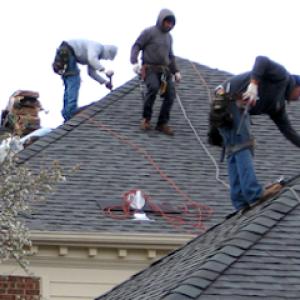
Style Roofing
(703) 754-9906 www.styleroofing.com
15700 Sunshine Rdg Ln, Gainesville, Virginia
4.9 from 47 reviews
We are a family owned and operated business and our trade has been passed down through three generations. Our work ethic was instilled in us by our father and grandfather. We learned early on the value of honest work at a fair price. –This is the cornerstone of our success. Style Roofing’s owner, Bill Rafferty, is involved in every phase of your project and he, as well as the rest of his family are personally dedicated to your complete satisfaction.
DCF Contracting
(571) 248-0494 dcf-contracting.com
13255 University Blvd, Gainesville, Virginia
4.7 from 14 reviews
Finding a reliable contractor is more than a quick fix. At DCF Contracting, our licensed, bonded, and insured team delivers quality workmanship across roofing, siding, gutters, and commercial building services. Dependable, skilled, and focused on your satisfaction.
Wil the Roofer
(703) 586-2724 www.wiltheroofer.com
8628 Belgrove Gardens Ln, Gainesville, Virginia
5.0 from 4 reviews
Wil the Roofer is the Virginia Extension Branch of Keystone Building and Restoration (KBR). KBR is a GAF Master Elite Certified Roof Contractor based in Gaithersburg, MD. We operate in Virginia, Maryland and Washington DC and have a 5 Star Google and Better Business Bureau Rating. -Free Drone Inspection (where available) -Free Physical Inspection -Asphalt Roof Replacement (3-Tab to Architectural -Siding Replacement -Gutter Replacement (5" & 6") -Flat Roofs -10 yr Workmanship Warranty* Our sales force is ready to serve you and our subcontractor crew is the unsung hero of our company. They show up every day and do wonderful work to make your home exterior something that you do not have to worry about. On most projects, we use the GAF System
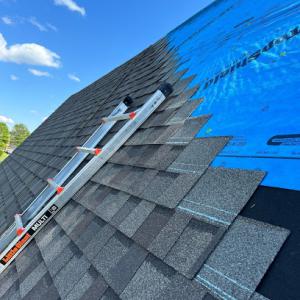
Repair First Roofing
(703) 249-9998 repairfirstroofing.com
Gainesville, Virginia
4.4 from 7 reviews
Your Trusted Partner in Northern Virginia for Honest and Reliable Roofing Solutions We're a leading roofing company in Northern Virginia, revolutionizing the industry with our commitment to transparency, integrity, and customer satisfaction. With storm damage being a constant concern in the region, Repair First Roofing stands out as a beacon of trust amidst the predatory practices of storm chasers.Our customer-centric approach begins with a free roof inspection, providing homeowners with an accurate assessment of their roof's condition. Unlike unscrupulous competitors, we prioritize repairs over replacements, ensuring cost-effective solutions that save customers valuable time and money. Schedule a free roof inspection today!
M & M Roofing & Exteriors
(703) 722-8833 mmexteriors.com
Serving
4.7 from 28 reviews
M & M Exteriors provides professional roofing services in Haymarket, VA and surrounding areas. Schedule Your Free Inspection & Estimates Today!
JNB Specialty Contracting
(202) 520-1836 jnbspecialtycontracting.com
Serving
5.0 from 50 reviews
At JNB Specialty Contracting, we offer a range of quick and cost effective solutions. We specialize in roofing, but we also offer other services including siding and gutters. We’ll come by, assess your project, and give you a no-surprise estimate. We are locally owned and operated, and strive to be your leading roofing and home improvement contractor. JNB Specialty Contracting has become a trusted name here in Northern Virginia. We have built our reputation on quality workmanship and outstanding customer service.
Vertex Roofing Contractors
(703) 952-3851 vertexroofinc.com
Serving
4.4 from 64 reviews
Vertex Roofing Contractors is a family-owned and operated roofing company in Manassas, VA, proudly serving the community for over a decade. As a GAF Master Elite Contractor, CertainTeed ShingleMaster™, and TAMKO Pro Certified Contractor, we specialize in a full range of roofing services, including repairs and replacements. Our expertise spans flat roofs, shingles, metal, and slate roofing for both residential and commercial properties.
Mello Contracting
(703) 405-2647 www.mellocontracting.com
Serving
5.0 from 44 reviews
Your home's exterior protects you and your family from the elements and is the first impressions of your property. That's why it's important to make sure your home's exterior looks and functions its best year-round. Mello Contracting can keep your exterior in tiptop shape. We provide comprehensive exterior construction services in Manassas, VA, and surrounding areas.
Jakari Restoration & Construction
(866) 217-7277 www.jakarirestoration.com
Serving
4.9 from 112 reviews
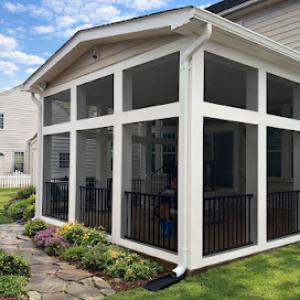
Jakari Restoration and Construction, LLC Providing professional residential exterior restoration and construction for our customers in Northern Virginia and Maryland. Since our beginning, we have worked tirelessly to earn our reputation for integrity, quality, and dependability start at home. Jakari specializes in the following services: Deck Building, Storm Damage Recovery, Roof Installation, Vinyl Siding Installation, Gutter Installation, Window and Door Replacement, and Home Additions.
Taylor Brothers Roofing
(703) 222-7654 taylorbrothersroofing.com
Serving
5.0 from 7 reviews
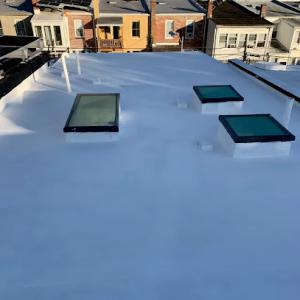
Taylor Brothers Roofing is your trusted choice for quality roofing in Northern Virginia and the DC Metro area, with over 30 years of experience. Founded by the Taylor brothers, our family-owned business prioritizes honesty, transparency, and top-notch craftsmanship. Our skilled professionals deliver lasting roofs tailored to the specific needs of our community's diverse climate. Choose Taylor Brothers Roofing for reliable, local expertise and a commitment to building strong roofs and lasting relationships.
Gainesville's hot summers followed by cold winters create repeated thermal expansion and contraction that affects shingle aging, flashing movement, and underlayment performance. That cycle stresses roof assemblies year after year, so choosing materials with proven dimensional stability and resilient sealing is key. Asphalt shingles remain the baseline for most homes, but the local mix includes metal, clay tile, concrete tile, synthetic or composite shingles, and slate, each bringing different responses to heat, cold, and wind. When planning a replacement, consider how the roof will move with the climate, not just how it looks on day one.
In this market, asphalt shingles work well on many homes facing Gainesville's temperature swings, provided the roof is kept in good condition and the underlayment and flashing are upgraded to handle ongoing movement. A stepped approach helps: choose a premium architectural or laminated style for better tear resistance and wind performance, and ensure the edge detailing and valley installations are reinforced to prevent premature leaks from thermal cycling. If the roof has notable shading gaps or a long southern exposure, discuss a higher fire-resistance rating and reflective options to temper heat soak. Regular inspection after peak summer heat helps identify loose or cupped edges before water intrusion appears.
Metal offers excellent resistance to wind and rapid thermal changes, which suits long, sunny Virginia days and brisk nocturnal cool snaps. In Gainesville, metal can be a smart upgrade for homes with ample roof visibility or those seeking longevity with minimal maintenance. When selecting metal, prioritize panels with proper sealant joints and hidden fasteners or corrosion-resistant exposed fasteners, depending on the panel type. Pay attention to attic ventilation, as metal roofs can transfer heat differently into the attic space; a well-vented attic reduces panel contraction and expansion stress. Metal shines in performance, but verify compatibility with existing framing and ensure the roof deck can support the load if a retrofit is planned.
Clay tile and concrete tile bring a distinctive, long-lasting look that can elevate curb appeal in higher-end neighborhoods. They handle heat well and resist moisture ingress when installed with correct slope and underlayment. However, they are heavy systems, and their longer spans amplify structural requirements. In older Gainesville homes, a structural assessment is essential before replacement to avoid post-install sagging or springing under load. If choosing tile, select a compatible underlayment and ensure the roof deck is reinforced where orientation and spacing create higher loads. Proper flashing around chimneys and vents is critical to prevent thermal movement from translating into leaks at transitions.
Synthetic or composite shingles mimic the look of more premium materials while offering better uniformity in expansion behavior and often lighter weight than natural products. They can be a practical middle ground when a Gainesville roof confronts variable weather but still wants a modern seal and color stability. Look for products that feature a durable granule attachment and a warranty that accounts for temperature cycling. Ensure installation details address flashing and valley areas to preserve performance through hot summers and icy-cold snaps.
Slate delivers exceptional longevity and a refined appearance, but its weight and rigidity demand careful structural verification. In Gainesville, slate can be appealing for estates or upgrades where both aesthetics and long-term resilience matter. Before committing to slate, confirm the existing roof framing can carry the additional load, and plan for high-quality underlayment and meticulous detailing at hips, ridges, and penetrations to manage thermal stress over decades. If the structure is marginal, consider a high-end synthetic slate as a near-equivalent with lighter weight and easier retrofit compatibility.
For full re-roofs in Gainesville, a building permit is typically required because the city follows Prince William County's building development process. This means the project isn't simply a neighborhood DIY fix; it triggers official oversight to ensure the work meets county code and safety standards. The permit signals to residents, neighbors, and inspectors that material selection, roof deck integrity, ventilation, and flashing details will be handled in a standardized way. Knowing this upfront helps avoid delays or rework when the county steps in to review the job as it progresses.
In this area, homeowners or contractors generally submit an application to Prince William County's Building Development department. The precise form may vary depending on whether the project is a replacement in-kind or an overhaul with structural changes, but the process is straightforward and department staff can guide you. After submitting the application, a permit fee is due before any fieldwork begins. Once the permit is issued, you will receive a permit number and any condition notes that must be addressed on the plan or in the field. It is common to align the permit issuance with a clear project timeline so that scheduling inspections and material delivery stay coordinated.
County inspections commonly occur at tear-off, underlayment or installation, and final stages. At tear-off, inspectors will confirm that the deck or roof structure is sound enough to receive the new system and that old waste is being removed safely. During underlayment or installation, the focus is on proper nailing patterns, ventilation adequacy, and flashing details around chimneys, stacks, skylights, and walls. The final inspection checks that all components were installed per code, with attention to fastening, moisture barriers, and clearance around eaves and penetrations. These checks are not afterthoughts; they are part of the process to prevent wind uplift failures and water intrusion in rain-prone seasons.
Prepare to provide existing roof information, including deck age and any known prior repairs, to help the inspector assess conditions accurately. If the project involves upgrading ventilation or changing roof-to-wall connections, have calculations and drawings ready to demonstrate compliance. Scheduling inspections in a timely manner reduces the risk of weather-related delays, which can be acute in storm-driven replacement cycles along the I-66 corridor. Coordinate with the contractor to ensure that each inspection slot aligns with key milestones: tear-off completion, underlayment installation, and final finishing. It's wise to keep a photo log of notable deck conditions and any repairs performed during tear-off for the file.
Communicate early with the Building Development department about any unusual site constraints, such as limited access or concurrent exterior projects. If a storm-driven timeline is in play, ask for guidance on inspection windows or expedited review options. Ensure all temporary safety measures - drop cloths, gutter protection during work, and secure access to the attic space - are in place before inspections begin. Finally, maintain clear records of material receipts and installation dates, so when the county inspector reviews the project, everything aligns with the permit scope and county code expectations.
Pricing in this area follows the typical mix of steep-slope asphalt alongside higher-end options like metal, tile, and slate. Provided local pricing ranges run from about 350 to 700 USD per square for asphalt shingles, 700 to 1100 for metal, 800 to 1500 for clay tile, 700 to 1200 for concrete tile, 500 to 900 for synthetic/composite, and 1200 to 2400 for slate. Those figures reflect the region's climate, housing stock, and the practical realities of storm-driven demand that can tilt bids upward when residents across Prince William County and nearby Northern Virginia rush to repair after a major event.
In Gainesville, the storm season is a real driver of cost pressure. When a county-wide weather event hits, labor availability tightens and lead times lengthen. That can push not just material prices but scheduling windows further out, which some crews factor into bids as a risk premium. If a replacement is needed quickly, expect contingencies for faster material delivery and shortened project timelines to appear in quotes. In practice, you may see a wider spread between low and high ends of the ranges during or just after a storm surge.
Beyond the base material price, the final bill can climb due to site specifics. If the roof deck needs extra work-such as decking repairs, ventilation improvements, or flashing corrections identified during county review-those items add to the price. In this market, crews may also propose upgrades to underlayment or venting as part of a broader replacement plan, which boosts cost but can improve long-term performance and energy efficiency.
For common home styles around the I-66 corridor, asphalt remains the most common and cost-efficient path, with the ranges noted above. If a homeowner leans toward metal, clay tile, or concrete tile for aesthetic or longevity reasons, budget guidance becomes more variable but generally aligns with the higher end of those ranges. Synthetic/composite offers a middle ground, while slate is the premium, strongest option in this climate but carries a commensurately higher price tag. In all cases, getting multiple detailed bids helps separate the solid, weather-ready options from the expedient ones.
Get a clear picture of your project costs upfront - no commitment required.
Jakari Restoration & Construction
(866) 217-7277 www.jakarirestoration.com
Serving
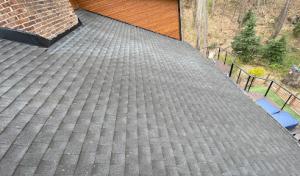
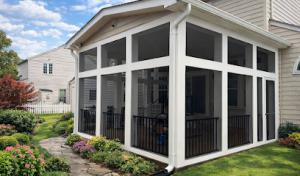
4.9 from 112 reviews
Winter brings freezing temperatures and ice buildup that can slow installation and complicate material handling. If a replacement is underway when deep freezes set in, expect shorter work windows and more frequent pauses to protect underlayment and battens. Spring storms and hail risk can damage roofs that look near replacement, making it sensible to complete assessment quickly and plan for potential insurance coordination. Summer heat and humidity affect underlayment installation, causing adhesives to cure differently and workers to pace themselves to stay safe. Autumn wind and leaf fall complicate cleanup and debris control on active jobs, increasing the need for daily site protection and thorough final cleanup. In Gainesville, these seasonal shifts matter more when the home sits along storm-prone corridors or in neighborhoods with mature trees.
When a storm hits, many homeowners face pressure to decide quickly. The most reliable route is documentation: photos of the damage, a dated timeline of events, and notes on any interior signs of water intrusion. If shingles are torn or granules are missing, or if there are visible leaks, plan for a professional evaluation within a few days, so the claim process and scheduling can stay aligned. Insurance-driven projects often require a quick, organized response to prevent further damage, but avoid rushing into a replacement before an adjuster views the roof. In this market, fast post-storm decisions can be beneficial, yet accuracy matters more than speed. Acknowledge the season's influence-spring storms can mean more debris and temporary tarps, while autumn winds can worsen loose materials if the job stalls.
Gainesville homeowners blend steep-slope asphalt with higher-end options in certain neighborhoods, and seasonal conditions influence material handling. In winter, some roof systems may benefit from temporary containment and staged deliveries to minimize cold-curing delays. Summer demand raises the importance of shading and heat management on the jobsite, especially for underlayment and synthetic membranes. Spring and autumn weather cycles require solid debris control plans and daily cleanup to prevent damage to landscaping and neighbors' property. When choosing replacement materials, consider how the local climate interacts with each product type: asphalt remains common for speed and value, while metal, tile, or synthetic options can offer longer lifespans in areas with strong seasonal shifts.
Assess the roof's overall condition, the integrity of underlayment, and the likelihood of recurrent leaks before committing to a full replacement. If multiple roof lines show widespread damage or unseen structural concerns, a replacement often yields the best long-term protection. If only isolated areas are compromised, a targeted repair may be appropriate, especially when weather windows are tight. Finally, coordinate with a trusted local contractor who understands Gainesville's seasonal rhythms and can align delivery, installation, and cleanup with the local climate realities.
Virginia remains an available homeowners insurance market, but wind and hail losses create more frequent roof claim scrutiny than routine wear-and-tear replacements. After a storm, you need a clear, dated trail of what happened and when. Start by taking date-stamped photos from multiple angles, focusing on shingles curled or displaced, granule loss, flashing gaps, and any signs of interior leaks around ceilings or attic sheathing. Keep digital copies organized by room and date, and note anything that worsened after the storm. In Gainesville, where strong gusts and sudden downpours can drive rapid interior moisture, documenting leaks with quick, high-contrast photos can prevent later disputes about when the damage began.
Claim success often depends on matching visible damage to a detailed roofing scope that explains materials, layers, and potential pre-existing wear. Before calling your insurer, sketch a simple map of the roof showing damaged areas and approximate measurements if possible. Include photos of fasteners, underlayment edges, and any missing granules that signal hail impact. When you talk with the adjuster, reference the scope alongside interior evidence, such as staining near vents or skylights, to connect exterior damage to interior symptoms. A well-documented scope helps the adjuster see the full picture, especially when Gainesville homes show a mix of steep-slope asphalt and occasional metal or tile upgrades.
Because adjusters may request proof of pre-existing condition, homeowners in this market benefit from keeping inspection records before major storm seasons. Archive prior roof inspections, maintenance notes, and any professional evaluations you've had in the last few years. If a pre-existing crack or loose shingle exists, having before-and-after photos helps establish what is new damage versus wear. In practice, a tidy archive can shorten the review process and reduce back-and-forth delays after a claim is filed.
Storm-driven replacement demand along the I-66 growth corridor means adjusters often see similar scenarios, so clarity matters. Present your photos, your scope, and your pre-existing-condition records together, and keep a calm, cooperative tone when discussing coverage. If a response seems inconsistent, request a written explanation and consider a follow-up inspection with a licensed roofer who can corroborate the damage map and scope. In Virginia, the goal is to align every piece of paperwork with what actually happened on the roof, not with assumptions about age or wear.
Connect with contractors who help homeowners navigate the claims process from damage assessment to final approval.
Pure Roofing
(571) 445-8032 www.pureroofingva.com
7810 Woodridge Dr, Gainesville, Virginia
4.9 from 129 reviews
North Star Contracting
(703) 775-0285 northstarinc.net
8074 Crescent Park Dr, Gainesville, Virginia
5.0 from 27 reviews
Style Roofing
(703) 754-9906 www.styleroofing.com
15700 Sunshine Rdg Ln, Gainesville, Virginia
4.9 from 47 reviews
County inspectors in this market pay close attention to decking, ventilation, and flashing, which signals where reroof projects in Gainesville commonly uncover hidden deficiencies. Poorly prepared decking can hide rot or structural weakness that only becomes obvious after the old roofing is stripped away. Ventilation that has fallen out of balance creates rapid heat buildup in summer and excess moisture in winter, accelerating shingle wear and encouraging mold or rot beneath the surface. Flashing at chimneys, skylights, and wall transitions is a frequent failure point when not integrated with proper sealants and metal choices. If flashing has been cycled with multiple roof layers, the risk of leaks rises even if the surface looks intact. Expect to see signs of soft spots, dark staining, or a musty odor inside the attic when these components fail.
Freeze-thaw conditions in winter and summer heat swings in Gainesville make flashing transitions and penetrations more vulnerable over time than a simple surface-only inspection may show. Water can migrate behind shingles and around penetrations, weakening fasteners and trims before a visible leak appears on ceilings. The consequence is sudden leaks during heavy rains or rapid temperature shifts, followed by repeated damage if not addressed promptly. A thorough inspection should trace water paths from exterior penetrations to interior surfaces, not just assess surface shingles.
The area's active skylight service market suggests that leak-prone roof penetrations are a recurring repair category for local homeowners. Skylights and rooftop vents introduce multiple junctions where moisture can intrude, especially if surrounding flashing has aged or was poorly integrated during previous work. Look for condensation, damp insulation, or staining around skylight edges. If a leak develops in this zone, it often signals that the surrounding roof deck or flashing needs reinforcement, not merely resealing.
Keep an eye on attic ventilation balance, especially after seasonal storms. Periodically inspect flashing seams around chimneys, vents, and skylights for loose fasteners or lifted metal. When a roof shows signs of aging around penetrations, plan for targeted reinforcement of the deck and a comprehensive flashing refresh during reroofing, rather than a quick surface fix. In Gainesville, proactive attention to these failure points can prevent widespread interior damage and preserve the roof's long-term performance.
Find contractors experienced in skylight installation, flashing, and leak repairs to bring natural light into your home.
Style Roofing
(703) 754-9906 www.styleroofing.com
15700 Sunshine Rdg Ln, Gainesville, Virginia
4.9 from 47 reviews
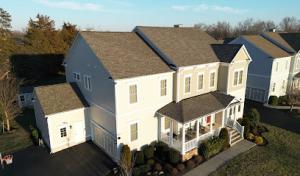
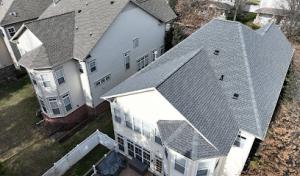
In Gainesville, the market is dominated by steep-slope residential roofs, but you'll notice a steady presence of local flat-roof specialists. Those firms handle porches, additions, garages, and other low-slope sections that routinely show up as recurring issues after storms or on aging installations. Understanding where these transitions sit helps you plan for reliable drainage and long-term performance.
Low-slope transitions require attention to drainage, flashing, and continuity with the main field. Look for signs of ponding or backed-up drainage on porch roofs, garage bays, and additions. Confirm that flashing around parapets, transitions to gutters, and terminations at walls are intact. Pay attention to the compatibility of materials between the main shingle field and the low-slope surface, which can differ in expansion, contraction, and UV exposure.
Different detailing is often needed where a low-slope section meets a steep-slope field. Plan for adequate slope within the low-slope surface, plus properly sized terminations and scuppers. Drainage planning should account for potential debris buildup and seasonal temperature swings. Insulation and ventilation beneath the low-slope area should align with the main roof to prevent condensation and heat transfer issues that can accelerate wear.
When replacing the main roof, verify whether attached low-slope sections are included in the scope, as these areas drive flashing, edging, and membrane choices. Ensure compatibility of warranties across both sections and confirm inspection sequences cover the transitions from steep field to flat components. A cohesive plan reduces risk of leak paths and preserves overall roof performance.
Find specialists in TPO, EPDM, and built-up flat roofing systems for residential and commercial properties.
Pure Roofing
(571) 445-8032 www.pureroofingva.com
7810 Woodridge Dr, Gainesville, Virginia
4.9 from 129 reviews
Wil the Roofer
(703) 586-2724 www.wiltheroofer.com
8628 Belgrove Gardens Ln, Gainesville, Virginia
5.0 from 4 reviews
In this market, Gainesville sees a steady drumbeat of storm-related roof work and a high volume of re-roofs. That means workmanship consistency and cleanup standards become major differentiators beyond the brand of shingles or tiles chosen. A warranty that covers workmanship and debris cleanup can save you real headaches after the next gusty storm or hail event, when crews are plentiful but not all are equally careful. Look for language that ties the coverage to actual on-site workmanship quality, not just material defects.
Local homeowners often weigh long-established contractors against manufacturer-certified outfits when sizing up whether a warranty will be honored after a weather event. The reputations of installers can influence how smoothly a claim is processed, especially if a claim requires coordinating with the roofing crew that did the work. A solid warranty in Gainesville should reference the installer's coverage, identifiable by a long-standing local presence and verifiable references, along with the manufacturer's backing for materials. If the contractor's claim process feels new or opaque, approach with caution.
In a market with many quick-response crews, written scope clarity on flashing, ventilation, and debris removal is especially important before relying on a warranty promise. Ensure the contract explicitly describes where flashing is installed, how roof penetrations are sealed, and who handles attic ventilation. Debris removal standards should specify how cleanup is verified and what happens if nails or scraps are missed after the job. A clear, documented scope reduces the risk that a warranty becomes a dispute rather than a safety net after a storm.
Solar roofing is present but not dominant in Gainesville, so coordination matters most when you're already planning a full replacement rather than treating solar as a default roofing path. If you replace soon, align the solar plan with the roof deck, underlayment, and flashing work so the installer can weep and seal joints without re-entering the attic or reworking decking. This aligns with how storms drive demand here: the fastest path often starts with a solid, complete roof replacement rather than layering solar on top of aging materials.
On homes in Prince William County, solar-related roof work still has to fit within the county's inspection expectations for decking, flashing, and final roof condition. Your project needs to demonstrate that flashing is continuous and that penetrations are properly sealed around vents, chimneys, and skylights. Work should maintain proper slope and drainage, so solar racking does not create creases or water traps where shingles or tiles meet the system. A reputable contractor will pre-inspect the roof and coordinate with the inspector to avoid delays, especially after a storm when schedules tighten and approvals become time-sensitive.
Because this area experiences both summer heat and winter cold, avoid installing solar over a roof already nearing replacement age. If the roof shows cupping, curling, or widespread granular loss, the added weight and drilling for racking can complicate the replacement. In such cases, plan the solar installation as part of a full roof replacement cycle rather than a retrofit on a deteriorating surface. This reduces the risk of mismatched thermal expansion, warranty conflicts, or rapid degradation around penetrations. When you do proceed, choose a system with flush or low-profile mounting to minimize wind uplift concerns during a Gainesville summer thunderstorm season.
Find contractors who integrate solar panels or solar shingles into your roof for long-term energy savings.
Pure Roofing
(571) 445-8032 www.pureroofingva.com
7810 Woodridge Dr, Gainesville, Virginia
4.9 from 129 reviews