
Last updated: Apr 19, 2026
Spring storms in this area hit hard and fast, and the wind-driven hail that accompanies them can bite your roof before the calendar bumps into summer heat. Shingles can lift, granules can scour away, and flashing can crack where it keeps the house watertight. The clock starts ticking the moment a storm passes: stubborn leaks and hidden damage multiply as days pass, and a small issue today can become a larger, more expensive repair later. In Martinsburg, the immediate task after a wind or hail event is a rapid roof inspection from a trusted professional who understands how our mixed housing stock behaves-older in-town roofs with aging flashings and newer homes with different installation quirks. Don't assume a storm won't cause trouble just because the sky clears; the damage can be hiding under the surface, ready to reveal itself with the heat of June.
The local insurance environment is active enough that the fastest path to a successful claim is solid documentation. After a weather event, you should have date-stamped photos and a clear record of the condition before and after the storm. This includes images of shingles with curling edges, lifted tabs, or granule loss, and close-ups of flashing around vents and chimneys where water can intrude. If the insurance adjuster requests pre-loss photos, provide them promptly, showing the shingles and flashings as they were prior to the storm. When you document, make sure the date is visible in the shot and the file is organized by the exact event date. For wind or hail evidence, capture wide shots of the entire roof and garage, then zoom in on any suspect areas. The more precise the evidence, the smoother the claim review-especially in a market where weather events are routinely tied to full-replacement decisions.
Winter freeze-thaw cycles leave roofs with microcracks and brittle underlayment that aren't always obvious until spring storms reveal them. Some roofs exhibit mixed damage: older cracking that becomes aggravated by spring wind and hail, combined with newer impact or shingle lifting. This pattern complicates claim documentation, because adjusters must separate pre-existing issues from storm-caused damage. Your best course is to document signs of cracking, granule loss, and any new shingle displacement immediately after a storm, then map these findings against the roof's age and the direction of the prevailing winds from the event. A professional roofer can help distinguish pre-existing damage from storm-related issues, ensuring the claim reflects the true scope of the loss.
Timing matters in this region because a harsh spring followed by heat can accelerate deterioration of vulnerable areas, especially around old flashings and valleys. If the damage spans multiple sections or layers, a full roof replacement may be the prudent choice to prevent recurring leaks and to avoid patchwork failures that get costly quickly. If only isolated areas show damage and the rest of the roof remains sound, targeted repairs can be appropriate-but this requires a careful assessment by an experienced local roofer who understands Martinsburg's typical roof constructions and climate stressors. In practice, the decision hinges on the extent of the storm impact, the roof's age, and how the documented damage is expected to behave as temperatures rise. Act with urgency after a storm, but with a plan that prioritizes complete, lasting protection rather than quick fixes that invite repeated problems.
After a storm, schedule an inspection with a local roofer who specializes in Martinsburg conditions within days, not weeks. Gather and secure date-stamped photos and organize records of prior roof condition. Prepare a concise timeline of the event, including wind speeds if available, and note any leaks or interior stains. If a claim is filed, provide the adjuster with clear, organized evidence of storm-driven damage and distinguish it from pre-existing issues. Finally, factor the season's heat into your decisions: delaying a necessary re-roof until after spring winds can expose the home to new leaks as heat intensifies. The goal is to lock in a plan that stops the damage fast and sets up durable protection through summer and beyond.
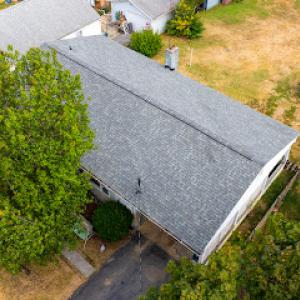
Crafted Exterior Services
(681) 283-8257 craftedexteriorservices.com
85 Lynnhaven Dr Unit E, Martinsburg, West Virginia
5.0 from 354 reviews
Crafted Exterior Services is a trusted roofing contractor in Martinsburg, WV, specializing in roof repair, roof replacement, siding, decks, and gutter installation. Serving Berkeley County and surrounding areas, we’re known for high-quality craftsmanship, affordable pricing, and dependable service. Whether you need residential roofing, commercial roofing, or emergency roof leak repair, we deliver long-lasting solutions. As a top-rated roofing company near you, we’re committed to protecting and enhancing your home’s exterior with expert care and reliable services.
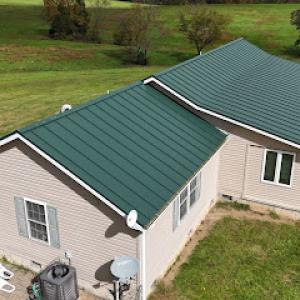
Top Dawg Exteriors
(304) 707-8776 www.topdawgexteriors.com
Martinsburg, West Virginia
5.0 from 45 reviews
Contact us today to work with our local roofers.
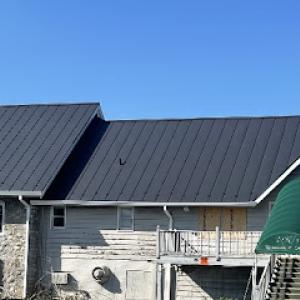
Sal's Roofing
(304) 995-1120 www.salsroofingllc.com
119 Rankin Cir, Martinsburg, West Virginia
4.9 from 30 reviews
If you need a roof replacement and repair. We provide roof inspection services .We install the following roof systems.Standing seam,Screw down metal,and shingles,rubber TPO,EPDM ,Slate .
Mighty Dog Roofing of Martinsburg
(304) 801-2335 www.mightydogroofing.com
142 N Queen St #118, Martinsburg, West Virginia
4.9 from 13 reviews
Mighty Dog Roofing of Martinsburg, West Virginia and surrounding area is a locally veteran owned and operated roofing contractor, we understand the unique needs of our community and strive to provide comfortable and aesthetically pleasing products that stand the test of time. Mighty Dog Roofing is the most trusted name in the roofing industry, offering roofing, gutters, siding, window or door replacement, we've got you covered. Our main office is in Waynesboro, PA with a satellite office in downtown Martinsburg.
Smith Roofing
(304) 262-6412 www.smithroofingwv.com
Serving
4.8 from 24 reviews
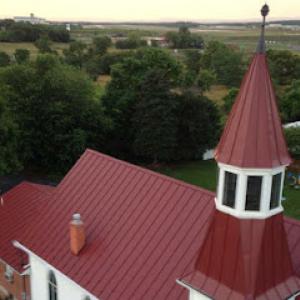
We are a CertainTeed certified shingle installer Proudly serving West Virginia since 2001. We offer many roofing options such as metal, shingles, rubber, TPO, PVC and slate
High Point Roofing
(681) 775-9437 www.highpointroofing.com
Serving
4.9 from 428 reviews
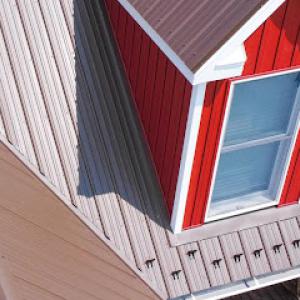
High Point Roofing provides roofing, siding, and gutters to the Martinsburg, WV, and Hagerstown, MD, areas.
Mercado Roofing Experts
(304) 620-0810 mercadoroofingexperts.com
Serving
5.0 from 9 reviews
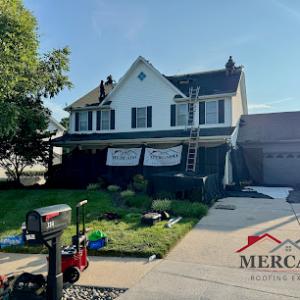
Roofing Contractor in Berkeley County & Jefferson County, WV
Modern Roofing - Roofing Contractors
(888) 350-2330 modernroofing.com
Serving
4.9 from 121 reviews
Modern Roofing is a roofing contractor serving Berkeley County, Jefferson County, and Morgan County, WV. We offer storm damage restoration, roof replacement, and roof repair, as well as siding and gutter work. Call us to get a quote within 6 hours!
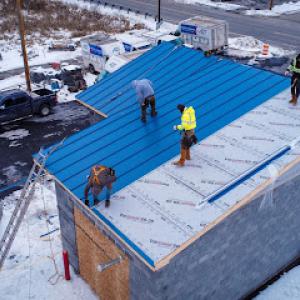
R&A Roofing
Serving
5.0 from 101 reviews
At R&A Roofing, we provide top-rated roofing services across West Virginia, specializing in residential and commercial roofing solutions. With decades of combined experience, our licensed and insured team delivers expert roof installation, roof repair, metal roofing, asphalt shingles, corrugated metal, mechanical standing seam systems, and gutter services. We are proud to serve local communities with quality craftsmanship, affordable pricing, and fast, reliable service. Whether you need storm damage repair, a full roof replacement, or routine maintenance, R&A Roofing is your trusted West Virginia roofing contractor. Call today for a free estimate and experience the difference of working with roofing professionals who care.
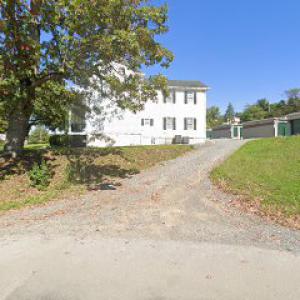
Steve Kemper Builder
(304) 205-0882 stevekemperbuilders.com
Serving
4.5 from 40 reviews
Steve Kemper Builder has been serving the region for over 25 years and is proud to be FULLY LICENSED and insured in West Virginia. We seek to create remarkable experiences through storm restoration after severe weather events, such as hail and high winds. We provide exceptional contracting for roofing, siding and gutters.
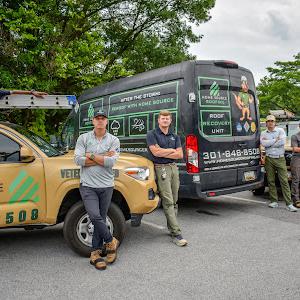
Home Source Roofing
(301) 804-0473 homesourceroofing.net
Serving
4.9 from 225 reviews
Home Source Roofing is a roofing contractor in Williamsport serving Halfway, Clear Spring, Smithsburg, Hagerstown, and nearby areas. Our roofing company offers residential roofing, commercial roofing, roof repair, asphalt shingle roofing, metal roofing, and more. We also specialize in siding and gutter services. Customers love us because of our comprehensive roof warranties and affordable roof financing options. We also have industry affiliations and certifications such as Certainteed Shinglemasters and GAF Certified Contractors. If you want to experience how your most trusted Hagerstown roofing company embraces our motto “Where Your Home Comes First ", call us now for a free estimate!
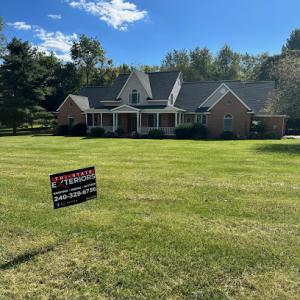
Tri-State Exteriors
(240) 329-6756 tri-state-exteriors.com
Serving
5.0 from 17 reviews
At Tri-State Exteriors, our services include roofing, siding, and gutter installation, making us your one stop shop for local exterior services. Our commitment to quality workmanship is unwavering, and we strive to ensure 100% customer satisfaction on every project.
Asphalt shingles and metal roofing are the practical backbone for most homes in this area. The hot summers and cold winters create a wide temperature swing, and these two options handle that cycle without extreme maintenance. Asphalt shingles are familiar to local crews, come in a wide range of textures, and install quickly over existing decking with good compatibility with typical attic ventilation. Metal roofing, when done right, offers excellent wind resistance and a longer service life, which matters through Martinsburg's spring wind events and occasional hail. If a contractor suggests a metal roof, verify it is rated for the typical wind speeds and is installed with a robust flashing plan around chimneys and penetrations.
Clay tile and concrete tile appear in the market, but they are selective choices in this market. They demand a roof deck with ample structural support and careful weight calculations; the added weight often requires existing framing reviews and, in some cases, reinforcement. Tile surfaces provide distinctive curb appeal, yet they can be more brittle in freeze-thaw cycles if installation details aren't meticulous. Wood shakes and synthetic shingles also show up, offering a traditional or rustic look, but wood is more susceptible to moisture, warping, and hail impact. Synthetic or composite shingles can bridge the gap between cost, appearance, and durability, yet still require consideration of long-term performance in fluctuating temperatures. In short, these options tend to be used selectively when the roof structure and replacement strategy align with the material's strengths and limits.
Many Martinsburg homes carry older roofs with chimneys, vents, and skylights that create persistent flashing challenges. When swapping to a different material, flashing compatibility becomes a key factor. A high-quality seal around penetrations helps prevent leaks where winter condensation can travel along rafters and into attic spaces. If the existing roof has multiple penetrations or irregular transitions, the project should include a thorough inspection of flashing details and a plan to upgrade to compatible materials. The goal is to keep water from seeping in at joints and around chimney flashings, especially in spring storms when wind-driven rain and hail can exploit any marginal detail.
In this climate, the roof assembly should address both wind resistance and insulation performance. Ensure underlayment choices match the chosen roof type and that edge details, eave overhangs, and valley systems are executed with precision. A well-vented attic reduces heat buildup in summer and mitigates ice dam risks in winter, which matters for older homes with attic access and potential retrofit challenges. If you are replacing a roof where an old chimney or vent stack exists, confirm that flashing transitions are upgraded to a compatible system, and that the roof deck around penetrations is clean, dry, and solid before new material goes on.
Storm damage response hinges on documenting wind and hail effects and coordinating with insurers. After a heavy spring wind and hail period, the focus shifts to evaluating whether a full replacement is warranted or if a partial repair will do temporarily. The chosen material should align with the home's structure and the long-term plan for upgrades. When deciding on a new roof type after storm damage, prioritize compatibility with existing penetrations and the ability to seal flashing comprehensively. This reduces the risk of recurring leaks during the next storm season and helps maintain the roof's performance across freezing winters and humid springs. In practice, meticulous flashing, proper material choice for the roof deck, and a careful installation sequence are the linchpins of a durable, storm-ready roof.
Long, cold winters in this area drive freeze-thaw cycling that quietly wears shingles, fasteners, seal strips, and the roof decking over time. When nights dip below freezing and days rise above freezing, water expands and contracts within roof joints, edge tabs, and flashing. Over multiple cycles, this micro-movement can loosen fasteners, create tiny gaps in seals, and gradually undermine edge protection. That cumulative stress doesn't stay isolated to a single season; it compounds as salt-and-snow melt, wind-driven rain, and even late-season ice dam pressures push against the same vulnerable spots. You'll often see hairline cracks along shingle edges or small lifted tabs first, but the consequences can travel to flashing at valleys, chimney intersections, and vent boot seals if left unchecked.
As the calendar turns to hot, humid summers, wear accelerates. Shingles that have already been stressed by winter weather reach a tipping point where heat and moisture begin to break down protective granules, soften certain composite overlays, and speed up aging. The underlayment-an often-overlooked layer beneath the visible shingles-can feel the impact after winter stress compounds heat and humidity. In practical terms, you may notice faster color fading, more granular grit washing from shingles in gutters, and a heightened sensitivity to even minor hail or wind events. That combination-winter damage plus summer humidity-means underlayment performance matters more, and the roof deck needs to stay dry enough to resist further warping or rot.
Fall brings its own testing ground. Wind and rain drive more debris onto roofs and into gutters, with edge wear becoming particularly evident on roofs with valleys, chimney intersections, and tree exposure. Debris weights up at the eaves and in valleys, and a high-traffic drainage path can accelerate wear on flashing and seal joints. If you have expansive tree coverage, you'll see more leaf buildup and organic matter wedging into gaps where water should flow freely. Left unmanaged, this debris traps moisture against the edge, invites rust on metal components, and creates micro-dams that promote slow leaks during wet creek-downs.
Inspection cadence and immediate-action clues matter. Regular checks after severe weather help catch trouble early. Look for lifted shingle tabs, cupping or curling edges, and dark or granule-heavy patches in gutters or around downspouts. Inspect flashing around chimneys, vent pipes, and in valleys for loose or badly sealed joints. If you see exposed nails or fasteners, or if flashing shows signs of rust or corrosion, treat those spots as red flags. Keep an eye on edge seals near eaves and rakes; even small gaps can invite moisture behind the underlayment.
Maintenance steps you can take now are practical and impactful. Clear gutters and downspouts of leaves and debris so water moves away from the roof edge unimpeded. Trim overhanging branches to reduce ongoing debris and moisture loading on the roof surface. Clean valley intersections and inspect flashing for corrosion or movement after heavy wind events. For shingles in areas with frequent wind and tree exposure, consider reinforcing with a professional eye to flashing and edge seals where wear tends to accumulate first.
After a spring wind and hail season, timing a full re-roof becomes a planning consideration. Document storm impacts carefully-photos, dates, and a record of any prior repairs. Keep copies of claim notices and any correspondence with your insurer. If damage is widespread or if underlying layers show exposed deck or compromised underlayment, commence the assessment process promptly and coordinate with a trusted roofer to determine whether replacement or targeted repair will best restore long-term performance. This approach helps ensure the roof remains resilient through another cycle of Martinsburg's seasonal extremes.
In this market, timing matters. Martinsburg full-roof pricing is shaped by seasonal storm demand, especially after spring wind and hail events when crews tighten schedules and labor slots fill up faster. That dynamic can push the total cost or project duration, so you'll often see faster turnarounds but with a premium for priority slots. If your roof shows widespread damage after a storm, documenting the issue promptly helps your claim and reduces delay in scheduling a replacement.
Asphalt shingles remain the practical baseline in this area, typically occupying the lower end of the spectrum. If your roof is still sound under framing and decking, this option can deliver solid performance at a lower upfront outlay. For steeper or more wind-prone sections, you may still see variation in price as crews address hail impact or edge detailing. Metal roofing presents a middle-high range and can accelerate long-term durability, especially on homes with existing venting or attic condensation concerns. Clay and concrete tile sit at the high end, largely due to weight, specialized installation, and the need for structural review before heavier systems are installed. On older homes, incorporate potential decking repairs or chimney flashing work into the plan, since those items can add to labor time and material needs before heavier products go down.
Wood shingles and synthetic/composite shingles occupy mid-to-lower ranges within their subcategories, with synthetic offering a balance of durability and ease of installation. Costs on older structures can inflate if a deck replacement or flashing overhaul is needed before a full re-roof. In Martinsburg, you'll see the widest spread between the lightest and heaviest systems when you factor in deck repairs, chimney flashing, and any required structural adjustments to support heavier tiles. This is where material choice matters most: asphalt shingles are economical, while tile systems command premium prices for weight management and installation complexity.
When planning, compare not just the per-square price but also the crew availability after a storm. Get written estimates from multiple reputable local contractors, and ask for a breakdown that separates decking work, flashing, and ventilation considerations. If insurance will cover the project, ensure your documentation emphasizes hail or wind damage and keeps a clear record of pre- and post-storm conditions. For a typical Martinsburg replacement, expect the full scope to reflect local storm-driven urgency, with pricing that aligns closely to the material choice and any pre-existing decking or structural needs.
Get a clear picture of your project costs upfront - no commitment required.
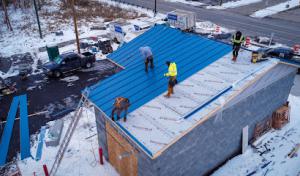

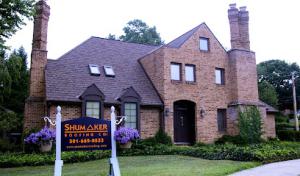
A full re-roof in Martinsburg typically requires a permit issued through the City of Martinsburg building department. That permit is not just a formality; it signals that the project plans, material choices, and installation methods have been reviewed for safety and code compliance. In practice, the roofing contractor often handles the permit paperwork on the homeowner's behalf. However, responsibilities can vary by contractor and neighborhood, so you should confirm who is accountable before work begins. If you are unsure, ask for a copy of the permit application, the approved plans, and a copy of the permit card before any shingles come off.
The city generally requires a completed inspection after the roofing work is finished. That final inspection confirms that the installation meets local codes and the project was completed according to the permit. Four-season conditions in this area can stress roofs differently, so inspectors may look closely at underlayment, venting, and potential water intrusion points. An interim inspection may be required when structural changes are made or when new underlayment requirements are involved. If your contractor plans any structural modifications-such as added decking or altered roof framing-expect a mid-project check-in to verify framing integrity and moisture barriers are in place before covering up those elements.
Keep a clear line of communication with the contractor about inspection dates and timing. If the interim inspection is anticipated, request a written schedule that includes what the inspector will review and any corrections that might be needed before proceeding. After the project wraps, coordinate promptly for the final inspection so you're not left navigating re-inspection fees or delays that can hold up warranty claims or insurance documentation. If you encounter delays, ask the contractor for the exact status with the building department and a point of contact. In this market, paperwork and timing aren't cosmetic annoyances-they can affect insurance claims, permit compliance, and the continuity of your coverage after a spring storm season.
After a spring storm packs wind and hail, you should expect insurers to look closely whether damage happened in the recent event or was wear from years of service. In this market, a clear line can affect how a claim is paid and how quickly you get a decision. Take wide exterior photos of slopes, soft metals around gutters and vents, and ridge lines before any temporary tarps come down.
When a adjuster visits, the eyes will scan the roof's surface and supporting structures. Provide a current set of condition records kept before the storm if you have them, including any prior leaks or repairs. In this region, photos taken from multiple angles and at different times of year help establish baseline condition and reduce later disputes.
Coverage decisions and premiums in the area can shift after regional weather events, so the documentation you present matters more than ever. Attach a simple, chronological file: pre-storm photos if available, storm damage proof, and notes about when repairs were first discussed with a contractor. A well-organized file can keep negotiations from getting tangled in the aftermath of a damaging season.
Keep a dated log of observations on your roof and any visible damage after a storm passes. Store digital copies in cloud storage and keep print copies in a weatherproof folder. If a contractor has already visited, request copies of any inspection notes and diagrams. When you file, be prepared to explain how timing aligns with the latest weather event, not with older wear.
If the insurer questions the cause, a concise, factual narrative supported by dates and signatures from witnesses or a contractor can help preserve your coverage.
Connect with contractors who help homeowners navigate the claims process from damage assessment to final approval.
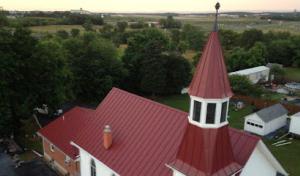
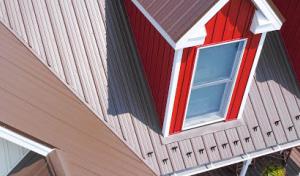
Chimney-related roof work is notably common in the local contractor market, reflecting the number of homes where masonry intersections and step flashing are recurring leak points. When spring winds and hail hammer the area, the flashing around chimney bases and along the chimney-to-roof joints can loosen or crack, creating unseen drips that show up after a storm. Look for loose or missing mortar, cracked flashing, and dark staining on ceiling corners below the chimney chase.
Skylight service is present but more specialized here, so homeowners with existing skylights should verify flashing and curb details during any re-roof rather than treating them as a separate issue later. If the curb has aged sealant or the flashing has shifted, water can travel laterally across the roof deck before dripping indoors. During a full replacement, check the skylight frame for warping and ensure the surrounding roofing membrane sits cleanly against the curb with continuous sealant and proper counterflashing.
On older homes, leak tracing can be complicated by multiple penetrations and prior patchwork, especially after repeated seasonal weather cycles. Inspect every penetration-vents, gas lines, satellite dishes, and attic access hatches-as well as where exhausts pass through attic space. In patchwork areas, look for mismatched roofing materials or uneven seams that create small gaps that only show up after a freeze-thaw cycle or a heavy hail event. Document irregularities with photographs to aid diagnosis.
In the attic, start with a dry run: run a flashlight along joints around chimneys and skylights, then spray water from a hose with the house secured to a few steady leaks to confirm source points. On the roof, walk carefully to inspect step flashing along chimney joints, around skylight perimeters, and at any vent stacks. If moisture paths seem to daisy-chain from one penetration to another, expect a broader repair area rather than a single patch. For any suspected chimney or skylight issue, plan a focused flashing and sealant kit replacement during the re-roof to minimize future leaks. In Martinsburg's climate, timely addressing of flashing vulnerabilities reduces the chance of spring and summer moisture migration.
Find contractors experienced in skylight installation, flashing, and leak repairs to bring natural light into your home.
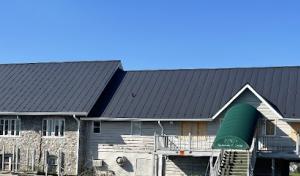
Sal's Roofing
(304) 995-1120 www.salsroofingllc.com
119 Rankin Cir, Martinsburg, West Virginia
4.9 from 30 reviews
In this market, a contractor's ability to respond fast during active leaks matters as much as the final roof. When you're dealing with wind- and hail-driven damage, watch how the crew handles tarping, debris cleanup, and protecting the interior while rain is still coming. You want a team that will seal vulnerable spots promptly, tidy up after each day, and set expectations for ongoing protection until a full replacement is complete.
Storms in the area drive a lot of quick fixes, but the dominant local pattern is full replacement. Ask for recent full-replacement projects with visible before-and-after examples, not merely small repair work. Look for clear documentation of complete tear-off and install, plus a demonstrated ability to coordinate with the rest of the exterior system (fascia, gutters, and flashing) so the new roof sits correctly on the existing structure.
Given the mix of older in-town homes and newer commuter-area houses, workmanship quality shows in how a crew protects the property. Inquire about daily cleanup routines, dust and debris containment, and how roof work is managed around landscaping, driveways, and shed overlooking the work area. A straightforward plan for daily protection and end-of-day housekeeping is a strong indicator of a contractor who understands Martinsburg's four-season demands.
With a market that combines affordable pricing and high storm-driven demand, clarity on who runs the project matters. Find out who will manage the crew, oversee flashing details around chimneys and valleys, and finalize a punch list once the installation nears completion. Clear accountability up front reduces surprises as the job progresses.