Last updated: Apr 19, 2026
In a Mediterranean-style climate with concentrated winter rain, winter is a delicate window for roof work. Heavy precipitation can interrupt tear-offs, leaving exposed decking vulnerable to infiltration if schedules aren't tightly managed. When planning a replacement or major repair, aim for consecutive dry days in the forecast and buffer days for possible storm-driven delays. Freeze-thaw cycles at night can turn marginally dry surfaces slick, so interior containment and fast-drying sealants become critical. If crews plan to strip and re-cover, ensure temporary weather protection is ready and that tarps or windbreaks are secured to minimize wind-driven rain exposure between stages. A well-sequenced plan reduces the risk of water intrusion during mid-winter maintenance and helps keep the project on a predictable path despite the season's variability.
Sierra foothill nights can bite colder than valley towns, and that cold amplifies cracks in brittle components. Small gaps in underlayment or fasteners can widen with nightly freezes, shortening the long-term life of certain materials. When choosing products, consider components with proven winter-form performance and robust sealants that tolerate repetitive freeze-thaw without losing adhesion. For retrofit work, extended cure times for adhesives or sealants may be necessary in the cold, so align installation sequences to avoid rushing critical joints just as temperatures drop. If a roof is already compromised by prior wear, the priority is to seal and dry quickly during short windows, then complete detailing once spring moisture is more predictable.
As winter fades, the move into spring brings more predictable dry spells but carries lingering moisture in the soil and air. This is a favorable time for reroofs that require a full tear-off, since accumulated winter moisture is less likely to trap underlayment beneath new assemblies. Use this window to complete ventilation checks and ensure existing soffits, ridge lines, and attic baffles are ready to support improved air flow. Spring storms can still appear, so maintain a contingency plan for quick adjustments to protect exposed decking if an unplanned rain arrives mid-project. The goal is to complete the core assembly before the heat of summer climbs, reducing the risk of mid-summer sealant failures.
Hot, dry summers increase thermal movement in roofing materials and can complicate installation for some products and sealants. Peak-heat windows demand shade, early-morning starts, and careful handling of materials prone to warping or expansion. Metal roofing, while durable, needs attention to panel expansion gaps and fastener torque in heat. Clay or concrete tiles require precise setting during the hottest parts of the day to avoid micro-cracking. If a project extends into late summer, plan for cooling breaks, frequent hydration checks, and a tighter sequence to prevent sun-baked underlayment from drying too quickly or trapping moisture. Summer scheduling favors crews that can adapt to sporadic heat waves without sacrificing product warranties or the integrity of coatings and sealants.
As temperatures cool again, fall offers a gentler operating climate, but a shift toward windy periods and early rains can disrupt the final detailing stages. Use late-season days to finalize ventilation, drainage alignment, and any necessary fire-resistance detailing around eaves and penetrations. If wildfire exposure is a concern, this is a practical time to review ember-resistant features such as upgraded underlayment with enhanced fire resistance and fire-rated edge details. Schedule final inspections and ensure gutters, downspouts, and qualsevol flashing are sealed and functional before winter's return.
Across the year, the key is a tight, site-specific schedule that treats weather windows as precious. Coordinate tear-offs with forecasted dry spells, align sealant and underlayment cure periods with temperature realities, and build in buffers for unexpected storms. The regional pattern-wet winters, freeze-thaw risks, and hot, dry summers-demands a thoughtful approach to material selection, detailing, and ventilation strategies to maximize service life and minimize mid-season failures.
Placerville sits in an El Dorado County wildfire-risk environment where roof assembly choices are tied closely to ember resistance and defensible-space planning. Every roofing decision you make should start with how well the system stands up to wind-blown embers and radiant heat, not just downpours. Choose assemblies with tightly interlocking components, minimal openings for embers to penetrate, and a deck and underlayment that resist radiant heat transfer. Fire-rated underlayment, solid sheathing, and carefully flashed transitions reduce ember intrusion at eaves, ridges, and vent penetrations. If your defensible space isn't clearly established-free of dead brush, trimmed vegetation, and fuel sources near the roofline-no upgrade will be fully effective. Act now to create a defensible perimeter and pair it with a firewise roof assembly that limits ember entry and slows any incipient flames.
Homeowners replacing older wood roofs face more scrutiny around fire performance than in lower-risk California markets. The era of bare-wood, easily ember-lit shingles is over for Placerville, especially in the wildfire corridor. If the structure currently has wood shingles or shakes, plan for a transition to a fire-resilient option such as metal, clay tile, or concrete tile, or a treated wood system with explicit ember-resistant detailing. Insist on engineered ventilation that does not create chimney-like paths for embers, and ensure the roof layout reduces ember build-up at eaves and vents. Insurance carriers and local adjusters increasingly require documented ember resistance, including spark arrest systems at eave lines and sealed attic access points. If a contractor suggests "standard" reshingle, push back and request a clearly fire-rated assembly with tested ember resistance and a clearly defined maintenance plan to keep it performing after each season of smoke or wind.
Seasonal smoke and fire activity can affect project scheduling, inspections, and insurance underwriting even when a roof has not suffered direct flame damage. In Placerville, air quality alerts and smoky inversions can delay material deliveries, complicate paint and sealant cure times, and force temporary pauses to protect crews' health. Work with contractors to build flexibility into timelines, recognizing that high smoke periods may shift inspection windows and permit readouts, and that certain days may be unsafe for elevation work. Establish a plan for securing job sites during red-flag warnings to prevent ember accumulation on open decks and into eave lines. A proactive approach-clearing nearby fuel sources, trimming overhanging limbs, and scheduling high-heat or windy days with a safety-first mindset-reduces risk and keeps the project on track.
Ventilation becomes critical in Placerville's climate, where freeze-thaw cycles meet wildfire exposure. Opt for venting solutions that resist ember intrusion while maintaining effective attic ventilation to control moisture and temperature swings. Balanced ventilation reduces condensation risk that can compromise roof assemblies after wet winters and during rapid cooling at night. Proper drainage details-upturned valleys, sealed rake edges, and ember-blocking gutters-minimize standing moisture that can lead to rot or mold in favorable conditions for embers to ignite dry timbers. Every detail, from ridge vents to soffit intake, should be evaluated for ember resistance and reliability in tough Sierra weather.
When you can't wait, these contractors offer fast response times to stop leaks and prevent further damage.
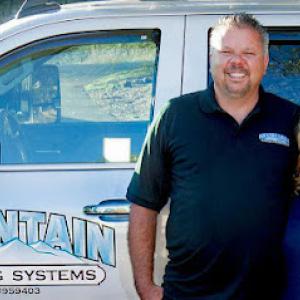
Mountain Roofing Systems
(530) 647-0653 mountainroofingsystems.net
4640 Chrome Ridge Ct, Placerville, California
4.7 from 40 reviews
Mountain Roofing Systems
(530) 647-0653 mountainroofingsystems.net
4640 Chrome Ridge Ct, Placerville, California
4.7 from 40 reviews
Mountain Roofing Systems provides efficient, timely, and courteous professional roofing services to our clients at a fair and competitive rate. We are committed to excellence through continued education and by upholding the highest industry ethics and standards. Our mission is to provide excellent roofing services and industry expertise in a prompt and professional manner. Services Include: Commercial Roofing, Residential Roofing, Gutters & Gutter Guards, Emergency Roof Repair
Lopez Roofing Company
(530) 417-0028 www.lopezroofingsco.com
3814 Stope Dr, Placerville, California
5.0 from 2 reviews
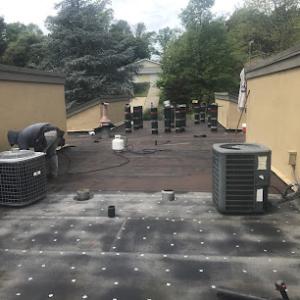
Family based business located in beautiful Apple Hill, Camino since 2014. Family quality, values and workmanship.

Roof Doctors El Dorado County
(530) 644-1110 theroofdoctors.net
Serving
4.9 from 287 reviews
"Nobody inspects, repairs and certifies more roofs or solves more roof leak problems in the Greater Sacramento Area." Over 300,000 roofs inspected. We do complimentary roof inspections with detailed reports that include pictures. Reports sent within 24 hours of inspection. We are a licensed roofing contractor that offer repairs, replacment bids, gutter cleaning bids, gutter guard installs, and general roof maintenance. Service in the following Greater Sacramento Area Counties: Sacramento, Placer, Yolo, & El Dorado Counties.
Richard Hockett Roofing
(530) 334-0651 richardhockettroofing.com
Serving
4.9 from 112 reviews
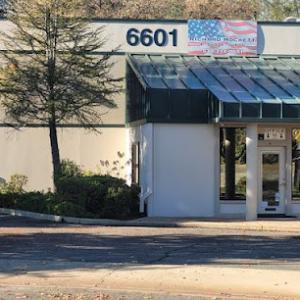
"Our roofing company stands out for its exceptional service and expertise, holding numerous certifications with various manufacturers. We specialize in a wide range of roofing solutions, catering to both residential and commercial clients. Our skilled team is equipped to handle projects of all sizes, ensuring each job is treated with the utmost care and professionalism. Trust us for reliable, high-quality roofing tailored to your unique needs."
Roseville Roofing
(916) 791-7348 rsvlroofing.com
Serving
4.9 from 43 reviews
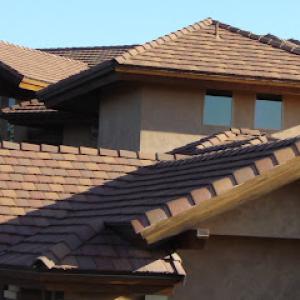
Centrally located and serving Placer, El Dorado and Sacramento Counties. Roseville Roofing has provided professional residential and commercial roofing services to the surrounding areas since 1989. We continually update and improve our skills in the roofing industry to provide the latest in roofing systems and types and promise real value and quality workmanship.
Roof Geeks
(916) 888-7663 www.roofgeeksca.com
Serving
5.0 from 67 reviews
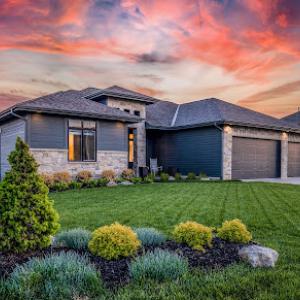
Roof Geeks is your trusted roofing contractor in Shingle Springs, CA, proudly serving homeowners throughout the Greater Sacramento region. From complete roof replacements and expert repairs to standing seam metal roofing and gutter installations, we deliver quality solutions backed by three generations of local experience. When you need dependable roofing done right, we're the team that answers, day or night. Our dedication to superior craftsmanship and honest service has made us a top choice for families across Sacramento. Reach out today.
Meta Flat Roofing
(530) 401-1012 metaflatroofing.com
Serving
5.0 from 38 reviews
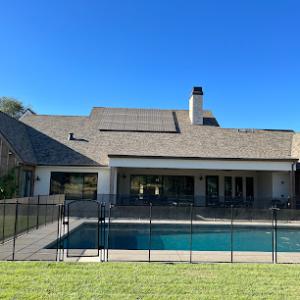
Meta Flat Roofing, is a locally owned and operated company with over 6 years of experience. Ultimately, customers may choose to hire Meta Flat Roofing because of their expertise, commitment to quality, attention to detail, customized solutions, reliable service, excellent customer service, and comprehensive warranty and after-sales support. We offer free Estimates Our commitment is 100% guaranteed customer satisfaction on every project.
American Eagle Roofing
Serving
4.9 from 325 reviews
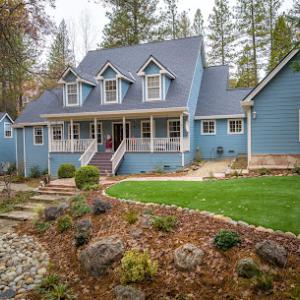
Your local choice for standing seam metal, tile, slate, composition roofing, gutters, and flat roofing systems. American Eagle Roofing is family owned and had an A+ Rating with the Bbb for over 17 years. We take pride in our work and love what we do, from mild to wild we treat every project with the same attention to detail that has built our reputation of quality. No two companies are built the same, so perhaps let a tailored company take care of your largest investment. From start to finish Let Our Family Help Yours! -AER

Solarado Roofing & Solar
(916) 413-7376 solarado-ca.com
Serving
4.9 from 67 reviews
Your Premier Roofing and Solar Solution in the Greater Sacramento Valley and Foothill Areas! We specialize in commercial and residential roofing, solar installations, and home battery backup. With coverage across Sacramento and surrounding foothills, our top priorities are customer service, product quality, and workmanship excellence. Trust Solarado to care for your home or business as if it were our own. Elevate your property with unparalleled service and quality. #SolaradoRoofing #SolarServices #RoofingSolutions #SacramentoValley
Ark Roofing & Construction Sacramento
(916) 236-4551 arkroofingco.com
Serving
5.0 from 34 reviews
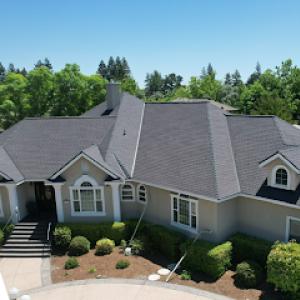
Ark Roofing and Construction is Sacramento’s go-to Roofer for high-quality Roof Replacements, Roof Repairs, and long-lasting Roofing Systems. We specialize in Asphalt Roofs, Tile Roofs, and Flat or Pitched Roofing solutions that protect your home and boost long-term value. As experienced roofers serving the Sacramento region, we know how shifting weather, heavy rains, and seasonal heat impact your home. That’s why we focus on durable roofing systems designed to last. Whether you need a Shingle Roof Replacement, a new Tile Roof installation, or Flat Roof service, we handle every project with professionalism and precision.
HOA Roofing
(916) 975-5095 www.hoaroofinginc.com
Serving
5.0 from 11 reviews
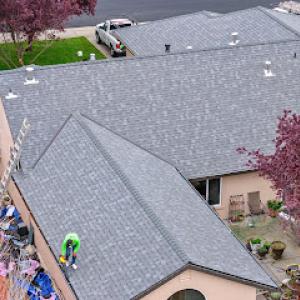
Welcome to HOA Roofing, DBA Sierra Hills Roofing. At Sierra Hills Roofing, we offer comprehensive roofing services, including asphalt shingles, composition, tile, metal roofing, roof replacement, gutter replacement, gutter guards, chimney saddles, ventilation, dry rot replacement, and insurance claims assistance. We provide third-party financing. Woman-owned and family-operated, we serve single-family, multi-family, and commercial properties. Certified with GAF and an Owens Corning Preferred Contractor. Our mission is to provide top-tier roofing solutions while upholding the core values that define our family. With every project, we strive to not only protect your home but also to strengthen the bonds of trust within our community.
Roof Maxx of Sacramento, CA
Serving
4.9 from 119 reviews
Roof Maxx® offers a revolutionary roof restoration service, providing an eco-friendly, cost-effective solution for extending your roof's life. Specializing in roof rejuvenation, our innovative treatment revitalizes aging shingles, ensuring they remain flexible and waterproof. Ideal for roofs over 7 years old, Roof Maxx's unique formula penetrates deep into shingles, restoring their original functionality. This process not only enhances roof durability but also postpones the need for expensive replacements. Our professional roof maintenance services further protect your investment, keeping your roof in top condition. Trust Roof Maxx for sustainable, efficient roofing solutions. CLSB#1127410
Asphalt shingles remain common because they fit the area's large re-roofing market and broad range of foothill home styles. In Placerville, where winter storms can come with rapid temperature changes, a quality asphalt roof benefits from compatible underlayment and proper attic ventilation. Look for shingles with good granule adhesion and a solid wind rating to handle gusty Sierra exchanges. The practical choice here is a layered system that pairs a weathered-cap sheet and a compatible underlayment with vents positioned to break up heat buildup during dry spells as well as to clear snow-driven moisture when storms move through. If you anticipate frequent resealing or additional protection from embers, talk with your roofer about fiber cement underlayment options and fire-retardant shingle choices that keep the roof closer to a predictable performance envelope, even during freeze-thaw cycles.
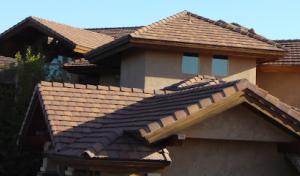
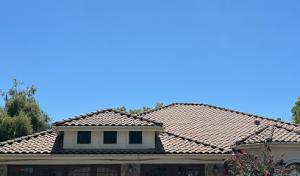
Tile roofing is unusually relevant in this market, but clay and concrete systems require attention to weight, underlayment life, and crack risk under foothill temperature swings. Clay tile tends to offer exceptional durability and fire resistance, which matters in wildfire exposure, but its weight demands solid structural assessment and sometimes reinforced framing. Concrete tile often provides a more economical alternative with a broad range of profiles, yet its similarity to clay in weight and expansion behavior means the roof deck and fasteners must be sized accordingly. Temperature swings in the foothills can cause expansion and contraction that stress tiles and the fastener grid; ensure the installation includes a compatible underlayment and careful spacing to minimize crack development. Underlayment longevity matters here: an age-softened membrane can fail silently behind the tiles, so choose a product rated for extended exposure and ensure proper ventilation to balance moisture movement. For Placerville homes, tile is especially appealing where a long-lived, fire-resistant silhouette aligns with the visible hillside aesthetics, but the weight and crack risk under freeze-thaw cycles require a well-planned structural and moisture-management strategy.
Metal roofing is a strong local consideration because Placerville homeowners often weigh fire resistance, debris shedding, and long-term performance against higher upfront cost. Metal systems perform well under wildfire exposure, shed pine needles and branches effectively, and handle rapid shifts between cold nights and warm days without the same crack-cycle risk as some other materials. They also tend to excel in ventilation compatibility when paired with an efficient attic intake and exhaust strategy, which is crucial in a climate with both wet winters and dry summers. The installation detail matters: choose a panel profile and fastener type that tolerate high wind loads and thermal expansion, and ensure the underlayment is compatible with metal roofing to prevent moisture transfer during freeze-thaw events. In slope and eave configurations seen in foothill neighborhoods, a properly sealed ridge and well-placed drip edges contribute to dependable drainage and long-term performance.
Across these options, the decision often revolves around how timing, climate stressors, and fire exposure intersect with existing structure and aesthetic goals. Asphalt shingles provide straightforward replacement timing and broad style compatibility for many foothill homes. Tile offers standout fire resistance and a distinctive look but requires structural and durability considerations that can influence replacement timing if weight or underlayment life becomes limiting factors. Metal delivers the strongest performance against embers and debris while demanding attention to installation practice and upfront investment. For a homeowner aiming to balance long-term resilience with the region's characteristic temperature swings and winter moisture, pairing the chosen roof type with a well-ventilated attic and a durable underlayment creates the most reliable protection against the unique Placerville climate.
Find contractors who specialize in clay and concrete tile roofs, known for their durability and curb appeal.

Repeated winter wetting in this area commonly exposes weaknesses first at valleys, penetrations, and transitions where water lingers during storm sequences. Valleys that aren't properly flashed or lined with approved valley metal can wick moisture up into decking or spill onto underlying sheathing. Penetrations around vent stacks, skylights, and chimneys are frequent failure points when sealants age or move with seasonal swelling. Transitions between roof planes, where different materials meet or where flashing laps aren't fully integrated, become soaking spots after heavy rains. In practical terms, a minor misfit in a seam or a loose shingle at a valley can become a chronic drip that only shows up with the next storm cycle. Vigilance in these zones is not a luxury; it's a readiness measure for the next round of storms.
Freeze-thaw conditions in the foothills can turn minor tile cracks, flashing gaps, or aged sealant failures into active leaks by the next storm cycle. Water that seeps into small cracks expands when it freezes, widening the opening and pushing along along tiniest gaps. A seemingly minor crack in a clay or concrete tile, a seam in a metal boot flashing, or a brittle sealant joint can cascade into a visible leak after a cold snap. The consequence isn't isolated to the weather-sustained moisture during the wet season amplifies deterioration, and what looked like a simple patching job can reveal itself as a larger, ongoing drainage problem after the freeze-thaw sequence repeats.
Pine needles, oak leaves, and foothill debris loads can clog drainage paths and trap moisture on roofs and in gutters longer than homeowners expect. Clogged eaves and troughs reduce flow during runoff peaks, causing water to back up and creep under shingles or flashing. Debris can also hold moisture against roof decks, accelerating rot or warping in vulnerable areas. Regular, targeted cleaning before the heart of winter and after major storms is essential. Investigate gutters, downspouts, and scuppers for full clearance, and inspect under ridges where leaves may accumulate in hidden pockets. This maintenance directly ties to how long a roof system resists weathering and how well it protects interior spaces during the wet season.
Find contractors experienced in skylight installation, flashing, and leak repairs to bring natural light into your home.
Mountain Roofing Systems
(530) 647-0653 mountainroofingsystems.net
4640 Chrome Ridge Ct, Placerville, California
4.7 from 40 reviews
For asphalt shingles, expect about 350 to 650 USD per square, reflecting typical Placerville loads and staging needs. Metal roofing generally runs 700 to 1200 USD per square, with higher-end panels offering improved longevity against wildfire exposure. Clay tile tends to land between 900 and 1900 USD per square, while concrete tile sits around 800 to 1400 USD per square. If wood shingles or shakes are used, budgeting 750 to 1200 USD per square is realistic, and slate falls in the 1200 to 2200 USD per square range. These figures reflect the foothill setting, where slope, access, and material weight influence bids. Costs in Placerville can rise when steep foothill lots, multi-level access, or heavier tile tear-offs increase labor, staging, and disposal complexity. Seasonal demand can also push pricing higher.
In Placerville, many homes sit on slopes or tight lots that require careful staging and additional safety measures. Expect longer lead times for crews after wet winters or during wildfire season when demand swings up. The extra maneuvering for heavy tiles, full-tear-offs, or complex scaffold setups translates into higher labor hours and material handling costs. If a roof has multiple levels or limited street access, plan for a broader cost range on top of the base material price. Discuss staging options with the contractor-custom pathing and weather protection can save on incidental damage and waste handling.
Wet winters, freeze-thaw cycles, and wildfire exposure create real timing challenges. Peak repair windows often line up with storm backlogs and wildfire-related demand, tightening contractor availability and nudging square-foot pricing higher. If possible, align replacement work with drier shoulder periods to reduce weather risk and improve material response times. When you're comparing bids, ask whether the quote anticipates contingencies for steep terrain, heavier tile, or extended teardown, and factor that into your decision alongside the listed per-square costs.
Get a clear picture of your project costs upfront - no commitment required.
A full reroof in Placerville or unincorporated El Dorado County generally requires a building permit rather than being treated as minor maintenance. The permitting process is designed to ensure that the roof, its underlayment, and its ventilation can withstand the area's wet winters, freeze-thaw cycles, and wildfire exposure. Starting with plan submission helps catch drainage, ventilation, and fire-rated assembly concerns before materials arrive on site. You'll typically need to provide roof framing details, deck attachments, and a proposed underlayment system that aligns with local expectations for attic ventilation and seismic considerations.
Once plans are reviewed, you'll submit the permit application and pay the applicable permit fee. Plan review commonly emphasizes how the new roof integrates with existing ventilation paths and eave soffits to prevent moisture buildup during heavy winter rain. The process also screens for compliance with seismic bracing where applicable and fire-safety requirements for roof assemblies in high-wildfire risk zones. Expect a few rounds of questions if the design includes vented rafter spaces, attic access considerations, or any changes to roof pitch or drainage.
During reroof approvals and final inspections, inspectors concentrate on underlayment installation, proper ventilation pathways, and the completed roof assembly. In this region, attic ventilation must be continuous and balanced to manage condensation from freeze-thaw cycles and to support fire-season protection. The inspection also checks flashing around chimneys, skylights, and vents, ensuring the fire-rated components meet code and that drainage directs water away from the structure.
Airflow in the attic, along with fire-safety compliance, is a recurring local review point. Proper soffit and ridge venting, plus seals at penetrations, help mitigate moisture damage and reduce wildfire risk. If the home sits in a high-wire or brush-adjacent area, expect the final checks to verify that the roof assembly maintains performance under Sierra foothill conditions. Plan for a thorough walkthrough with the inspector to confirm all ventilation and fire-safety details are in place before final approval.
In this foothill town, insurers are tightening up amid wildfire exposure and the seasonal grind of wet winters and freeze-thaw cycles. Your premiums and carrier appetite can shift based on the roof's age, the history of claims on the home, the exact materials used, and the quality of workmanship. For Placerville homeowners, this means the roof is not just a weather barrier but a financial variable that can tilt renewal terms or carrier willingness.
Insurers increasingly want a clear paper trail before or after a roofing project. Gather and store details on roof age, any prior claims, the specific replacement materials chosen, and every line of workmanship. After the project, take thorough photo documentation of installed layers, flashing details, ventilation updates, and drainage improvements. Keep a dated folder of before-and-after images, plus a simple notes log that describes the sequence of work. In a town where cedar-topped homes and tile options meet Sierra weather, precise records can shorten underwriting questions and prevent delays.
Wildfire exposure can influence whether replacing the roof actually improves insurability, so careful planning matters. When you consider a replacement, align material choices with fire-rated assemblies, proper ignition barriers, and robust attic ventilation. Maintaining organized inspection records and final project photos helps demonstrate resilience to underwriter scrutiny. If an early-life issue shows up in claims history or a misstep in installation appears in a photo review, your options may narrow. Keep your documentation tight, because a well-documented update can be a meaningful factor in deciding how your roof performs in both storms and policy reviews.
Connect with contractors who help homeowners navigate the claims process from damage assessment to final approval.
Mountain Roofing Systems
(530) 647-0653 mountainroofingsystems.net
4640 Chrome Ridge Ct, Placerville, California
4.7 from 40 reviews
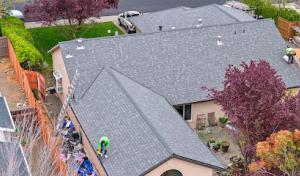
In Placerville, specialty work matters because leak-prone transitions around skylights and mixed-slope rooflines are stressed by winter rain and foothill temperature swings. When you're evaluating skylights, look for properly flashed units with continuous ridge and eave drainage, not just good-looking seals. The roof deck around skylights should be solid, dry, and free of prior hanting or flashing failures. If the existing transitions show any sign of dampness or staining, plan to re-flash the surrounding area as part of a full or partial reroof rather than patching in isolation. A careful, integrated approach reduces call-backs when the next cold snap arrives.
Low-slope sections on additions, porches, or mixed residential-commercial buildings need drainage detailing that performs through prolonged wet winter periods. In these areas, ensure a proven two-way drainage solution that channels water away from deck-to-roof transitions and away from any interior parapets or parapet-to-roof junctions. Use high-quality underlayment and consider a secondary impermeable layer at connections to gutters or downspouts. Pay attention to slope thresholds; if the slope falls below a practical minimum, step up to a more robust, weather-tested assembly and adjust fastening patterns to resist wind-driven moisture during severe storms.
Solar roof work is relevant in this sunny foothill market, but reroof timing matters so penetrations and flashing are coordinated before panels are reset or added. When planning for solar, map out all penetrations at once and confirm that the chosen rooftop assembly can accommodate future panel layout without compromising roof-to-flashings. Coordinate rafter and deck hardware to minimize the number of penetrations through critical edge zones. If you are replacing the roof, align the new underlayment and flashing details with the anticipated solar interface so you don't end up reworking flashing around every panel bay in a tight roof plane.
In all cases, ensure that flashing details around transitions-whether skylight-to-slate, tile-to-soldered metal, or solar racking penetrations-are executed with solid sealant control, proper nail or screw spacing, and compatible materials to reduce freeze-thaw stress effects through winter cycles.
Find specialists in TPO, EPDM, and built-up flat roofing systems for residential and commercial properties.