
Last updated: Apr 19, 2026
Your roof in this area faces a double threat: wind-driven rain from the Long Island Sound and ice-related deterioration during inland cold snaps. The coastal exposure means shingles can take a direct beating from storm surges, salt spray, and gusts that peel shingles loose and drive water under flashing. When the inland freeze-thaw cycle hits, water that seeps in can freeze, expand, and widen gaps around fasteners, vent pipes, and seams. This combination creates a pattern of intermittent leaks that often escalates after heavy rains or early spring thaws. In other words, Fairfield roofs catch a lot of bounce and bite from the elements, so prevention and timely intervention are crucial.
Spring storms bring renewed risk as wet patterns collide with lingering wind-driven debris, while autumn Nor'easters reload the system with high winds and rain that test ridge lines and edges. Homes here commonly show leak signatures after a strong front passes or during fluctuating temperatures that drive condensation and ice-related damage in attic spaces. Shingle blow-offs occur more often than you'd expect when older roofs meet a brutal coastal wind event, especially on lower-pitched sections and in areas with mature or crowded tree canopies. The pattern is predictable enough to demand proactive monitoring-after any major storm, inspect for lifted tabs, loose flashing, and granule loss, and be ready to address problems before they cascade into interior water damage.
Emergency response matters in this market because contractor signals show unusually strong prevalence for quick-response and emergency repair work. When a storm passes, you may see water dripping from the attic or ceiling, but the fastest protection often comes from sealing off the entry point to slow further intrusion. Look for sudden staining along ceilings, bubbling paint, or musty odors that follow a storm line. In Fairfield, it's not unusual for a quick repair to be the difference between a minor patch and extensive interior damage. If a leak starts during or immediately after a wind event, prioritize temporary tarping or sealing, then schedule a targeted repair to restore the roof's shielding capability. Timely action reduces further deterioration of decking, underlayment, and interior finishes.
Keep a routine after major coastal storms: inspect the visible roof fasteners, edge flashing, and any protrusions like vent pipes and skylights for movement or gaps. When safety allows, check for wind-driven debris and missing or loosened shingles on slopes that face prevailing winds from the Sound. In winter, monitor for ice dam formation along eaves and gutters; ensure proper insulation and ventilation to minimize meltwater backing up under the shingles. Maintain clear gutters and downspouts to prevent standing water from backing up and infiltrating roof edges. If you notice new gaps, curling, or area-specific staining, call a trusted contractor quickly for an assessment and a targeted repair plan. In Fairfield, the combination of coastal weather swings and inland freeze-thaw stress makes the right timely response not just wise, but essential.
Fairfield's coastal exposure from the Sound means coastal salt air and winter wind loads must be weighed against every roofing decision. Materials that resist corrosion and hold up to salt spray-such as metal, slate, and certain tile options-are common choices in the area's beachfront or Sound-adjacent pockets. At the same time, inland parts of town contend with heavier freeze-thaw cycles, where durable shingles, reinforced underlayment, and robust fastening become critical. The result is a broader material mix here than in many Connecticut towns, with asphalt shingles, metal, wood shakes, slate, clay tile, and concrete tile all present in the market.
Older Fairfield homes and architecturally distinctive neighborhoods favor slate, cedar, and tile more than the typical suburban market that leans toward asphalt. If your house features period architectural cues, matching historic character with a modern, weather-ready roof is feasible without sacrificing longevity. Slate and wood shakes can preserve the visual identity of a classic roof while delivering strong performance against wind-driven rain and seasonal temperature changes. Clay and concrete tile may show up on bungalows with Mediterranean influences or on multi-story Colonial Revival homes, offering a long service life when properly installed. In neighborhoods with stricter aesthetic guidelines, color and profile choices may be guided by visual harmony with surrounding structures.
Material selection in Fairfield has to account for winter snow and ice loads as well as salt-air-adjacent coastal exposure near the Sound. For homes closer to the water, corrosion resistance, fastener quality, and adequate slope to shed salt-laden spray become top priorities. Metal roofs, when installed with proper underlayment and seam details, excel in coastal zones due to their durability and wind performance. Slate and tile options bring impressive durability and low weight-bearing flexibility in slope choices, but require careful framing and underlayment to resist freeze-thaw damage and water breach at edges and penetrations. In inland lots, asphalt shingles and engineered alternatives can deliver reliable performance with simpler maintenance, provided that ice-damming mitigation strategies are planned and installed at eave and gutter interfaces.
Within Fairfield's varied neighborhoods, color, texture, and profile can influence long-term satisfaction as much as lifetime performance. Consider the visible impact of a slate roof on a cast-stone or brick façade, or how a clay tile roof complements a stucco exterior in mixed-use precincts. For structures with historically significant features, choose materials that can be integrated with existing trim, chimneys, and dormers without sacrificing seal integrity around fasteners and flashing. Practical steps include verifying that fasteners and flashing are rated for coastal salt exposure, inspecting roof-to-wall transitions for wind-driven moisture paths, and aligning snow retention or melt systems with the chosen material's thermal and mechanical properties. In every case, plan for compatibility with gutters, downspouts, and attic ventilation to maintain performance through Fairfield's distinctive seasonal swings.
Fairfield's broad mix of premium materials means local project pricing can vary sharply depending on whether a home is using asphalt, cedar, slate, or tile rather than a single dominant system. If your roof is asphalt shingles, you'll generally see the low to mid-range of the market, but premium overlay options or thicker asphalt formulations can push toward the higher end. For cedar or wood shingles, you're looking at a different curve entirely, with higher material and labor costs that reflect specialty cutting, faster deterioration in salty coastal air, and the need for careful flashing and ventilation. Tile systems, whether clay or concrete, bring their own pricing dynamics, often elevating both material and installation costs due to weight, crane needs for larger homes, and careful roof-plane layout. In practice, two adjacent homes can land in very different price bands depending on these choices, even if the square footage is similar.
Costs can rise on older Fairfield homes where tear-off reveals decking repairs, chimney flashing work, or complex roof geometry common in established residential neighborhoods. A teardown-only replacement is simpler to price than a full restoration that touches rotten sheathing, owl of valley details, or retrofit drip edges around an irregular chimney chase. If a project encounters compromised decking, or requires custom flashings around chimneys and skylights, expect incremental increases that can push the total toward the higher end of the material spectrum. Likewise, homes with multi-level sections, cross gables, or steep pitches demand extra safety measures and staging, nudging labor time and pricing upward. A thorough inspection that identifies hidden issues early can keep surprises to a minimum.
Storm-driven demand spikes after Nor'easters and major wind events can affect scheduling pressure and replacement pricing in this market. After a big coastal storm, crews may be booked weeks out, and material suppliers can experience brief shortages on popular classics like premium asphalt or cedar shakes. If you're facing a sudden need because of wind-driven leaks, expect a premium for expedited service or for temporary coverings while a full reroof is coordinated. Planning ahead, where possible, helps you lock in contractor schedules, align material selections, and mitigate last-minute price bumps that can accompany peak storm seasons.
Obtain three detailed bids that break out material, tear-off or layering, flashing, and decking work. Compare not just the per-square price but the total for the job, including disposal, crane charges if needed, and any required specialty flashing around chimneys or skylights. Ask contractors to show how they account for coastal exposure-salt air can affect fasteners and underlayment longevity. If your home uses premium materials, discuss weight considerations and whether structural reinforcement is necessary, as that can influence both cost and schedule in a meaningful way.
Hall of Fame Construction Group
(203) 299-7017 www.hofcogroup.com
Fairfield, Connecticut
5.0 from 25 reviews
Hall of Fame Construction Group has over 30 years of experience in the home improvement industry, we here at Hall of Fame Construction Group, LLC, strive for excellence on every single project. From our full time customer care center, to our elite sales department and production team, our mission is to provide the ultimate customer experience one project at a time. Our slogan is “There's the Do It Right Price and the Do It Twice Price. Best Installation, Best Warranties, Best Service in the Business."

Kerigan's Roofing
(203) 296-9697 keriganroofing.com
35 Villa Ave, Fairfield, Connecticut
4.9 from 35 reviews
Kerigan's is a Connecticut Family name in business for over 30 years. We take pride in our work and strive to give the best price possible. We are Fast to return customers calls and Reliable to complete your job in a clean and neat manner.
A&E Connecticut Roofing - Fairfield
(203) 408-6933 qualityconstructionguys.com
Fairfield, Connecticut
5.0 from 20 reviews
Among the variety of roofing companies Fairfield has to offer, A&E Connecticut Roofing is your best option. Our specialization is roofing. Whether you are installing a new one or fixing the one you have, we provide you with a personalized solution and professional service. No roof problem should be ignored. We also offer you window installation, siding for your walls and skylight installation. Most of the Fairfield roofing contractors are not certified or authorized.We are the Fairfield roofers that will assist you in any roofing needs They have been investigated and taken drug tests to assure you peace of mind. We have plenty of experience and an amazing reputation. We cannot wait to provide you with our top service. Give us a call today
RP Construction
Fairfield, Connecticut
5.0 from 4 reviews
Your Roof Is an Important Investment Are you constantly calling your roofer to repair your roof in Stamford, CT? Instead of going with a quick fix, turn to us. Our local roofing contractor can replace your entire roof. Once your new roof is installed, you can contact us for any roofing services in the future. We'll make sure your roof is in good shape. Reach out to us today to learn more.
Abc-The Roofing Experts
(203) 223-7725 www.abctheroofingexperts.com
41 Unquowa Pl, Fairfield, Connecticut
5.0 from 4 reviews
ABC-THEROOFINGEXPERTS has been providing Connecticut and New York States with full-service residential and commercial roofing, remodeling, and painting services for over 50 years.
Fairfield Roofing
(203) 505-8931 fairfieldroofing.com
Serving
4.9 from 59 reviews
Fairfield Roofing provides reliable residential and commercial roofing services, including repairs, replacements, inspections, gutters, and emergency support from trusted local Fairfield roofers.

RoofTop Roofing of Connecticut, LLP
Serving
5.0 from 13 reviews
We are experts in asphalt roofing, metal roofing, gutters, chimney work, chimney flashings in lead and copper, attic ventilation, vinyl siding, skylight and window replacement. As the best roofing company operating in Bridgeport CT, RoofTop Roofing of Connecticut provides top roof installation, replacement, and repair services. We offer free roofing estimates and consultations upfront to help you figure out what roofing option is best for you and how much you want to spend. Alongside, we offer quality gutter services near Bridgeport CT. Want to see for yourself? Give us a call!
Cruz Roofing & Siding
(203) 685-2548 www.cruzroofingandsiding.com
Serving
4.9 from 166 reviews
Anything extraordinary starts as a single idea. And that's exactly how our story begins. Cruz Roofing & Siding was built from a dream to provide trustworthy home improvement services at an affordable price. That is exactly what we have achieved. We started with roof replacement and today we have a fleet completing exteriors renovations from foundation to roof. Our team of the Roofing industry’s top professionals can help bring your next home improvement project to life. We value Affordability and Expertise above anything else. GET IN TOUCH to learn more about how we can help. We look forward to partnering with you.

Preference Construction, Roofing & Home Improvement
(203) 685-3725 preferenceconstruction.com
Serving
4.9 from 85 reviews
Preference Construction, Roofing and Home Improvement is a full service home construction and remodeling company specializing in Roofing, Kitchen and Bathroom remodel, Window Replacement, Deck & Fence, Additions, Flooring, and much more in the New Haven & Fairfield County Connecticut area. Preference Construction, Roofing and Home Improvement offers New Home Construction, Home Improvement, Roofing, Siding, Gutters, Decks, Chimney Cleaning and Repair, Chimney Flashing, Copper Chimney, New Kitchens, Sheet Rock Repair, Taping, Painting, Interior Trim, Lock Sets, Dead Bolts, Storm Door Installs, Concrete Repair, Stone, Slate, Professional Caulking, Ceramic Tile, Carpentry, Replacement Windows, Door Replacement and more!
Premium Roofing & Masonry
(860) 984-7881 www.premiumroofingmasonry.com
Serving
5.0 from 4 reviews
Premium Roofing & Masonry provides roofing and masonry services in Bridgeport, CT and suurrounding areas.
A-Preferred Roofing & Contracting
(203) 333-4433 www.a-preferredroofingct.com
Serving
4.9 from 17 reviews
A-Preferred Construction is a fully licensed and insured general contractor with a special roofing installation & repair division located in Bridgeport, CT. Your satisfaction is our highest priority and our goal is to give you the level of attention you need; whether you're a large corporate client or you are one of our many residential customers. No job is too small or too big for us to handle. Take superior care of your home or business with our first-rate services. A-Preferred is your go-to source for any type of roofing project including small roof repairs, a whole new roof, as well as any construction project, such as new home construction, additions, kitchen remodeling, bathroom remodeling, interior built-in custom shelving, attic
Ecuaroofing & siding
Serving
5.0 from 4 reviews
Ofrece todo los servicios de reparación Techos nuevos y mucho más
In Fairfield, a permit is typically required for a full re-roof, with plans submitted to the Town of Fairfield Building Department by the contractor or homeowner. The permitting process is not just a formality; it sets the stage for the project to meet local codes, especially when aging neighborhoods and historic considerations come into play. Before any materials arrive, confirm who is handling the permit package, what drawings are needed, and any specific town amendments that may apply to your street or block. If the roof touches overhangs or creates any structural changes, those details belong in the submittal package to prevent delays.
Inspections are commonly staged around milestones such as after tear-off and after completion rather than handled as a single final-only visit. At tear-off, a inspector will verify that all old roofing material has been removed, decking integrity is sound, and any ventilation upgrades or code-required underlayment are in place. The post-tear-off check helps catch issues early, like hidden rot or deficient nailing patterns, that could impact long-term performance. After completion, a final inspection confirms the new roof meets code, has proper flashing around chimneys, dormers, and valleys, and that roof penetrations for vents and skylights are correctly sealed. Keeping a clear line of communication with the Building Department can reduce wait times, especially if the project involves weather-related delays or material substitutions.
Some Fairfield projects may need added review or documentation when special materials are involved or when the property is in an area with historic considerations. If your home sits in a historic district or under an overlay that governs exterior alterations, anticipate additional documentation or a quick design review. For unique materials like clay, slate, or certain metal systems, the building department may request manufacturer specifications, installation details, or corrosion-resistant details for flashings. Expect that these reviews can add weeks to the timeline if plans need adjustments to align with historic preservation guidelines or neighborhood covenants. Always bring any alternate material approvals, warranty details, and installation manuals to your permit appointment to streamline the process.
In Fairfield, claim outcomes can be influenced by roof age and material, which matters more here because the local housing stock includes both standard asphalt roofs and older premium systems like slate and wood. After a wind-driven rain event, focus on early documentation: photos taken from ground level and from attic or loft spaces if accessible. You want clear shots of shingles lifted at edges, flashing gaps, and any granule loss in asphalt shingles. Do not delay; insurance adjusters notice delayed reporting or hidden damage that only appears after a week of drying. Quick, honest documentation reduces the chances of disputes over what was preexisting versus storm-related.
Connecticut is an active wind- and storm-claim environment, and Fairfield homeowners commonly need photo documentation and contractor assessments after weather events. A well-organized file that pairs dated photos with a concise note on where the damage is located-valleys, chimneys, dormers, gutters-speeds the process. If a contractor can provide an independent estimate shortly after the event, that estimate should clearly identify damage visible from the exterior and any latent issues that could worsen with freeze-thaw cycles typical of inland winters. Insurance companies often cross-check assessors' findings with a contractor's observations, so gaps between exterior damage and interior leaks can hinder the claim.
In this town, claim outcomes can be influenced by roof age and material. Older premium systems like slate or wood shakes may carry higher replacement complexity and may prompt more detailed investigations than standard asphalt. If a slate roof shows cracked or loose tiles after a storm, or wood shingles exhibit cupping or rot, those conditions can influence both the scope and the cost of repair or replacement decisions. Be prepared for questions about roof age, previous repairs, and any known issues with flashing, parapets, or skylights that could affect liability and coverage.
Documentation helps but is only part of the process. When the adjuster visits, bring the compiled photos, the contractor's assessment, and a basic map of where damage is located on the roof. A contractor who understands the local climate can articulate how wind-driven rain and seasonal storms interact with specific materials, which strengthens the claim narrative. If interior leaks begin to appear, report them promptly; delaying can complicate the correlation between exterior damage and interior moisture.
Connect with contractors who help homeowners navigate the claims process from damage assessment to final approval.
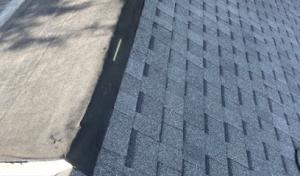
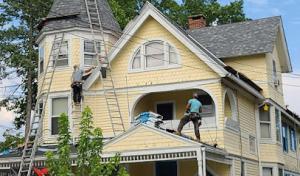
Fairfield's cold winters and freeze-thaw cycles are a direct durability issue for shingles and underlayment, not just a comfort concern. When a windy coastal cold fronts meet inland freezes, shingles can develop microcracks and underlayment layers can tuck where they should be continuous. This is not something that shows up as a dramatic failure on the first day after a cold snap; it accumulates and weakens the roof edge and flashing over time. The result is a roof that looks fine from the ground but leaks after a heavy thaw or a spring downpour. You should assume that any persistent soft spots or curling shingles near eaves could be early signs of winter wear inside the layers.
Snow followed by thawing and refreezing can stress flashing details and roof edges on Fairfield homes before spring storm season even begins. Ice can lift shingles at valleys and chimney joints, then refreeze and create micro gaps. If gutters are clogged or sagging, meltwater backs up and penetrates at the corners. Inspect after storms for white granule loss, resealed nails, or gaps where flashing meets the roof deck. Addressing these issues promptly prevents larger leaks when spring rains arrive.
Winter damage in Fairfield often becomes visible later during spring rains, when minor cold-weather failures turn into active leaks. A careful homeowner note: staining on ceilings or new damp spots near attic vents can indicate hidden damage. The prudent path is a staged, thorough attic and roof edge check after the first warm stretch, plus a quick walk around the perimeter to feel for frost pockets beneath the eave line. If you find damp insulation, warped sheathing, or musty attic air, call a local pro before the next storm train arrives. Delays cost you more than a fix.
Chimneys and roof penetrations are a common choke point for leaks in Fairfield homes, where masonry intersections meet asphalt, tile, or metal. Many local roofs carry a mix of materials right at the chimney line, which means leak paths can wander from flashing to mortar joints to shingle ends. When diagnosing, start at the chimney flashing and the step-by-step seal around the base, then trace outward to where the chimney meets the roof deck. In Fairfield, a failing chimney counterflashing or sagging crown often signals trouble that travels with freeze-thaw cycles and coastal humidity. Expect contractor visits to include both masonry touch-ups and sealant refreshment on the flashing system.
Skylights are a meaningful specialty here, reflecting a real local maintenance issue rather than a fringe feature. Leaks often masquerade around skylight curb joints, plastic glazing, or old sealants that have shrunk after salty air exposure and cold snaps. When inspecting, check the flashing at the skylight curb and the seal between the curb and the roof surface. Look for UV-bloomed glazing or cracked glazing beads that let moisture in during storms. Fairfield crews often pair skylight reseals with flashing re-anchoring rather than full roof replacement, especially on older homes with tight attic spaces.
On older Fairfield houses, transitions around chimneys, skylights, and mixed-material roof sections can be more failure-prone than the field shingles themselves. Pay attention to lap joints where metal flashings meet clay, concrete, or wood shingles, and where old mortar around brick chimneys has settled. When a leak appears, tracing it to a single shingle is rarely sufficient; the issue often sits at the transition, not the exposed field. If a repair path involves multiple materials, plan for careful flashing detailing and precise resealing.
Storm-driven leaks demand a methodical approach. Start with exterior inspection after a heavy rain or wind event, focusing on chimney caps, flashing, skylight edges, and any signs of mortar deterioration. Then move to attic checks for dampness around ridge lines and near penetrations. In Fairfield, seasonal shifts mean what's dry in spring can be vulnerable by late fall; redo critical sealants and flashing before winter freezes set in. For older roofs, prioritize transitional areas first, since those are the most leak-prone.
Find contractors experienced in skylight installation, flashing, and leak repairs to bring natural light into your home.
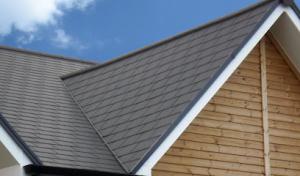
A&E Connecticut Roofing - Fairfield
(203) 408-6933 qualityconstructionguys.com
Fairfield, Connecticut
5.0 from 20 reviews
Abc-The Roofing Experts
(203) 223-7725 www.abctheroofingexperts.com
41 Unquowa Pl, Fairfield, Connecticut
5.0 from 4 reviews
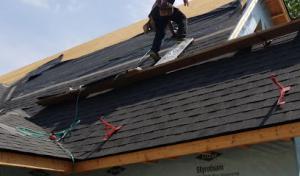
Even though the town isn't a primary flat-roof market, Fairfield has a surprising number of homes and additions with low-slope sections. Those areas require specialized attention because routine pitched-roof approaches rarely address the drainage and flashing challenges unique to flat and near-flat surfaces. When a main pitched roof shares space with porch, garage, or addition roofs, a mixed-scope contractor becomes practical. The goal is to coordinate waterproofing details across all low-slope faces so failures on one section don't cascade into neighboring areas.
Low-slope areas rely more on surface water shedding and internal drainage than steep-sloped roofs. In spring, heavy rain can pool at transitions between flat and pitched sections, around skylights, or near parapet edges. In autumn wind-driven precipitation, water can infiltrate through inadequately flashed corners or along edge details where adjacent roof lines meet. Plan for continuous drainage paths, confirm that scuppers and internal gutters are free of debris, and check transitions where membrane or sealant systems meet the underlying structure. Regular inspections after major rain events help you catch problems before leaks become widespread.
Choose flat- or low-slope-appropriate membranes and flashing systems that stand up to coastal humidity and freeze-thaw cycles. Pay particular attention to edge detailing at parapets, penetrations, and roof-to-wall interfaces. Insulation under low-slope sections should minimize condensation risk and improve overall comfort inside. For additions or porch roofs, ensure the chosen assembly matches the main roof's water-shedding behavior to avoid mismatched drainage. Clear maintenance routines and timely resealing of seams and penetrations help protect Fairfield's mixed housing stock and preserve the integrity of both main roofs and peripheral low-slope sections.
Find specialists in TPO, EPDM, and built-up flat roofing systems for residential and commercial properties.

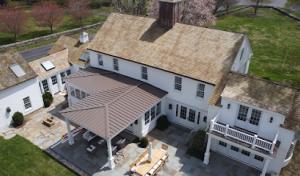
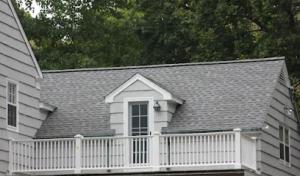
In this town, re-roofing, cleanup, and quick response are often more persuasive selling points than high-tech inspection services. Look for a contractor who demonstrates practical experience with real-world issues like coastal exposure, freeze-thaw cycles, and older housing stock. The best choice balances solid craftsmanship with a track record of finishing jobs promptly, without sacrificing safety or completing substandard repairs.
Long-established and family-owned firms are a common sight in the local market, and that matters when older homes need judgment on repairs versus full replacement. Seek out contractors who can show a reliable history of local work, references from neighbors with similar houses, and clear explanations of past decisions on similar roof types. A firm with continuity in leadership often offers steadier scheduling and accountability when weather swings create backlogs.
Chimney work is a frequent local concern, so assess whether a roofer can handle flashing and adjacent masonry coordination, not roofing alone. Ask about their approach to chimney to roof transitions, step flashing, counter-flashing, and any masonry repairs that may accompany a storm-damaged roof. Contractors who collaborate with masons or have in-house masonry experience tend to deliver more durable, integrated results.
Storms can drive leak concerns and urgent calls. Target contractors who clearly communicate estimated response times, weather-related contingencies, and a plan for temporary protection if leaks appear during a storm. A practical schedule should include a realistic timeline for inspection, material procurement, and coordinated coordination with any nearby chimney or masonry work.
Ask for a single point of contact who can oversee the project from assessment to completion, keeping neighbors informed if access or street parking becomes an issue. A contractor who can present a no-surprise plan for sequencing, debris control, and site cleanup tends to minimize disruption in a neighborhood with established homes and shared comforts.