
Last updated: Apr 19, 2026
Westport's winter pattern of snow followed by thaw and refreeze creates recurring ice dam conditions that are more damaging than steady cold alone. When small storms push moisture up against already cold roof surfaces, meltwater can refreeze at the eaves, pushing ice inward and under shingles. Over time, this edge icing invites hidden rot in roof decks and fascia, and the repeated freeze-thaw cycle accelerates wear on flashing, valleys, and chimney intersections. This is not a distant risk-it's a recurring, seasonal reality that targets older roofs first and can quickly escalate into costly interior damage if left unaddressed.
Older Westport homes often have complex rooflines, dormers, valleys, and chimney intersections that create localized melt-freeze trouble spots. Valleys collect runoff from multiple slopes, while dormers and step-pitched areas trap moisture against underlayment and ridge lines. When a storm pushes snow into those zones, meltwater sits and refreezes at the eaves where downstream heat loss is greatest. The result is concentrated ice buildup that can form leaks or push shingles up in narrow bands. If the attic isn't properly vented or insulated, the heat escaping through those features compounds the problem, feeding more ice dams and deeper edge damage.
Leaf cover from mature tree canopies can slow drainage and hold moisture at eaves, worsening winter edge icing and hidden rot. Westport's leafy streets mean gutters and soffits routinely carry more debris than suburban averages. When debris blocks downspouts or gutters, meltwater has nowhere to go, pooling along the eave line and creating a longer window for refreezing. That stagnant edge ice can couple with underlying rot-prone decking, especially on older fascia boards. Address debris early and keep clear pathways for water to shed away from the roofline, even during heavy snow periods.
Fire up a seasonal inspection focused on heat escape paths and moisture culprits. Check attic insulation and ventilation; ensure soffit vents align with ridge or roof-tan venting to create a steady, cold roof surface during freeze-thaw cycles. Inspect flashing around chimneys and dormers for gullies or gaps that could usher water into the roof edge. Examine valleys for any signs of misalignment or shingle lift, and address missing granules that can fail edge protection during a thaw. Clear gutters and downspouts, removing leaves and branches that trap moisture near the eaves. Consider a targeted soffit-to-ridge ventilation plan if attic temperatures swing dramatically with the seasons. In areas with heavy leaf fall, a mid-winter check helps catch debris before it worsens edge icing.
If ice builds up along the eaves with visible water staining on ceilings or obvious damp spots in the attic after a thaw, don't wait for a second storm to test the roof. Localized melt-freeze trouble spots around valleys, dormers, and chimney intersections are high-risk areas for rapid damage. A local roofer with experience in freeze-thaw cycles can perform a focused assessment, address flashing and gutter issues, and propose a durable strategy for edge protection. Prioritize timely help for roofs with older decking or noticeable roofline complexity, where a small leak or rotated shingle can cascade into interior damage after a few more freezes.
When you can't wait, these contractors offer fast response times to stop leaks and prevent further damage.

Spring and fall Nor'easters in this area bring prolonged wind-driven rain rather than quick, isolated bursts. That changes everything for your roof: shingles and seals face extended exposure, flashing takes a bigger beating, and infiltration around penetrations is more likely. When trees around your property shed branches during storm cycles, misjudging gutter and rake clearance becomes a fast track to leaks. If your roof is aging or has unique penetrations-chimneys, vent pipes, skylights-these storms test every seam and fastener. You need to understand that the clock of a Nor'easter can outpace a casual plan, making timely maintenance and pre-storm reinforcement non-negotiable.
Storm timing in this area can interrupt replacement schedules in spring, when heavy rain and wind make tear-off windows less predictable. That disruption isn't simply inconvenient; it creates openings for water entry and wind-lifted components to fail under pressure. You should map out a contingency strategy now: identify which portions of your roof are most vulnerable, confirm if temporary protections are feasible, and align expectations with your contractor about flexible start dates and weather windows. Delays aren't merely annoying-they can lead to cascading damage once a storm hits with peak intensity.
Insurance and repair decisions in this area are often driven by wind-lifted shingles, flashing failures, and water entry around roof penetrations after coastal storms. Shingles that have aged into brittleness can lift with sustained gusts, exposing underlayment and decking to soaking rain. Flashing around chimneys and vent stacks is a frequent weak point, especially where sealant degrades or metal flashing corrodes from salt spray. Water entry around penetrations after a Nor'easter isn't just a drip-it can travel along rafters and cause hidden rot, mold, and interior damage. Proactive inspection after storms matters: you're looking for lifted edges, loose nails, corroded nails, and any dislodged sealant, not just obvious leaks.
Address high-risk areas before the next Nor'easter season. Start with a thorough inspection of ridge and hip lines, as wind tends to rip along ridges first. Check flashing seals around chimneys, stacks, and skylights; reseal with products rated for coastal salt exposure. Pay close attention to valleys and joints where debris can accumulate and dam water flow. Maintain gutters and downspouts so water moves freely away from fascia and soffits, reducing ice dam formation in freeze-thaw cycles. If your roof has older materials or mixed designs, prioritize reinforcement at edge zones and around penetrations-these are the most common failure points once heavy rain moves in and wind pressure spikes.
Before a storm arrives, secure any loose or vulnerable components, stage tarps or temporary flashing solutions for quick deployment, and confirm that a reliable contractor is on standby for emergency coverage. After a coastal event, conduct a careful exterior and interior check for signs of wind-lift or water entry-your attention here can prevent minor issues from becoming major repairs. In a neighborhood of mature trees and coastal exposure, rapid assessment and decisive action are your best defense against ongoing damage and escalating cost.
Find local contractors experienced in assessing and restoring roofs after hail, wind, and severe weather events.
Connecticut Roofing Solutions
(860) 245-9665 www.connecticutroofingsolutions.com
101 Franklin St, Westport, Connecticut
5.0 from 11 reviews
Connecticut Roofing Solutions, based in Westport, CT & West Hartford, CT, is your dependable roofing partner, bringing together a team of seasoned experts dedicated to delivering outstanding products and unmatched service. As your go-to roofing company in Westport, we provide a comprehensive range of roofing services, ensuring peace of mind through extensive roof warranties and budget-friendly financing options. Our commitment to excellence is underlined by prestigious affiliations and certifications, including GAF and CertainTeed Certifications. Reach out to us for all your roofing needs and discover how we can make your next project a resounding success!
Absolute Roofing
(203) 961-3848 www.absoluteroof.co
181 Post Rd W, Westport, Connecticut
5.0 from 2 reviews
Absolute Roofing, proudly serving Connecticut, brings over a decade of industry expertise to your roofing needs. From meticulous repairs to flawless installations and transformative renovations, we offer a wide range of services to ensure your roof stands strong and secure. Contact us today to learn more about our services and schedule your appointment!

Roofing Solutions of CT
(203) 838-0235 www.roofingsolutionsofct.com
Serving
5.0 from 74 reviews
Serving Fairfield County, CT & Westchester County, NY - Roofing Solutions of CT is a highly-rated roofing contractor specializing in premium roofing solutions for distinguished properties. We are licensed and insured in both CT and NY, providing homeowners with long-lasting roof repairs, roof replacements, siding installation, gutters, and utilizing premium materials such as metal, cedar, slate, and composite tiles. At Roofing Solutions of CT, we take pride in delivering top-tier service, expert craftsmanship, and high-quality exterior upgrades to homeowners throughout Fairfield County and beyond. Our experienced team ensures your home is protected with superior materials and industry-leading warranties.
Gullans Exterior Contracting
(203) 667-2166 usacatopbusi.top
1 St George Pl, Westport, Connecticut
5.0 from 1 review
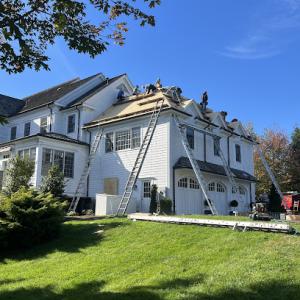
Roofing all types Asphalt, Slate, wood and metal
JAM Home Improvement
134 Cross Hwy, Westport, Connecticut
5.0 from 1 review
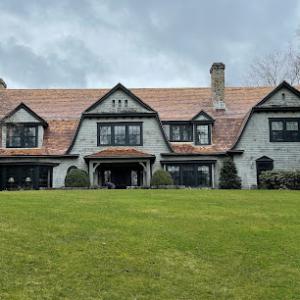
Roofing Contractor

Rick's Main Roofing
(203) 838-5858 www.ricksmainroofing.com
Serving
4.6 from 87 reviews
Emergency Services Available 24/7 📞 Call us now: 203-838-5858 Rick's Main Roofing offers a full spectrum of roofing services, including roof repairs, roof installations, roof inspections, and roof maintenance to Norwalk, CT and surrounding areas. Trust our expertise for all your roofing needs, ensuring durability, reliability, and aesthetic appeal for your property. With our commitment to quality craftsmanship and customer satisfaction, your roof is in good hands.
Leon Restoration
(203) 223-7801 www.leonrestoration.com
Serving
5.0 from 20 reviews
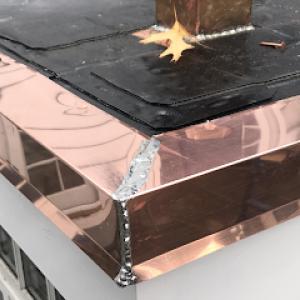
Serving communities in and around Greenwich and Norwalk for over 35 years has granted us recognition as one of the area’s most trusted interior and exterior contractors. As a full-service contracting company, we have the expertise and equipment to handle every aspect of your residential or commercial construction project. Whether you need help with renovations, a new roof or structural repairs, our team is committed to delivering exceptional results and ensuring your project runs smoothly from start to finish.

Phil's Main Roofing
(203) 308-5765 philsmainroofing.com
Serving
4.9 from 56 reviews
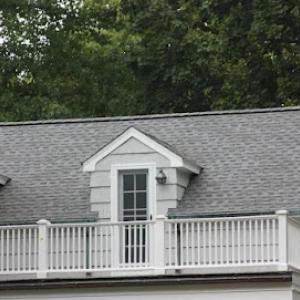
Phil's Main Roofing provides commercial and residential roofing and roof repairs, roof coating, gutters, siding, and windows to Norwalk, CT and surrounding areas.
Madera's Roofing
(203) 820-4517 www.maderasroofing.com
Serving
5.0 from 50 reviews
Madera's Roofing, established in 2005, specializes in top-notch roofing and gutter cleaning services, catering to clients throughout Fairfield County, Connecticut. With an impressive 17-year track record of delivering exceptional craftsmanship and unwavering dedication to customer satisfaction, Madera's Roofing stands as a trusted partner for all your roofing and gutter needs.
A&E Connecticut Roofing - Fairfield
(203) 408-6933 qualityconstructionguys.com
Serving
5.0 from 20 reviews
Among the variety of roofing companies Fairfield has to offer, A&E Connecticut Roofing is your best option. Our specialization is roofing. Whether you are installing a new one or fixing the one you have, we provide you with a personalized solution and professional service. No roof problem should be ignored. We also offer you window installation, siding for your walls and skylight installation. Most of the Fairfield roofing contractors are not certified or authorized.We are the Fairfield roofers that will assist you in any roofing needs They have been investigated and taken drug tests to assure you peace of mind. We have plenty of experience and an amazing reputation. We cannot wait to provide you with our top service. Give us a call today
Gold Coast Roofing
(203) 984-0634 www.goldcoastroofingllc.com
Serving
5.0 from 22 reviews
Making the decision to replace your roof is hard. Finding the right roofing company is even harder. Today’s industry is flooded with many unqualified contractors. I started toting bundles of shingle up the ladder during the summer vacations at 12 years old. 40 years later, my passion for construction still burns. My first construction company W.A.E. Construction formed over 20 years ago and was so successful with services to mainly high-end homes that it became a private business taking only word of mouth clientele. With many flaws in today's industry, I decided to create Gold Coast Roofing to expand our business and to make high-quality roofing services available to all homeowners, at affordable prices.
In Westport, the dominant roofing mix spans standard asphalt shingles as well as slate, wood shakes, tile, and fiber cement, reflecting both everyday re-roofing demand and higher-end architectural expectations. The local climate-freeze-thaw cycles, Nor'easters, and humid summers-shapes how each option performs from year to year. When you're choosing a material, consider not only the look you want but how well the roof will shed snow, resist ice dam formation, and tolerate shade from mature trees.
Heavier materials common in Westport such as slate, clay tile, and concrete tile require careful evaluation on older homes before replacement planning. A retrofit is not purely cosmetic: battens, deck integrity, and overall roof structure must be able to support the weight. If the attic or crawlspace shows signs of sag or moisture damage, a structural assessment is a must before selecting a heavy finish. In many cases, concrete or clay tile can be installed over existing systems with proper bracing, but that depends on current framing and reinforced fasteners. Consider longer-term durability and how these textures interact with the town's classic streetscapes when you weigh upgrade aesthetics against readiness of the underlying structure.
Wood shingles and shakes remain locally relevant in Westport but need close attention in the town's humid summer conditions and shaded lots. Wood sheds moisture more slowly in shade, potentially increasing the risk of mildew and rot if attic ventilation and drainage are insufficient. If you favor wood, invest in a high-grade underlayment and a generous venting plan plus a reliable water-reproofing sealant system. Regular maintenance to clear debris near eaves and chimneys helps prevent moisture buildup that accelerates deterioration. In shaded areas, consider treatment schedules and prompt replacement of any warped or cracked pieces to avoid gaps that can invite ice damming.
Concrete tile offers substantial durability and a distinctive curb appeal, especially on larger, more formal homes. Its weight profile and the way it sheds snow can mitigate some ice dam risk when paired with proper attic ventilation and modern underlayment. For older construction, verify deck rigidity and rim joist health before committing to the install. A qualified roofer will calculate weight distribution across the rafters and suggest a compatible insulation and ventilation plan to minimize freeze-thaw stress.
Slate remains a preferred choice for its longevity and refined appearance, with a proven track record in exposed winter conditions. Slate's performance hinges on sound deck integrity and correct fastener placement to resist movement during freeze-thaw cycles. If you're leaning toward slate, ensure the roof deck is securely supported, and plan for periodic inspection of flashings around hips, valleys, and chimneys to prevent water intrusion during high-snow months. Slotted or mechanically fastened underlayment can provide an extra layer of protection where ice dam risk is elevated.
When you replace a roof in this market, asphalt shingles sit in a practical starting range from 450 to 750 USD per square, while slate climbs to 1500 to 3200 USD per square. Clay and concrete tiles and wood products occupy the middle-to-upper tiers, reflecting both the appearance and the heavier nature of installation. This price spread mirrors the mix of older, character-rich homes and newer designs in the area, where a homeowner's eye for curb appeal often meets a tougher structural load.
In Westport, costs are frequently driven upward by architectural complexity on larger custom homes. Multiple valleys, dormers, skylights, and chimney flashing work add layers of detail that material choices must accommodate. If your roof line includes several angles or mixes gables with flat sections, the crew will spend more time on layout, underlayment, and precise closeouts. Expect higher square-footage totals to translate into disproportionately larger billable hours, even for mid-range material options.
Seasonal storm backlogs and the town's preference for premium materials can tighten scheduling and labor availability during the late spring through early fall replacement window. If you're aiming to minimize disruption, plan on bidding and scheduling well before that window opens. A proactive approach helps lock in preferred crews and material colorways, which matters when you're balancing curb appeal with the realities of Nor'easter cycles and freeze-thaw cycles.
For a practical homeowner, assess whether the look and durability of slate or fiber cement align with your budget, or if asphalt shingles meet your needs with better upfront value. If your home features significant trees, consider roof edge protection and debris management as part of the plan, since wind-borne leaves and branches compound ice dam risk in freeze-thaw periods. In larger, premium installations, you'll likely see a combined package: high-end materials in the mid-to-upper tier, with added flashing and valley work to protect against winter moisture.
Get a clear picture of your project costs upfront - no commitment required.
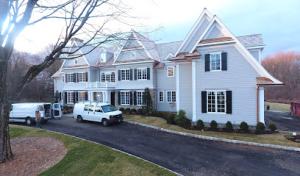
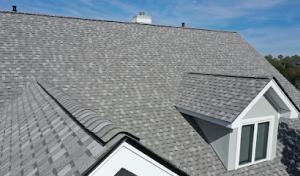
In Westport, a full roof replacement typically requires a permit rather than being treated as a purely informal maintenance job. The permit application is generally submitted by the contractor or homeowner with project details and scheduling information before work begins. The application should include a clear scope of work, roof material and underlayment choices, venting considerations, and any structural modifications that may be planned to address freeze-thaw or storm-related stress. Plan for the permit timeline to account for plan review, potential addendums, and any required code-compliance documentation. Having a precise start date helps coordinate access for material deliveries and debris containment.
Most often, the contractor handles the bulk of the paperwork, but homeowners are treated as responsible parties for ensuring accuracy and communication with the building department. Expect to provide details about drainage, attic ventilation, attic insulation, and any existing seismic or wind requirements specific to the area. The plan review will focus on roof assembly, underlayment type, and eave protection-critical factors when dealing with Westport's freeze-thaw cycles and Nor'easter exposure. If the plans call for a specialty material such as slate, concrete, or fiber cement shingles, confirm that the installation method aligns with manufacturer specifications and Westport-adopted local amendments.
After completion, Westport requires a final inspection to verify installation quality and code compliance before the job is fully closed out. The inspection typically confirms that the roof is securely fastened, flashing and penetrations are properly sealed, and ventilation and insulation meet current standards. Inspectors may also verify that waste disposal, material staging, and temporary weather protection were properly managed during the project. To streamline the process, ensure all outdoor work areas are accessible, the roof is free of debris, and any warranty or manufacturer installation documentation is readily available. If discrepancies are found, a follow-up inspection will be scheduled once corrections are completed.
Coordinate the permit and inspection timeline with anticipated weather windows, especially to avoid delays during peak freeze-thaw transitions or late-winters after Nor'easters. Communicate any changes in materials, scope, or subcontractors promptly to the building department to prevent hold-ups. Maintain a clear record of all communications, approvals, and inspection notes so that the final closure happens smoothly and all code requirements are clearly demonstrated for audit readiness.
Connecticut insurers commonly ask Westport homeowners for replacement documentation such as photos, material specifications, and a detailed contractor scope. When hail or wind damage is suspected, having clear, dated images of the roof from multiple angles, plus product datasheets for the exact shingles, tiles, or shakes used, can cut back-and-forth time. Keep a digital archive that ties each photo to a specific roof area and to the contractor's scope of work. A missing or vague item can stall the process and push you toward unnecessary out-of-pocket costs.
Claim handling for wind and hail can vary by carrier in coastal Connecticut markets, so Westport homeowners should not assume uniform coverage treatment. Some insurers may require independent engineering reviews or third-party estimates before moving forward, while others lean on the contractor's findings. Understanding your carrier's typical path early-whether you need pre-approval for temporary repairs or a full adjuster site visit-can prevent delays during a critical window after a storm.
Because Westport sits in a coastal insurance environment without a uniform statewide pullback, documentation quality can materially affect claim speed and outcome. Sloppy records or inconsistent material specs can create disputes about what was originally installed and what qualifies as covered damage. Assemble a concise package: current photos, old installation details, product specs, and a thorough contractor scope. If the file is clean and complete, the path from assessment to settlement becomes clearer, and you avoid the frustration of back-and-forth requests during freeze-thaw cycles or Nor'easters.
Connect with contractors who help homeowners navigate the claims process from damage assessment to final approval.
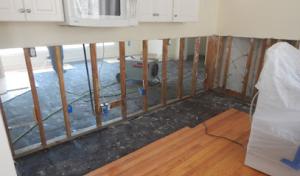
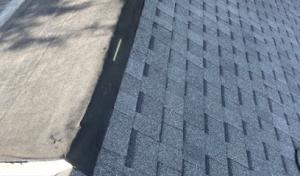
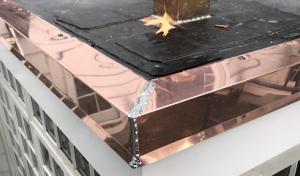
Flat and low-slope areas on additions, porches, and newer home elements require special attention to drainage and membrane integrity. In this market, many homes show mixed roofing with a main pitched roof and a flatter appendage, so plan for a dedicated drain path that steers water away from edges and interior framing. Use a continuous, properly sealed membrane with upturns at transitions to walls and behind parapets. Inspect edge detailing where parapets meet field membrane, and prioritize secure, corrosion-resistant edge metal. Freeze-thaw cycles demand robust seam workmanship and regular re-sealing of any penetrations, especially where vents or exhausts pass through the flat surface. Have a Westport-focused contractor verify that slope, fastening pattern, and deck drainage align with local wind-driven rain patterns.
Skylight installations are a frequent touchpoint for weather-related complaints in this area. Intersections between skylights and roofing are where flashing defects often appear first, sometimes before the surrounding field material shows wear. When evaluating a skylight, pay close attention to the curb flashing, sealant joints, and the transition to roofing membranes. Ensure the flashing shoes the skylight base snugly and that any layer beneath the skylight is continuous and well-lapped over the main roof membrane. In residences with tree cover, routine debris and leaf load can trap water and accelerate ice dam formation near skylights. Plan for regular clearing of surrounding debris and an annual inspection of flashing and glazing seals, especially after Nor'easters.
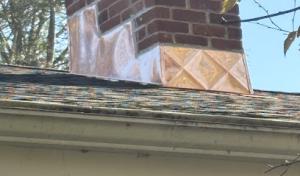
Chimneys and their flashing present persistent trouble spots due to wind-driven rain and thaw cycles. Flashing should be continuous around the base, with proper counter-flashing against the siding or brick. Look for hairline gaps, loose metal, or deteriorated sealant where the chimney meets the roof deck. Any settling or cracking around the chimney warrants prompt flashing repair, because water often travels laterally under shingles before a visible leak appears. For older homes with chimney masonry, consider re-flashing and, if needed, a careful resealing of joints to reduce infiltration risk during mid-winter squalls.
In all these areas, proactive inspections after storms are essential. Target the intersections-flat-to-membrane seams, skylight perimeters, and chimney flashings-for early attention, since those spots tend to fail before the broader field. A durable, wind-resilient approach in these details helps limit access points for moisture intrusion during freeze-thaw cycles.
Find specialists in TPO, EPDM, and built-up flat roofing systems for residential and commercial properties.
Late spring through early fall is the preferred replacement window in this coastal town because winter snow cycles and spring Nor'easters make scheduling less reliable earlier in the year. Those storms can disrupt deliveries, create ice buildup on scaffolds, and push projects into a tight post-storm rush. If you're planning, aim to lock in start dates once the soil is firm and the wind forecast looks calm for a solid two weeks. A clear first week of June or a stretch in September often yields the smoothest phasing from tear-off to cleanup.
Summer heat and humidity can affect crew pace and material handling even when weather is otherwise favorable. Asphalt shingle bundles feel heavier, tarps can shift, and ladders need more frequent stabilization on longer days. Plan for longer daytime windows and add a contingency day or two for heat-related slowdowns. Keep hydration and shade logistics in mind, and coordinate with neighbors about attic venting and nasal glare from midday sun to reduce glare-related delays.
Fall leaf accumulation in tree-lined streets can hide drainage issues and make pre-winter inspections more important on older roofs. Debris buildup can mask gutter blockages, fascia rot, or sagging valleys, so schedule a thorough inspection after leaf drop. If gutters clog, water may back up under shingles during early winter thaws. A mid-to-late fall window is workable, but prioritize the orderliness of the roof surface and drainage paths before any frost sets in.
Coordinate roof work with a plan for cleanup and debris containment, especially on narrow residential lots where neighboring yards share space. Consider a mid-project walkthrough with the crew to verify ventilation, attic insulation, and drip-edge alignment. For tree-shaded homes, pre-wall inspection and blown-in insulation checks can prevent later cold-season moisture issues. A well-timed schedule minimizes disruptions and supports a long-lasting seal against the region's freeze-thaw cycles.