
Last updated: Apr 19, 2026
Norfolk-wait, correct to Norwalk context: Your roofface and eaves sit in a uniquely exposed position along Long Island Sound. Coastal wind-driven rain during nor'easters can slam the roof edge from multiple directions, finding gaps and undersides that aren't meant to take a dozen rounds of storms each winter. That means the lowest edges, gutters, and the transition from roof to attic are under constant pressure. If soffit vents are blocked or improperly sealed, the moisture that rides in on a strong gust concentrates at the eave line, accelerating rot and reducing shingles' life. The practical consequence is clear: you can't treat the edge as an afterthought. Inspect, seal, and ventilate the edge thoroughly, especially around flashing at chimneys, skylights, and dormer intersections where wind paths funnel moisture onto the roof deck.
The city's cold winters and repeated thaw cycles turn eaves and lower roof edges into a battleground. Ice dam formation is a leading concern at gutters and around poorly ventilated attic transitions. When warm attic air escapes into the roof deck, it melts snow near the ridge while the cold air at the eaves refreezes along the gutter line, creating a dam that traps water behind it. The result is water backing up into soffits, fascia, and ceiling joints. Action here must be proactive: ensure attic insulation is continuous with no gaps, add or maximize soffit and ridge ventilation to maintain a cold roof surface, and install proper step and flashing seals where roof planes meet walls or vent stacks. If ice forms along the edge after a heavy freeze, don't delay: check for ice dam buildup and address the source right away to prevent interior leaks and ceiling staining.
Edge failures aren't just about shingles lifting in wind; they're about flashing that fails under repeated freeze-thaw cycles and salty coastal spray. Improperly seated flashing around vents, dormers, and chimney penetrations invites water entry behind the gutters and into the fascia board. In Norwalk's climate, flashing must be corrosion-resistant and securely integrated with a continuous sealant line. Inspect after every major storm and before the spring melt. If you see wrinkled flashing, gaps at corners, or damp patches spilling onto the fascia, treat it as a red flag. Immediate resealing, reseating, and, if needed, replacement of compromised flashing ensures the edge remains a barrier rather than a failure point during coastal wind events.
Autumn coastal storms and spring wind events can interrupt roofing schedules in Norwalk, so timing and temporary dry-in planning matter more here than in milder inland markets. If a storm window is expected, schedule critical edge work - flashing reseal, gutter guards, and attic ventilation tuning - ahead of that window. A temporary dry-in plan can protect the interior during a rain-heavy period while final repairs are brought online. When work is delayed by a storm, prioritize securing loose shingles and ensuring water cannot penetrate at the edge through tarping and quick sealants. Delays in edge repair can amplify damage in a short time, especially with salt-laden winds that corrode exposed metal and degrade sealants.
This climate rewards a proactive rhythm. Create a fall edge inspection checklist that focuses on gutter clarity, fascia condition, flashing integrity, and attic ventilation balance. After heavy coastal storms, perform a focused edge check before the next round of weather; identify lifted shingles, corroded flashing, or gaps where wind-driven rain can travel along the edge, and address them promptly. A well-sealed perimeter with robust ventilation not only reduces ice dam risk but also limits damage from the next Nor'easter, the next thaw, and the next coastal wind event.
Norwalk presents a broad mix of older single-family homes, shoreline properties, and newer construction, so contractors regularly encounter both steep-slope systems and low-slope sections on additions, porches, and multifamily buildings. This variety means the choice of roof type is rarely a one-size-fits-all decision. When assessing a roof, consider how the existing neighborhood aesthetic will read from the street, as well as how the roof visually ties into dormers, chimneys, and siding materials. A balanced approach preserves curb appeal while accommodating modern performance needs, especially on shore-front lots where salt spray and high winds are factors. In practice, most renovations aim to harmonize with the prevailing character of the block while upgrading underlayment, flashing, and ventilation to meet current climate demands.
The local contractor signal mix shows strong demand for asphalt shingle work, cedar shake service, metal roofing, tile roofing, skylight repair, and flat-roof expertise in the same city. Asphalt shingles remain a common, practical choice for many Norwalk homes due to familiarity, ease of installation, and broad color options that align with existing facades. Cedar shakes are valued in classic neighborhoods for their texture and warmth, but require regular maintenance and vigilant ventilation, especially in damp summers. Metal roofing offers excellent wind resistance and longevity, making it appealing for coastal properties or modern additions where a sleek, durable look is desired. Tile options-clay or concrete-fit certain architectural cues, particularly in newer constructions or homes with Mediterranean or Tuscan-inspired styling, but consider weight and flashing requirements on older structures. Synthetic or composite shingles provide a versatile, lower-maintenance path that can mimic traditional textures while enhancing wind performance and insulation.
Because Norwalk housing stock is varied rather than uniform, material choice often depends on matching existing neighborhood architecture while upgrading underlayment, flashing, and ventilation for current weather demands. Steep-slope roofs are common on older single-family homes and shoreline properties, where snow melt, ice dam risk, and wind-driven rain test the eaves and fascia. For those setups, upgrading to a higher-quality underlayment, integrated ice-dam barriers, and properly phased ventilation helps reduce damage during freeze-thaw cycles. Low-slope sections appear on additions, porches, and some multifamily buildings; these areas demand careful attention to flashing transitions, drip edges, and drainage details to prevent pooled water and wind-driven leaks. In both cases, the goal is a seamless transition between roof planes that respects the existing silhouette while delivering dependable weather resistance.
The Long Island Sound climate introduces humidity in the summer and brisk, drying winds in more exposed areas. Ventilation becomes a practical cornerstone of performance, reducing condensation under shingles and prolonging the life of underlayment. In Norwalk, attention to chimney and skylight flanges, along with continuous ridge ventilation, helps manage heat buildup and moisture. When choosing materials, consider how well a given system handles salt exposure and occasional coastal spray. For shore-front homes, enhanced corrosion resistance in metal components, plus sealant choices compatible with salt-laden air, can extend service life. For additions and porches, ensure that any new roof ties in with the attic's airflow plan so that cold-weather drafts don't undermine insulation performance.
As roofs age, upgrading flashing, reinforced valleys, and ridge caps becomes a practical priority, particularly on roofs with complex geometry or multiple penetrations. Matching shingles, shakes, or tiles to the existing architectural language helps preserve neighborhood character while enabling updated underlayment and ventilation. In Norwalk, this translates to a thoughtful blend of durable materials that respect the house's scale and line while delivering improved resistance to ice dams, wind-driven rain, and seasonal humidity. The result is a roof that not only withstands the climate but also sits comfortably within the local streetscape.
In Norwalk, flat-roof and low-slope sections are a frequent source of call-backs, especially where the coastal climate meets aging hardware. Ice dams, wind-driven rain, and coastal storm wear put extra pressure on these transitions, and skylight penetrations are a common leak path when flashing or ventilation around the shaft isn't up to the task. When a roof system has to handle both lingering moisture from humid summers and rapid freeze-thaw cycles in winter, attention to detail in these zones becomes the practical difference between a durable roof and repeated headaches.
Low-slope transitions around porches, dormers, rear additions, and where a steep main roof ties into a smaller, flatter section are the likely trouble spots. Look for signs of moisture pooling, blistering, or soft spots at the edges where flashing meets the deck. In Norwalk, wind-driven rain can push water past marginal seals during coastal storms, so check the up-and-down seams and any coating or membrane over aged substrates. Regular inspection after heavy rain or snowmelt helps catch early failures in these areas. When you see ripples in a rubber or built-up surface, or you notice a persistent damp patch on the ceiling below, treat the issue as a priority before it worsens with seasonal temperature swings.
Skylights are especially vulnerable in a damp coastal climate. Condensation can accumulate in skylight shafts and around curb flashings, sometimes mimicking a leak even when the actual culprit is inadequate ventilation or a failing seal. Pay attention to the flashing at the curb, the sealant line around the skylight, and any interior condensation on the glass during humid days. Ensure the ventilation around the skylight shaft is unobstructed and that there is a clear path for warm air to exit the attic or soffit area. Increases in humidity in the summer can reveal hidden moisture issues, so perform seasonal checks that focus on both the exterior flashing and the interior ceiling near the skylight.
Homes with mixed rooflines require extra scrutiny where a steep roof meets a porch roof or a dormer transitions into a lower-slope section. These junctions are prone to ice dam buildup and to wind-driven leakage if the flashing steps are misaligned or if the drainage plane is interrupted. Inspect step flashing along the intersection, ensure proper shingle overhangs at the transition, and verify that any penetrations through the lower slope-vents, wiring, or exhausts-are properly flashed and sealed. Pay particular attention to any signs of trapped moisture behind vertical surfaces where water can back up during freezing rain.
Develop a simple, practical inspection routine. After heavy coastal storms, check the skylight area and all low-slope junctions for signs of movement, dried sealant failure, or loose flashing. In spring, look for moss or algae growth that can retain moisture on flat sections. In the hottest part of summer, test for interior condensation near skylights and vented areas; the presence of humidity there can indicate insufficient ventilation. Routine maintenance and timely resealing or flashing repairs in these zones prevent small issues from becoming costly, storm-related failures.
Find specialists in TPO, EPDM, and built-up flat roofing systems for residential and commercial properties.
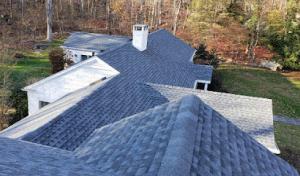
Madera's Roofing
(203) 820-4517 www.maderasroofing.com
329 Flax Hill Rd, Norwalk, Connecticut
5.0 from 50 reviews
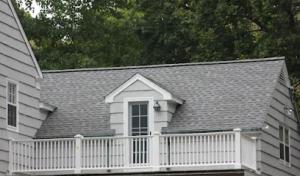
Phil's Main Roofing
(203) 308-5765 philsmainroofing.com
12 Pearl St, Norwalk, Connecticut
4.9 from 56 reviews
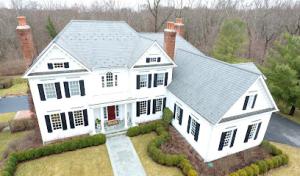
Gold Coast Roofing
(203) 984-0634 www.goldcoastroofingllc.com
34 Hollow Tree Rd, Norwalk, Connecticut
5.0 from 22 reviews
Late spring through early fall is typically the best replacement window for Norwalk because crews can avoid the worst snow, ice, and repeated winter thaw cycles. Start projects after the last heavy frost and before the first autumn Nor'easter, when rain is common but temperatures stay moderate enough to work steadily. This timing reduces the risk of rain delays while the roof is exposed, and it keeps施工 crews on a predictable schedule before the coast climate shifts again.
Summer humidity in Norwalk affects attic heat and moisture behavior, so replacement projects should not focus only on shingles but also on ventilation performance. Have the roofer assess soffit, ridge, and gable vents, along with any existing attic fans. A properly vented attic helps prevent heat buildup that can dry out sealant and underlayment prematurely, while reducing condensation risk once the roof dries. If insulation is aging or degraded, plan for a quick upgrade concurrent with the roof replacement to maintain energy efficiency and moisture control.
Scheduling before autumn nor'easters is especially valuable in this coastal city because heavy rain and wind can test a newly dried-in roof before final completion. Ask for a clearly defined dry-in period with protective coverings and a plan for wind-driven rain events. On الموقع, align the crew's sequence so decking and underlayment are secured ahead of any storm windows, and ensure tarping or temporary barriers are ready if a late-season system sweeps through.
Coordinate with neighbors about parking and staging areas to minimize disruption during a busy window. Confirm that the crew will bring flexible material handling for coastal debris, and request a cleanup checklist for post-dry-in finishing. If the forecast shows heat spikes, consider scheduling partial days to keep ambient temperatures manageable for adhesive lines and sealants.
Understand that coastal exposure means wind-driven rain and spray can challenge even well-sealed roofs. A thoughtful season plan that emphasizes ventilation, storm readiness, and staged work ensures a durable result when the first autumn winds arrive.
Get a clear picture of your project costs upfront - no commitment required.
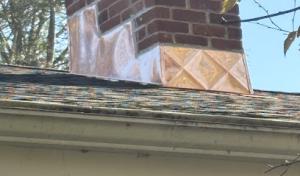
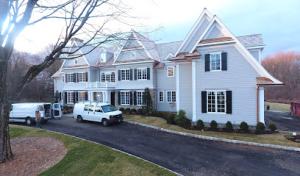
JM Roofing & Siding
(203) 299-0716 jmroofsiding.com
7 Woodacre Rd, Norwalk, Connecticut
4.7 from 28 reviews
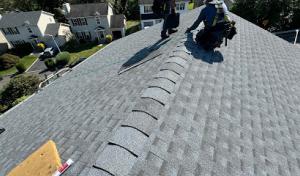

Roofing Solutions of CT
(203) 838-0235 www.roofingsolutionsofct.com
1 Morgan Ave 3rd floor, Norwalk, Connecticut
5.0 from 74 reviews
Serving Fairfield County, CT & Westchester County, NY - Roofing Solutions of CT is a highly-rated roofing contractor specializing in premium roofing solutions for distinguished properties. We are licensed and insured in both CT and NY, providing homeowners with long-lasting roof repairs, roof replacements, siding installation, gutters, and utilizing premium materials such as metal, cedar, slate, and composite tiles. At Roofing Solutions of CT, we take pride in delivering top-tier service, expert craftsmanship, and high-quality exterior upgrades to homeowners throughout Fairfield County and beyond. Our experienced team ensures your home is protected with superior materials and industry-leading warranties.
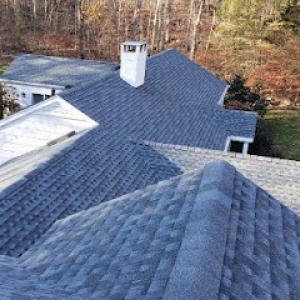
Madera's Roofing
(203) 820-4517 www.maderasroofing.com
329 Flax Hill Rd, Norwalk, Connecticut
5.0 from 50 reviews
Madera's Roofing, established in 2005, specializes in top-notch roofing and gutter cleaning services, catering to clients throughout Fairfield County, Connecticut. With an impressive 17-year track record of delivering exceptional craftsmanship and unwavering dedication to customer satisfaction, Madera's Roofing stands as a trusted partner for all your roofing and gutter needs.
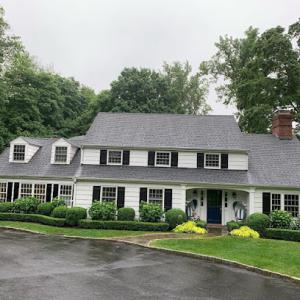
H & J Roofing
(203) 857-4810 www.hj-roofing.com
8 Woodchuck Ct, Norwalk, Connecticut
4.9 from 64 reviews
H & J Roofing Provides Roofing, Siding, Gutters & Windows to the Norwalk Connecticut Area
Phil's Main Roofing
(203) 308-5765 philsmainroofing.com
12 Pearl St, Norwalk, Connecticut
4.9 from 56 reviews
Phil's Main Roofing provides commercial and residential roofing and roof repairs, roof coating, gutters, siding, and windows to Norwalk, CT and surrounding areas.
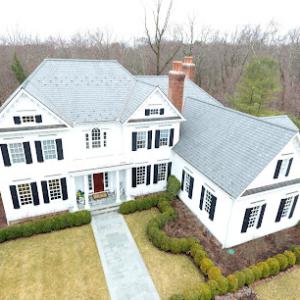
Gold Coast Roofing
(203) 984-0634 www.goldcoastroofingllc.com
34 Hollow Tree Rd, Norwalk, Connecticut
5.0 from 22 reviews
Making the decision to replace your roof is hard. Finding the right roofing company is even harder. Today’s industry is flooded with many unqualified contractors. I started toting bundles of shingle up the ladder during the summer vacations at 12 years old. 40 years later, my passion for construction still burns. My first construction company W.A.E. Construction formed over 20 years ago and was so successful with services to mainly high-end homes that it became a private business taking only word of mouth clientele. With many flaws in today's industry, I decided to create Gold Coast Roofing to expand our business and to make high-quality roofing services available to all homeowners, at affordable prices.
Leon Restoration
(203) 223-7801 www.leonrestoration.com
8 Lark Ln, Norwalk, Connecticut
5.0 from 20 reviews
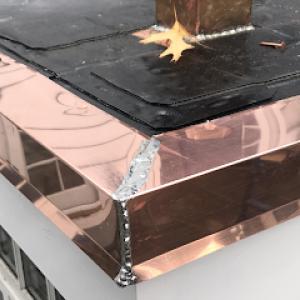
Serving communities in and around Greenwich and Norwalk for over 35 years has granted us recognition as one of the area’s most trusted interior and exterior contractors. As a full-service contracting company, we have the expertise and equipment to handle every aspect of your residential or commercial construction project. Whether you need help with renovations, a new roof or structural repairs, our team is committed to delivering exceptional results and ensuring your project runs smoothly from start to finish.

Rick's Main Roofing
(203) 838-5858 www.ricksmainroofing.com
26 Fitch St #2, Norwalk, Connecticut
4.6 from 87 reviews
Emergency Services Available 24/7 📞 Call us now: 203-838-5858 Rick's Main Roofing offers a full spectrum of roofing services, including roof repairs, roof installations, roof inspections, and roof maintenance to Norwalk, CT and surrounding areas. Trust our expertise for all your roofing needs, ensuring durability, reliability, and aesthetic appeal for your property. With our commitment to quality craftsmanship and customer satisfaction, your roof is in good hands.
Trepovich Roofing & Home Details
Norwalk, Connecticut
5.0 from 16 reviews
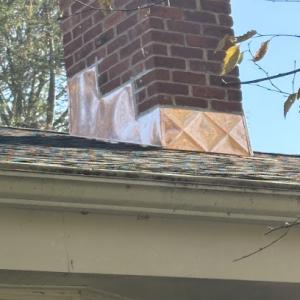
We specialize in providing home solutions to our customers. Our services include a free, transparent, itemized estimate which includes any kind of roofing system, siding, cedar roof, slate, metal and copper details. We strongly adhere to any local codes and we guarantee our work.
Js Construction Services
99 Ward St, Norwalk, Connecticut
5.0 from 14 reviews
Roofing Contractor in Norwalk.
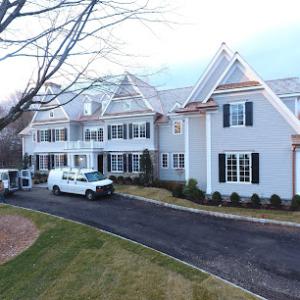
JM Roofing & Siding
(203) 299-0716 jmroofsiding.com
7 Woodacre Rd, Norwalk, Connecticut
4.7 from 28 reviews
For over 18 years, we have been a family owned and operated residential roofing and siding company serving New Canaan, Greenwich, Stamford, Darien, Westport, Wilton, and Norwalk areas. Our neighborhoods have diverse rooftops to accentuate the style of individual homeowners. We can service a wide variety of roof types, including all types of shingles, cedar shake roofs, flat roofs and copper roofs. We rely on premium products from respected brands like GAF and Certainteed. When it comes to siding, we only trust Hardie Board. As a highly rated member of the Better Business Bureau, we offer our clients a free estimate on all services. We have emergency roof repair services so we can be there when you need us most. Contact us now at 203-299-...
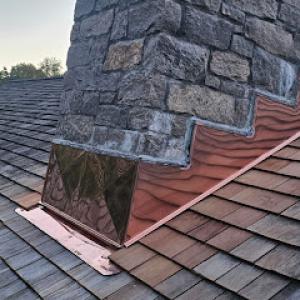
JR Home Improvement
6 Olean St, Norwalk, Connecticut
5.0 from 13 reviews
Roofing, Siding, Gutters Call Us ! 203-947-8932 roofing in norwalk ct
Norwalk Roofing
(203) 855-5700 www.norwalkroof.com
273 Fillow St, Norwalk, Connecticut
4.6 from 31 reviews
Our mission for professional roofing services is simple...Offer our clients high-quality new roofs and roofing repairs done right for a fair price with complete customer satisfaction. We are experts with over 16 years experience in asphalt roofs, slate roofs, cedar shake roofs and rubber roofs (for commercial applications) as well as siding in cedar, vinyl, and other materials. We also install and repair skylights, soffits, fascias, gutters and downspouts. Whether you need a new roof, siding, gutter installation or copperwork, we can offer a competitive price with lasting value.
Provided local pricing ranges run about $350 to $650 per square for asphalt shingles, $700 to $1100 for metal, $950 to $1700 for clay tile, $900 to $1600 for concrete tile, $600 to $900 for wood shingles or shakes, and $550 to $900 for synthetic or composite shingles. When budgeting, use these per-square figures to compare bids side by side, and translate them into a full roofing project by counting that one square equals 100 square feet. In Norwalk, sharper prices show up when a job involves a mix of steep-slope and low-slope sections or multiple roof planes, which is common on newer coastal-adapted homes and older shoreline structures alike.
Costs in Norwalk can rise when homes have complex rooflines, mixed steep-slope and low-slope sections, skylights, chimney flashing work, or material choices intended to fit older neighborhood architecture. A roof that needs extra flashing around chimneys and vents, or that requires careful integration with existing dormers or skylight enclosures, tends to push price higher. If the project involves integrating new materials with the home's original look-especially clay or concrete tiles in a neighborhood with historic-style homes-expect additional labor for precise pattern matching and careful detailing around hips, valleys, and ridge lines. These nuances are routine here, so factor them into your bid comparisons rather than assuming a flat per-square cost.
Storm-driven demand spikes after wind, hail, or coastal rain events can tighten scheduling in Norwalk and Fairfield County, which can affect labor availability and project timing. When a big coastal storm hits, crews may be stretched thin, and lead times for material delivery can extend by days or weeks. Plan for a slightly longer window if your project starts in late winter or early spring, when crews sometimes juggle multiple repairs after freeze-thaw cycles. If your roof includes multiple rooflines or unusual angles, reserve a cushion for temporary protection during delays and for potential weather-related interruptions that can impact installation sequence.
Start with a professional inspection to identify ice dam risks, wind-driven vulnerabilities, and flashing failures around chimneys and skylights, since those issues drive both cost and durability in this climate. Gather bids that itemize underlayment, fasteners, flashing, and ventilation components so you can see where premium upgrades-like higher-grade underlayment or enhanced ridge ventilation-fit your budget. For homes with mixed materials or historic accents, request samples and a color plan early, as some neighborhoods favor specific aesthetics that influence material choice and installation detail. In Norwalk, a well-planned roof replacement not only withstands coastal weather but also respects the local streetscape and architectural character.
Don't let upfront costs delay a critical repair - these contractors offer payment plans to fit your budget.
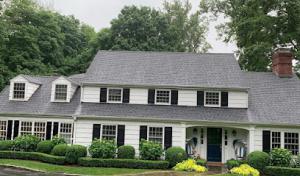
H & J Roofing
(203) 857-4810 www.hj-roofing.com
8 Woodchuck Ct, Norwalk, Connecticut
4.9 from 64 reviews
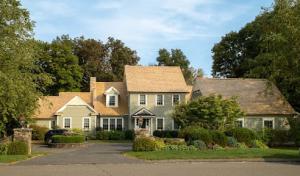
Connecticut Roofing Solutions
(860) 245-9665 www.connecticutroofingsolutions.com
Serving
5.0 from 11 reviews
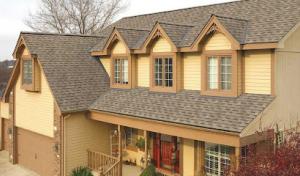
In Norwalk, full roof replacements usually require a building permit through the Norwalk Building Department before work begins. That permit is not a formality; it ensures planned materials, proper attachment, and adherence to local code requirements that respond to coastal winds and freeze-thaw cycles. Before signing a contract, confirm the contractor will file for the permit and that all proposed work aligns with current daylight hours, setback rules, and any neighborhood-specific quirks. Skipping this step can lead to rework, fines, or delays when inspectors notice improper fastening or inadequate ventilation.
Norwalk inspections are typically staged during and after installation to verify attachment, ventilation, and underlayment, with a final inspection needed to close the permit. Expect a crew to be asked to demonstrate proper underlayment coverage, proper nailing patterns for the chosen material, and functional attic ventilation. Because coastal climate and freeze-thaw cycles stress flashing and edge detail, inspectors will pay close attention to how valleys, dormers, and chimneys are sealed. If any component doesn't meet code, repairs must be performed before the permit can be closed. Plan for additional visits, which can extend the project timeline and impact weather windows.
Some Norwalk neighborhoods may have additional requirements or project quirks, so homeowners should confirm expectations with the local Building Department before signing a contract. Zoning overlays, historic district considerations, or approved color palettes for certain blocks can influence the choice of materials and ventilation strategies. A prudent approach is to contact the building office early, share the contractor's planned scope, and obtain a written outline of any special conditions. When in doubt, ask for a copy of the permit approval notice and verify that all planned work matches what's documented. This upfront check minimizes delays when weather and storms are imminent.
In Connecticut, storm-related roofing claims are common, and Norwalk homeowners should expect insurers to require thorough documentation including before-and-after photos, scope of work, and material lists. After hail or wind events affecting Norwalk, adjusters may perform on-site inspections and may revise claim decisions based on the roofing contractor's documented recommendations. The practical takeaway is to keep a clear, dated record of every step: photograph every angle of the roof before repair, capture the underside of decking and flashing, and request a detailed written scope from the contractor that matches the observed damage.
When an adjuster visits, bring the contractor's written assessment and a complete materials list. This market's realities mean that instant conclusions can shift once the contractor's recommendations are documented and presented. Be prepared to walk the roof with the adjuster, pointing out wind uplift areas, blown shingles, exposed underlayment, and any signs of water intrusion inside attic spaces. If you notice ice dam indicators, note their locations and share your contractor's plan for improved attic ventilation and insulation during the claim discussion. Keeping the contractor's contact information handy helps ensure the claim aligns with field observations, not just cosmetic appearances.
There is no uniform statewide insurer pullback in Connecticut, but careful documentation is especially important in a coastal storm market like Norwalk where damage can involve both wind uplift and water intrusion. Documented recommendations that address flashing, attic venting, and membrane integrity carry weight when insurers assess storm-related risk. Consistent, thorough records help protect you from later disputes and support timely, accurate claim decisions in the wake of a coastal weather event.
Connect with contractors who help homeowners navigate the claims process from damage assessment to final approval.
Roofing Solutions of CT
(203) 838-0235 www.roofingsolutionsofct.com
1 Morgan Ave 3rd floor, Norwalk, Connecticut
5.0 from 74 reviews
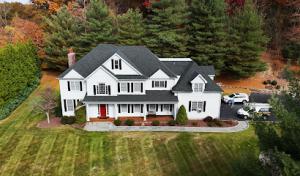
Asphalt shingles remain a dominant choice because they fit the broad range of home styles found around the Sound and are easier to replace after localized storm damage than heavier premium systems. In this market, that practicality matters when a storm blows off a few shingles or mid-winter freeze-thaw cycles loosen edges. Wood shingles and shakes still hold appeal for coastal character homes, but humid summers and coastal moisture call for diligent maintenance, good ventilation, and timely replacement to prevent moisture-related issues from taking hold. You'll see metal, clay, concrete, and synthetic roofs in the mix, so weight, detail, and curb appeal all factor into the decision. A Norwalk roof should balance architectural intent with the ability to shed wind-driven rain and resist salt-laden spray during coastal storms.
Your climate cycles between freeze-thaw winters and humid summers, which makes ventilation and flashing especially critical. Ice dams are a recurring concern in cold snaps, so ridge vents, soffit intake, and properly installed drip edges help keep attic temperatures even and reduce meltwater backups. Coastal moisture accelerates fasteners and underlayment wear, so choose assemblies with corrosion-resistant components and robust underlayment to maintain a dry roof deck. For shingles, a product line proven in wet-air environments offers better long-term performance than those designed solely for dry inland conditions. If you lean toward metal or tile, verify that fasteners and sealants stand up to salt exposure and wind uplift in Norwalk's coastal winds.
Maintenance matters more here than in drier inland areas. Regular inspections after winter thaws and late-summer storms catch edge lift, flashing gaps, and vent blockages before moisture penetrates. Ventilation, attic insulation, and proper attic bypasses help reduce ice dam risk and heat buildup that accelerates wear. When mismatches occur between roof color or texture and the home's style, prioritize a solution that minimizes wind resistance while preserving visual harmony with neighboring historic and contemporary facades.