Last updated: Apr 19, 2026
Cold winters bring snow and repeated freeze-thaw cycling that can open small gaps around slate, cedar, and tile fasteners and flashings. When water sneaks in and then freezes, it expands and widens those gaps, letting moisture work deeper into fasteners, underlayment, and edge details. In contrast, warm, humid summers near Long Island Sound add moisture exposure that can accelerate moss, algae, and moisture retention on shaded roof sections. Over time, that moisture sits against the roof surface longer, promoting slow degradation of underlayment and fastener corrosion in exposed areas. The city's dominant material mix-slate, wood shingles or shakes, clay tile, and concrete tile-means many homes carry heavier, more repair-sensitive systems than an asphalt-only market. You'll notice that when problems appear, they tend to progress quietly and require deliberate attention rather than dramatic storms alone.
Slate is elegant and durable, but in this coastal-influenced climate its natural strength can mask micro-fractures that widen with flush cycles. Cedar shakes look great when new but are highly reactive to moisture and sun; the cedar's grain can split or cupping can develop, inviting water into the core as fasteners loosen. Clay and concrete tile handle moisture differently: clay tiles are porous and can absorb humidity, while concrete tiles can be heavy and may crack if movement occurs around old fasteners or failed flashing. The combination of frequent freeze-thaw cycles and Long Island Sound humidity means these systems require more attentive maintenance than many inland homes.
Start with a careful seasonal check of exposed fasteners, flashings, and edges, focusing on areas where shading is heaviest and moisture pools on the roof. In winter, look for sudden changes in the slope's surface where snow lingers; later, inspect for granule loss on clay or concrete tiles and for any new moss growth on slate. Moss isn't just a surface issue; it holds moisture against the material, speeding freeze-thaw wear and inviting root-like fibers that can pry apart joints or loosen fasteners. In cedar, monitor for feathering, cupping, or grain opening, especially near dormers, valleys, and eaves where moisture concentrates. In all materials, any sign of rust or corrosion on exposed metal details is a red flag to check flashings and sealants.
In late fall, prepare ahead by cleaning gutters and ensuring downspouts drain away from the foundation. In winter, monitor for ice dams, especially on steeper slopes with shade; consider an interior insulation check in attic spaces to reduce warm air leakage that feeds melt-water toward the eaves. In spring, focus on moss and algae control in shaded sections; use a gentle cleaners and soft brushing to avoid scratching slate or loosening cedar fibers. Summer moisture invites ongoing vigilance for staining and moisture pockets; keep an eye on roof sections that stay damp after rain.
If you notice persistent damp patches, recurring moss growth in the same shaded zones, or any metal flashing that shows rust or loosening, arrange a targeted inspection. A Darien-roofing pro can assess whether fasteners need reseating, flashings require sealant refresh, or valleys need reunderlayment. For slate and cedar, a careful, measured approach to repairs preserves the material's life while addressing the climate-driven wear pattern you'll see along the coast. For tile roofs, prioritize checking for cracked tiles and ensuring the fixings are secure enough to resist seasonal expansion without compromising the roof plane.
Keep drainage clear to avoid ponding water on the roof surface, especially on shaded, humid sections. Maintain proper attic ventilation to reduce interior moisture that can accelerate exterior deterioration. Use non-abrasive, manufacturer-approved cleaning methods when addressing moss or algae to minimize wear on slate or cedar. If you're planning any add-on features or skylights, coordinate flashing details early to prevent heat and moisture hotspots later in the season. Continuous, mindful maintenance will help premium steep-slope roofs hold steady through Darien's unique blend of cold, wet winters and humid summers.
Connect with specialists in the installation and restoration of natural cedar shake and shingle roofs.
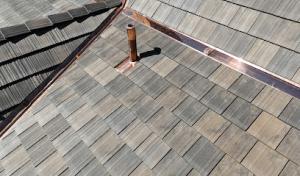
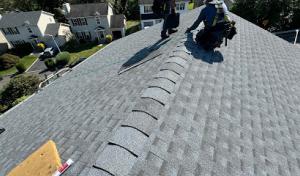
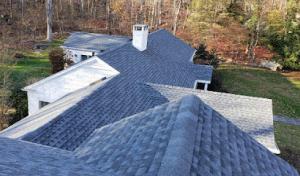
Spring in this coastal town brings bursts of heavy rain that can expose vulnerable spots during tear-off and replacement scheduling. When steep-slope roofs with slate, cedar, or tile are opened for reroofing, the underlayment and flashing are stressed just as the storms roll in. Water can track around chimneys, vent stacks, and along loose seams, especially if a crew is juggling tear-off and installation in the same week. That means active leaks can appear even before the new roof is nailed down. If a forecast calls for multiple inches of rain, you need a plan: stage the work so critical flashing gets done before any visible leaks form, and ensure temporary water management is in place-tarps, downspout routing, and quick-seal measures on valleys. This is not the season to assume weather will hold. A single nor'easter can find a flaw in a corner detail and turn it into a soggy surprise.
Autumn wind events are a real breaker in these premium steep-slope homes. Sharply rising gusts can lift shakes or loosen slate, clay, or cement tiles enough to create micro-leaks along rakes and hips. Debris driven by wind-branches, pine needles, and gutter clogs-quickly piles into valleys and around chimneys, where it can trap and redirect water. In a market where chimney-related work is commonly advertised, a rushed repair or overlooked flashing can become a pathway for moisture entering dormer joints or flashing around a chimney cricket. The result is a cascade of small leaks that feel unpredictable until a late-season rain hits. Proactive inspection of ridge lines, end caps, and metal flashings after windy spells is essential. If anything looks lifted or cracked, address it before winter's first storm track forms.
Winter snow loads and ice-related stress leave damage that does not become obvious until spring rain begins entering around flashing details. Ice buildup can lift shingles ever so slightly and pry at step flashing, creating hidden gaps. When the thaw starts, those gaps reveal themselves as sudden leaks around chimneys, vents, and transitions to walls. The risk is heightened on slate and cedar, where long-term moisture intrusion can undermine fasteners and underlayment. A thorough spring diagnostic should target flashing at chimneys, vent pipes, and roof-to-wall transitions, plus an assessment of valley metal and end dams. If a winter event left visible frost cracks or loose shingles, treat them as warning signs rather than cosmetic issues. Immediate corrective action saves a smaller problem from becoming a larger, costlier repair once the rains return.
Coordinate scheduling to minimize tear-off exposure to forecasted rain-heavy days. Have flashing and drainage-valleys, around chimneys, and transitional areas-ready for priority work early in the project. After any high-wind spell, perform a quick exterior check: look for lifted or cracked shingles, disturbed flashing, and blocked gutters. If signs of moisture appear inside walls or ceilings, contact a trusted local roofer without delay to pinpoint whether leaks stem from flashing, flashing seals, or valley intersections. In Darien, the window between winter and spring is narrow; use it to secure a tight, weather-resilient installation that can withstand the next round of coastal storms.
When you can't wait, these contractors offer fast response times to stop leaks and prevent further damage.
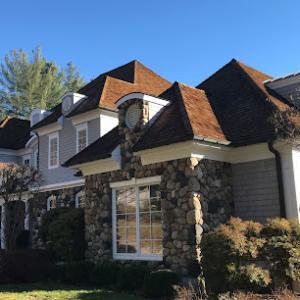
Cedar Solutions CT
(203) 685-3055 www.cedarsolutionsct.com
Darien, Connecticut
4.3 from 6 reviews
Cedar Solutions CT is the most experienced cedar roof specialists in CT. Our intent is to save your cedar roof by cleaning and treating the shingles that are subjected to the harsh summers and winters. Proper maintenance for your cedar roof will not only prolong the life, but will also enhance your curb appeal. Who doesn't want the largest portion of their home to stand out! We also do shingle repairs if they are missing, loose or cracked and of course diagnosis and repairs of any leaks. In the past year we have extended our services to either section or full replacements if your roof has not been maintained and cannot withstand our service. We also offer copper gutters, flashing, cupolas or chimney caps.
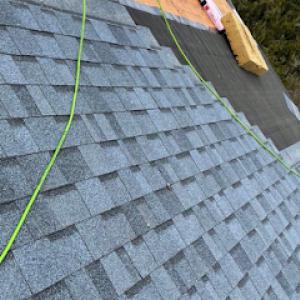
Casa Bella Exteriors
(475) 619-0393 www.casabellaroofingllc.com
Serving
4.9 from 120 reviews
Specializing in all of your exterior needs, Roofing, Siding, Gutters and Copper work
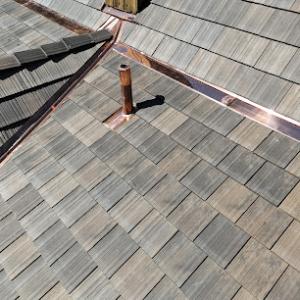
Gunner Roofing
(866) 262-6005 www.gunnerroofing.com
Serving
4.9 from 591 reviews
Explore unparalleled exterior home solutions with Gunner Roofing in the Eastern region of the US, covering the diverse architecture of New England and the Mid-Atlantic. Our expertise extends to a variety of roofing types, windows, and siding, exclusively offered in the Northeast states of Connecticut, New York, New Jersey, Massachusetts, Pennsylvania, and Rhode Island. We understand the unique architectural nuances and historical importance of homes in this area, ensuring a harmonious blend of aesthetic appeal, functionality, and preservation of architectural integrity. Elevate your home’s presence with Gunner Roofing's dedicated service in the East.
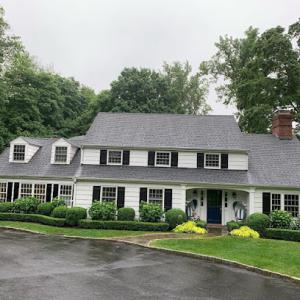
H & J Roofing
(203) 857-4810 www.hj-roofing.com
Serving
4.9 from 64 reviews
H & J Roofing Provides Roofing, Siding, Gutters & Windows to the Norwalk Connecticut Area
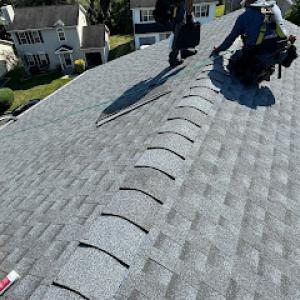
R&A Remodeling & Roofing
(203) 202-4234 www.randaroofing.com
Serving
5.0 from 127 reviews
R&A Remodeling & Roofing provides roof repairs, replacements, new roof installations, chimney flashing, chimney caps, gutters, and roof maintenance for homes and businesses across Connecticut. Based in Stamford, we work with asphalt shingles, metal roofing, slate, wood shingles, flat roofing, and rubber roofs. Our team is licensed and insured, with strong experience serving Stamford, Greenwich, Darien, New Canaan, Norwalk, Fairfield, and nearby towns. Contact us for a free estimate.
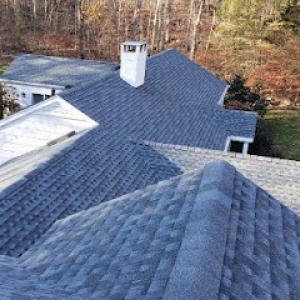
Madera's Roofing
(203) 820-4517 www.maderasroofing.com
Serving
5.0 from 50 reviews
Madera's Roofing, established in 2005, specializes in top-notch roofing and gutter cleaning services, catering to clients throughout Fairfield County, Connecticut. With an impressive 17-year track record of delivering exceptional craftsmanship and unwavering dedication to customer satisfaction, Madera's Roofing stands as a trusted partner for all your roofing and gutter needs.

One Stop 360
Serving
4.2 from 53 reviews
At One Stop 360, we've always prided ourselves on 18 years of building a relationship with our clients before ever focusing on the profitability of a project. Surprising our customers with the competitiveness of our project bids, and then delighting them with the superiority of our work, we've set ourselves apart from other handyman and renovation services. Approaching home remodeling and repair from a different angle altogether, it is our highest goal to become your preferred home contractor.

Ga Castro Construction
(800) 838-8186 www.gacastroconstructionllc.com
Serving
5.0 from 66 reviews
G.A. Castro Construction is a locally owned and operated general contractor based in Stamford and Guilford, Connecticut. We specialize in residential and commercial roofing, siding, gutters, copper work, and full storm restoration services. With years of experience in the construction industry, our team is fully licensed, insured, and committed to delivering high-quality craftsmanship and reliable customer service. Our offices are located at: 1200 Summer St, Unit 203, Stamford, CT 06905 1300 Boston Post Rd, Guilford, CT 06437 We serve clients throughout Fairfield and New Haven counties, helping homeowners and businesses protect and enhance their properties with trusted solutions and expert care.
K&C Home Services
(203) 280-3662 kchomeservicesllc.com
Serving
5.0 from 25 reviews
🏗️ K&C Home Services was built with the commitment to ensure cost-effectiveness and high-quality in every construction project we are hired to work on for the community of Stamford, CT and the surrounding areas. 🔰 Our company was founded under the great values of: • Professionalism • Commitment • Diligence • Cost-Effectiveness 📞 Contact our team today and get a free estimate 📝 for any of the services that we offer. We are more than ready to start working on your projects — our goal is to exceed your expectations and always provide you with the best quality 🛠️. ✅ Contact our professional and reliable company today to save time and money on your upcoming construction project!
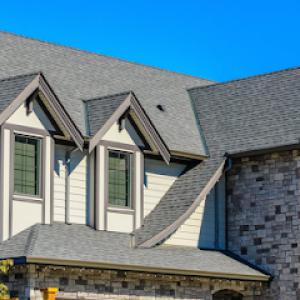
North East Interiors & Exteriors
Serving
4.8 from 16 reviews
Building customers for life
Gold Coast Roofing
(203) 984-0634 www.goldcoastroofingllc.com
Serving
5.0 from 22 reviews
Making the decision to replace your roof is hard. Finding the right roofing company is even harder. Today’s industry is flooded with many unqualified contractors. I started toting bundles of shingle up the ladder during the summer vacations at 12 years old. 40 years later, my passion for construction still burns. My first construction company W.A.E. Construction formed over 20 years ago and was so successful with services to mainly high-end homes that it became a private business taking only word of mouth clientele. With many flaws in today's industry, I decided to create Gold Coast Roofing to expand our business and to make high-quality roofing services available to all homeowners, at affordable prices.
Trepovich Roofing & Home Details
Serving
5.0 from 16 reviews
We specialize in providing home solutions to our customers. Our services include a free, transparent, itemized estimate which includes any kind of roofing system, siding, cedar roof, slate, metal and copper details. We strongly adhere to any local codes and we guarantee our work.
The best replacement window in Darien is typically late spring through early fall, when conditions are more favorable for installation and inspection scheduling. That window aligns with the seasonal lull after winter and before the peak of autumn storms, which helps crews complete tear-offs, dry-ins, and final punch lists without weather interruptions. If a schedule slips, aim for early summer with careful planning to avoid the hottest weeks, particularly on steep-slope roofs where access and material handling become trickier. Coordinating a dry, calm stretch between late spring rains and crisp autumn days minimizes rework and keeps premium materials moving toward full performance sooner.
Summer heat and humidity can affect installation tightness and material handling, especially on dark steep-slope roofs that absorb more heat. On slate, cedar, and tile, heat can push installers toward accelerated tarping and rapid fastener work, which risks over-tightening and compression damage if not monitored. Plan for afternoon heat by scheduling more conservative daily targets and allowing longer cure times for sealants and underlayment adhesives. In Darien, coastal humidity also elevates the risk of moisture trapped under underlayment during late-day work; ensure crews field-drench inspect and ventilate properly, and verify that roof penetrations and flashing details stay dry before final sheath and coating. For steeper pitches, consider staged days that split the job into morning and late-afternoon shifts to maintain worker safety and material integrity.
Winter conditions in Darien can delay tear-offs, underlayment dry-in, and final punch-list work even when emergency repairs are still possible. Cold temperatures slow adhesives and sealants, while frost and dampness hinder shingle seating and slate or tile bedding practices. If a winter window is unavoidable, prioritize emergency repairs to prevent moisture intrusion, then schedule the full replacement as soon as the weather moderates. Snow accumulation and freezing cycles also complicate material staging and on-roof handling, increasing the risk of slips and damage to premium materials. When winter work occurs, expect extended timelines and concentrate on critical elements first: weatherproofing of eaves, proper flashings, and secure temporary protection of exposed areas.
Coastal humidity layered onto Connecticut's freeze-thaw winters stresses premium steep-slope roofs in unique ways. Slate, cedar, and clay or concrete tiles respond to repeated freeze-thaw cycles with micro-cracking, expansion, and intermittent leakage if fasteners loosen or flashings degrade. In a typical replacement window, use moisture-aware crews who track dew points and keep conditions controlled during installation. Pay attention to ventilation and insulation details at the eave line and ridge, where coastal moisture tends to migrate and condense. A well-sequenced installation that remains mindful of temperature swings helps extend the life of premium materials, preserving color, texture, and performance through Connecticut winters.
Get a clear picture of your project costs upfront - no commitment required.
In this market, you'll see asphalt shingles priced from about $420 to $900 per square, reflecting Darien's mix of standard and premium installations. Premium options, especially near waterfront sections or atop older colonial dormers, push toward the upper end when upgraded underlayment or higher wind resistance is included. For premium materials, slate runs roughly $1,000 to $1,800 per square, a reflection of the town's blend of coastal climate, historic detailing, and complex layouts.
Costs in Darien are often pushed upward by premium materials common in the town, including slate, cedar, clay tile, and concrete tile. Cedar shakes and shingles, clay and concrete tiles, and slate not only carry higher material prices but frequently require more specialized crews and longer install times. That combination tends to widen labor budgets, especially on homes with distinctive rooflines, chimneys, and multiple transitions. If a project calls for hand-cut slate or custom millwork, anticipate a step up in both material and labor costs.
Steeper, more complex roofs associated with older Fairfield County colonial and custom homes can increase labor time, staging needs, and detail work around chimneys and roof intersections. For steep slopes, the cost per square can rise due to safer access requirements, more careful flashing work, and longer material handling. If a roof includes multiple ridgelines, dormers, or intricate valleys, plan for additional hours in both material cutting and installation, regardless of the chosen product.
If the goal is long-term performance in a coastal, freeze-thaw setting, allocating more for premium materials and skilled labor pays off. For steep, detailed roofs, expect not only higher material sticker but also extended installation timelines and staging costs that can influence overall project timing and budget.
The most popular roofing material in the US. Find pros who install, repair, and replace asphalt shingles.
In Darien, a building permit is typically required for a full roof replacement. The Town of Darien Building Department handles permit applications and inspection scheduling for roofing work. Understanding the timeline helps avoid project delays during the busy spring and fall windows when steep-slope roof replacements are most common on the upscale homes in town. Permit processing commonly takes about 1-2 weeks depending on department workload, and a final inspection is usually required to confirm installation and code compliance. Planning ahead for this cycle is essential, especially for projects timed to coordinate with weather windows when the freeze-thaw cycle is least disruptive to newly installed underlayment and deck protection.
Your first step is to confirm that the roof replacement qualifies for a permit under Darien's code. Gather a project description, roof type, and material details-especially if replacing premium steep-slope materials like slate, cedar, or tile. The Building Department often requires a scaled roof plan and a description of eave and penetration details, plus vendor specifications for the selected products. Because coastal humidity and Connecticut winters place additional demands on flashings and intersections, include notes on improved water management at valleys, dormers, chimneys, and HVAC penetrations. Submitting clear, complete drawings reduces the back-and-forth and shortens the review window. If your project involves any electrical work for attic venting or heat cables for snow and ice management, prepare the relevant permits or amendments to avoid miscommunication at the counter.
Once the permit is issued, the final inspection is typically required to verify that installation matches the approved plan and that all components meet current code. The Building Department will specify inspection milestones, often including an initial inspection during or after the removal of old materials, a mid-point inspection for underlayment and flashings, and a final inspection upon completion. Expect weather-related scheduling flexibility, as a few days of rain or cold snaps can complicate exterior work, especially on steep slopes. Have a designated on-site supervisor who can confirm that sheathing, underlayment, and ventilation meet local standards before inspections. A successful final inspection confirms proper nailing patterns for slate, cedar, or tile, and ensures proper waterproofing transitions at roof-to-wall interfaces common on the town's historic and newer houses alike.
A frequent delay arises when the submission lacks project details specific to premium materials. Cedar and slate installations in coastal climate demand precise flashing at rake edges and dormers, plus corrosion-resistant metal choices for coastal humidity. If a contractor plans to use synthetic or composite options, ensure the product data aligns with Darien's code expectations for wind uplift and fire resistance. Seasonal windows are tighter around the holidays, so anticipate a potential 1-2 week buffer in scheduling. In case of a dispute or unclear interpretation of the plan, the Building Department's plan reviewer can offer targeted guidance-especially for projects involving slate repair or partial replacement where the integrity of the roof deck and ventilation is critical to long-term performance.
Connecticut insurers commonly ask Darien homeowners for roof age, prior damage history, and replacement cost estimates before approving a claim. Because Sutton-like coastal humidity and repeated freeze-thaw cycles press a premium roof's seams and fasteners, you want a clear timeline: installation date, any repairs, and known issues from previous winters. Collect manufacturer specifications, warranty language, and service records from any previous contractors. Photos taken before and after storm events provide a baseline that helps an adjuster distinguish new damage from preexisting wear.
Adjusters may request project photos and a post-installation warranty, making documentation especially important when damage follows winter weather or storm events. In tight coastal weather, a single wind-driven breach on slate, or a split cedar shake, can trigger a broader claim if the photos show hail impact, granule loss, or moisture intrusion. Prepare digital copies and keep originals in a weatherproof folder. If a timeline is required, note the year the roof was installed, the material type, and any replacement components (underlayment, flashing, ridge caps) used at that time.
Premium materials like slate and tile are common in Darien, and insurers weigh both material type and the replacement cost estimate when evaluating coverage. The coastal humidity, coupled with freeze-thaw cycles, tends to shorten life and magnify hidden damage in steep-slope roofs. Having a detailed description of the installed material, its expected lifespan, and recent maintenance can influence claim approval and settlement speed.
Storm season and post-storm assessment periods are when documentation becomes critical. Photos captured after a winter event, alongside a clear record of any wind or ice-related damage, help connect the claim to winter weather rather than preexisting conditions. A well-organized file reduces back-and-forth and supports a smoother resolution when the weather from the prior season was harsh.
Connect with contractors who help homeowners navigate the claims process from damage assessment to final approval.

Local contractor signals show unusually frequent chimney-related roofing coordination in this market, matching the older home stock and complex roof penetrations common here. When a chimney is involved, expect multiple points of failure: crown cracking, masonry deterioration, and flashing that meets a steep-slope roof. A coordinated repair plan should treat the chimney as part of the roof system, not a separate piece. If there is a history of chimney leaks, prioritize flashing around the base, transición where the chimney meets the tiles, and any stepping of shingles or slate that could trap moisture. Have the roofer verify the flashing, counterflashing, and sealant compatibility with slate, cedar, or tile, since improper transitions are common culprits on premium roofs.
Skylight service is a meaningful specialty locally, suggesting homeowners often need leak diagnosis at curb and flashing transitions rather than only field-of-roof repairs. When leaks appear, inspect the curb flashing first, then the sealant joints around the skylight units. A recurring issue is flashing deterioration where the skylight frame meets the roof surface, especially on steeper pitches. A targeted approach is to reseal the curb, replace failing flashings, and ensure proper drainage away from the unit. If multiple panel leaks occur, the issue often lies in the flashing transitions rather than the glass.
Flat and low-slope sections are actively serviced in Darien, indicating many homes or additions combine steep main roofs with lower-slope porches, dormers, or rear sections. These areas require a different membrane detail and careful edge termination. Ensure the low-slope surface receives a compatible underlayment and a continuous, properly bonded membrane transition at the edge details to prevent water from wicking under the main roof. Regular checks after freeze-thaw cycles help catch punctures or seam splits early, before interior staining appears.
Find contractors experienced in skylight installation, flashing, and leak repairs to bring natural light into your home.