
Last updated: Apr 19, 2026
You feel the difference when wind-driven rain and humid salt air lash a roof that's already tired from decades of exposure. In this area, metal components and wood-based roofing don't just face rain; they face corrosion, accelerated wear, and cosmetic decay from salt humidity. The ocean's influence means fasteners, flashing, and roof penetrations can start to fail earlier than you'd expect in inland climates. On older homes with mixed materials, a small edge lift on metal trim or a weathered seal around a vent can spiral into a leak after a brisk coastal shower. If you've got galvanized or aluminum trim, look for dulling, discoloration, or pitting. Wooden shingles and shakes can drink in salt moisture, drying unevenly and warping over a season. The bottom line: coastal moisture isn't a nuisance-it compounds aging, increasing the odds of hidden damage behind shingles or under flashing.
Cold winters with repeated freeze-thaw cycles are unforgiving to Bridgeport roofs. Water wicks into small joints, then freezes, expanding and prying apart seals and fasteners. In older homes, joints around chimneys, valleys, and dormers are particularly vulnerable because these areas carry more movement and have more complex flashing. Ice damming becomes a stubborn, ongoing problem when heat loss at the attic boundary allows meltwater to back up under shingles and into the eaves. When ice forms along the eave, it can lift shingles just enough to create a tiny river channel that invites moisture deeper into the roof plane. The result is leaks that show up as damp spots on ceilings or staining along interior walls after a thaw or a heavy, warm storm. Every freeze-thaw cycle compounds the risk, especially if roof decking is already softened by prior moisture damage or poor ventilation.
On Bridgeport rooftipes, the first signs of trouble appear where rain and wind press hardest: eaves, roof valleys, and around penetrations like exhaust caps, skylights, and vents. Regular precipitation means small flashing failures can surface quickly, even between major storms. A mis-seated step flashing at a chimney, a loose boot around a vent pipe, or a seam in a valley that's been nicked by hail or debris can act like a calendar, marking every seasonal cycle with a damp note. Look for hairline cracks in sealant, rust on metal flashings, and narrow gaps where shingles meet the flashing. Those aren't cosmetic issues; they're early warnings that moisture is trying to find a path inside.
Schedule a focused inspection that targets eaves, valleys, and penetrations, with special attention to flashings and fasteners that show any corrosion, looseness, or cracking. Have a trusted local roofer perform a thorough assessment of any wood components or metal details exposed to salt air, especially around the coastal-facing exposures and any areas with visible aging. Proactively address signs of movement or sealant failure around vent flashings and skylights, and request a plan to reinforce or reseal joints that show wear after each winter. If a roof section bears multiple signs of wear-soft decking, recurring ice damming, or repeated flashing leaks-prioritize a targeted repair rather than a broad, temporary fix. In Bridgeport, coastal moisture and winter dynamics don't just threaten a roof; they shape how quickly aging roofs deteriorate. Acting now can keep the most vulnerable areas from becoming costly, widespread damage.
Bridgeport's housing mix ranges from steep historic roofs on older homes to low-slope and flat sections on porches, additions, and multifamily buildings. The material mix is unusually broad: asphalt shingles are common, but slate, clay tile, wood shakes, metal, and fiber cement all show up across the city's architecturally varied streets. This variety means every house has its own set of flashing details, edge treatments, and drip edge needs. When planning a repair or replacement, treat the roof as a system: the shingles or tiles, underlayment, flashing, and penetrations all interact, especially where a steep primary roof ties into a flat porch roof or a lower rear addition.
Coastal moisture, winter ice damming, and storm-driven leaks are the recurring headaches in this market. Salt air accelerates corrosion on metal flashings and fasteners, while freeze-thaw cycles push shingles and tiles apart at vulnerable seams. For steep-sloped roofs, check ridge and rake lines for wind-driven shingle lift after big coastal storms. On low-slope and flat sections, moisture tends to linger at transitions: where a dormer, chimney, or skylight meets the roof deck, or where a porch roof abuts the main house. The moisture pattern matters because leaks often surface far from the original point of entry after a heavy rain or a thaw.
Chimney work is a frequent adjacent service in this market, and many older homes have masonry penetrations that complicate flashing. The word "complicate" here matters: brick and mortar joints expand and contract with seasons, and old mortar can shrink away from metal flashings. Look for cracked or missing chimney cricket, damaged step flashing along the sides, and improper transition flashing where the chimney meets the roof. When a contractor addresses chimney flashing, confirm they install continuous counterflashing against the masonry and properly seal the base with a watertight base flashing. A sloppy chimney detail often becomes the primary leak path after a winter thaw or a coastal rainstorm.
On steep historic roofs, pay attention to ridge caps, hip corners, and valley protection where metal flashings are scarce or poorly integrated. On clay tile or slate, check for cracked units and broken interlayers around penetrations; these materials require specialty flashing and careful alignment to prevent ice dams from forming behind a clustered edge. Wood shakes demand attention to fascia rot and nail pops that can invite moisture under the protective surface. Metal roofs benefit from corrosion-resistant fasteners and properly lapped seams, especially at transitions to flat sections. Fiber cement, while durable, can splice poorly at long runs; ensure foam or gasketed joints in gutters align with the roof edge. In every case, year-round vigilance at penetrations-vents, plumbing stacks, and satellite dishes-will save trouble when winter returns.
Spring and fall wind-and-rain events are especially disruptive in this city because they can lift aging shingles, exploit older flashing details, and delay repair scheduling when demand spikes. The Long Island Sound breeze carries salt-laden humidity that corrodes metal flashing and seams over time, particularly on shingles that have already seen a decade or more of sun and weather. On older roofs, low-slope sections near the eaves can pool moisture during a sudden squall, and then refreeze as night temperatures drop, initiating ice damming that undermines the underlayment. In neighborhoods with mixed roof types, you may see wind-driven rain finding its way through ridge vents or around penetrations where flashings have degraded. The result is not always a dramatic leak, but persistent dampness that weakens decking and invites mold behind attic vents.
Connecticut insurers generally still offer broad homeowners coverage, but Bridgeport-area storm claims often require careful photo documentation and a clear record of prior roof condition. Before a claim is filed, photograph the entire roof from multiple angles, focusing on missing or lifted shingles, damaged flashing, and any visible sagging or staining in the attic after a rain. Take year-by-year photos to show pre-existing wear, since carriers will compare post-storm condition to prior evidence. Keep a dated log of events: dates of high winds, hail, or heavy rain, and notes on when leaks Were first observed inside the home. If possible, arrange a professional roof inspection quickly after a storm and obtain a written assessment that explains how observed damage connects to the event and what areas were pre-damaged. This documentation reduces back-and-forth with adjusters and helps distinguish new damage from aging deterioration that existed before the storm.
Replacement decisions after storms are influenced by prior damage history, local wind exposure near the Sound, and whether the roof already had age-related deterioration before the event. If flashing around vent boots, chimneys, and skylights shows corrosion or is visibly torn, and the decking beneath has signs of buckling or rot, a repair may mask deeper issues that will fail again soon. Conversely, if the roof deck is sound and the damage is isolated to a few shingles or flashing, a targeted repair paired with reinforced flashing can extend life without a full roof replacement. In older neighborhoods with historic roof lines, matching materials and preserving the aesthetic can complicate decisions, so consultations with experienced local roofers who understand the wind patterns from the harbor can help guide whether a patch, partial replacement, or full reroof is the most reliable choice moving forward. Seasonal demand spikes can slow repairs, so early, proactive planning after a damaging event reduces the risk of lingering leaks and accelerates restoration.
Connect with contractors who help homeowners navigate the claims process from damage assessment to final approval.
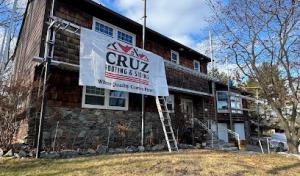
Cruz Roofing & Siding
(203) 685-2548 www.cruzroofingandsiding.com
91 Madison Ave, Bridgeport, Connecticut
4.9 from 166 reviews
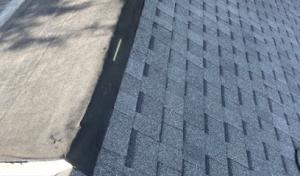
Fairfield Roofing
(203) 505-8931 fairfieldroofing.com
26 Orland St, Bridgeport, Connecticut
4.9 from 59 reviews
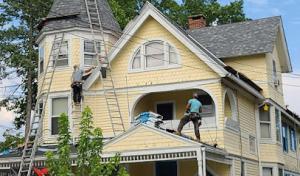
RoofTop Roofing of Connecticut, LLP
748 Brewster St, Bridgeport, Connecticut
5.0 from 13 reviews
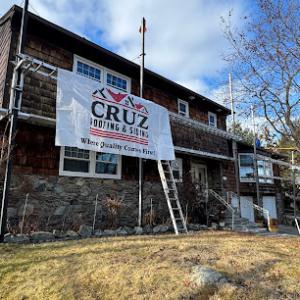
Cruz Roofing & Siding
(203) 685-2548 www.cruzroofingandsiding.com
91 Madison Ave, Bridgeport, Connecticut
4.9 from 166 reviews
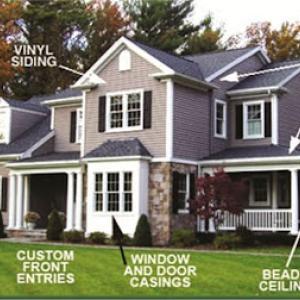
Anything extraordinary starts as a single idea. And that's exactly how our story begins. Cruz Roofing & Siding was built from a dream to provide trustworthy home improvement services at an affordable price. That is exactly what we have achieved. We started with roof replacement and today we have a fleet completing exteriors renovations from foundation to roof. Our team of the Roofing industry’s top professionals can help bring your next home improvement project to life. We value Affordability and Expertise above anything else. GET IN TOUCH to learn more about how we can help. We look forward to partnering with you.
Preference Construction, Roofing & Home Improvement
(203) 685-3725 preferenceconstruction.com
784 Fairview Ave, Bridgeport, Connecticut
4.9 from 85 reviews
Preference Construction, Roofing and Home Improvement is a full service home construction and remodeling company specializing in Roofing, Kitchen and Bathroom remodel, Window Replacement, Deck & Fence, Additions, Flooring, and much more in the New Haven & Fairfield County Connecticut area. Preference Construction, Roofing and Home Improvement offers New Home Construction, Home Improvement, Roofing, Siding, Gutters, Decks, Chimney Cleaning and Repair, Chimney Flashing, Copper Chimney, New Kitchens, Sheet Rock Repair, Taping, Painting, Interior Trim, Lock Sets, Dead Bolts, Storm Door Installs, Concrete Repair, Stone, Slate, Professional Caulking, Ceramic Tile, Carpentry, Replacement Windows, Door Replacement and more!
Fairfield Roofing
(203) 505-8931 fairfieldroofing.com
26 Orland St, Bridgeport, Connecticut
4.9 from 59 reviews
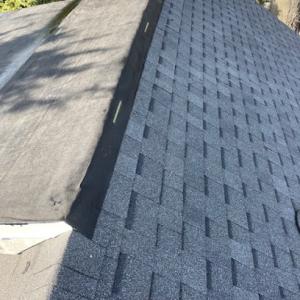
Fairfield Roofing provides reliable residential and commercial roofing services, including repairs, replacements, inspections, gutters, and emergency support from trusted local Fairfield roofers.
MSK Solutions
(203) 339-2239 www.msksolutionsllc.com
955 Connecticut Ave Suite 5305, Bridgeport, Connecticut
5.0 from 17 reviews
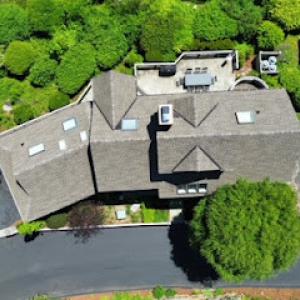
Commercial and Residential Roofing Home Improvement Serving Fairfield County and New Haven County.
A-Preferred Roofing & Contracting
(203) 333-4433 www.a-preferredroofingct.com
309 Washington Ave Suite 2, Bridgeport, Connecticut
4.9 from 17 reviews
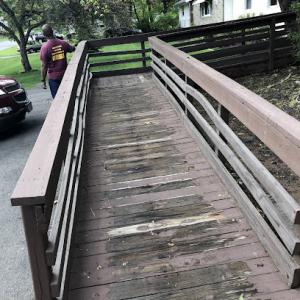
A-Preferred Construction is a fully licensed and insured general contractor with a special roofing installation & repair division located in Bridgeport, CT. Your satisfaction is our highest priority and our goal is to give you the level of attention you need; whether you're a large corporate client or you are one of our many residential customers. No job is too small or too big for us to handle. Take superior care of your home or business with our first-rate services. A-Preferred is your go-to source for any type of roofing project including small roof repairs, a whole new roof, as well as any construction project, such as new home construction, additions, kitchen remodeling, bathroom remodeling, interior built-in custom shelving, attic
RoofTop Roofing of Connecticut, LLP
748 Brewster St, Bridgeport, Connecticut
5.0 from 13 reviews
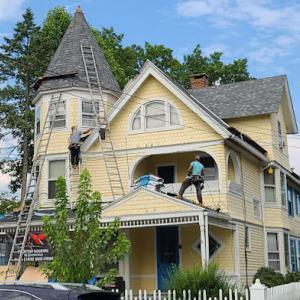
We are experts in asphalt roofing, metal roofing, gutters, chimney work, chimney flashings in lead and copper, attic ventilation, vinyl siding, skylight and window replacement. As the best roofing company operating in Bridgeport CT, RoofTop Roofing of Connecticut provides top roof installation, replacement, and repair services. We offer free roofing estimates and consultations upfront to help you figure out what roofing option is best for you and how much you want to spend. Alongside, we offer quality gutter services near Bridgeport CT. Want to see for yourself? Give us a call!
O.C. Roofing & Siding
631 Lindley St, Bridgeport, Connecticut
5.0 from 12 reviews
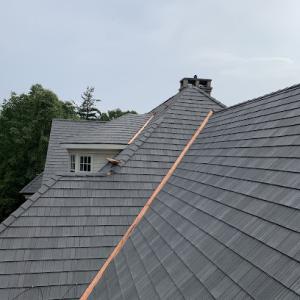
O.C. Roofing and Siding provides roofing, siding, chimney, and gutter services to the Fairfield, CT area.

Cedar & Copper
592 Ogden St, Bridgeport, Connecticut
5.0 from 12 reviews
We are Connecticuts premier cedar roofing contractor, with over 20 years of experience in the roofing industry. We also offer siding, gutters, architectural sheet metal work, and many more services. We offer free quotes, are dedicated to what we do, & guarantee beautiful craftsmanship.
Premium Roofing & Masonry
(860) 984-7881 www.premiumroofingmasonry.com
Bridgeport, Connecticut
5.0 from 4 reviews
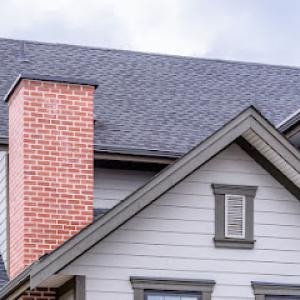
Premium Roofing & Masonry provides roofing and masonry services in Bridgeport, CT and suurrounding areas.
Ecuaroofing & siding
258 Orland St, Bridgeport, Connecticut
5.0 from 4 reviews
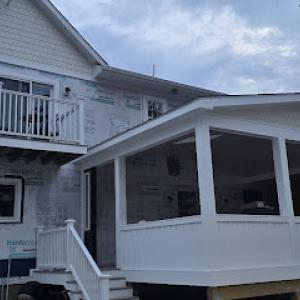
Ofrece todo los servicios de reparación Techos nuevos y mucho más
Kerigan's Roofing
(203) 296-9697 keriganroofing.com
Serving
4.9 from 35 reviews
Kerigan's is a Connecticut Family name in business for over 30 years. We take pride in our work and strive to give the best price possible. We are Fast to return customers calls and Reliable to complete your job in a clean and neat manner.
Sp Roofing
(203) 898-1218 sproofingllc.com
Serving
4.8 from 65 reviews
Roofing,contractors siding painting gutters
In this city, homeowners commonly compare a wide spread of material costs because the market includes budget-driven asphalt re-roofing and higher-end replacement work on slate, tile, and specialty historic-looking roofs. Asphalt shingles sit at the low end, typically running from about $420 to $800 per square. Metal roofing can run from roughly $750 to $1,300 per square, while clay tile ranges from about $1,100 to $2,600. Wood shingles/shakes are usually $650 to $1,100, slate can be $1,500 to $3,400, and fiber cement shingles come in around $600 to $1,000 per square. These ranges reflect Bridgeport's mix of older homes and newer, coastal-influenced rebuilds.
Costs can rise on older homes where tear-off reveals multiple roof layers, deteriorated decking, chimney flashing issues, or complex rooflines with dormers and additions. In such cases, the project quickly shifts from a simple re-cover to a full replacement with reinforcement of underlayments, proper ventilation, and careful flashing around chimneys and valleys. Expect extra labor and materials for decking repairs and for re-establishing a solid, weather-tight base before the new roof goes on.
Pricing can also move upward after regional storm periods when emergency demand increases. When crews swing into high gear to respond to leak calls and urgent replacements, material procurement and scheduling pressures can widen the window between quote and start date, and may nudge costs up modestly. Bridgeport's coastal exposure means these storms can cluster, especially in late summer and early fall, affecting both timing and total project cost.
Choosing a higher-end material like slate, tile, or stronger metals may carry a higher upfront price, but it can deliver long-term durability in bridgefront conditions, where wind-driven rain and salt air challenge seals and edges. Conversely, asphalt remains a practical, cost-effective choice for many budget-conscious replacements, particularly when the roof is straightforward and decking is solid.
Another budgeting lever is whether you're replacing only the roof or upgrading related components (venting, flashings, drainage). Labor scalability matters in neighborhoods with complex rooflines or elevated structures, and the presence of dormers or chimneys often adds to the complexity and price. In any case, plan for contingencies-Bridgeport weather can surprise even well-sealed installations.
Get a clear picture of your project costs upfront - no commitment required.
RoofTop Roofing of Connecticut, LLP
748 Brewster St, Bridgeport, Connecticut
5.0 from 13 reviews

A full re-roof in this city typically requires a permit through the local building department rather than being treated as informal maintenance. The permit signals that the project will involve more than simply replacing shingles and may include removal of old roofing, underlayment work, and any necessary structural or drainage adjustments. For homeowners with older houses, that formal step helps ensure that the roof structure and supporting elements meet current safety standards and are able to handle coastal moisture and winter conditions.
The city's review process generally includes plan review, permit issuance, and inspections at key stages. Plan review is your opportunity to align material choices, roof pitch, and any specialty details with local expectations. Once a permit is issued, inspections occur at pre-installation, underlayment, and final completion. Each checkpoint is designed to verify that the installation will resist wind-driven rain, ice damming, and salt exposure that characterize this area's climate and shoreline influences.
Because of the mix of steep historic roofs and low-slope urban roofs, inspection timing matters when replacing specialty materials or when structural repairs are discovered after tear-off. If the existing roof has aged decking, saturated sheathing, or concealed damage, the inspector may require confirmations of board thickness, nailing patterns, and ventilation updates before you proceed. For homes with wood shingles, slate, or clay tile, expect extra scrutiny around fasteners, proper flashing at penetrations, and drainage transitions to prevent wind uplift and water intrusion. If any retrofit is needed to address long-standing leaks or moisture intrusion, the plan review will factor that into the scope before approval.
Timing between tear-off and reinstallation matters because bridges between layers can trap moisture. The pre-installation inspection ensures that the roof deck is clean, dry, and structurally sound. The underlayment inspection confirms correct material type, overlaps, seam sealing, and protection against ice damming. The final completion inspection verifies that penetrations are properly flashed, ventilation is adequate, and gutters and downspouts are integrated with the roof to channel moisture away from the home. Throughout, inspectors look for signs that coastal humidity, winter freezes, and wind-driven rain have been accounted for in the design.
Have permit drawings, product specifications, and any engineering notes ready for review. Document any existing damage with photos and notes to guide the inspector through tear-off findings and subsequent repairs. If a replacement involves mixed materials or attempts to match historic detailing, the plan review will want clear justification and a compatible installation method. Remember that timely communication with the building department can help you avoid delays stemming from hidden deterioration uncovered after tear-off.
In the coastal moist climate and winter freeze-thaw cycles, your old roof's vulnerabilities show up on paper before they do on the surface. Homeowners should expect adjusters to ask for dated photos, repair invoices, and evidence distinguishing storm damage from wear and tear. The strain on older roofs-patches, chimney leaks, and long-term moisture intrusion-can complicate claim approval, so precise records are essential to protect coverage decisions.
Seasonality matters locally because claims filed after spring or fall storm periods are often evaluated against known regional wind and rain events. Start a file that captures maintenance history, shingle replacements, and any temporary fixes that were performed after a storm or sustained moisture intrusion. Include documentation of when attic or ceiling moisture first appeared, and note any interior signs of leaks that correspond to roof line areas or flashing around chimneys and vents.
Document everything with clear, dated photographs that show the roof surface, framing elements, and any visible interior damage tied to the roof line. Keep repair invoices and contractor notes that identify what was addressed, what materials were used, and the timeline of the work. If prior patches or recurrent leaks exist, collect technician assessments that distinguish new storm impacts from ongoing moisture issues. A well-organized packet helps the adjuster see the whole story, reducing back-and-forth and the risk of misclassifying damage.
A coastal climate plus an older housing stock means you'll encounter a broad range of roof types, from historic steep pitches to low-slope urban systems. That diversity demands installers who can handle specialty methods beyond a standard asphalt tear-off. When a roof system leans toward coastal humidity and winter freeze-thaw cycles, the installation must account for moisture migration, salt exposure, and fastener compatibility with unusual deck substrates. The right crew can translate the common warranty language into real-world performance on these Bridgeport homes, where a one-size-fits-all approach often falls short.
Warranty value tends to be higher when a roof faces both winter freeze-thaw stress and coastal humidity. In practice, this means installers should emphasize workmanship performance beyond a basic material guarantee. Pay attention to how warranties address edge details, flashing transitions, and fastener corrosion resistance. The combination of salt air and cold snaps tends to reveal installation defects faster, so a robust warranty that stands up to these conditions is a practical safeguard. Look for language that covers wind-driven leaks, ice dam protection, and long-term deck integrity.
The local contractor pool includes a meaningful number of firms advertising manufacturer-backed workmanship or material warranty support. This is not mere marketing-these programs typically require standardized training, documented installation procedures, and scheduled inspections. When a contractor can point to an approved installer network or a third-party warranty administrator, it adds a layer of accountability. In Bridgeport, this means greater assurance that a specialty roof-whether metal, slate, or fiber cement-has been installed to meet the exacting expectations of coastal and freeze-thaw climates.
Ask for references from projects with similar climate challenges, and request evidence of factory training for the specific product. Verify what on-site steps the crew takes to protect adjacent historically styled details or steep historic roofs, and confirm how inspections are handled under warranty. Ensure the installer can articulate the interaction between substrate, underlayment, and the chosen system in the context of coastal moisture and winter ice dam risk. A clear warranty path, supported by a local installer network, helps ensure long-term performance on Bridgeport homes.