Last updated: Apr 19, 2026
Stratford sits directly on Long Island Sound, so homes near the shoreline face stronger salt-air exposure and coastal wind than inland Connecticut towns. That combination accelerates corrosion on metal flashings and fasteners, and it ages shingles and underlayment faster when storms slam salty spray against the roof deck. The wind-driven rain from coastal storms is not a quiet nuisance-it finds its way around flashing, at roof edges, and through penetrations if the membrane has any wear or gaps. In short, the sea's bite makes leaks more likely during a storm, and those leaks can start in one small seam and spread quickly to attic spaces and interior ceilings.
During a storm, wind-driven rain tends to push rain under any existing vulnerabilities. Look closely at flashing around chimneys, vents, and dormers, plus the transitional areas where roof meets siding. In older homes with village-era footprints, flashing often has aged or been altered over decades, creating weak points. Roof edges and eaves are especially vulnerable when wind gusts push moisture up and over, and the Sound's salt air accelerates corrosion on metal components. Remember that a leak may start as a narrow wet line along a ceiling seam or a dark spot on the attic sheathing that doesn't look dramatic until the next storm cycle.
If a storm is delivering heavy rain, prioritize stopping the flow at the exterior first. Use a tarp if you can safely reach the roof, weighted down and anchored away from high winds, to cover a known vulnerable seam or flashing while you arrange professional repairs. Inside the house, protect ceilings and walls by directing water into a bucket and placing clean towels or blankets to catch drips. In attics, check for signs of moisture or staining on rafters and insulation, because leaking roof coverings can introduce condensation and mold risk that compounds structural concerns. The moment you notice active leakage, minimize further exposure by closing any interior pathways-utility rooms, closets, or hallways-that could route moisture into living spaces.
The best defense against repeat coastal leaks is a proactive plan aligned with Stratford's climate realities. Regular exterior inspections after nor'easters or tropical-storm setbacks help catch compromised flashing, loose shingles, or worn sealants before a storm hits. In coastal settings, replacing vulnerable metal flashings with corrosion-resistant materials and upgrading roof edge details to better shed wind-driven rain can dramatically reduce leak risk. When planning repairs or replacements, consider material choices that fare well against salt air and high winds, and prioritize decks and parapets that may channel water toward roof boundaries. A well-sealed roof deck and robust, watertight flashing are your first line of defense against the next coastal deluge.
Storm season demands concrete steps to protect interiors. Keep a ready-to-deploy tarp kit and basic tools for temporary exterior containment. Maintain clear access to attic pull-downs or hatchways so you can safely inspect and respond after a storm without extensive disruption. If moisture reaches insulation or rafters, address it promptly to avert mold growth and wood rot that can silently undermine structural integrity. After the storm, do not delay professional assessment-delayed repairs in a shoreline context can let exterior problems metastasize into interior chaos, especially in older homes with attic spaces historically prone to leaks.
For typical Stratford homes using asphalt shingles, expect installed costs in the neighborhood of about 350 to 700 USD per square. That range reflects common local labor and material choices, seasonal weather factors, and the need for weatherproof detailing around chimneys and vents. If metal roofing is chosen, budgeting around 700 to 1300 USD per square is sensible, especially when extra sealing and flashing are needed to stand up to long island sound salt air and storm cycles. Heavier options like clay or concrete tile push costs higher, with clay tiles around 1000 to 2000 USD per square and concrete tiles from roughly 900 to 1600 USD per square. Slate, when used on coastal or older homes with architectural details, can run from 1400 to 2800 USD per square due to material weight, deck preparation, and the need for careful matching to historic look.
On older properties, tear-off work often reveals decking that's compromised after repeated winter snow, spring rain, and humid summer exposure. If decking is wet or deteriorated, replacement costs rise because you're paying for removal of old material and reinforcement of the roof deck before new layers go on. This can add a meaningful bump to the overall project in Stratford, especially if the home has multiple generations of roof layers or irregular framing. In practice, that means a contingency assumption of 10-20 percent extra for decking issues is not unreasonable when planning a replacement after heavy cycles of weather.
Historic or architecturally older properties can push labor and material costs higher, beyond the base per-square figures. Planning complexity grows when you need precise material matching for color, texture, and profiles, or when roof geometry includes towers, dormers, or decorative brackets. Expect longer job timelines and more precise installation work to preserve the home's character, which translates into higher labor hours and potential specialty materials. In Stratford, those factors frequently tilt the project toward the upper end of the local cost ranges, especially if you're aiming for a faithful look and long-term performance against salty air and wind-driven rain.
Start with a visual inspection to identify obvious wear, then get two local quotes that itemize deck prep, underlayment, and flashing for coastal conditions. If you have an older or historic property, ask for a couple of material-matching options and a staged plan that shows where premium detailing would be needed. Build in a reserve for weather-related delays and for the possibility of added decking work, which is common after extended wet seasons. Finally, compare the long-term value: a higher upfront cost on a durable system can save more frequent repairs in a climate shaped by storms and humidity. Stratford homeowners who follow a careful, detail-oriented plan tend to emerge with a roof that stands up to coastal exposure and looks right for the neighborhood's character.
Kellner Home Improvement
(203) 254-4447 kellnerroofing.com
185 Cutspring Rd, Stratford, Connecticut
4.9 from 92 reviews
We have been serving Stratford Connecticut and the surrounding area with Quality Residential & Commercial Roofing & Roof Repair Services For Over 26 Years. Family owned and operated by Saul Robles, Kellner has carefully established a reputation for providing quality workmanship on their roofing, re-roofing, roof installation and roof maintenance programs. We are regarded as one of the best roofing contractors in Fairfield & New Haven Counties. Whether it's a new asphalt shingles, wood shingles or even a new copper roof for your home consider us as your preferred Stratford roofer. Or if you need a simple roofing repair, emergency roof repair or have recent storm damage our licensed Stratford roofing company is the one to call.
White Home Products
(203) 336-5334 www.whitehomeproducts.com
225 Benton St, Stratford, Connecticut
4.9 from 61 reviews
White Home Products Provides Remodelling, Window Replacement, Roof Replacement Services, Vinyl Siding, Door Installation, Vinyl Siding Installation, Decking & Railing Systems to the Stratford, CT Area.
Santos Construction Group
(203) 858-1939 santosconstructiongroup.com
542 Honeyspot Rd, Stratford, Connecticut
5.0 from 32 reviews
Roofing and Siding
LA Barnaby & Sons
425 Benton St, Stratford, Connecticut
4.9 from 82 reviews
Since 1947, LA Barnaby & Sons has been a trusted family-owned roofing company in Stratford, Connecticut. We take pride in providing a range of roofing services to Fairfield and New Haven counties. Whether you need roof repairs, new installations, or emergency services, we are here to help! In addition to roofing, we provide high-quality services for siding, gutters, and skylights to improve your home's exterior. Our experience and expertise are evident in our impressive portfolio, where each completed project stands as a testament to our team's commitment to excellence.
Sp Roofing
(203) 898-1218 sproofingllc.com
26 Clover St, Stratford, Connecticut
4.8 from 65 reviews
Roofing,contractors siding painting gutters
Rodyben7 Construction LLC- Roofing & Siding
(203) 309-9656 www.rodyben7builders.com
Headquarter Office, 197 Victory St, Stratford, Connecticut
4.8 from 61 reviews
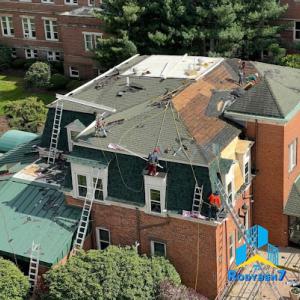
Rodyben7 Construction commitment has always been to deliver the highest quality workmanship through integrity and hard work ethic, as we add significant value to our client's home for the most affordable market rates. Our client's satisfaction and smiles at the delivery of our final work is our inspiration and reward. We can help you with any project you have in mind. With more than 10 years of experience, our crew is ready to handle all aspects of home improvement. We can handle all aspects of home improvement; interior and exterior, residential and commercial.
T&C Roofing & Construction
(203) 727-0858 tcroofingconstruction.com
180 King St, Stratford, Connecticut
4.8 from 39 reviews
Looking for an affordable, yet professional, Bridgeport roofing company? T&C Roofing & Construction provides expert roofing services throughout Fairfield County for both residential and commercial customers. In addition to our roofing services, we’re a full-service team that can help you repair, or install, skylights, chimneys, gutters and vinyl siding – we also offer power washing services. No matter the size or layout of your roof, let our Bridgeport roofing company take on your roof repair or roof replacement needs. Call today to schedule a free estimate!
Burr Roofing, Siding, & Windows
(203) 318-4851 www.burr123.com
11 Corinthian Ave, Stratford, Connecticut
4.6 from 81 reviews
For over 56 years, Burr Roofing, Siding, & Windows has been a trusted Connecticut exterior remodeling company specializing in custom exteriors and outdoor living transformations. We proudly serve Connecticut homeowners with roofing, siding, windows, doors, decks, porches, and full exterior renovations. Proudly offering custom StruXure cabana and pergola systems, designed to elevate outdoor living with style, comfort, and functionality. Through every phase of your renovation project, our talented home improvement contractors will be there to bring your dream exterior to life!
Integrity Home Services
(203) 922-2408 www.integrity-home-services.com
110 Morning Dew Ln, Stratford, Connecticut
5.0 from 13 reviews
Integrity Home Services has become a trusted and respected name in Southern Connecticuts residential roofing industry.IHS was established in 1991 and is located in Stratford CT.We service all of Fairfield and New Haven Counties. We are fully licensed and insured. IHS offers a full line of roofing products and services. Roof replacement, roof repairs, gutters, skylights, flashings and roof ventilation to name a few.We also offer roof inspections.All our work is performed with a personal call to integrity, excellance and customer satisfaction. With a focus on timely completion of contracts. Quality craftsmanship in all installation procedures and clear, open, honest communication with each of our clients. Ask about our financing options.

Brothers Restoration
(203) 584-0620 brothersrestorationct.com
361 Masarik Ave, Stratford, Connecticut
5.0 from 11 reviews
Brothers Restoration is Fairfield County’s trusted expert in high-end roofing systems, specializing in custom metal roofing, shingle roofing, and flat roof installations. We craft and install precision standing seam metal roofs, copper panel systems, custom flashing, and flat roof membranes for both residential and commercial properties. Homeowners, builders, and contractors across Greenwich, Darien, New Canaan, Westport, and beyond count on us for long-lasting, watertight, and architecturally striking roofing solutions. Whether you're looking for a premium metal roof or a traditional shingle roof, Brothers Restoration delivers excellence, built to last.
Marquez Roofing
(203) 962-3699 marquezroofing-llc.com
374 McKinley Ave, Stratford, Connecticut
4.6 from 28 reviews
Marquez Roofing provides roofing services in Stratford, CT area.
Valley Iron Roofing
128 Auburn St, Stratford, Connecticut
5.0 from 8 reviews
Affordable roofing excellence in Westlake Village and nearby communities - Valley Iron Roofing. Quality doesn t have to break the bank. Expert roof repairs, replacements, installations at fair prices. Licensed contractor with financing options, manufacturer warranties, and commitment to your satisfaction throughout Westlake Village.
Stratford generally requires a building permit for most full roof replacements. The process is designed to ensure storm-resilient materials and proper flashing, especially for homes near the Long Island Sound. Before any tear-off begins, verify that the project will go through the Building Department, and plan for the required milestones so work can proceed smoothly when weather allows.
To begin, you or your contractor should submit a permit application through the local Building Department. Typical documentation includes proof of property ownership, a site plan or sketch showing the roof area, and construction drawings or notes detailing the proposed roofing system. If there are any alterations to vents, skylights, or chimney flashing, include details about those changes. For historic properties, there may be additional review requirements, so factor in extra time for review and potential conditions tied to preservation guidelines. Because coastal exposure shapes the work, ensure that the plan specifies wind-rated materials and proper roof-to-wall transitions for storm resilience.
When there are no code issues, the permit issuance period usually spans about 1-2 weeks. During this window, the Building Department may reach out for clarifications or minor revisions to drawings. If the property sits in a designated historic district or is a local landmark, the review can take a bit longer. In those cases, expect closer coordination with a designated historic agent or commission. It helps to have a contractor who understands Stratford's permit culture and can respond quickly to inquiries, limiting delays caused by administrative back-and-forth. Once the permit is issued, a copy should be posted on-site and kept accessible for inspector visits.
Inspections are scheduled at key milestones to verify safe and compliant progress. In Stratford, you typically see an intermediate inspection mid-project to confirm roof deck preparation, underlayment installation, and flashing details before shingles or panels are applied. A final inspection occurs after completion to confirm that all components-venting, eave and ridge details, and termination points-meet code and project specs. For coastal homes, inspectors may pay closer attention to storm-related details, such as wind uplift criteria and proper sealing around penetrations. Schedule inspections proactively and ensure the contractor has ready access to the work area during inspection windows.
Historic homes may trigger added review requirements, especially if the roof materials or colors impact the structure's historic character. If the project involves visible changes to elements like dormers, cornices, or historic roofing profiles, expect longer review times and potential condition notes from the historic commission. Engage early with the Building Department and, if applicable, the historic preservation office to align on material choices, mounting methods, and color schemes that satisfy preservation standards while maintaining modern performance. For any exterior alterations, keep stakeholder communication steady to minimize back-and-forth that could stall the permit.
Coordinate the permit process with the chosen contractor so that scheduling aligns with inspection times and weather windows. Ensure the contractor is prepared to present permit numbers and inspection confirmations at each milestone. Because weather along the coast can be unpredictable, a practical plan includes temporary containment for debris and a clear system for securing the site in the event of storms. After final approval, keep copies of all inspections and approval documents with the project records for future maintenance or property transactions.
The area along Long Island Sound subjects roofs to salt-laden air, strong winds, and seasonal shifts that drive repeated expansion, contraction, and moisture stress. In winter, snow piles up and then melts into the attic and eaves, while warm, humid summers foster gradual warping and interior condensation in slower-drying assemblies. This pattern means certain materials tolerate wind-driven rain and freeze-thaw cycles better than others, and it also affects ventilation needs and drip-edge integrity. A roof system chosen for this environment should pair a robust water barrier with reliable sealing around penetrations to minimize leak paths after a storm.
Stratford's mix of housing stock includes both practical modern homes and older structures where premium aesthetics still drive choice. Asphalt shingles remain a practical, versatile option that performs well with proper ridge venting and a solid underlayment for moisture control. Metal roofing offers excellent resistance to wind uplift and can shed heavy precipitation quickly, a benefit during coastal storms. Heavier options such as clay tile, concrete tile, and slate provide classic looks favored on older, traditional homes, but they demand a stronger roof deck and careful detailing at eaves, valleys, and hips to handle freeze-thaw cycles without cracking. Synthetic or composite shingles bridge the gap with durable performance and a varied appearance, often returning a longer service life than basic asphalt while maintaining lighter weight than natural stone or tile. Each choice brings its own maintenance profile; for instance, metal tends to resist hail and rain better but requires attention to fasteners at overlaps, while tile and slate need secure mounting and reliable underlayment to prevent moisture intrusion at fastener points.
The local housing mix often leans toward premium and traditional curb appeal, so heavier materials like clay tile, concrete tile, and slate remain relevant. When these heavy systems are properly installed on a reinforced deck with compatible underlayment and ventilation, they can deliver a long service life and a distinct historic look that holds value. However, installation quality matters more for heavier roofs: mismatched decking, inadequate attic ventilation, or improper sealing around chimneys and dormers can undermine performance sooner than anticipated. For older homes, it is prudent to pair traditional appearances with modern moisture barriers and precision flashing to keep contrast between timeless style and dependable leakage resistance.
Coastal weather amplifies the impact of small issues. Regular inspections after major storms should focus on the most exposed edges, penetrations, and valley intersections where wind-driven rain exploit small gaps. Clearing debris from gutters and downspouts helps maintain proper drainage and reduces water backing onto the fascia. For roofs with heavier materials, keep an eye on tile or slate integrity and ensure fasteners remain secure, especially after seasonal temperature swings. A proactive approach-seasonal checks, promptly addressing any suspect flashing, and verifying attic ventilation-will help preserve performance and appearance across the full range of Stratford's weather.
The most popular roofing material in the US. Find pros who install, repair, and replace asphalt shingles.
Kellner Home Improvement
(203) 254-4447 kellnerroofing.com
185 Cutspring Rd, Stratford, Connecticut
4.9 from 92 reviews
LA Barnaby & Sons
425 Benton St, Stratford, Connecticut
4.9 from 82 reviews
In Stratford, winter weather can slow roofing work and increase the risk of ice dams. When the harbor air is damp and cold, shingles and gutters clog quickly, and heat loss through the attic becomes easiest to spot on a frigid morning. Ice dams push water under shingles and into the fascia, which can lead to concealed leaks behind ceilings long after a storm passes. Scheduling around cold snaps and plus-50 degree shifts matters, because crew today may face delays tomorrow, and a rushed job in a thaw can invite shingle pull-off or flashing failures. If you're choosing a winter project, plan for longer windows and potential weekend work when crews can safely handle steep pitches and slippery surfaces.
Spring rains in Stratford can lengthen the time a roof is exposed during replacement and can reveal hidden decking damage once old roofing is removed. As old layers come up, warped boards or soft spots show up, sometimes hiding behind a full roof cycle. The rain also increases the risk of ongoing leaks if temporary protection isn't kept in place between removal and the new roofing. Expect more careful checks of plywood or OSB substrate, and be prepared for near-term remediation if rot or nail rot is discovered. If a roof is showing persistent dampness through late winter or early spring, don't assume it's just a seasonal nuisance-reliable decking is the foundation of a proper long-term roof.
Warm, humid summers in this area affect installation conditions and material handling, which makes timing and crew practices more important than in milder coastal markets. Asphalt and synthetic shingles may expand and contract with humidity, while metal and tile can become thermally stressed if crews push through heat. Ventilation decisions in the attic gain extra scrutiny, and fasteners must be chosen with corrosion resistance in mind. Heat also challenges material storage on site; keep bundles protected from sun and moisture to prevent warping or premature aging that a Stratford summer can amplify.
Coordinate with experienced local crews who understand shoreline exposure and seasonal swings. Inspect after heavy rains for any signs of hidden leaks, and keep an interior eye on ceilings and walls for early indicators. Maintain clear eaves and ensure soft trees or overhanging branches don't introduce debris into newly installed systems. A measured, patient approach during transitional seasons helps avoid missteps that could invite repairs down the line.
Some Stratford properties, especially historic homes, may need additional requirements or plan review before roof work proceeds. This means extra time to align with preservation-minded standards and any neighborhood review processes. Allow for a collaborative pace, since approvals can shape material choices, schedules, and sequence of work. In practice, talk early with the roofer about what approvals are likely and what documentation may be needed to keep the project moving.
Older Stratford homes are more likely to have legacy flashing details, chimneys, and roof transitions that complicate straightforward replacement pricing. The old roof line often relies on materials and methods that don't neatly align with modern equivalents. Expect hidden repairs where old flashing sits against masonry or wooden framing, and be prepared for adjustments around chimney crowns, vent stacks, and crickets. These factors can influence installation thickness, seam treatment, and the long-term leak resistance of the chosen system.
Material selection on older Stratford houses may be influenced by the need to preserve a traditional appearance rather than simply choosing the lowest-cost modern option. Shingle patterns, colors, and profiles that echo the historical look can narrow your options and affect installation technique. When replacing, the goal is to maintain curb appeal while ensuring weather tightness against coastal exposure. Hybrid approaches that balance authenticity with modern performance can be prudent, even if they require staged upgrades or integrating period-appropriate details with contemporary underlayment and drainage.
Coastal storm exposure near the Sound means that attention to seam integrity, flashing longevity, and proper ventilation is essential. Work with a contractor who understands Stratford's climate nuances-salt corrosion, wind-driven rain, and shifting attic temperatures all challenge roof systems. Prioritize a detailing plan that addresses potential trouble spots early, and document any historical features that must be preserved during the retrofit.
Find contractors experienced in skylight installation, flashing, and leak repairs to bring natural light into your home.
Kellner Home Improvement
(203) 254-4447 kellnerroofing.com
185 Cutspring Rd, Stratford, Connecticut
4.9 from 92 reviews
LA Barnaby & Sons
425 Benton St, Stratford, Connecticut
4.9 from 82 reviews
Flat and low-slope roof work is an active specialty in Stratford's contractor market even though the town is not dominated by flat-roof-only housing. Porches, additions, garages, and transitions from the main pitched roof create those low-slope pockets where drainage behaves differently. In the local climate, those areas sit closer to the damp ground and can suffer from slower drying after rain. Expect more frequent small leaks if a low-slope section isn't properly protected and vented.
On typical homes, the most vulnerable locations include the edge details around porches, the joints at additions that butt into the original roofline, and the transitions where a deck or carport meets the primary structure. Check flashing where these sections meet walls, as well as the presence and condition of drainage scuppers, internal gutters, and any scaly or blunted edge treatments. In damp, humid conditions, condensation buildup under low-slope membranes can mimic active leaks, so look for staining or spongy deck boards beneath the surface.
Stratford homes experience regular rainfall, so ponding-prone areas require proactive attention. When a low-slope surface shows persistent moisture, verify that drains and slopes direct water away from the interior. Keep vegetation from obstructing drainage paths, and ensure parapet walls or skylight curbs have proper counter-flashing. For coatings or membranes, choose materials known for long-term flexibility in coastal climates and for compatibility with existing roofing substrates.
Perform seasonal checks after winter thaw and spring storms. Look for pooled water after a moderate rain and inspect sealants around transitions for hairline cracking. If a low-slope area feels soft underfoot, or if the membrane shows evidence of aging, plan a professional evaluation before damage migrates to the interior. Prompt attention is essential to prevent moisture intrusion into any added space or garage.
Find specialists in TPO, EPDM, and built-up flat roofing systems for residential and commercial properties.
Kellner Home Improvement
(203) 254-4447 kellnerroofing.com
185 Cutspring Rd, Stratford, Connecticut
4.9 from 92 reviews
Brothers Restoration
(203) 584-0620 brothersrestorationct.com
361 Masarik Ave, Stratford, Connecticut
5.0 from 11 reviews
Streamline Roofing Services
(203) 880-9298 www.streamlineroofs.com
1410 Stratford Ave, Stratford, Connecticut
5.0 from 5 reviews
In Connecticut, homeowners insurance generally covers roof damage, but Stratford homeowners should expect to support claims with photos, contractor estimates, and detailed damage records. Coastal storm exposure means shingles, flashings, and underlying decking can suffer from salt-laden air, wind-driven rain, and flying debris. Document the scene as soon as it's safe: the extent of damage, any sagging or edge uplift, and nearby trees that could pose ongoing risk. Insurance in this market tends to hinge on documentation quality rather than assumptions about coastal exposure alone.
Collect comprehensive photos from multiple angles, both close-up and wide-shot, that show the roof's condition before and after events when possible. Save dates and notes for each photo, and keep a running log of access attempts, leaks, and affected rooms. Obtain written estimates from at least one trusted local contractor with a clearly itemized scope, including material types, flashing, underlayment, and ventilation details. A detailed damage record that ties each visible issue to a cause-storm impact, wind uplift, or hail-helps adjusters correlate claims to specific events.
Adjusters in this market typically follow standard wind and hail guidelines, so Stratford claims often turn on documentation quality rather than assumptions about coastal exposure alone. Respond promptly to requests for additional photos, inspection windows, or contractor input. If an initial assessment misses issues like interior attic staining or hidden decking damage, provide add-on photos and a revised estimate quickly. Persistent storm activity can lengthen claim timelines and increase documentation expectations for repeated weather events.
If multiple storms occur within a short period, be proactive about updating the insurer with a consolidated damage timeline. Keep a running record of interim fixes, temporary tarps, or shingle replacements, along with receipts. This helps demonstrate ongoing risk and supports a smoother review when the next wave of claims comes in.
Review the final settlement details with your contractor before signing, ensuring the scope aligns with observed damage and your records. If a discrepancy arises, request a reinspection and provide new documentation promptly. A well-documented claim-photos, precise estimates, and a thorough damage log-speaks clearly to the claim's legitimacy and speeds the process.
Connect with contractors who help homeowners navigate the claims process from damage assessment to final approval.