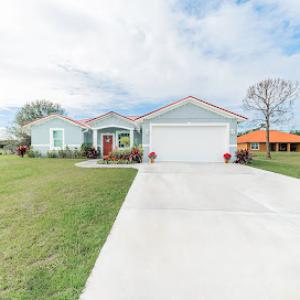
Roofing in Okeechobee, FL
Last updated: Feb 28, 2026
Welcome to Okeechobee's roof guide—where sun, rain, and lake breezes meet your gutters and shingles. In this part of Florida, the climate isn't just hot; it's a full-season test for any roof: intense afternoon sun, high humidity, heavy afternoon downpours, and the occasional hurricane watch. That combination can shorten shingle life, invite algae, and push underlayment between layers if seals age. It's common to need extra attic venting, good underlayment, and wind-rated products. And because materials and decisions cost more here than in milder states, homeowners often ask: what lasts, what costs, and what local rules apply?
As a local roofing pro and neighbor, I'm here to help you cut through the noise with practical, trusted guidance tailored to Okeechobee's conditions. You'll see advice rooted in real-life installs, local supplier options, and the permits and codes you'll actually run into with the county and city authorities. My goal is to help you protect your home, your budget, and your time—without the fluff.
On this page you'll get a clear quick preview of what we cover: Local Climate; Recommended Roofing Materials for Okeechobee; Popular Roof Styles & Architectural Trends in Okeechobee; Average Roofing Costs in Okeechobee; Permits & Local Regulations; Common Roofing Problems in Okeechobee & Solutions; Maintenance & Repair Tips for Okeechobee; When to Repair vs. Replace; When to Hire a Professional. Each section translates the local realities into actionable steps you can use this season.
Together, we'll translate climate, budget, and house style into smart, durable roof choices—and you'll feel confident moving forward, knowing you've got a neighbor who's also a pro standing behind the advice with local resources you can rely on.
Now, let's start with how Okeechobee's weather shapes the roof on your house and the best local options to consider.
Local Climate & Its Impact on Roofs
Local climate snapshot
Okeechobee, FL sits in central Florida with a hot, humid subtropical climate. Summers are long and very warm, with frequent thunderstorms and high humidity. The wet season, roughly May through October, brings heavy rain, gusty winds, and instances of lightning. Winters are mild, but heat and humidity persist year‑round. Proximity to Lake Okeechobee can boost moisture in the air, contributing to algae growth and faster wear on surfaces exposed to sun and rain.
How this climate stresses roofs here
- Heat and UV exposure accelerate aging of roofing materials, especially asphalt shingles, causing curling, granule loss, and faster wear.
- Frequent downpours and high humidity raise the risk of leaks through worn flashing, damaged underlayment, or compromised seals.
- Strong thunderstorms and tropical systems deliver wind uplift that can damage edges, vents, and flashing; wind pressures here can exceed standard residential ratings.
- Humidity invites mold, mildew, and algae on surfaces, which can reduce roof effectiveness and require more frequent cleaning.
- Termites and wood‑destroying insects thrive in moist conditions; untreated decking or roof sheathing can suffer rot after water intrusion.
- Debris from oaks and pines, plus palm fronds, can clog gutters and retain moisture, hastening rot if not cleared.
- Flooding risk around Lake Okeechobee means water management and drainage matter for roof runoff and near‑roof areas; improper drainage can cause standing water and leaks.
Material considerations for Okeechobee roofs
- Asphalt shingles: affordable but prone to heat‑related degradation; if chosen, select wind‑resistant options and ensure proper underlayment and ventilation.
- Metal roofs: excellent wind resistance and reflectivity; pick corrosion‑resistant coatings suitable for Florida humidity.
- Concrete/terra‑cotta tile: long lifespans and good water shedding; heavy and require a structurally reinforced deck plus proper underlayment.
- Underlayment and ventilation: synthetic underlayment plus adequate attic ventilation reduces heat buildup and moisture accumulation.
- Fasteners and flashing: use hurricane‑rated nails/clips; seal around chimneys, vents, and skylights with corrosion‑resistant flashing.
- Gutters: maintain clear, well‑sloped gutters and downspouts to route water away from the roof and foundation.
Seasonal maintenance and inspections
1. Inspect after major storms for lifted shingles, damaged flashing, or roof patches.
2. Clean gutters and downspouts; direct runoff at least 3–4 feet from the foundation and away from roof edges.
3. Trim branches that overhang or rub the roof; reducing debris reduces moisture retention.
4. Check attic ventilation and insulation; confirm there are no air leaks and that a radiant barrier is intact.
5. Schedule a professional roof inspection annually, ideally after hurricane season, to catch hidden damage.
Warnings and official resources
- Hurricanes and tropical storms are a regular Florida risk during the season; monitor forecasts and heed official guidance. National Hurricane Center:
- Severe weather safety and thunderstorm warnings: National Weather Service:
- Florida Building Code guidance on wind resistance and roofing systems:
- Florida Division of Emergency Management preparedness resources:
- Local regulations and inspections (OKeechobee County):
Recommended Roofing Materials for Okeechobee
- Best for budget-conscious homeowners who still want solid performance.
- Look for asphalt shingles with Class A fire rating and a wind-resistance rating suited to Florida conditions (often marketed as 110–130 mph or higher). IR (impact-resistant) options offer extra durability in storms.
- Pros: widely available, easy to repair, broad color and profile choices, quick installation.
- Cons: shorter overall lifespan (roughly 15–30 years depending on quality and maintenance) compared with metal or tile; can be more sensitive to extreme sun exposure over time.
- Practical tips: choose lighter colors to reflect heat, ensure proper attic ventilation to reduce heat buildup, and insist on a quality underlayment and wind-nailing pattern per local code.
- Excellent durability in high-wind events and heavy rain, with long service life.
- Common options: standing-seam steel or aluminum panels with corrosion-resistant coatings (galvanized, galvalume, or painted finishes).
- Pros: outstanding wind resistance, hail resistance when properly installed, high reflectivity with light colors can lower cooling costs, long lifespan (40–70+ years).
- Cons: higher upfront cost, can be noisier in heavy rain unless well insulated, color choice matters for heat absorption.
- Practical tips: select a standing-seam or interlocking panel system, use a cool/reflective coating, and pair with adequate underlayment and attic ventilation. Ensure professional installation to guarantee wind uplift performance in Florida conditions.
- Well-suited to hot climates and can be very durable with proper structure.
- Pros: excellent thermal mass, long lifespan (often 50+ years), fire resistance, wide range of textures and colors, good energy efficiency when paired with proper ventilation.
- Cons: heavy weight requiring structural assessment and potential reinforcement, higher installation cost, fragile under impact if not carefully installed.
- Practical tips: verify roof framing can handle the weight, use hurricane-rated tile clips and appropriate underlayment, and select light-tinted tiles to reduce heat gain.
Synthetic Roofing Materials for Okeechobee
- Modern alternatives that mimic slate or wood shakes without the heavy weight.
- Pros: lightweight, good impact resistance, varied aesthetics, often built to withstand Florida sun and humidity, many come with strong warranties.
- Cons: can be pricier than basic asphalt, long-term performance depends on the brand and installation.
- Practical tips: choose products with UV stability and a robust warranty, and confirm compatibility with existing roof geometry and flashing details.
Flat Roofs and Low-Slope Options (TPO, EPDM, Modified Bitumen)
- Common on porches, carports, or additions; less common on main living roofs in this region but still relevant.
- Pros: good waterproofing for low-slope surfaces, energy-efficient when using reflective TPO, relatively quick installation.
- Cons: sealing and flashing are critical; some materials may have shorter lifespans in intense sun and high heat; maintenance is ongoing.
- Practical tips: ensure a seamless, properly reinforced drainage plan, select reflective TPO or white EPDM for heat control, and schedule regular inspections after heavy rains.
Color, Coatings, and Reflectivity
- Reflective, light-colored roofs reduce heat transfer and can lower cooling costs in Okeechobee's sun-drenched climate.
- Practical tips: when selecting any material, prioritize cool roof options or reflective coatings, and consider energy performance certifications (Energy Star or Florida-friendly ratings) to maximize comfort and efficiency.
Quick Decision Guide for Okeechobee
1. If you want lowest initial cost and easy repair: Asphalt shingles with Class A fire rating and good wind resistance.
2. If you want longevity and strongest wind performance: Metal roofing with a light color and proper underlayment.
3. If you have a strong roof structure and want long life with great heat management: Concrete or clay tiles.
4. If weight is a concern or you want a light, modern aesthetic: Synthetic roofing materials.
5. If you have flat or low-sloped sections: TPO or EPDM with reflective options and solid drainage planning.
Practical installation steps
1. Confirm local code requirements for wind uplift, underlayment, and fastener patterns.
2. Have a qualified contractor perform a deck assessment to accommodate the chosen material (weight, fasteners, ventilation).
3. Choose a color and finish optimized for heat and glare in Okeechobee's sun.
4. Plan for adequate attic ventilation and insulation to prolong roof life and improve comfort.
5. Schedule a post-storm inspection to address any lift or seal issues promptly.
Popular Roof Styles & Architectural Trends in Okeechobee
Asphalt Shingle Roofs: Practical, Common, Budget-Friendly
- Pros: Affordable upfront, wide availability, easy to repair, and a quick install. Good for homeowners prioritizing value per dollar.
- Cons: Lifespan typically shorter than metal or tile; wind resistance varies with quality and installation; colors can fade in Florida sun.
- Best fit: Budget-conscious projects, repaintable color options, and homes needing a straightforward replacement.
- Local notes: Look for wind- and impact-resistant shingles to stand up to Florida storms; ensure proper attic ventilation and underlayment for moisture control.
- Pros: Excellent wind resistance, long life (often 40–70 years), lightweight, and highly reflective when you choose light colors.
- Cons: Higher upfront cost; some homeowners worry about noise unless insured with proper insulation; color selection can affect heat gain.
- Best fit: Homes in exposed locations, renovations where long-term value matters, or properties expecting heavy rainfall and high winds.
- Local notes: Standing-seam or corrugated panels work well with Florida slopes; coatings that reflect sunlight help reduce cooling loads.
Tile and Concrete Tile: Classic Florida Look
- Pros: Timeless aesthetic, superb heat reflection, and long service life (often 50+ years with proper maintenance). Excellent for hot climates.
- Cons: Heavy weight requires structural assessment; higher installation cost; can be fragile if impacted by hail or footwear on roofs.
- Best fit: Homes aiming for a Mediterranean or Spanish-inspired look, or buyers prioritizing durability and thermal comfort.
- Local notes: Ensure structure is rated to carry the weight, especially on older homes; color choices with light hues help keep attic temperatures down.
Flat and Low-Slope Roofs: Modern Look, Practicalities
- Pros: Simple, clean lines; easier to integrate solar arrays and rooftop mechanicals; can create usable rooftop space with proper design.
- Cons: Higher risk of ponding water and leaks if drainage isn't perfect; require meticulous flashing and drainage details.
- Best fit: Contemporary styles, additions, or structures designed for solar optimization.
- Local notes: Use high-quality membrane systems with solid edge detailing and regular maintenance to avoid Florida's heavy rain issues.
Energy-Efficient & Cool Roof Trends
- Light colors and reflective coatings reduce heat absorption and cooling costs in Florida's sun.
- Cool or radiant barrier roof decks pair with ventilated attics to improve year-round comfort.
- Solar-ready designs and roof renovations that accommodate future solar installations are increasingly common.
- Local notes: Some neighborhoods and insurers favor higher solar readiness and reflective surfaces to manage heat and resilience.
Hurricane-Ready Design & Ventilation
- Wind-resistant features: reinforced fasteners, proper underlayment, and moisture-resistant decking.
- Roof lines that minimize wind uplift (hip roofs or multi-gable configurations) are popular in hurricane-prone areas.
- Attic ventilation and insulation control interior temperatures and help reduce condensation-related issues.
- Local notes: Florida-building standards emphasize wind uplift resilience; consult a pro to verify fastener patterns and nailing schedules for your chosen material.
Local Aesthetic Trends & Neighborhood Styles
- Light, airy color palettes that reflect heat are common, pairing with white or pastel exteriors and brighter trims.
- Metal roofing with subdued, matte finishes is popular in modern and ranch-style homes for durability and a contemporary look.
- Tile and Mediterranean-inspired profiles remain favored in homes seeking a durable, refined curb appeal.
- Fence-and-garden coordinates: roof color choices often harmonize with exterior siding, gutters, and landscaping to maintain curb appeal in Okeechobee neighborhoods.
How to Decide What's Right for Your Okeechobee Home
1. Assess structural capacity and weight limits for your roof space.
2. Compare upfront cost vs. long-term value (lifespan, maintenance, energy savings).
3. Factor climate demands: wind, heat, humidity, and potential for ponding water.
4. Plan for future upgrades (solar, insulation, ventilation) and HOA or city requirements.
Quick Reference: Choosing by Situation
- If you want balance of cost and reliability: asphalt shingles with wind-rated options.
- If durability and long life are priorities: metal roofing with reflective coating.
- If you want a classic Florida look and strong heat protection: concrete tile.
- If you favor a sleek, modern silhouette and possible solar use: flat or low-slope with proper drainage.
Average Roofing Costs in Okeechobee
Baseline cost ranges by material
- Asphalt shingles (basic 3-tab or standard architectural): $4.50–$6.50 per sq ft installed. Premium architectural shingles or maximum wind-rated varieties: $6.50–$8.50 per sq ft.
- Metal roofing (steel or aluminum, exposed fastener or standing seam): $7.50–$12.50 per sq ft installed. High-end systems with enhanced wind protection can push higher.
- Concrete/ceramic tile: $9.00–$15.00 per sq ft installed. Heavy tile adds structural considerations and may raise costs.
- Flat or single-ply (PVC/TPO) membranes: $6.50–$12.00 per sq ft installed. Generally chosen for certain shapes, roofs with parapets, or specific design needs.
- Tear-off and disposal: If you need a full tear-off of an existing roof, add roughly $1.50–$3.00 per sq ft to cover removal, debris hauling, and disposal.
Local cost factors in Okeechobee
- Wind and code requirements: Florida's wind zones drive attachment methods, underlayment and fastener choices. In Okeechobee, expect additional costs for wind-rated systems and hurricane straps, especially on older homes.
- Roof pitch and accessibility: Steeper roofs or roofs with limited access for machinery raise labor time and safety costs.
- Condition of existing roof deck: If the plywood or decking shows water damage, rot, or termite damage, expect extra material costs and potential structural repairs.
- Permits and inspections: Local permit fees and required inspections add to the overall price.
- Trees and debris: The presence of mature trees means more preparation, potential cleanup, and protective covering, which can add to labor.
- HOA or historic considerations: Some neighborhoods require specific materials, colors, or guidelines that influence material choice and cost.
- Replacement vs overlay: Florida codes often favor full tear-off for better ventilation and warranty; overlays are cheaper but may limit options for certain materials and wind protection.
Local project breakdown you'll likely see
1. Site assessment and measurement: sizing the roof, checking for damage, and confirming access points.
2. Material choice and wind-rated options: selecting shingles, metal, or tile with appropriate wind resistance.
3. Tear-off vs. roof-over decision: assessing deck condition and code requirements.
4. Underlayment, ventilation, and accessories: installing updated underlayment, ridge caps, vents, and drip edge.
5. Installation: laying the chosen material with attention to nailing patterns, seals, and flashing around chimneys, skylights, and vents.
6. Cleanup and final inspection: removing debris, checking seals, and ensuring overall weather-tightness.
Cost drivers by roof type in Okeechobee
- Asphalt shingles: Most homeowners choose asphalt for balance of cost and performance. Expect the bulk of projects to fall in the mid-range for materials, with higher end shingles adding 10–40% to the material cost.
- Metal roofs: Higher upfront cost but longer life and better wind resistance; savings may come from longevity and reduced maintenance over time.
- Tile roofs: High material and labor costs, plus potential structural upgrades if the deck is not rated for heavy loads; longer installation times.
- Flat roofs: Consistent cost range but require precise detailing for drainage and membrane integrity; premium systems can rise with longer service life and warranties.
Quick reference scenarios (illustrative, in the Okeechobee context)
- 1,200 sq ft home with new asphalt shingles and full tear-off: roughly $9,000–$16,000 depending on shingle choice and deck condition.
- 2,000 sq ft home with metal roofing and standard wind-rated fasteners: roughly $15,000–$32,000, accounting for deck prep and ventilation needs.
- 1,800 sq ft with concrete tile: roughly $16,000–$27,000, depending on structural checks and underlayment requirements.
Practical steps to get a precise quote
1. Inventory roof features: size, slope, existing deck condition, and number of penetrations (vents, chimneys, skylights).
2. Specify wind-rated materials: tell contractors you want Florida code-compliant, wind-resistant options.
3. Decide on tear-off: confirm whether a full tear-off is required or if an overlay is permitted by code and HOA rules.
4. Request multiple bids: compare material grades, warranties, edging and flashing details, and cleanup commitments.
5. Check local references: ensure installers are familiar with Okeechobee conditions and local permit processes.
Permits & Local Regulations
Determine jurisdiction
- Okeechobee County handles permits for unincorporated areas; the City of Okeechobee handles permits for homes inside city limits.
- If you're unsure, contact the relevant permitting office and give your street address. They'll tell you which agency to use.
Do you need a permit for reroofing?
- In Florida, most reroofs require a building permit and inspections, even if you're just replacing shingles or underlayment.
- Some minor cosmetic repairs may be exempt, but it's safest to assume a permit is required. If in doubt, call the local building department before starting.
- If you hire a contractor, they should secure the permit in your name and comply with all code requirements.
Licensing and contractors
- Hire a licensed roofing contractor. Florida requires roofing work to be performed by a licensed professional; unlicensed work can void warranties and complicate insurance claims.
- Check license status before hiring: use MyFloridaLicense.com or the state DBPR verification tool.
- Ask for a current proof of insurance (general liability and workers' compensation) and refer to it in the contract.
What you'll need to apply for a permit
- A completed permit application from the correct jurisdiction (county or city).
- Proof of property ownership or a recent tax bill and parcel number.
- Contractor information: licensed contractor name, license number, and contact details.
- Job description: scope of work, roof type, materials, underlayment, and any structural changes.
- Roof plan or simple sketch showing roof layout, areas to be replaced, and access.
- Wind mitigation details or certificates (optional but helpful for insurance credits).
- Any HOA approvals if your home is inside an HOA boundary.
Step-by-step permit process
1) Confirm jurisdiction for your address (county vs city).
2) Gather documents (application, ownership, contractor license, scope, plan).
3) Submit the permit package and pay any fees.
4) The plan reviewer checks for code compliance and hazards (venting, nailing pattern, decking, flashing).
5) The permit is issued; you'll receive permit numbers and inspection requirements.
6) Schedule required inspections at appropriate milestones (pre-coverage, underlayment, final).
7) Obtain a final inspection and certificate of occupancy or final approval.
Inspections to expect
- Rough/structural inspection: decking, beam support, and attachment method for the new roof.
- Underlayment and nailing inspection: proper fastener spacing, nailing pattern, and underlayment installation.
- Flashing and hips/ridges inspection: vent clearance, flashing around chimneys, and proper seal.
- Final inspection: overall completion, neat installation, and code compliance.
- Inspections are typically scheduled through the same permit office or your contractor; have access ready for inspectors.
Notice of Commencement (NOC)
- A Notice of Commencement is usually required for projects with a permit where a lien could be filed.
- The NOC must be recorded with the Clerk of Court and posted at the job site. Keep a copy for your records.
- Your contractor or attorney can help prepare the NOC; don't start substantial work until it's properly filed, if required.
Wind mitigation and energy considerations
- Florida offers wind mitigation credits that can reduce insurance premiums. A licensed professional can prepare a wind mitigation inspection/report if you're upgrading structural components.
- If you're replacing roof coverings with wind-rated products, keep documentation; it helps with potential credits and future resale.
HOA and neighborhood rules
- Some neighborhoods or HOAs require architectural approvals or specific color/material restrictions.
- Check HOA covenants before purchasing materials or submitting plans so inspections and approvals go smoothly.
Quick tips for a smooth permit experience
- Start by confirming jurisdiction early in the project to avoid delays.
- Keep all permit-related documents organized (applications, receipts, inspection reports).
- Schedule inspections promptly; delays can stall work.
- Have your contractor present during inspections to address any code questions on-site.
- If you hit a snag, ask the permit office for the exact code reference and required corrections.
Common Roofing Problems in Okeechobee & Solutions
Wind Damage and Uplift
- Signs to look for: missing or curled shingles after storms, lifted edges along eaves, granule buildup in gutters, visible gaps at roof edges.
- Why it happens: Florida's tropical storms and strong winds can peel back shingles and loosen fasteners, especially on older roofs.
- Practical fixes:
1) After a storm, inspect the roof carefully from a safe angle and note damaged areas.
2) Replace damaged shingles with matching material and use corrosion-resistant nails in the correct pattern for your roof type.
3) Re-secure loose flashing and edge metal; replace torn drip edge if needed.
4) For widespread uplift or deck exposure, call a pro to re-nail sections and assess wind-rated options.
- When to call a pro: extensive shingle loss, exposed underlayment, or suspected deck damage.
Leaks Around Flashing, Chimneys, and Vents
- Signs to look for: ceiling stains or damp spots near chimneys, vents, or roof penetrations; wet insulations after rain.
- Why it happens: aging or damaged metal flashing, cracked sealant, or worn vent boots allow water intrusion.
- Practical fixes:
1) Remove old sealant and clean the joint; reseal with compatible flashing and sealant.
2) Install or repair step flashing along chimneys and around vertical penetrations; ensure a continuous, watertight seal.
3) Replace cracked or damaged vent boots with a durable rubber or metal boot; re-seal around the vent pipe.
4) If water reaches the decking, replace damaged plywood/OSB and inspect underlayment and insulation.
- When to call a pro: persistent leaks after resealing or suspected flashing failure.
Gutter and Drainage Problems
- Signs to look for: water pours over the gutter, fascia staining or rot, peeling paint at the eaves, damp basement walls near the exterior.
- Why it happens: clogged or bent gutters slow drainage; downspouts may discharge too close to the foundation.
- Practical fixes:
1) Clean gutters and downspouts to remove leaves and debris; flush with water to check flow.
2) Rehang or replace gutters to restore proper slope toward downspouts.
3) Install gutter guards or screens to reduce future clogs.
4) Ensure downspouts direct water at least 3–5 feet away from the foundation.
- When to call a pro: persistent leaks at eaves or fascia despite cleaning and re-seating gutters.
Moisture Intrusion and Roof Deck Rot
- Signs to look for: soft spots or spongy areas on decking, interior ceilings that feel damp, moldy smells in the attic.
- Why it happens: long-standing leaks and high humidity can rot plywood/OSB and compromise roof structure.
- Practical fixes:
1) Identify and repair the source of the leak first (flashing, shingles, penetrations).
2) Replace rotten roof decking; treat surrounding substrate to inhibit mold growth.
3) Improve attic ventilation and moisture control to slow recurrence.
4) If widespread, consult a structural roofer to assess load and framing integrity.
- When to call a pro: soft decking or widespread rot, which can affect structural safety.
Algae, Moss, and Staining (UV/Moisture-Driven)
- Signs to look for: dark streaks or greenish patches on shingles; granule loss in gutters.
- Why it happens: humidity, shade, and mineral deposits promote growth; algae can shorten shingle life.
- Practical fixes:
1) Clean carefully with a non-abrasive roof cleaner or a mild bleach solution; rinse thoroughly.
2) Avoid high-pressure washing that can damage shingles.
3) Install zinc or copper strips along the ridge to slow regrowth.
4) Improve sun exposure and attic ventilation to reduce moisture buildup.
- When to call a pro: persistent staining after cleaning or if you're unsure about material compatibility.
Attic Ventilation and Condensation
- Signs to look for: hot attic in summer, ice-like condensation on rafters in unusual climates, higher cooling bills.
- Why it happens: insufficient vents allow heat and moisture to accumulate, accelerating wear on roofing and insulation.
- Practical fixes:
1) Add or upgrade soffit and ridge vents to promote continuous airflow.
2) Install an attic exhaust fan or balance intake and exhaust to move air effectively.
3) Seal leaks around the attic hatch and improve insulation to reduce heat transfer.
4) Consider a professional energy audit if problems persist.
- When to call a pro: if you're unsure about vent sizing or insulation standards.
Maintenance & Repair Tips for Okeechobee
Regular inspections and seasonal checks
- In Okeechobee's humid, storm-prone climate, plan for a quick roof check every 3–4 months and after any major rain or hurricane.
- Look for curling, missing, or buckled shingles; exposed decking; and loose flashing around chimneys, vents, and skylights.
- Check attic spaces for signs of moisture, condensation, or mold. Any musty smell or damp insulation means a leak somewhere up top.
- Inspect exterior walls and the roof edge for water staining or soft boards near the fascia.
Gutter, fascia, and flashings
- Keep gutters and downspouts clear of leaves and debris, especially after storms and hurricane season. Clogged drains can cause water to back up onto the roof.
- Ensure downspouts extend at least 4–6 feet away from the foundation to prevent pooling near the structure.
- Inspect fascia boards for rot or peeling paint; replace damaged wood and reseal to deter moisture intrusion.
- Check roof edge details and drip edges to confirm proper sealing; reseal seasonal gaps as needed.
- Consider gutter guards if your trees drop a lot of debris—they cut maintenance time and keep water flowing.
Roof material-specific maintenance
- Asphalt shingles
- Look for curling, missing granules, and exposed felt. Replace damaged shingles promptly to avoid leaks.
- Check for nail pops or loose fasteners and secure or replace as needed.
- Algae and moss can grow in Florida's humidity; use a gentle, roof-safe cleaner or soft wash to keep the surface clear.
- Metal roofs
- Inspect seams and fasteners for looseness or corrosion; tighten or reseal as needed.
- Look for rust spots and treat or repaint to extend life.
- Clean with a mild detergent and low-pressure wash; avoid harsh chemicals and high-pressure cleaning that can dent panels.
- Tile roofs
- Inspect for cracked, broken, or displaced tiles; replace promptly to maintain underlayment protection.
- Check underlayment and flashing around penetrations; ensure good sealing to prevent leaks.
- Be cautious with walking on tiles—foot traffic can cause breakage; call a pro for any extensive tile work.
- Flat/low-slope roofs
- Check for ponding water after rains; poor drainage accelerates wear on membranes.
- Inspect for blisters, cracks, or rapidly aging membranes; address promptly to avoid leaks.
- Keep debris off the surface to prevent punctures and drainage blockages.
After storms and hurricane season
- After a big storm, perform a careful, ground-based visual check for obvious damage. Do not crawl on a damaged roof in windy conditions.
- If you see leaks, loose flashing, or torn membranes, cover with a heavy-duty tarp to minimize interior damage until a pro can patch properly.
- Document damage with photos and note the date; this helps with insurance claims and repairs.
- Schedule professional inspections after major storms, especially if there are signs of sagging or water intrusion.
Attic ventilation and insulation
- Verify soffit and ridge vents are clear and unobstructed; good ventilation reduces condensation and extends roof life.
- Ensure attic insulation is dry and properly installed; moisture in the attic can mimic or mask leaks and cause mold.
- In Florida, consider adding radiant barriers or upgrading insulation to improve energy efficiency and reduce heat-driven roof deck condensation.
Pest and vegetation management
- Trim branches that overhang or touch the roof; a 3–5 foot clearance minimizes damage from wind-driven debris.
- Look for signs of termites or wood rot around eaves and fascia; treat promptly and seal any access points where pests may enter.
- Algae, moss, and vegetation on the roof can hold moisture and accelerate deterioration—clean or remove growth as needed.
When to call a pro in Okeechobee
- If you notice significant water intrusion, widespread shingle loss, warped decking, severely corroded flashings, or a sagging roof deck, contact a licensed roofer promptly.
- Major repairs, roof replacements, or work near electrical wires and vents should be handled by professionals with local code knowledge and experience in Florida's weather patterns.
When to Repair vs. Replace
Quick rule of thumb
- Isolated damage with solid decking? Repair it.
- Roof is nearing the end of its life or has widespread issues? Replacement is usually cheaper in the long run.
- You've fixed the same problem multiple times in a short period? Replacement is often the smarter move.
Read the damage scope
- In Okeechobee's climate, heavy rains and humidity accelerate leaks and mold. Prioritize underlying causes (ventilation, underlayment, decking) when deciding.
- Damaged area size matters: small patches of damaged shingles or flashing leaks can often be repaired. Large areas with curling shingles, missing granules, or many broken tiles usually mean replacement.
- Structural concerns trump cosmetic issues: soft or sagging decking, visible rot, or mold growth indicates you likely need a full or partial roof replacement.
- Wind and impact exposure: roofs with extensive hail or storm damage, or many loose/failed fasteners, are stronger candidates for replacement to restore integrity.
Roof type and age matter
- Asphalt shingles: typical life 15–25 years. If you're toward the end of that range or you're seeing frequent leaks, replacement becomes more sensible.
- Metal roofs: 40–70 years, depending on coating and maintenance. Local corrosion, dents, or panel failure favors replacement rather than patchwork.
- Tile roofs (concrete/ceramic): 25–40+ years with proper maintenance. If many tiles are cracked or the underlayment is compromised, replacement is often best.
- In Florida heat and sun, even newer roofs can wear unevenly. If rapid degradation or mismatched repairs are visible, consider re-roofing to restore performance and warranty.
Cost, warranty, and long-term value
- Short-term repair costs are appealing, but repeatedly fixing leaks adds up. Compare cumulative repair bills vs. a replacement quote.
- A new roof usually comes with a warranty and can impact insurance premiums or discounts. If your current policy discounts or rate isn't offset by repairs, replacement may be worthwhile.
- Energy efficiency matters in Florida. A newer roof and underlayment can improve insulation and cooling costs over time.
Local considerations for Okeechobee homes
- Storm exposure: wind uplift resistance matters. If your current roof isn't rated to Florida wind speeds, replacement with a proper warranty can reduce future risk.
- Humidity and attic moisture: persistent moisture can rot decking and invite mold. If moisture is widespread, replacement with proper ventilation is a prudent fix.
- Local codes and permits: many repairs require permits and code-upgraded components (underlayment, fasteners, venting). A licensed roofer will handle inspections and code-compliant work.
Step-by-step decision guide
1) Inspect visually and, if possible, safely access the attic to check for rot, mold, or soft spots.
2) Have a licensed roofer assess deck integrity, flashing, ventilation, underlayment, and current wind resistance.
3) Determine roof age and remaining life given your material and Okeechobee's climate.
4) Get two or three cost estimates for repair and for full/partial replacement.
5) Weigh long-term value: upfront cost, warranty, energy efficiency, and insurance impact.
6) Decide on repair or replacement with a contractor, and ensure permits and a written warranty are part of the agreement.
What to ask your contractor
- What portion of the roof would be repaired vs. replaced, and why?
- Will the repair use the same materials, or is a partial re-roof necessary?
- What wind rating and underlayment will be used to meet local standards?
- How will you address attic ventilation and drainage to prevent future leaks?
- What does the warranty cover, and for how long?
- Can you provide a written timeline and phased costs if portions are repaired now but another section may need work later?
Signs to act now
- Frequent leaks after rain, even with small repairs
- Noticeable decking rot or mold in the attic
- Sagging sections or a loose roof feel
- Persistent gutter granules or exposed fasteners
Quick reference by scenario
- Localized, minor damage on an aging roof: repair and monitor.
- Widespread damage or multiple issues on a roof near end of life: plan for replacement.
- Any doubt about decking, moisture, or wind resistance: prioritize a professional inspection and likely replacement to safeguard your home.
When to Hire a Professional
Common issues that call for a pro
- Visible damage after a storm: curling, buckling, missing shingles, or broken tiles mean you likely need a professional assessment and repairs.
- Water intrusion or ceiling stains: even small leaks can signify hidden damage in decking or underlayment that DIY patches can't fix.
- Age and wear: in Okeechobee's hot, humid climate, asphalt shingles often reach the end of their life around 15–20 years; repairs become less reliable and a full replacement may be smarter.
- Complex roof systems: multiple pitches, vents, skylights, chimneys, or flat sections require precise flashing and integration with underlayment and drainage.
- Structural concerns: sagging sections, soft decking, or signs of mold around eaves indicate professional inspection is needed.
Urgent situations
- Active leaks during rain: do not delay seeking help, as water damage can escalate quickly.
- High-wind events or after a hurricane: you'll want a pro to assess wind damage, secure the roof, and ensure proper anchoring and flashing.
- Loose or falling debris: if a portion of the roof is in danger of collapsing or shedding shingle rows, call for immediate assessment.
Okeechobee-specific considerations
- Permits and codes: most re-roof jobs require a permit from Okeechobee County or the local building department. A reputable contractor should handle the permit process and inspections.
- Climate-appropriate materials: ask about hurricane-rated shingles or metal roofing, corrosion-resistant fasteners, and proper underlayment suitable for Florida's sun, humidity, and storms.
- Proper ventilation and flashing: Florida's heat emphasizes attic ventilation and correct flashing around vents, chimneys, and skylights to prevent moisture buildup.
- Drainage and debris control: heavy rains demand solid roof-to-drainage integration and thorough cleanup to avoid gutter clogs and water pooling.
- Local experience: choose contractors with recent projects in Okeechobee or nearby communities who understand local wind zones and inspection expectations.
- Storm-chaser caveats: be wary of door-to-door “storm restoration” crews right after a storm. Verify company legitimacy, physical address, and ongoing local presence before signing anything.
How to evaluate a roofing contractor
- License and insurance
- Verify Florida state licensing (roofing contractor category) is active and appropriate for your project.
- Request current general liability and workers' compensation insurance; ask for a certificate of insurance and confirm they are named as insured.
- Local track record
- Look for at least 3 recent Okeechobee-area projects; ask for before/after photos and client references.
- Contact references to verify workmanship, timeliness, and cleanups.
- Bids and scope
- Get written estimates with a clear scope of work, materials, removal of old roofing, disposal, permits, and cleanup.
- Ensure the contract lists warranty terms (material warranties and workmanship warranty) and the duration.
- Permits and inspections
- Confirm the contractor will obtain all required permits and schedule inspections.
- Ask who handles inspection coordination and how any code violations would be corrected.
- Materials and workmanship
- Discuss underlayment choices, venting, nail type and spacing, and flashing detail.
- Confirm compatibility with Florida code requirements and wind-resistance expectations.
- Payment terms and guarantees
- Avoid large upfront payments; reasonable progress payments tied to milestones are preferable.
- Get lien waivers as work progresses; ensure you understand what is covered under the workmanship warranty and what isn't.
- Red flags
- Pressure tactics, vague written estimates, or contractors who cannot provide local references.
- Requests for cash-only transactions or deals that seem “too good to be true.”
- A lack of a permanent local business address or phone number.
Steps to hire a pro (practical sequence)
1. Assess your roof's condition and document with photos (age, material, visible damage).
2. Obtain at least 3 written bids from reputable local contractors.
3. Verify licenses and insurance (check DBPR or MyFloridaLicense; confirm active status and specialization).
4. Check references, local project examples, and read online reviews from Okeechobee customers.
5. Confirm permits will be pulled and inspections scheduled; review the contract thoroughly.
6. Choose materials suitable for Florida's climate and wind concerns; agree on a clear timeline.
7. Do a final pre-start walk-through to ensure scope, cleanup, and warranties are understood.
Questions to ask before signing
- What wind-resistance rating do you specify for this roof?
- Will you handle all permits and required inspections?
- What is covered under the workmanship warranty, and how long does it last?
- How will debris be contained and removed during the project?
- Can you provide a written, fixed-price contract with a detailed scope of work?
Putting A Lid On It: Roof Maintenance, Repair, and Replacement in Okeechobee
In Okeechobee's climate—hot sun, heavy rains, humidity, and the constant threat of tropical storms—your roof works hard. Regular care isn't a luxury; it's practical protection for your home, your family, and your finances. A well-maintained roof helps keep indoor comfort steady, energy bills lower, and surprises out of the attic.
The Florida environment nudges us toward vigilance. Heat accelerates wear, humidity invites mold and algae, and storms can lift shingles and toss debris onto gutters. In Okeechobee, a proactive maintenance routine means catching small problems before they turn into big, costly repairs. A little care now goes a long way toward extending roof life and protecting the rest of your house.
Maintenance at a glance
- Inspect annually and after severe weather for loose shingles, damaged flashing, and signs of wear.
- Clean gutters and downspouts regularly, especially during the rainy season; ensure water flows away from the fascia and foundation.
- Trim overhanging branches to minimize debris and roof damage during storms.
- Check attic ventilation and insulation; ensure soffit and ridge vents are clear and functioning to prevent heat and moisture buildup.
- Watch for moss, algae, or lichen; treat promptly with roof-safe cleaners and gentle brushing—avoid high-pressure washing that can damage materials.
- Inspect seals around vents, chimneys, skylights, and penetrations; reseal or replace flashings as needed.
Materials and lifespans in our area
- Asphalt shingles: roughly 15-25 years, depending on quality and exposure.
- Metal roofs: 40-70 years with proper coating and maintenance.
- Tile roofs: 20-50 years, influenced by sun exposure and installation quality.
Florida-specific upgrades (where appropriate): impact-resistant choices, sturdy underlayment, and hurricane-grade fasteners can improve longevity and peace of mind during storm season.
Repair vs. replacement: a practical lens
- Small leaks, damaged flashing, or a handful of missing shingles can often be repaired strand-by-strand.
- Widespread curling, extensive leaks, visible rot, or sagging typically signals that a full or partial replacement is the wiser long-term investment.
- If more than a third of the visible roof requires attention, or the underlayment shows age, replacement can save money and headaches down the line.
Seasonal focus and when to call a pro
- Before and during hurricane season: schedule an inspection and address vulnerabilities.
- After storms: inspect promptly for wind damage or water intrusion.
- When in doubt, consult a licensed local roofer—they bring knowledge of Florida codes, wind ratings, and proper installation practices that protect both your home and your insurance.
A warm, community-minded note to finish
You're part of a community that values durable, comfortable homes. With steady care, help from trusted local pros, and a plan that fits Okeechobee's unique climate, you can enjoy a roof that stays sturdy, looks solid, and serves your family well for years to come. Here's to keeping roofs strong, neighborhoods connected, and homes welcoming for generations.