
Last updated: Apr 19, 2026
Thunderstorms in this area arrive with a roar and often leave surprise damage the next morning. You'll notice lifted or curled shingles, exposed gaps where flashing has failed, granule loss in gutters, and sometimes a damp attic with visible daylight. In Fayetteville, leaks can start in the middle of a storm and grow quickly with subsequent downpours. When you spot shingles blown off, dented metal, or water streaks that travel along rafters, treat it as urgent. Turn off the affected circuit at the panel if water reaches electrical outlets or fixtures, document the scene with clear photos from multiple angles, and collect weather reports showing the storm's timing. This region's roofs frequently endure cluster storms, so a rapid, organized response minimizes interior damage and reduces the scope of a future claim.
Georgia insurers stay generally accessible, but storm and hail activity can shift how deductibles apply and how closely roof damage is reviewed in Fayetteville-area claims. Start a detailed damage log the moment the storm passes: date and time, exact location on the roof where damage is observed, and whether interior moisture is present in ceilings or walls. Photograph damaged areas from ground level and from the attic if accessible, capturing vent stacks, skylights, and any compromised flashing. Save all related weather data, contractor estimates, and any notes about temporary protective steps you took-tarps or board covers, for example. When you contact your insurer, reference the storm date(s) and describe clustered storm exposure if multiple events occurred in a short window. Insurers will weigh recent, repeated events against your claim, so precise, time-stamped records help your case.
Because summer and shoulder-season storms can hit in clusters, local re-roof and repair demand can spike suddenly, affecting scheduling after major weather events. Do not assume you can secure a quick inspection or replacement window. Call your insurer promptly to initiate claim intake, then line up a trusted Fayetteville-area contractor who can dedicate resources to review roof staging, ventilation, and flashing integrity as part of the claim. When possible, arrange temporary weather protection to minimize further water intrusion while you await inspection. If multiple nearby homes are damaged, expect demand to rise and inspection windows to compress; having a plan and documented damage ready will keep your claim moving rather than stalling.
In storms, attention to ventilation and flashing is not cosmetic-it's foundational for a durable, code-resilient repair. Insurers will scrutinize how well the roof system manages wind uplift, hail impact, and subsequent moisture intrusion. If repairs involve multiple components, insist on a unified approach that restores proper ridge and soffit ventilation, seals around penetrations, and a continuous, weather-tight flashing belt. A well-documented, integrated plan can shorten review times and improve the odds of a settlement that supports a thorough, lasting fix rather than piecemeal, temporary repairs.
Find local contractors experienced in assessing and restoring roofs after hail, wind, and severe weather events.
Rooftops Unlimited
(678) 340-9170 www.rooftopsunlimited.com
1305 Swanbrook Dr, Fayetteville, Georgia
4.9 from 110 reviews
Lynn's Home Improvement
(404) 710-9760 www.lynnshomeimprovement.com
1415 GA-85 Suite 310-123, Fayetteville, Georgia
4.7 from 75 reviews
T&R Roofing/Gutters
(678) 698-2889 www.tandrroofingllc.com
646 Hood Ave, Fayetteville, Georgia
4.9 from 13 reviews
Matts Exteriors
(770) 251-0707 www.mattsexteriors.com
1826 GA-54, Fayetteville, Georgia
4.9 from 443 reviews
Trusted exterior remodeling contractor serving Fayetteville, Peachtree City, Newnan, Senoia, Sharpsburg, Tyrone, Atlanta, Marietta, LaGrange, Columbus and more. Our services include roof replacement & repair, siding, gutters, exterior paint, windows, doors, chimney caps & skylights.
Rooftops Unlimited
(678) 340-9170 www.rooftopsunlimited.com
1305 Swanbrook Dr, Fayetteville, Georgia
4.9 from 110 reviews
Rooftops Unlimited is your one-stop-shop for all your roofing, siding, gutter, and window replacement needs in the Atlanta metro area. If you need to fix or replace any of these important components for your home’s protection and beauty, we’re ready to help you. If you are searching for a quality roofer in the Atlanta area or need a gutter installer, siding installer, or home sidings – then we are the experts to call. From asphalt shingles to metal roofs, we do it all! We have over 15 years of experience providing expert roofing services in Atlanta, Peachtree City, Coweta, Fulton, Henry, Troup, Newton County, and beyond. Call today when looking for a roofer in Newnan, GA
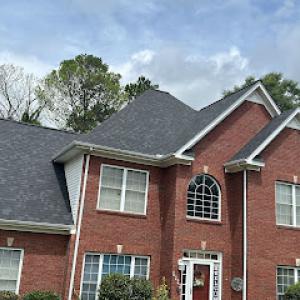
Smart Choice Construction & Roofing
(404) 985-2413 www.asc-roof.com
145 N 85th Pkwy, Fayetteville, Georgia
4.9 from 72 reviews
Smart Choice Construction and Roofing is a roofing contractor in Fayetteville, serving Peachtree City, Tyrone, Newnan, and nearby areas. We specialize in roofing services and siding replacement like vinyl, wood, and fiber cement (Hardie plank & and other brands). Customers love us because of our comprehensive roof warranties. We also have industry affiliations and certifications such as GAF Certified. If you want to experience how your most trusted Fayetteville and Peachtree City roofing company embraces our motto “One Stop Shop for All Your Exterior Needs", call us now for a free estimate!
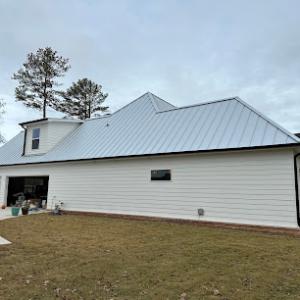
Chastain Roofing
(770) 486-0820 chastainroofing.com
155 Marquis Dr Suite B, Fayetteville, Georgia
5.0 from 28 reviews
Your roof is the first line of defense in protecting your home in the midst of every storm and season. When your roof is compromised, your whole home can be impacted and damaged. Whether you need a roof repair or a complete roof transformation, the team at Chastain Roofing is prepared to help. As a family-owned and operated business, we understand the challenges of managing a family while waiting on a needful repair. When you call, we come out quickly to restore your roof properly. All of our technicians are OSHA certified to ensure safety throughout your repair. We will always be responsive to addressing your needs and finishing the job with excellence!
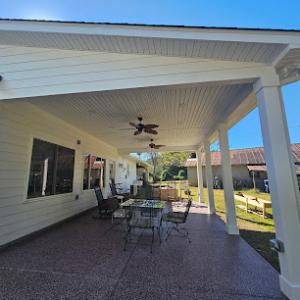
Lynn's Home Improvement
(404) 710-9760 www.lynnshomeimprovement.com
1415 GA-85 Suite 310-123, Fayetteville, Georgia
4.7 from 75 reviews
Lynn's Home Improvement is your trusted local contractor serving Atlanta, Fayetteville, and surrounding areas. We specialize in roof replacement, roof repairs, siding, windows, gutter installation, and deck and patio construction to enhance your home’s durability and curb appeal. Whether you need a new roof, reliable roof repair, or a full roof replacement, Lynn's Home Improvement has the expertise to handle any project with care. Our team is committed to providing high-quality, affordable services that meet your needs and exceed expectations. As a leading roofing contractor in Atlanta, we pride ourselves on delivering tailored solutions and top-quality work, from small repairs to major replacements.
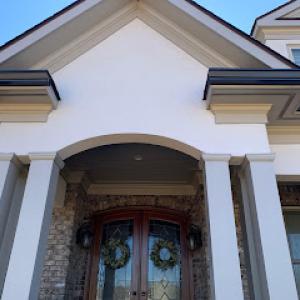
Pro Gutter Systems
(770) 585-0041 proguttersystems.com
Fayetteville, GA
4.8 from 36 reviews
Pro Gutter Systems provides gutter installation, gutter repair, and gutter cleaning services to the south metro Atlanta, GA area.
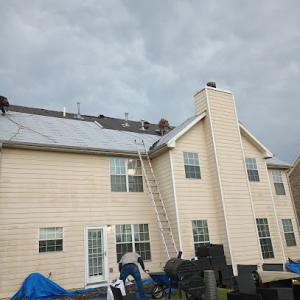
T&R Roofing/Gutters
(678) 698-2889 www.tandrroofingllc.com
646 Hood Ave, Fayetteville, Georgia
4.9 from 13 reviews
T&R ROOFING/GUTTERS COMPANY BEEN IN ROOFING BUSINESS FOR OVER 28 YEARS HERE IN ATLANTA GEORGIA. WE TAKE PRIDE IN OUR WORK OURS GOAL IS TO GIVE THE BEST QUALITY WORK TO EACH CUSTOMER.
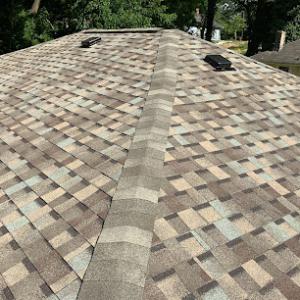
The Cowboy Roofer Fayetteville
Fayetteville, GA
5.0 from 11 reviews
Luis The Cowboy Roofer and he’s crew are experts in Roof Leak Repairs, Chimney Leak Repairs, Roof Replacements, Siding Repairs and Replacement, Gutter Repairs and Replacement. We have experience dealing with Insurance Adjusters.
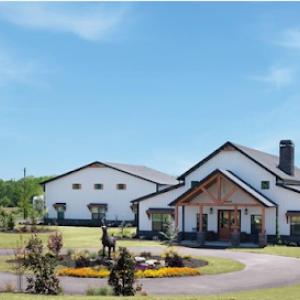
Advanced Roofing & Interiors
(470) 671-3361 advancedroofingandinteriors.com
370 Stonewall Ave W, Fayetteville, Georgia
5.0 from 5 reviews
Advanced Roofing & Interiors is your trusted roofing contractor in Fayetteville, GA, providing high-quality roofing solutions for homeowners and businesses. With years of experience, our team is dedicated to delivering expert craftsmanship, top-tier materials, and outstanding customer service. Whether you need a full roof replacement, repairs, or maintenance, we ensure every project is completed with precision and durability in mind.
FGA Roofing
(404) 731-6555 firstgaroof.com
Serving
5.0 from 9 reviews
Do you need a roofing company in Newnan, GA area? FGA Roofing offers reliable residential and commercial roofing / shingle repair, replacement and installation services in Newnan, GA and all nearby towns. For over twelve years we have committed ourselves to be great at what we do. We are a family owned and operated business that values the community we serve above all things else. We pledge to always provide our customers with the best roofing experience possible. Going beyond the quality of our work on the roof, our project together is a partnership between you and our company. Our staff will behave with the utmost professionalism, knowledge and most importantly integrity when dealing with our valued customers. .
Best Choice Roofing
(770) 874-4202 bestchoiceroofing.com
Serving
4.9 from 236 reviews
Best Choice Roofing is your trusted roofing expert and the Best Choice when it comes to choosing a roofing company with a commitment to impeccable customer service in South Atlanta. In business since 2009, Best Choice Roofing’s industry-leading contributions to the roofing industry include a customer-first mentality, a dedication to top-quality products and a leadership team focused on the growth of its people. Because of this framework, we have created a loyal base of customers all over the United States.
Dedicated Roofing of Georgia
(770) 830-3933 dedicatedroofs.com
Serving
5.0 from 122 reviews
Dedicated Roofing of Georgia in Peachtree City is a local roofing company that offers asphalt roof installation for luxury, architectural, and 3 tab roofs. We also perform roof repair and roof ventilation analyses, along with roof installation, roof management, roof maintenance, roof inspection, roof replacement. We use the most efficient and effective installation and repair techniques every time to produce the high quality residential roofing service. We want the opportunity to show you how much better your experience can be by choosing Dedicated Roofing. Schedule a free consultation with one of our professionals to see how our process and services far exceed your typical home service experience.
Hot, humid summers in Fayetteville can stress exposed roofing materials and make replacement timing more sensitive than in cooler Georgia mountain markets. That means you're looking for steady stretches of dry, calm days rather than a perfect forecast, since the heat amplifies expansion and contraction and can quicken deck drying times if you're cutting and installing in back-to-back sunny days. Plan your tear-off and dry-in for full workable days rather than half-days, and build in a buffer for heat-related fatigue among crew members. When July and August roll around, expect at least a few days of high humidity that slow tarp setup, adhesive cures, and membrane work behind flashing. If you're scheduling during the peak of summer, ask your contractor for a day-by-day plan that accounts for the possibility of sudden storms.
Frequent summer thunderstorms and spring/fall rain events can interrupt tear-off and dry-in schedules, making weather windows a major planning factor locally. The typical plan is to target a window of at least three to five dry days in a row, with a contingency for a midstream rain event that can set back progress by a day or two. In Fayetteville, a midweek storm can derail a whole roof cycle if crews are mid-tear-off or mid-dry-in, leaving exposed decking and underlayment for longer than desirable. Have your contractor stage tarps and temporary sealing measures, and confirm how they will manage material protection if a storm moves in. If a storm is forecast, ask about temporary ventilation adjustments and temporary patching strategies to limit water intrusion without compromising the underlying roof system.
Winter conditions are usually mild in Fayetteville, but rain and cooler temperatures can slow adhesive and sealant performance during roofing work. In practice, this means adhesive products may take longer to cure, and some fasteners or underlayment seams may require more time to set before the next rain event. If you're push-turching a late-fall or early-spring project, you'll want to align with the crew on acceptable cure times for the selected materials and on the risk of temperature swings between day and night. Expect slower progress after cold fronts pass through, especially if your roof requires torch-down or bitumen-based systems. Build in a flexible schedule that allows for weather-related pauses without pressuring crews to rush through critical flashing and ventilation work.
Because Fayetteville homes vary from traditional ranches to cottage-style roofs, you'll want to verify that ventilation and flashing work aligns with the anticipated replacement window. Ensure attic vents and ridge vents are integrated into the plan, and confirm that metal flashing at hips, vents, and chimneys is installed during the dry-in phase so leaks aren't introduced later. Storm documentation is essential: take dated photos before, during, and after tear-off, especially after significant Tennessee or Alabama storm activity in the region, to build a clear narrative for insurance or future repairs. If a thunderstorm hits mid-project, having a documented plan for temporary water control-tarps, plywood, and year-round sealants-helps avoid delays and keeps your project on track.
In Fayetteville, asphalt shingles and metal roofing dominate the street view, with many homes opting for the familiar durability and cost balance of asphalt and the longevity and distinctive look of metal. Higher-end homes tend to feature tile, synthetic/composite, or slate, driven by aesthetic preferences and long-term performance goals. The practical takeaway is to match the roof type to your home's structure, height, and typical storm exposure, rather than chasing a trend. Asphalt remains a flexible, widely supported choice for most lots, while metal can shine on homes with simpler rooflines or a desire for a modern curb appeal. Tile and slate offer elegance and resilience but come with heavier loads and more complex installation, which should be weighed against your existing attic space, framing, and potential future maintenance.
Heat, humidity, and repeated thunderstorm exposure push every Fayetteville roof to the limit. Regardless of surface material, the underlayment must be rated for high temperatures and moisture, the flashing needs to be continuous and properly bonded at transitions, and attic ventilation must be adequate to reduce condensation and heat buildup. Proper underlayment helps prevent leaks during sudden downpours, while well-executed flashing around chimneys, skylights, and deck edges reduces the risk of wind-driven water intrusion. Attic vents, ridge vents, and soffit intake should work together to create a balanced flow, especially on mid-summer days when roof temperatures soar. If a home already shows signs of poor ventilation, addressing that first can pay dividends in the long run, no matter which roofing surface you choose.
Clay tile, concrete tile, and slate carry a refined appearance and excellent longevity, but they bring heavier loads and more intricate installation. In this town, those factors translate to stiffer framing checks, sometimes extra structural reinforcement, and more precise flashing and edge detailing during installation or replacement. If a home already has a robust structure and the budget accommodates a careful, methodical installation, these materials can deliver decades of service with a distinct style. For many properties, however, asphalt shingles or metal provide a more straightforward path to reliable weather resistance without imposing the same structural considerations.
Storm resilience hinges on continuous underlayment and airtight flashing, plus a ventilation plan that prevents heat buildup in attic space. If choosing asphalt shingles, look for high-wind and algae-resistant varieties that align with Fayetteville's storm exposure. For metal roofs, confirm methodical sealant and fastening patterns to resist wind uplift and hail impact common in thunderstorm events. Tile and slate require careful support detailing and precise installation to avoid cracking under hail or heavy rainfall. In all cases, prioritize a proven installation team with familiarity with local storm patterns and their repair considerations, plus a plan for documenting storm damage and any subsequent insurance needs.
The most popular roofing material in the US. Find pros who install, repair, and replace asphalt shingles.
Rooftops Unlimited
(678) 340-9170 www.rooftopsunlimited.com
1305 Swanbrook Dr, Fayetteville, Georgia
4.9 from 110 reviews
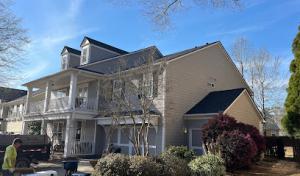
In Fayetteville, costs tend to reflect the national ranges but skew toward the local market realities. Asphalt shingles sit at the lower end of the Fayetteville spectrum, typically around the $300 per square mark, while slate sits at the high end, often near $1,100 to $2,200 per square. When budgeting, use these bookends to frame what your contractor shows for materials and how that aligns with the work you actually need. If a bid lands in the middle, check what's included in that price-underlayment, nails, and basic flashing can push a seemingly modest quote into a noticeably higher total.
Thunderstorm season can tighten labor availability quickly. After a major Fayetteville storm, you'll often see a rush of calls, with crews prioritizing urgent leaks and decking damage. That surge can push scheduling several days to a couple of weeks, depending on the extent of the damage and the contractor's backlog. If you're coordinating insurance-related work or multiple trades (decking, vents, flashing), expect tighter timelines and tighter windows for material shipment. Build contingencies into both your timeline and your budget to avoid sticker shock when crews finally start.
Costs rise with roof complexity. A simple, straightforward re-roof is cheaper than a project that needs extensive flashing details, ventilation corrections, or an inspection-driven sequence of decking and accessory replacements. In practice, you'll see higher price tags when the job requires replacing damaged decking, upgrading or repairing critical flashing around chimneys and valleys, or correcting ventilation to meet attic balance and moisture control goals. In Fayetteville, those ventilation corrections are often a real cost driver given humid summers and the local attic designs in many homes.
If the project is a clean re-roof with no decking or accessory damage, your cost will align more closely with the lower-to-mid ranges for materials and labor. If the storm has compromised decking or damaged components, expect additional line items for debris removal, deck repair, and upgraded detailing around vents and chimneys. In Fayetteville, that sort of storm-related work can move the total well above a baseline re-roof, sometimes significantly so, depending on the extent of hidden damage uncovered during removal.
Get a clear picture of your project costs upfront - no commitment required.
Rooftops Unlimited
(678) 340-9170 www.rooftopsunlimited.com
1305 Swanbrook Dr, Fayetteville, Georgia
4.9 from 110 reviews
Smart Choice Construction & Roofing
(404) 985-2413 www.asc-roof.com
145 N 85th Pkwy, Fayetteville, Georgia
4.9 from 72 reviews
Lynn's Home Improvement
(404) 710-9760 www.lynnshomeimprovement.com
1415 GA-85 Suite 310-123, Fayetteville, Georgia
4.7 from 75 reviews
A full re-roof in Fayetteville typically requires a building permit issued by the local building department. Before any shingles are stripped or panels lifted, you must pull the permit that documents your intended scope, materials, and timeline. The process is concrete about what counts as a re-roof versus a repair, so be precise in describing the project to avoid delays. When the permit is in hand, keep the approval card posted where inspectors can see it from the ground-this helps during the rough-in inspection and when finalizing the project.
Local inspections are expected at rough-in and final stages, with attention to underlayment, flashing, ventilation, and overall code compliance. In Fayetteville, the rough-in check is often the moment where underlayment quality and roof deck integrity are verified, along with attic ventilation and ventilation paths. Flashing around chimneys, vents, and transitions needs to be continuous and properly sealed to hold up against the region's hot, humid summers and thunderstorm activity. The final inspection confirms that all code requirements are met and that the attic ventilation meets current standards. Plan the inspection windows with your contractor so the work aligns with the inspector's expectations and any weather-related hold-ups don't cascade into delays.
Fayetteville homeowners should plan for possible re-inspections if corrections are required, which can affect project timing and final closeout. Common issues that trigger follow-ups include insufficient venting, improper flashing at eaves or valleys, or gaps in roof-to-wall interfaces. If a correction is needed, expect a targeted re-inspection rather than a full restart, but awaiting approval adds time to the project and can impact your weather window. Stay proactive: keep documentation from the roof-line repairs, photos of flashing details, and notes on any storm-related damage that influenced the scope. Having these ready helps you navigate the permit office and the contractor's schedule with fewer surprises.
In a hot, humid South Metro Atlanta summer, Fayetteville homeowners know storms can arrive with little notice and leave behind stubborn damage. Insurers may ask for detailed photo records, adjuster findings, or third-party evaluations when storm damage is claimed. Start building a clear file the moment skies darken: photos of the roof edge, vents, gutters, and any interior staining or ceiling spots. Date-stamped shots save trouble later, especially when the roof has multiple layers or existing repairs. If a contractor or third party evaluates the roof, keep copies of their reports or notes and store them with the homeowner file.
Because claim expectations vary by carrier and policy in Georgia, Fayetteville homeowners benefit from documenting damage immediately after storms and keeping records of temporary protection work. If hail or high winds strip shingles or reveal flashing gaps, photograph while the damage is still visible. Save receipts for tarping or temporary coverings, and log dates when those protections are installed and inspected. A concise, organized trail of communications-phone calls, emails, and written notes-helps prevent misunderstandings when the claim moves from assessment to adjustment.
Coordination between homeowner, contractor, and insurer is especially important locally when storm damage leads to emergency tarping followed by a full replacement recommendation. If tarping is necessary, ensure the contractor documents the extent of coverage and any pre-existing vulnerabilities. Communicate the plan to the insurer promptly and keep all parties aligned on next steps. Misalignment can slow approvals and complicate the path to a complete, proper repair.
When the adjuster arrives, present your organized file and point to key issues noted in your photos and third-party reports. Be prepared to answer questions about prior repairs and attic conditions, which can influence the scope of work. A calm, factual dialogue helps protect the timeline and outcomes, especially in a city where storm activity and aging homes coexist.
In this thunderstorm-heavy market, leak investigations often circle flashing transitions and penetrations rather than ice-dam failures. Start by tracing every vent pipe, roof jack, and edge flashing to the point where it meets the counter-flashing. Look for lifted edges, cracked sealant, and mismatched coatings that indicate movement from wind and thermal cycling. Each step should be documented with notes and photographs, especially around low-slope transitions where water can linger and widen gaps between components.
Chimney work appears frequently in the local contractor landscape, so treat chimney-vent intersections as high-priority targets. Inspect the chase flashing, cricket or saddle alignment, and the surrounding mortar joints for signs of deterioration, gaps, or settling cracks. If brickwork looks damp or porous, water can wick into the roof deck behind the flashing. When you observe staining on the soffit or interior ceiling near a chimney, check both the top edge flashing and the step flashing along the sides for continuity and proper overlap.
Skylight repairs are a meaningful specialty here, making skylight perimeters and surrounding flashing a locally relevant inspection point. Examine the sealant line around the skylight; look for micro-cracks, granule loss near rooftop shingles adjacent to the unit, and any movement in the skylight casing. Water stains on the interior around the skylight often point to edge flashing failure or improper flashing-to-roof-plane transitions. If you notice condensation or fog inside the glass, address the unit's sealing and the surrounding flashing as a two-part fix.
Begin with a dry exposed roof scan during a calm day to map likely trouble zones, then re-check after a thunderstorm for fresh signs of intrusion. Focus on the transition areas where roofing materials meet vertical elements: vent stacks, chimneys, skylights, and any roof-to-wall interfaces. Record each finding with location notes and photos, and prioritize repairs that restore continuous water barriers across flashing joints, penetrations, and perimeters.
Find contractors experienced in skylight installation, flashing, and leak repairs to bring natural light into your home.
Matts Exteriors
(770) 251-0707 www.mattsexteriors.com
1826 GA-54, Fayetteville, Georgia
4.9 from 443 reviews
Rooftops Unlimited
(678) 340-9170 www.rooftopsunlimited.com
1305 Swanbrook Dr, Fayetteville, Georgia
4.9 from 110 reviews
T&R Roofing/Gutters
(678) 698-2889 www.tandrroofingllc.com
646 Hood Ave, Fayetteville, Georgia
4.9 from 13 reviews
Because storm-driven damage is a common trigger for re-roof projects, you should separate manufacturer material coverage from workmanship promises before signing any contract. Look for a clear delineation: manufacturers may back their shingles or metal products for a set period, while the installer provides coverage for the labor and flashing details. Ask for written confirmations of which components are covered and for how long, and verify that the material warranty is transferable if you sell the home. In Fayetteville, where thunderstorm activity can stress roof systems quickly, guarantees that treat material failures independently from installation issues are not negotiable. Get a copy of the exact warranty language, and have it reviewed with your insurance adjuster so there's no mismatch between what's promised and what's documented after a claim.
Inspection-driven corrections are a practical reality when the project moves through the local review process. Confirm who will address any flashing, ventilation, or installation details that fail to meet the required standards after a review. If a shingle line, ridge vent, or step flashing is flagged, the warranty should cover the corrective work without unreasonably shifting responsibility to you. Ensure the contract explicitly states that the contractor will rectify code-compliant deficiencies identified during inspection, not just "as installed." Fayetteville projects benefit from a partner who tracks and documents these corrections, so you have a traceable record should another storm hit before the warranty period ends.
Warranty value in this market is closely tied to whether the installer can document proper system components and code-compliant installation after a full re-roof. Ask for a comprehensive post-job packet: material brands and model numbers, installation methods, attic ventilation details, flashing material specifics, and a record of the inspector's comments with the corrective actions taken. If the project includes a storm-related claim, ensure that the documentation clearly connects the replacement components to the claimed damage and that the installer can attest to proper wind-rated detailing. A thorough, well-documented file often translates into stronger, more defendable warranty coverage when questions arise years later.