Last updated: Apr 19, 2026
Storm damage in this market is a frequent, urgent reality. After a Peachtree City spring storm or a period of heavy rain, roofs that seemed solid can reveal sudden leaks or hidden penetrations. The strongest signals local contractors rely on are storm damage, emergency repair needs, and insurance-claim activity. That means your roof is likely to move to the front burner quickly after severe weather, and the window for preventing interior damage is narrow. Leaks don't announce themselves with quiet drips; they can show up as ceiling stains, buckling drywall, or mold concerns in days, not weeks. If the weather forecast predicts more showers, treat any new sign of water as an active emergency and plan for rapid response.
Spring storm activity and intermittent heavy rain create scheduling risks where a full roof replacement can be delayed. The priority becomes temporary dry-in and rapid leak containment before a full replacement begins. This is not cosmetic; it's about protecting attic spaces, insulation, and interior rooms from ongoing water intrusion. If shingles are blown off or flashing is loose, seal the exposed areas with appropriate temporary materials to limit water entry, but never leave a roof vulnerable longer than necessary. A fast-tact approach means mobilizing a contractor to establish a dry-in plan within 24 hours of noticing damage, with tarps or boards used to shield vulnerable valleys, deck penetrations, and chimney areas. In flats and steep suburban segments common around Peachtree City, moisture can travel quickly along the roof plane and into the attic, so addressing ventilation and ridge lines during the dry-in is essential to prevent trapped humidity from compounding the problem.
Georgia's storm and hail claim environment carries heightened insurer scrutiny, so photo documentation, date-stamped damage records, and timely adjuster coordination are essential. Before any proposal or work authorization, take clear, timestamped photos of all damaged areas from multiple angles-roofs, gutters, downspouts, and any interior water intrusion visible in ceilings or walls. Keep a protected, chronological trail: note the date of the storm, the time of day, and specific observations (shingle lift, punctures, torn underlayment, damaged flashings). Create a simple, dated log that pairs photos with weather notes and any eyewitness statements. When an adjuster arrives, provide the same comprehensive set of photos and logs, and be ready with a concise description of the observed conditions and the urgency to prevent further interior damage. In Peachtree City neighborhoods, many homes have mixed roof substrates and seasonal moisture patterns; insurers may request additional documentation such as attic ventilation checks, moisture readings, or micro-samples of damaged materials. Anticipate requests and respond quickly to maintain momentum toward repairs.
In this market, storm-damage response is a specialty signal that distinguishes trusted local contractors. Seek partners who demonstrate a track record with emergency repairs and insurer-facing documentation specifically for Peachtree City homeowners. A trusted contractor will arrive with a clearly defined dry-in plan, bring appropriate temporary materials, and establish a realistic schedule for completing emergency steps while preparing for the final replacement. Clear, direct communication about priorities-protecting interior spaces first, then restoring the roof system-helps maintain alignment among homeowner, adjuster, and crew. If a claim is opened, insist on regular progress updates tied to weather windows and adjuster sign-offs, ensuring the project advances without unnecessary delay.
Roof-Tastic & Beyond Exteriors
417 Dividend Dr # A, Peachtree City, Georgia
4.9 from 1579 reviews
At Roof-Tastic & Beyond Exteriors, we’ve been proudly serving the Metro Atlanta, including Newnan, Peachtree City, Fayetteville, and Atlanta, since 2001! We specialize in residential roofing, siding, windows, gutters, and more. With an A+ BBB rating and a customer-first approach, we’re committed to delivering exceptional work and service you can rely on. We’re offering 20% off all services, plus low monthly investment options available. Give us a call to book your free inspection and get a same-day estimate.
Dedicated Roofing of Georgia
(770) 830-3933 dedicatedroofs.com
2011 Commerce Dr N Suite 207, Peachtree City, Georgia
5.0 from 122 reviews
Dedicated Roofing of Georgia in Peachtree City is a local roofing company that offers asphalt roof installation for luxury, architectural, and 3 tab roofs. We also perform roof repair and roof ventilation analyses, along with roof installation, roof management, roof maintenance, roof inspection, roof replacement. We use the most efficient and effective installation and repair techniques every time to produce the high quality residential roofing service. We want the opportunity to show you how much better your experience can be by choosing Dedicated Roofing. Schedule a free consultation with one of our professionals to see how our process and services far exceed your typical home service experience.
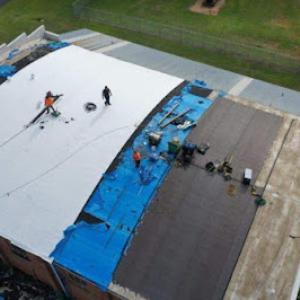
Sure Thing Roofing Contractor
(678) 212-3993 surethingroofingcontractor.com
1000 Sany Wy #206, Peachtree City, Georgia
5.0 from 58 reviews
Sure Thing Roofing Contractor provides roof replacement, roof repair, storm damage inspections, and insurance-claim support in Peachtree City, GA and surrounding areas including Fayetteville, Newnan, McDonough, Atlanta, Douglasville, Senoia, and Sharpsburg. We schedule no-cost roof inspections and guide you through next steps with a clear process from inspection to completion. We’re licensed, bonded, and insured, and our team can document storm damage and prepare an Xactimate estimate when needed. Our parent company, Storm Doctors, Inc., opened in January 2015.
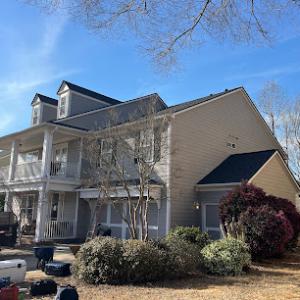
EXTRA ROOFING by Linaje Enterprises
(678) 216-2191 www.extraroofing.net
401 Westpark Ct #200, Peachtree City, Georgia
4.9 from 62 reviews
Extra Roofing is a residential and commercial roofing services company that can handle any roofing & gutters replacement and installation, and all repairs and construction upgrades in the Atlanta, North Georgia and Macon/Warner Robins area. Professional insurance, construction and design assistance at no additional cost.
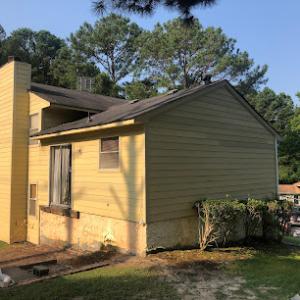
Quality Roofing Siding & Gutters
(678) 758-7771 qualityroofingsidinggutters.com
Peachtree City, Georgia
5.0 from 21 reviews
Since 2008, Quality Roofing, Siding & Gutters, LLC, has been turning home exterior project dreams into reality. More than just contractors, they are your partners in creating a beautiful and enduring home. With meticulous attention to detail and quality materials, they bring your home exterior vision to life using their unique six-step process, ensuring a seamless and convenient experience. From roofs that protect to siding that shines and gutters that perform, Quality Roofing, Siding & Gutters crafts exteriors that stand the test of time, guaranteed.

Duck Back Roofing & Exteriors
(770) 334-9814 www.duckbackroofing.com
312 Crosstown Drive Suite 221, Peachtree City, Georgia
4.7 from 41 reviews
Duck Back Roofing & Exteriors is a locally owned and operated company that has been providing superior roofing services throughout Fayette, Spalding, and Coweta Counties for more than 20 years! Whether you are looking to install a new roof or are seeking repairs, you can count on us for reliable and friendly service. We also offer window installation, gutter cleaning, and commercial roofing services. Give us a call today to get started!
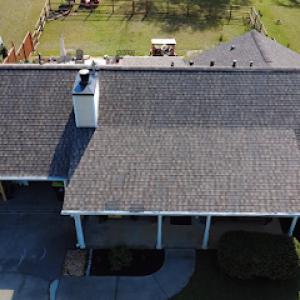
Matts Exteriors
(770) 251-0707 www.mattsexteriors.com
Serving
4.9 from 443 reviews
Trusted exterior remodeling contractor serving Fayetteville, Peachtree City, Newnan, Senoia, Sharpsburg, Tyrone, Atlanta, Marietta, LaGrange, Columbus and more. Our services include roof replacement & repair, siding, gutters, exterior paint, windows, doors, chimney caps & skylights.
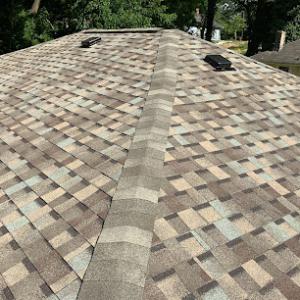
The Cowboy Roofer Fayetteville
Serving
5.0 from 11 reviews
Luis The Cowboy Roofer and he’s crew are experts in Roof Leak Repairs, Chimney Leak Repairs, Roof Replacements, Siding Repairs and Replacement, Gutter Repairs and Replacement. We have experience dealing with Insurance Adjusters.
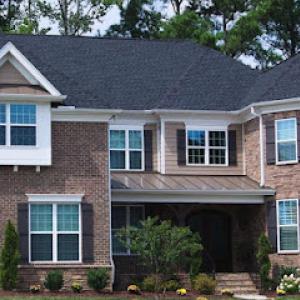
Chastain Roofing
(770) 486-0820 chastainroofing.com
Serving
4.9 from 185 reviews
Chastain Roofing provides roofing, specialty roofing services, doors and windows, siding, and gutters in the Atlanta Metro, GA area. At Chastain Roofing, our residential roofing company believes in offering more than just roofing services. We're roofers committed to providing peace of mind. That's why we offer competitive pricing, free estimates, and generous warranties. Most of our roof repairs come with a 2-year labor and material warranty, while our new roof installations come with a 10-year labor warranty and can be upgraded to 25 years. And for those shingles? They're covered by a lifetime manufacturer's warranty. We're proud to be Select ShingleMasters with CertainTeed, a testament to our expertise and commitment to quality.
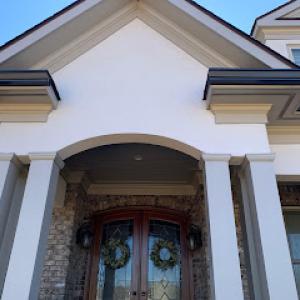
Pro Gutter Systems
(770) 585-0041 proguttersystems.com
Serving
4.8 from 36 reviews
Pro Gutter Systems provides gutter installation, gutter repair, and gutter cleaning services to the south metro Atlanta, GA area.
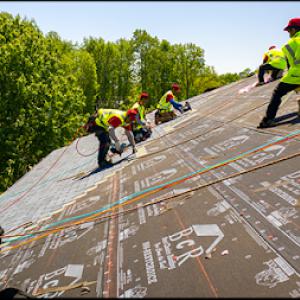
Best Choice Roofing
(770) 874-4202 bestchoiceroofing.com
Serving
4.9 from 236 reviews
Best Choice Roofing is your trusted roofing expert and the Best Choice when it comes to choosing a roofing company with a commitment to impeccable customer service in South Atlanta. In business since 2009, Best Choice Roofing’s industry-leading contributions to the roofing industry include a customer-first mentality, a dedication to top-quality products and a leadership team focused on the growth of its people. Because of this framework, we have created a loyal base of customers all over the United States.
Set Apart Roofing
(470) 215-3463 www.setapartroofing.com
Serving
5.0 from 114 reviews
A passion for people, backed by a continuous pursuit of excellence and honesty in all we do, makes Set Apart Roofing more than just a roofing company. We’re coming alongside you and your family to protect your most important asset – your home.
Peachtree City's humid subtropical climate brings hot, humid summers and mild winters, a combination that shapes shingle aging, underlayment wear, and drying times during roofing work. The humidity can slow the drying of roof deck primers and underlayments after a rain, which in turn affects adhesive performance and the long-term seal between layers. Asphalt shingles may show accelerated granule loss if exposed to rapid, repeated heat and moisture cycles, while some synthetic or composite products handle moisture fluctuations better but still depend on proper ventilation and installation. In this environment, flashing and sealant performance matter more than in drier regions, because seasonal moisture can seep into unsealed gaps and linger around penetrations. Understanding these dynamics helps you expect typical wear patterns and plan preventive checks after particularly hot stretches or heavy spring rains.
Most local replacements are timed for more temperate months to reduce weather delays and moisture-related installation problems. Window of opportunity typically avoids the hottest string of summer and the wettest portion of spring, when sudden storms can interrupt work and raise the risk of deck infiltration. If a replacement must occur during shoulder seasons, crews often pace work to avoid peak heat while still maximizing dry spells between front-end prep and final sealant cures. Planning around the fall cooling trend can provide more consistent drying conditions for underlayment and fastener drive, which contributes to long-term performance. When spring storm frequency spikes, delaying non-urgent projects to a clear weather window helps prevent moisture entrapment and related warranty concerns.
Cool, damp winter and early spring conditions can slow decking and underlayment work, while summer heat can reduce crew productivity and increase heat stress on roofing materials. During heat waves, asphalt shingles can become more pliable, which affects nailing patterns and alignment if not managed carefully. In damp periods, crews pay closer attention to ventilation and airflow under the roof while working to ensure that insulation and underlayment stay dry enough to perform as designed. Moisture management planning includes sequencing penetrations and flashing installations to minimize trapping moisture beneath layers. For homeowners, this means understanding that a humid climate demands cautious scheduling, proactive moisture checks, and timely post-installation inspections to verify seals, flashing integrity, and proper drying of all installed components.
The dominant roofing materials in Peachtree City are Asphalt Shingles, Metal Roofing, Clay Tile, Concrete Tile, Synthetic/Composite Shingles, and Slate, indicating a market with both standard suburban reroofing and higher-end architectural homes. Homeowners benefit from recognizing how each option fits the county's suburban lot patterns, roof pitches, and visual character. Asphalt shingles remain the practical baseline for many starter homes, while metal, tile, and slate complement larger or bespoke designs with distinctive curb appeal. Synthetic or composite shingles offer a middle ground that can mimic traditional materials with easier maintenance. Understanding this mix helps you align your roof's performance with your home's style and expected lifespan.
Spring storm activity in the region emphasizes roof performance under heavy rain, wind, and hail. In a local climate that leans toward humid, storm-prone conditions, moisture management becomes a priority, particularly for steeper roofs and heavier materials. Tile and slate roofs provide strong wind resistance and long lifespans, but their underlayment and deck design must be robust to handle rapid moisture movement and potential thermal expansion. Metal roofing offers excellent wind shedding and hail resistance when properly integrated with drainage and flashing. Asphalt and synthetic shingles can perform very well with a high-quality underlayment and a carefully chosen starter course to reduce water intrusion along the eave line.
Hot summer conditions in this area can accelerate wear on underlayment, which makes system design beneath heavier materials like tile and slate especially important. For clay, concrete, or slate, a reinforced or synthetic underlayment paired with precise attic ventilation helps manage moisture and temperature swing. The roof assembly should anticipate expansion and contraction, with properly spaced fasteners and guide lines for tile or slate to maintain a weather-tight seam. Even when choosing a lighter option, ensure the underlayment is rated for exposure and potential wind-driven rain. A well-designed moisture barrier beneath the roofing layers is essential to prevent slow leaks that slowly degrade decking.
Because Peachtree City has a broad mix of common asphalt roofs and premium steep-slope materials, homeowners need material comparisons that account for both storm resilience and moisture performance rather than price alone. Tile and slate impose greater structure and rafter spacing considerations; metal offers lighter weight with strong wind resistance but requires careful flashing around penetrations. Synthetic/Composite shingles can bridge performance gaps by combining resilience with easier installation. Matching the material to the house's architecture, attic space, and drainage strategy helps maintain both performance and aesthetic integrity.
Regardless of material, regular inspection after major storms, prompt repair of any loose or damaged components, and attention to attic ventilation are key in this climate. Peachtree City homes benefit from a coordinated approach that pairs proper material selection with a durable underlayment, solid flashing details, and a sound maintenance plan. This combination reduces storm-induced leaks and preserves the roof's long-term moisture performance while keeping the home's exterior character cohesive with the neighborhood's varied rooflines.
In this market, material choice drives a big portion of the budget. Local averages run about $350 to $800 per square for asphalt shingles, $700 to $1400 for metal, $900 to $1600 for clay tile, $800 to $1600 for concrete tile, $500 to $900 for synthetic/composite shingles, and $1200 to $2200 for slate. Those ranges reflect not just the material but the installation complexity, attic access, and fastening requirements common to our sunny yet storm-prone springs.
When a regional storm hits, prices can jump as crews flood in for reroofing, emergency dry-in, and insurance-related replacement work. That surge reaches beyond the roof deck and into procurement of underlayment, flashing, and tile or slate components. Expect higher scheduling pressure and potential tiered pricing if a job starts during peak post-storm weeks. If a storm event coincides with a weekend or holiday, coordination and mobilization fees may appear in bids.
Our local material mix includes premium options like tile and slate in addition to standard shingles. That variety means structural requirements and accessory details-such as upgraded underlayment, higher-grade fasteners, and specialized tile supports-can widen the price spread beyond a shingles-only scenario. For example, choosing clay or concrete tiles often calls for a stronger roof deck or additional framing considerations, which adds to both material and labor costs. Synthetic or composite shingles offer a middle ground on price with some benefits in longevity, while slate represents a longer-term investment with commensurate installation complexity.
Begin with a realistic assessment of your roof's current condition: missing granules, curled shingles, or visible interior daylight through the attic are telltale signs you're already in the replacement zone. Get two to three written bids from local contractors who can demonstrate experience with our climate, including storm-related reroofing workflows and insurance documentation. Ask for a materials and workmanship warranty, not just a product warranty, and request a separate line item for debris removal and site protection. If you're choosing premium tile or slate, budget for potential deck upgrade and additional venting, as these factors frequently crop up in our market.
Expect a broad total when tile or slate is on the table, and count on a higher per-square price during or after storm events due to demand. The quick reference remains: asphalt shingles on the lower end, slate at the top, with tile and premium composites filling the middle-to-upper ranges. Keep a contingency of about 5-10 percent for weather-related scheduling shifts and material lead times typical after notable spring storms.
Get a clear picture of your project costs upfront - no commitment required.

Duck Back Roofing & Exteriors
(770) 334-9814 www.duckbackroofing.com
312 Crosstown Drive Suite 221, Peachtree City, Georgia
4.7 from 41 reviews
In Peachtree City, a building permit is typically required for a full roof replacement, and the permit is handled through the Fayette County Building Department. The process is designed to ensure that installations meet county standards for weatherproofing, ventilation, and proper flashing, which matter more here given the humid spring storms and the frequent moisture exchanges on steep residential roofs. Before scheduling any removal or reinstallation, confirm with your contractor that the project plan aligns with Fayette County's permit checklist, including the scope of work, the chosen roofing material, and any required attic or venting specifications. A missing or delayed permit can stall a project and invite penalties or insurance questions after a weather event. If you already have a proposal, call the Building Department to verify whether the permit is active, what inspections will be required, and who is responsible for submitting the final sign-off. The county's record-keeping means that a complete paper trail helps if a storm claim needs documentation later on.
Because inspections are county-administered rather than city-administered, homeowners in Peachtree City should confirm that their contractor is following Fayette County procedures for scheduling and sign-off. Coordinate the permit timeline with anticipated weather windows, recognizing that Georgia springtime storms can compress schedules and complicate timely inspections. Your contractor should provide you with clear milestones: permit issuance, rough-in verification if needed, insulation and ventilation checks, and final weatherproofing confirmation. If any work deviates from the approved plan-such as changes in underlayment, vent placement, or flashing details-document the change and seek an amended inspection plan. After severe weather, a quick re-check of roof edge details, valleys, and penetrations during the inspection phase can prevent moisture intrusion that would otherwise become a bigger claim on a later date.
Inspections occur during critical stages and again after completion to verify proper installation and weatherproofing. Expect the county inspector to examine roofing decking, underlayment, flashing at chimneys and walls, venting, and the overall seal around penetrations. Because moisture management is a priority here, be prepared for a close look at attic ventilation and attic-to-roof transitions to prevent condensation and hidden leaks. If inspectors flag an issue, address it promptly and keep records of corrective work, including photos and contractor notes. When the project wraps up, ensure the final sign-off is documented and stored with your storm-damage and insurance records, so you have a complete trail in case a spring storm claim arises. In the end, proper permitting and diligent inspections protect your home's envelope and your claim credibility. In Peachtree City, that practical diligence can save you time, stress, and preventable damage.
Georgia's periodic storm and hail activity drives roof claim frequency, and that reality directly affects how homeowners should document damage and communicate with carriers. On a typical Peachtree City spring, the rain can be a backdrop to blinking shingles and hidden leaks. When a claim starts, expect insurers to look closely at wind-driven damage and hail impact, especially if the roof already shows wear from previous seasons. The pattern means you should prepare for a careful, evidence-first approach rather than a quick approval.
Some insurers in higher-risk Georgia markets have tightened coverage and are scrutinizing wind and hail claims more closely, including replacement of related roof components. That means partial repairs aren't always enough if the claim signals broader vulnerability in adjoining areas such as underlayment, vents, or flashing. If a carrier suspects preexisting issues or pattern-like damage, the path to approval can lengthen and become more conditional. Understanding that dynamic can help you plan next steps without unnecessary delays or surprises.
For Peachtree City claims, homeowners should expect requests for thorough documentation such as photos, inspection findings, and adjuster estimates before approvals move forward. Take clear photos from multiple angles, timestamped if possible, and note any recent weather events near the damage. Obtain a written inspection summary from a licensed contractor, highlighting areas of concern and recommended fixes. Keep records organized for easy reference when communicating with the carrier.
When you reach out, present a concise timeline of events, the date of the incident, and how the damage progressed. Be precise about affected areas-roofing, flashing, gutters, and nearby structures. If an adjuster visits, request a copy of the report and any supporting photos. Clear, organized documentation can help move approvals forward without guesswork or back-and-forth delays.
In Peachtree City, skylight service appears as a meaningful specialty signal, suggesting enough local demand to warrant dedicated guidance on flashing and leak-prone penetrations. When planning a reroof, inspect the skylight curb, flashing at the base, and the seal around the glass or polycarbonate. Look for loosening nails, worn sealant, and any vegetation buildup that traps moisture. If a skylight is being replaced or resealed, remove the surrounding shingles cleanly and reinstall with a properly lapped cover flashing that directs water away from the curb. In humid springs, even small gaps can become leaks after a heavy shower. Treat any flashing joint with a compatible sealant, but avoid over-tightening, which can distort the flashing and trap moisture.
Chimney work is also a notable market character signal here, indicating that many local homes have roof-to-masonry intersections that need careful flashing during reroofing. Check the chimney cricket or saddle to ensure it diverts water away from the base. Flashing should extend over the counter flashing and under shingle laps, not just press against mortar joints. Inspect for cracked mortar, spalled brick, or efflorescence, all of which signal moisture intrusion. When replacing roofing near a chimney, ensure that step flashing sits under the shingles and that counter-flashing is embedded into the mortar joint with appropriate sealant or metal flashing. Do not rely on paint or sealant alone to stop a slow leak at a chimney.
In a humid, rain-interrupted work environment like Peachtree City, penetrations and transitions are common leak points when temporary weatherproofing or final flashing is mishandled. Temporary measures should be removed before final flashing, so water has a clear path to shed. Pay close attention to vent pipes, attic fan mounts, and skylight-to-roof junctions during the final stage. Use waterproof underlayment beyond the flashing to bridge minor gaps, and verify that all valleys are fully supported and properly sealed. Finally, test for leaks with controlled water exposure in a dry, safe manner after installation, focusing on all known penetrations.
Find contractors experienced in skylight installation, flashing, and leak repairs to bring natural light into your home.
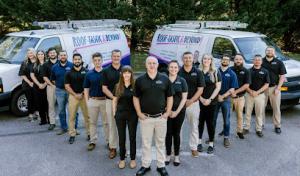
Roof-Tastic & Beyond Exteriors
417 Dividend Dr # A, Peachtree City, Georgia
4.9 from 1579 reviews
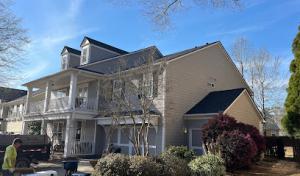
EXTRA ROOFING by Linaje Enterprises
(678) 216-2191 www.extraroofing.net
401 Westpark Ct #200, Peachtree City, Georgia
4.9 from 62 reviews