
Last updated: Apr 19, 2026
This neighborhood in Rincon faces hurricane-season risk from June through November, and roofs can take wind-driven rain and debris even without direct landfall. The combination of hot, humid summers and frequent downpours means a small leak can turn into a serious interior moisture problem overnight if tarping or repairs are delayed. Storms arrive quickly, so the clock on damage assessment, containment, and scheduling repairs starts the moment rain begins to hammer a roof edge or flashing. If your roof has any exposed fasteners, damaged shingles, or lifted edges, treat it as an active incident-even a quick roof-breeze gust can create a larger leak than you expect.
As soon as you notice missing shingles, lifted underlayment, or new stains on ceilings, act without delay. Move occupants and valuables away from affected areas, then place a sturdy, temporary tarp or roofing plastic over the most exposed section to stop the worst of the rain. In this market, storm-oriented contractors expect to hear from you quickly and may prioritize emergency repairs during and after a event. If you can safely reach the attic, check for daylight spots or damp insulation; those signals mean moisture has breached the roof deck. Small openings are enough to drive interior damage fast when humidity spikes, so don't wait for a complete roof failure to respond.
Keep a careful record the moment damage is suspected. Take clear, timestamped photos from multiple angles: the roof edge, any flashing around chimneys or vents, and interior ceiling spots that reveal moisture intrusion. Note the date of the storm, wind direction, and any reports of nearby trees or debris strikes. When talking to your insurer, provide a concise timeline: pre-storm condition, storm event, post-storm observations, and any interim tarping or temporary fixes you applied. In this market, insurers expect prompt, organized evidence, and your documentation can streamline the claims process and protect your schedule for the next steps.
Temporary fixes must be both quick and durable enough to weather the next rain. Use a heavy-duty tarp cut to cover the damaged area with at least a foot of overhang on all sides, and secure it with metal roofing nails or weighted boards to prevent wind-blown loss. Avoid loose tarps that billow during gusts; tie them down firmly and check after each storm. If you're comfortable, seal gaps with roofing tape along edges to prevent wind-driven rain from seeping underneath. Remember: hot, humid air can accelerate mold growth, so time is of the essence. If you can't safely address the leak yourself, arrange a temporary emergency repair with a local contractor who understands the seasonal wind patterns and typical damage modes in this market.
Seek a contractor who communicates clearly about immediate needs, whether it's a tarping job, temporary shingle replacement, or flashing repair. In this climate, crews that specialize in storm damage, rapid mobilization, and insurance liaison tend to respond fastest. Verify that your chosen team will provide a written scope of work, a realistic timeline, and a daily update during the emergency phase. If a contractor pushes you toward full replacement before assessing all available temporary fixes, push back and request staged repairs that address the most critical leaks first. Ask for references from recent Rincon projects that involved hurricane-season repairs and insurance coordination.
Once initial containment is secure, establish a plan for permanent repair or replacement that aligns with the upcoming weather window. Shorter lead times matter here; crews that can mobilize quickly after a major event minimize the risk of secondary damage from ongoing rains. Given the inland coastal exposure of this market, prioritize ventilation and flashing integrity to prevent future moisture buildup. Discuss with your contractor how the chosen roof system will perform against wind-driven rain and debris in local conditions, and set milestones for inspection, debris removal, and final sealing so you aren't left exposed during the next storm.
In this coastal Georgia environment, roof claims are commonly tied to wind and hail activity. Carriers want to see detailed photo documentation of current damage and pre-existing conditions, so your roof's visible state before a storm becomes an important part of the claim narrative. The most persuasive photos are clear, dated, and show both the overall roof and close-ups of affected areas. If a shingle edge is bent, a granule loss patch is visible, or flashing shows signs of distress, capture it from multiple angles. For attic or interior screenshots, document any signs of water intrusion, staining, or mold as corroboration of a leak path. This is not about fault but about giving the adjuster enough context to separate storm-caused issues from wear and aging.
Homeowners should expect adjusters to scrutinize whether damage is new storm damage or older wear, especially after active weather periods when claim volume rises. The human factor matters: adjusters are reviewing history, previous repairs, and the roof's general condition in the context of the latest event. Be prepared to explain maintenance performed since installation, any past repairs, and the roof's known vulnerabilities (such as common wear spots on certain roof slopes or near joints). Honest, straightforward documentation reduces a dispute about what happened when. Having a recent, professional assessment that notes observable wear alongside current damage can help an adjuster distinguish legacy issues from storm-related problems.
Variable adjuster timelines are a practical local issue after regional storm events, so documenting the roof immediately after a storm matters for Rincon-area claims. Delays in scheduling, weather gaps, and the sheer volume of claims can stretch response times. The key is to begin record-keeping as soon as conditions allow. A dated sequence of photos from the day after the storm through the following week creates a solid timeline. If you notice a leak developing after a storm, document it promptly, even if it seems minor at first. Quick action can prevent a small issue from becoming a larger claim complication down the road, and it helps your file stay aligned with the actual sequence of events.
Start a simple storm-damage regimen: inspect the roof only when it's safe, and use sturdy ladders, a buddy system, and appropriate fall protection. Photograph all four slopes, ridges, gutters, and any visible flashing. Look for loose or missing shingles, curling edges, or mismatched granules in gutters. Don't forget to check interior ceilings, attic vents, and soffits for signs of water intrusion after a storm. Record dates and weather conditions in your notes, and store the images in a clearly labeled folder. If you have prior roof work or a known vulnerability, include that information with your new photos so the adjuster can see the full picture. And when a claim is filed, respond to requests promptly. Delays in supplying documentation can complicate coverage decisions and extend the process.
Choose a local contractor who understands the typical materials used on Rincon-area homes and the common failure points in this climate. Share the photos and notes with your contractor early, so they can help interpret the damage and provide a professional severity assessment that aligns with what the adjuster is likely to review. A coordinated presentation-photos, a written description of events, and a brief repair plan-can streamline the review and reduce the back-and-forth that commonly prolongs claims. Remember, the goal is to establish a clear, bridgeable narrative that connects the storm event to the observed damage, while honestly noting any pre-existing conditions.
Connect with contractors who help homeowners navigate the claims process from damage assessment to final approval.

South Shore Roofing
(912) 417-5418 www.southshoreroof.com
207 Wisenbaker Rd #15, Rincon, Georgia
5.0 from 34 reviews

Beau Dossey Roofing
(912) 272-7973 savannahslocalroofer.com
184 Waldhour Rd, Rincon, Georgia
4.7 from 58 reviews
Patriot Pros Roofing
(912) 665-3338 patriotprosroofing.com
131 Cypress Dr, Rincon, Georgia
4.9 from 301 reviews
GAF Master Elite and the Lowcountry's first FORTIFIED Roof hurricane certified company. Veteran and woman owned roofing and siding contractor with over 40 years of professional experience in the construction industries. Integrity is our quality!

South Shore Roofing
(912) 417-5418 www.southshoreroof.com
207 Wisenbaker Rd #15, Rincon, Georgia
5.0 from 34 reviews
South Shore Roofing in Rincon, GA is a leading and well-established local roofing company with substantial experience in this business area. When employing our professional services, you are becoming a part of our wide client base that has been entrusting us with their roofs for years. We are comprised of professional roofing contractors and emphasize their continuous training and education. We employ the latest and innovative roofing techniques and methods and provide premium quality products and services. These include roof repair roof replacement and new roof installations for both residential and commercial purposes. For your convenience, our services also include free inspections and detailed estimates.

Beau Dossey Roofing
(912) 272-7973 savannahslocalroofer.com
184 Waldhour Rd, Rincon, Georgia
4.7 from 58 reviews
Over 20 years experience in the area. We specialize in all types of roofing. We are family owned and operated. We use top quality materials and have experience like no other. Go with someone that you can trust and the locals know. Beau Dossey Roofing.
Rewis Roofing
(912) 644-0931 www.rewisroofingllc.com
Serving
5.0 from 114 reviews
Experienced and trusted roofing company serving Georgia and South Carolina
RDGE Roofing
(912) 259-4220 www.rdgeroof.com
Serving
5.0 from 27 reviews
RDGE Roofing specializes in storm damage repair and restoration, providing fast, reliable roofing solutions to protect your home or business. Our expert team ensures quality service and works closely with insurance companies to simplify the claims process, getting your roof back to its best in no time.
Real Good Roofing
(912) 405-9178 realgoodroofing.com
Serving
5.0 from 160 reviews
Real Good Roofing is a trusted roofing company serving both residential and commercial clients. Our team is committed to delivering high-quality workmanship on every project, no matter the size. We take pride in doing things the right way — with attention to detail, clear communication, and a strong focus on customer satisfaction. We work with a wide range of roofing materials and systems, and we specialize in roof installation, repairs, replacements, and ongoing maintenance. Using modern techniques and high-quality products, we ensure durable, long-lasting results that also look great. Known for our reliability and professionalism, Real Good Roofing has become a preferred choice for homeowners and businesses looking for dependable roofin
Whipple Roofing
(843) 415-3853 www.whippleroofing.com
Serving
4.8 from 85 reviews
We whip your roof into shape, whether storms damage it, need wear-and-tear repair, or a full replacement. The Whipple team brings more than 25 years of experience and the highest levels of certification and recognition in the roofing industry. The Whipple team earns your trust with a free estimate from homeowners to real estate agents, giving a detailed view of areas for improvement and tiers of options that meet any budget. Our team can handle emergency projects or large-scale construction real estate. We are also well versed in working directly with insurance companies, helping to provide homeowners assistance with claims, and fighting to ensure you receive the services you are entitled to. Don’t wait to get the Whipple teamwork.
Divine Roofing & Restoration
(689) 688-5755 divineroofingrestoration.com
Serving
4.9 from 44 reviews
Divine Roofing & Restoration is a local, certified and insured Georgia contractor based out Savannah and Pooler, Georgia. We provide residential, commercial, and multi-family roofing, restoration, and remodeling services. Roofing services include roof inspections, leak and storm damage repair, insurance claims, roof replacement and restoration, asphalt shingle, metal, flat and low-slope systems, protective coatings, and seamless gutter installation. We also provide siding repair and replacement, window and door upgrades, decks, exterior paint, and interior remodeling such as kitchens, baths, flooring, drywall, trim, and paint. Serving Chatham, Bryan, Effingham, Liberty, Bulloch, McIntosh, Glynn, Camden, and surrounding Georgia counties.
Affordable Roofing & Gutter
(912) 234-6330 affordableroofinggasc.com
Serving
4.1 from 14 reviews
For a HOLE in your roof or a WHOLE new roof give us a call! FINANCING OPTIONS AVAILABLE!!
Pooler Roofing Company
(912) 330-2094 poolerroofingcompany.homes
Serving
4.8 from 20 reviews
In search of a roofing company you can depend on in Pooler? Look no further than Pooler Roofing Company. We specialize in both residential and commercial roofing services. Backed by years of experience, we offer complimentary roof inspections to identify any potential issues before they escalate. Whether it's a minor repair or a complete roof replacement, our skilled roofers are ready to handle it all with precision and expertise. In the unfortunate event of storm damage, we're your trusted partner for swift and reliable repairs. We understand the urgency of such situations and strive to provide prompt assistance to restore your home. Trust Pooler Roofing Company to protect your investment and keep your property protected for years to come.
Victory Roofing
(912) 800-1544 www.victory-roofing.com
Serving
4.9 from 144 reviews
Let us take care of that "Roofing Honey-Do" list. We will handle anything from debris removal, soft washing, gutters, to repairs and replacements. Let us come do a FREE inspection so you can plan for the longevity of your most prize investment.
Above the Sky Roofing
Serving
3.6 from 10 reviews
Looking to get your roof renovated? Above the Sky Roofing offers there professional roofing services for residential roofs, commercial roofs, and We also offer roofing construction. We have been serving the Rincon, GA area since 1979. Call us today for a free estimate!
In this market, the ideal window for major roof work is the drier, cooler months. Summer humidity and regular rainfall routinely push moisture into the roof deck and complicate tear-offs, dry-ins, and sealing. When a roof is exposed to high humidity, plywood and underlayment can absorb moisture, which slows curing times and can lead to long, weather-delayed projects. Plan around a stretch of consistently dry days, with forecasts showing a solid week of manageable temperatures and low rain chances. If a replacement or major repair is needed, target that window and lock in the crew early to avoid back-to-back weather holds.
Spring rains in Effingham County can limit roof access and complicate tear-off and dry-in timing. Access to eaves and the attic sometimes becomes hazardous when the roof is slick or damp. Schedule work, if possible, for the weeks after a light rainfall clears and before the next system pushes through. On projects that begin in early spring, expect occasional pauses for wind or passing showers, and have contingency days built into the schedule. Communication with the crew about rain days and rescheduling helps keep the project on track without sacrificing safety or workmanship.
Rapid temperature swings along the coast can cause noticeable expansion and contraction in roofing materials and sealants. This is especially true for metal, synthetic underlayments, and fasteners. When sequencing installation, start with a thorough deck prep during a period of stable temperatures, then pace the application of sealants to avoid cold-weather cracking or overheating during afternoon heat. If a partial retrofit is planned, coordinate between shingle or panel installation and sealing steps to minimize repeated exposure of underlayment to ambient moisture. In Rincon, the best approach is to stage work during mornings when temperatures are moderate and to avoid long stretches of hot afternoon sun on newly sealed joints.
Set a clear, realistic start date that aligns with a dry spell and confirm it with your roofer at least two weeks out. Build a short buffer into the plan for any unexpected rain or wind events common during hurricane season. If a storm threat looms, arrange for a temporary cover or tarping to protect the exposed roof edge and interior during a delay. Finally, keep a simple, shared calendar with the contractor so you can track weather-related postponements and ensure the sequence of tear-off, dry-in, and final sealing stays intact once conditions improve.
Get a clear picture of your project costs upfront - no commitment required.
South Shore Roofing
(912) 417-5418 www.southshoreroof.com
207 Wisenbaker Rd #15, Rincon, Georgia
5.0 from 34 reviews
Beau Dossey Roofing
(912) 272-7973 savannahslocalroofer.com
184 Waldhour Rd, Rincon, Georgia
4.7 from 58 reviews
Asphalt shingles remain the dominant local choice because they fit Rincon's large re-roofing market and respond well to the hot, humid Georgia summers. In this climate, ventilation and proper sealing become more critical than in dry inland markets. When you're planning a shingle roof, prioritize a well-ventilated attic and moisture-control strategy to curb heat buildup and avert early shingle deterioration. Look for ridge and soffit venting that works with a high-saturation humidity environment, and double-check that the shingles are properly sealed at eaves and along walls to minimize wind lift during storms. If your home has older decking, consider upgrading to a vented undersheathing system and a high-quality underlayment rated for humidity. In Rincon, a careful installation sequence that emphasizes sealed penetrations, attic airflow, and wind-resistant sealant around roof-to-wall transitions can translate into noticeably longer service life during hurricane season.
Metal roofing is locally active and visually appealing, especially for its rain-shedding performance and wind resistance. In storm-prone, humid climates, the installation quality around fasteners and flashing matters most. You want continuous, corrosion-resistant fasteners, properly secured overlapping panels, and a flashing plan that keeps water from seeping at transitions, dormers, and chimneys. Pay attention to how the edges are sealed where panels meet the eaves and at the ridges. A quality metal roof with a robust seal around all penetrations can reduce the risk of leaks after a heavy rain or hurricane downpour. If you're considering metal, coordinate with a contractor who has proven work in coastal Georgia environments and who emphasizes a meticulous flashing and sealant strategy, not just panel color or style.
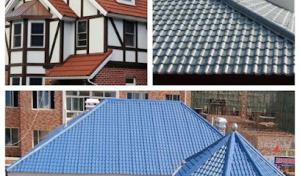
Clay and concrete tile, wood shakes, and synthetic/composite shingles are present in the Rincon market, but their heavier weight and sometimes longer installation timelines can shift structural, labor, and scheduling considerations compared with standard shingles. Heavier systems demand a closer look at roof framing, load distribution, and potential need for additional structural reinforcement. Specialty tiles may require longer lead times for delivery and more precise workmanship to maintain performance in humidity and wind. If choosing these options, ensure the contractor conducts a thorough assessment of attic ventilation, roof deck integrity, and the compatibility of the underlayment with moisture-prone conditions. For tile and shake systems, insist on careful fastener placement and flashing details to guard against wind-driven water intrusion during storms. Synthetic or composite options can offer lighter weight and faster install, but still benefit from a careful detailing plan in a hurricane-exposed, humid climate.
Typical local pricing runs about $350 to $700 per square for asphalt shingles, $600 to $1200 for metal, $900 to $1800 for clay tile, $800 to $1500 for concrete tile, $600 to $1100 for wood shingles or shakes, and $500 to $1000 for synthetic or composite shingles. Those ranges reflect the mix of housing stock in the area, from newer two-by-fours-and-OSB homes to heat-radiant bungalows with more attic complexity. In practice, a homeowner should expect the low end for a straightforward tear-off with standard 3-tab or architectural asphalt, and the high end when a roof is steeper-than-average, requires multiple layers, or needs upgraded underlayment and additional flashing.
Rincon cost swings are influenced by storm-driven demand spikes, especially after regional wind events when emergency work and re-roofing volume increase at the same time. When a hurricane or strong squall blows through, you'll see price pressure on both materials and labor, and scheduling gaps can stretch out. If replacement is timed to follow a major wind event, factor in a moderate premium for expedited service, secure materials early if possible, and plan for quick material substitutions if certain products are backordered.
The choice between asphalt, metal, or tile drives a large portion of the cost delta. Asphalt shingles remain the most economical option, but heavy winds down the coast can favor metal or tile if the existing roof structure supports it and attic ventilation is adequate. Clay and concrete tile offer durability in a hot, humid climate but require careful installation and may necessitate decking and flashing improvements when tear-offs reveal underlying issues. Synthetic or composite shingles provide a balance between cost and performance, often bridging gaps between traditional options in this market.
If a full tear-off is on the table, budget for potential decking corrections and flashing upgrades discovered mid-tear. Ventilation improvements can add to the bottom line but pay dividends in energy efficiency and roof longevity. Get multiple written estimates that itemize tear-off, disposal, new underlayment, and any necessary roof-to-wall flashing work. In a storm-prone area, a proactive approach-scheduling replacement in a window with historically lighter demand-can help control both cost and project duration.
Don't let upfront costs delay a critical repair - these contractors offer payment plans to fit your budget.

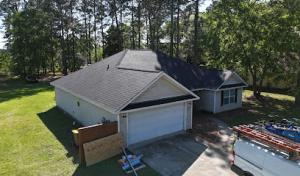
A full roof replacement in Rincon generally requires a building permit through the local Effingham County or Rincon process rather than being treated as informal maintenance. The permit is not a formality you can skip-insurers, neighbors, and utility crews often look for a permit as part of the project record. Before lifting a single shingle, verify that the correct permit path is open for your address, and confirm whether any neighborhood covenants or HOA rules also apply.
The permit path typically includes submitting project scope information and receiving plan review approval before work proceeds. Prepare to document whether the project involves an entire roof replacement, any decking or structural changes, ventilation upgrades, and the type of roofing material to be installed. In a climate with hot, humid summers and seasonal storms, indicating planned ventilation improvements and roof-to-wall flashing details can help avoid delays later. Plan review acts as a checkpoint to ensure local code expectations are understood from the outset.
Inspections commonly verify ventilation, flashing, and code compliance, with rough-in and final inspections used on projects involving more than a simple reroof, while some straightforward reroofs may receive only a final inspection if no structural changes are made. For homes with attic vents, soffit intake, or attic baffles, inspectors will look for proper venting balance to prevent heat buildup and moisture issues that can worsen under storm conditions. Flashing around chimneys, valleys, dormers, and roof-to-wall interfaces should be sized and installed to resist wind-driven rain common during hurricane season. If the project includes new skylights or penetrations, expect additional checks to confirm weatherproofing continuity.
Coordinate the permit timeline with pushback windows caused by weather and storm advisories. In Rincon, quick re-roof scheduling is valuable due to frequent rain and wind exposure; scheduling inspections promptly after milestones helps keep the project on track and reduces prolonged exposure of vulnerable decking or underlayment. Have the contractor attach inspection notices and contact information on-site, and keep your permit card readily accessible during the process.
Because Rincon sees regular summer rainfall and tropical storm activity, flashing details are a recurring concern when roofs begin leaking after wind-driven rain. In homes with asphalt shingles or metal panels, flashing around chimneys, vent pipes, and where roof planes meet walls tends to be the first weak spot. A sudden gush of water indoors often traces back to a compromised seal or a missing, cracked, or poorly seated flashing piece. In older structures, seams at the roof-to-wall transition can open up quickly after a storm, letting rain travel along the underlayment until it finds a quiet corner to drip.
Local inspections place emphasis on ventilation and flashing, signaling that these details are common quality-control points in the area. In the humid heat of summer, inadequate attic ventilation compounds condensation and can accelerate slow leaks into larger issues. Look for signs of trapped moisture near soffits and ridge vents, and confirm that vent gaps are clean and properly sealed. Flashing should lay flat, with continuous intersections and no puckering where membranes meet metal or shingles. If a sealant layer has started to fail, water will exploit the weakened edge long before any visible exterior damage appears.
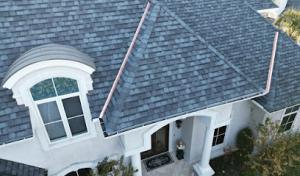
Skylight-related leak repair is a real but smaller niche in this market, reflected by limited yet present contractor specialization. If a skylight shows staining or a damp halo around its perimeter after a storm, the issue is often a compromised sealant bead or a deteriorated flashing apron. Specialty contractors can re-flash or replace the top seal, but the area's limited demand means timing and availability can vary. When dealing with a storm-triggered leak, prioritize the source of the intrusion and document the progression carefully to guide prompt, targeted repairs.
Find contractors experienced in skylight installation, flashing, and leak repairs to bring natural light into your home.
Patriot Pros Roofing
(912) 665-3338 patriotprosroofing.com
131 Cypress Dr, Rincon, Georgia
4.9 from 301 reviews
South Shore Roofing
(912) 417-5418 www.southshoreroof.com
207 Wisenbaker Rd #15, Rincon, Georgia
5.0 from 34 reviews

In this market, flat-roof and roof-coating services exist but are clearly secondary to residential re-roofing and storm-repair work. You'll often see flat sections on additions, carports, and some older ranch homes, but the priority remains restoring and upgrading steep-roof sections that confront hurricane-season wind events. When a flat or low-slope segment exists, treat it as a specialized patch-not a primary long-term solution-and plan for timely drainage-focused upgrades rather than cosmetic fixes.
In the humid, rainy climate, low-slope systems demand careful attention to drainage details and moisture management. Inspect and confirm sufficient slope, proper for seasonal storms, and verify that scuppers, drains, and overflow paths stay clear during recovery work. Weather delays are common, so restoration timelines should build in protective measures for prolonged exposure to moisture. A well-installed membrane or coating must be paired with robust edge detailing and a reliable transition to higher-slope roof areas to prevent water tracking into interior spaces during a storm or post-storm cooldown period.
Coating discussions should be framed as a specialized option rather than the default path for most homeowners. Coatings can extend life on compatible substrates or provide a temporary seal during rapid storm responses, but they require careful surface preparation, compatible substrates, and ongoing maintenance. On a practical level, coatings are most effective when used as part of a broader plan that includes addressing underlying deck moisture, ventilation, and any insulation concerns, rather than as a stand-alone cure-all for aging or leaking flat sections.
If a coating or low-slope repair is chosen, schedule regular inspections after tropical systems and heavy rains. Look for blistering, raveling edges, and ponding behind scuppers or planters, and address any standing water promptly. Proper ventilation and attic moisture control around transitions help minimize future repairs and keep the roof system performing under Rincon's seasonal stresses.
Find specialists in TPO, EPDM, and built-up flat roofing systems for residential and commercial properties.
Divine Roofing & Restoration
(689) 688-5755 divineroofingrestoration.com
Serving
4.9 from 44 reviews
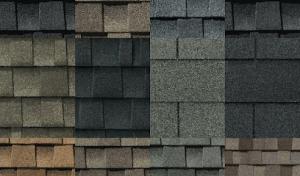
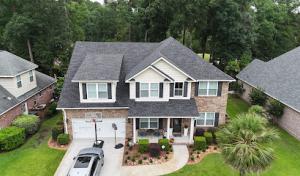
In Rincon, homeowners typically hire for re-roofing, quick response, cleanup, and affordability rather than highly specialized architectural systems. This means you should expect ready-to-go crews who can handle storm-driven projects, finish promptly, and leave the job site tidy. Long-established, family-owned firms that focus on residential work are common, so trust and responsiveness matter. Free inspections and some drone inspections are common locally, while manufacturer-certified crews or financing-heavy positioning aren't the norm.
When you start conversations, prioritize firms with a visible track record of residential projects and clear communication. Ask how quickly they can respond after a storm event and whether they offer emergency temporary protection if your roof is compromised. Look for companies that document a straightforward process: initial free inspection, a written scope, and a realistic timeline backed by a single point of contact. Since big marketing piles aren't standard here, value honest assessments over high-pressure sales. Confirm that the crew is experienced with common Rincon roofing stock and weather exposure, and that cleanup will be thorough to minimize debris left around after a storm.
Gather a few written bids from locally established, residential-focused firms and compare the scope of work, materials, and warranty language side by side. Favor contractors who include a detailed site plan, tarp or temporary cover options, and a post-work inspection to verify the job was completed to standard. Verify references from nearby neighborhoods with similar homes and recent storm work. In this market, the best choice often balances reliable response, solid workmanship, and a price that fits your home's needs-without overreaching into financing-heavy or overly specialized offerings.