
Last updated: Apr 19, 2026
Spring in this area brings regular hail and wind events that can create damage you can't see from ground level. Shingle granule loss, minor curling, dented metal flashing, lifted edges, or granules tracked into gutters are all signs that warrant a closer look. In the Atlanta metro claim environment, inspections are triggered by storms that hammer roofs, and Union City homes with asphalt, metal, or tile roofs all share the risk of hidden damage. The urgency spikes after a thunderstorm dries up, because wind-driven hail can compromise underlayment and decking before a homeowner realizes something is wrong. If a neighbor reports hail or you hear rapid wind gusts, assume an inspection is prudent and plan to document what you see and what you don't.
This city sits in a high-claim environment where hail and wind events regularly trigger roof inspections and replacement decisions. Because many local contractors actively market storm damage and emergency repair, homeowners are likely to be approached quickly after major weather events. That reality creates both opportunity and risk: a fast response can protect your home, but it can also create pressure to sign on with the first company that knocks. Timing matters because insurers often require timely assessments, scope documentation, and, if a full replacement is indicated, comparable replacement materials to maintain coverage. You'll want to coordinate with your insurer early, secure an independent assessment, and avoid rushing to a settlement that doesn't reflect long-term durability. This is especially true for spring thunderstorms where damage can be functional without obvious surface clues.
Contractors in this market routinely position themselves as storm specialists, ready to offer rapid inspection, emergency tarping, and insurance claim assistance. You'll likely encounter a push to expedite repairs or replacements, sometimes with temporary patches that do not address underlying damage. Expect detailed documentation requests, including photos from multiple angles, hail impact indicators, and, in many cases, a claim-focused scope of work. A common pitfall is accepting a contractor's assessment without an independent second opinion. In Union City, coordinating with a contractor who understands the specifics of your roof type-whether asphalt, metal, clay or concrete tile, or wood-will help ensure the chosen replacement material aligns with the home's needs and the long-term performance expected in this climate.
First, document the home's exterior: a wide shot of the entire roof and close-ups of any damaged shingles, flashing, or gutters. Note any interior signs of water intrusion, such as staining on ceilings or walls near the attic access. Contact your insurer to report the event and request an adjusted assessment, while requesting a copy of your options for permanent repair or replacement. Seek a second opinion from a licensed, independent roofer who does not rely on a storm-damage claim to win business. Get written estimates that include the anticipated scope of work, replacing like-for-like where feasible, and a clear timeline. If temporary measures are necessary, ensure they are safe, properly documented, and do not impede a future long-term solution. Be cautious with emergency patchwork that could complicate a later full replacement or insurance claim.
Damage control matters because moisture exposure can escalate quickly in the spring humidity and Georgia heat. Keep attic ventilation unobstructed and address any leaks promptly with professional guidance. When a claim is underway, avoid delaying important structural inspections or decked-areas that could undermine the roof's integrity. Maintain open communication with the insurer and the chosen contractor, and insist on a transparent, material-by-material breakdown of the replacement plan. In this market, the goal is a durable, code-resilient roof that withstands future spring storms, rather than a quick fix that leaves hidden damage behind. Staying informed, vigilant, and proactive helps ensure the replacement decision remains insurance-driven, technically sound, and aligned with Union City's spring storm realities.
Smith Roofing & Construction
(404) 454-5870 www.smithroofingconstruction.com
Serving
4.9 from 17 reviews
Smith Roofing & Construction was founded by Norris E. Smith Jr. in the Spring of 2007. Our establishment specializes in the aspects of Roofing & Construction. Furthermore, we offer our services in: Roof Inspection, Storm Damages, Complete Residential Roof Replacement, Seamless Gutter Installation, etc.
Home Right Solutions
(678) 410-8108 homerightsolutions.net
Serving
4.9 from 41 reviews
Transform your home with our unique and captivating roof replacement services in McDonough. At Home Right Solutions, LLC, we specialize in creating roofing solutions that stand out, providing both functionality and aesthetic appeal. Our experienced team ensures a seamless process, from consultation to installation, tailored to your specific needs. Elevate the curb appeal and durability of your home with our unparalleled craftsmanship. Ready for a roofing upgrade? Contact Home Right Solutions, LLC today for a free estimate. Let us bring a touch of uniqueness to your home with our top-notch roof replacement services in McDonough. Your dream roof is just a call away!
Roof Bullies
(404) 383-2424 www.roofbullies.com
Serving
4.8 from 25 reviews
Roof Bullies is a certified full-service commercial and residential roof repair service in Houston, TX and Atlanta, GA. We also Service many restoration services. Water, fire and mold restoration.
Best Choice Roofing
(770) 874-4202 bestchoiceroofing.com
Serving
4.9 from 236 reviews
Best Choice Roofing is your trusted roofing expert and the Best Choice when it comes to choosing a roofing company with a commitment to impeccable customer service in South Atlanta. In business since 2009, Best Choice Roofing’s industry-leading contributions to the roofing industry include a customer-first mentality, a dedication to top-quality products and a leadership team focused on the growth of its people. Because of this framework, we have created a loyal base of customers all over the United States.
Zetroc Roofing
(770) 306-2976 www.zetrocroofing.com
Serving
4.5 from 31 reviews
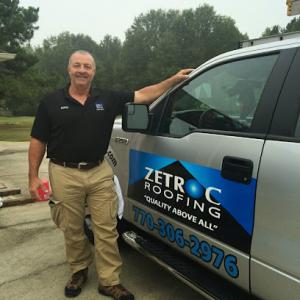
Zetroc Roofing is a trusted roofing company with over 33 years of experience, and rated A+ with BBB. Committed to "Quality Above All," we specialize in a wide range of top-tier roofing solutions, including reliable repairs, complete replacements, and new installations. We also offer complimentary storm damage inspections to assess and address unexpected weather-related roof issues. Our mission is to provide exceptional craftsmanship, dependable service, and accountability on every project, ensuring lasting results for your home. Financing options are available through Service Finance.
FGA Roofing
(404) 731-6555 firstgaroof.com
Serving
5.0 from 9 reviews
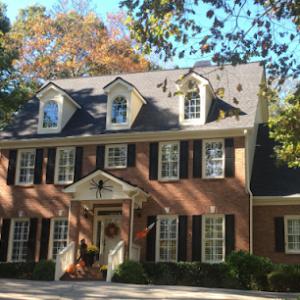
Do you need a roofing company in Newnan, GA area? FGA Roofing offers reliable residential and commercial roofing / shingle repair, replacement and installation services in Newnan, GA and all nearby towns. For over twelve years we have committed ourselves to be great at what we do. We are a family owned and operated business that values the community we serve above all things else. We pledge to always provide our customers with the best roofing experience possible. Going beyond the quality of our work on the roof, our project together is a partnership between you and our company. Our staff will behave with the utmost professionalism, knowledge and most importantly integrity when dealing with our valued customers. .
Smart Choice Construction & Roofing
(404) 985-2413 www.asc-roof.com
Serving
4.9 from 72 reviews
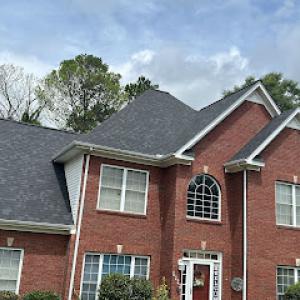
Smart Choice Construction and Roofing is a roofing contractor in Fayetteville, serving Peachtree City, Tyrone, Newnan, and nearby areas. We specialize in roofing services and siding replacement like vinyl, wood, and fiber cement (Hardie plank & and other brands). Customers love us because of our comprehensive roof warranties. We also have industry affiliations and certifications such as GAF Certified. If you want to experience how your most trusted Fayetteville and Peachtree City roofing company embraces our motto “One Stop Shop for All Your Exterior Needs", call us now for a free estimate!
Matts Exteriors
(770) 251-0707 www.mattsexteriors.com
Serving
4.9 from 443 reviews
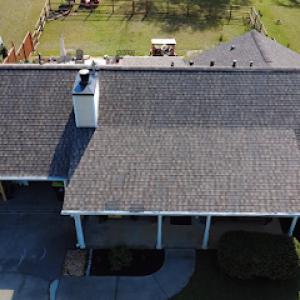
Trusted exterior remodeling contractor serving Fayetteville, Peachtree City, Newnan, Senoia, Sharpsburg, Tyrone, Atlanta, Marietta, LaGrange, Columbus and more. Our services include roof replacement & repair, siding, gutters, exterior paint, windows, doors, chimney caps & skylights.
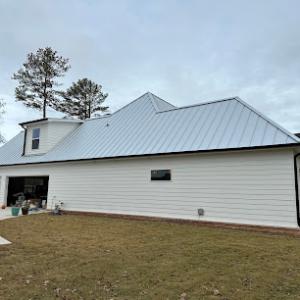
Chastain Roofing
(770) 486-0820 chastainroofing.com
Serving
5.0 from 28 reviews
Your roof is the first line of defense in protecting your home in the midst of every storm and season. When your roof is compromised, your whole home can be impacted and damaged. Whether you need a roof repair or a complete roof transformation, the team at Chastain Roofing is prepared to help. As a family-owned and operated business, we understand the challenges of managing a family while waiting on a needful repair. When you call, we come out quickly to restore your roof properly. All of our technicians are OSHA certified to ensure safety throughout your repair. We will always be responsive to addressing your needs and finishing the job with excellence!
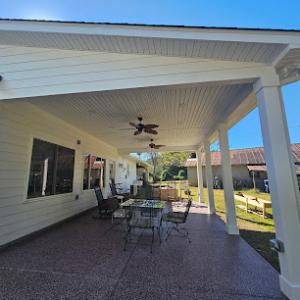
Lynn's Home Improvement
(404) 710-9760 www.lynnshomeimprovement.com
Serving
4.7 from 75 reviews
Lynn's Home Improvement is your trusted local contractor serving Atlanta, Fayetteville, and surrounding areas. We specialize in roof replacement, roof repairs, siding, windows, gutter installation, and deck and patio construction to enhance your home’s durability and curb appeal. Whether you need a new roof, reliable roof repair, or a full roof replacement, Lynn's Home Improvement has the expertise to handle any project with care. Our team is committed to providing high-quality, affordable services that meet your needs and exceed expectations. As a leading roofing contractor in Atlanta, we pride ourselves on delivering tailored solutions and top-quality work, from small repairs to major replacements.
King Roofing Pros
(404) 913-6830 kingroofingpros.com
Serving
4.9 from 157 reviews
Your trusted roofing experts serving NC and GA since 2008. As a family-owned business, we take pride in our unwavering commitment to quality, integrity, and customer satisfaction. With over 2000 projects completed and providing the highest quality building services to meet NC building code. We've become the go-to choice for residential and commercial roofing needs. Our experienced team uses cutting-edge techniques and premium materials to ensure every project meets the highest industry standards. When you choose King Roofing Pros, you're choosing a roofing partner that combines a decade of expertise with family values, delivering results you can trust. Contact us today to experience the King Roofing Pros difference today!
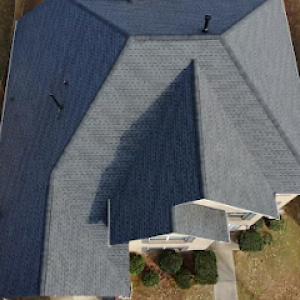
ExP Contractors
(404) 974-4969 exproofingcontractors.com
Serving
4.9 from 171 reviews
ExP Contractors and Roofing, the trusted roofing contractor in Forest Park, GA, brings over 9 years of expertise in delivering exceptional roofing solutions. As a licensed and bonded full-service firm, we specialize in roof repair, asphalt shingle replacement, storm damage repair, hail damage repair, and roof inspections for both residential and commercial properties. Our commitment to excellence is backed by an A+ BBB rating, 5-star Google reviews, and GAF Certification, ensuring quality and customer satisfaction every time. Discover why we’re the go-to choice for roofing in Forest Park, GA. Visit our website for more information or call us today to experience the ExP Contractors and Roofing difference!
In this area's hot, humid summers, the roof bears the brunt of heat, sun, and spring hail. Asphalt shingles dominate locally, but the heat can accelerate granule loss, curling, and aging compared with milder climates. That means you'll notice faster granule wear, faster shingle lifting at the edges, and more frequent heat-induced curling on days that push 90-plus. Your roof's age, shade from trees, attic ventilation, and insulation all influence how long it will resist heat-related damage. Understanding how heat interacts with your chosen material helps you plan for longer service life and fewer surprise failures during storm season.
Asphalt shingles are the practical default for most homes in this market. They're familiar to local crews, easy to repair, and widely available, making repairs after hail fairly straightforward. Metal roofing is relevant here but remains less common than shingles; when installed with attention to underlayment, fastener placement, and seam detailing, metal can offer strong heat resistance and wind performance. Heavier systems, like clay tile and concrete tile, require closer attention to structural compatibility and local review because tile or metal compatibility checks are noted for heavier roof assemblies in this market. If considering a tile option, ensure the existing structure can support the weight without upgrading framing or joists.
If asphalt shingles are your choice, prioritize attic ventilation and insulation to reduce heat buildup. A cool attic lessens the pace of aging and helps prevent curling, especially along the southern exposure. Consider UV-rated shingles with good granule adhesion and verify proper nail placement to resist peeling in hail impacts. Regular inspections after spring storms should focus on granule loss, flashing integrity, and any signs of accelerated wear at valleys and eaves.
Clay and concrete tiles can shed heat differently and look distinctive on certain homes, but they demand a careful fit with the structure. In homes with limited attic access or older framing, weight and wind performance become critical. For metal, emphasize sealed seams and correct substrate preparation so high heat doesn't invite premature corrosion or thermal movement that compromises flashing.
Plan a focused inspection after major spring storms, paying attention to edge curling, granule loss, and flashing around chimneys and vents. If considering a switch from shingles to a heavier or more heat-tolerant system, have a qualified contractor assess structural readiness and long-term performance under extreme conditions. In Union City, choosing a system with proven heat resistance and a solid installer track record will help maximize life expectancy in this climate.
In this part of the Atlanta storm belt, you'll notice material choices that fit local housing stock and weather patterns. Typical local ranges run from about $350 to $600 per square for asphalt shingles, $700 to $1300 for metal, $900 to $1800 for clay tile, $800 to $1400 for concrete tile, $500 to $900 for wood shingles or shakes, and $450 to $900 for synthetic or composite shingles. Those numbers reflect the realities of South Fulton counties, where labor and material access can tilt pricing on the calendar around spring hail and high-wind events. When budgeting, look at a full roof square (100 square feet) and multiply by the specified per-square range to get a realistic ballpark.
Spring storms leave Union City homes with higher replacement demand than a typical year. After hail or strong wind, homeowners often want fast answers on whether a roof can be repaired or must be replaced, and scheduling pressure pushes crews to book out weeks or months. In those windows, suppliers and crews may adjust material availability and labor demand, nudging the bottom-line numbers upward. If your home has a roof style that's popular in the area, such as asphalt or metal with common deck layouts, you'll likely see steady access; more specialized shapes or older tile systems can broaden lead times and price swings.
Costs can rise locally when a replacement triggers post-job inspection corrections, upgraded flashing or ventilation work, or a structural review for heavier tile and some metal assemblies. If your project includes heavier tile like clay or concrete, or a metal system with a thicker profile, anticipate higher material and labor charges to accommodate weight considerations and compatibility with existing framing. Inspections that verify ventilation and flashing integrity after a storm repair can also impact final costs. In practice, a clear line from initial assessment to material choice, exposed deck condition, and anticipated retrofit needs helps keep the budget grounded even as storm-driven demand spikes cycle through the metro area. When you're evaluating bids, ask each contractor to itemize these potential add-ons so you can compare apples to apples across the same scope. This approach helps you navigate the usual Union City reality: storm-driven scheduling pressure paired with the practical need for a durable, wind- and hail-resilient roof that fits your home and budget.
Get a clear picture of your project costs upfront - no commitment required.
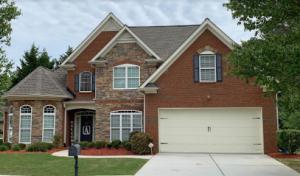
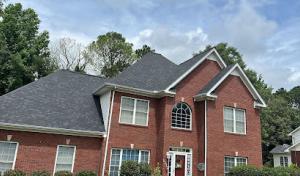
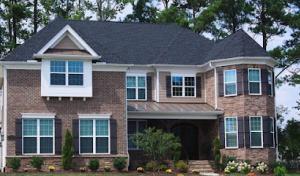
Union City generally requires a building permit for a full roof replacement, with the application handled through the local building department serving Union City and Fulton County. The process starts with a project description, scope of work, and a materials plan, plus any required contractor registrations. Before you order materials or schedule work, confirm the permit path with the building department to avoid delays. Keep a copy of the permit number in the job trailer or on site so inspectors can quickly verify approvals during the project. The department will outline any code-specific expectations for your particular roof style, roof deck condition, and ventilation needs.
Inspection typically occurs after the roofing work is completed, with reviewers checking installation quality, flashing, ventilation, and overall code compliance. Expect a post-work visit to verify that hail-resistant underlayment, proper nail patterns, and shingle alignment meet local standards. If the plan calls for a heavier or unusual roof system, be prepared for an additional review step before final signoff. On a busy spring season, inspectors may coordinate with utility and gas-line departments if any penetrations intersect with existing service paths. Have your contractor schedule the final inspection promptly to avoid a lapse in permit status or a re-inspection fee.
Some Union City neighborhoods have permit posting expectations, and heavier roof systems may face added compatibility review before approval or signoff. Check whether the permit is required to be posted on-site where it's visible from the street for the duration of the project. In certain blocks, the building department or the homeowner's association may request additional documentation, such as load calculations or venting diagrams, especially if the roof structure has an unusual span or if a metal or tile system is being installed. Plan for possible reviews that can add a day or two to the timeline, particularly after severe spring storms when inspection demand rises.
Coordinate your contractor's schedule with the permitting timeline so work progresses without long idle gaps. Have all product data sheets, wind resistance ratings, and flashing details ready if the inspector asks for them. Double-check that attic ventilation remains adequate after removal of old decking and installation of new underlayment. If your home has more than one roof plane or a complex ridge, request a pre-inspection walkthrough with the contractor to flag any potential issues before the final review. By aligning your project with local permit and inspection expectations, you reduce the risk of last-minute hold-ups and ensure compliance with Union City's storm-driven roofing standards.
A spring storm belt reality faces homeowners in this metro area: adjusters often weigh hail and wind severity before approving a full roof replacement. That means the outcome of a claim hinges not just on the visible damage, but on how the storm's impact is documented and interpreted by the insurer. In this market, the impression left by a storm on the roof's condition can drive the decision toward replacement rather than repair, especially when the claim involves large sections or older roof lines. Understanding that dynamic helps plan ahead rather than reacting after the hail cones and high wind gusts have passed.
Insurers serving this market routinely ask for roof age, prior repair history, and dated photos. Documentation before and after storms matters more here than in areas with lighter claim activity. If a hail event hits, take clear dated photos from multiple angles, including the entire roof and any visible interior signs of water intrusion. Gather records of past repairs, even minor ones, and keep a running log of weather-related occurrences that might affect the roof's condition. For an older roof, establish a baseline with photos and notes before the next storm season starts.
Because roof claims are common after Atlanta-area storm events, homeowners should expect closer scrutiny of whether damage is storm-related versus age-related wear. A reviewer will compare the roof's condition before the storm to what is observed afterward and may question sections that show uniform wear independent of a single event. Prepare to explain long-term trends in shingle granule loss, flashing condition, and warranty coverage for the roofing materials. In here where storms pack intensity, a careful, organized file can tilt the assessment toward a claim that reflects storm impact rather than pure aging.
Create a storm file for the roof, stored digitally and physically, with dated photos, a measured roof plan if possible, and notes on any prior repairs. After a damaging event, contact the insurer promptly, but first gather the documentation. When in doubt, obtain a professional assessment focused on storm-related indicators-shingle granule loss patterns, hail impacts, and wind-related uplift-that can be clearly linked to the storm rather than gradual deterioration. This approach reduces surprises when the adjuster reviews the claim and supports a transparent, documentation-driven process here in the local market.
Connect with contractors who help homeowners navigate the claims process from damage assessment to final approval.
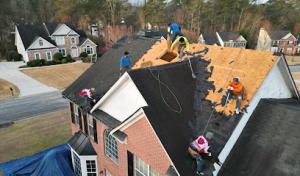
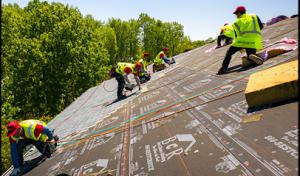
Spring in this area stays active as thunderstorms roll through, and that is when hail and wind claims surge. The window after a hail event is often the busiest time for roofers, with insurers requesting quick documentation and temporary mitigation. Expect tighter scheduling if a storm hits your neighborhood and clears quickly; crews may pivot to multiple quick response jobs before moving into larger replacements. When planning, prioritize early-season assessments so damaged areas can be documented promptly for insurance purposes and avoid last-minute surprises as the storm season ramps up.
Hot summer temperatures in this part of Georgia can slow progress on exposed roofs and push crews to adjust their pace to the heat. Shingle handling becomes a real factor-warmer days can make materials more pliable and training proper handling more critical to avoid damage. Scheduling should account for possible daily heat limits, prioritizing morning or late-afternoon work windows on steep or unshaded roofs. If a roof replacement is needed, expect longer dry stretches to align with optimal installation conditions and to reduce heat-related risk for crews and materials.
Fall fronts bring added rain and wind delays, which can disrupt steady progress already tested by lingering heat. In Union City, that transitional weather can compress timelines, especially when a project relies on multiple sequential stages like tear-off, underlayment, and finish work. Allow for contingency days that protect against sudden gusts or sudden showers, and coordinate with crews to secure perimeter protections and staged material deliveries so rain does not stall the job.
Winter is usually workable, with occasional cold snaps and frost that can disrupt scheduling. Frost in the morning can slow starting times and reduce adhesive performance for certain materials, while cold nights may demand backup power or heat blankets for some installations. Plan for a steadier rhythm during milder spells and keep a lightweight, mobile scope of work ready for days when temperatures dip but sunshine returns by afternoon.
Post-storm leak calls in this area often center on flashing and roof penetrations because inspections here specifically verify flashing and ventilation after replacement. Flashing around chimneys, vent stacks, and roof-to-wall transitions must be integrated with the surrounding deck, not tacked on as a quick fix. In older homes with composite or clay tile overlays, the underlying deck can shift after hail or high winds, loosening fasteners and opening tiny gaps. A contractor who meaningfully tests for movement and reseals with compatible sealants and metal flashings will save you headaches when the next wind event hits. Don't assume a generic sealant alone will hold up; insist on flashing material that matches the roof profile and climate-driven expansion.
Skylight detailing matters locally because a meaningful share of contractors in this market advertise skylight repair experience, suggesting recurring homeowner demand. Skylights can be appealing for light but become water pathways if not correctly installed or resealed after a replacement. Check that flashing around skylights is continuous and that the curb flash is properly sealed to both the skylight and the surrounding roof plane. If a skylight is replaced alongside a roof, verify the installer uses a proper two-stage seal and a flashing deck that can withstand Union City's humid summers and spring hail. Don't overlook the interior side-condensation channels and drip edges can transfer moisture from attic to ceiling if the seal fails.
Chimney-related roof transitions are also a visible part of the local contractor market, making water management at these intersections a practical concern for older re-roof projects. The intersection where brick or stone meets roof deck is prone to moisture intrusion if counter-flashing is missing or displaced. Ensure the contractor plans for proper step flashing, continuous pour-on membranes where required, and a neatly pitched chimney cricket or proper flue termination. In aging homes, the risk isn't just a leak; it's hidden rot that shows up after a spring storm. Inspectors and crews should document moisture barriers and verify that the transition remains watertight under typical seasonal loads.
Find contractors experienced in skylight installation, flashing, and leak repairs to bring natural light into your home.
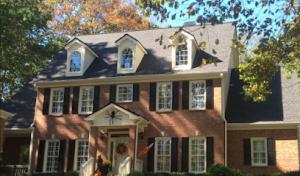
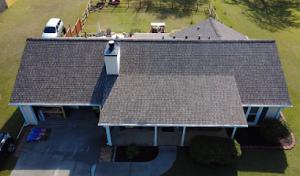
In this market, the emphasis is on re-roofing rather than niche specialty work, so you want a contractor who treats roof replacement as their core service. Look for crews that show up prepared to discuss shingle types, underlayment, and ice-and-water barriers, and who have a track record of finishing jobs in the neighborhood with minimal disruption to nearby homes.
Ask for a portfolio of recent full-roof replacements, ideally within a short driving radius. Long-established, family-owned firms and residential-focused outfits are common here, so compare how each company handles weather-related delays, material shortages, and staging on house fronts similar to yours. A contractor who can reference multi-story homes and close-quarter yards is a plus.
Storm season in this climate demands fast, thorough cleanup and reliable debris containment. Ensure the contract specifies dumpster placement, daily cleanup standards, and tarp protection for landscaping and gutters. Ask who will be your point of contact after a storm and what their typical response time is when a hail event triggers post-storm inspections.
Local homeowners expect clear communication from the first call through the final inspection. Prioritize firms with a dedicated project supervisor, predictable scheduling, and written change-order practices. If crew turnover is high or communications drift, it's a red flag. A company that can provide timely updates, photos, and progress checks will ease the process under pressure.
Choose a contractor who understands the neighborhood's typical roof profiles, the common material options, and the way utilities and trees interact with roof edges. A balance of legacy reliability and fast-response capacity can be a practical edge. Favor firms that show flexibility, transparent sequencing, and a willingness to explain each step of the replacement.