
Last updated: Apr 19, 2026
Sitting in south Fulton County within the metro Atlanta thunderstorm corridor, Fairburn endures spring and summer storms that arrive fast and bring wind-driven rain, hail, and sudden leak events. The risk isn't theoretical here: a single afternoon can mean shingles torn loose, flashing lifted, or attic condensation showing up as dark spots on ceilings. The cycle repeats enough to make rapid response and solid documentation essential for protecting your home and your wallet.
Local contractor signals strongly cluster around storm damage, insurance claims, and emergency repair, indicating that post-storm roof work is a major real-world homeowner need in this area. When a storm hits, the clock starts ticking on securing your roof and your interior from further damage. If you notice shingle granules in gutters, a damp spot on a ceiling, or a new draft near a vent or chimney, that's a cue to assess quickly. Quick, decisive action reduces the chance of secondary damage from wind-driven rain or rising humidity inside the attic.
Georgia insurers commonly expect date-stamped photos, a professional roof assessment, and a clear maintenance history, which matters in Fairburn because storm-related demand spikes can delay inspections if damage is not documented immediately. Take photos as soon as it's safe-before you touch damaged areas, if possible-to capture the overall extent and the surrounding context (tree impact, gutters, nearby vents). Have a licensed roofer perform a concise assessment that identifies wind damage, hail impact, lifted flashing, and any compromised underlayment. These documents support a smoother claim process and prevent disagreements later about what was or wasn't damaged by the storm.
After a storm, your first move is safety: avoid climbing on a wet or unstable roof, and keep children and pets away from exposed edges. If you can do so without risking further damage, place a temporary cover over exposed gaps to deter rain intrusion, then arrange a rapid-but-sensible evaluation from a reputable local contractor who understands the post-storm claim flow in this market. Share the contractor's written assessment and the date-stamped photos with your insurer, and keep records of every communication. In this market, coordinating a fast, documented response helps prevent claim holds while the insurer processes your documentation and schedules an on-site inspection.
Coordinating repair work with the claims process matters more here because the storm response in Fairburn often involves simultaneous roof, gutter, and flashing fixes that must align with your insurance coverage. If a adjuster is delayed, you can request temporary, limited repairs that stop ongoing water intrusion while you await full repair authorization. Ensure every repair trace is documented: the date of service, the contractor's license, the materials used, and the scope of work completed. Your goal is a transparent trail from the storm event through to final restoration, so you're not left deciphering later what was done when and by whom.
In the end, the most practical approach is to treat every storm as a trigger for rapid documentation and decisive action. A well-documented, professionally assessed claim with timely repairs not only minimizes immediate risk but also speeds toward a proper, complete restoration when high storm activity hits this corridor again.

Smith Roofing & Construction
(404) 454-5870 www.smithroofingconstruction.com
6155 Dodson Rd, Fairburn, Georgia
4.9 from 17 reviews
Smith Roofing & Construction was founded by Norris E. Smith Jr. in the Spring of 2007. Our establishment specializes in the aspects of Roofing & Construction. Furthermore, we offer our services in: Roof Inspection, Storm Damages, Complete Residential Roof Replacement, Seamless Gutter Installation, etc.

Zetroc Roofing
(770) 306-2976 www.zetrocroofing.com
Serving
4.5 from 31 reviews
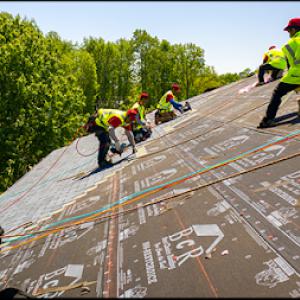
Zetroc Roofing is a trusted roofing company with over 33 years of experience, and rated A+ with BBB. Committed to "Quality Above All," we specialize in a wide range of top-tier roofing solutions, including reliable repairs, complete replacements, and new installations. We also offer complimentary storm damage inspections to assess and address unexpected weather-related roof issues. Our mission is to provide exceptional craftsmanship, dependable service, and accountability on every project, ensuring lasting results for your home. Financing options are available through Service Finance.
Best Choice Roofing
(770) 874-4202 bestchoiceroofing.com
Serving
4.9 from 236 reviews
Best Choice Roofing is your trusted roofing expert and the Best Choice when it comes to choosing a roofing company with a commitment to impeccable customer service in South Atlanta. In business since 2009, Best Choice Roofing’s industry-leading contributions to the roofing industry include a customer-first mentality, a dedication to top-quality products and a leadership team focused on the growth of its people. Because of this framework, we have created a loyal base of customers all over the United States.
Chastain Roofing
(770) 486-0820 chastainroofing.com
Serving
4.9 from 185 reviews
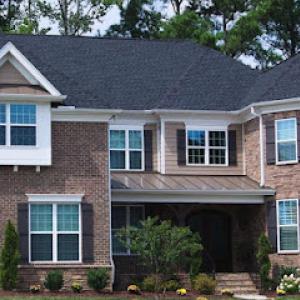
Chastain Roofing provides roofing, specialty roofing services, doors and windows, siding, and gutters in the Atlanta Metro, GA area. At Chastain Roofing, our residential roofing company believes in offering more than just roofing services. We're roofers committed to providing peace of mind. That's why we offer competitive pricing, free estimates, and generous warranties. Most of our roof repairs come with a 2-year labor and material warranty, while our new roof installations come with a 10-year labor warranty and can be upgraded to 25 years. And for those shingles? They're covered by a lifetime manufacturer's warranty. We're proud to be Select ShingleMasters with CertainTeed, a testament to our expertise and commitment to quality.
Matts Exteriors
(770) 251-0707 www.mattsexteriors.com
Serving
4.9 from 443 reviews
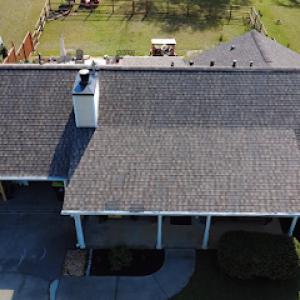
Trusted exterior remodeling contractor serving Fayetteville, Peachtree City, Newnan, Senoia, Sharpsburg, Tyrone, Atlanta, Marietta, LaGrange, Columbus and more. Our services include roof replacement & repair, siding, gutters, exterior paint, windows, doors, chimney caps & skylights.
Home Right Solutions
(678) 410-8108 homerightsolutions.net
Serving
4.9 from 41 reviews
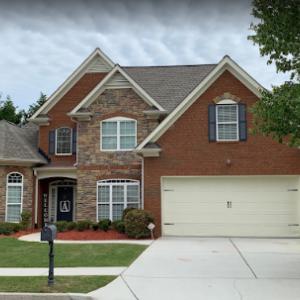
Transform your home with our unique and captivating roof replacement services in McDonough. At Home Right Solutions, LLC, we specialize in creating roofing solutions that stand out, providing both functionality and aesthetic appeal. Our experienced team ensures a seamless process, from consultation to installation, tailored to your specific needs. Elevate the curb appeal and durability of your home with our unparalleled craftsmanship. Ready for a roofing upgrade? Contact Home Right Solutions, LLC today for a free estimate. Let us bring a touch of uniqueness to your home with our top-notch roof replacement services in McDonough. Your dream roof is just a call away!
Roof Bullies
(404) 383-2424 www.roofbullies.com
Serving
4.8 from 25 reviews
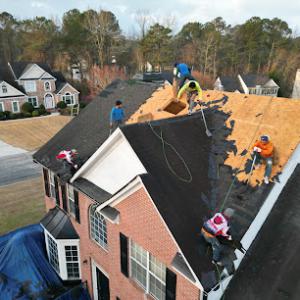
Roof Bullies is a certified full-service commercial and residential roof repair service in Houston, TX and Atlanta, GA. We also Service many restoration services. Water, fire and mold restoration.

Safe Top Roofing & Remodeling
(770) 374-2736 www.safetoproofing.com
Serving
4.9 from 81 reviews
SafeTop Roofing is a trusted roofing company in Douglasville, GA, providing expert residential & commercial roofing services. We specialize in residential roof installation, repair, and replacement, ensuring your home is protected with reliable roofing solutions. Our expert team also excels in commercial roofing repairs & commercial roofing maintenance, delivering exceptional results for all types of commercial properties. You're facing storm damage or routine wear and tear, our roofing repairs for buildings ensure your property remains safe and secure. We handle everything from roof renovations to complete roof replacements. Our flat roofing installations and home renovation services for all residential & commercial renovation needs in GA.
FGA Roofing
(404) 731-6555 firstgaroof.com
Serving
5.0 from 9 reviews
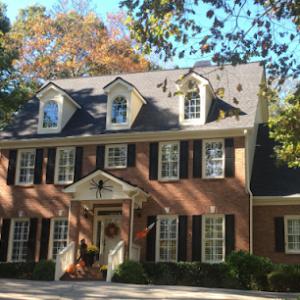
Do you need a roofing company in Newnan, GA area? FGA Roofing offers reliable residential and commercial roofing / shingle repair, replacement and installation services in Newnan, GA and all nearby towns. For over twelve years we have committed ourselves to be great at what we do. We are a family owned and operated business that values the community we serve above all things else. We pledge to always provide our customers with the best roofing experience possible. Going beyond the quality of our work on the roof, our project together is a partnership between you and our company. Our staff will behave with the utmost professionalism, knowledge and most importantly integrity when dealing with our valued customers. .
Guardian roofing
(404) 626-3461 guardianroofingllcga.com
Serving
4.9 from 115 reviews
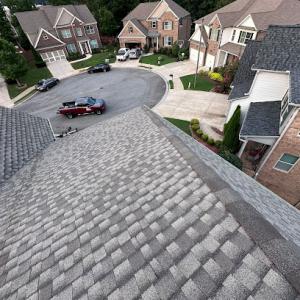
Guardian Roofing is a family owned and operated company that is more than committed to becoming the contractor of choice. We pursue excellence through experience, dedication, and disciplined staff that has an ongoing passion in delivering timely, affordable, and quality projects. Our company has over 11 years of personal experience. Since then, we have built a solid reputation as reliable general contractors. Our continued business success and longevity relies on referrals and word of mouth of satisfied and loyal clientele across Douglasville, GA.
Dedicated Roofing of Georgia
(770) 830-3933 dedicatedroofs.com
Serving
5.0 from 122 reviews
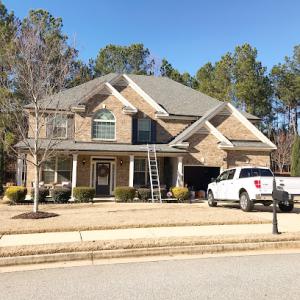
Dedicated Roofing of Georgia in Peachtree City is a local roofing company that offers asphalt roof installation for luxury, architectural, and 3 tab roofs. We also perform roof repair and roof ventilation analyses, along with roof installation, roof management, roof maintenance, roof inspection, roof replacement. We use the most efficient and effective installation and repair techniques every time to produce the high quality residential roofing service. We want the opportunity to show you how much better your experience can be by choosing Dedicated Roofing. Schedule a free consultation with one of our professionals to see how our process and services far exceed your typical home service experience.
Smart Choice Construction & Roofing
(404) 985-2413 www.asc-roof.com
Serving
4.9 from 72 reviews
Smart Choice Construction and Roofing is a roofing contractor in Fayetteville, serving Peachtree City, Tyrone, Newnan, and nearby areas. We specialize in roofing services and siding replacement like vinyl, wood, and fiber cement (Hardie plank & and other brands). Customers love us because of our comprehensive roof warranties. We also have industry affiliations and certifications such as GAF Certified. If you want to experience how your most trusted Fayetteville and Peachtree City roofing company embraces our motto “One Stop Shop for All Your Exterior Needs", call us now for a free estimate!
Asphalt shingles are the dominant practical choice in Fairburn, and for good reason: they bring quick protection, a familiar install, and cost-effective repairs. In this climate, Georgia heat and humidity can accelerate granule loss, seal-strip fatigue, and algae staining compared with drier climates. That means the best-fitting asphalt shingle for this market has robust granule retention, a strong asphalt content, and a reflective option to blunt heat absorption. When inspecting an asphalt roof, pay close attention to missing or curled edges, early granule loss in heavy rain, and dark streaks that signal algae in the high-humidity summers. Proper attic ventilation remains essential to keep the deck cooler and the shingles from aging prematurely. If a roof replacement is on the horizon, consider a shingle line with enhanced UV resistance and anti-algae technology to extend life in this climate.
Metal roofing presents in the local market and performs well during heavy rain events, offering excellent durability and wind resistance. The practical upside in this area is reduced maintenance for a metal roof paired with a long service life. The main caveat is that fasteners and flashing must be installed and maintained correctly, and attic ventilation should be sufficient to manage summer heat loads that remain high even when a storm passes. For metal roofing, look for concealed fasteners or quality sealants around exposed fasteners, and verify that flashing around chimneys, vents, and walls is continuous and sealed. If the attic is not well-ventilated, metal roofs can trap heat and moisture, accelerating wear on underlayment and fasteners. A well-ventilated attic paired with proper flashing details yields the most durable performance in this climate.
Clay tile, concrete tile, wood shakes, and synthetic shingles appear in the local material mix, but their suitability depends heavily on whether the home's structure and roof framing can support heavier systems or specialty detailing. Clay and concrete tiles deliver striking curb appeal and excellent durability, but they require a reinforced roof deck and careful rafter sizing to prevent sagging or unloading on timbers not designed for heavy loads. Wood shakes offer a rustic, breathable option but demand thorough maintenance against rot and insects, plus wet weather expansion. Synthetic shingles provide a middle ground, combining weight and durability with easier installation. Before choosing any heavier option, assess structural compatibility and consider a roof framing assessment to confirm load capacity. In homes with marginal framing or older structures, engineered solutions may be necessary to avoid mid-life reinforcement work.
When weighing the options, start with the existing roof's condition and the home's structure. In steamy seasons, algae resistance and heat management become critical for longevity, especially for asphalt varieties. For metal, verify flashing continuity and ensure attic ventilation can handle the heat load. For heavier systems, confirm the deck and rafter spacing can support the extra weight and consider professional engineering input. In all cases, evaluate water runoff patterns and roof edge detailing-these regions experience intense thunderstorms where even small gaps can lead to leaks. For a home with a long-term plan, a layered approach that pairs a weather-resilient deck with a durable, well-sealed surface can yield the best balance of protection and maintenance needs.
Fairburn homeowners should expect broad per-square pricing ranges by material: asphalt shingles 350 to 650, metal 550 to 1100, clay tile 900 to 1800, concrete tile 850 to 1400, wood shingles or shakes 700 to 1300, and synthetic or composite shingles 450 to 900. Those numbers reflect typical quotes seen across metro-area crews and reflect the extra attention that storm damage and rapid response demand. When you're comparing bids, verify that the quote covers disposal of old roofing material, underlayment, and any basic surface prep that may be needed before new decking or shingles go on. In Fairburn, the weather pattern-hot, humid summers with sudden, heavy downpours-means you may see slightly higher bids if a contractor can pair your replacement with quick drain and ventilation checks to prevent future leaks.
Costs in Fairburn can rise after major storm periods because the local market shows strong demand for re-roofing and quick-response crews, which can tighten scheduling and labor availability. If your house has a fast-approach weather window to beat another round of storms, expect crews to price priority slots accordingly. A tight job schedule often translates to higher day-rate wages for crews who can start within a few days of signing, and you may notice expedited tear-off and waste removal charges when access is limited by tight timelines or neighboring homes under repair. Planning for a slightly compressed timeline can help you avoid longer waits and bundled service fees.
Pricing can also shift based on decking repairs found during tear-off, and whether the home has features common in metro-area rooflines such as chimneys, skylights, or complex intersections. If the contractor uncovers rotten decking or water-damaged sheathing, expect that to add to the base material cost. Chimneys and skylights require careful flashing work to prevent leaks, which can add both labor time and specialty components to the bill. In homes with multiple valleys or a steep pitch, labor can run higher even if the material is standard. If your roof combines tile sections with asphalt or has reclaimed wood accents, your estimator may present a blended price that reflects the mixture of methods required to ensure a watertight result.
Start with a material-type ranking that suits your home's style and climate resilience goals, then line up two to three local crews for side-by-side bids. In Fairburn, ask each bidder to itemize decking inspection, underlayment replacement, flashing around chimneys and skylights, disposal, and cleanup. Use the quoted material ranges as guardrails to detect unusually low or high bids, which can signal hidden work or supply delays. Finally, map your preferred timeline against the storm season to avoid the peak-demand surge, and keep contingency funds ready for possible decking repairs or rapid permitting responses that commonly accompany metro-area projects.
Get a clear picture of your project costs upfront - no commitment required.
A full roof replacement in Fairburn typically requires a permit, with administration handled by the City of Fairburn or Fulton County depending on jurisdiction and project specifics. The permit path can be a bit of a maze because storm repairs commonly cross municipal boundaries or county lines, so confirming the correct authority early saves delays. Before any shingles are removed, verify that your contractor has pulled the correct permit and that the permit address matches the actual project site. If the project involves more than a simple cosmetic upgrade-such as replacing roof decking or changing the roof's structural components-plan review may be triggered. Processing times can vary with departmental workload, and those fluctuations can slow start dates during busy storm-recovery periods. A proactive check-in with the permitting office helps set expectations for timelines and documentation needs.
Inspections commonly occur at key stages including rough decking and final completion, so homeowners should confirm who is calling inspections and whether any sheathing replacement will be exposed for review. Rough-decking inspections verify that the underlying structure is sound and that any deck or substrate repair aligns with code requirements before new layers are installed. A final inspection confirms that all components meet code and that any structural repairs have been properly finished. In Fairburn the inspector may coordinate with county or city staff, which can affect who is on site and when. If sheathing replacement is involved, prepare for an exposure window where crews need access to the roof's interior side to confirm the integrity of the underlayment and any moisture-related repairs. Clear communication with the contractor about who schedules each inspection reduces the chance of last-minute rushes or missed windows.
Projects involving structural changes may trigger plan review, and processing times can vary with departmental workload, which can affect start dates during busy storm-recovery periods. If the scope includes truss or rafter alterations, halting plans for formal review becomes more likely. Bring in the design documents early: structural diagrams, load calculations, and any approved modifications. Plan reviews aim to ensure that repairs restore not just the appearance but the safety and performance of the roof system under Georgia's humid climate and heavy rain events. Expect questions about fasteners, spacing, and attachment methods that withstand wind uplift. Having a prepared package of drawings, material specs, and a clear scope of work helps keep the review concise and moves the project forward.
Storm response requires prompt coordination between homeowners, roofing contractors, and the permitting office. Keep a centralized record of permit numbers, inspection dates, and any approved deviations. In periods of heavy storm activity, permit review and inspection requests can pile up, so submitting complete, accurate documentation reduces cycles and avoids repeat visits. If you expect a rapid repair due to ongoing storms, ask the contractor to track inspection milestones and to flag any potential delays due to plan-review backlog. This upfront clarity helps ensure the project progresses with fewer interruptions and keeps repairs aligned with local codes and neighborhood requirements.
When a metro Atlanta thunderstorm hits, the city's roofing stock often bears the telltale marks of heavy rain, hail, or wind. Georgia's insurance environment generally requires stronger documentation for roof claims, which is especially relevant in Fairburn where storm-related roof events are a common trigger for replacement discussions. You should prepare to show a clear trail: timestamped photos taken after the event, notes from any immediate measurements, and a simple timeline of observed changes. Insurers will want to see that a problem existed beyond a single afternoon, so your records should reflect a sequence of weather impacts and subsequent observations.
Homeowners with older roofs or premium materials may face tighter underwriting or closer scrutiny from carriers. Prior repair documentation, contractor notes, and maintenance logs become more important before filing a claim. If a roof has experienced multiple storms over the years, compile a concise file that explains what was addressed, what remains, and what materials were used in previous fixes. This helps the insurer distinguish between normal aging and new damage tied to a recent event, which can influence coverage decisions.
In Fairburn, the practical insurance decision is often whether damage is isolated enough for repair or extensive enough for replacement, and that determination is easier when photos, contractor notes, and inspection findings are organized early. A well-documented claim packet can prevent delays and reduce back-and-forth with adjusters. Include independent inspection summaries if available, especially for roofs with complex materials or unusual skylight configurations. Clear, organized evidence supports a repair narrative or a replacement argument with less guesswork.
Start with a damage-log diary: date, weather, observed issues, and who inspected it. Take wide and close-up photos from multiple angles, labeling each with date and time. Collect any professional assessment or contractor estimates promptly, and keep copies of all correspondence with the insurer. Having this organized file ready when a storm event occurs helps you navigate the claim process with less stress and more confidence.
In Fairburn, spring brings storm activity and hail risk, so damage discovery is common but contractor calendars can fill quickly. If you notice fresh impact marks, curled edges, or leaks after a thunderstorm, photograph damage from multiple angles and document dates. Schedule inspections promptly, but expect demand to rise right after a big event. Prioritize urgent leaks, then address secondary issues to minimize interior moisture. Weather windows in spring can close fast, so plan crew availability for a flexible teardown and tarp strategy if a storm repeats in the forecast.
Summer roof work must account for high heat and humidity that wear crews down and affect materials. Afternoon thunderstorms can interrupt tear-off schedules and complicate shingle handling, especially on flat or low-slope sections. If a tear-off is started, aim to complete daily tasks before peak heat and humidity set in, with tarping and ventilation planned for safety. Indoor work like underlayment inspection or attic vent checks can occur during heat peaks, while exterior deck work progresses in cooler morning or late-evening hours when possible. Staging materials away from direct sun reduces accelerated aging and glare risk on crews and residents.
Spring and fall are usually the best replacement windows for this region, offering moderate weather that supports steady work without extreme heat or cold stress. Winter fronts, while milder than northern markets, can complicate material handling and transport on damaged days or when frost appears. If a winter front slows progress, prioritize moisture control in the attic and ridge lines to prevent ice dam risks once temperatures moderate. Coordination with storm cleanup crews is essential during shoulder seasons to maintain a predictable schedule and minimize the chance of project creep from weather delays.
Local contractor signals show meaningful demand around skylight work and chimney-related roof details, suggesting these penetrations are common problem areas on homes with Fairburn-style layouts. Wind-driven rain during Georgia thunderstorms can expose weak flashing at skylights, chimneys, and roof-wall intersections faster than simple age-related wear alone. When a storm hits hard, flashing that seemed fine last summer can buckle, letting water slip between roof planes and into attic spaces. The result is a small drip that suddenly multiplies behind ceiling patches or drywall near eaves and gable ends.
Keep an eye on staining near skylights and along chimney sides, especially after a heavy rain. Seepage may appear first as dark halos on interior walls or ceiling circles around light fixtures, then progress to wet rafters or insulation. Look for loose or peeling flashing around the skylash or chimney cap, as well as shingle scooting at the base of these penetrations. In Fairburn, where many homes aren't new construction, age-related wear can ride on top of storm damage, so combined issues are common.
Because many Fairburn jobs are re-roofing rather than new construction, homeowners should ask whether existing flashing and surrounding decking will be inspected rather than simply roofed around. A thorough check should confirm that counter-flashing at chimneys is sealed, chimney cricket or flare is intact, and the skylight curb is properly flashed to the surrounding roof deck. Do not accept a plan that avoids checking the condition of decking and underlayment beneath these penetrations, since hidden rot or deterioration can undermine a previously solid area.
When talking with a contractor, request a detailed assessment of skylight and chimney flashing, including how they will handle any marginal decking or step-flashing transitions. Ask for photos of flashing corners and attic views after a storm, so you have a clear record of what was found and what was repaired. This documentation will be valuable for insurance discussions if a storm event causes further leaks.
Find contractors experienced in skylight installation, flashing, and leak repairs to bring natural light into your home.
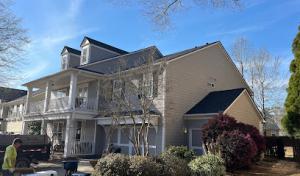
Although not dominant citywide, flat-roof specialization shows up in porches, additions, and commercial properties, as well as low-slope sections of mixed-geometry homes. This reality means you should expect more contractors to offer flat-roof familiarity than a pure shingle crew, but also more variation in methods. When a project includes a low-slope area, verify that the scope clearly identifies it as its own roofing system, with independent materials, flashing details, and drainage considerations separate from the main roof. That separation matters for long-term performance in Fairburn's humid, thunderstorm-prone climate.
Low-slope sections are especially vulnerable to drainage-related wear. During a metro Atlanta storm, roof surfaces can shed water toward seams, transitions, and edge details where movement exists. In Fairburn, a poorly graded or clogged drain path invites standing water and accelerated wear on flashing, sealants, and membrane edges. Contractors should map the drainage plan, confirm positive slope toward scuppers or internal drains, and show you how water will be directed away from transitions into steeper areas. Expect detailed photos or diagrams of the drainage routes for any low-slope work.
Seam failure is a common weak point in low-slope sections, especially where the material meets a steeper roof or an addition with a different geometry. Leaks often reappear after initial repairs if transitions are not properly detailed and flashed. In Fairburn, where storm exposure is frequent, insist on reinforced seams, compatible sealants, and dual- or triple-checked flashing at all edge intersections. A practical approach is to request a logical test for seam integrity after installation, such as a water-spray check at the exact transition points.
Homeowners with mixed roof geometry should confirm that the contractor treats low-slope areas as a distinct system rather than pricing the project as a single shingle roof. Ask for separate material selections, underlayment choices appropriate to low slopes, and a dedicated inspection plan focusing on the low-slope zones after each major storm event. This clarity helps ensure durable performance across all roof sections, not just the primary pitch.
Find specialists in TPO, EPDM, and built-up flat roofing systems for residential and commercial properties.

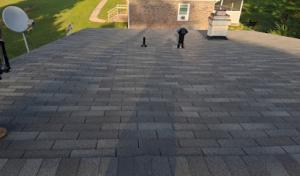
The Fairburn market leans toward re-roofing, so you want a crew that can handle a full tear-off, inspect the decking, and repair it as needed. Many storms leave soggy underlayment or damaged plywood, and quick patch jobs won't hold up in the South Fulton humidity. Look for a crew that details their debris removal, surface preparation, and decking patching in the scope of work. If a contractor focuses mainly on new-install sales, you'll want to press for evidence of past tear-off projects, with photos of decking repairs and re-secured roof decks.
Affordability and fast response drive a lot of local decisions after a thunderstorm. Ask for a specific timeline from the initial inspection to the start of work, and request a written cleanup plan that covers daily sweep-ups and trailer tracking to minimize debris neighbors must endure. A crew that treats cleanup as part of the job, not an afterthought, reduces post-storm headaches and keeps insurance documentation tidy should any questions arise from an adjuster or insurer.
A meaningful share of local firms market themselves as long-established, family-owned, or manufacturer-certified. These distinctions matter for supervision quality and warranty backing. Favor crews that can point to a stable leadership structure, clear supervision during the project, and a straightforward process for handling warranty claims. Request references that speak to long-term durability after multiple summer storms, and verify that the supervisor will remain on site through the critical stages of the project.
During the interview, require a step-by-step outline: tear-off sequence, decking inspection method, repair criteria, installation quality checks, and a documented cleanup plan. Confirm who handles communication if a storm event triggers an insurance review, and ensure the crew has a designated point person for progress updates and photo documentation. A methodical, transparent approach is the best defense against confusion during storm season.