
Last updated: Apr 19, 2026
In the local climate, hail and wind are the claim triggers most likely to bring insurer scrutiny, and carriers commonly look closely at roof age before approving full replacement. When a severe thunderstorm rolls through Coweta County, that scrutiny can show up quickly in the claim review. Start with a clear, honest assessment of the roof's condition after a storm event: missing shingles, granule buildup in gutters, lifted edges along ridgelines, dented metal, or damaged vents and flashing. If the roof is nearing the tail end of its life, expect questions about remaining service life and the likelihood of future leaks. This is not about scaring you; it's about matching the claim to what the adjuster will see in the field.
The local insurance environment requires thorough documentation such as photos and scope-of-loss support, which is especially important when damage follows one of the area's frequent thunderstorm or hail events. Photograph the entire roof from multiple angles, both close and distant, before any temporary repairs. Include close-ups of cracked or missing shingles, hail dents on metal surfaces, and signs of water intrusion in the attic such as staining, damp insulation, or mold. Take interior photos of ceilings and walls where leaks appear. Create a simple inventory of visible damage: the number of shingles or tiles impacted, the extent of flashing or vent damage, and any gutter or downspout issues. Save all weather data tied to the event if available-date, time, and the storm's severity. Keep copies of correspondence with the insurer, including claim numbers, adjuster names, and appointment dates. A clear scope-of-loss narrative, outlining damaged components and an estimated path to repair or replacement, helps the adjuster translate photos into a formal estimate.
Adjuster timelines can vary by carrier in Georgia, so Sharpsburg homeowners may need to stabilize leaks first while waiting for claim review after a regional storm. If active leaks threaten interior damage or ceiling collapse risk, implement temporary, code-compliant tarping or covering to minimize further harm, and document these stabilization efforts with time-stamped photos. Do not delay temporary fixes if water intrusion continues; insurers typically require evidence that the situation is being controlled while the claim is processed. Maintain a log of repair attempts and materials used, along with receipts. Clear, organized documentation reduces back-and-forth and helps the adjuster align the claim with the actual condition of the roof and structure when the review finally happens. When the region experiences another storm, gather fresh photos of any new damage to avoid confusion about what occurred in which event.
Connect with contractors who help homeowners navigate the claims process from damage assessment to final approval.
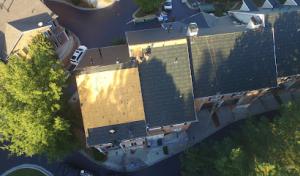
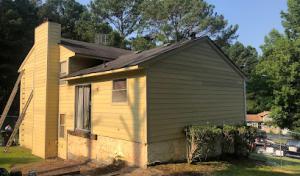
Quality Roofing Siding & Gutters
(678) 758-7771 qualityroofingsidinggutters.com
Serving
5.0 from 21 reviews

Residential Concerns
(770) 304-1311 callusonthejob.com
3028 Poplar Rd, Sharpsburg, Georgia
4.2 from 5 reviews
Residential Concerns specializes in re-roofing projects. We provide detailed evaluations of current roofing conditions, including inspections for hail, wind, and other storm damage, as well as roof inspections before purchasing a new home. These evaluations provide information not only on the roof, but on any additional work recommended, whether it be exterior or interior. We provide repair or replacement options for your roof, ventilation, gutters, siding, windows, carpentry needs, and any interior repairs that you require. We offer emergency repair services to keep your house from further damage.
Set Apart Roofing
(470) 215-3463 www.setapartroofing.com
Serving
5.0 from 114 reviews
A passion for people, backed by a continuous pursuit of excellence and honesty in all we do, makes Set Apart Roofing more than just a roofing company. We’re coming alongside you and your family to protect your most important asset – your home.
Dedicated Roofing of Georgia
(770) 830-3933 dedicatedroofs.com
Serving
5.0 from 122 reviews
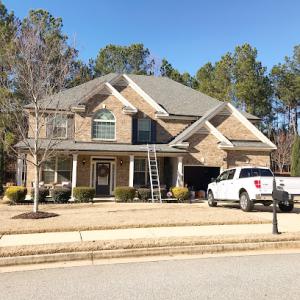
Dedicated Roofing of Georgia in Peachtree City is a local roofing company that offers asphalt roof installation for luxury, architectural, and 3 tab roofs. We also perform roof repair and roof ventilation analyses, along with roof installation, roof management, roof maintenance, roof inspection, roof replacement. We use the most efficient and effective installation and repair techniques every time to produce the high quality residential roofing service. We want the opportunity to show you how much better your experience can be by choosing Dedicated Roofing. Schedule a free consultation with one of our professionals to see how our process and services far exceed your typical home service experience.
Jack Rabbit Roofing
(770) 865-2711 jackrabbitroofing.com
Serving
5.0 from 14 reviews
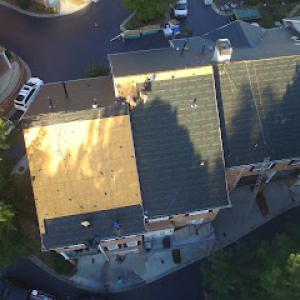
Storm Damage, and Insurance Specialists. Roof Replacement, Repair, Inspection, and Maintenance.
Quality Roofing Siding & Gutters
(678) 758-7771 qualityroofingsidinggutters.com
Serving
5.0 from 21 reviews
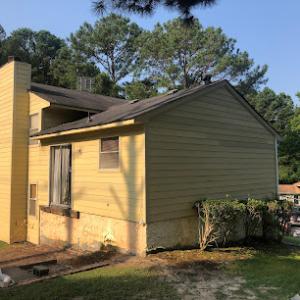
Since 2008, Quality Roofing, Siding & Gutters, LLC, has been turning home exterior project dreams into reality. More than just contractors, they are your partners in creating a beautiful and enduring home. With meticulous attention to detail and quality materials, they bring your home exterior vision to life using their unique six-step process, ensuring a seamless and convenient experience. From roofs that protect to siding that shines and gutters that perform, Quality Roofing, Siding & Gutters crafts exteriors that stand the test of time, guaranteed.
Northpoint Roofing Systems
(470) 215-0772 www.northpointroofingsystems.com
Serving
4.9 from 89 reviews
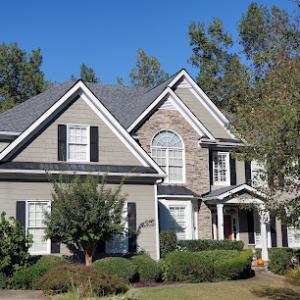
Northpoint Roofing Systems provides a full range of residential and commercial roofing services. As experienced roofing contractors, we offer our local services in the Woodstock, Lawrenceville, and Newnan, GA, area. Whether you are dealing with unexpected roof repairs caused by a storm, your aging roof needs timely replacement, or you are looking for an environmentally friendly choice, we guarantee you will be satisfied with our unparalleled solutions for your home or business. With industry-leading warranties, innovative technology, and superior service, you'll quickly see why Northpoint has been designated a Top 1% Contractor out of all roofing companies in the US. Our unmatched quality and dedication to our customers set us apart from...
EXTRA ROOFING by Linaje Enterprises
(678) 216-2191 www.extraroofing.net
Serving
4.9 from 62 reviews
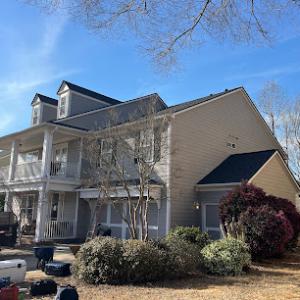
Extra Roofing is a residential and commercial roofing services company that can handle any roofing & gutters replacement and installation, and all repairs and construction upgrades in the Atlanta, North Georgia and Macon/Warner Robins area. Professional insurance, construction and design assistance at no additional cost.
Roof-Tastic & Beyond Exteriors
Serving
4.9 from 1579 reviews
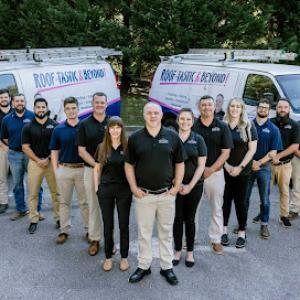
At Roof-Tastic & Beyond Exteriors, we’ve been proudly serving the Metro Atlanta, including Newnan, Peachtree City, Fayetteville, and Atlanta, since 2001! We specialize in residential roofing, siding, windows, gutters, and more. With an A+ BBB rating and a customer-first approach, we’re committed to delivering exceptional work and service you can rely on. We’re offering 20% off all services, plus low monthly investment options available. Give us a call to book your free inspection and get a same-day estimate.
Fraser Roofing
(678) 329-8138 www.fraserroofingllc.com
Serving
5.0 from 161 reviews
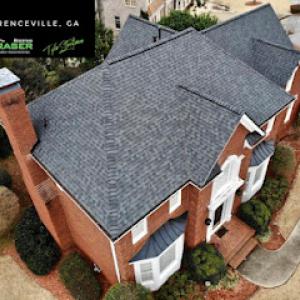
Fraser Roofing in Newnan, GA provides expert roof repair, full replacement, storm assessments, and gutters. We lead with CertainTeed shingles, which are installed by our Select ShingleMaster crew for reliable protection and warranty coverage. For an elevated finish, we offer DaVinci composite roofing and F‑Wave synthetic shingles. Contact us for a free estimate.
Chastain Roofing
(770) 486-0820 chastainroofing.com
Serving
4.9 from 185 reviews
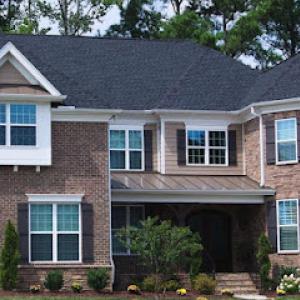
Chastain Roofing provides roofing, specialty roofing services, doors and windows, siding, and gutters in the Atlanta Metro, GA area. At Chastain Roofing, our residential roofing company believes in offering more than just roofing services. We're roofers committed to providing peace of mind. That's why we offer competitive pricing, free estimates, and generous warranties. Most of our roof repairs come with a 2-year labor and material warranty, while our new roof installations come with a 10-year labor warranty and can be upgraded to 25 years. And for those shingles? They're covered by a lifetime manufacturer's warranty. We're proud to be Select ShingleMasters with CertainTeed, a testament to our expertise and commitment to quality.
Sure Thing Roofing Contractor
(678) 212-3993 surethingroofingcontractor.com
Serving
5.0 from 58 reviews
Sure Thing Roofing Contractor provides roof replacement, roof repair, storm damage inspections, and insurance-claim support in Peachtree City, GA and surrounding areas including Fayetteville, Newnan, McDonough, Atlanta, Douglasville, Senoia, and Sharpsburg. We schedule no-cost roof inspections and guide you through next steps with a clear process from inspection to completion. We’re licensed, bonded, and insured, and our team can document storm damage and prepare an Xactimate estimate when needed. Our parent company, Storm Doctors, Inc., opened in January 2015.

Duck Back Roofing & Exteriors
(770) 334-9814 www.duckbackroofing.com
Serving
4.7 from 41 reviews
Duck Back Roofing & Exteriors is a locally owned and operated company that has been providing superior roofing services throughout Fayette, Spalding, and Coweta Counties for more than 20 years! Whether you are looking to install a new roof or are seeking repairs, you can count on us for reliable and friendly service. We also offer window installation, gutter cleaning, and commercial roofing services. Give us a call today to get started!
When a storm rolls through in Coweta County, the window setup around the roof line matters almost as much as the shingles themselves. Leaks tend to follow erratic wind-driven rain and hail trajectories, and weak points around flashing, siding, and eave lines can become entry routes for moisture. Choosing durable, correctly installed replacements can reduce future call-backs and help the overall roof system perform better during the frequent thunderstorms that characterize this area.
Spring and fall are the sweet spots for replacement projects because the heat and humidity of summer pressure both materials and crews. If a leak or wind damage is found in late spring, targeting a spring install minimizes the risk of heat-related expansion issues mid-project and keeps interior temps comfortable during work. In autumn, cooler days make handling sealants and weather barriers easier, and there's the added cushion of slightly slower heat-driven scheduling pressures before the winter freeze hits. In Sharpsburg, that rhythm helps stabilize timelines and keeps contingencies reasonable when a project may need to wrap before winter storms.
Frequent summer thunderstorms can interrupt tear-off and dry-in sequencing, making weather planning more critical here than in drier Georgia markets. If a window replacement is pursued alongside roof work, expect brief weather holds. Build a plan that blocks the most volatile mid-summer weeks and allocates a contingency day for rain delays. Polymeric sealants and moisture-sensitive components must stay dry during installation, so a prepared crew often uses temporary barriers and careful sequencing to prevent interior moisture intrusion. You'll want crews with experience coordinating window and roof trades to minimize weather-related delays.
Autumn scheduling must account for rain and wind from late-season tropical remnants, which can tighten contractor calendars after storm events. That means if a claim or repair paths through insurance, the window portion may need to slide into late fall. Communicate clearly with the contractor about the potential for compressed schedules and reschedules caused by post-tropical systems. Having a backup plan for interior protection, like tarps and temporary drainage, keeps the project moving even when the forecast looks unsettled.
A typical scenario in this area involves a roof replacement driven by storm damage where windows are part of the perimeter upgrade. When insurance becomes involved, document the condition of sashes, flashing interfaces, and the condition of soffits and fascia near the roofline. The right window choice can improve energy performance and reduce future condensation risks, but it must integrate with the flashing and drip edge established for the roof. Ensure the chosen windows meet the same performance standards as the roof components, so the entire envelope remains cohesive under seasonal swings.
Begin with a thorough inspection after any spring storm-focus on leaks tracing and flashing integrity around openings. If scheduling a replacement, align the window order with the roofing timeline to keep the project cohesive and reduce the chance of weather-related setbacks. Select installers who can demonstrate a coordinated plan for both roof and window work, and insist on high-quality flashing details at all penetrations. In case of insurance-backed projects, maintain clear documentation of damage, timelines, and any weather holds to keep the process transparent and steady through the seasonal shifts.
Get a clear picture of your project costs upfront - no commitment required.
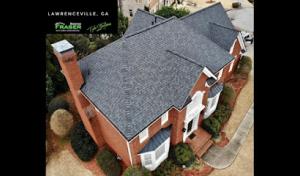
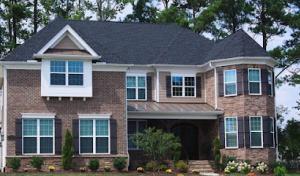

Asphalt shingles dominate the local roofscape, and that reality shapes routine maintenance in this climate. The hot, humid summers here accelerate granule wear, seal-strip fatigue, and the overall aging process compared with milder climates. You'll likely notice softer edges on the shingle surface and more rapid granule loss after a few storm seasons. Keep an eye on flashing around protrusions and valleys, where moisture intrusion tends to begin. When inspecting, look for curling edges, missing granules, and dark staining that signals underlying roof deck exposure. Contractor visits should emphasize surface inspections after particularly active storm periods, since fast-moving downpours can force leaks into areas that seemed stable after the last spring check.
Metal is common enough locally to merit close comparison with shingles, because it behaves differently under repeated rain events. Metal panels shed water quickly, which can be a real advantage during frequent thunderstorms. However, installation quality around flashing and fasteners becomes critical in this pattern. In Sharpsburg, improper sealant choices or under-driven screws at rake edges and overhangs can create persistent leak points after a thunderstorm passes. Ensure a metal roof is installed with continuous underlayment and properly sealed eave details to minimize wind-driven water infiltration. If you already have metal, annual checks should focus on fastener integrity, flashing around chimneys and vents, and any denting from hail events that could compromise waterproofing.
Clay tile, concrete tile, synthetic/composite shingles, and slate all appear in the local material mix, offering distinct benefits and challenges. Clay and concrete tiles provide excellent longevity but can be heavy; quick storm spikes can stress roof framing if not properly evaluated for load. Synthetic or composite options offer some resilience against cracking, but repair complexity remains a factor when addressing broken tiles during or after a hail event. Slate delivers elegance and durability but demands careful structural assessment and typically higher replacement costs when damage occurs. For all of these options, recognize that a one-material market does not fit Sharpsburg's storm-driven cycle-each material has its own repair pathways, availability of matching replacements, and timing considerations when insurance-driven replacements come into play. Planning should include an honest appraisal of deck condition, underlayment compatibility, and potential need for reinforcement to support tile or slate loads when storms intensify.
In Sharpsburg, planning should use the local per-square ranges when budgeting for a roof upgrade. Asphalt shingles typically run from 350 to 550 USD per square, metal from 700 to 1100 USD, clay tile from 900 to 1600 USD, concrete tile from 700 to 1200 USD, synthetic or composite shingles from 500 to 900 USD, and slate from 1000 to 1800 USD. These ranges reflect the steady mix of older homes and newer builds in the Coweta area, where roof lines and attic details vary widely. When you're pricing out a replacement after damage, start with the base material cost and then add the usual local premiums for waste, disposal, underlayment, flashing, and fasteners. If you plan a medium-to-high-end upgrade, you'll often see costs creep toward the upper end of these ranges, especially on larger or more complex roof profiles.
Storm season in Sharpsburg tends to tighten contractor availability quickly after hail or high-wind events. When a thunderstorm streak hits Coweta County, scheduling pressure can push timelines and even labor pricing upward, even though the base material ranges stay the same. If your roof is damaged in spring or fall, expect a tighter window for bids and a greater chance of weather-related delays. That squeeze can affect both the timing of start dates and the total cost if crews need to return for multiple passes, inspections, or additional underlayment work.
In practice, the local process around venting, flashing, and nailing patterns adds coordination time and cost beyond a simple material replacement. In Sharpsburg, expect some extra steps as crews align with the house's existing vent stacks, chimney flashings, and deck-to-wall transitions. While the core material price is the driver, the added time for detailed flashing checks, alignment with existing ventilation, and ensuring proper nail patterns on slope changes can nudge the final price a bit higher than the straightforward material-only estimate. Plan for a buffer in both schedule and budget to accommodate these coordination efforts.
Don't let upfront costs delay a critical repair - these contractors offer payment plans to fit your budget.
A full roof replacement requires a building permit issued through the local Coweta County building department process, not informal maintenance. That means the project isn't just a conversation with a contractor and a quick checkmark on a calendar; it triggers official steps that affect scheduling and work windows. Expect a formal path with documentation, plan review, and staged inspections. This is not unusual for homes in the area, where storm-driven repairs and newer code updates keep the process steady, but it is easy to overlook if a contractor treats it as a casual update.
Before a permit is issued, plan review happens. Reviewers will want to see how the roof is vented, how flashing is detailled around chimneys and walls, and the proposed nailing patterns. These items aren't cosmetic-poor venting or improper flashing can lead to leaks long after the install. In practice, Sharpsburg-area reviewers may request adjustments or additional drawings to clarify these details. Processing times can vary, so do not assume same-day approval. Having clear, compliant plans up front reduces the chance of delays once the project starts.
Inspections typically occur at three key stages: underlayment, the actual roof installation, and the final completion. A successful inspection means the work aligns with county codes and the approved plan. If inspectors find inconsistencies-missing nails, improper fasteners, or unvented areas-you'll face rework and rescheduling. Being prepared with accessible attic space, clear vent and flashing details, and a documented install approach helps keep the process on track, even during busy spring and fall cycles.
In the thunderstorm-heavy climate that rolls through this area, flashing details are a local inspection concern that can make penetrations and transitions more important than homeowners often realize during re-roofing. The frequent, intense downpours push water into creases where shingles meet vent pipes, valleys, and edge metal. If flashing isn't tied in properly, those narrow gaps become pressure points for leaks long after the roof is completed. A careful watch on the quality of flashing during installation is not a luxury here-it's a practical safeguard against repeat calls for damage control when storms arrive with little warning.
Skylight and chimney areas deserve extra attention because repeated heavy rain events expose weak flashing and seal failures quickly. In Sharpsburg's climate, the flashing around these features bears the brunt of shifting temperature and wind-driven moisture. Even small signs of condensation, puckering sealant, or dark streaks near a seam can indicate a developing problem. During a roof replacement, insist on thorough detailing around these points: continuous flashing membranes, properly sealed joints, and step-by-step integration with surrounding shingles. Skipping these steps compounds risk right away after installation and can create costly headaches next storm season.
Penetrations-vents, exhausts, and vent pipes-require meticulous attention where the roof meets interior spaces or vented systems. Transitions between different roof planes, adjoining walls, and vent stacks demand accurate shaping and secure fastening. In Sharpsburg, a single overlooked seam can become a leak portal during a thunderstorm, especially when hail or wind-driven rain abuts the transition repeatedly. Look for continuous sealants, properly mated flashing, and confirmation that each penetration has been integrated with the surrounding deck and shingles.
The local permit and inspection process specifically calling out flashing and venting documentation signals that these are recurring quality-control points in area roof work. Expect detailed diagrams, photos, and notes about flashing placement, sealants, and venting components. This isn't about bureaucracy; it's about ensuring the installation resists Sharpsburg's rain-driven pressure and the seasonal surge of storms that can test every seam.
When a storm passes, your first sign of trouble may be as subtle as a small drip or a damp attic corner. Prompt detection and action are essential because repeated heavy rain events can magnify even minor flashing gaps into larger leaks. Keep an eye on attic spaces after the first strong storm of the season, and address suspected flashing concerns before they become widespread.
Find contractors experienced in skylight installation, flashing, and leak repairs to bring natural light into your home.
The Sharpsburg market is heavily oriented toward re-roofing rather than niche roof types, so homeowners should evaluate crews on replacement execution, cleanup, and storm follow-through more than specialty upsells. In this climate, a solid crew knows how the process unfolds from tear-off to final hail inspection, and they understand what a tight working window looks like when a storm calendar starts filling up.
Local hiring signals show homeowners here consistently prioritize affordability and quick response, which reflects a market where storm timing and active leaks often drive contractor selection. Look for teams that can outline a clear schedule, bring in adequate manpower for the job size, and communicate what will be done if the weather shifts. A crew that can arrive promptly after a storm and stay on track with cleanup is a practical win in this area.
When interviewing candidates, request a granular walkthrough of the replacement sequence: tarp and containment, tear-off plan, waste management, and prevailing wind considerations on higher pitches. Ask for a point person who will be available for post-storm follow-ups, including quick leak checks after heavy rain. Favor crews that show evidence of wearing protective gear for neighbors' properties and that commit to documenting the project with photos from start to finish.
Cleanup included appears frequently in the Sharpsburg-area contractor landscape, making post-job site condition a meaningful local expectation rather than a bonus feature. Confirm that debris removal, surface cleaning, and nail-picking are part of the contract, with a final walk-through to verify completion. For storm-driven replacements, ensure the crew has a plan for addressing any wind or rain contingencies that arise during the project, along with a documented method for handling insurance-driven follow-ups.