Last updated: Apr 19, 2026
In this Chicago metropolitan insurance environment, hail and wind events routinely trigger roofing claims and adjuster inspections. A storm roll in over the lake breeze or a late-season thunderhead can suddenly shift your roof from normal maintenance to an insurance-driven project. When an event hits, anticipate adjuster visits within days and be prepared to document impact beyond the obvious bruising. Missing granules, pocked shingles, dented metal, or compromised edging can all become claim items, so your initial inspection should be honest, thorough, and time-stamped. The goal is to capture every visible sign before the next weather cycle sweeps debris across vulnerable sections of the roof.
Late spring through summer is prime replacement season, and that same window is when hail and wind storms can interrupt scheduling and drive contractor demand spikes. You might find several crews contending for the same job, with backlog measured in days rather than weeks. If a claim is opened, expect carrier-driven timelines that push for rapid estimates and quick decisions. Delays compound risk: more sun exposure on a damaged deck, higher chance of fast-deteriorating underlayment, and accelerating interior moisture if you ignore the signs. To stay ahead, secure a preferred contractor early in the process and align on a realistic window that accounts for weather gaps, crew availability, and potential queue time for materials.
Northern Illinois experiences rapid temperature swings, which complicate temporary repairs after a storm. The same day that a roofing crew patches a dented vent or slicks a tarped area, a sharp cold front can cause sealants to falter or shingles to lift if wind gusts spike. In summer heat, sealants can cure too quickly or too slowly, hampering temporary fixes and complicating material handling. Plan for a two-step approach: first, stabilize the roof with weatherproof tarping and quick-sealers when appropriate, then replace or reseal as temperatures moderate. If you see flashing or ridge vent damage, treat it as a priority-these points are hinges of weather protection, and delaying can invite interior leaks during a sudden shower or evening thunderstorm.
Document everything meticulously: take high-resolution photos from multiple angles, note any interior signs of water migration, and keep a dated log of how conditions change after each storm. When the adjuster arrives, present your ledger clearly-include photos, the storm date, and a concise description of observed damage. Ask for a written scope and clarify which items the insurer will cover versus what you'll need to handle independently. If a discrepancy arises between observed damage and what the insurer acknowledges, request a re-inspection promptly. Timely, precise communication with the insurer and the contractor can keep the project moving, especially when scheduling fleets during peak months.
After the claim is resolved, the renewed roof plan should be anchored in durable performance against future hail and wind events. Consider a close-match upgrade that complements the architecture-steep-slope homes common in the area often pair well with asphalt, metal, tile, or premium syntheses. If the storm path favored a corner of the house, reinforce vulnerable edge zones and verify attic ventilation as part of the broader mitigation. Education for homeowners and clear, action-oriented next steps help weather the high-demand season without letting urgency trump quality.
NorthRise Roofing Company
(224) 900-1743 roofingcompanydeerfield.com
4005 Lake Cook Rd #203, Deerfield, Illinois
5.0 from 36 reviews
As an established roofing company in Deerfield, NorthRise Roofing Company has become the areas most trusted and most called upon roofing company for roofing repairs and roofing replacements. We care about our customers and want to know they are safe and dry through all the seasons. If you are wondering about your roof’s validity, we can send out a qualified inspector to check out your shingles, gutters, flashings, and facias. We also check for potential hazards, like falling tree limbs. All these components working together ensure that you have a solid roof over your head. Our professional roofing contractors will look for potential problems and report back with some remedial ideas to keep your home’s roof in working order.
Pro Services Group - Roofing Contractors
(773) 814-6005 proservicesroofing.com
Deerfield, Illinois
5.0 from 31 reviews
Pro Services Group is a specialized residential and commercial masonry, tuckpointing, and roofing company located in Chicago.

Infinity Exteriors
(847) 994-4506 www.infinityroofing.com
151 S Pfingsten Rd A, Deerfield, Illinois
4.8 from 52 reviews
Established in 1997, Infinity Exteriors is the most trusted home exterior company in Deerfield, Illinois, specializing in roofing, siding, windows, and gutter replacement services. As a locally owned and trusted contractor, our licensed technicians provide residential and commercial customers with roof repair and replacement, siding and window installation, and gutter systems. Infinity Exteriors prioritizes honest communication and offers no-pressure inspections for all projects. Since our founding, we have completed thousands of projects and earned an A+ rating with the Better Business Bureau. No roofing contractor in Deerfield, Illinois, offers the same high caliber of roofing installation and repair at prices as competitive as ours.
Etruscan Gutters & Roofing
(847) 926-0085 etruscanroofing.com
Serving
5.0 from 507 reviews
We offer roofing and gutter services in the greater Chicago Area! The outside of your house says a lot about you. If your roof is falling apart and your gutters are leaking, it can affect your curb appeal and your neighbor's opinions of you. Etruscan Gutters and Roofing offers roofing and gutter services in Highland Park, Winnetka & Wilmette, IL, including repairs and installations to help you improve your home's appearance and functionality

RNOVAX Roofing Company
(224) 347-7494 roofingcompanyhighlandpark.com
Serving
5.0 from 36 reviews
We are one of the leading roofing companies in the Highland Park area, providing you the best roof repair, roofing installation, and roof inspection services. We have been providing outstanding services for years, and we achieve this by paying attention to details as well as adding personalization to the work that we do. With our roof inspection, we will check your roofing thoroughly so that we do not miss any leaks or damage you may have. Our roofing contractors have the latest knowledge and tools to ensure that your roof will be in its best shape when we're done with our services. We only use the highest quality of materials to make sure that your roofing installation will not only look beautiful but last for years. Give us a call today!
Roof Repair By Paul
(224) 458-1955 flatroofingnorthbrook.com
Serving
5.0 from 34 reviews
When you're looking for a flat roof repair company in Northbrook, our company has got your back. At our company, we offer flat roof replacement, flat roof maintenance, and flat roof repair services. When you have a problem with your flat roof, we are the ones who are reliable and trustworthy to get the job done right the first time. Our flat roofing contractors will inspect your roof thoroughly so that they know what is the best way to resolve your problem. We provide a comprehensive estimate so that you will not have any surprises along the way. Our company handpicks the materials that are used in your flat roof services so that it will last you for years. We ensure that your experience with us will be as smooth as possible. Call us today!
WGR Roofing Company
(224) 458-1947 northbrookroofing.com
Serving
5.0 from 23 reviews
We have a simple mission - we want to serve you with the finest roofing that will last the life and longer. Our roof installation is one of the most trusted in Northbrook. What’s the reason for such good opinions on our service? First of all, we always listen to the customers' needs. Our installers realize that both technical aspects and aesthetics really matter. You can choose from multiple materials which are metal, wood shingle, clay tile, concrete tile and other. What you’ll always get is the best value for money. All our staff is courteous and competent to advise you on all roofing installation and repair aspects in Northbrook. Decide on our company and you will find the durability you can count on!
Len Roofing & Remodeling
Serving
4.9 from 64 reviews
Len Roofing is a leading home improvement company that install roofs, metal gutters, windows, skylights, siding and can handle most remodeling projects.

TopSecure Roofing Contractors
(224) 707-9026 roofhighlandpark.com
Serving
5.0 from 37 reviews
Whether you need a new roof or your current roof needs repairs, TopSecure Roofing Contractors is the go-to Highland Park, roofing contractor. We are a local, family-owned and operated roofing company that has been serving Highland Park for many years. Our team of expert roofers has the knowledge and experience to get your job done on time and within your budget. No matter how big or small your roofing project may be, you can rely on us for all of your commercial and residential roofing needs. We specialize in shingle, flat and rubber roofs and guarantee quality workmanship at affordable prices. We are fully licensed and insured. If you’re looking for professional Highland Park roofing contractors, call us today!
COM Roofing Company
(224) 856-2141 roofershighlandpark.com
Serving
5.0 from 34 reviews
Looking for top-notch residential roofing Highland Park services? Our expert team specializes in shingle roofing repair Highland Park, replacement, and installation. We provide roof maintenance to extend your roof's life and offer seamless roof replacement for a fresh start. Need flat roof repair Highland Park or installation? Count on us for flat roofing solutions. If you're searching for 'residential roofing near me' or 'roof installation near me,' we're your local trusted choice. Your satisfaction is our priority. Contact us today for all your roofing needs.
Zdan Roofing Contractors
(224) 458-1937 roofingnorthbrook.com
Serving
5.0 from 32 reviews
We are the roofing company in Northbrook for your total roofing needs. If you are looking for a roofing contractor who cares more about the customer than simply making a quick buck, we are your best choice in IL. The roofing services we provide include installation, repair and replacement. Our standards for quality and reasonable pricing have earned a long-standing, excellent reputation in the area. Your roofing installation is best left in the hands of experts with almost 30 years of experience in the industry and employ skilled roof inspectors. Residential and commercial customers alike count on our roofing contractors to bring the best roofing services and the most reliable products for your money.
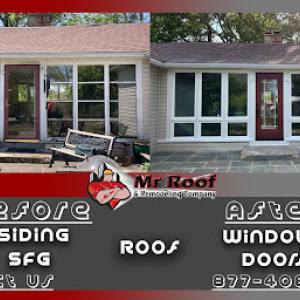
Mr Roof & Remodeling Company
(877) 408-5405 mrroofcompany.com
Serving
4.7 from 153 reviews
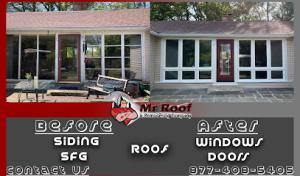
At Mr Roof & Remodeling, we specialize in full replacements of roofs, windows and doors along with professional roof repair and maintenance. Based in Wheeling, IL, we serve homeowners and commercial property owners across Chicagoland and Milwaukee. Our certified crews install high-quality roofing systems for homes and commercial buildings and provide repair & maintenance services to extend the life of your roof. We also replace old windows and doors with energy-efficient units and stand behind our work with excellent customer service. Contact us today for a free quote.
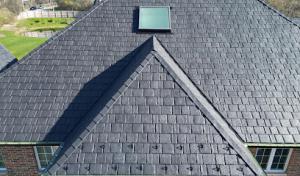
Deerfield's reroof market is diverse, with asphalt shingles, metal, clay tile, concrete tile, synthetic/composite shingles, and slate all represented. That variety isn't accidental: the neighborhood includes both mid-range exteriors and higher-value homes, each with different expectations for performance and curb appeal. The practical approach is to match the roof to the structure and the local climate realities. For most homes, asphalt remains a sturdy, economical baseline. In larger or premium builds, metal offers a lighter, longer-lasting option, while clay or concrete tile delivers a distinctive look and strong wind resistance-provided the roof deck and fasteners were designed for its weight. Synthetic or composite shingles can mimic tile or slate with fewer weight and cost concerns, and slate remains a premium choice for homes with the right structural support and long-term goals.
Freeze-thaw cycling is a key stressor in the northern Chicago suburbs. That means brittle or aging coverings tend to fail first where flashing, fasteners, or underlayment have already been compromised. When planning a replacement, evaluate the whole assembly: roof deck condition, ice and water shield placement, flashing around chimneys and valleys, and the integrity of the gutters and soffits that manage meltwater. In steeper homes, the slope helps shed water, but it also makes fastener exposure and underlayment wear more critical. For tile and slate installations, confirm that the roof structure can handle the weight and that the fasteners are corrosion-resistant and properly sealed to resist wind uplift. A well-done installation in this climate pays back with fewer call-backs after the first harsh winter.
Premium materials like tile and slate show up on higher-value stock, so the repair and replacement approach needs to be deliberate. Structural load, specialized repair methods, and matching replacement pieces matter more here than on simpler shingle-only homes. If a tile or slate roof sustains damage from hail or high winds, repairs should preserve the original look and performance, not just patch the momentary leak. For metal roofs, ensure the fastener pattern works with the existing deck geometry and that coatings are appropriate for local weathering. For asphalt and synthetic shingles, focus on edge and valley details, where wind-driven rain and ice buildup tend to concentrate. In all cases, insist on a weather-tight installation that respects the seasonal temperature swings and the practical need to manage snow and ice at valleys and eaves. A well-planned selection aligns with the home's style, the local neighborhood's expectations, and the long-term durability required by Deerfield's climate.
The Village of Deerfield generally requires a building permit for a full reroof rather than treating complete replacement as permit-exempt maintenance. That means before any tear-off or roof installation begins, the permit needs to be in place and active. The permit process signals to the village that the project has a defined scope and that the work will meet current code and safety standards. Because the village leans toward permit-driven reroofs, expect the permit application to describe the project thoroughly, including materials, roof type, and any changes to ventilation or drainage. Permits are not a mere formality; they set the framework for inspections and compliance.
Contractors typically submit an application describing project scope before work begins, so permit readiness can affect start dates during busy storm periods. In practice, a reroof project may be queued behind other permit reviews, especially after hail events or windstorms that spike activity. If the village has backlog, the permit may delay the start by a few days to several weeks, depending on review load and the completeness of the submission. Having a detailed scope, including a plan for roof pitch, underlayment, and ventilation changes, helps keep the project moving. Clear communication about expected start dates with both the contractor and property owner minimizes misunderstandings when approvals arrive.
Inspections are conducted at multiple stages after work begins, followed by a final inspection upon completion, making schedule coordination with the village part of the reroof process. Typical milestones include a pre-reroof inspection, an in-progress inspection during tear-off or deck repair, an underlayment and fastening inspection, and a final inspection after the new roof is installed. Each stage verifies adherence to code, proper ventilation, drip-edge installation, and overall workmanship. If any deviation occurs from the approved plan, an inspection hold can be triggered. Plan ahead for potential re-inspection fees or scheduling adjustments when storms drive peak activity.
Work with a local contractor who understands Deerfield's permit cadence and inspection windows. Submit a complete scope with material specifics and any anticipated structural changes to minimize back-and-forth. Build buffer time into the project calendar for inspections, especially during spring and early summer when storm-related activity spikes. Maintain open lines of communication between the homeowner, contractor, and the village building department to ensure that any required revisions are addressed promptly, keeping the reroof moving toward a timely completion.
Typical local pricing runs about $400 to $700 per square for asphalt shingles, $800 to $1200 for metal, $1200 to $2300 for clay tile, $1000 to $1800 for concrete tile, $500 to $900 for synthetic/composite shingles, and $1800 to $3200 for slate. In practice, the total price is derived from the roof's square footage, pitch, and the details of edge work, flashing, and attic ventilation. For steep-slope homes common in this village, expect a bit more labor time for setup and material handling than a flat- or low-slope project. When a roof has multiple slopes or complex geometry, the square count increases and so does the labor footprint, pushing quotes toward the higher end of the ranges.
Costs in this area can rise when storm-driven demand tightens labor availability across the broader Chicago suburban market after hail and wind events. During and after severe weather, you'll likely see price pressure from both material shortages and scheduling bottlenecks. If a hail event hits, the window to secure crews and delivery of premium materials can compress, which may translate to quicker turnaround and higher bids. Planning ahead after a storm helps preserve options and reduces the risk of premium surcharges driven by last-minute scheduling.
Homes featuring tile, slate, metal, or other premium steep-slope systems often require more specialized Crews and more careful staging than standard asphalt reroofs. Tile and slate, in particular, demand careful handling to avoid breakage and require skilled tile setters or slate specialists. Metal roofs, whether standing-seam or exposed fastener, require precise seam alignment and flashings to prevent leaks, especially in wind-prone exposures. Because of these factors, a Deerfield reroof with premium materials tends to have a higher overall cost than a straight asphalt replacement, not only due to material price but also due to the need for experienced crews, precise sequencing, and sometimes longer installation timelines.
If the current weather pattern hints at upcoming storms, build a contingency into the budget for potential upgrade plusses or expedited scheduling. For a typical asphalt replacement, set aside a cushion for edge work, pipe collars, and attic ventilation improvements, which often surface as needed after the old roof is removed. For premium systems, request a staged itemized plan that shows material handling, crane or staged setup, and crew rotation timing to minimize damage risk on fragile surfaces. In this market, clear communication with the contractor about weather windows and delivery timelines helps keep the project on track and within expected cost bands.
Get a clear picture of your project costs upfront - no commitment required.

In Deerfield, late spring through early fall is the preferred replacement window because Illinois winter snow and freezing temperatures commonly pause full reroof projects. If a storm hits late in the season, the schedule can slip into a tight autumn window, but the risk of weather-related delays remains higher as temperatures drop. A careful plan aligns the dry, moderate days of late spring and summer with material handling that stays within practical dew points and wind limits. Expect a hard push after severe hail or strong winds, but know that the calendar itself will still steer pace more than anything else.
Seasonal humidity and moisture levels in the region can affect decking condition and underlayment performance, so tear-off findings may vary by season. In early-season warmth, decking can be drier, which aids fast work but can hide subtler moisture pockets. By midsummer, humidity rises and moisture moves through sheathing differently, potentially revealing rot or fastener issues that were not visible in spring. In late summer or early fall, a cooling, drier window often reveals the true condition of underlayment, but the risk of afternoon thunderstorms can complicate scheduling. A proactive contractor will account for these shifts with staged inspections and moisture meters, not just a one-off assessment.
Homeowners in this area often have to balance ideal installation weather against the post-storm rush that follows spring and summer hail and wind events. That rush can strain crews and vendors, prompting compressed timelines and visits that feel rushed. The prudent approach favors a measured start when the forecast looks stable for an extended period, with contingency days built in for unexpected weather. If a midseason storm is forecast, consider securing a plan that preserves materials and protects exposed areas without sacrificing the long-term quality of the installation. A thoughtful contractor will provide clear milestones and avoid rushing critical steps like decking evaluation, underlayment selection, and proper ventilation checks, even when a premium wind and hail season makes the calendar press hard.
Because Deerfield is in the Chicago metro claim environment, insurers commonly expect photo documentation, date-of-loss detail, and adjuster review after hail or wind damage. This reality shapes how you prepare, photograph, and file after a storm event. The goal is to avoid back-and-forth delays by providing clear, organized proof from the start.
Start with exterior shots of the roof edges, gutters, and any visible dents, granule loss, or impact marks on siding and vents. If you notice interior signs of water intrusion-spotting on ceilings, warped drywall, or staining-photograph those areas from multiple angles and note the date you first observed them. Some carriers serving the region have tightened coverage timelines or updated policy language, so Deerfield homeowners benefit from reporting damage promptly after a storm. Keep a simple loss log: describe the event, the approximate time of impact, and any temporary measures you took to limit further damage (tarps, boards, or pooling water containment).
After you file, you'll typically work with an adjuster who will inspect both the roof and potentially related interior issues. Be prepared to provide the photos and the loss date, and to point out locations of leaks or impact marks, including hidden fasteners or underlayment concerns that may influence coverage decisions. Documentation of interior leaks, exterior impact marks, and temporary mitigation work can help streamline claims tied to North Shore storm events. If you have prior roof work or known vulnerabilities (vent pipes, skylights, chimneys), note their condition to help the adjuster assess overall damage.
Create a concise folder or binder with storm date, weather conditions, and all photos labeled by location. Have the policy number and contact info for the insurer ready, and share the same set of photos with your roofing contractor to align on scope before the inspection. Prompt, organized communication reduces the chance of misinterpretation and expedites settlement.
Although the market here leans steep-slope reroofs, local contractor signals show meaningful demand for flat or low-slope work on additions, garages, and sections of mixed-roof homes. Those low-slope transitions are where water can linger, especially along edge details where drainage paths aren't as straightforward as in a high-pitched plane. In winter, meltwater and ice can back up against transitions, finding its way under flashing if the edge and seam quality isn't consistent with the rest of the roof system. The risk isn't just a single leak-it's repeated moisture intrusion that can compromise sheathing, insulation, and interior finishes in a hurry, particularly when an addition sits on a different roof plane or ties into an older, more complex structure. If the low-slope area has any hint of differential settlement, improper fastening, or mismatched flashing materials, the chance of slow, creeping leaks rises. Expect more frequent service calls for inspection, resealing, and, when needed, re-flashing that ties the flat section to the steeper portions without creating new drainage dead zones.
Skylight-related service demand is a recurring local repair category, not a rare specialty. The skylight curb and its surrounding flashings are common failure points where aging sealants crack, or where roof penetrations meet changing roof pitches. In mixed assemblies, transitions from skylight to shingle, tile, or metal can produce micro-leaks that travel along framing cavities before showing up as water stains. The key is proactive maintenance: reseal around the curb, verify flashing continuity with the adjacent roofing material, and address any degraded pookie seals or buckling flashing early. A small leak at a skylight is often a symptom of a larger envelope issue, so failure to address it promptly can seed more serious interior damage.
Freeze-thaw movement and seasonal moisture swings in northern Illinois make penetrations and low-slope drainage details more failure-prone than simple field shingle areas. Penetrations-vent pipes, chimney flashes, and skylights-are especially vulnerable where multiple roof planes meet or where attic ventilation is constrained. Over time, fasteners can loosen, sealants degrade, and flashing laps separate, creating a ladder of vulnerability from exterior edge to interior ceiling. Regular inspection after the worst weather, paying particular attention to joints, seams, and any staining along low-slope transitions, helps catch trouble before it becomes costly repairs.
Find specialists in TPO, EPDM, and built-up flat roofing systems for residential and commercial properties.