
Last updated: Apr 19, 2026
Winter freeze-thaw cycles grind roof systems down, then spring hail and gusty winds hammer what remains. That sequence turns aging roofs into insurance-claim candidates within a single year. When a storm hits, you're not dealing with a single event but with a pattern that can cascade into multiple claim opportunities if you're unprepared. The risk is real: delayed documentation or slow decisions open the door for secondary damage and higher out-of-pocket exposure later in the season. You need to move fast, but with concrete, trackable steps you can defend your claim and avoid being play for time by a busy contractor market.
After hail or wind events, insurers in this area commonly ask for roof age and pre-storm condition records. That means dated photos, notes from prior inspections, and any service records should be organized and ready to share within days of a storm. A simple photo diary-shots of shingles, flashing, valleys, and any visible hail impact-can save hours of back-and-forth later. If you don't have documented pre-storm condition, your claim can stall or get reduced, especially if the adjuster questions whether damage existed prior to the event. Start gathering and labeling photos now, and keep a running file of inspections and maintenance notes.
When a regional hail or wind event occurs, local contractor demand spikes quickly. That spike means you may face longer scheduling windows for a full replacement than for emergency dry-in work. In practice, you might get a temporary solution sooner, but the full tear-off and re-roof can stretch into weeks or months if the crew roster is pulled toward storm-impacted neighborhoods. Don't assume the first crew available is the best long-term choice. Plan for a phased approach: secure a trusted contractor for a verified dry-in, then lock in your full replacement date as soon as the claim process and weather windows align.
Create a storm-damage file with two sections: pre-storm condition (dated photos, notes from prior inspections, attic ventilation checks, and any warranty information) and post-storm evidence (dated photos showing hail impact, wind damage, interior signs like roof line leaks or attic staining). Share this file proactively with your insurer and your chosen contractor. Immediately after a storm, file the claim within 24 to 48 hours if damage is evident, and request an adjuster visit as soon as possible. When meeting the adjuster, have the pre-storm documentation on hand and be prepared to point out changes since the last inspection. If a contractor is authorized to perform a dry-in, verify the scope and the expected timeline for the full replacement, and keep communications tight and documented to avoid delays.
Asphalt shingles remain the dominant practical choice in this market. They balance performance, availability, and years of service in our freeze-thaw cycles, spring hail, and windy springs. When you evaluate options, measure each product against how it handles snow loading, ice damming, and wind-driven debris rather than focusing on heat tolerance alone. In many subdivisions, a quality asphalt shingle system offers reliable service from one season to the next, with established local installers who understand Vernon Hills-style roof lines and attic ventilation needs. Expect a straightforward replacement path with familiar installation methods, a broad dealer network, and a predictable maintenance cadence that fits typical suburban re-roofing timelines.
Metal, cedar, tile, and synthetic products do appear in the market, but their performance and long-term behavior in this climate matter as much as their curb appeal. Metal can offer excellent hail resistance and fast installation, but it requires careful seam and fastener planning to handle freeze-thaw movement and edge effects on steeper pitches. Cedar brings a traditional look, yet moisture cycling and debris retention can accelerate maintenance needs, especially in the spring and after windy storms. Tile options-both clay and concrete-are available locally, yet installation experience and structural suitability become prime concerns in our suburban stock, where roof framing and attic space often weren't built for heavy assemblies. Synthetic shingles provide a modern alternative with good hail resistance and a lighter footprint, but performance under seasonal ice formation and long-term adhesive behavior should be weighed against the expected service life in cold months.
Wood stays relevant enough to warrant specialist handling. In this climate, moisture cycling and debris retention can drive decay or mold if not properly ventilated and protected. If selecting wood, favor rot-resistant species and high-quality underlayment, plus a maintenance plan that includes periodic cleaning and inspections after harsh winters and heavy storms. Local crews that regularly treat wood installations will understand how to flush out seasonal moisture and manage debris buildup in valleys and at eaves, where snow tends to linger longer.
Heavy materials such as clay and concrete tile are available locally but are less typical for the mainstream suburban re-roofing scene. Installation experience and structural suitability matter more than broad product availability. If a clay or concrete tile is on your shortlist, verify the existing roof framing can bear the extra load, and ensure the rafter spacing and insulation assembly align with the chosen tile profile. The payoff can be striking aesthetics and solid hail resistance, but the risk of misfit or premature failure rises if the structure isn't prepared for it.
Any material choice should be screened through the lens of Vernon Hills's winters: freeze-thaw dynamics, hail exposure, and how a roof shed and stores snow. Consider a system that pairs a durable surface with well-sealed joints and robust underlayment. Ventilation and proper drip edge detailing become especially important when winter moisture cycles interact with spring melt. If you anticipate frequent hail events or heavy debris from seasonal storms, prioritize systems with tested performance in impact resistance, wind rating, and edge detailing. In a neighborhood built for steady re-roofing, the best path balances local installer expertise, long-term maintenance needs, and the specific climate challenges that characterize our seasonal transitions.
In this market, pricing is framed per square, with Vernon Hills ranges running 350 to 650 for asphalt shingles, 700 to 1300 for metal, 1100 to 2600 for clay tile, 900 to 1800 for concrete tile, 500 to 1100 for wood shingles or shakes, and 500 to 900 for synthetic or composite shingles. For a typical 20-squares roof, that translates to roughly 7,000 to 13,000 dollars for asphalt, 14,000 to 26,000 for clay tile, or 18,000 to 36,000 for concrete tile, assuming no major deck repairs or extensive tear-off. Material choice matters a lot here, but so do the roof's specifics, which you'll confirm with the contractor after a close-on-site inspection.
Spring storms in Vernon Hills drive a spike in demand for roof work. After a heavy hail event or strong winds, crews can become scarce and pricing can shift upward as crews try to balance multiple urgent replacements. That means a project started in late spring may experience tighter scheduling and higher labor costs than a calm late-summer window, even if the material price itself remains stable. If you're weighing options, you'll want to lock down a contractor who can reliably window the tear-off and re-roof so you don't get compressed by back-to-back storm-response jobs.
Tear-off complexity matters here more than in flat-market areas. Suburban homes often come with steep pitches, variable decking conditions, and skylight quirks that require careful inspection. If deck repair or reinforcement is needed after removing old shingles, expect the total per-square cost to drift upward. Hail-season damage can also reveal softened decking or moisture issues that weren't visible before, adding to both labor and material costs. A conservative estimate is to budget an extra margin for decking and flashing upgrades once the old roof is exposed and the attic is inspected.
When planning a replacement, timing around the Michigan-to-Lake-County freeze-thaw cycle matters. A late-spring to early-summer install can align with better weather windows and more predictable scheduling, but you may pay a premium if a hail event has just occurred. If you choose asphalt or synthetic shingles, you'll generally see quicker installation and lower labor costs, which can be appealing in a tight spring window. For heavier materials like clay or concrete tile, expect longer lead times for both material procurement and installation, and plan accordingly to avoid a mid-winter rush.
Start with a mid-range quote for your chosen material, then add a contingency for tear-off, deck exposure, and flashing work. If a cold-season install is unavoidable, talk through temporary protection and interim maintenance to minimize weather-related risk and further cost. For most Vernon Hills homes, comparing two to three local bids during a non-peak storm period can help isolate material price from labor volatility, giving you a clearer view of the true replacement cost.
Cedar Roof Repair
(847) 496-0620 www.cedar-roofs.com
105 W Townline Rd, Vernon Hills, Illinois
5.0 from 84 reviews
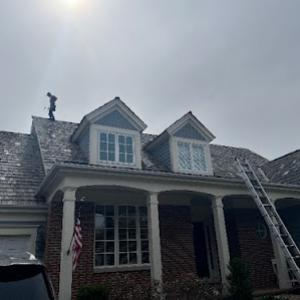
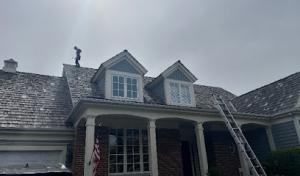
Cedar Roof is a roof repair and cedar roof treatment company. We specialize in cedar roof repairs, oil treatments, roof cleaning, roof inspections, roof coating for flat roofs and gutter cleaning. Our services area is Chicago Suburbs, Wisconsin and surrounding areas. For Cedar Shake roofs, we repair the roof with quality grade shake whether it’s heavy, medium or perfection. We replace all rotted, bad or missing shakes. We replace all bad or missing ridge-caps. We patch all holes. We caulk skylights, flashing, pipe jackets, and vents. Once the roof is repaired, we treat any moss, mildew or algae then scrub it with a brush.
Tron Restoration
(800) 236-4926 www.tronrestoration.com
950 Corporate Woods Pkwy, Vernon Hills, Illinois
4.9 from 134 reviews
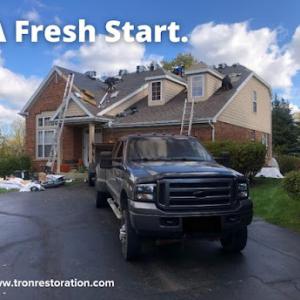
Tron Restoration specializes in residential and commercial roof construction, replacement, repair, and installation using a variety of materials, including shingles, bitumen, and metal.

Hetman Gutter Installation
(224) 348-7196 hetmangutters.com
29 N Royal Oak Dr, Vernon Hills, Illinois
5.0 from 33 reviews
For top-quality services by your local gutter company Vernon Hills, trust HETMAN Gutter Installation. At HETMAN, quality gutter service is what we do. We know gutters and our expert team will secure your property for protection against potential water damage. Our gutter installers Vernon Hills come with experience from serving both residential and commercial customers. When you need gutters, gutter guards, or downspouts, count on HETMAN Gutter Installation. Our seamless gutters are offered in K-style and half-round gutters with aluminum, steel, and copper options. Plus, we carry oversized gutters and oversized downspouts. Not sure what you need? Call us today and we’ll be glad to help.
B&J Roofing Company
(224) 360-5201 vernonhillsroofing.com
915 Westmoreland Dr Apt 11122, Vernon Hills, Illinois
5.0 from 21 reviews
For your roof repair in Vernon Hills, B&J Roofing Company has the professionals you’re looking for with years of experience serving the community. When you need a fast leaking roof repair, you can count on our team to get it done quickly. We stop at nothing to make sure you get service and quality that keeps your shelter in perfect condition. Not all roofing companies Vernon Hills can offer a high level of service and expertise at such an affordable price. Our top-level roofing contractors in Vernon Hills have honed their skills and acquired their knowledge through years of serving countless customers with great quality. Contact us today for your trusted leaking roof repair in Vernon Hills.
Patriot Builders
(847) 778-4523 www.patriotbuildersgroup.com
1470 Butler Ct, Vernon Hills, Illinois
4.8 from 27 reviews
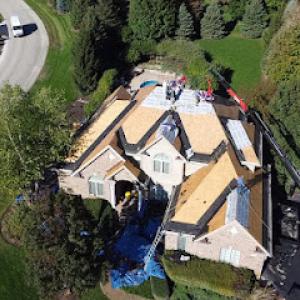
Patriot Builders Group serves as your reliable partner for exterior repairs and renovations for both homes and businesses. Originating as a roofing company, we adhere to the commitment of utilizing top-quality roofing and exterior products while delivering exceptional services. Additionally, our expertise extends to assisting homeowners in navigating insurance claims through our Public Adjuster License.
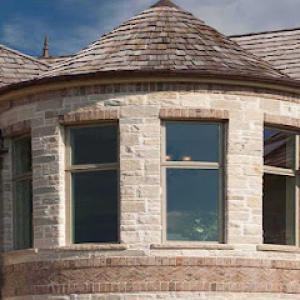
Custom Installations
(847) 786-5559 www.custominstallations.com
Serving
4.9 from 196 reviews
Since 1969, Custom Installations has provided homeowners, builders, and architects with an unparalleled commitment to our craft. Specializing in exterior remodeling, our services include roofing, siding, windows, gutters and sheet metal. From high-end custom homes to tract housing, to historic restoration and insurance renovation, we have the knowledge and experience to get the job done right the first time, on budget, with a goal of surpassing your expectation. Considered one of the most knowledgeable & dependable exterior contracting firms in the Chicagoland area, our culture is built on and embodies integrity, knowledge, reputation, and relationships.
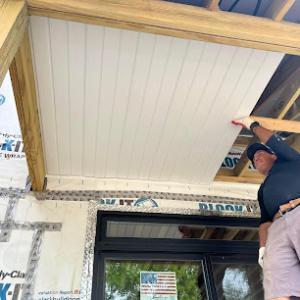
Diamond Lake Exteriors
(217) 673-0939 diamondlakeexteriors.com
Serving
4.8 from 32 reviews
Diamond Lake Exteriors, located in Long Grove, IL, is a trusted roofing and public adjusting company offering top-tier roofing services throughout the area. As GAF CERTIFIED roofing contractors in Illinois, we specialize in roofing, siding, gutters, and windows, delivering high-quality workmanship for both residential and commercial projects. We also provide roof financing options to help our clients achieve their goals without financial stress. Our team of experts is dedicated to providing the best roofing services with customer satisfaction. As a leading roofing company, we serve Long Grove, IL, and the surrounding areas. Reach out to Diamond Lake Exteriors today for a free estimate.
TZC Roofing Company
(224) 509-6722 roofingmundelein.com
Serving
4.9 from 42 reviews
For over 29 years, our roofing company has been at the pinnacle of the industry. The premiere roofing service provider in the area of Mundelein, IL, we differ from other roofing companies due to the fact that we were founded on the principles of excellence in service and customer satisfaction above all. We offer a wide range of licensed and highly-rated services that cater to both commercial and residential clients. We ensure you reasonable rates, along with the use of the highest quality materials and utilizing of the latest techniques available. Our highly trained roofing staff in Mundelein are always prepared to answer your roofing concerns. We’ll earn your trust with reliable service you can always depend on.
MTS Shingle Roofing
(224) 899-7098 mtsshingleroofing.com
Serving
5.0 from 26 reviews
At MTS Shingle Roofing, we are dedicated to providing top-quality roofing solutions for your residential needs. With decades of experience, we take pride in our skilled team of roofing experts who deliver excellence, professionalism, and customer satisfaction. Our services include shingle roof installations, repairs, and replacements, ensuring your property remains safe and protected from the elements. We use premium materials and cutting-edge techniques to guarantee long-lasting and durable results. Contact us today for a free consultation and estimate. Let us handle your roofing needs with precision and care. Experience peace of mind with MTS Shingle Roofing at your service.
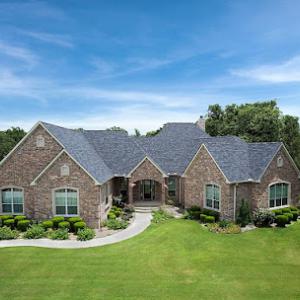
Cittrix Roofing
Serving
5.0 from 121 reviews
Cittrix Roofing is a roofing contractor in Buffalo Grove, IL that services Chicagoland, Lake County, Buffalo Grove and nearby areas. Our roofing company offers residential roofing, commercial roofing, asphalt shingle roofing, and much more. What make us standout is our lifetime labor and material warranty plus our storm damage insurance claims assistance. We also have industry certifications such as Haag Roof Inspector and Malarkey Preferred Contractor. If you want to experience how your most trusted Buffalo Grove roofing company embrace our motto “The Last Roof You'll Ever Need”, call us now for free estimate!

State Restoration Services
(866) 992-2982 staterestoration.us
Serving
4.9 from 81 reviews
State Restoration Services was established as a Chicago-based roofing company, which was providing full-service roofing and exterior home improvement services and become an industry leading family owned and operated construction company in the State of Illinois. Building on our early success, we have grown from general residential roofing company to a full size Residential and Commercial Roofing & General Construction company that is now proud to fill a void in the marketplace and provide a quality building code compliant workmanship services such as: roofing, siding, windows, gutters… Emergency Repair Service Available 24/7
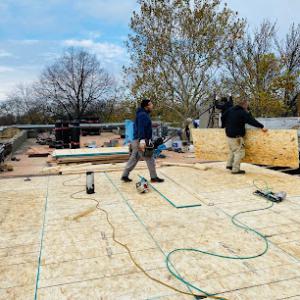
Enrique's Roofing
(773) 961-5023 enriquesroofingil.com
Serving
4.9 from 31 reviews
With over 15 years of dedicated service, Enrique’s Roofing proudly serves the Chicago area, including Skokie, Lincolnwood, Schaumburg, Park Ridge, Niles, Wilmette, Gurnee, and Morton Grove, IL. Our expertise encompasses flat, shingle, and TPO roofing, as well as siding, gutters, and soffits services. We are committed to delivering exceptional quality and personalized service to protect and enhance your home or business. Rely on Enrique’s Roofing for outstanding craftsmanship and reliable service. Contact us for your next roofing project.
A full roof replacement in this area requires a permit through the Village of Vernon Hills Building Department rather than being treated as a no-permit maintenance item. The distinction matters because a permit helps ensure the work complies with local wind, fire, and weather-resilience standards that are common in freeze-thaw winters and spring hail storms. Planning for permit time early in the project can prevent delays when the crew is ready to install, and it signals to insurers and adjacent neighbors that the work is legitimate and inspected.
The village expects project details and contractor information with the permit submission, so homeowners should confirm who is pulling the permit before work starts. Prepare a clear scope, including roof type, underlayment, ventilation, and any attic or exterior work tied to the replacement. Include the contractor's license number, contact information, and any subcontractors. If you switch crews mid-stream, you may need to update the permit holder with the Building Department. Accurate, up-to-date documentation helps prevent hold-ups during inspections and ensures the job tracks properly through final approval.
Vernon Hills inspections include a mid-project or rough inspection when applicable and a final inspection to verify completion and code compliance before the job is fully closed out. Mid-project checks review critical steps such as sheathing, underlayment, and venting installations, while the final inspection confirms that all components meet local building codes and the contract scope. Be prepared for weather-related scheduling adjustments, especially given the seasonal emphasis on storm-damage repairs after hail and during thaw cycles. Coordinate access for the inspector and have your permit card, contractor information, and any required documentation readily available.
Before starting, verify who will pull the permit and confirm their contact at the Building Department. Gather the project scope, material selections, and ventilation details to accompany the submission. Plan for potential inspection windows and communicate expected timelines to your roofer. Keep copies of all permit-related correspondence and inspection notices in a central place, so when the inspector arrives you can provide quick, accurate references and keep the project moving toward a proper, code-compliant finish.
Snow load and repeated freeze-thaw cycles push on shingles and flashing all season long. In Vernon Hills, the simple edge of a gap or a misaligned step flash can widen into an active leak by late season if left unchecked. The dry spells between storms feel like a relief, but they mask the subtle damage that ice dams and hidden edge rot can produce under lighter winds and brisk temps. A roof that looks sound after a calm spell may still be carrying micro-fractures, worn sealant, or condensation patterns that only show up when the attic breaths heavy with winter air. The reminder is practical: small defects today grow harder to fix once the snow returns.
Spring is the moment when damage becomes obvious. Hailstones, gusty winds, and sudden downpours test the roof's defences after a long season of cold. Areas that seemed marginal in March often reveal themselves by May as shingles curl, granules wear away, and flashing lines show their age. Hidden damage-under shingles, around joints, or at valleys-persists through the winter and becomes a visible care problem once the rain arrives in earnest. For many roofs in this area, spring inspections are less about anticipation and more about confirmation: what survived winter might not survive a spring storm as confidently as it once did.
The heat and strong sun can accelerate aging on storm-stressed roofs. In Vernon Hills, the UV exposure compounds the wear from earlier storms, thinning protective granules and softening vulnerable seals. Then autumn arrives with leaves and debris that clog gutters and scuppers, reducing drainage just as the days shorten and temperatures swing toward winter. A roof coping with summer stress plus fall buildup faces higher risk of standing water, hidden micro-leaks, and accelerated wear on flashing and seals. Without timely attention, minor issues can snowball once the first freezes come back.
Keep an eye on seasonal transitions, and document suspicious spots with daylight photos. After winter's thaw and before the first spring storm, do a careful attic and roof walkthrough to spot patterns rather than isolated symptoms. Note any muffled or damp areas, loose granules, or wind-damaged flashings around chimneys and vents. When spring inspection gaps appear, treat them as high-priority signals for professional evaluation, because early intervention reduces the chance of full-scale leaks later in the year. This vigilance is your best defense against the typical Vernon Hills cycle of storm wear.
In this Illinois insurance environment, hail and wind claims are common enough that adjusters often scrutinize roof age, maintenance history, and whether damage is clearly storm-related or the result of long-term wear. The distinction matters: a recent, well-documented storm impact can tilt a claim toward replacement or repair, while aging shingles with minimal storm evidence may face tighter scrutiny. Homeowners should expect questions about when the roof last had maintenance, what signs of wear were addressed, and whether the damage aligns with a specific storm event rather than gradual degradation.
Older roofs in the area may face tougher underwriting or mitigation expectations, so delaying replacement after repeated storm exposure can affect both claim outcomes and future coverage options. If a roof has endured multiple bouts of hail or high winds, insurers may push for stronger evidence of timely upkeep or consider imputed depreciation in future renewals. Being proactive about documenting condition after each season can help clarify whether new damage is storm-related or simply a wear pattern that predates recent weather extremes.
Homeowners should keep date-stamped photos, prior invoices, and inspection records because claim activity in the region can influence premiums and carrier appetite. A well-organized history-photos showing storm damage, dated invoices for repairs, and professional inspection notes-can support a clear narrative for why replacement or repairs were pursued and when. In practice, having a concise file helps the adjuster separate episodic storm impact from long-standing vulnerabilities, which in turn can shape both the immediate settlement and the long-term relationship with the carrier.
Connect with contractors who help homeowners navigate the claims process from damage assessment to final approval.
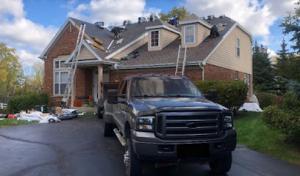
Tron Restoration
(800) 236-4926 www.tronrestoration.com
950 Corporate Woods Pkwy, Vernon Hills, Illinois
4.9 from 134 reviews
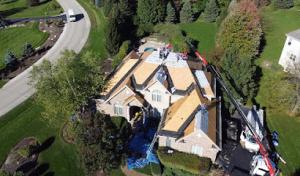
Patriot Builders
(847) 778-4523 www.patriotbuildersgroup.com
1470 Butler Ct, Vernon Hills, Illinois
4.8 from 27 reviews
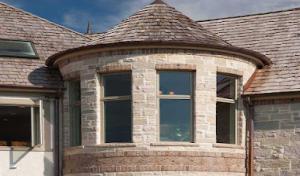
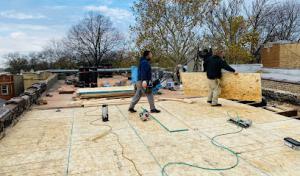
Although Vernon Hills is primarily a steep-slope residential re-roofing market, attached garages, porch roofs, and other low-slope sections still need separate detailing and drainage planning from the main shingle field. These areas drain toward exterior walls and low spots, so keep an eye on deck transitions, gutter lines, and downspout connections that can get overwhelmed in a spring rain flush. In practice, that means inspecting the low-slope edges for lifted flashing, loose caulk, and any standing water after a heavy rain or a quick melt.
Low-slope transitions require careful seam and penetration work because misaligned tie-ins often invite leaks right where you don't expect them. Pay attention to how the low-slope roof meets the main roof, especially around chimneys, skylights, and vent pipes. Confirm that valley drip edges, kick-out flashing at walls, and edge metal are integrated with the main field flashing so water flow remains continuous rather than pooling at a joint. Plan for a dedicated drainage path that keeps water away from foundation walls and window sills, with properly sized scuppers or troughs where applicable.
Homeowners comparing bids in Vernon Hills should verify whether low-slope transitions, penetrations, and tie-ins are priced separately from the main roof replacement. Ask the contractor to list each low-slope area with its own scope: flashing, underlayment, membrane or compatible overlay, edge details, and any required drainage components. When bids separate these items, you can better gauge whether the scope aligns with the drainage needs that show up first during spring rains.
After installation, schedule targeted inspections of low-slope sections after heavy rains, ice events, or wind-driven debris. Look for bubbling under flashing, pooled water near penetrations, and any drifted debris that could block drainage paths. Tighten or reseal flashing joints as needed to maintain a clear line of water runoff away from siding and foundations.
Find specialists in TPO, EPDM, and built-up flat roofing systems for residential and commercial properties.
Cedar Roof Repair
(847) 496-0620 www.cedar-roofs.com
105 W Townline Rd, Vernon Hills, Illinois
5.0 from 84 reviews
Mighty Dog Roofing of Northwest Chicago
(847) 649-6732 www.mightydogroofing.com
Serving
4.9 from 38 reviews