Last updated: Apr 19, 2026
Glenview roofs are exposed to both spring hail and winter freeze-thaw cycling, so minor shingle, flashing, and sealant damage often worsens between seasons rather than staying static. The same spots that look fine after a calm summer can show new hairline cracks or loosening after a harsh March hail event or a late-season freeze. When the snow melts, hidden weaknesses become obvious as damp patches or indoor stains. This pattern means you cannot treat a small dent or a loose edge as a one-off fix-the protection layer is repeatedly stressed by cycles that drive moisture deeper and widen existing gaps.
The village's warm-season thunderstorm pattern means homeowners often discover damage during heavy rain events, while winter snow and ice can hide the original impact points until leaks appear indoors. Hail makes concentrated strikes, often along the edges of shingles, around vents, and near flashing transitions where wind gusts drive debris against the roof. Wind-driven rain can force moisture under loose shingles or poorly sealed flashings, turning a minor surface issue into a slow leak before the next storm arrives. In winter, repeated freezing and thawing push granules loose, lift shingles slightly, or widen gaps around chimneys and skylights. Each cycle compounds vulnerability, so timing matters: a small repair delayed through spring can become a larger, more intrusive fix by summer or fall.
Because this area sits in a hail- and wind-prone part of Illinois, storm timing often determines whether a roof moves from repairable to insurance-driven replacement. After a severe hail event, insurers may view widespread granule loss, punctures, or damaged flashing as broader exposure, pushing the project from a quick patch to a full replacement. If a roof experiences repeated weather hits without timely maintenance, the underlying deck can suffer moisture intrusion, leading to rot, compromised underlayment, or structural concerns that require more extensive work. Monitoring the roof after every major storm, and especially after a harsh winter, helps keep the decision between repair and replacement focused on the actual condition rather than the latest weather headline.
Track the first signs of trouble as you approach spring: new granule accumulation in gutters, increased shingle curl, or dark spots along seams and around vents. After a heavy rain, check for damp ceiling spots or attic condensation. In winter, be alert for ice dams forming along the eaves; those dams indicate melt water that can back up under shingles and leak inward. If you notice a single affected area, inspect promptly; if multiple areas show wear, consider a broader assessment. Remember that minor issues can masquerade as personality flaws of the season until a harsh weather episode exposes the true extent.
Start with a prompt roof assessment after any major hail event or strong thunderstorm, and again after winter thaws when new leaks appear indoors. Prioritize flashing and edge repairs where wind-driven rain tends to fail seals first. Document damage with photos, noting date and storm details, since timing often influences insurance considerations. If leaks or moisture intrusion persist beyond a single rainy day, or if multiple sections show wear, arrange a professional inspection to determine whether patchwork is sufficient or a larger replacement is warranted. In Glenview, proactive monitoring and timely repairs keep weather cycles from eroding structural integrity, preserving comfort and avoiding cascading damage that follows the next storm season.
Find local contractors experienced in assessing and restoring roofs after hail, wind, and severe weather events.
Stanley Roofing Contractors Chicagoland
(847) 796-8257 stanleyroofingcompany.com
616 Glendale Rd, Glenview, Illinois
5.0 from 71 reviews
Zdanowicz Roofing Company
(224) 435-0924 roofing-glenview.com
9099 Hunter Rd, Glenview, Illinois
4.9 from 43 reviews

Stanley Roofing Contractors Chicagoland
(847) 796-8257 stanleyroofingcompany.com
616 Glendale Rd, Glenview, Illinois
5.0 from 71 reviews
Introducing Stanley Roofing Contractors Chicagoland, where trust meets craftsmanship! With a legacy spanning over three decades, we are the unparalleled experts in roofing solutions throughout the Chicagoland area. Our team of dedicated professionals brings together unmatched expertise and unwavering commitment to deliver exceptional results for all your roofing needs. From residential to commercial projects, we pride ourselves on providing reliable, durable, and aesthetically pleasing roofing installations, repairs, and replacements. With Stanley Roofing Contractors Chicagoland, you can trust that your roof is in the hands of skilled artisans who value quality, safety, and customer satisfaction above all else.
LEO Roofing Company
(224) 435-0349 roofingglenview.com
316 N Michael Manor, Glenview, Illinois
4.9 from 44 reviews
Stop looking for roofing companies - we are the only roofing contractors you need. We’re dependable, well trained an experienced in all possible roofing needs. We serve the people of Glenview with our top-quality roof repair and roof replacement services. A roof should be something built to last, and we do just that. We have installed thousands of roofs during our 15 years’ experience, making us the number one roofing company in Glenview. We deal with all types of roofs and roof materials, and we’re happy to offer free estimates to all of our customers. We take pride in being honest, hardworking roofing contractors, making sure of all our work is done to a high standard. Contact LNR Roofing Contractors & Company today for your free quote.

Zdanowicz Roofing Company
(224) 435-0924 roofing-glenview.com
9099 Hunter Rd, Glenview, Illinois
4.9 from 43 reviews
For nearly 30 years, our roofing company has consistently served the people of Glenview, IL, offering high-quality roofing services at reasonable rates. We strive for greatness. This means our roofing company is considered first by every client looking to hire a roofing contractor. To ensure this, we provide a wide array of services, both commercial and residential, whether small or large scale. All our roofing options use quality materials to ensure your roof is not just lovely to look at, but durable for years to come. We aim to satisfy our clients above all else. Our team of highly capable professionals is here for you. For those with roofing needs in Glenview or close by, we’ll show you why we’re the best.

RS Five
1838 Waukegan Rd, Glenview, Illinois
4.5 from 72 reviews
At RS Five, we’re more than just a roofing company — we’re a team of dedicated exterior specialists committed to protecting and enhancing homes across Chicagoland. With a deep understanding of roof replacement, siding installation, gutter guards, and storm damage restoration, we help homeowners navigate everything from routine repairs to complex insurance claims with ease and confidence. From your first consultation to final inspection, we pride ourselves on providing transparent communication, exceptional craftsmanship, and a seamless customer experience. Our expert team, including licensed Public Adjusters and skilled field professionals, is driven by results and built on trust.
Topline Roofing - Roofing Contractors, Public Insurance Adjusters
(773) 814-6005 toplineadjusting.com
Serving
5.0 from 107 reviews
Discover TOP LINE ROOFING dba PRO SERVICES ROOFING, a top-rated residential and commercial roofing and masonry contractor in Chicago, partnering with insurance adjusters to offer superior craftsmanship, attention to detail, and exceptional customer service. Our skilled team provides a wide range of services, including emergency roof repair, hail damage as well as slate and tile roof repair, storm damage roof repair, chimney restorations, and masonry services like waterproofing, repointing, and lintel beam installation. Trust PRO SERVICES ROOFING for all your roofing and masonry needs, where quality, honesty, and professionalism meet. Contact us now for a free estimate!
Presidential Roofing
(847) 581-1040 www.presidentialroof.com
Serving
4.9 from 79 reviews
Presidential Roofing is residential, commercial and industrial roofing contractor committed to installing quality roofing systems that will provide our customers with years of problem free protection. Our purpose is to provide and install quality roofing systems that reflect the integrity of our company and the people we employ in a manner that is safe and cost efficient. Presidential Roofing was establishe in 1997 and is proudly serving entire Chicagoland since than. Owner of Presidential Roofing Tom Mikolajczyk is personaly involved in all of our projects insuring that our costumers are getting the best quality work at most affordable prices.We believe quality craftsmanship and design are just the beginning when instilling new r
Lakeland Exteriors & Roofing
(847) 395-8854 www.builtbylakeland.com
Serving
5.0 from 65 reviews
30 years as your roofing and exteriors expert. Commercial and residential roofing company providing repairs, maintenance and roof replacement
Warren's Roofing Company
(224) 998-6002 flatroofinginc.com
Serving
5.0 from 38 reviews
As Warren's Roofing Company, we serve you in Skokie and surroundings. Our mission has always been delivering you the finest roof installation, repair, and roof inspection that enables us to prevent more serious roof damages. The workers that we hire and well-trained and guide you every step of the roof installation or your roof repair in Skokie. We don’t accept any negligence and oversights. Keep in mind that having your roof installed and maintained properly is paramount to ensure your investment lasts for years. We do our best to supply you with the highest level of service that you’ll be truly glad about. Multiple roofing styles and materials are available. One call is definitely enough to start the cooperation.
Liberty Restoration Group
(800) 881-5740 www.libertyrg.com
Serving
4.9 from 33 reviews
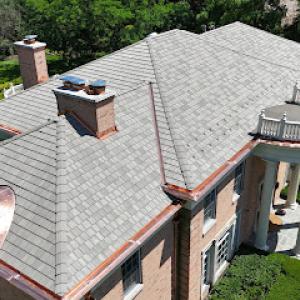
Liberty Restoration Group is a trusted residential and commercial roofing, gutter, siding, and exterior restoration company serving Des Plaines, IL, and the greater Chicago area. With licensed, bonded contractors and decades of combined experience, we deliver high-quality roof replacements, storm damage repair, seamless gutter installation, siding upgrades, and window services using premium materials from trusted manufacturers. We work closely with homeowners and insurance providers to ensure smooth project management and exceptional results that protect and enhance your property. Proudly serving communities throughout Chicago with integrity, expertise, and a commitment to customer satisfaction.
Len Roofing & Remodeling
Serving
4.9 from 64 reviews
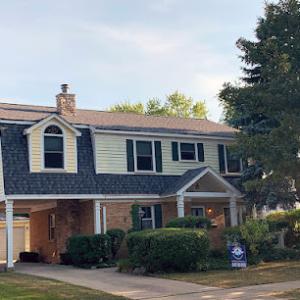
Len Roofing is a leading home improvement company that install roofs, metal gutters, windows, skylights, siding and can handle most remodeling projects.
Safe Roofing Company
(224) 998-6056 roofing-skoki.com
Serving
5.0 from 29 reviews
Skokie, Illinois, is known for its long, cold winters, and having a reliable roof over your head is something you want to be confident about. Call in Safe Roofing Company for an inspection to make sure your shingles, downspouts, gutters, and flashings are all in good enough shape to keep you from moisture damage, ice-dam build-ups, and problems with debris and fallen branches. We offer excellent customer service backed up by our skilled contractors who can repair, replace, or maintain your commercial or residential roof, so it consistently performs to the best of its ability in the upcoming winter. Our contractors are the best in the business and will provide you with an affordable estimate and guide you through the process.
Roof Repair By Paul
(224) 458-1955 flatroofingnorthbrook.com
Serving
5.0 from 34 reviews
When you're looking for a flat roof repair company in Northbrook, our company has got your back. At our company, we offer flat roof replacement, flat roof maintenance, and flat roof repair services. When you have a problem with your flat roof, we are the ones who are reliable and trustworthy to get the job done right the first time. Our flat roofing contractors will inspect your roof thoroughly so that they know what is the best way to resolve your problem. We provide a comprehensive estimate so that you will not have any surprises along the way. Our company handpicks the materials that are used in your flat roof services so that it will last you for years. We ensure that your experience with us will be as smooth as possible. Call us today!
In Glenview, the practical replacement window is typically spring through early fall because winter installations are complicated by snow cover, brittle materials, and freeze-thaw moisture movement. That timing aligns with crews' best conditions for handling steep slopes and large, mature-home roof lines. If a project starts in late spring, the heat buildup tends to be manageable, while early fall offers enough dry days before November's weather shifts. Starting or finishing before winter sets in reduces the chance of weather-driven delays and minimizes the impact of snow and ice on the new roof system.
Spring hail and heavy rain can disrupt schedules just as demand rises, so homeowners who wait until after major storm clusters may face longer lead times. The calendar often tightens quickly as more homes come off winter storage and aim for the same favorable window. In the heat of summer, higher humidity and heat stress affect crews and material handling, especially on larger or multi-part roof replacements common on mature suburban housing stock. Plan for potential short holds after hot days, which can slow nail patterns and shingle set times. In fall, strong wind events can compress the calendar before winter closes in, pushing installations toward early completion or sparking rescheduling if weather windows close unexpectedly.
Expect crews to stage equipment on accessible driveways or side yards, with safety lines and temporary barriers protecting mature landscaping and neighboring properties. Because many homes feature steep-slope sections, a well-coordinated sequence-roof edge teardown, deck and underlayment checks, then final shingle or panel installation-helps prevent weather exposure of sensitive layers. On low-slope additions, it matters to verify drainage transitions and edge flashing compatibility with existing systems, so water flows stay directed away from fascia and interior spaces. A typical replacement in this climate prioritizes wind-rated underlayment, robust edge metal, and fasteners suited to local humidity cycles, ensuring the roof can perform through freeze-thaw movements without premature edge lift or seam failure.
Communicate preferred delivery dates for materials and scaffold setup early in the process, since spring and fall demand can push lead times. If a storm cluster hits, get a provisional plan for weather days and a revised installation timeline to avoid last-minute surprises. For homes with multiple roof faces, confirm the sequence for each elevation to minimize re-entry work and keep attic spaces reasonably ventilated during the project. A clear window for inspection after teardown and before final sealant application helps catch any moisture movement artifacts before the system is closed up for winter.
Get a clear picture of your project costs upfront - no commitment required.
LEO Roofing Company
(224) 435-0349 roofingglenview.com
316 N Michael Manor, Glenview, Illinois
4.9 from 44 reviews
Topline Roofing - Roofing Contractors, Public Insurance Adjusters
(773) 814-6005 toplineadjusting.com
Serving
5.0 from 107 reviews
Glenview's mix of mature suburbs with steep-slope roofs and occasional low-slope additions creates a practical hierarchy of material choices. Asphalt shingles remain the practical backbone for most replacements due to familiar sizing, broad availability, and straightforward repair logistics after hail and wind events. For homeowners seeking longer-term durability and a specific look, there are higher-end options-metal, slate, clay tile, concrete tile, and synthetic/composite shingles-that balance curb appeal with performance in the North Shore climate. The right selection depends on how the roof is configured, the prevailing wind patterns, and how much attention is given to detailing around transitions, flashing, and drainage.
Asphalt shingles dominate the market because they pair well with conventional suburban steep-slope designs and respond quickly after storms. In Glenview, a standard asphalt roof can often be replaced faster than more specialized systems, a practical advantage after hail and severe thunderstorms. Look for impact-resistant varieties in areas prone to hail, and plan for a roof with a solid underlayment and a well-sealed ridge line to withstand freeze-thaw cycles. If the home has a complex roofscape with multiple ridges and valleys, ensure the shingles chosen include proven compatibility with valley flashing and step flashing transitions to minimize water intrusion during thaws.
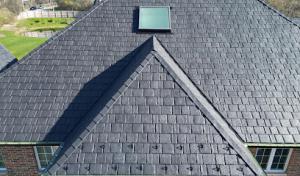
Metal roofing, slate, clay tile, concrete tile, and synthetic/composite shingles appear on higher-end homes and in neighboring North Shore neighborhoods where appearance and long-term durability can justify the initial investment. Metal roofs excel where there are long, clean runs and stronger wind exposure, while slate and concrete or clay tiles offer distinctive looks and superior hail resistance, though they demand careful structural assessment and precise flashing at transitions. Synthetic/composite shingles can mimic the appearance of slate or tile while offering lighter weight and easier installation in retrofit situations. On mature homes with large overhangs or prominent facades, these materials can deliver lasting curb appeal without the maintenance headaches of traditional wood components.
Low-slope sections over additions, porches, garages, and multifamily or mixed-use buildings create detailing challenges where material transitions, drainage, and flashing quality matter as much as the field roofing itself. In Glenview, careful integration of roof planes with gutters and downspouts is essential to avoid recurring ice dam and drainage problems during freeze-thaw cycles. When a project involves mixing materials (for example, a low-slope addition with an existing steep-slope main roof), ensure that transitions create a continuous weather barrier and that flashing is continuous across different substrates. In all cases, verify that fasteners, sealants, and edging are compatible with the chosen system to minimize maintenance needs after winter events.
Severe spring hail and quick temperature swings demand attention to the roofing envelope's ability to shed water, manage wind uplift, and resist thermal movement. In practice, this means selecting materials with proven performance in hail-prone environments, prioritizing robust underlayment systems, and ensuring the flashings at chimneys, vents, and dormers are meticulously integrated. For steep-slope homes, the roofline often extends over a substantial portion of the façade, so material choice should harmonize with exterior finishes while preserving drainage efficiency and long-term weather resistance.
In Glenview, roof replacement costs are driven by North Shore labor expectations, storm-driven demand, and the need to coordinate full replacements for substantial homes with multiple elevations. The area's mature housing stock often features steep pitches, attached garages, dormers, skylights, chimneys, and low-slope transition zones that can push labor and flashing costs above simple square-foot pricing. Your project price will reflect not only the roof material but how those details come together on the structure.
Costs vary sharply by material in Glenview: asphalt shingles typically run 350 to 700 USD per square, metal 700 to 1200, clay tile 850 to 1800, concrete tile 800 to 1500, synthetic/composite 450 to 900, and slate 1200 to 3000. With complex rooflines, those sticker prices can creep higher once the roof plane count, overlaps, and venting or chimney work come into play. The neighborhood's mixed stock-from two-car and three-car garages to dormered attic spaces-means every estimate should be treated as a room-by-room, plane-by-plane calculation rather than a flat rate.
Beyond materials, anticipate additional labor costs tied to Glenview's climate patterns. Freeze-thaw cycles stress older flashing and fascia, while hail exposure can reveal hidden damage that requires extra underlayment or secondary protection. Storm-driven demand spikes may also affect lead times and contractor availability, potentially elevating scheduling costs if replacements overlap peak seasons. If a roof has multiple levels or transitions, plan for safer, more thorough shingle removal and re-nailing practices, which adds time and material redundancy for proper sealing around penetrations.
A practical budgeting approach starts with a material choice aligned to the home's warranty and climate needs. For steep-slope homes with extensive detailing, allow a contingency for flashing, step/hip and ridge work, and potential skylight or chimney resealing. For lower-slope sections over additions, expect slightly higher flashing complexity and edge detailing. In Glenview, the overall project often combines the material price with added labor due to complex geometry, weather mitigation, and the need for precise insulation and ventilation integration.
Quick pricing snapshot: asphalt shingles 350-700 USD per square; metal 700-1200; clay tile 850-1800; concrete tile 800-1500; synthetic/composite 450-900; slate 1200-3000. Plan for site-unique adjustments based on rooflines and penetrations.
Don't let upfront costs delay a critical repair - these contractors offer payment plans to fit your budget.
M&M Home Remodeling Services - Arlington Heights
Serving
4.9 from 428 reviews
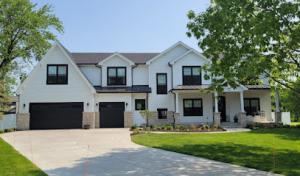
A full roof replacement requires a building permit through the village before work begins. This isn't a courtesy to check a box; it's the framework that ensures safety, code compliance, and a documented history for your property. In Glenview, the process is practical and concrete: submit plans, confirm material choices, and align timelines with the busy contractor schedules that come with a mature suburban stock. Entering the project with a clear permit path helps avoid delays that can arise from rejected applications or missed required details.
The village building department treats roofing work as a reviewable project rather than a casual upgrade. Applications are reviewed for structural compatibility, proper venting, and adherence to local codes that address wind, ice, and snow loads. Expect a back-and-forth period where plan details may be requested, and be prepared to provide documents that show you're replacing like-for-like in critical areas or detailing any departures from existing conditions. This is not a delay intended to vex homeowners; it's a safeguard against future leaks and wind damage that could arise from undersized components or incorrect fastenings.
Inspections are scheduled at key points in the project, not simply after the last shingle is nailed down. In Glenview, inspections typically cover underlayment installation, attic ventilation adequacy, flashing around chimneys and vents, and the final completion with all work visible from the ground and attic spaces. The inspector will look for proper sealant transitions, correct nail patterns, and any penetrations that could become failure points during freeze-thaw cycles or hail events. Scheduling considerations are practical: plan for potential follow-up inspections if issues are found, and build in time for weather-related holding patterns that can push timelines.
Homeowners should expect documentation at multiple stages: permit approvals, plan approvals, inspection records, and any corrective actions required by the village. Because Glenview experiences harsh winters, storm activity, and a mix of steep-slope and low-slope configurations, the timing of inspections can influence when material delivery and installation crews can work safely. Communicate openly with the contractor about anticipated inspection windows, required access points, and the availability of someone on site to coordinate with inspectors. Maintaining a well-organized file of permits, inspection logs, and receipts helps prevent surprises when the project reaches final completion.
Illinois carriers see frequent hail and wind roofing claims, and Glenview homeowners should expect adjusters to request photos, contractor estimates, and roof measurements. After a severe hail event or a windy afternoon, an adjuster will want a clear before-and-after record, not just scattered notes. Your best chance for a smooth review is to provide crisp, dated photos of all roof surfaces, attic photos if you suspect leaks, and a simple diagram marking any damaged areas. Having recent, close-up photos of asphalt shingles, metal edges, or tile seams can speed the process and reduce back-and-forth.
Because underwriting has tightened in parts of Illinois after repeated storm losses, claim history and roof age can influence both coverage decisions and replacement timing in Glenview. If there is a long prior claim on the property or a roof nearing the end of its expected life, a carrier may reevaluate the scope of coverage or push toward sooner replacement rather than patching. This doesn't mean a claim will be denied, but it does mean the timeline and the extent of work may hinge on documented condition and the architect of the loss. Keep a careful record of prior damage, any weather events, and the age of major components.
In Glenview, documentation is especially important when damage emerges in stages, such as hail bruising followed by leak development during later heavy rain or freeze-thaw expansion. Hail bruising can hide under granules or sealant, and a leak may appear only after several cycles of freezing and thawing. Create a chronological file: initial damage assessments, subsequent weather events, and any water intrusion reports. If you notice new moisture after a storm, photograph it promptly and note the timing; this helps prevent misunderstandings about when and where the damage began.
Connect with contractors who help homeowners navigate the claims process from damage assessment to final approval.
Topline Roofing - Roofing Contractors, Public Insurance Adjusters
(773) 814-6005 toplineadjusting.com
Serving
5.0 from 107 reviews
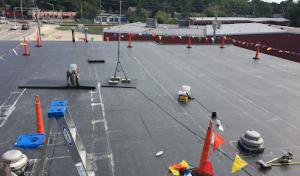
Even on otherwise steep-slope roofs, low-slope sections over additions and rear extensions drain water more slowly during heavy rain, creating standout leak points. In Glenview, those zones often sit under older transitions where the roofline changes slope, so water can pond briefly and then intrude at fastener lines or seam details. Inspect these areas after heavy storms and after seasonal shifts when shingles have less flexibility.
Freeze-thaw cycles create extra stress where steep and low-slope sections meet. Over time, flashing details that bridge those transitions can separate or crack, allowing moisture to creep beneath the flashing. Look for hairline cracks along step flashing at the transition, especially near additions or where a previous roof tie-in exists. Re-caulk or reseal promptly, and consider improving drainage at the joint to reduce standing water during thaw cycles.
Skylights and chimneys concentrate movement from seasonal expansion and contraction. In mature housing stock, seals around these features degrade first, and repeated freeze-thaw cycles pry at the flashing and sealant. Inspect these junctions annually for loose or lifting shingles, tar drippings, or dried-out sealant beads. If moisture trails or staining appears around a skylight or chimney, plan a focused reseal or flashing check, then address any underlying drainage issues that keep water pressing against the flashing during heavy rain.
Schedule a targeted walk-around after any severe storm, focusing on low-slope over additions, transitions between slopes, and all skylight and chimney areas. Use binoculars from ground level to spot loose flashing or lifted shingles, then confirm with a closer roof-edge inspection if safe. Keep a calendar of wear spots and address minor repairs before they become tracked leaks.
Find specialists in TPO, EPDM, and built-up flat roofing systems for residential and commercial properties.
Zdanowicz Roofing Company
(224) 435-0924 roofing-glenview.com
9099 Hunter Rd, Glenview, Illinois
4.9 from 43 reviews