
Last updated: Apr 19, 2026
Hail and wind claims are common in the Chicago area, and that pattern hits especially hard in this community. A quick hail dent or a gust that shears a shingles edge can turn into a claim-worthy event within hours, not days. After any severe storm, you should treat your roof as a rapidly evolving project, because insurers will expect a prompt, thorough inspection record. The risk is real: a late-season storm can follow an honest roof replacement, leaving you juggling unfinished repairs and the clock on your claim. The quick takeaway is simple-do not wait for visible damage to show up in your gutters before you start documenting. Take clear photos from every angle, including ridges, valleys, and skylights, while the sky is still clearing and the yard is free of debris. This is not a one-and-done task; a battered roof can reveal issues only after moisture moves through a compromised seal.
Spring hail season can damage roofs shortly after replacement or interrupt already-booked projects, which affects scheduling and claim timing in Morton Grove. Insurers commonly ask for photos, contractor estimates, and roof-age documentation, and they may adjust coverage based on material type and warranty status. Your documentation should be dated, labeled, and organized in a simple file you can share instantly with your insurer or adjuster. Start with a baseline: recent roof condition photos prior to any storm, then capture high-resolution images of all suspected impact points, plus any signs of water intrusion around penetrations, flashing, and venting. If you've recently replaced sections of the roof, keep the receipts for materials and labor ready, along with the installation date, as this helps establish whether wear from hail or wind or both contributed to the damage. When you schedule a claim, align it with the earliest credible assessment window you can secure. If your project is already booked or under way, communicate openly about potential weather-driven delays and how they might influence the claim timeline. Having a clear, ready-to-respond file helps prevent back-and-forth delays caused by missing documentation.
Insurance companies in this market commonly request a combination of photos, contractor estimates, and roof-age documentation to determine eligibility and adjust coverage based on material type and warranty status. If you're working with asphalt shingles, you'll often be asked to provide the age of the roof and the shingle type along with the service life expected under warranty. For metal, tile, or other alternatives, the file should reflect not only the appearance of hail impact but also the integrity of flashing, underlayment, and venting that could be stressed by high winds. The adjuster will look for evidence of hail strikes on the upper slopes and ridges, as well as any moisture intrusion that would indicate compromised underlayment or flashing. If the roof is still under warranty, have that documentation ready; warranties can influence whether the insurer approves certain repairs or replacements and can affect whether you're directed toward manufacturer-approved repair methods. In any case, prepare a simple narrative that connects the storm event to observed damage, including dates and local weather notes if you have them. The goal is to present a concise, verifiable picture of what happened, what was damaged, and how quickly the roof will need to be restored to prevent further loss. If contractors provide estimates, ensure those estimates clearly itemize labor, materials, and any associated venting or flashing work, since insurers often rely on these details when determining scope and payout. In Morton Grove, the better your documentation, the smoother the claim path will be, especially as spring storms arrive with their usual unpredictability and the potential for scheduling bottlenecks.
Warren's Roofing Company
(224) 998-6002 flatroofinginc.com
Serving
5.0 from 38 reviews
As Warren's Roofing Company, we serve you in Skokie and surroundings. Our mission has always been delivering you the finest roof installation, repair, and roof inspection that enables us to prevent more serious roof damages. The workers that we hire and well-trained and guide you every step of the roof installation or your roof repair in Skokie. We don’t accept any negligence and oversights. Keep in mind that having your roof installed and maintained properly is paramount to ensure your investment lasts for years. We do our best to supply you with the highest level of service that you’ll be truly glad about. Multiple roofing styles and materials are available. One call is definitely enough to start the cooperation.
Safe Roofing Company
(224) 998-6056 roofing-skoki.com
Serving
5.0 from 29 reviews
Skokie, Illinois, is known for its long, cold winters, and having a reliable roof over your head is something you want to be confident about. Call in Safe Roofing Company for an inspection to make sure your shingles, downspouts, gutters, and flashings are all in good enough shape to keep you from moisture damage, ice-dam build-ups, and problems with debris and fallen branches. We offer excellent customer service backed up by our skilled contractors who can repair, replace, or maintain your commercial or residential roof, so it consistently performs to the best of its ability in the upcoming winter. Our contractors are the best in the business and will provide you with an affordable estimate and guide you through the process.

RoofingSource
(800) 507-3177 www.roofingsource.com
Serving
4.9 from 47 reviews
The nation’s leading solution-focused rooftop partner.
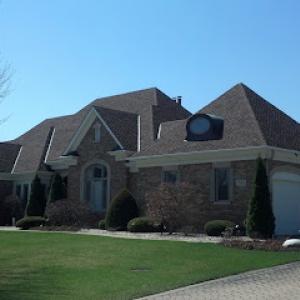
Presidential Roofing
(847) 581-1040 www.presidentialroof.com
Serving
4.9 from 79 reviews
Presidential Roofing is residential, commercial and industrial roofing contractor committed to installing quality roofing systems that will provide our customers with years of problem free protection. Our purpose is to provide and install quality roofing systems that reflect the integrity of our company and the people we employ in a manner that is safe and cost efficient. Presidential Roofing was establishe in 1997 and is proudly serving entire Chicagoland since than. Owner of Presidential Roofing Tom Mikolajczyk is personaly involved in all of our projects insuring that our costumers are getting the best quality work at most affordable prices.We believe quality craftsmanship and design are just the beginning when instilling new r
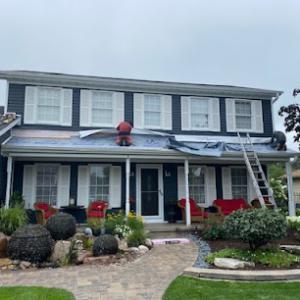
Greater Chicago Roofing - Skokie
(847) 929-9398 www.greaterchicagoroofing.com
Serving
5.0 from 51 reviews
Greater Chicago Roofing - Skokie is an experienced, well-established roofing company. No matter if you require roof installation, repairs or a complete replacement, you’ll be happy with the outcome of our services. Our staff has over 40 years of combined expertise in construction and roofing work. Our work quality is second to none and our dedication to our clients makes us the ideal choice. You can trust us to take care of the entire task - whether for commercial or residential property. We’re dedicated to customer complete satisfaction. We will always go the extra mile to give you excellent service. We also provide skylight and guttering services. Contact us now for your FREE estimate!
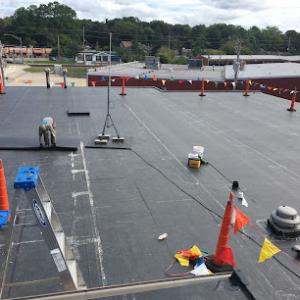
Lakeland Exteriors & Roofing
(847) 395-8854 www.builtbylakeland.com
Serving
5.0 from 65 reviews
30 years as your roofing and exteriors expert. Commercial and residential roofing company providing repairs, maintenance and roof replacement

Zdanowicz Roofing Company
(224) 435-0924 roofing-glenview.com
Serving
4.9 from 43 reviews
For nearly 30 years, our roofing company has consistently served the people of Glenview, IL, offering high-quality roofing services at reasonable rates. We strive for greatness. This means our roofing company is considered first by every client looking to hire a roofing contractor. To ensure this, we provide a wide array of services, both commercial and residential, whether small or large scale. All our roofing options use quality materials to ensure your roof is not just lovely to look at, but durable for years to come. We aim to satisfy our clients above all else. Our team of highly capable professionals is here for you. For those with roofing needs in Glenview or close by, we’ll show you why we’re the best.
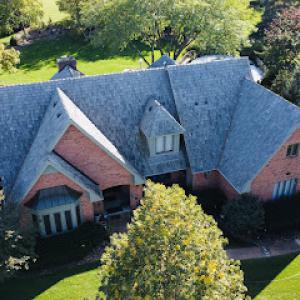
Topline Roofing - Roofing Contractors, Public Insurance Adjusters
(773) 814-6005 toplineadjusting.com
Serving
5.0 from 107 reviews
Discover TOP LINE ROOFING dba PRO SERVICES ROOFING, a top-rated residential and commercial roofing and masonry contractor in Chicago, partnering with insurance adjusters to offer superior craftsmanship, attention to detail, and exceptional customer service. Our skilled team provides a wide range of services, including emergency roof repair, hail damage as well as slate and tile roof repair, storm damage roof repair, chimney restorations, and masonry services like waterproofing, repointing, and lintel beam installation. Trust PRO SERVICES ROOFING for all your roofing and masonry needs, where quality, honesty, and professionalism meet. Contact us now for a free estimate!
RENVX Roofing Contractors
(224) 985-1908 roofingparkridge.com
Serving
5.0 from 39 reviews
There is only one right choice when it comes to professional roofing companies in the Park Ridge area. RENVX Roofing Contractors & Company has been serving you for years with reliable roof installation and roof repair that brings you quality and satisfaction. We don’t accept any oversights and treat every project like it was our own. Our team can provide you with multiple roofing styles made of diverse materials. Technical aspects are definitely the essential ones, however, we also pay our attention to design and aesthetics. In case when you notice any leaking place in your current roof - give us a call and we will come to perform certified roof repair in Park Ridge! For all these and much more, contact us even today.
LEO Roofing Company
(224) 435-0349 roofingglenview.com
Serving
4.9 from 44 reviews
Stop looking for roofing companies - we are the only roofing contractors you need. We’re dependable, well trained an experienced in all possible roofing needs. We serve the people of Glenview with our top-quality roof repair and roof replacement services. A roof should be something built to last, and we do just that. We have installed thousands of roofs during our 15 years’ experience, making us the number one roofing company in Glenview. We deal with all types of roofs and roof materials, and we’re happy to offer free estimates to all of our customers. We take pride in being honest, hardworking roofing contractors, making sure of all our work is done to a high standard. Contact LNR Roofing Contractors & Company today for your free quote.

Stanley Roofing Contractors Chicagoland
(847) 796-8257 stanleyroofingcompany.com
Serving
5.0 from 71 reviews
Introducing Stanley Roofing Contractors Chicagoland, where trust meets craftsmanship! With a legacy spanning over three decades, we are the unparalleled experts in roofing solutions throughout the Chicagoland area. Our team of dedicated professionals brings together unmatched expertise and unwavering commitment to deliver exceptional results for all your roofing needs. From residential to commercial projects, we pride ourselves on providing reliable, durable, and aesthetically pleasing roofing installations, repairs, and replacements. With Stanley Roofing Contractors Chicagoland, you can trust that your roof is in the hands of skilled artisans who value quality, safety, and customer satisfaction above all else.

OPI Commercial Flat Roofing
(312) 940-6355 chicagoflatroofer.com
Serving
4.9 from 33 reviews
We are the leading flat roofing company in Chicago offering outstanding flat roofing repair, flat roofing maintenance, and flat roofing replacement. We pride ourselves in providing excellent service that integrates efficiency, quality, and affordability. Our flat roof specialists have many years of experience and knowledge about flat roof services. Whether you have a flat roof leak, small or large scale projects, our flat roof experts can provide you flat roof leak repair and the highest quality workmanship to ensure that your home is safe from any weather conditions it may face. Get in touch with us today, and we will be more than happy to assist you with any of your flat roof needs.
The Chicago-area freeze-thaw cycles and wide temperature swings push safer window replacements toward late spring through fall. In Morton Grove, vinyl and fiberglass frames hold up well to the seasonal shifts, while wood frames can require more maintenance in the winter and spring thaws. If extreme cold is a factor, consider insulating glass with low-E coatings to improve energy efficiency and reduce condensation on windows during the coldest months. The choice of glazing and spacer design matters more here than in milder climates because temperature swings can stress frames and seals over time.
Start with a site-by-site assessment of each opening. Look for frost-induced icing near sills, condensation between panes, and daylight gaps around the frame. In late spring or early fall, coordinate multi-window projects to minimize disruption and exposure to October or March storms. Measure rough openings precisely and note any irregularities caused by settling or prior repairs. If you suspect moisture damage on interior framing, plan for gradual drying and temporary containment to prevent mold while the crew works. Prioritize openings facing the harshest sun or prevailing winds, where energy performance will matter most in Chicago-area weather swings.
Storm damage is a common trigger for window work in this area. Photograph exterior trim, muntins, and flashing near the rough opening, as well as interior signs of water intrusion or warped sills. Keep a dated log of any hail impact or wind-induced cracks. If an insurance claim is involved, ensure the documentation aligns with the claim scope: nature of damage, affected openings, and any resulting interior concerns. Having a clear sequence of photos, measurements, and a simple rebuild plan helps streamline approvals and scheduling once the weather window opens.
Winter snow and ice in the Morton Grove area can delay tear-offs and stress flashing, underlayment, and roof edges before crews can complete work. For window replacements, snow and ice complicate exterior sheathing exposure and can slow sealing of openings. If replacement cannot be completed before a deep freeze, crews may stage work, sealing openings to protect interiors and prevent drafts, then resume when temperatures stabilize. Anticipate temporary weather barriers and interior dust containment if freezing or thaw cycles interrupt progress.
Coordinate with other exterior projects to align weather windows and minimize coordinated exposure of openings. If siding work or roofing is planned nearby, schedule window installation to occur after roof or siding work to ensure proper flashing and moisture management around openings. Keep a flexible plan for an extra day or two to accommodate unexpected cold snaps or heavy precipitation, which are common in this region.
In Morton Grove, a roofing permit is typically required for full re-roofs rather than being treated as a no-permit maintenance item. That means before any shingles come off or any new roof deck is installed, you should be certain the project has an approved permit in place. If the project proceeds without the proper permit, you risk fines, delays, and potential denial of the final inspection. This isn't a hypothetical risk-the village treats a full re-roof as a code-dependent job that triggers official oversight rather than a casual DIY change.
The process starts with the contractor or homeowner submitting an application with project details to the local building department before the re-roof proceeds. Gather clear documentation: scope of work, roof dimensions, chosen materials, and any ancillary work such as venting or flashing upgrades. An accurate plan helps prevent back-and-forth that can stall you during the busiest seasons. If a mistake slips through, it can push your project into weather-limited windows, which in this climate means waiting through cycles of heat, rain, or early freezes.
The permit isn't just a checkbox; it anchors the work to specific code and safety expectations. The village's review will look for compliance in how the underlayment is installed, how flashing is integrated around hips, valleys, and chimneys, and how vents are positioned and sealed. Even small deviations-such as an added vent or a different flashing detail-can require plans redraws or additional inspections. Understanding these touchpoints ahead of time helps you avoid rework that disrupts staging, especially around spring storm swings or late-season weather where a delay can expose the roof deck to moisture.
Morton Grove inspections are conducted after completion, and the final inspection verifies underlayment, flashing, and venting compliance. Plan your timeline so that the inspection can occur promptly after the roof is installed. If the inspector notes deficiencies, you'll need to address them before the job is considered finished. That final step isn't cosmetic-it's the safeguard that ensures the roof will perform through freeze-thaw cycles and wind-driven rain that this area routinely experiences.
Coordinate with your contractor to align permit milestones with weather windows, especially during the Chicago-area swings between heat, humidity, and sudden cold snaps. Keep all permit documents organized and readily accessible in the event of questions from the building department or an inspector. If you're weighing material choices, think about how flashing details and venting will be handled in the final design, since the inspection focuses on these critical elements. A well-documented plan with a compliant installation path reduces the risk of interrupts that push a re-roof past a favorable weather gap.
Morton Grove pricing should be read through the Chicago-area labor and demand cycle, where storm-driven surges can tighten scheduling and push costs upward after hail or wind events. In practice that means a sharp uptick in both material availability and crew willingness to start projects in the week or two after a major storm, followed by a settling period once the market cools. During dry years, prices tend to align more closely with statewide averages, but the swing after a hail or wind event can be sizable enough to influence both bidding and project timing.
Asphalt shingles remain the dominant lower-cost option in Morton Grove at 350 to 700 USD per square, while metal commonly runs 700 to 1400 and tile systems sit much higher. This gap matters when deciding on a roof overhaul versus a mid-life refresh. Concrete tile and clay tile sit at the higher end, reflecting longer installation times and heavier structural considerations. Wood shingles and synthetic or composite shingles fill in the middle ground, each with its own maintenance profile and wind resistance quirks. In practical terms, a small to medium home may see a full replacement quoted in the 15,000 to 25,000 USD range for asphalt, with higher end projects climbing accordingly as you move into metal or tile.
Storm-driven surges can tighten scheduling and push costs upward after hail or wind events, so timing becomes a project driver. If a storm hits and moisture exposure is a concern, expect rapid quotes from local crews and a tighter window for material procurement. Keeping your project scope clear-matching underlayment, flashing, and venting to a well-defined plan-helps prevent price creep when crews are in high demand. In Morton Grove, planning around typical seasonal weather swings reduces the risk of weather-induced delays and keeps the project on track without sacrificing quality.
Don't let upfront costs delay a critical repair - these contractors offer payment plans to fit your budget.
M&M Home Remodeling Services - Arlington Heights
Serving
4.9 from 428 reviews
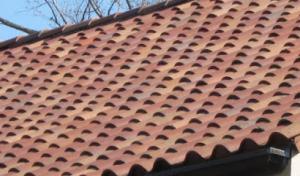
Morton Grove's roof landscape features asphalt shingles, metal roofing, clay tile, concrete tile, wood shingles or shakes, and synthetic or composite shingles. That mix reflects houses built across different eras and the way residents balance curb appeal, maintenance, and local weather resilience. The dominant options you'll encounter behave differently in winter and summer. Asphalt remains common and approachable, while metal offers a lighter profile with fast shedding of moisture. Clay and concrete tiles add long-term durability and a distinctive look, but they demand solid framing and careful installation. Wood shakes bring character, though they require careful moisture management. Synthetic or composite shingles aim to mimic traditional looks with added resilience. The key is choosing a material that plays well with local freeze-thaw patterns and with your attic ventilation strategy.
Freeze-thaw cycling in the Chicago region acts as a constant stress test. Repeated expansion and contraction can shorten service life or reveal installation weaknesses, especially around edges, hips, and penetrations. Asphalt systems need careful sealing at flashings and chimneys to prevent leaks after a sudden freeze-thaw cycle. Metal roofs tolerate rapid temperature swings but can develop panel seam issues if fasteners are not properly installed and spaced. Clay and concrete tiles resist moisture once set, but their weight means the roof structure must be sound and the underlayment robust to handle shifting loads during rapid temperature changes. Wood shakes feel the chill and the heat; exposure to humidity and temperature swings can lead to splitting or cupping if ventilation or ventilation pathways are inadequate. Synthetic or composite shingles aim to minimize some of these vulnerabilities, but still rely on sound underlayment and accurate installation to stretch through seasonal stress.
Summer heat heightens the need for good ventilation, particularly for asphalt systems that can expand in high temperatures. Adequate attic ventilation reduces peak temperatures in the decking and underlayment, which helps preserve shingle integrity and slows aging. For metal roofs, ensure proper ridge and soffit venting to prevent heat buildup and condensation inside the attic space. Clay and concrete tiles benefit from a breathable underlayment and a ventilation plan that respects the tiles' weight and expansion characteristics. In all cases, a well-sealed, properly vented attic is a practical safeguard that complements the chosen material by reducing heat-related distortion and moisture-related problems.
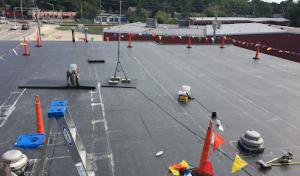
Flat-roof specialization is meaningfully present in the Morton Grove market, signaling a real local need beyond standard pitched-shingle replacements. Flat sections on bosting garages, porches, or low-slope additions often bear the brunt of freeze-thaw cycles, pooled moisture, and the stubborn sun that bakes parapets in summer. When a flat roof leaks, it tends to show up around penetrations, transitions, or edge detailing rather than far from the flashings. Expect that a repair plan will emphasize drainage and perimeter sealing first, then address the interior seepage. In practice, this means you should treat any pooling water or damp ceiling early, not as a nuisance but as a sign the assembly is signaling distress.
Skylights are common enough to warrant dedicated planning during re-roofs and leak investigations. In addition to typical pane issues, skylight curb sealing and flashing joints through a wide temperature swing can fail first. Snow and ice loads press on low-profile curb flashings, while warm days can relieve stress but reveal compromised seals. When replacing a flat roof, verify the skylight flashing is integrated with the new roofing system, not merely tucked under shingle layers. If a skylight is aging or frequently leaking, consider upgrading to a curb-mounted unit with improved flashing and a vented option to help with condensation. Always inspect the surrounding parapet or edge details-water traveling along a curb can bypass the visible seal and find a quiet path into the attic.
Morton Grove's winter snow and ice loads and summer heat swings make transitions, penetrations, and low-slope drainage details more failure-prone than simple field shingle areas. Drainage planes must be kept clear and pitched adequately to prevent standing water in corners or around penetrations. Seasonal venting considerations should be factored into the plan, ensuring that ventilation aligns with the roof's overall vapor management. In practice, any flat-roof replacement or repair should include a careful review of drainage routes, flashing integrity at skylights, and a targeted plan for future temperature-related movement to minimize recurring failures.
Find specialists in TPO, EPDM, and built-up flat roofing systems for residential and commercial properties.

In this Chicago-area insurance environment, hail and wind losses are common enough that roof age becomes a major underwriting and claims variable. The age of the roof often informs whether a claim is approved or how a carrier values depreciation, especially after a severe storm. The material type matters too: certain roofing products carry more protective value in audit reviews, while others may prompt higher deductible or stricter coverage decisions if the roof shows preexisting wear. When a storm hits, the focus shifts from "is there damage" to "how does this roof type perform under scrutiny and how solid is the current condition."
Coverage decisions in this market can change based on roofing material, documented condition, and whether the roof carries meaningful warranty support. Homeowners should prepare a tidy packet that includes dated photos from before and after a storm, any prior invoices for roof work, and contractor inspection notes that indicate shingle wear, flashing condition, and vent integrity. Insurers commonly request these items during storm-loss reviews, and having them ready can streamline the process and prevent delays in claim processing.
When a storm is fresh, initiate a high-quality assessment promptly and keep it organized. Have a local contractor perform a thorough inspection noting shingle integrity, underlayment exposure, and flashing around chimneys and vents. If a repair is proposed rather than a full re-roof, ensure the estimate distinguishes between temporary fixes and long-term solutions, and document any warranty terms that accompany the chosen product. This documentation supports a clearer dialogue with the insurer and helps align expectations about coverage outcomes.
The Morton Grove contractor market shows especially strong demand for quick response, which aligns with leak calls and storm-driven scheduling pressure. When a small issue becomes a sudden rain threat, neighbors expect a crew that can be on site promptly and handle the full scope without dragging. The seasonal swings push many contractors to prioritize timely service, so you'll notice tighter scheduling windows after hail or high-wimbed wind events.
Re-roofing is far more prevalent than niche new-construction work in this market, so homeowners are usually hiring for replacement and repair rather than first-time installation. Look for signs that a contractor understands the typical Morton Grove housing stock-rapidly aging asphalt and metal options, plus clay or concrete accents on a dented roof. Teams with a track record of finish work compatible with Chicago-area weather patterns tend to perform better under pressure.
Cleanup included, affordable pricing, and long-established or family-owned service are recurring local hiring signals in Morton Grove contractor listings and reviews. A reliable local roofer will leave the yard swept, protect landscaping, and haul away debris without prompting. Community-rooted firms often emphasize long-term relationships, offering clear communication, posted references, and a straightforward warranty. When evaluating crews, prioritize those with visible local ties, prompt follow-up after storm calls, and straightforward explanations of what they'll remove and replace.
Winter snow and ice in Morton Grove can delay active jobs and create emergency leak conditions before full replacement crews can mobilize. Frozen gutters and frozen access points slow up inspections and material staging, so plan for potential postponements even if the forecast looks clear a few days out. If conditionally needed work is possible during a temporary warm spell, coordinate a small, safe window to address critical leaks, but avoid aggressive shingle or flashing work in severe cold. Maintain a prioritized list of leak-prone areas (vent stacks, chimney flashing, and seam interruptions) so that emergency responses stay efficient when conditions worsen. Clear communication with the insurer and the contractor about expected delays helps keep the project on track once temperatures recover.
Spring hail season can force homeowners to choose between waiting for claim resolution and trying to secure a contractor before regional calendars fill up. Weather swings can create a backlog as insurers review damage and contractors balance multiple homes in the same neighborhood. Start the conversation with your contractor early about inspection timing, documentation needs, and preferred sequencing-especially if there is existing interior exposure. Have photos, year of installation, and known preexisting conditions ready for the adjuster. If a large hail event hits, you may need temporary protection measures (tarps over exposed roofing or landscaping) to prevent further weather intrusion while the claim progresses. The goal is to align the claim timeline with the contractor's availability to minimize exposure windows and weather-related risks.
Fall storms and windy conditions in the Chicago area can disrupt final installation timing even though fall is otherwise part of the preferred replacement season. High winds can affect shingle upfront placement, ventilation checks, and flashing seaming. Schedule the critical final steps-flashing integration, underlayment inspection, and venting verification-during calmer periods if possible. Have a fallback plan for rapid mobilization on a mild-weather day, and keep the crew informed about expectations if a late-season front moves in. Clear documentation of pre-existing conditions helps the insurer and contractor align on remaining work and any adjustments due to weather variability.