
Last updated: Apr 19, 2026
Highland Park sits on the Lake Michigan side of the North Shore, where lake-influenced wind, winter snow, and freeze-thaw cycling make ice damming and wind-driven roof damage a recurring homeowner concern. When a nor'easter shifts south or a strong autumn wind hits the ridge, shingles can lift, flashing can fail, and water intrusion follows. Steep, complex rooflines-especially on older neighborhoods with valleys, dormers, and chimney intersections-create predictable leak points after any storm. If your roof spans multiple planes or includes intricate transitions, treat it like a multi-point system that needs targeted protection and careful inspection after each storm.
Autumn wind events and winter ice buildup are especially relevant on the steep, complex rooflines common in older neighborhoods, where valleys, dormers, and chimney intersections create vulnerable leak points. Ice dams form when freeze-thaw cycles meet heat loss at the attic level, backing water up under shingle undersides and into eaves, soffits, and interior ceilings. The most at-risk surfaces include lower slopes under overhangs, near dormer penthouses, and along chimneys where heat leaks are concentrated. In windy conditions, you'll also see wind-driven shingles and uplift around exposed ridge caps, vent flashing, and edge metal. Prioritize early-season inspections that target these high-risk zones, and plan for a second check after heavy snows or rapid thaw cycles.
In the Chicago-area insurance environment, hail and wind claims are common, so homeowners benefit from photo documentation, date-stamped storm records, and contractor verification after spring and summer storms. Before calling a contractor, take clear exterior photos from multiple angles, focusing on visibly damaged flashing, lifted shingles, granule loss, and any signs of water intrusion on ceilings or walls. Keep a simple storm log with dates, wind speeds, hail events, and addresses of affected areas. When a roofer visits, request a written assessment that identifies vulnerable features-valleys, dormers, and chimney intersections-and provides a practical plan for targeted repairs rather than a full-system replacement unless warranted by age and condition. After work, document all installed components, including flashings, sealants, and flashing around chimneys, to support insurance records and future maintenance scheduling.
If your home includes steep slopes and multiple penetrations, proactive maintenance is especially cost-effective. Schedule semi-annual inspections focused on valleys and flashing joints, and address ice dam prevention with attic ventilation and insulation improvements when needed. Keep eaves clear of debris to minimize ice dam formation, and ensure skylights and dormer flashings are sealed and watertight before winter's freeze-thaw cycle intensifies. Storm-ready gutters and properly secured when necessary can reduce ice buildup at edges. In the wake of a major storm, a focused, photographer-backed assessment that maps damage by roof plane will accelerate your claim review and get you back to a dry, secure home faster.
Etruscan Gutters & Roofing
(847) 926-0085 etruscanroofing.com
1460 Old Skokie Valley Rd Unit C, Highland Park, Illinois
5.0 from 507 reviews
We offer roofing and gutter services in the greater Chicago Area! The outside of your house says a lot about you. If your roof is falling apart and your gutters are leaking, it can affect your curb appeal and your neighbor's opinions of you. Etruscan Gutters and Roofing offers roofing and gutter services in Highland Park, Winnetka & Wilmette, IL, including repairs and installations to help you improve your home's appearance and functionality
TopSecure Roofing Contractors
(224) 707-9026 roofhighlandpark.com
2980 Summit Ave, Highland Park, Illinois
5.0 from 37 reviews
Whether you need a new roof or your current roof needs repairs, TopSecure Roofing Contractors is the go-to Highland Park, roofing contractor. We are a local, family-owned and operated roofing company that has been serving Highland Park for many years. Our team of expert roofers has the knowledge and experience to get your job done on time and within your budget. No matter how big or small your roofing project may be, you can rely on us for all of your commercial and residential roofing needs. We specialize in shingle, flat and rubber roofs and guarantee quality workmanship at affordable prices. We are fully licensed and insured. If you’re looking for professional Highland Park roofing contractors, call us today!

RNOVAX Roofing Company
(224) 347-7494 roofingcompanyhighlandpark.com
136 Cavell Ave, Highland Park, Illinois
5.0 from 36 reviews
We are one of the leading roofing companies in the Highland Park area, providing you the best roof repair, roofing installation, and roof inspection services. We have been providing outstanding services for years, and we achieve this by paying attention to details as well as adding personalization to the work that we do. With our roof inspection, we will check your roofing thoroughly so that we do not miss any leaks or damage you may have. Our roofing contractors have the latest knowledge and tools to ensure that your roof will be in its best shape when we're done with our services. We only use the highest quality of materials to make sure that your roofing installation will not only look beautiful but last for years. Give us a call today!
COM Roofing Company
(224) 856-2141 roofershighlandpark.com
22987 Summit Ave, Highland Park, Illinois
5.0 from 34 reviews
Looking for top-notch residential roofing Highland Park services? Our expert team specializes in shingle roofing repair Highland Park, replacement, and installation. We provide roof maintenance to extend your roof's life and offer seamless roof replacement for a fresh start. Need flat roof repair Highland Park or installation? Count on us for flat roofing solutions. If you're searching for 'residential roofing near me' or 'roof installation near me,' we're your local trusted choice. Your satisfaction is our priority. Contact us today for all your roofing needs.
Pro Services Group - Roofing Contractors
(773) 814-6005 proservicesroofing.com
Serving
5.0 from 31 reviews
Pro Services Group is a specialized residential and commercial masonry, tuckpointing, and roofing company located in Chicago.

Infinity Exteriors
(847) 994-4506 www.infinityroofing.com
Serving
4.8 from 52 reviews
Established in 1997, Infinity Exteriors is the most trusted home exterior company in Deerfield, Illinois, specializing in roofing, siding, windows, and gutter replacement services. As a locally owned and trusted contractor, our licensed technicians provide residential and commercial customers with roof repair and replacement, siding and window installation, and gutter systems. Infinity Exteriors prioritizes honest communication and offers no-pressure inspections for all projects. Since our founding, we have completed thousands of projects and earned an A+ rating with the Better Business Bureau. No roofing contractor in Deerfield, Illinois, offers the same high caliber of roofing installation and repair at prices as competitive as ours.
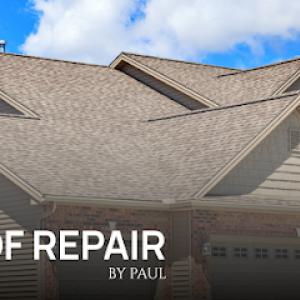
Roof Repair By Paul
(224) 458-1955 flatroofingnorthbrook.com
Serving
5.0 from 34 reviews
When you're looking for a flat roof repair company in Northbrook, our company has got your back. At our company, we offer flat roof replacement, flat roof maintenance, and flat roof repair services. When you have a problem with your flat roof, we are the ones who are reliable and trustworthy to get the job done right the first time. Our flat roofing contractors will inspect your roof thoroughly so that they know what is the best way to resolve your problem. We provide a comprehensive estimate so that you will not have any surprises along the way. Our company handpicks the materials that are used in your flat roof services so that it will last you for years. We ensure that your experience with us will be as smooth as possible. Call us today!
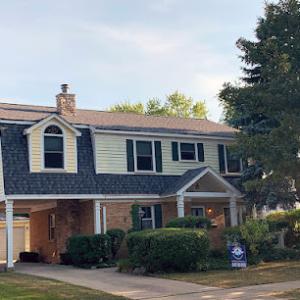
Len Roofing & Remodeling
Serving
4.9 from 64 reviews
Len Roofing is a leading home improvement company that install roofs, metal gutters, windows, skylights, siding and can handle most remodeling projects.
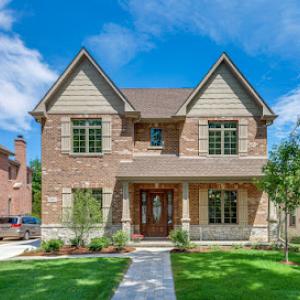
WGR Roofing Company
(224) 458-1947 northbrookroofing.com
Serving
5.0 from 23 reviews
We have a simple mission - we want to serve you with the finest roofing that will last the life and longer. Our roof installation is one of the most trusted in Northbrook. What’s the reason for such good opinions on our service? First of all, we always listen to the customers' needs. Our installers realize that both technical aspects and aesthetics really matter. You can choose from multiple materials which are metal, wood shingle, clay tile, concrete tile and other. What you’ll always get is the best value for money. All our staff is courteous and competent to advise you on all roofing installation and repair aspects in Northbrook. Decide on our company and you will find the durability you can count on!
NorthRise Roofing Company
(224) 900-1743 roofingcompanydeerfield.com
Serving
5.0 from 36 reviews
As an established roofing company in Deerfield, NorthRise Roofing Company has become the areas most trusted and most called upon roofing company for roofing repairs and roofing replacements. We care about our customers and want to know they are safe and dry through all the seasons. If you are wondering about your roof’s validity, we can send out a qualified inspector to check out your shingles, gutters, flashings, and facias. We also check for potential hazards, like falling tree limbs. All these components working together ensure that you have a solid roof over your head. Our professional roofing contractors will look for potential problems and report back with some remedial ideas to keep your home’s roof in working order.
Valor Roofing Contractors
(224) 509-6714 roofreplacementlakeforest.com
Serving
5.0 from 43 reviews
There may be big differences between commercial roofing and residential roofing, but one roofing company in Lake Forrest can do it all.Valor Roofing Contractors is the trusted affordable roofing solution for anything you need on your roof. When you need fast and reliable roof repair in Lake Forrest, we can be there to make sure no further damage spreads throughout your building structure. And when it’s time for a new roof replacement in Lake Forrest, our expert roofing contractors work efficiently to give you the right roof for your property. Make your roofing decisions easy with expert roofing in Lake Forrest from Valor Roofing Contractors. Call us today for a free estimate from your local roofers.
Zdan Roofing Contractors
(224) 458-1937 roofingnorthbrook.com
Serving
5.0 from 32 reviews
We are the roofing company in Northbrook for your total roofing needs. If you are looking for a roofing contractor who cares more about the customer than simply making a quick buck, we are your best choice in IL. The roofing services we provide include installation, repair and replacement. Our standards for quality and reasonable pricing have earned a long-standing, excellent reputation in the area. Your roofing installation is best left in the hands of experts with almost 30 years of experience in the industry and employ skilled roof inspectors. Residential and commercial customers alike count on our roofing contractors to bring the best roofing services and the most reliable products for your money.
The dominant roofing mix in this area leans on asphalt shingles and metal, which suits the broader North Shore housing stock without sacrificing durability. For mid sized, steep to moderately steep roofs with intersecting ridges, asphalt shingles are a practical, reliable choice that handles wind you'll see along the lakefront and holds up against the freeze-thaw cycle. Metal roofs, on the other hand, offer standout performance on homes with more exposed ridges or where you want superior shedding of snow and ice, especially on upper decks or entry canopies. In many brick-and-stone or traditional frame homes, these two materials strike a balance between upkeep, aesthetics, and performance on Lake Michigan-adjacent blocks.
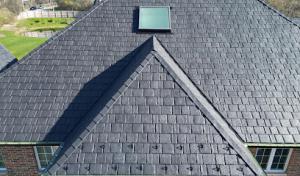
Older, architecturally distinctive homes often feature clay tile, concrete tile, or slate, reflecting North Shore prestige and the longer service life these materials promise. Clay and concrete tiles shine on steep, high-slope façades where weight is supported and rain and snow drain quickly. Slate remains a hallmark of high-end design, but its benefits come with added structural considerations and longer lead times for matching repairs. Cedar is still seen as a complementary or replacement option on some heritage properties, particularly where an overall cedar shake aesthetic is preserved. If your roofline includes tall gables, cupolas, or a combination of brick and stone accents, you'll likely encounter one of these materials. Expect careful attention to flashing at transitions, chimney heads, and valley details, since any misstep can transfer through shared walls or attic spaces.
Cedar remains a signature feature on select North Shore homes, especially where the design aims for a warm, textured look against brick, limestone, or stucco. Because cedar can be sensitive to moisture and sun exposure, maintenance cycles are more frequent, and choosing a modern synthetic or composite option can deliver similar aesthetics with lower long-term upkeep. Synthetic/composite shingles have matured to offer convincing color stability and weather resistance, making them a practical option on steeper roofs where snow sheds quickly but legitimate slope and overhangs need consistent performance. In longer stretches of roof with multiple planes, blends of these materials are common to respect original architecture while improving durability against wind-driven rain and ice dam risks.
Highland Park features large homes with steep slopes, intersecting gables, skylights, and masonry chimneys, which elevates the importance of material choice for complex flashing details. When you're selecting between shingle, tile, or slate, consider how each system integrates with step flashing along chimney openings, valley configurations, and roof-to-wall transitions. Roofs with heavy snow loads near the lake benefit from materials that shed snow efficiently and tolerate cold seating of ice dams. For homes of this mix, the right pairing of material and flashing approach minimizes cold-weather risks and helps maintain interior conditions, particularly where skylights introduce additional thermal bridges.
In Highland Park, a full roof replacement typically requires a permit issued by the Village of Highland Park Building Department rather than proceeding as informal maintenance. Before ordering materials or scheduling work, verify that the project scope aligns with permit thresholds and code language. Start with a clear description of the planned work: roof size, material type, venting changes, and any structural or underlayment updates. If the project involves premium or unusual materials, expect additional review or conditions, so prepare a concise rationale for why those materials are chosen and how they meet local wind, ice-dam, and ventilation needs. Submitting with a complete scope helps prevent delays and back-and-forth requests.
Local review and inspection commonly focus on underlayment, attic ventilation, and wind and ice-dam provisions, which aligns with the area's cold winters and storm exposure. During rough-in and final inspections, the building official will check that the underlayment type and installation method meet current standards, vents are properly sized and located, and flashing around chimneys, skylights, and dormers is integrated with the chosen roof system. If attic space is used for storage or living space, verify that intake and exhaust ventilation meet code requirements and that insulation levels are appropriate to avoid condensation issues. In neighborhoods featuring tall trees and mature canopies, ensure tree protection measures are planned so debris management doesn't trigger unnecessary punch list items during inspection.
Projects using unusual or premium materials can face added review or conditions in Highland Park, making scope clarity important before ordering slate, tile, or specialty systems. For stone-coated metal, concrete tile, or high-end slate, be prepared to provide product data sheets, installation guides, and a detailed sequence of installation to demonstrate compatibility with existing roof geometry and flashing details. If a replacement involves significant changes to roof slope, attic ventilation strategy, or waterproofing approach, condition letters or plan notes may be required. Communicate any deviations from standard residential practice early to avoid misinterpretation at permit review.
A typical workflow begins with permit application and plan review, followed by scheduling inspections at key milestones: after deck installation or underlayment, after ventilation and insulation work, and at final completion. Coordinate with the roofing crew to ensure the chosen underlayment and ventilation components are installed in the correct order, especially in areas with wind-driven rain risk and potential ice dam formation. Keep documentation organized: permit numbers, inspection approvals, product specifications, and change orders. If a mitigation measure or retrofit is requested by the inspector, address it promptly to keep the project on track and minimize rework after the final seal.
Storm exposure from Lake Michigan and the region's mature, tree-lined streets shape replacement budgets here. Costs rise not only with material choice but with the prevalence of larger homes, steeper roof geometry, and detail-heavy rooflines that require extra labor and staging time. Even with similar square footage, a sprawling hip-and-valley roof with ornate detailing can push the job beyond basic square-foot estimates. In this market, crews often need more time for setup, protection of landscaping, and careful work around parapets and dormers.
Premium materials are especially relevant in Highland Park because slate, tile, and synthetic alternatives appear more often here than in many standard Chicago-area suburbs, pushing replacement budgets upward when matching existing architecture. If you are replacing like-for-like on an older North Shore home, expect higher per-square costs for slate or clay tile compared with standard asphalt. Synthetic or composite options can offer a middle ground, but even these carry a premium to mimic the look and longevity of natural products. Plan for matching trim details, flashings, and ridge lines, which are critical for a cohesive, period-appropriate appearance.
Storm-driven demand spikes in the broader Chicago market can affect scheduling and pricing in Highland Park after hail or wind events, especially for emergency dry-ins and full re-roofing crews. If a storm hits, you may see quick dispatches of crews, but this often comes with higher short-term rates and crowded calendars. For an existing roof with mixed materials or complex geometry, emergency work can also mean expedited staging and additional material waste, further elevating the bill. Protecting your immediate needs-dry-in, leak control, and securing underlayment-without delaying long-term replacement requires a clear plan and timely decisions.
Cost ranges reflect the local mix: asphalt shingles on simpler, steeper terrain may land toward the lower end, while slate, concrete or clay tiles, and metal on larger or more complex roofs push higher. When budgeting, include underlayment, flashing, and ventilation updates, which are essential for longevity in lake-adjacent climates. If you aim to preserve a historic or cohesive streetscape, align the chosen material with neighboring homes to avoid a premium for mismatched styles. For staged projects, factor in multiple lift fees and temporary protection needs for landscaping and driveways.
Get a clear picture of your project costs upfront - no commitment required.
Etruscan Gutters & Roofing
(847) 926-0085 etruscanroofing.com
1460 Old Skokie Valley Rd Unit C, Highland Park, Illinois
5.0 from 507 reviews
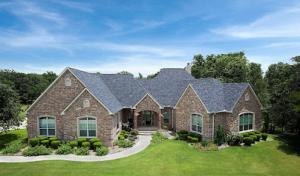
In this market, hail and wind claims are common enough that insurers and adjusters expect photos, contractor findings, and a clear separation between storm damage and age-related wear. When a storm passes, document visible damage promptly and methodically: take wide shots of entire roof, close-ups of shingle edges, and any dented metal or flashing, then keep a dated log of weather events. Have a trusted local contractor perform an initial, itemized inspection and record findings that distinguish new impact or lifting from long-standing granule loss or wear. This clarity helps prevent disputes where age and storm damage are tangled, and it reduces the chance that a claim will be slowed by questions about preexisting conditions.
Because many homes in this area use premium materials or have complex roof assemblies, detailed line-item estimates and documentation of matching issues can matter more than on a simple three-tab shingle claim. If replacement is triggered, the insurer may scrutinize the ability to match newly installed components with older ones. Keep a precise record of material types, colors, and installation methods, including nailing patterns, underlayment, and flashing configurations. Your contractor should supply a breakdown that shows how each element addresses both weather exposure and the home's architectural details, helping the adjuster see how a seamless result is achievable rather than a patchwork repair.
Illinois homeowners generally still have access to standard re-roofing coverage, but claim outcomes vary by carrier and policy language, so owners should review deductibles, depreciation terms, and exclusions before authorizing work. Look for how depreciation is handled for premium materials or difficult-to-match components, and whether there are exclusions related to preexisting conditions or hidden damage. If the claim is approved, insist on a scope that prioritizes structural integrity and weatherproofing, with a plan to address any matching or aging concerns before the project proceeds.
After a storm, avoid making rushed decisions that could compromise long-term performance or claim outcomes. Obtain written estimates from a reputable local roofer, and ensure the scope includes inspections of attic insulation, ice dam risk, and ventilation, which can influence both claim results and future damage. Maintain all communication in writing, and archive photos, inspector notes, and contractor reports together with your insurance correspondence. This organized approach helps keep the process honest, transparent, and aligned with the home's enduring Lake Michigan exposure.
Connect with contractors who help homeowners navigate the claims process from damage assessment to final approval.

In Highland Park, many homes blend steep-slope main roofs with low-slope sections over porches, garages, or rear additions. That architectural mix ages the roof as two different systems, each with its own wear pattern. A single once-over won't catch cracks or membrane failures at transitions where the low-slope section meets a steeper plane. Pay attention to flashing at asymmetrical joints, metal step flashings along low-slope edges, and any deck or parapet transitions that stay wet longer. A careful inspection should map each roof area separately, noting areas where snow and ice settle differently.
Skylights and masonry chimneys are recurring leak sources in established stock, especially after repeated freeze-thaw cycles. Skylight flashing must shed water toward the exterior, not into the curb or curb-rail side, and the surrounding shingles or metal must seal cleanly around the curb. Masonry chimneys demand attention to the chase flashing, counter-flashing, and the cap flashing. In older constructions, mortar gaps and crumbling joints can allow condensation and ice to intrude between the chimney and roofing material. A proactive approach targets the flashing seams first, then the surrounding roof plane, rather than chasing leaks from the interior.
On larger North Shore homes, the boundary where a flat porch or garage roof ends and a steeper main roof begins can create drainage challenges and snow-management issues. Treat this as two inspection targets rather than one uniform system. Look for ponding on flat portions, scupper or gutter flow issues, and ice dams forming at the interface with higher-sloped sections. Ensure drainage paths remain clear through beaded valley linings, edge channels, and any parapet walls. Regular checks after heavy snows or freeze-thaw cycles help identify problem seams before they fail.
Find specialists in TPO, EPDM, and built-up flat roofing systems for residential and commercial properties.
Etruscan Gutters & Roofing
(847) 926-0085 etruscanroofing.com
1460 Old Skokie Valley Rd Unit C, Highland Park, Illinois
5.0 from 507 reviews
TopSecure Roofing Contractors
(224) 707-9026 roofhighlandpark.com
2980 Summit Ave, Highland Park, Illinois
5.0 from 37 reviews
COM Roofing Company
(224) 856-2141 roofershighlandpark.com
22987 Summit Ave, Highland Park, Illinois
5.0 from 34 reviews
Highland Park homeowners replacing premium systems often need warranty conversations that cover both material eligibility and workmanship on complex flashing, ventilation, and accessory details. The lake effect and mature trees heighten exposure to wind-driven ash and ice dam risks, so the warranty should spell out which components are protected and for how long. A strong warranty assesses not just the shingles or tiles, but the entire assembly that sits against Lake Michigan weather, including underlayment, fasteners, and attic air barriers.
Because local permit review emphasizes underlayment and ventilation, warranty value in Highland Park depends heavily on whether the full assembly is installed to manufacturer requirements rather than just swapping visible roofing. Ask for documentation that the roof deck, underlayment type, ridge and soffit ventilation, and properly flashed penetrations meet the spec. If the contractor trims a flashing detail or uses an alternate vent, that can nullify coverage. Insist on a written statement that the installation follows the exact sequence and materials listed by the manufacturer for the chosen system.
Established North Shore contractors often compete on long-term reliability and cleanup quality, which matters more on high-value homes where landscaping, masonry, and exterior finishes need protection during tear-off. Warranties should include coverage for potential collateral damage during removal and reinstall, as well as guarantees on flashing around chimneys, skylights, and valley intersections. Clarify whether workmanship coverage extends to re-sealing and re-flashing after weather events, with explicit timelines for notice of claims and required inspections.
In storms or ice dam scenarios, having a warranty that aligns with insurance documentation is crucial. Ensure that the warranty clearly states required maintenance intervals, inspection checkpoints, and what constitutes a covered failure versus wear from normal use. A well-documented warranty helps in communicating with insurance adjusters after a hail or wind event and supports a smoother claim process.