
Last updated: Apr 19, 2026
Spring in this corner of the Chicago area comes with a brutal rhythm: hail, high winds, and quick-moving thunderstorms. Those events are a major trigger for inspections and insurance-driven replacements. After a severe storm, you need to look at the most vulnerable parts of the roof first-ridge lines, joints, and any area where debris could be trapped or where shingles were bent or lifted. The timing matters: storm-driven damage can sit unseen behind flashing and under loose shingles, then reveal itself only after a summer lightning strike or a heavy downpour. If you've recently endured a hail event, plan for a roof check within a week or two, even if there's no visible leak yet. The goal is to catch micro-damage before it compounds into attic leaks, ceiling stains, or compromised underlayment.
Cold winters with snowfall create ice and snow loading concerns that can stress flashings and expose leak points during freeze-thaw swings common in the northern suburbs. Ice builds along eaves and in valleys, pushing against joints and flashing. As temperatures toggle above and below freezing, water can seep into tiny gaps, refreeze, and widen those gaps. Flashing around chimneys, vents, and skylights deserves a closer look after every big melt or warm spell that follows a heavy snowfall. If you notice ice dams forming or small icicles hanging from lower edges, it's a signal to inspect the roof and attic ventilation. In the worst cases, a hidden leak can travel along ceiling joists for weeks before staining a wall or appearing as a damp spot inside the attic.
Autumn wind events and winter weather mean many homeowners discover damage months after the original storm, especially when lifted shingles or flashing failures are hidden until snowmelt. Wind-driven lift can loosen shingles along the corners of dormers or near roof-to-wall transitions, while driving rain can exploit gaps that weren't obvious in dry fall conditions. By the time snow melts, those small failures reveal themselves as attic condensation or wet insulation. Don't wait for visible leaks to act: a fall inspection focusing on exposed fasteners, sealant joints around vents, and the integrity of the drip edge can prevent summer surprises. If shingles show any cupping, cracking, or disproportionate curling after autumn winds, treat that as a red flag.
Think of the roof as a cyclical system that responds to weather pulses. After a spring hail season, schedule a professional inspection while the roof is still relatively dry and the contractor can access flashing details without ice on the ground. After heavy snows, arrange a mid-winter check if practical, to assess flashing integrity and ice dam risk before the next thaw. In late fall, plan for a comprehensive roof and attic ventilation review to minimize winter ice buildup. In Northbrook, a disciplined post-storm or post-warm-thaw inspection cadence isn't optional-it's a shield against escalating damage that costs more to repair later.
After a storm, walk the exterior corners, eaves, and around dormers to look for lifted shingles or damaged flashing. Inside, check for new damp spots or stained ceiling areas below roof lines, especially around vents and chimneys. If a storm hit recently and the attic shows increased moisture or frost patterns near joints, it's time to call in a roof professional for a targeted assessment. Remember: damage often hides until snowmelt or after the cold season ends, so schedule follow-up checks as spring proceeds and the landscape thaws. Acting quickly protects the roof's structure, your attic's insulation, and your family's comfort through the next cycle.
In this market, the dominant replacement options span asphalt shingles, metal, clay tile, concrete tile, synthetic/composite, and slate. That mix creates a broad local pricing spread from standard suburban re-roofs to premium heavy-roof systems. When you look at bids, you'll notice the same material choice can carry very different price tags depending on roof complexity, your home's scale, and how many specialty details are involved.
Common suburban re-roofs in the area start with asphalt shingles, which sit near the lower end of the spectrum at roughly 350 to 550 USD per square. If the house features a straightforward rectangle with a simple ridge line and minimal penetrations, this kind of project can stay closer to the lower end. Move into metal or concrete and clay tiles, and you're well into the mid-to-upper ranges. Metal typically runs from about 700 to 1200 USD per square, while clay tile ranges 900 to 1800 USD per square, and concrete tile sits around 800 to 1500 USD per square. Synthetic/composite shingles bridge the gap with roughly 450 to 800 USD per square, and slate comes in strongest, from about 1200 to 2800 USD per square. The spread reflects not just material price, but installation labor, underlayment needs, and long-term performance expectations.
Northshore homes commonly feature larger footprints with complex rooflines, multiple valleys, dormers, skylights, and chimney intersections. Each added feature increases tear-off time, flashing labor, and the risk of discovering hidden damage once the roof is open. In practical terms, a simple re-roof stays closer to the lower to mid part of the ranges, but a premium system on a multi-angled roof with several penetrations can push you toward the upper ends of those ranges. When you compare bids, use the same scope of work across proposals: confirm the number of layers removed, deck inspection, flashing around chimneys and dormers, and the type of underlayment. Those details directly influence price, and the difference between a "standard" job and a "premium heavy roof" can be substantial in this market.
Storm-driven demand spikes after hail or wind events can tighten labor availability across the Chicago suburbs, including this area. That dynamic tends to push replacement pricing toward the upper end of local ranges, even for otherwise ordinary homes. If a hail event hits your neighborhood, expect lead times to lengthen and crew availability to compress, which can translate to higher bids not just for materials but for labor and expedited scheduling. If timing matters-for example, to avoid a late-wall-ice season or to align with school calendars-start conversations early and seek a firm, documented schedule with a transparent path to completion.
For most homes with standard layouts and a moderate budget, asphalt shingles or synthetic/composite offer solid value with respectable longevity in this climate. For homeowners aiming for curb appeal, higher durability, or a specific architectural look, metal, clay tile, or slate provide distinct advantages but require careful budgeting for the staircase of associated costs. In larger, more intricate homes, expect the cost delta from the simplest re-roof to the most complex premium system to be pronounced, especially when directional roof planes, multiple dormers, and heavy flashing are involved.
If a storm has recently affected your neighborhood, request a detailed, itemized timeline and scope from contractors, and compare not just price but the predicted impact on local labor availability and scheduling. A well-structured bid that accounts for tear-off, flashing, ventilation, and a consistent warranty framework will help you navigate the North Shore's winter, hail cycles, and varied housing stock with greater confidence.
Roof Repair By Paul
(224) 458-1955 flatroofingnorthbrook.com
24677 St Stephens Green, Northbrook, Illinois
5.0 from 34 reviews
When you're looking for a flat roof repair company in Northbrook, our company has got your back. At our company, we offer flat roof replacement, flat roof maintenance, and flat roof repair services. When you have a problem with your flat roof, we are the ones who are reliable and trustworthy to get the job done right the first time. Our flat roofing contractors will inspect your roof thoroughly so that they know what is the best way to resolve your problem. We provide a comprehensive estimate so that you will not have any surprises along the way. Our company handpicks the materials that are used in your flat roof services so that it will last you for years. We ensure that your experience with us will be as smooth as possible. Call us today!
Zdan Roofing Contractors
(224) 458-1937 roofingnorthbrook.com
3750 Techny Rd, Northbrook, Illinois
5.0 from 32 reviews
We are the roofing company in Northbrook for your total roofing needs. If you are looking for a roofing contractor who cares more about the customer than simply making a quick buck, we are your best choice in IL. The roofing services we provide include installation, repair and replacement. Our standards for quality and reasonable pricing have earned a long-standing, excellent reputation in the area. Your roofing installation is best left in the hands of experts with almost 30 years of experience in the industry and employ skilled roof inspectors. Residential and commercial customers alike count on our roofing contractors to bring the best roofing services and the most reliable products for your money.
Len Roofing & Remodeling
1240 Meadow Rd Suite 101, Northbrook, Illinois
4.9 from 64 reviews
Len Roofing is a leading home improvement company that install roofs, metal gutters, windows, skylights, siding and can handle most remodeling projects.
WGR Roofing Company
(224) 458-1947 northbrookroofing.com
24677 St Stephens Green, Northbrook, Illinois
5.0 from 23 reviews
We have a simple mission - we want to serve you with the finest roofing that will last the life and longer. Our roof installation is one of the most trusted in Northbrook. What’s the reason for such good opinions on our service? First of all, we always listen to the customers' needs. Our installers realize that both technical aspects and aesthetics really matter. You can choose from multiple materials which are metal, wood shingle, clay tile, concrete tile and other. What you’ll always get is the best value for money. All our staff is courteous and competent to advise you on all roofing installation and repair aspects in Northbrook. Decide on our company and you will find the durability you can count on!

Infinity Exteriors
(847) 994-4506 www.infinityroofing.com
Serving
4.8 from 52 reviews
Established in 1997, Infinity Exteriors is the most trusted home exterior company in Deerfield, Illinois, specializing in roofing, siding, windows, and gutter replacement services. As a locally owned and trusted contractor, our licensed technicians provide residential and commercial customers with roof repair and replacement, siding and window installation, and gutter systems. Infinity Exteriors prioritizes honest communication and offers no-pressure inspections for all projects. Since our founding, we have completed thousands of projects and earned an A+ rating with the Better Business Bureau. No roofing contractor in Deerfield, Illinois, offers the same high caliber of roofing installation and repair at prices as competitive as ours.
NorthRise Roofing Company
(224) 900-1743 roofingcompanydeerfield.com
Serving
5.0 from 36 reviews
As an established roofing company in Deerfield, NorthRise Roofing Company has become the areas most trusted and most called upon roofing company for roofing repairs and roofing replacements. We care about our customers and want to know they are safe and dry through all the seasons. If you are wondering about your roof’s validity, we can send out a qualified inspector to check out your shingles, gutters, flashings, and facias. We also check for potential hazards, like falling tree limbs. All these components working together ensure that you have a solid roof over your head. Our professional roofing contractors will look for potential problems and report back with some remedial ideas to keep your home’s roof in working order.

RS Five
Serving
4.5 from 72 reviews
At RS Five, we’re more than just a roofing company — we’re a team of dedicated exterior specialists committed to protecting and enhancing homes across Chicagoland. With a deep understanding of roof replacement, siding installation, gutter guards, and storm damage restoration, we help homeowners navigate everything from routine repairs to complex insurance claims with ease and confidence. From your first consultation to final inspection, we pride ourselves on providing transparent communication, exceptional craftsmanship, and a seamless customer experience. Our expert team, including licensed Public Adjusters and skilled field professionals, is driven by results and built on trust.

Stanley Roofing Contractors Chicagoland
(847) 796-8257 stanleyroofingcompany.com
Serving
5.0 from 71 reviews
Introducing Stanley Roofing Contractors Chicagoland, where trust meets craftsmanship! With a legacy spanning over three decades, we are the unparalleled experts in roofing solutions throughout the Chicagoland area. Our team of dedicated professionals brings together unmatched expertise and unwavering commitment to deliver exceptional results for all your roofing needs. From residential to commercial projects, we pride ourselves on providing reliable, durable, and aesthetically pleasing roofing installations, repairs, and replacements. With Stanley Roofing Contractors Chicagoland, you can trust that your roof is in the hands of skilled artisans who value quality, safety, and customer satisfaction above all else.
Etruscan Gutters & Roofing
(847) 926-0085 etruscanroofing.com
Serving
5.0 from 507 reviews
We offer roofing and gutter services in the greater Chicago Area! The outside of your house says a lot about you. If your roof is falling apart and your gutters are leaking, it can affect your curb appeal and your neighbor's opinions of you. Etruscan Gutters and Roofing offers roofing and gutter services in Highland Park, Winnetka & Wilmette, IL, including repairs and installations to help you improve your home's appearance and functionality
Pro Services Group - Roofing Contractors
(773) 814-6005 proservicesroofing.com
Serving
5.0 from 31 reviews
Pro Services Group is a specialized residential and commercial masonry, tuckpointing, and roofing company located in Chicago.
LEO Roofing Company
(224) 435-0349 roofingglenview.com
Serving
4.9 from 44 reviews
Stop looking for roofing companies - we are the only roofing contractors you need. We’re dependable, well trained an experienced in all possible roofing needs. We serve the people of Glenview with our top-quality roof repair and roof replacement services. A roof should be something built to last, and we do just that. We have installed thousands of roofs during our 15 years’ experience, making us the number one roofing company in Glenview. We deal with all types of roofs and roof materials, and we’re happy to offer free estimates to all of our customers. We take pride in being honest, hardworking roofing contractors, making sure of all our work is done to a high standard. Contact LNR Roofing Contractors & Company today for your free quote.

RNOVAX Roofing Company
(224) 347-7494 roofingcompanyhighlandpark.com
Serving
5.0 from 36 reviews
We are one of the leading roofing companies in the Highland Park area, providing you the best roof repair, roofing installation, and roof inspection services. We have been providing outstanding services for years, and we achieve this by paying attention to details as well as adding personalization to the work that we do. With our roof inspection, we will check your roofing thoroughly so that we do not miss any leaks or damage you may have. Our roofing contractors have the latest knowledge and tools to ensure that your roof will be in its best shape when we're done with our services. We only use the highest quality of materials to make sure that your roofing installation will not only look beautiful but last for years. Give us a call today!
In Northbrook, a building permit is typically required for a full roof replacement rather than being treated as a no-paperwork maintenance item. The trigger is not the presence of a few shingles missing but the scope of work that changes the roof system, flashing, or ventilation. Expect the permit process to cover the overarching plan for the new roof, including the chosen materials, ventilation details, and any structural considerations. Homeowners should avoid assuming that a quick tear-off and re-shingle can proceed without formal approval. Verifying permit requirements early helps prevent mid-project delays caused by missing paperwork or unexpected code reviews.
The Village building department generally reviews the roofing scope and expects an inspection after tear-off as well as a final inspection after completion. The tear-off inspection ensures that the roof deck, ventilation, and any underlayment meet code requirements before new material is installed. The final inspection confirms that the installation aligns with the approved plan and that all components-valleys, eaves, drip edge, flashing, and penetrations-are correctly sealed and weather-tight. Expect the inspector to verify attic ventilation balance, proper ice and water shield placement in cold-weather regions, and compliance with energy and wind standards relevant to the area. A clear, documented plan helps the inspector assess those details quickly.
Northbrook projects can stall if the contractor does not coordinate inspection timing with the Village, so homeowners should confirm who is pulling the permit and scheduling each inspection. It is common for a licensed roofing contractor to handle permit applications and coordinate with the building department, but the homeowner remains responsible for ensuring the process moves along. Before work begins, establish a concrete schedule: when the tear-off will occur, when the insulation and underlayment will be installed, and when the final decking and shingles will be inspected. If a delay arises-such as weather-related holds or material backorders-request a written update from the contractor and confirm whether a re-inspection is needed. Keep the Village informed if changes to the scope occur, especially if additional underlayment or flashing details are added.
Maintain a dedicated project folder with the permit number, inspector contact, and planned inspection dates. If a prior project experience in your block showed repeated inspection rescheduling, flag that with the contractor early and set contingency dates. For steeper sections or mixed roof types common in this area, ensure the plan highlights how drainage, ice barriers, and roof ventilation will remain compliant across all slopes. Finally, verify that the contractor's crew is prepared for the Village's inspection expectations, including accessible attic spaces and clear access to the roof line for visual confirmation.
Asphalt shingles remain the broadest-fit option for most homes in this market, thanks to a favorable balance of durability, ease of installation, and repair familiarity among local crews. But the housing stock also supports premium materials on higher-value homes: slate, clay tile, concrete tile, metal, and advanced synthetic products. In neighborhoods with steeper roofs or taller curb appeal, those premium options can offer enhanced longevity and distinctive character. When choosing, balance the look you want with the roof's structural capacity and long-term performance, since premium materials demand careful installation and sound substrate planning.
Heavy materials such as slate and tile are relevant here in a way that isn't universal across suburban markets. They impose greater loads on roof structures and demand precise flashing details around chimneys, skylights, and vent penetrations. If a home has existing heavier roofing, verify that the attic framing and trusses can accommodate the load with a licensed structural professional. Transition areas-where different roof planes meet, or where a low-slope section abuts a steep-slope portion-require meticulous flashing to prevent ice damming and wind-driven water ingress. When you consider upgrading to heavier materials, plan for reinforcement options and ensure the contractor accounts for snow load variations through winter and thaw cycles.
Winters deliver snow and freeze-thaw cycles, summers bring intense UV exposure, and spring brings hail risk, all of which shape performance expectations. In this climate, impact resistance matters beyond mere appearance: you want shingles or tiles that resist hail denting, membranes that stay flexible in cold temps, and underlayment that maintains a reliable barrier during rapid temperature swings. Cold-weather performance also translates to ease of installation in late fall or early spring, with careful handling to avoid brittle breaks. Premium systems should feature robust flashing around edge details and penetrations, since failure points often emerge first at edges where ice and water commonly back up.
With North Shore homes, matching new materials to existing textures is part of the equation, especially on older properties where a seamless look matters. If a roof is partially upgraded, the rest of the system should harmonize with the new material's weight, color, and profile to prevent premature wear on the non-uniform portions. Regular inspections after winter storms and post-hail checks help catch early signs of compromised flashing or tile or shingle loosening. For any premium material, insist on a warranty that covers both the product and the workmanship, and ensure flashing details are included in the service plan so replacements or repairs remain consistent with the overall system.
The most popular roofing material in the US. Find pros who install, repair, and replace asphalt shingles.
Zdan Roofing Contractors
(224) 458-1937 roofingnorthbrook.com
3750 Techny Rd, Northbrook, Illinois
5.0 from 32 reviews
Len Roofing & Remodeling
1240 Meadow Rd Suite 101, Northbrook, Illinois
4.9 from 64 reviews
WGR Roofing Company
(224) 458-1947 northbrookroofing.com
24677 St Stephens Green, Northbrook, Illinois
5.0 from 23 reviews
Even on primarily steep-slope homes, low-slope sections over additions, porches, garages, and rear expansions are common leak points after snow and ice buildup. In Northbrook, those flat or gently sloped patches trap and hold moisture longer than expected, so a small moisture intrusion can escalate quickly into visible staining, drips, or insulation deterioration if not caught early. Treat these areas as part of the daily winter maintenance plan, not as afterthoughts.
Northbrook's freeze-thaw conditions are especially hard on transitions where low-slope membranes meet shingle roofs, walls, chimneys, or skylight curbs. When ice forms at these joints, it exerts pressure and can pry membranes away from fasteners or edge details. A single failed seam or blister can become a recurring leak point with every subsequent freeze cycle, even if the rest of the roof looks sound. Pay attention to migration of moisture at perimeter flashings and curb penetrations.
Keep drainage clear and verify that surface runoff reaches proper scuppers or gutters; ponding water on a low-slope roof is a constant red flag. Inspect flashing at wall junctures, chimney bases, and skylight frames after heavy snows or warming spells. Look for microcracks in membrane seams or membrane-to-shingle transitions, especially where old materials abut newer sections. If any patch shows bubbling or lifting, treat it as a priority repair before the next freeze.
The local contractor market shows meaningful flat-roof specialization, reflecting real demand for repairs and replacements on low-slope residential sections and nearby commercial properties. That specialization matters: choosing a contractor with proven flat- and low-slope expertise reduces the risk of under-sealed penetrations and long-term failures. Consider requesting portfolios that emphasize water testing results and after-wlooding performance in mid-winter conditions.
Prioritize proactive assessment of low-slope areas alongside primary shingles, especially after heavy snows and ice events. A targeted inspection now can prevent cascading damage later and helps ensure the home's overall envelope remains secure through Northbrook's winter cycles.
Find specialists in TPO, EPDM, and built-up flat roofing systems for residential and commercial properties.
Roof Repair By Paul
(224) 458-1955 flatroofingnorthbrook.com
24677 St Stephens Green, Northbrook, Illinois
5.0 from 34 reviews
Zdan Roofing Contractors
(224) 458-1937 roofingnorthbrook.com
3750 Techny Rd, Northbrook, Illinois
5.0 from 32 reviews
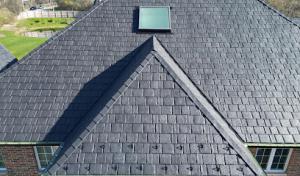
Northbrook homes frequently combine multiple roof penetrations and masonry chimneys, making flashing workmanship a major determinant of leak performance. When winter freezes and thaws push against masonry, any small gap or misfit becomes a pathway for moisture. The point where flashing meets the chimney, or where step flashing runs along a vented seam, often reveals weaknesses long before broader roof areas do. A cautious eye on these junctions can prevent slow moisture intrusion that disrupts interiors and rots decking.
Skylights are a meaningful specialty in this market, aligning with the larger custom-home and remodeled-home stock found across neighborhoods. In Northbrook, skylight perimeters demand precise flashing and well-seated curb installations. Poor concealment of fasteners or undersized lightweight flashings can fail after a heavy storm or a February freeze, leaving interior halos of condensation and stained ceilings. A skilled tradesperson will tailor flashing to the skylight's shape, ensure proper drainage slopes, and verify sealant compatibility with the curb.
Winter movement, ice backup, and repeated storm exposure in the Chicago suburbs often show up first at chimney saddles, step flashing, and skylight perimeters rather than in the field of the roof. Ice buildup against a chimney can lift laps in flashing, while fluctuating temperatures push metal and sealants apart. Similarly, skylight frames and saddles are exposed to wind-driven rain and snow loads that test seals around corners. Regular checks after storms, and before and after heavy freezes, help catch hairline gaps before they become active leaks.
Focus on visible signs around chimneys and skylights: cracks in sealant, loose flashing, peeling caulk, and uneven shingles adjacent to penetrations. If a leak appears near a chimney or skylight after a storm, prioritize resealing with products rated for exterior use and compatible with metal flashing. When hiring, insist on flashing that's properly integrated with masonry joints and that the skylight curb sits square and fastened without over-tightening, which can warp the frame. Regular, targeted inspections for these zones reduce the risk of widespread interior damage.
Find contractors experienced in skylight installation, flashing, and leak repairs to bring natural light into your home.
Roof Repair By Paul
(224) 458-1955 flatroofingnorthbrook.com
24677 St Stephens Green, Northbrook, Illinois
5.0 from 34 reviews
Len Roofing & Remodeling
1240 Meadow Rd Suite 101, Northbrook, Illinois
4.9 from 64 reviews
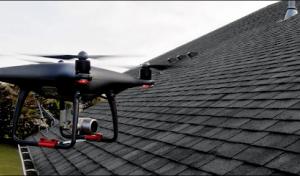
After whip-crack hail and high winds sweep through the Chicago-area, fast documentation matters. Take clear photos of the entire roof from multiple angles, plus close-ups of shingles, metal panels, or tile edges. Capture gutters, fascia, soffits, and any dented vent caps. Note dates and times of the storms, and keep a simple log of observed changes over the next few days when wind-driven debris or ice can reveal new damage.
Carriers serving this market routinely want detailed photos and condition records before and after storms. Track any prior claims history, and be prepared for how that history might influence deductible terms or coverage specifics. If a claim is filed, prompt, organized evidence helps reduce back-and-forth disputes and speeds the adjustment process.
In the North Shore climate, cosmetic and functional damage from hail, wind, and winter ice can worsen quickly if left uninspected. Schedule an inspection promptly after a storm, because shingles, metal panels, or tile surfaces can degrade or curl with freeze-thaw cycles, altering the adjuster's view of condition and replacement needs. Keep a dated photo sequence to show pre- and post-storm conditions for your file.
Create a simple home photo record that shows roof slope, any unusual marks, and nearby trees or hail impact patterns. If you have nearby trees or overhanging branches, photograph their proximity to the roof deck as part of risk notes. Maintain copies of storm reports, wind speeds, and meteorological summaries from the dates of impact to corroborate claim details later if questions arise.
Connect with contractors who help homeowners navigate the claims process from damage assessment to final approval.

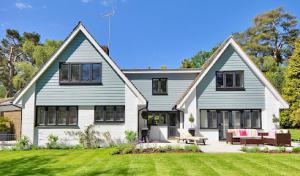
Northbrook's weather makes late spring through fall the most predictable replacement window, after winter snow risk eases and before late-season wind and cold complicate installation. That means aligning a project with a stretch when days are long, temperatures are consistently above freezing, and moisture is low. The aim is to avoid ice dams, freeze-thaw cycles, and the sudden swings that can push work off schedule. Prioritize a window after spring inspections have cleared the worst of winter damage and before late fall storms begin to roll in, so crews can complete work without weather-related interruptions.
Because storm demand can surge across the Chicago suburbs after hail events, Northbrook homeowners who wait until peak post-storm periods may face longer lead times. When a big hail day hits, contractors can be booked for weeks, not days. If a roof shows hail hits, an early, non-urgent inspection helps gauge whether a replacement is needed in the upcoming window or if temporary measures keep a damaged roof from worsening. Planning ahead for a late-spring or early-summer project reduces the risk of waiting through the peak storm push.
Warm summers accelerate UV aging while winter exposes weak roofs, so many Northbrook replacements are scheduled after spring inspections reveal damage that worsened over the prior cold season. If shingles show granule loss, cupping, or exposed underlayment, those signs often become more pronounced after single-digit wind days or freeze-thaw cycles. By targeting a late spring through summer start, homeowners can take advantage of longer daylight hours, more predictable schedules, and better interior conditions for attic inspections, ventilation checks, and underlayment assessments. This timing also helps ensure that crews can address any flashing or vent issues that become evident once shingles are removed, reducing the chance of weather-driven delays later in the season.