
Last updated: Apr 19, 2026
In this Chicago-area hail and wind claim environment, insurers commonly ask for photos, roof age, prior damage history, and installation details before approving replacement. That means every storm encounter leaves a paper trail your insurer will scrutinize later. Take proactive, organized notes the moment a storm passes: map the affected area of the roof, capture clear close-ups of visible hail marks or curling shingles, and record any sagging vents or flashing gaps. If you have prior damage or a known aging issue, document it with dates and sources so the adjuster sees a continuous story rather than isolated patches. The goal is to align your evidence with what the insurer expects to see to avoid delays or partial approvals.
Spring hail and summer storm activity are a major local trigger for sudden roof inspections, temporary tarping, and fast contractor scheduling before regional demand spikes. When a window of favorable weather opens after a storm, you should initiate the claim promptly and line up a trusted local contractor who understands the fast-paced cycle in this market. Delays invite backlogs that push you into peak-season scheduling, higher downtime, and risk of further weather exposure. If an inspector is scheduled, arrange for rapid access to the attic and roof line so they can assess ventilation, flashing, and storm-water handling with confidence. The quicker you respond, the better you protect the interior and keep the project on track.
Because freeze-thaw damage can already be present from winter, homeowners need to separate fresh storm impacts from older seam, flashing, and shingle-edge deterioration when documenting a claim. During your photos, clearly distinguish new impact marks from aged seams or edge wear. Use a reference item (a dated ruler or a visible mark) in shots to show when the damage occurred. Note any changes in roof deck softness or suspected flashing looseness that developed since the last freeze-thaw cycle. A precise chronology helps the adjuster evaluate whether the storm caused new damage or accelerated existing weaknesses, which can influence coverage decisions and replacement timing.
Keep a dedicated storm file: dated photos, a simple damage map, and a log of who you spoke with at the insurance company, including estimates and contractor notes. When a hail event hits, reach out to a proven local roofer within 24 to 48 hours to schedule a quick inspection and secure temporary protection if needed. If tarping is required, act fast and document the process-timing matters for coverage and avoidable interior exposure. As soon as an adjuster is assigned, provide the clean, organized package you prepared. The clearer your claim with distinct, well-timed evidence, the faster you reach a durable, code-compliant repair or replacement.
Asphalt shingles remain the dominant practical choice in this market, offering a straightforward path from tear-off to re-cover. In Park Ridge, the typical cost range is aligned with the national norm but can skew higher during busy restoration periods after hail or strong winds. A common residential job lands in the lower-to-mid portion of the asphalt band, yet real-world projects often drift toward the middle when older homes require extra attention to decking, ventilation, and flashing. For a mid-range home, asphalt shingles deliver predictable performance, easy installation, and a broader contractor pool, which helps keep timelines reasonable even when storm surges tighten labor availability.
Metal roofing is favored on higher-end homes or houses with architectural interest that benefits from clean lines and long life. In this market, metal bids typically sit toward the upper portion of the cost spectrum, especially on larger roofs or those with complex slopes. The local mix of historic and contemporary styles means metal can be a compelling upgrade for durability and a distinctive look. When hail risk is high or wind events are frequent, metal can offer favorable insurance considerations, but the price pressure from peak-season demand can push bids upward. On older homes requiring careful deck connections, or where clean tear-offs collide with chimney flashing work, metal installations may see additional labor adders.
Cedar or other wood shake systems provide architectural character that fits many Park Ridge residences, particularly those with older styling or custom trims. The cost range for wood reflects the premium nature of material and labor, and wood often climbs higher than basic asphalt when factoring in underlayment, proper ventilation, and additional flashing needs. In practice, expect bids to reflect not only the material itself but the extra care required on retrofit projects where existing decking may show wear or where flashing around chimneys and dormers demands meticulous detailing. Weather cycles and storm-response timing can also influence labor availability and, consequently, pricing during peak periods.
Clay and concrete tile offer a durable, distinctive appearance that suits certain Park Ridge homes with existing roof geometry capable of supporting heavier assemblies. Tile projects tend to fall well above asphalt in cost per square, with concrete tile generally being the more economical option of the two. The higher upfront investment pays off over decades but is sensitive to labor availability during post-storm recovery windows. When old homes require added reinforcement, careful demolition of existing roofing and more elaborate flashing strategies around vents and chimneys, the bid can stretch further still.
Synthetic or composite shingles provide a middle ground between price and performance, combining some of the ease of installation with a broader range of aesthetics. In Park Ridge, these products often sit between asphalt and higher-end options, appealing to homeowners who want longer life without the premium of tile or metal. When storm season coincides with contractor backlogs, synthetic upgrades can still see pricing pressures, particularly on projects that require enhanced ventilation, upgraded deck repairs, or more precise tear-off logistics to protect existing structures.
Costs can rise on older homes that require decking repairs, upgraded ventilation, chimney and flashing work, or more careful tear-off logistics than straightforward suburban re-roof jobs. In Chicago-area storm surges, labor availability tightens, and Park Ridge replacement pricing can move upward during peak hail and wind recovery periods. When evaluating bids, homeowners should compare not only the per-square cost but also the scope of work: whether decking repairs, upgraded ventilation, and meticulous flashing are included, and how tear-off logistics are handled to protect roof-to-shelf transitions in homes with complex layouts.
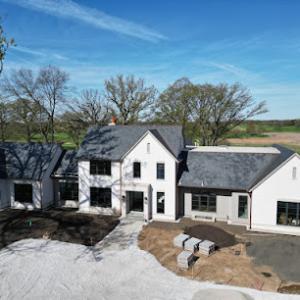
Northwind Exteriors
508 W Higgins Rd, Park Ridge, Illinois
5.0 from 129 reviews
Northwind Exteriors is your local specialist for high-performance residential roofing and premium siding solutions. We provide expert roof replacements and are certified installer of James Hardie fiber cement siding, helping homeowners enhance their curb appeal and structural integrity. Our team focuses on precision craftsmanship and long-term durability. Whether you are upgrading your home’s protection with a new asphalt shingle roof or transforming its exterior with the industry-leading aesthetics of James Hardie siding, we deliver stress-free project management and superior results. As a locally owned roofing and siding contractor, we pride ourselves on transparency, top-tier materials, and protecting your most valuable investment.
RENVX Roofing Contractors
(224) 985-1908 roofingparkridge.com
130 W Touhy Ave, Park Ridge, Illinois
5.0 from 39 reviews
There is only one right choice when it comes to professional roofing companies in the Park Ridge area. RENVX Roofing Contractors & Company has been serving you for years with reliable roof installation and roof repair that brings you quality and satisfaction. We don’t accept any oversights and treat every project like it was our own. Our team can provide you with multiple roofing styles made of diverse materials. Technical aspects are definitely the essential ones, however, we also pay our attention to design and aesthetics. In case when you notice any leaking place in your current roof - give us a call and we will come to perform certified roof repair in Park Ridge! For all these and much more, contact us even today.
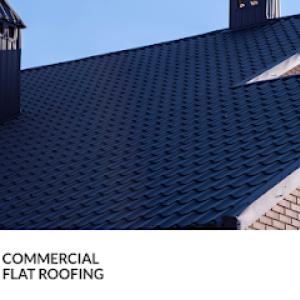
OPI Commercial Flat Roofing
(312) 940-6355 chicagoflatroofer.com
Serving
4.9 from 33 reviews
We are the leading flat roofing company in Chicago offering outstanding flat roofing repair, flat roofing maintenance, and flat roofing replacement. We pride ourselves in providing excellent service that integrates efficiency, quality, and affordability. Our flat roof specialists have many years of experience and knowledge about flat roof services. Whether you have a flat roof leak, small or large scale projects, our flat roof experts can provide you flat roof leak repair and the highest quality workmanship to ensure that your home is safe from any weather conditions it may face. Get in touch with us today, and we will be more than happy to assist you with any of your flat roof needs.
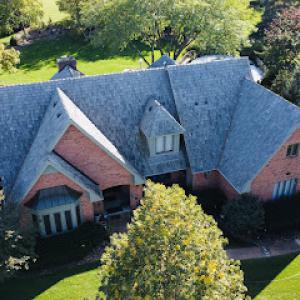
Topline Roofing - Roofing Contractors, Public Insurance Adjusters
(773) 814-6005 toplineadjusting.com
Serving
5.0 from 107 reviews
Discover TOP LINE ROOFING dba PRO SERVICES ROOFING, a top-rated residential and commercial roofing and masonry contractor in Chicago, partnering with insurance adjusters to offer superior craftsmanship, attention to detail, and exceptional customer service. Our skilled team provides a wide range of services, including emergency roof repair, hail damage as well as slate and tile roof repair, storm damage roof repair, chimney restorations, and masonry services like waterproofing, repointing, and lintel beam installation. Trust PRO SERVICES ROOFING for all your roofing and masonry needs, where quality, honesty, and professionalism meet. Contact us now for a free estimate!

Chicago Roofing School & Contractors Network & Training Center
(773) 635-0099 www.chicagoroofingschool.com
Serving
4.9 from 137 reviews
Since 2013, Chicago Roofing School and Contractors Network & Training Center in Chicago has created preparation classes to assist contractors in taking their business to the next level. In the state of Illinois, many types of contractors are required to receive their licenses and certifications in their area of expertise. These exams can be very difficult to pass. With the help of CN&TC you will have the resources and tools you need to pass the test the first time. Whether you are looking to get your license or certification in roofing, masonry, or public adjusting, we have the right training course for you. We also assist contractors and property owners in getting their claims approved by the insurance companies.
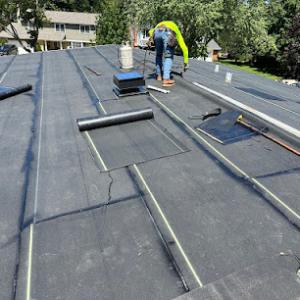
Chicago Flat Roof Company
(312) 667-4440 chicagoflatroofcompany.com
Serving
4.4 from 100 reviews
Chicago Flat Roof Company brings over 30 years of experience delivering expert roofing and exterior solutions for commercial and residential properties across Chicago and nearby neighborhoods. We handle commercial roof projects, residential roof projects, roof inspections, roof maintenance, emergency roofing, siding replacement, and full repair projects. We also offer expert siding services, gutter installation, and gutter guard solutions. Our team focuses on long lasting performance in Chicago’s weather conditions, providing accurate assessments, reliable repairs, and quality installations throughout the city and surrounding areas.
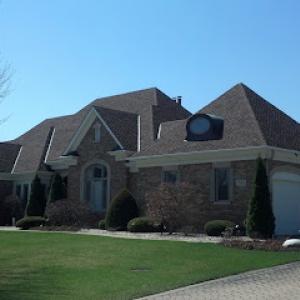
Presidential Roofing
(847) 581-1040 www.presidentialroof.com
Serving
4.9 from 79 reviews
Presidential Roofing is residential, commercial and industrial roofing contractor committed to installing quality roofing systems that will provide our customers with years of problem free protection. Our purpose is to provide and install quality roofing systems that reflect the integrity of our company and the people we employ in a manner that is safe and cost efficient. Presidential Roofing was establishe in 1997 and is proudly serving entire Chicagoland since than. Owner of Presidential Roofing Tom Mikolajczyk is personaly involved in all of our projects insuring that our costumers are getting the best quality work at most affordable prices.We believe quality craftsmanship and design are just the beginning when instilling new r
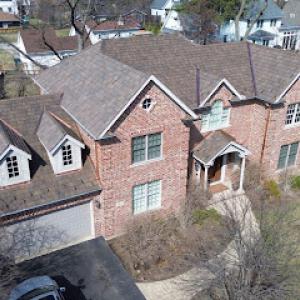
Lion Roofing Corporation
(847) 312-0666 www.lionroofingchicago.com
Serving
4.9 from 78 reviews
Lion Roofing, a family-owned business in Mount Prospect since 1999, with offices in Mount Prospect and Des Plaines, is committed to providing superior workmanship, professional customer service, and a stress-free experience. We specialize in residential shingle, Brava, and DaVinci roofing, as well as commercial modified and TPO roofing, offering durable solutions to withstand Chicago's weather. Whether you need a new roof, repairs, gutters, or siding, we're here to help. We also offer assistance with the insurance claim process. We provide prompt, reliable service, including 24-hour emergency response, and strive to provide affordable options to fit your budget. From start to finish, we aim to be the most trusted roofing company!
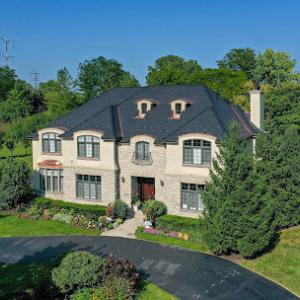
Horizon Restoration
(773) 993-0998 www.horizonrestoration.com
Serving
4.9 from 275 reviews
Horizon Restoration Roofing Company located in Chicago Illinois is a premier full-service roofing and exterior contractor proudly serving Chicago, Illinois and the surrounding suburbs. We specialize in roof installation, roof repair, hail damage restoration, and siding installation, delivering exceptional craftsmanship, reliable service, and peace of mind for homeowners and businesses alike. We proudly offer services in Gurnee, Evanston, Norridge, Palatine, Naperville, Park Ridge, Schaumburg, Lake Forest, Lake Zurich, Orland Park, St. Charles, Northbrook, and throughout Northern Illinois. Whether you’re searching for “roofers near me,” “hail damage roof repair,” “siding installation services,” or expert insurance claim negotiation support.
Liberty Restoration Group
(800) 881-5740 www.libertyrg.com
Serving
4.9 from 33 reviews
Liberty Restoration Group is a trusted residential and commercial roofing, gutter, siding, and exterior restoration company serving Des Plaines, IL, and the greater Chicago area. With licensed, bonded contractors and decades of combined experience, we deliver high-quality roof replacements, storm damage repair, seamless gutter installation, siding upgrades, and window services using premium materials from trusted manufacturers. We work closely with homeowners and insurance providers to ensure smooth project management and exceptional results that protect and enhance your property. Proudly serving communities throughout Chicago with integrity, expertise, and a commitment to customer satisfaction.

RoofingSource
(800) 507-3177 www.roofingsource.com
Serving
4.9 from 47 reviews
The nation’s leading solution-focused rooftop partner.
Green World Construction & Roofing
(708) 698-4072 greenworldil.com
Serving
4.9 from 111 reviews
Welcome to Green World Construction, your trusted Roofing Contractor located at 5801 N Northwest Hwy Ave. Specializing in both Residential and Commercial Roofing Services, we are committed to providing top-quality roof repair and installation in your area. Whether you're searching for "Roof Repair Near Me" or need "Affordable Roofing Services," our experienced team delivers reliable solutions tailored to your needs. As a leading "Commercial Roofing Contractor," we ensure durable, energy-efficient roofs for businesses. Choose Green World Construction for superior craftsmanship and exceptional customer service. Contact us today and discover why we're the preferred "Roofer Near Me.
In this community, a building permit is mandatory for roof replacements, and the process begins before any shingle or substrate work starts. You or your contractor must submit an application with project details-roof size, replacement materials, vent and flashing plans, and storm-water handling measures. This isn't a form you can skip or rush; the city uses it to verify that the project addresses not just the surface layer, but the underlying flashing transitions and drainage strategy. Plan your timeline so the permit review does not stall the replacement, especially in late spring or after severe weather events when demand spikes.
During the roof replacement, city inspectors will visit to review installation practices in real time. The focus is not solely on shingle alignment, but on how the system ties into the home's existing components. Expect checkpoints for proper flashing at valleys, around chimneys, and where walls meet the roofline. Ventilation must meet code requirements so attic temperatures stay controlled and moisture risk is minimized. The inspector will look at integrated drainage components-how water is directed away from the home, through gutters and downspouts, and how storm-water considerations are managed at transitions between roof planes. Any deviations from the approved plan can trigger corrective work before the project can proceed.
After the visible work is complete, a final inspection confirms the project aligns with the approved scope and that all accessory details are sound. In Park Ridge, the city reviews much more than shingle placement. Permit closeout hinges on flashing transitions being correctly integrated, ventilation being properly installed and balanced, and drainage handling functioning without creating pooling or water intrusion risks. If any of these items are incomplete or substandard, the closeout will be delayed until the contractor completes the required corrections. Knowing this helps you avoid last-minute surprises and ensures the replacement integrates with the home's weatherproofing, drainage, and storm-water controls.
Keep a clear line of communication with the contractor about permit status, inspection dates, and any corrective work that may arise. Schedule work so that inspections align with key milestones-demonstrating proper flashing, confirming attic venting, and verifying storm-water paths before moving to subsequent stages. Have the mechanical drawings and drainage plan readily available for the inspector, and document all flashing transitions with photos as the project progresses. Remember, the goal is not only a fresh roof but a code-compliant system that withstands Park Ridge's weather patterns and local building expectations.
The local material mix includes asphalt, metal, clay tile, concrete tile, wood shakes, and synthetic shingles. Chicago winter cycling is especially hard on exposed edges, seams, and brittle aging surfaces. If your roof uses any of these types, pay close attention to flashing transitions around chimneys, vents, and skylights, as well as along eaves and rake edges where wind-driven rain can drive moisture under the surface. In homes with mixed materials, plan inspections that follow the heaviest freeze-thaw cycles-edges and joints will reveal wear first.
Wood shake and cedar-style roofs in Park Ridge need closer monitoring after wet winters and storm seasons because repeated moisture and drying cycles can accelerate splitting and maintenance needs. After severe storms, examine the shake surfaces for cupping, splitting, or soft spots, and check the underlayment at any exposed joints. If you notice granular loss or rapid darkening at cedar edges, treat those areas proactively to slow water penetration. When replacing sections, aim to match grain orientation and minimize abrupt transitions to avoid concentrated wear at seams.
Heavier tile and concrete systems are present in the market but can create more complicated replacement planning on older homes than standard asphalt tear-offs. Clay and concrete tiles demand careful assessment of roof framing and deck support. If a tear-off reveals sagging or uneven attic ventilation, address these framing and ventilation considerations in tandem with the roof replacement. For mixed roofs, plan the sequence so that lighter asphalt or synthetic sections aren't left vulnerable near heavier tile work, reducing the risk of stress cracking at fastener points.
With frequent hail and wind events, you'll want a disciplined maintenance cadence. Schedule mid-winter and early-spring inspections focused on ridge lines, parapets, and valley penetrations. Pay attention to any signs of accelerated wear at transitions between material types, which can become failure points after freeze-thaw cycles. In this climate, a proactive approach to edge and seam maintenance helps extend the life of multiple roof types on the same house.
The most popular roofing material in the US. Find pros who install, repair, and replace asphalt shingles.
RENVX Roofing Contractors
(224) 985-1908 roofingparkridge.com
130 W Touhy Ave, Park Ridge, Illinois
5.0 from 39 reviews
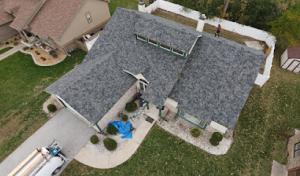
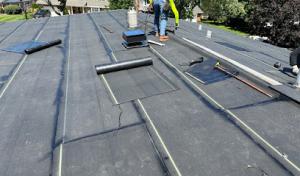
Although pitched residential roofs are common, the local contractor market shows meaningful demand in flat or low-slope roof work, indicating a real need on additions, porches, garages, and some multifamily or mixed-use structures. For homeowners, that means more opportunities for careful moisture control, but also more chances to meet failure modes that aren't as visible as a steeply pitched roof. In practice, a flat or low-slope section needs thoughtful attention to seam lines, edge terminations, and material compatibility with adjacent pitches. When you're evaluating a project, look beyond the obvious square footage and consider how the area ties into vents, drains, and the existing roof deck.
Park Ridge permit inspections specifically checking flashing and storm-water handling make low-slope transitions and drainage details a higher-stakes issue than cosmetic reroofing alone. The risk isn't only water intrusion; improper transitions can lead to ice damming, pooled water, or accelerated corrosion at metal flashings. The key is to ensure that parapets, skylight curbs, and roof-to-wall transitions are integrated with the surrounding roof system, not treated as separate add-ons. For any low-slope retrofit, insist on a continuous weather barrier, reinforced edge details, and a clear plan for how drainage will move toward full-sized downspouts or scuppers without creating new hold points for water.
Skylight service is also common in this market, which matters in a freeze-thaw climate where curb flashing and surrounding roof integration often become leak points before the field roofing fails. A curb flashing that sits flush with the roof and threads into a proper roofing membrane reduces the most frequent failure modes. Check that the skylight boot or flashing is designed to accommodate expected temperature cycles, and that flashing meets the surrounding field material so that movement or settling doesn't create new gaps. In practice, this means a well-sealed curb, matched sealants, and a plan for regular inspection after severe weather.
Find specialists in TPO, EPDM, and built-up flat roofing systems for residential and commercial properties.
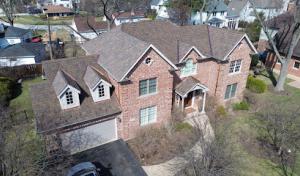
Late spring through early fall is the best replacement window in Park Ridge because Chicago-area winter cold and freeze-thaw cycles make installation and sealing less predictable. When schedules align with milder days, flashing can be seated properly and ventilation work can be verified without shivering crews or frozen fasteners. Start dates should aim for a string of days above freezing, and a forecast with minimal freeze risk helps guarantee a solid seal around valleys and ridge vents.
Fall in this area can bring wind, precipitation, and debris buildup that slow tear-offs and expose homes to weather delays if projects start too late. Rains and gusty afternoons can push crews off the roof, leaving shingles exposed to the next round of storms. If a project must push into autumn, plan for a crew with weather contingency days and a clear tarp strategy to maintain weather-tightness during interim stages.
Summer heat and UV exposure in the Chicago metro accelerate aging, so roofs weakened by winter need action before the next storm season. Heat makes underlayment and synthetic barriers more pliable, but it also increases attic temperatures, which can affect ventilation strategies. Early-season heat spikes can cause sealing challenges late in the day; aim to complete critical sealing tasks during cooler mornings to preserve membrane integrity and reduce the chance of heat-related buckling.
Begin with a weather check that prioritizes consistent mild days, then schedule site access to minimize rooftop sun exposure during peak heat. Communicate potential delays from autumn winds or late-season storms, and set clear milestone targets for tear-off, flashing, venting checks, and final inspection. Choose materials and colors with proven performance in wind-prone, hail-exposed suburbs to ensure long-term resilience against the local climate.
In this high hail-and-wind claim environment, coverage decisions increasingly hinge on whether the roof's condition can be shown before the latest storm. Adjusters in this market routinely request objective evidence that goes beyond a contractor's opinion, focusing on how the roof stood up to prior events and how it was maintained over time. Clear, dated records help separate a genuine storm-caused loss from preexisting wear and tear.
When an insurer sends an adjuster, it is common to be asked for dated photos that capture the roof's condition before and after storms, the roof's age, and any prior repair documentation. Installation details-such as underlayment type, ventilation upgrades, and flashing configuration-are often scrutinized to judge proper performance during high wind and hail. Weather-driven damage may be compared to earlier patches or partial replacements to determine whether a full replacement is justified. Relying on a contractor's opinion alone is rarely sufficient in this market; concrete, verifiable evidence strengthens the claim.
Because remaining roof life influences claim outcomes in this region, the homeowner benefits from maintaining a running file of documentation. Archive notes about prior patching, ventilation upgrades, and any earlier storm damage that was not fully replaced. Store correspondence with insurers and contractors, along with service reports and material details. When portable, keep a simple, dated photo log that shows roof surface conditions after major hail events, wind gusts, or observed leaks. This practice helps establish a consistent baseline for evaluating new damage and supports a timely, well-supported settlement.
Connect with contractors who help homeowners navigate the claims process from damage assessment to final approval.
Topline Roofing - Roofing Contractors, Public Insurance Adjusters
(773) 814-6005 toplineadjusting.com
Serving
5.0 from 107 reviews

Chicago Roofing School & Contractors Network & Training Center
(773) 635-0099 www.chicagoroofingschool.com
Serving
4.9 from 137 reviews
The Park Ridge market leans toward rapid-response, storm-focused crews rather than new-construction specialists. When hail or high winds hit, you'll notice crews canvassing neighborhoods almost overnight. For a homeowner, this means you should prioritize contractors who can clearly describe how they handle tear-offs, debris containment, and storm damage assessment, not just how fast they can start. Ask for an on-site assessment within 24-48 hours, a written processing plan for debris containment, and a realistic timeline from tear-off to reinstallation that aligns with your weather window and clean-up expectations.
Cleanup is a major local hiring priority. On established Park Ridge lots, tear-off debris can easily impact landscaping, driveways, and even ornamental beds along sidewalks. Look for contractors who provide upfront protection plans: use of ground covers or tarps, a defined path for debris removal, and a post-job cleanup checklist. Verify how they plan to protect landscaping and hardscapes during the project, and request a written commitment to restore any minor landscape disturbance caused by staging or equipment.
Long-established, family-owned, residential-focused firms are commonly represented in this market. When evaluating warranties, check both workmanship follow-through and manufacturer-backed coverage. Ask for a written warranty that specifies what is covered, for how long, and the process for making claims. Inquire whether the contractor will be present for a final inspection, and if they offer a dedicated point of contact for warranty issues. Ensure the agreement references product manufacturer warranties where applicable, and confirm who is responsible for coordinating any necessary inspections or replacements under those warranties.
Request a copy of the contractor's standard warranty and any addenda related to storm damage scenarios. Confirm that the contract includes a clear remedy timeline if a warranty issue arises, and that you have a named supervisor who will oversee workmanship quality. For peace of mind, ask for recent client references within Park Ridge and arrange a brief follow-up call after completion to confirm the crew's responsiveness to any warranty concerns.