
Last updated: Apr 19, 2026
New Lenox roofs endure winter snow and freeze-thaw cycling that quietly stress shingles, underlayment, and flashing. When spring storms roll in, hail and wind can deliver fresh impact damage on top of the wear from winter. This creates a two-stage reality: an older roof may glide through winter with hidden damage that worsens as temperatures swing, and then spring storms add new hits that accelerate deterioration. If you let this pattern go unchecked, you risk accelerated leaks, failed flashing, and interior damage that compounds the cost and timeline of repairs. The urgent takeaway is to treat late-winter and early-spring as a critical window for inspection and documentation, even if you don't see obvious trouble yet. A careful, staged approach now helps prevent surprises that complicate weather this season.
The local replacement season in this area tends to run strongest from late spring through early fall. Storm-driven demand spikes in that same window, which can tighten scheduling after hail and wind events. If a major storm rips through, plan for a rapid assessment, but set expectations for a realistic pace once crews begin. The goal is to secure a solid assessment quickly, then lock in a firm start date that aligns with favorable weather, not a date dictated by a sudden spike in demand. Prioritize decking and sheathing evaluations, then move to underlayment and shingle seating while the days are predictably dry. You don't want to push into the peak season with lingering questions about roof integrity, because delays multiply once the weather turns unpredictable.
Autumn brings its own challenges in the southwest Chicago suburbs. Strong winds and intermittent rain can slow installation pace and affect shingle seating, especially for older roofs or complex layouts. The risk is threefold: weather can force crews to pause, moisture can disrupt proper sealant and adhesives, and late-season temperatures may hinder proper curing of underlayment or fasteners. Timing becomes more critical as you approach winter. If possible, aim to finalize the project before the first hard freeze. That reduces the chance of back-and-forth weather-related delays and helps ensure the roof sits properly against seasonal temperature shifts. Even if a storm creates a quick surge in demand, a deliberate plan that anticipates autumn variability can keep the project on track and protect interior spaces from late-year exposure.
Start with a thorough post-winter inspection, focusing on damaged ridges, lifted shingles, compromised flashing, and any granule loss in the gutters. Document every issue with clear photos and notes, because insurers and contractors rely on precise records to schedule claims and work. If you are dealing with insurance, organize a concise damage timeline that includes winter exposure, spring impacts, and any interim repairs that were completed. When you contact contractors, ask for a phased plan that explicitly outlines timing around anticipated weather windows and how they will manage two-stage damage scenarios. Demand a clear sequence: initial assessment, temporary protection if needed, full replacement plan, and a defined start date that minimizes exposure risk before winter returns. In this market, clarity on timing is not merely convenient-it's essential to prevent weather from turning a repair into a replacement that costs more and takes longer.
Illinois is a periodic hail and wind claim market, so New Lenox homeowners often need roof age records, date-stamped damage photos, and detailed contractor estimates before carriers approve replacement scope. The local marketplace expects you to demonstrate what happened during a storm, when it happened, and how the roof condition changed as a result. For a typical full-replacement discussion, insurers look for a clean line between storm-created damage and preexisting wear that stemmed from freeze-thaw cycles. That means gathering archival photos, receipts for recent roof work, and any service reports from the last few winters. In practice, this translates to building a concise, time-stamped narrative: what the roof looked like before the last major storm, what you observed the day after, and how those observations evolved with subsequent thaw cycles.
After regional storm events, claim volume can rise quickly across the southwest suburban market, which can affect inspection timing, supplement requests, and how fast insurers respond. Expect some lag between the storm date and the first field adjuster visit, and plan around that window with a temporary tarp or protective cover if needed. When the adjuster arrives, have a clear, itemized list of observed damage, with close-up photos of hail impact patterns, wind-blown areas, and any interior signs of roof leakage. Since depreciation and replacement scope vary by policy, it helps to present two parallel lines: an immediate repair assessment for safety and a separate, fully documented replacement scope. This separation keeps the claim focused on actual storm damage rather than older wear.
Prepare a cohesive claim packet that separates storm-created damage from wear that worsened with freeze-thaw exposure. Include: date-stamped photos taken within days of a storm, a concise damage timeline, a roof age record, and a detailed contractor estimate outlining observed conditions, proposed scope, and justifications for replacement. In New Lenox, adjusters value technicians who can tie specific damage to documented storm events, such as hail marks, fractured shingles, or wind-stripped granules, rather than generic wear narratives. If a contractor can reproduce the damage pattern on a single-diagram sketch, attach it to the estimate to reinforce causation. Keep notes of any conversations with the insurer, including dates and the names of representatives spoken with.
When a hail event is fresh, photograph the roof from multiple angles, including attic or ceiling signs of leakage, if accessible. If a storm coincides with a particularly cold stretch, freeze-thaw cycles may complicate causation; thus, show before-and-after comparisons over successive weeks to illustrate progression clearly. If an insurer questions depreciation, provide a separate depreciation worksheet and pair it with a replacement cost endorsement explanation. In the wake of a regional surge, verify inspection orders and be ready to supplement a claim with additional photos or contractor quotes, since appetite for documentation often rises during busy periods. Across these steps, maintaining a steady, well-documented record reduces ambiguity and speeds the path from acknowledgment to scope approval.
Connect with contractors who help homeowners navigate the claims process from damage assessment to final approval.
APEK Incorporated | Roofing, Siding, & Gutter Installations
1005 Industry Rd, New Lenox, Illinois
4.8 from 113 reviews
O & M Construction
(630) 297-1032 oandmroofing.com
1024 Star Ln, New Lenox, Illinois
4.7 from 161 reviews
Home Pro Renovation
(779) 220-8575 homeprorenew.com
224 Lenox St, New Lenox, Illinois
5.0 from 22 reviews
APEK Incorporated | Roofing, Siding, & Gutter Installations
1005 Industry Rd, New Lenox, Illinois
4.8 from 113 reviews
APEK is the trusted choice for roofing, siding, and exterior solutions in New Lenox and surrounding communities. Since 2007, we've delivered high-quality residential and commercial services including roof replacement, roof repair, siding installation, soffit and fascia work, and gutter systems. Known for our reliability and craftsmanship, we're fully licensed, bonded, and insured—bringing peace of mind to every project. Whether you're a homeowner, property manager, or HOA, APEK provides expert service with integrity. Contact APEK in New Lenox for all of your roofing and siding needs!
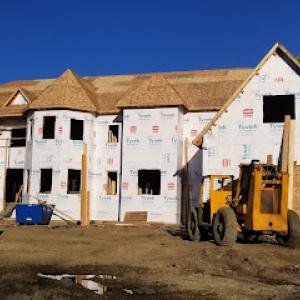
O & M Construction
(630) 297-1032 oandmroofing.com
1024 Star Ln, New Lenox, Illinois
4.7 from 161 reviews
O & M Construction is a family-owned contractor in Homer Glen, IL, serving a 20-mile radius since 2014. We specialize in roofing, commercial roofing, framing, masonry, concrete, drywall, remodeling, siding, and gutters. We are dedicated to quality craftsmanship and customer satisfaction, boasting an A+ rating with the Better Business Bureau. Whether you're embarking on a new build or remodeling, our skilled team delivers reliable, high-quality results. Get in touch today to schedule your estimate and discover how we can transform your project.
Home Pro Renovation
(779) 220-8575 homeprorenew.com
224 Lenox St, New Lenox, Illinois
5.0 from 22 reviews
Home Pro Renovation, located in New Lenox, Illinois, takes pride in being an insured, bonded, and licensed construction company. With a focus on home exterior and interior renovation and restoration, they strive for unmatched quality in every project they undertake. Home Pro Renovation specializes in roofing, as well as fire and water damage restoration services. Whether you're looking to enhance the appearance of your home or restore it to its former glory after an unfortunate incident, Home Pro Renovation stands ready to assist you with exceptional quality and dedication to their craft.
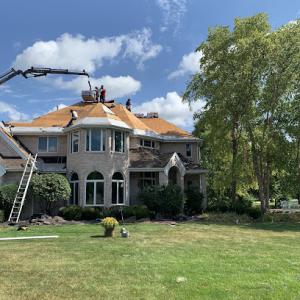
American roofing contractor
New Lenox, Illinois
5.0 from 6 reviews
Over 25 years in business and satisfied customers
SWS Roofing New Lenox
(708) 667-6217 www.swsroofing.com
1024 S Cedar Rd, New Lenox, Illinois
3.8 from 9 reviews
Discover the difference with SWS Roofing New Lenox. We are a reputable roofing contractor whose unrivaled commitment to excellence sets us apart from the competition. When you choose us, you're not just getting a roof; you're gaining peace of mind and long-lasting protection for your home. Our skilled team of experts meticulously follows the material manufacturer's specifications, ensuring your roof is installed to perfection. By doing so, we maximize the warranties available, offering you added security for years to come. With our extensive collection of awards, certifications, and credentials, you can trust that we've earned our reputation as industry leaders. Ready to transform your roof into a masterpiece? Contact us today.
Great Roofing
(708) 649-1302 greatroofingllc.com
Serving
4.9 from 189 reviews
Great Roofing is a roofing contractor based in Joliet, proudly serving New Lenox, Mokena, Manhattan, and surrounding communities. We provide a full range of services including residential and commercial roofing, roof repairs, and more. In addition to our roofing expertise, we also offer professional siding and gutter solutions. We work with top-quality materials such as CertainTeed products, LP SmartSide, Veriform siding, and hold VSI certification to ensure exceptional results. Homeowners appreciate our comprehensive roof warranties and our strong industry affiliations, including our status as an IKO Roof PRO contractor. Experience “Great Roofing at Affordable Pricing” contact us today for a free estimate!
Time Tested Exteriors
Serving
5.0 from 26 reviews
Time Tested Exteriors is a residential exterior company that prides its self with customer service and quality installations. Hire one contractor to handle all your exterior needs. Roofing, siding, soffits, fascia, gutters, and windows, Time Tested Exteriors is your one stop shop. Visit our webpage and check out our most recent projects.
Pro JP Roofing Contractors
(708) 694-8003 mokenaroofingcontractors.com
Serving
5.0 from 47 reviews
We are a reputable Mokena roofing company that can help with all your roofing needs. From minor roof repairs to full roof replacements, we have a highly skilled and experienced team to handle any project We offer a full range of roofing services, including roof repair, shingle installation, roof installation, roof replacement and flat-roof maintenance We are committed to delivering high-quality, reliable services at an affordable price Contact us today to schedule a consultation, and discover the difference working with a trusted and reliable roofing company can make for your business
Waterproof Exteriors
Serving
5.0 from 9 reviews
Waterproof Exteriors, Inc. will do a free thorough inspection and evaluate the condition of your current roofing, windows, siding, and attic insulation. After the free inspection of your home, Waterproof Exteriors, Inc. will inform you of the condition of your home's inspection. If a new roof system, windows, siding, or additional attic insulation is recommended, Waterproof Exteriors, Inc. will take the time to thoroughly outline the different products available so you can make an informed decision on which product would best suit your families needs
Roofing Staff & Remodeling
(708) 897-9909 roofingstaff.com
Serving
5.0 from 220 reviews
Roofing installation, Gutter installation, Siding installation.
DNS Exterior
(815) 293-6311 dnsexterior.com
Serving
4.9 from 127 reviews
DNS Exteriors is the leading roofing company in Lockport, IL, and the surrounding area. We proudly offer roof repair, window replacement, and door installations in Lockport, IL. Contact us for all your siding contractor needs. DNS Exteriors is a full-service contractor dedicated to providing top-notch services and products to our valued customers. We ensure that every installation is carried out by our factory-trained and certified installers. We are renowned for our expertise in exterior products, including windows, siding, roofing, soffit/fascia, and gutters. Our team is fully equipped to handle projects for both residential and commercial clients. Contact DNS Exteriors to schedule our home exterior services in Lockport today!

Americanstruction
(815) 859-9055 www.americanstruction.com
Serving
5.0 from 72 reviews
Americanstruction is a majority woman-owned and family-operated roofing company proudly serving Mokena and the greater Chicagoland area. As a licensed and insured roofing contractor, we specialize in roof replacements for both residential and commercial properties. With over 75 years of combined experience, our team also provides expert siding, gutters, and window services to protect and enhance your home or business. We understand the challenges local weather brings, from heavy snow to strong summer storms, and tailor solutions for lasting results. Every project is handled with care and professionalism, making us trusted roofing contractors in Mokena.
Asphalt shingles are the dominant practical choice in this market, matching well with typical home ages and roof pitches found around town. In New Lenox, the freeze-thaw cycle and seasonal snow load place extra emphasis on underlayment quality and flashing details during replacements. When selecting asphalt, look for a heavy, water-shedding granule mix and an underlayment rated for ice dam protection. Pay attention to how valley flashing is integrated and whether the shingle bundle color and sealant are designed to resist repeated freeze-thaw cycles. A well-sealed seam-intensive installation minimizes vulnerable spots where water can penetrate during rapid temperature shifts.
Metal roofing is present in this market and can be attractive for snow shedding and longevity, but installation quality matters because thermal movement and trim detailing become more noticeable through Illinois temperature swings. If metal is on the radar, choose a profile that sheds snow efficiently without creating excessive noise or thermal stress on the surrounding trim. The attic space should have adequate ventilation to reduce condensation under the panels, and edge details around chimneys, skylights, and vents deserve close scrutiny to prevent ice buildup along eaves. In areas with hail exposure, confirm that the chosen panels and fasteners come with a robust impact rating and that flashing is continuous and well-sealed where the roof meets walls.
Tile, wood shake, and synthetic/composite roofs exist in the market but are less common locally, so homeowners considering them should account for installer availability and whether the existing structure and detailing are suited to those systems. Clay and concrete tiles can deliver strong hail resistance and a distinct look, but they demand a sturdy deck, precise battens, and careful integration with existing chimneys and vents. In freeze-thaw climates, the weight of the tiles and the potential for cracks during cold snaps are practical concerns, so builder experience with local weather patterns matters. If a tile system is pursued, verify the status of the roof framing, plan for higher installation costs, and ensure that the flashing around perimeters and penetrations matches the tile's expansion and contraction behavior.
Wood shingles or shakes offer a classic appearance but are less common and require reliable local experience to avoid moisture problems that can worsen in freeze-thaw cycles. They perform best with controlled humidity in the attic and top-grade underlayment to resist moisture infiltration during heavy snowfall and wet springs. Availability of skilled installers who can authentically reproduce the look while maintaining modern weather protection is a practical constraint. If wood is preferred, focus on high-quality sealing around roof penetrations and ensure that adjacent metal trims are properly gapped to accommodate shrink-swell cycles.
Synthetic/composite shingles provide flexibility in design and can mimic other materials while delivering improved hail resistance and lighter weight. They are reasonable options when installer expertise aligns with the chosen system, especially for homes with unique roof geometries or steeper pitches that complicate traditional shingles. Consider how the material responds to long-term temperature swings and whether its flashing and edge trim interface cleanly with existing vents, chimneys, and skylights. Availability of local installers familiar with local storm-driven maintenance approaches can influence long-term performance and serviceability.
If you're budgeting a full re-roof, you'll see asphalt shingles sit in the roughly $350-$650 per square range, metal around $700-$1400 per square, clay tile $900-$1800, concrete tile $800-$1600, wood shingles or shakes $600-$1200, and synthetic or composite shingles about $420-$800 per square. This is the everyday spread you'll encounter from reputable local crews, with the lower end tied to standard installs and basic underlayment, and the higher end reflecting higher-end profiles, premium underlayment, or upgraded decking where needed.
New Lenox experiences a pronounced bump in pricing after hail and wind events. When a storm rolls through and damages several homes, regional demand surges across the southwest suburban market, and that pressure lands in late spring through early fall. If your project is timed near the height of that window, expect prices to tighten and scheduling to compress. Contractors who can squeeze you in during a calm weather stretch may still book out weeks, so it pays to map out timing with your chosen crew early.
Beyond material choice, full re-roof pricing rises when work requires decking or underlayment upgrades after tear-off. If the existing roof has sustained moisture intrusion, warped boards, or insufficient substrate, anticipate higher material and labor costs to bring the roof up to code and to weather. Labor hours can also extend due to New Lenox's typical spring storms, summer heat, or occasional early cold snaps that interrupt the timeline. When you're evaluating bids, ask each contractor to itemize tear-off, disposal, underlayment, flashing, and venting upgrades so you can compare apples-to-apples across the same work scope.
Get a clear picture of your project costs upfront - no commitment required.
A permit is typically required in New Lenox for a full re-roof and is issued by the Village of New Lenox Building Department. The village's permit process is designed to keep storm-damaged roofs safe and compliant with local codes, especially after severe hail or freeze-thaw cycles. Start planning this step as soon as a full roof replacement looks likely, since inspections and processing can add time to your project.
The village may require proof that the contractor is licensed. Have your chosen roofer provide current licensing, business contact information, and any required certifications before submitting the permit. In practice, documents are collected with the permit package, so having everything ready avoids delays. If a contractor asks for extensions or has backlog-related scheduling quirks, this is a common source of start-date changes.
Submit the permit application along with the contractor's licensing proof, project scope, and any needed plan drawings or specifications. The village staff will review to ensure the project complies with local codes, zoning, and safety standards. Expect a processing window that can stretch during peak seasons or high-demand years, particularly after a major hail event when many homeowners attempt similar projects at once.
Inspections are commonly scheduled by the contractor through the permit process. A rough inspection is typically conducted after decking or underlayment is installed, followed by a final inspection after shingles are installed. Coordinate these dates with the building department and the contractor so that weather and material delivery align with the inspection milestones. If weather causes delays, the village may adjust inspection timing, so maintain open communication with the contractor.
The Village may experience backlog-related delays that affect start dates or inspection timing. Build a realistic timeline that accounts for permit processing, scheduling windows, and potential weather-driven setbacks. Having a clear, documented plan helps minimize frustration when delays occur and keeps the project moving toward a proper, code-compliant finish.
Repeated winter freeze-thaw cycling can turn small flashing or sealant weaknesses into active leaks by widening gaps around penetrations and roof transitions. In this climate, those micro-failures don't stay micro for long-every cycle invites a little more expansion and contraction, nudging shingles, dormers, vents, and chimney boots toward compromised seals. When you mix in occasional thaws, the surrounding roof deck stays damp longer, which can compound deterioration on aging systems that already carried storm wear or granule loss from last season.
Snow and ice accumulation on local roofs can back water up at vulnerable edges and valleys, especially on aging systems. Look closely at valley intersections, soffits, and the rake edges where ice dams tend to form and where water can linger behind granules that have already thinned. Valleys that show signs of wear or corrosion are prime channels for slow seepage during a thaw. Penetrations around exhaust vents, plumbing stacks, chimneys, and dish or satellite mounts are common leaks for this area if flashing has settled or sealant has aged. If a roof transition sits near a high-traffic eave line or a visually soft seam, the risk of moisture wicking into the decking increases after a heavy snowfall or a quick warm snap.
Underlayment performance matters more in this climate because roofs often face both summer thunderstorm exposure and winter moisture intrusion pressure within the same annual cycle. Ensure the underlayment beneath is continuous and properly lapped at all penetrations, with sound tie-ins at the transitions where shingles meet a wall, chimney, or vent boot. During inspection or replacement, verify that flashing loops and pan gutters are intact and free of corrosion or loosening fasteners. In practical terms, a proactive check after the last heavy storm of the season, and again after a mid-winter thaw, can catch a creeping issue before it becomes a leak that finds its way through to your attic.
Skylight repair is a meaningful specialty in the local market, so many homes show up with leaks that start at the glass openings rather than at the field shingles. In winter, freeze-thaw cycles can push and pull on the edges of skylight assemblies, while wind-driven rain finds any little flaw in the glass seal or flashing. Expect that a leak may trace to the curb and flashing joints around the skylight, not just the surrounding roof surface. When you see condensation or dark staining near a skylight, investigate the sealant bead, the flashing height, and the curb's connection to the roof deck. A careful inspection from the attic during a thaw cycle often reveals active ingress points. Temporary fixes can be tempting, but lasting results come from addressing seal integrity, flashing integrity, and the transition where skylight framing meets the roof plane.
Chimney-related work also appears regularly in the local contractor mix, making flashing transitions around masonry a recurring concern on area homes. Mortar movement and brick voids can create hidden channels for water, especially where the chimney meets the roof deck. Check the base flashing, step flashing along the chimney flank, and the counter-flashing integrated into the chimney cap. Freeze-thaw movement tends to emphasize any misalignment or gaps, while wind-driven rain tests the upper flashing more aggressively. If moisture appears around the chimney crown, don't assume shingles are the sole culprit-inspect the entire transition and the residence side of the masonry for cracks or spalling that could redirect water toward the interior.
These penetrations are often where freeze-thaw movement and wind-driven rain show up first, so leak investigations should focus on transitions, not just missing shingles. In practice, that means tracing water paths from skylight or chimney inward to the attic, looking for compromised sealants, failed flashing joints, and any voids created by aging roofing materials. When in doubt, bring in a contractor who can perform a targeted, transition-focused assessment rather than a surface-only inspection. The goal is to stop water at the source before a small leak becomes widespread interior damage.
Find contractors experienced in skylight installation, flashing, and leak repairs to bring natural light into your home.

Flat and low-slope roofing is an active specialty in this area, with many homes featuring additions, porches, garages, and mixed-roofline designs. Even when the main roof is re-covered, low-slope sections often drive the project because they face the same freeze-thaw and storm exposure as steeper shingle roofs. In New Lenox, these sections are a common real-world weak point on homes built or expanded during periods of rapid growth.
Low-slope roofs drain more slowly than steep-shingle roofs, so snow and ice buildup can persist longer and push water toward seams and flashings. This increases the risk of ice dams and ponding, especially on attached structures like dormers or porch roofs. Inspecting and maintaining drainage paths-gutters, scuppers, edge seals, and crickets or tapered insulation where needed-is essential after heavy snows or ice storms. When planning a retrofit or patch, prioritize a drainage plan that minimizes standing water and ensures proper scupper or downspout discharge.
Storm events in this area are more than a summertime concern. Hail and wind can compromise low-slope membranes and flashings, often showing up as punctures, micro-tears, or lifted edges before the main roof shows obvious wear. Freeze-thaw cycles stress the same areas, causing cracked seams and degraded sealants. If storm damage is suspected on a low-slope section, document the affected area with photos, note any staining or moisture intrusion, and check the interior ceiling for hidden leaks beyond the saturated deck.
When the main shingle roof is replaced, extend the inspection to attached low-slope sections. Failures in these areas frequently appear first due to pooled water or compromised flashings near connections to the main roof. Verify that flashing footings, termination bars, edge prime coats, and seam tapes are continuous and properly overlapped. During inspections, test drainage by safely directing a water spray along seams and transitions to confirm that water sheds without backflow or seepage.
Plan for a winter-to-spring review after any high-winter precipitation. Snowmelt can reveal slow drainage paths and hidden leaks as temperatures fluctuate above and below freezing. In addition to routine upkeep, schedule a follow-up after heavy ice events to catch creeping moisture before it migrates into interior spaces. Keeping a dedicated eye on low-slope sections during the longer snow season helps prevent prolonged damage and preserves overall system integrity.
Find specialists in TPO, EPDM, and built-up flat roofing systems for residential and commercial properties.
Before signing any contract, confirm the roofer can handle Village paperwork and inspection scheduling. New Lenox requires permit coordination through the Village and may ask for licensed contractor documentation, so ask for a clear timeline that includes intake, inspections, and final closeout. A reliable local partner will provide the necessary licenses, insurance evidence, and a dedicated point of contact who shows up when the Village needs access.
The local market values quick response, thorough cleanup, and residential re-roofing know-how. When you call for an estimate, note how fast the team can assess storm damage, document it, and outline the repair or replacement plan. Compare not only the material choice but the contractor's track record for getting a job done cleanly, with debris removed and no nails left behind. Ask for references from recent New Lenox projects and verify their ability to coordinate scheduling around weather windows and Village inspections.
Given the area's storm-driven claim activity, favor contractors who can document damage clearly with photos and a written scope. The best teams are comfortable submitting supplements when the insurance adjuster requires extra work or updated measurements. Confirm that the contractor will provide a detailed, itemized scope that aligns with the claim and keeps the project on track for clean tear-off and final inspection closeout.
Expect a staged plan: protect landscaping and vehicles, execute a clean tear-off, install the chosen roof system, and complete a thorough cleanup. A dependable roofer will coordinate the invoicing to align with inspection milestones and ensure all required closeout paperwork is ready for the final Village review. This alignment minimizes delays and keeps the project moving through the winter months when freeze-thaw cycles are most challenging.