
Last updated: Apr 19, 2026
Mokena sits in the Chicago-area hail belt where spring and early summer storms commonly drive roof inspections, temporary tarping, and insurance-backed re-roofing activity. When the skies darken and hail begins to fall, the clock starts ticking: every hour after a storm can shift the pool of eligible damage, the likelihood of covered repairs, and the options for temporary protection. Your home's first line of defense is a rapid, documented response. A storm can leave more damage than meets the eye, and the difference between a repaired patch and a full roof replacement often hinges on timely evidence and a careful, neighborly call to a trusted local contractor who can provide you with a clear, storm-focused plan.
Local contractor signals show unusually strong demand for storm damage, emergency repair, and insurance-claim help, indicating that post-storm response is a primary roofing need in this market. If you see roofs in nearby blocks being tarped or crews setting up temporary covers, don't wait to assess your own structure. Look for hail marks on shingles, dented gutters, and loosened flashing after a storm, and document everything with photos from multiple angles, including attic views if possible. In practice, this means moving quickly to secure the worst leaks, order temporary protection, and arrange a professional assessment while the memory of the storm is fresh. Because urgency matters, coordinate with a contractor who can stage repairs in a sequence: emergency tarping, leak control, and a plan for a documented, insurance-backed replacement if the damage warrants it.
Illinois carriers in hail-prone areas often require photo documentation, adjuster findings, and written estimates before approving roof-related claim settlements, which directly affects homeowners after severe weather. The insured homeowner should prepare for a two-track process: defense of your interior from ongoing water intrusion and a parallel claim path that builds the case for repair or replacement. A seasoned local roofer will capture high-resolution photos of the entire roof system, interior water intrusion, attic conditions, and any visible damage to chimneys, vents, and fascia. The adjuster's report should align with the damage narrative, so your contractor should supply a detailed, itemized estimate and a clear scope of work. Your role is to assemble the key documentation promptly and to maintain consistent communication with the insurer, your agent, and the contractor, so there's no friction when the settlement is issued and the project begins.
The seasonal pattern in this market pushes a fast decision window after hail, because freeze-thaw cycles can exacerbate hidden damage. A roof that looks superficially intact may still be compromised where shingles have been punctured or where granules have shed into gutters. Early action minimizes secondary damage, reduces the chance of interior leaks, and improves the quality of your claim's documentation. When temperatures swing above and below freezing, moisture can seep into vulnerable laminates, and each freeze-thaw cycle may worsen existing issues. The practical consequence is that homes with credible hail damage in spring are often steered toward a staged response: temporary protection now, a formal assessment for insurance, and a well-planned replacement within the optimal weather window for a long-lasting result.
As storms roll through, the temptation to hire the first available crew can backfire later in the process. Seek a local roofer who understands the specificities of the area, including how to coordinate with insurance adjusters and how to document the severity of hail damage in a way that holds up in Will County and the broader Chicago market. A neighborly contractor will be transparent about the need for temporary tarping, provide a written plan for a patch or replacement, and help you navigate the insurance documentation requirements so that the claim settlement mirrors the actual scope of damage. In a storm-driven market, your best outcome comes from a trusted team that acts with urgency, documents with precision, and guides you through a clear, justified path from emergency response to a properly executed roof replacement.

Americanstruction
(815) 859-9055 www.americanstruction.com
19222 LaGrange Rd, Mokena, Illinois
5.0 from 72 reviews
Americanstruction is a majority woman-owned and family-operated roofing company proudly serving Mokena and the greater Chicagoland area. As a licensed and insured roofing contractor, we specialize in roof replacements for both residential and commercial properties. With over 75 years of combined experience, our team also provides expert siding, gutters, and window services to protect and enhance your home or business. We understand the challenges local weather brings, from heavy snow to strong summer storms, and tailor solutions for lasting results. Every project is handled with care and professionalism, making us trusted roofing contractors in Mokena.
Pro JP Roofing Contractors
(708) 694-8003 mokenaroofingcontractors.com
19920 Hickory Stick Ln, Mokena, Illinois
5.0 from 47 reviews
We are a reputable Mokena roofing company that can help with all your roofing needs. From minor roof repairs to full roof replacements, we have a highly skilled and experienced team to handle any project We offer a full range of roofing services, including roof repair, shingle installation, roof installation, roof replacement and flat-roof maintenance We are committed to delivering high-quality, reliable services at an affordable price Contact us today to schedule a consultation, and discover the difference working with a trusted and reliable roofing company can make for your business
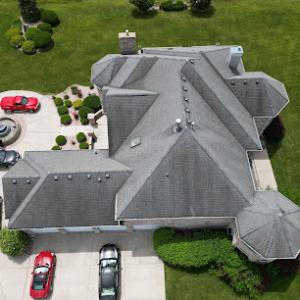
Roof Maxx of Orland Park, IL
Mokena, IL
5.0 from 46 reviews
Roof Maxx® is a scientifically formulated and 100% safe, plant-based roof rejuvenating spray treatment that was developed by renowned scientists from the world’s largest private research and development company.
AmeriPro Roofing
(708) 716-0424 www.ameriproroofing.com
19612 LaGrange Rd, Mokena, Illinois
4.4 from 42 reviews
At AmeriPro Roofing we specialize in exterior home repair & storm restoration focusing on roof repair, roof replacement, siding and gutters in Mokena, IL. Since 2000, we have completed over 150,000 successful projects. We never complete a job until you’re fully satisfied. Our goal is to make your house look as good as the day it was built.
Waterproof Exteriors
18555 Parker Rd, Mokena, Illinois
5.0 from 9 reviews
Waterproof Exteriors, Inc. will do a free thorough inspection and evaluate the condition of your current roofing, windows, siding, and attic insulation. After the free inspection of your home, Waterproof Exteriors, Inc. will inform you of the condition of your home's inspection. If a new roof system, windows, siding, or additional attic insulation is recommended, Waterproof Exteriors, Inc. will take the time to thoroughly outline the different products available so you can make an informed decision on which product would best suit your families needs
Viking Roofing & Construction
8004 189th St, Mokena, Illinois
3.7 from 12 reviews
Viking Roofing takes pride in helping its customers restore and construct precisely what they have in mind. Whether its about building your dream home from scratch, or simply repairing a damaged rooftop, you can count on Viking Roofing to get it done right. Established in 1970, our mission has remained the same at Viking Roofing and Construction Corporation: To be the "go to" provider of superior construction services by collaborating with our customers and partners: equating in the added value for our customers through Transparency, Innovation, Foresight, Integrity, and World Class Results. And we mean every word of it!
Midwest Country Construction
(708) 899-1999 midwestcountryconstruction.com
12860 W 184th Pl, Mokena, Illinois
3.7 from 6 reviews
Midwest Country Construction Chicago roofing contractor serving Chicagoland, Illinois, Wisconsin, Indiana for 25+ years. Licensed roofing company specializing in roof repair, roof replacement, roof installation, gutter repair, gutter installation, siding repair, siding replacement, and skylight installation Storm damage restoration experts and insurance claim specialists. Providing residential and commercial roofing services. Quality roofing materials, competitive pricing, free roofing estimates and inspections. Trusted local roofers near you serving 472+ locations including Chicago, Aurora, Naperville, Rockford, Joliet, Peoria, Elgin, Waukegan. Professional roof contractors with comprehensive warranties on all work. stanleykostik@gmail.com
Roofing Staff & Remodeling
(708) 897-9909 roofingstaff.com
Serving
5.0 from 220 reviews
Roofing installation, Gutter installation, Siding installation.
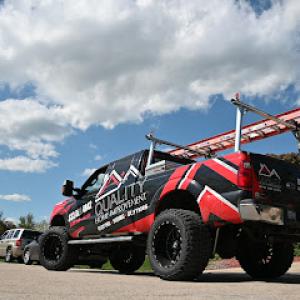
A+ Quality Home Improvement
(833) 469-4842 www.gowithaplus.com
Serving
5.0 from 88 reviews
A+ Quality Home Improvement is a Chicagoland exteriors specialist contractor, family-owned and operated by two cousins, Lukas and Rafal. With a combination of over 20 years of experience, Rafal and Lukas started the company together. Lukas has been in the industry since 2010 when he was an adjuster for the insurance companies helping homeowners after the storm damage. Rafal was a contractor recruiter for a project management company since 2008 before starting the company. Today A+ Quality Home Improvement is well known for its A+ Quality rankings with the BBB and with Home Advisers where hundreds of happy customers who own single-family homes or association multifamily units have been serviced.
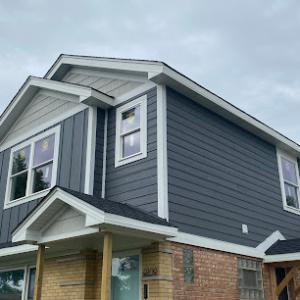
Five Starz Construction
(773) 392-2027 fivestarzconstruction.com
Serving
5.0 from 12 reviews
At Five Starz Construction, our goal is to transform your home into a stunning masterpiece that will leave a lasting impression. Led by Julian and his team of experts, we are dedicated to delivering quality results that are built to last. We understand that every detail counts, which is why we make sure to get the job done right. As a family business, we take pride in guiding you through the entire process to ensure your complete satisfaction. Our personal and professional approach always goes above and beyond expectations. Contact us today to learn more about our services!
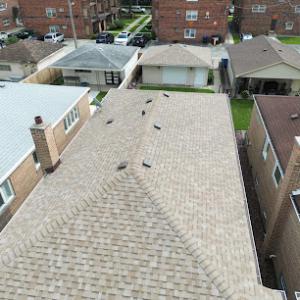
TopHat Roofers
(708) 864-4096 www.tophatroofers.com
Serving
5.0 from 42 reviews
TOPHAT ROOFERS is a professional and well established company with experience in all of your roofing, siding and gutter needs, whether it's repairs or replacement. We work with all insurance companies for hail, storm, and wind damage your property may sustain. Call today for your obligation free Inspections.
Chicago-area winter freeze-thaw cycling wears on flashing details and penetrations, and that effect shows up here in the same way. Heavier systems like clay or concrete tile expand and contract more with hot summers followed by cold winters, while common suburban asphalt shingles ride a steadier cycle. In this market, the quality of installation matters as much as the material choice because weak flashing or mis-sealed penetrations will reveal themselves quickly once a cold snap hits and the ice begins to form along edges and vents.
Asphalt shingles remain a practical baseline for most homes, offering good value and decent performance when installed with proper attic ventilation and a solid underlayment. Metal roofing handles expansion and contraction well and tends to shed hail more predictably, but requires precise sealing at fasteners and ridges to resist wind-driven ice. Clay and concrete tiles bring a long lifespan and a strong hail resistance profile, yet their weight demands a robust framing and careful flashing around penetrations to cope with freezing cycles. Wood shingles or shakes provide a distinctive look but can be more vulnerable to moisture intrusion if not properly installed and vented. Synthetic or composite shingles offer flexibility and can bridge performance gaps between heavier tile systems and asphalt, with improved resistance to cracking in cold weather.
In this climate, prioritize roofing assemblies that keep water away from penetrations. Look for continuous underlayment, well-sealed flashings at valleys, chimneys, and skylights, and metal flashing that is corrosion-resistant and properly integrated with edging. For heavier tile systems, insist on a reinforced roof deck and a thoughtful spacing plan to accommodate expansion and contraction without stressing fasteners. Ventilation and insulation play a critical role: a well-insulated attic reduces the freeze-thaw punch on edges and decreases ice dam risk by keeping roof temperatures more uniform. For asphalt and synthetic options, ensure the roof base is solid and pocked-free, with a careful shingle nailing pattern to secure edges against wind-driven icing.
Regardless of material, plan for regular inspections after severe winter storms. Focus checks on flashing seams, roof-to-wall transitions, and around penetrations where ice tends to back up. If a hail event occurs, have an experienced roofer assess denting and fastener integrity before the next freeze cycle begins. Early detection of weak seams or damaged edge detailing will keep your roof performing through the next cycle rather than turning a small issue into a larger fault.
After a hail season, the days when you can start squarely assessing a roof replacement are tightly tied to when crews can actually get to you. In this area, storm-driven demand surges after hail events can tighten scheduling and labor availability, which can push pricing and lead times higher than in calmer periods. When you're planning, expect a noticeable bump in both material choices and the crew's availability if a major hail event rattled nearby neighborhoods.
The most visible factor in cost is the material you choose. Asphalt shingles remain the baseline option, with local cost ranges typically running about $350 to $550 per square for asphalt shingles. If you're weighing upgrades, metal roofing can jump to the midrange, about $700 to $1200 per square, while clay tiles bring a premium feel and higher price, roughly $1200 to $2100 per square. Concrete tiles sit between asphalt and clay, generally $1100 to $1900 per square. For traditional looks with extra texture, wood shingles or shakes run roughly $500 to $900 per square, and synthetic or composite shingles offer a balance at about $480 to $860 per square. These figures reflect how Mokena's climate and storm history push material performance into real-world choices that resist hail impact and freeze-thaw cycles.
When you're comparing bids after a storm, size matters a lot beyond the material price. A full tear-off with higher-end materials naturally increases the job's total cost beyond the raw material price per square. You'll see this in crews' time, disposal, and potential reinforcement needs for the roof deck after hail damage. In practice, plan for bids that reflect a larger project scope if the old roof has widespread hail damage, multiple layers, or signs of deck deterioration. If a contractor recommends extra underlayment, upgraded fasteners, or enhanced attic ventilation to handle winter condensation from a new roof, those items will also affect the bottom line.
Timing is the practical lever you can pull in response to hail fallout. If a storm left you with dented soft metals, granule loss, or punctures, the window for choosing a roof system with long-term performance widens as you gather documentation for insurance and compare bids. In the weeks following a hail event, expect scheduling to tighten as crews migrate between similarly affected properties. If you are flexible about start dates, you can sometimes lock in favorable pricing before demand spikes again with the next round of repairs.
Finally, keep your documentation organized. Insurance documentation matters in this climate, and having a clear file that records the hail damage, contractor assessments, and proposed material choices helps prevent back-and-forth delays. If you're weighing material upgrades, you'll want to balance the improved performance against the corresponding cost and the anticipated lifespan under Mokena's freeze-thaw cycles to choose the best long-term value.
Get a clear picture of your project costs upfront - no commitment required.
In this area, a full re-roof file typically passes through local channels rather than a state-wide or general contractor network. Permits are issued by the Village of Mokena building department, operating under Will County oversight. That means the permit review, inspections, and any required documentation are handled through the local municipal office, with timelines that reflect the village's standards for storm-related work and property modifications. When planning a tear-off and replacement, expect the village to verify that the project aligns with current code and local amendments that address hail resilience and climate-related wear.
Local inspections are a routine part of the process. An inspection commonly occurs during the tear-off phase to confirm that the deck, sheathing, and framing are sound before new materials go on. A second check is performed after installation to verify proper integration with the existing structure, including ventilation, underlayment, flashing details, and the tie-in at gutters. In a region accustomed to freeze-thaw cycles, the inspector will scrutinize ventilation to ensure attic air manages moisture effectively, and underlayment quality to protect against rapid temperature swings. Flashing around dormers, chimneys, and along the eaves should be seamless to prevent ice dam formation and water intrusion. The tie-in where the new roof meets existing gutter lines is another common point of emphasis, since proper drainage helps avoid ice-related damage during winter.
Because permit review is handled locally, the contractor must pull the roofing permit before work starts, by default. Confirm that the contract states the contractor is responsible for obtaining, posting, and coordinating inspection appointments with the Village of Mokena building department. Do not let a project begin without a clearly defined permit plan and a schedule aligned to local inspection windows. It is prudent to keep the permit number and inspection results handy for any insurance documentation or potential future work, as the village keeps a record suitable for reference during storm damage claims or re-inspections after a warming trend.
Before signing an agreement, verify the contractor's license status with the village and Will County records, and ask for a copy of the permit application. Request a written checklist of anticipated inspections-tear-off and post-install-so expectations are clear. On the project day, ensure access for the building inspector to eaves, roof lines, and attic ventilation points. After completion, store the final inspection sign-off with your records; this helps with any future hail-related documentation or insurance reviews.
In the local climate, repeated freeze-thaw exposure can gradually loosen or fatigue flashing details, especially where water repeatedly refreezes around roof transitions. Shingles and underlayment may still feel solid to the naked eye, but micro-movement from alternating freezes and thaws can compromise metal and sealant joints at valleys, valleys-to-ridge intersections, and along chimneys. Over a season or two, that subtle wear translates into slow leaks, shimmering along edges after heavy rain, and unexpected damp spots in attic spaces. A cautious homeowner watches for granular loss at the drip edge, peeled flashing corners, or nail heads showing through signaling corrosion or lifting. The takeaway is to treat persistent condensation, small bead leaks, or staining as warning signs rather than isolated incidents, since the cumulative stress pattern is a common precursor to more noticeable failures.
Autumn wind events in the southwest Chicago suburbs can scatter debris across roofs and create edge damage or expose older shingle systems before winter sets in. The approach of cold fronts often carries gusts that pry loose loose shake tabs, dislodge small granules, or shift the perimeter seal where shingles meet eaves and rakes. Debris like branches or roof vents can abrade edges, creating micro-scratches that accelerate weathering. Even if the main roof looks intact, those edge damages can act as initiation points for water intrusion once winter storms arrive. Inspect windows, soffits, and fascia for lifted or missing fasteners, and inspect the roof line where debris tends to accumulate in sheltered corners after storms.
Inspection emphasis on ventilation and flashing in local permit sign-offs reflects the fact that these are recurring weak points in this weather pattern. Poor attic ventilation compounds freeze-thaw stress by trapping heat and moisture, which can soften underlayment and encourage condensation-driven deterioration. Flashing around vents, skylights, and transitions can deteriorate faster than the surrounding shingles under repeated thermal cycles. A practical focus is to look for condensation staining in the attic, rusted or loose flashings, and loose fasteners around roof penetrations. If signs of aging or shifting appear, addressing ventilation balance and recaulking or resealing flashing becomes a priority before winter's rigors resume.
When evaluating a post-winter or post-storm roof, prioritize a careful visual sweep from the ground and a closer inspection from the attic access point if present. Note any sagging along ridges, exposed fasteners, or irregular granule loss, and pay particular attention to transitions where water tends to pool or refreeze. Edge damage and flashing wear often precede larger leaks, so treat them as actionable red flags. Regular, targeted maintenance that addresses these recurring weak points can prevent small issues from evolving into costly repairs during the harsh months ahead.
You'll notice a steady demand for skylight work from local contractors, especially where skylights sit on older roofs. In these homes, leaks tend to show up first along the flashing, the curb, and where the glazing meets the deck. For a reliable repair, check the sealant around the skylight frame and test the curb flashing during a warm, dry spell, then run a controlled water test after a rain. When replacing or installing a new skylight, choose a design with a proven weather seal and consider upgrading to a flashing kit that includes proper boot-back and drainage paths to handle the Midwest freeze-thaw cycles.
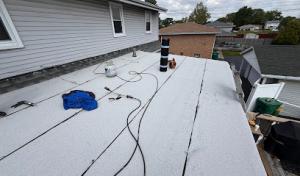
Flat and low-slope sections appear often enough in the local contractor mix to merit separate attention. Drainage must be continuous to prevent ponding, and membrane tie-ins should integrate cleanly with adjacent pitched areas. If a low-slope plane overlaps older decking, inspect for soft spots and ensure the underlayment overlaps gutters and drip edges properly. Pay close attention to transitions where the low-slope area meets a vertical wall or chimney chase to keep capillary rise from wicking moisture into the attic space.
Chimney-related work is present in older or more complex homes, where flashing transitions are vulnerable during freeze-thaw seasons. Inspect chimney flashing where masonry meets roofing, looking for hairline cracks, loose metal, or lifted tabs. In the cold months, ice can pry flashing up or push mortar joints apart. A durable step is to reseal with compatible flashing materials and ensure the counter-flashing sits securely over the base flashing. When a chimney is re-flashed, confirm that the seal around the flue collar is continuous and that any mortar gaps are filled to prevent ice dams from forming at the transition.
Find contractors experienced in skylight installation, flashing, and leak repairs to bring natural light into your home.

Americanstruction
(815) 859-9055 www.americanstruction.com
19222 LaGrange Rd, Mokena, Illinois
5.0 from 72 reviews
In Illinois hail-prone markets like Mokena, insurers often scrutinize whether damage is storm-related versus age-related, making prompt inspection records especially important. After a storm, the question isn't only what happened, but when it happened and how quickly a professional evaluated the roof. A written narrative from a qualified inspector that ties damage to a specific hail event can help prevent debates about cause and causation during claim processing.
Some carriers tighten underwriting or require inspection and approval of newly installed roofs before finalizing claim outcomes, which can affect replacement timing for homeowners. Gather date-stamped photos from the day of the storm, later time-stamped progress shots, and any notes from roofers or adjusters. Keep all written scope documents, including contractor estimates and insurer correspondence, organized in a single file. This evidence pool can shorten disputes and clarify whether the claim aligns with storm damage or age-related wear.
Because adjuster findings and contractor estimates strongly influence claim outcomes here, homeowners should keep date-stamped photos, inspection notes, and all written scope documents after storms. If a storm hits, coordinate a quick, thorough inspection by a reputable local roofer, and request a detailed, itemized report that links visible damage to the event. That clarity reduces back-and-forth and supports a smoother approval path.
When an estimate aligns with the inspection, review the scope for storm-related components first and confirm replacement timelines that fit a freeze-thaw cycle typical of the area. Keep communication concise and record every milestone, so the documentation trail remains solid through the approval process.