
Last updated: Apr 19, 2026
Hurricane season is a hard reality here, with the Mississippi River's west bank location pulling in intense winds and heavy rain. A damaged roof can go from bad to catastrophic in hours, so the first move after any significant impact is tarping to stop the bleed. If shingle edges are lifted, flashing pulled loose, or you notice daylight, cover the affected area with a sturdy tarp and secure it with roofing nails or sandbags. Every moment counts during June through November, because rapid dry-in and emergency repair bottlenecks can rack up storm-related delays. Keep a clear path for responders and avoid climbing onto a damaged roof yourself if you're not trained-the risk of further injury or collapse rises quickly in this market.
Water intrusion is the foe you must confront fast. Inside, place clean containers under drips, and shield ceilings by opening interior doors to vent hot air toward the exterior-this buys minutes before professionals arrive. If you can safely identify the source from a ground vantage, mark it with bright tape for the crew. Photograph all visible damage from multiple angles, especially after a heavy rain, and keep a dated log of any new leaks. When a contractor arrives, have them distinguish between temporary tarping and a true weather-tight dry-in. Ask for a written plan with a guaranteed response window so you know when to expect crews and materials.
In this market, insurance claims are common, and timing matters. Start a simple file: incident date, storm impact, contractor notes, and all correspondence with the insurer. Photograph the roof from ground level and from the attic if accessible, focusing on damaged flashing, ridge caps, and any penetrations. Request a scope-of-work that distinguishes temporary repairs from permanent fixes, and ensure the insurer approves tarping costs and expedited dry-in if your policy supports it. Maintain a calendar of communication attempts and promised follow-ups, and push for a dedicated adjuster visit within a few days after the storm-faster evaluation is often the difference between a smooth claim and a drawn-out process.
The local contractor signal mix is heavily storm-oriented, and that bias matters when you need rapid response. Seek a contractor with documented storm-repair experience, clear emergency response timelines, and a dedicated project manager who can coordinate tarping, dry-in, and subsequent permanent repair. Verify references from nearby flood-prone homes, and ask for a written contingency plan that covers adverse weather delays and prioritization for urgent leaks. In a hurricane-prone market, you want a partner who speaks plainly about what can be done now, what must wait for better conditions, and how they will keep the timeline aligned with insurer expectations and your family's needs.
Provided local pricing ranges run per square from 350 to 700 for asphalt shingles, 700 to 1100 for metal, 900 to 1500 for clay tile, 900 to 1500 for concrete tile, 600 to 1100 for wood shingles or shakes, and 450 to 800 for synthetic or composite shingles. Those numbers are common starting points when you're weighing options after a storm passes through the Gulf Coast area. In practice, the lowest end usually aligns with basic shingles installed under calmer conditions, while the higher end reflects tougher wind loads, moisture resistance, and longer-term insurer expectations. When you're talking to a contractor in the days immediately after a damage event, expect those ranges to shift upward as crews juggle multiple calls and shorter weather windows.
In Westwego, storm-season demand spikes can push scheduling and labor pressure higher because re-roofing is a dominant local service and quick-response contractors are common after weather events. If a contractor can start today, they often will-sometimes at a premium that reflects the urgency and the limited crews available. That reality matters if you're balancing an insurance deadline, emergency leak control, and a full replacement. Start with a clear plan: identify a preferred roofing system (shingle, metal, or tile), request a written timeline, and pin down a realistic window for kickoff. If you can, line up two good options to compare both price and responsiveness; in a busy season, a slightly longer lead time may yield a better overall value.
Costs can also shift with material choice tied to Gulf Coast wind exposure and moisture load, especially when homeowners move from basic shingles to metal, tile, or synthetic systems for durability or insurer preference. Asphalt remains the most economical per square, but metal or tile can reduce future re-roofing frequency after heavy storms if wind resistance and moisture tolerance are a priority. Synthetic or composite shingles sit between asphalt and higher-end options in price, while still offering enhanced impact resistance in many cases. If your insurer is leaning toward a specific system due to wind load ratings, that may influence up-front costs but could save on claims-related downtime and future premium considerations.
Emergency leak control buys you time, so coordinate temporary fixes (tarps, low-pressure patching) while you secure a permanent replacement plan. Have handy your storm damage photos, a dated sequence of leaks, and a copy of the damage report for your insurer. Contractors with experience in this corridor understand the need for rapid corrosion checks, moisture testing, and a clear move from assessment to installation. Expect the final bill to reflect both material choice and the accelerated scheduling pressure typical after a big Gulf storm, with a clear line item showing labor surges tied to weather windows.
Hydro Pride
(504) 931-6355 hydropridecontractors.com
136 Westbank Expy Suite B, Westwego, Louisiana
5.0 from 27 reviews
Experienced construction services specializing in framing, painting, drywall, siding, roofing, and gutters. Honest pricing and free estimates. .
Geaux Gator Roofing
Serving
5.0 from 21 reviews
The mission of Geaux Gator Roofing is to provide exceptional roofing services to the residents of Louisiana with a focus on quality, customer satisfaction, and integrity. Our goal is to exceed customer expectations by delivering expert craftsmanship, superior materials, and reliable roofing solutions tailored to meet the unique needs of each client. Through our dedication to professionalism, transparency, and superior service, we aim to establish Geaux Gator Roofing as the premier roofing company in Louisiana, known for our commitment to excellence and the highest standards in the industry.
Priority Roofing
(504) 810-5346 www.priorityroofers.com
Serving
4.8 from 73 reviews
Fortified Roofing Certified! For more than 10 years, Priority Roofing has provided exceptional roofing services for the Gulf South, serving southern Louisiana and Mississippi. Your roofing needs are our priority. Since 2012 Priority Roofing has provided excellent roofing solutions to homeowners and businesses across the Gulf South. Priority Roofing is a licensed residential and commercial construction company specializing in the roofing industry. We’re proud to be locally owned and operated by founder Sean Killeen. Our team has over 50 years combined experience in the construction industry, and over 500 construction projects, have given them the expertise needed to complete high quality jobs on time.

Lapeyre Roofing
(504) 290-2911 lapeyreroofing.com
Serving
5.0 from 190 reviews
Lapeyre Roofing serves greater New Orleans with hurricane‑ready roofing solutions. As a GAF Master Elite and Fortified certified contractor, we specialize in standing‑seam metal, slate, tile, shingle and commercial flat roofs. Our team guides homeowners through the roof selection process, works intimately through the Fortified Roof process, and is a certified Louisiana LDI grant contractor. We maintain a net‑zero safety record, provide detailed photo documentation and back every shingle roof with the GAF Golden Pledge Warranty.
Westbank Roofing | Trusted Roofing Company in Harvey & New Orleans
(504) 340-4977 www.westbankroofing.com
Serving
4.7 from 150 reviews
Westbank Roofing is a trusted roofing company serving Harvey, New Orleans, and the entire Westbank area with expert roof repair, roof replacement, and roof maintenance services. Our skilled roofers specialize in flat roof repair and replacement, pitched roof conversions, fiberglass shingle roof replacement, and gutters and siding. As a certified GAF and fortified roofing contractor, we deliver durable, storm-ready roofing systems built to last. Whether it’s residential or commercial roofing in New Orleans, our experienced & licensed roofing team is here to help. Call today for a free estimate and see why we’re the Westbank’s top roofing company in New Orleans, Harvey and Westbank area.
Eagle Brothers
Serving
4.9 from 13 reviews
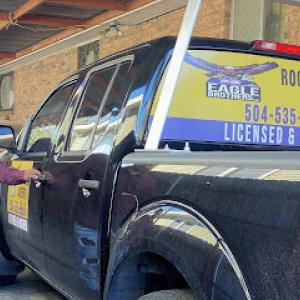
Eagel Brothers is a company that works on Roofing, Painting and Carpentry as well as additional services like Ceramic tile installation and siding repair and installations. Our work hours are from 7:30am to 8:00pm. These hours are for messages and calls only. Sundays are closed.
Raycon Contractors
(504) 442-1958 rayconcontractors.com
Serving
5.0 from 60 reviews
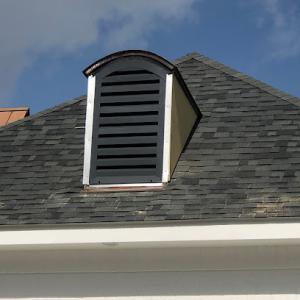
Raycon Contractors is a commercial and residential roofing contractor servicing the greater New Orleans and surrounding areas. We are dedicated to offering fair market pricing for our service in a way that is 100% lawful. Unfortunately, roofing contractors have a reputation for not having the licensing, insurance, and qualifications that they should before engaging in business transactions, leaving customers in situations that they should never be in. We believe that by holding ourselves the highest standard of honesty and workmanship, along with partnerships with industry leading brands to supply unrivaled material and labor warranties, Raycon Contractors will bring value that is worth considering for your roofing projects. Thank you.
Big Easy Roof Team
(504) 285-5388 www.bigeasyroofteam.com
Serving
5.0 from 24 reviews
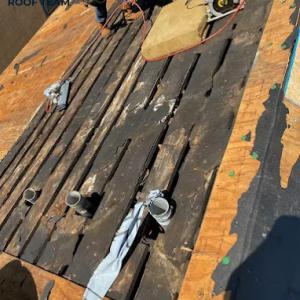
Big Easy Roof Team is a trusted, locally owned roofing contractor in New Orleans, LA providing professional residential and commercial roofing services. We specialize in roof repair, roof replacement, storm damage repair, and emergency roofing solutions for homes and businesses. Our licensed and insured roofing contractors offer thorough roof inspections and quality workmanship on every project. From fixing roof leaks to installing shingle, metal, and flat roofing systems, we focus on long-lasting results and clear communication. Proudly serving New Orleans and surrounding areas, Big Easy Roof Team delivers reliable roofing services with fast response times. Contact us today for a free roof inspection and estimate.
Shifflett Roofing
(504) 329-5665 www.shifflettroofing.com
Serving
4.9 from 239 reviews
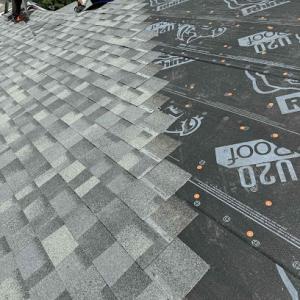
Family owned New Orleans roofing company with the best roof warranty and customer experience. Whether you need a roof repair or new roof, we will provide you a through inspection with no cost or commitment.
Garcia Roofing
(504) 229-7660 garciadidmyroof.com
Serving
4.6 from 193 reviews
"Since 1992, the Garcia business group has been one of the largest roofing contractors in the state of Louisiana, servicing thousands of customers a year with over 70 employees. We hold ourselves to a higher standard and focus on the customer experience from the first call to the final cleanup. Providing the people of New Orleans with quality roofing services has been our focus for decades. We've never stopped improving, and we never will. From roof repairs to roof replacements and more, you can trust Garcia to get the job done right."
Juneau Odenwald Roofing
Serving
4.7 from 63 reviews
Juneau Odenwald Roofing is a commercial roofing contractor serving metro New Orleans. We specialize in commercial & industrial roofing installations, repairs & replacements including all of today's leading roofing solutions such as roof coatings, flat roofing, rubber roofing & more. We also provide custom sheet metal fabrication for many of our roofing projects.
Mackie One Construction
Serving
4.7 from 26 reviews
Established as a premier roofing company specializing in various types of roofing systems. Our sheet metal shop both fabricates & installs all types of metal systems. The Mackie family has been providing commercial & residential services to greater New Orleans since (Hurricane Betsy) 1965 & is now directed by the 2nd & 3rd generations of Mackie professionals. The workmanship of our family can be found in roofing systems throughout the New Orleans metropolitan area for government & private-sector clients, including: showcase homes, public schools, universities, shopping centers, office bldgs. & Industrial parks. Our experience includes managing multiple projects, crews & budgets. Backed by on-budget & high-quality project completions.
A full re-roof typically requires a permit through the Jefferson Parish and local jurisdiction process rather than being treated as purely informal maintenance. This means your project will be reviewed for code compliance, safety, and proper attachment methods before any tarps come off or shingles go on. The parish recognizes the hurricane exposure and the need for solid wind-resistant details, so the review is more thorough than a simple cosmetic fix. Expect the permit path to involve the parish building department and, depending on the street or neighborhood, a local zoning or code enforcement check as well. Skipping this step can lead to fines, stop-work orders, or complications with future insurance claims.
Before submitting, gather proof of contractor licensing and contact information. The parish review commonly requires plans that show roof geometry, ventilation considerations, and fastener patterns appropriate for high-wind regions. If the project involves any structural changes or deck attachments, include engineering notes or stamped drawings as required. Concrete or clay tile projects should show tile underlayment details and wind uplift considerations, while asphalt or synthetic shingles call for a clear attachment method that meets current wind-resistance standards. A clear scope of work, project timeline, and proof of property ownership or authorization to pull permits may also be requested. Having a complete package speeds the review and helps avoid back-and-forth delays at the permit counter.
Wind-resistance is a central concern for this area's climate, so wind-mitigation details often rise to the top of the permit review. Plans should demonstrate proper nailing patterns, roof-to-wall connections, and any required hurricane clips or straps. If the existing roof deck shows signs of moisture or prior deterioration, include notes on remediation or decking replacement. The building department may ask for documentation that roofing products meet applicable wind-rating standards and that attic spaces are properly vented to reduce moisture buildup. Ensure your contractor is prepared to discuss product approvals and installation methods that align with parish expectations for storm resilience.
Inspections are typically conducted at rough-in and final. Rough-in inspection focuses on the structural attachment, underlayment, and ventilation components installed before shingles or tiles go on. Final inspection confirms that the finished roof complies with plans, that flashing details are correct, and that any required wind-resistance features are properly executed. Expect the project timeline to include parish review and sign-off as a planned milestone, not just contractor completion. Coordinate with the contractor to schedule these inspections promptly; delays in inspection can stall the entire project and complicate insurance documentation after a storm event. If weather or supply delays push back start or progress, keep the permit office informed to preserve your approval status.
You operate in a Louisiana wind, hail, and hurricane insurance environment where carriers have tightened their footprints in some coastal markets. In this setting, insurance response can feel pressure-filled and slow, especially after a heavy storm season. The reality is that fewer options can translate into tighter underwriting and longer back-and-forth on repairs. If a claim comes in, the timing and the way the claim is handled will often hinge on how solid the documentation is and how clearly the damage aligns with the policy language. That means you can't rely on memory alone; you need precise, organized records to stand up to the scrutiny of adjusters and any public adjusters who may become involved.
Insurers in this region may ask for recent roof photos, detailed estimates, and documentation of wind-mitigation features before underwriting or claim approval. This is not just a box-ticking exercise; it's a gatekeeper step that influences whether work gets approved and what scope is considered. If your roof has visible wind-mitigation features such as reinforced roof decking, secondary water barriers, or upgraded fastening methods, have clear, dated evidence ready. Before contacting the carrier, assemble a concise record: a current photo set showing the intact areas and the areas damaged, an itemized scope of work from a trusted contractor, and any receipts or certifications that show the roof's age and features. The goal is to present a coherent, independent case that makes the damage unmistakable and the necessary repairs justified.
Because adjusters and public adjusters often coordinate with roofers in Louisiana storm claims, you need organized before-and-after photo records and scope documentation early in the process. Keep a dated photo log from the first day you notice damage through every repair milestone. Take wide shots to capture the roof's overall condition and close-ups of damaged shingles, flashing, and penetrations. When a contractor visits, request a written scope that aligns with the photos and the insurer's expectations. If there's any discrepancy between what the adjuster proposes and what your roofer documents, address it promptly so the claim doesn't stall on technicalities. This proactive approach helps protect your home from lingering leaks and ensures the repair plan withstands the scrutiny that comes with a tightened market. Remember: the sooner you establish a clear, evidence-backed narrative, the more resilient your claim will be under the weight of the local insurance landscape.
Connect with contractors who help homeowners navigate the claims process from damage assessment to final approval.
Hydro Pride
(504) 931-6355 hydropridecontractors.com
136 Westbank Expy Suite B, Westwego, Louisiana
5.0 from 27 reviews
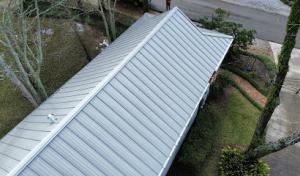
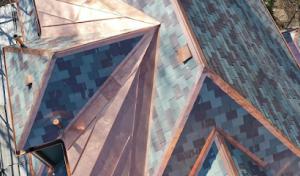
The dominant materials actually used in Westwego include asphalt shingles, metal roofing, clay tile, concrete tile, wood shingles or shakes, and synthetic or composite shingles. Each has its own strengths when facing hurricane-season gusts, heavy rain, and high humidity. Asphalt remains a practical, fast-install option that handles wind well when properly installed with appropriate flashing. Metal roofs bring unmatched wind resistance and quick drainage, which helps during heavy downpours. Clay and concrete tiles shed water gracefully but require a solid deck and precise installation to resist uplift. Wood shingles or shakes offer a traditional look, yet they demand careful maintenance in humid air to prevent moisture damage. Synthetic or composite shingles blend many of these benefits and can be a strong middle ground for durability and ease of care.
Westwego's hot, humid subtropical climate with frequent rain accelerates roof wear and makes moisture management more important than in drier inland markets. In practice, that means prioritizing materials and designs that shed water quickly and resist moisture intrusion. Look for roof systems with robust underlayment, well-sealed eave detailing, and drip edges that steer water away from fascia. Ventilation becomes crucial; a well-ventilated attic reduces heat buildup, which in turn prolongs shingle life and minimizes warping or moisture-related issues in lower layers. For clay and concrete tiles, ensure the underlayment and ridge vents are matched to the tile profile to prevent wind-driven water from sneaking under edges during storms.
Spring and fall are often favored for replacement timing in this area because extreme summer heat and active storm periods can complicate installation pace and material handling. When planning, consider projects that avoid the peak of hurricane season and the heart of summer heat to protect workers and material integrity. Proper sequencing is key: a clean, dry deck, properly installed underlayment, and airtight flashing detail around chimneys, vents, and skylines help thwart leaks when the next storm rolls through. During installation, short, targeted work windows help keep materials from baking in heat or suffering exposure to heavy downpours, ensuring a durable finish when the first fronts arrive.
Flat-roof work in this market covers a mix of low-slope residential additions and small commercial upgrades, with many homes featuring built-up or single-pply assemblies. The humidity and heavy rainfall of the New Orleans-area climate mean that drainage design, vapor control, and edge detailing are not afterthoughts. When choosing a roof system, prioritize products with proven UV stability and strong field seams, plus a dependable warranty that covers ponding and edge leaks.
In this climate, drainage performance matters more than ever. Ensure gutters and scuppers are clean and sized to move water quickly during heavy storms. Confirm that the roof deck and insulation are rated for prolonged surface wetting, with a breathable, moisture-tolerant underlayment where appropriate. Check for low spots and plan for positive drainage to peen out standing water within 48 hours after a major rain. Regularly inspect around penetrations: flanges, vents, and flashes must be sealed with durable, heat-resistant mastics and compatible sealants.
Roof coating services appear in this market, reflecting both restoration and protective strategies. A reflective or elastomeric coating can help reduce heat buildup and prolong membrane life, especially on worn low-slope surfaces. Before coating, address any structural issues, repair penetrations, and ensure the existing surface is clean and sound. Choose coatings with good solar reflectance, moisture resistance, and compatibility with the base system. Expect maintenance cycles that involve cleaning, patching, and re-coating to maintain performance.
Storm season demands rapid response. Keep a basic leak-control kit on hand and a short list of trusted roofing contractors who can provide temporary tarping or quick-fill solutions. After a major rain, perform a cautious interior check for damp spots or staining, then inspect the roof edge and flashings from the ground or a safe ladder position. Document damage with dated photos and notes for quick reference if an insurance claim or repair authorization is needed.
Find specialists in TPO, EPDM, and built-up flat roofing systems for residential and commercial properties.
Westbank Roofing | Trusted Roofing Company in Harvey & New Orleans
(504) 340-4977 www.westbankroofing.com
Serving
4.7 from 150 reviews
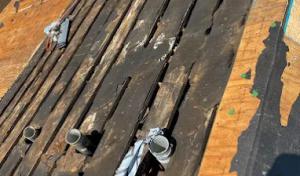
Spring brings heavy rainfall and quick-moving thunderstorms that can push back tear-off and dry-in scheduling. In Westwego, you'll notice crews often pause between showers to protect exposed decking, underlayment, and any new roof components. Plan for occasional short holds in mid-spring and have a short window of daylight flexibility to accommodate sudden downpours. Clear communication with the crew about rain delays helps keep the project on track without leaving vulnerable decking exposed longer than necessary.
Extreme summer heat in this corner of Jefferson Parish can slow installation pace and change how materials are handled during the sunniest hours. Crews tend to start earlier to beat the peak heat and may pause for the hottest part of the day. If your project runs across several hot days, expect tempo to dip as crews rotate tasks or shade-sensitive activities. Your best bet is to keep hydration and shade ready and align daily goals with the cooler morning shift when possible.
High humidity and frequent rain shorten the margin for exposed decking or underlayment, making timing more sensitive than in drier areas. Dry-in steps should occur as soon as feasible following inspection and weather windows, so the roof structure isn't left exposed during humid, rain-prone periods. Have tarps or temporary coverings on standby for quick deployment if a sudden shower rolls in, and confirm with the crew how long decking or underlayment can safely remain uncovered.
Coordinate with the crew to map two or three contingency rain days into the schedule, especially in late spring. Favor dry, cooler mornings for critical phases like dry-in to minimize moisture exposure. Keep communication lines open so you can adjust pacing quickly when humidity climbs or a storm interrupts the forecast. This neighborhood-facing approach helps you protect the roof assembly while navigating Westwego's unique climate rhythms.
Skylight repair appears as an active specialty in the Westwego contractor market, signaling recurring homeowner demand for leak troubleshooting around roof penetrations. The combination of frequent heavy rains and humid Gulf air means that even small seal flaws can quickly become persistent drips. When a contractor talks about skylights in this area, expect quick assessments that focus on the flashing, sealant compatibility, and frame condition, not just the glass itself. This emphasis is practical: a properly repaired skylight first-time reduces repeated calls and minimizes interior damage.
In the heavy-rain environment, penetrations such as skylights are more likely to become urgent service calls when flashing or seal details fail. The rhythm of Westwego's seasons-storm fronts, high humidity, and occasional hail-means a leak found today can widen tomorrow if left unchecked. Leaks around skylights often travel along rafter tails or into attic ventilation pathways, so signs may appear far from the visible drip. A quick, temporary dry-in can buy time, but without addressing the flashing interface and slope drainage, the problem tends to return with the next heavy rain.
Because emergency repair is common locally, leak-prone roof details are often addressed first with temporary dry-in before full replacement or permanent flashing correction. That approach is practical: it limits interior damage while a longer-term plan is formed. Homeowners should expect contractors to outline whether the dry-in is sufficient for a storm event or if a more decisive fix is needed. If a skylight is older or shows cracking around the frame, plan for a larger scope of work rather than a quick patch that may fail again in the next surge of rain.
Spot-maintain around skylights after heavy rain or strong winds. Look for staining on ceiling patches, damp attic insulation, or damp air pockets near penetrations. When inspecting, verify that the curb, flashing, and drip edge alignments remain correct and that seasonal heat expansion hasn't loosened sealants. Regular, targeted maintenance reduces the chance that a routine problem evolves into an emergency call.
Find contractors experienced in skylight installation, flashing, and leak repairs to bring natural light into your home.
Westbank Roofing | Trusted Roofing Company in Harvey & New Orleans
(504) 340-4977 www.westbankroofing.com
Serving
4.7 from 150 reviews
After a storm, the clock matters. In a low-lying area with hurricane exposure, you want a roofer who can stage an emergency leak control, cover exposed areas, and begin cleanup the same day. Look for responders who include tarping, debris containment, and a clear plan for mobilization. Ask for a written ETA and confirm when weather windows allow work to start. Also ask how waste is managed and how landscaping will be protected during the job.
Westwego's market features long-established family-owned firms, locally owned outfits, and licensed independents. Tenure matters here because a contractor with years of local service understands typical roof lines, drip edge failures, and tree debris patterns common to Jefferson Parish. Prefer teams that can show recent projects in nearby neighborhoods and a sense of accountability when problems arise after a storm. Local responsiveness often correlates with on-call crews who can address rapid leak control and immediate cleanup needs.
Warranty and workmanship reputation become differentiators when manufacturers' programs are not dominant. Look for contractors who stand behind the quality of installation and who maintain open channels for questions. In practice, this means responsive phone contact, on-site supervision, and prompt follow-up on any leak claims. Collect and compare several written proposals before deciding. Request a history of completed storm-repair projects and ask for references you can contact within the last year.
For hurricane-season readiness, ask how the crew handles site protection, edge metal, and fastener patterns. Westwego homes vary from brick to board-and-batten with overhangs that trap wind-driven debris. A good roofer will walk you through temporary repairs, debris removal, and a clean, livable yard after work, not just the finished roof. Step-by-step: start with three local references, verify license status, request a fully itemized scope, and request the contractor's contact during installation days. Schedule a mid-project check-in. Confirm cleanup is included and what happens if a leak reappears. Have them document safety records and provide lien waivers as work progresses. In a hurricane-prone area, you want a team that is as reliable as the weather forecast.