
Last updated: Apr 19, 2026
Weather moving off the Chesapeake Bay brings wind-driven rain to neighborhoods flanking the Severn and Magothy corridors. In Anne Arundel County, claim activity spikes after these spring storms, and roofs bear the brunt of gusts that rip shingles, lift flashing, and push water into attic spaces. A small exposed seam or lifted shingle can become a pathway for leaks that worsen quickly if left unreported. The urgency is real: addressing damage fast limits interior moisture, mold risk, and secondary rot that complicates later repairs.
Start with comprehensive photo records the moment conditions stabilize. Photograph from ground level and up with a clear, unobstructed view of all roof surfaces, vents, and flashings. Close-ups of lifted or torn shingles, granule loss, damaged vent boots, and any visible flashing gaps are essential. Capture attic pictures if you notice staining, condensation, or damp insulation. Include timestamps, weather notes, and a simple layout sketch showing where each issue is located on the roof. Keep a dated log of any symptoms you observe after each storm-drips, musty smells, or new damp spots in the ceiling.
Before scheduling work, separate routine wear from storm-created harm. Cosmetic shingle wear often shows as granule loss or edge curling in shade, common after harsh winters or long exposure. Storm damage frequently showcases sudden shingle blows, torn flashing, dented gutters, or puncture marks that align with high-wind events. If a leak appears after a specific storm, document the date and the event; this helps the adjuster connect the damage to wind-driven weather rather than aging joints. When in doubt, your most durable evidence is a sequence of photos tied to a storm date, plus notes of observed interior moisture after that event.
When the adjuster arrives, bring the photo log, attic photos, and any prior roof contracts or warranties. Point out the exact locations of lifted shingles, missing granules, and compromised flashing, and reference the storm date. If the interior shows water intrusion, map the path of any stains to the roof area above. Be prepared to discuss prior repairs and any previous leaks that might complicate the claim. If the adjuster insists on a temporary fix, document what is done and preserve original materials for comparison during the final assessment.
Limit further damage by safely clearing debris from the roof surface and ensuring exterior drainage directs water away from the home. Protect vulnerable interior spaces with tarps or plastic sheeting over affected ceiling or attic holes, but avoid walking on a roof that's visibly compromised unless you have proper fall protection. Schedule temporary repairs only if they are clearly necessary to prevent additional moisture intrusion and are documented for the claim file. After storms, err on the side of thorough documentation: the more precise your records, the more efficient the settlement process tends to be.
In this area, Chesapeake Bay humidity can linger around the roofline, especially where profiles curve with the Severn and Magothy corridors. That humidity, combined with heavy fall leaf buildup from mature tree cover, can trap moisture at roof edges and hide trouble spots during inspections. Shingle aging accelerates when moisture stays near the edges or gets caught under dried leaves that don't drain properly. A quick, house-by-house mental check helps: where do gutters clog first, where do leaves pile against vents, and where does dampness linger along rafter tails after a rain? These are the spots that often become headaches after storms.
The local climate makes ventilation checks essential. Moisture retention can push underlayment stress and invite slow leaks behind roofing materials. Start with a simple diagnostic: look for general attic moisture signs, such as musty odors after rain, condensation on sheathing during warm days, or visibly swollen underlayment at the eaves. In the attic, verify that soffit vents align with ridge vents and that insulation isn't blocking airflow near the eave gaps. If attic ventilation feels marginal, plan a targeted upgrade-baffles, additional intake or exhaust vents, or a modest boost in air exchange. Improved airflow reduces heat buildup on sunny days and helps the roof deck dry out after storms, which is especially valuable where humidity lingers.
Leaf load is a recurring seasonal challenge in Severna Park. Fall cleanup should extend to the roofline: clear the crest of the roof where leaves tend to accumulate, especially at valleys and around chimneys, vents, and rooftop edges. Pay attention to debris that can hold moisture against the shingles longer than intended. Consider installing or maintaining gutter guards and ensuring downspouts direct runoff away from fascia and foundations. After heavy leaf drop events, perform a quick edge inspection to verify that the leaf layer hasn't persisted and kept moisture against the edge of the roof edge, which can disguise early signs of damage.
Dry spring and fall periods are typically the best replacement windows in this area because they avoid both peak summer heat and winter access problems. When planning a replacement, use these shoulder seasons to your advantage: warmer days reduce shingle brittleness, while cooler nights help maintain adhesive properties and minimize heat-related workmanship stresses. If a storm-cleanup scenario arises, coordinate a follow-up inspection during a dry spell to confirm that moisture-related edge wear or underlayment tension hasn't progressed in the interim. The goal is to catch edge moisture and leaf-induced cover problems before they compromise the underlying roof deck.
Before the next inspection, run a targeted field check: clear a two-foot perimeter around eaves and vents, confirm attic ventilation is unobstructed, and verify that any visible edge dampness or dark staining aligns with recent weather patterns. If leaf buildup shows signs of moisture retention near edges, schedule a more thorough edge-by-edge examination and address any concealed leaks promptly. This approach keeps roofs resilient through the bay humidity and the fall leaf load that define this area.
Asphalt shingles remain the dominant practical choice in this area, thanks to a balanced mix of affordability, availability, and local service reach. In neighborhoods with a mix of ranch, colonial, and mid-century Cape styles, asphalt blends well with most house profiles and offers straightforward repairs after mid-Atlantic storms. The humidity from the Chesapeake Bay can temper with plywood and underlayment, so choosing a good underlayment and a compatible shingle profile matters. Hot summers in central Maryland can accelerate aging in asphalt systems, so selecting high-quality granules and a design with ample ventilation helps extend life. For many Severna Park homes, a reputable 30- to 40-year shingle with a wind-rated class can provide reliable performance when paired with correctly flashed chimneys and penetrations.
Metal roofs are increasingly seen on newer additions and modern remodels because of their durability and lighter repair footprint after wind events. They shed rain quickly and resist impact better than many traditional shingles, which can be appealing near creek corridors where wind-driven spray and debris are common. Metal systems can handle the Chesapeake humidity with proper coating and ventilation, though color choice and panel profile influence glare and heat absorption. In Severna Park's climate, a standing-seam or corrugated panel with appropriate sealants around fasteners and penetrations tends to perform consistently through seasonal shifts, from hot summers to occasional winter frost.
Wood shingles or shakes offer classic curb appeal for many older or character homes in the area. They harmonize with brick and cedar siding alike, especially on hillside or cul-de-sac homes where shade keeps moisture in check. However, wood requires vigilant maintenance to resist rot and moss in damp Atlantic air. In seasons with high humidity and wet springs, ensure that adequate roof clearance and surface drying are encouraged by drainage design and ventilation. Treated or warranted wood options can improve lifespan, but routine inspections after heavy rainstorms remain essential.
Synthetic or composite shingles give a contemporary look while mimicking traditional textures. They often perform well in humid climates and can be lighter on deck loads than heavier tile options. For storm-driven seasons, these materials benefit from robust warranties and proven wind resistance, especially when paired with compatible flashing and a solid underlayment. They are a flexible option for homes needing a mid-slope replacement or a low-profile aesthetic that still handles moisture effectively.
Clay and concrete tiles are locally available, but they carry much higher installed costs and are less common than asphalt-based re-roofing in this market. Their weight requires structural consideration, and frost expansion can influence tile integrity in exposed locations. When chosen, these systems benefit from a careful assessment of attic ventilation, upgraded decking, and meticulous flashing details to manage moisture and reduce leak potential during wind-driven events.
A full roof replacement typically requires a permit through Anne Arundel County's Department of Inspections and Permits. The process is not instantaneous, and paper work and plan review can slow a project from the moment crews start tearing off shingles. In this county, permits are more than a formality: they establish the acceptable sequence of work, set necessary inspections, and create a traceable record for any future weather-related claims. If the project scope changes midstream, additional reviews may be needed, potentially extending the timeline and increasing exposure to the elements.
County inspections are generally scheduled on weekdays, which affects project timing for homeowners who expect rapid tear-off and same-day closeout. Expect some coordination to align weather windows with inspection slots, and be prepared for brief holds if an inspector arrives while crews are mid-tear-off or during critical steps like underlayment installation. Weekend or after-hours work is not typically covered by standard inspections, so scheduling and communication with the contractor matter more here than in areas with more flexible inspection policies. Weather-driven delays can cascade if an inspection is missed or rebooked, so plan contingencies accordingly.
The local inspection sequence includes a rough inspection at the underlayment stage and a final inspection after completion, so crews must coordinate exposure time carefully around weather. The rough inspection validates proper underlayment, venting, and flashing details before the roof is sealed, while the final inspection confirms everything meets code and county requirements. Because exposure time correlates with precipitation risk and humidity typical of this region, crews often time the tear-off to minimize open decking during forecasted rain. Homeowners should expect weather-related pauses and verify that the contractor has a contingency plan for rapid re-sealing if a storm approaches.
Before work begins, confirm permit status and expected inspection dates with the contractor, and keep the permit card accessible on-site. Clear access to the roof and eaves should be arranged to avoid delays during weekday inspections. If an extension or additional approval is needed, address it promptly to avoid stalling the schedule and prolonging exposure to the elements. A coordinated plan between homeowner, contractor, and county inspectors reduces surprises and helps protect the roof system during vulnerable stages.
Typical local pricing runs about $350 to $650 per square for asphalt shingles, $600 to $1100 for metal, $1400 to $3000 for clay tile, $1100 to $2300 for concrete tile, $600 to $1200 for wood shingles or shakes, and $500 to $900 for synthetic or composite shingles. In practice, the final number you see on a proposal reflects roof size, slope, and the complexity of details like skylights and chimneys. Asphalt remains the most common choice for quick turnarounds and value, while metal will show up when a longer service life or heavier wind rating is a priority. Clay and concrete tiles push the budget higher, especially if there are decorative accents or multiple levels to roof.
Costs in Severna Park can rise when storm demand spikes across Anne Arundel County and contractors are balancing emergency leak calls with scheduled replacements. If a weather system pushes many roofs at once, crews may prioritize urgent leaks, which can extend project timelines and shift material availability. When you're assessing estimates after a wind event, expect some variability in both labor and lead times. A solid plan accounts for potential short-term price fluctuations and sets aside a small contingency for fast-tracking a critical repair while keeping an eye on overall project scope.
Homes in tree-heavy neighborhoods may need extra cleanup and deck-condition review because trapped leaf moisture can conceal substrate issues until tear-off. Debris removal, gutter cleaning, and checking against hidden rot or resilient underlayment wear are common add-ons that can affect both cost and schedule. If your yard shows persistent moisture or staining after a storm, factor in the possibility of more extensive deck or fascia work. A prudent approach is to budget a modest allowance for substrate assessment since properly prepared decking and underlayment are essential for a long-lasting replacement in this area.
When you're comparing bids, focus on the specifics: damage scope, tear-off requirements, underlayment quality, and wind-rated shingle choices. Ask contractors to outline how they handle storm prioritization, debris cleanup, and post-installation inspections. If rapid leaks were an issue, request a staged plan that addresses immediate containment and a clear timetable for full replacement, so you're not left vulnerable during peak storm seasons.
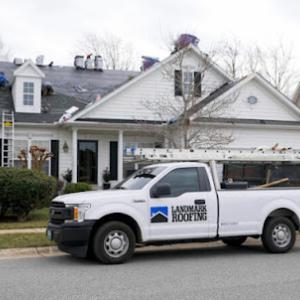
Landmark Roofing
(443) 274-4957 roofingbylandmark.com
540 Baltimore Annapolis Blvd, Severna Park, Maryland
4.9 from 611 reviews
Since 1969, Landmark Roofing has served Maryland, the D.C. area, and the Mid‑Atlantic with top-tier residential and commercial roofing solutions. We specialize in roof installation, roof repair, full roof replacement, preventative maintenance, inspections, gutter systems, siding, and skylights. As a GAF Master Elite contractor (President’s Club, 3‑Star), we deliver premium warranties and certified workmanship. Our licensed and trained crews adhere to strict safety protocols, focusing on integrity, timely communication, and clean project execution. Contact Landmark Roofing for a free estimate & consultation; your project gets craftsmanship and trust built in.
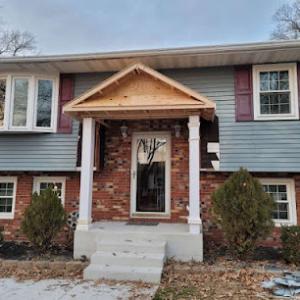
Trinity Exteriors
(443) 282-1789 trinityextmd.com
415 Fernwood Dr, Severna Park, Maryland
4.9 from 64 reviews
Trinity Exteriors provides roofing, siding, window, and gutter services, along with inspections in Severna Park, MD.
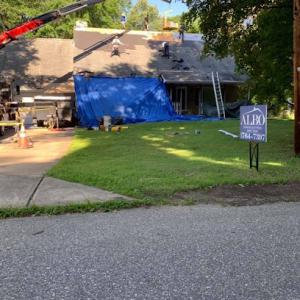
Albo
757 Benfield Blvd, Severna Park, Maryland
5.0 from 13 reviews
Locally owned and family operated roofing company focused on quality service and honest pricing

Maryland Roofing Company
(410) 716-4414 marylandroofingco.com
Serving
5.0 from 34 reviews
For trustworthy and professional roofers in Severna Park, rely on our team at Maryland Roofing Company. The roof of your home or business fulfills an important function and it's important to have confidence in the roofing company that you choose for the job. Maryland Roofing Company has been in the roofing business for over 40 years, providing customer-focused roofing service to each and every customer. Our roofers are true experts in metal and shingle roofing products. Roofing technology has advanced noticeably in recent years and our team is happy to walk you through the different materials, colors, and options you have at your disposal. Contact us today for all your professional roofing services in Severna Park and surrounding areas!
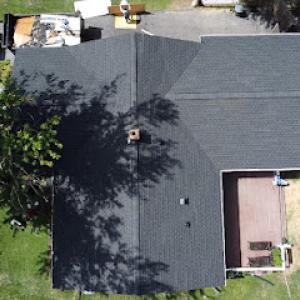
Paramount Roofing & Construction
(844) 779-7715 paramountroofingconstruction.com
Serving
5.0 from 68 reviews
Paramount Roofing & Construction is a trusted, family-owned business serving Anne Arundel, Howard, and Prince George’s County, Maryland, with over 20 years of experience. We specialize in all types of roofing, including shingles, metal, flat, and TPO, ensuring durable and high-quality results. Our services extend beyond roofing to include custom decks, home additions, remodeling, and exterior renovations. We are committed to providing exceptional craftsmanship, competitive pricing, and superior customer service. At Paramount, your satisfaction is our top priority.
Roofing Pups, Roofing & Siding
(443) 261-0692 roofingpups.com
Serving
4.7 from 366 reviews
Roofing Pups Roofing & Siding has been making customers' homes look beautiful in the DMV communities for more than 30 years combined. Roofing Pups Roofing & Siding provides the highest quality, affordable exterior remodeling and replacement contracting services. Our staff is professional, well-trained, and ready to serve you. Call today and receive a free, no-hassle in-home consultation by one of our service consultants. We would love to help with your next home improvement project! We are your roof's best friend!
True North Remodeling
Serving
4.8 from 212 reviews
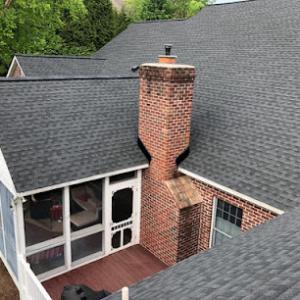
True North Remodeling is a full-service roofing and home remodeling company serving homeowners throughout Maryland. We specialize in roofing, siding, window replacement, gutters, decks, patios, kitchens, bathrooms, basements, and complete home renovations. Known for honesty, quality craftsmanship, and a relationship-first approach, we guide homeowners through every step of the remodeling process. From exterior protection to interior transformation, Maryland homeowners trust True North Remodeling for reliable service and lasting results.
Booth Brothers Construction
(410) 647-0614 www.boothbrothersconstruction.com
Serving
4.7 from 68 reviews
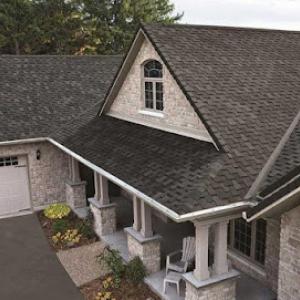
Booth Brothers Construction (BBC) is a Licensed, Bonded and Insured Family Business with over 30 years experience in Roofing and Construction! We provide quality Roofing Repairs, Installation, Siding Installation even Decks, & more! (Residential & Commercial Customers throughout Anne Arundel & all surrounding areas!)
Four Seasons Roofing
(410) 844-7919 www.fourseasonsroofingmd.com
Serving
4.9 from 27 reviews
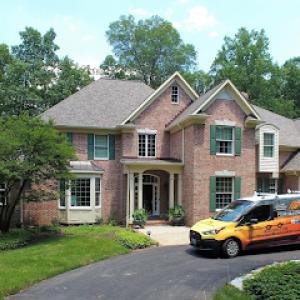
Since 2001, Four Seasons Roofing has been helping homeowners in Pasadena, MD keep their homes protected and looking their best. We do more than roofing — our team also installs seamless gutters, replacement windows, and siding to give your home a complete exterior upgrade. With years of experience as a general contractor, we focus on quality work, dependable service, and making sure your home stays strong and beautiful through every season.

Kohn Contracting Corporation
(443) 833-4031 kohncontracting.com
Serving
5.0 from 22 reviews
Licensed in MD & D.C. | GAF-Certified | Field-Tested Pros At Kohn Contracting, we specialize in roof replacements, renovations, and proactive property care across Maryland and Washington, D.C. We're a new company — but we're field guys at heart with over 20 years of hands-on experience working for some of the region’s top firms. Now we’re doing it our way: smarter, leaner, and with service that actually shows up. Our commercial division, Property Rx™, supports property managers and building owners with preventative maintenance, leak response, and long-term capital planning. Whether it’s a full roof replacement or routine service, we help extend roof life, reduce emergency costs, and protect your bottom line.

Anne Arundel Exteriors
(410) 215-0443 annearundelexteriors.com
Serving
5.0 from 53 reviews
We offer an end-to-end client experience that includes seamless communication, budgeting, staffing, on-site organization, and solid, quality workmanship every time. We provide roof replacement, roofing replacement, roofing anne arundel county, residential roof repair, roofing repair, gutter cleaning, storm damage, insurance work,chimney repair, new decks, deck installer, siding repair, siding replacement, masonry, concrete repair, concrete driveway, concrete walkways, concrete foundation, stamped concrete and all other exterior services. MHIC Licensed and Insured. Licensed Roofing contractor, Owens Corning Roof contractor, Decking, Deck contractor
Dynamic Roofing Company
(410) 760-1709 www.dynamicroofingmd.com
Serving
4.9 from 45 reviews
Dynamic Roofing Company provides Residential and Commercial Roofing, Siding, Gutters, and Home improvement to the Anne Arundel County and Annapolis, MD Area.
In the Chesapeake Bay area, insurers handling wind and storm losses expect a clear trail from the first leak or shingle loss through to the county inspection stages. The claim file should mirror the actual work performed, not abest-guess estimate. Photos taken at key moments-before any repair, after the initial damage assessment, during progress, and after final replacement-help prevent questions about what happened and when.
Keep every record from the initial discovery of damage through the final inspection. Start with the first indications of wind-related damage, such as missing shingles or roof seepage, then capture successive weather events that compound the issue. When a contractor begins work, document the daily progress with dated photos and notes that reference the scope of work agreed in the claim. The sequence matters: mismatches between the narrative in the claim and the actual work can slow settlement.
Photographs should be timestamped and show both close-up details and a broad view of the roof and attic if accessible. Include interior photos of stained ceilings or attic condensation after the leakage began. Ensure lighting is sufficient so shingles, flashing, and underlayment are clearly visible. If a wet or damaged section is temporarily shingled, photograph that also, but clearly label it as temporary repair.
During county inspections, inspectors will compare the as-built condition with the claim's described scope. Having a running set of notes that align with the final replacement scope helps avoid back-and-forth and keeps the process moving. Keep all correspondence, including adjuster notes and contractor change orders, organized and readily available.
Incomplete documentation can delay settlement even when the damage is real and weather-related. Ensure every leak event, every shingle loss, and every step of the remediation is recorded and labeled to match the eventual final scope. A well-documented claim supports a smoother, sooner resolution.
Skylights, chimneys, and lower-slope rear sections often become leak points where the main roof meets protrusions or transitions. In Severna Park, a mix of older homes and additions means those junctions tend to gather moisture first after a storm. Winter freeze-thaw cycles can push and pull flashing, while spring wind-driven rain tests the seams between components. Expect more trouble at these points than in wide-open, steep-field shingle areas.
Start by checking skylight flashings where they meet the roof deck and around any curb or curb-less installations. Look for loose or missing sealant, widened gaps, and pulled-apart metal apron flashing. Chimneys should show sound mortar joints and properly seated starter courses; look for cracked mortar or displaced step flashing along the chimney counter-flash. For low-slope rear additions, verify that the edge flashing and any covering membranes are continuous and free of punctures, punctures, or slits. If you find any suspect areas, mark them and plan for targeted repair rather than a full roof replacement when the rest of the roof is healthy.
Flashing transitions require meticulous attention. On skylights, ensure the base flashing is embedded into the roof felt and sealed where it meets the curb. Chimneys demand a continuous metal flashing lap over step flashing with proper corrosion-resistant fasteners. For low-slope additions, use compatible membrane sealant and proper seam overlaps to resist wind-driven spray. In all cases, the goal is a continuous, watertight path that discourages water from tracking under shingles during thaw cycles and spring rains.
Biannual checks are practical: after winter and after spring storms, inspect around skylights, chimneys, and rear low-slope areas for signs of staining, edge lifting, or hairline cracks in sealants. Keep debris away from vents and flashing, and re-seal joints that show aging or minor gaps. When a dedicated skylight or flat-roof contractor is engaged, request a joint inspection of all transitions to ensure a cohesive waterproofing approach around multiple penetrations.
Find contractors experienced in skylight installation, flashing, and leak repairs to bring natural light into your home.
Landmark Roofing
(443) 274-4957 roofingbylandmark.com
540 Baltimore Annapolis Blvd, Severna Park, Maryland
4.9 from 611 reviews
Trinity Exteriors
(443) 282-1789 trinityextmd.com
415 Fernwood Dr, Severna Park, Maryland
4.9 from 64 reviews
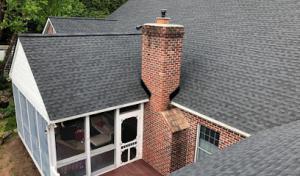
In this area, the market leans toward re-roofing rather than new construction. You'll encounter crews that specialize in replacement work, with a strong emphasis on getting the job done cleanly, safely, and with durable workmanship accountability. That means you should expect a clearly defined replacement scope, thorough debris cleanup, and a written plan that spells out how flashings, ventilation, and drip edges will be handled. A responsible contractor will align the project to create a sealed roof system from fascia to ridge, and will stand behind the workmanship with documented follow-up if a concern arises after completion.
This market includes both manufacturer-certified installers and contractors who offer warranty-backed programs, particularly for asphalt and metal systems. When evaluating options, check which installers are authorized by the shingle or metal manufacturer and what their coverage entails. A valid, transferable warranty can provide meaningful long-term value, especially for weather-driven exposure around creek corridors. Be sure to confirm what the warranty covers (materials only vs. workmanship), how long it lasts, and what maintenance, inspections, or exclusions may apply to keep the coverage in force.
Weekday county inspections can influence how a re-roof is sequenced, which in turn affects warranty timing. Before work begins, confirm how the underlayment exposure window is planned, and who verifies it during inspections. Warranty coverage may hinge on proper sequencing, including how soffit vents, underlayment, and drip edge are installed before final inspection. If a mid-project inspection occurs, understand whether any exposure during that window could impact warranty eligibility, and ensure the contract outlines responsibilities for reinspection if needed to keep coverage intact.
Keep a detailed record: the scope of work, product specs, installation dates, and any deviations from the plan. Photograph critical steps, especially underlayment and flashing installations, and retain manufacturer warranty documents tied to the installer. If issues arise, you'll have a clear trail to pursue coverage or remediation, reducing ambiguity around what is warranted and for how long.