
Last updated: Apr 19, 2026
In Odenton, roof stress comes from thunderstorms, periodic Nor'easters, and seasonal wind-driven rain, not a single dominant hazard. That means you should treat any sudden roof seepage as an active emergency, even if the daylight looks calm. A fast triage mindset-spot the source of a leak, check attic insulation, and note any sagging or displaced shingles-can prevent widespread damage. If you notice active dripping inside, prioritize safety: avoid electrical fixtures with water present, and evacuate affected rooms if ceilings show new sagging or bulging.
Storms in central Maryland often create rapid escalation from a minor drip to significant interior damage. A tarpaulin or heavy-duty plastic sheeting secured with wood battens or roofing nails can prevent rain intrusion until a permanent fix is possible. Do not rely on duct tape or makeshift solutions for long-term protection; secure a proper dry-in as soon as you can. Keep access clear to attics and crawlspaces to allow ventilation and drainage. If the weather shifts again, recheck temporary coverings for wind lift and reposition as needed.
Active leaks usually precede full-on roof failure after a storm. Look for curling, lifted, or missing shingles, granule loss in gutters, and exposed underlayment. In this market, post-storm tarping is a common homeowner concern, so document everything with dated photos from multiple angles. Note the storm's timing, wind direction, and any hail impact marks on siding or gutters, as these details help identify vulnerable areas. If you can access the attic, check for moisture staining, mold odor, or damp insulation-these are red flags that require professional attention without delay.
Call a local roofer promptly when you have visible leaks or a compromised roof line. On the first call, provide a concise brief: what areas are affected, when the leak started, and any recent storm events that could have caused the damage. Ask about rapid tarping, emergency repairs, and a plan for a thorough assessment once weather affords safe access. If you can safely save interior items, move valuables away from the affected area to reduce damage potential.
Storm damage responses hinge on solid documentation. Photograph the entire roof area from ground level and from the attic if visible, capturing the sequence of damage and any preexisting conditions. Keep a dated log of every communication with the contractor, including times, promises, and next steps. Preserve receipts for emergency materials, tarps, and temporary repairs, and organize weather reports showing storm dates. When you file a claim, present your photo chronology, the contractor's assessment, and a clear outline of what constitutes a dry-in and a permanent repair. This concrete record helps move the claim along and minimizes back-and-forth later.
In Maryland, weather-related roofing claims are common enough that insurers often ask Odenton homeowners for photos, maintenance history, and proof of pre-existing roof condition. This area experiences mid-Atlantic storm swings, so the claim may hinge on whether the loss is tied to a specific storm event or gradual aging. Adjusters may scrutinize wind and hail endorsements, deductibles, and whether damage qualifies as a sudden storm loss or wear from repeated freeze-thaw cycles. Understanding these angles helps set expectations when filing and negotiating a claim.
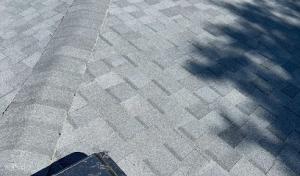
Begin with clear, time-stamped photos that show the roof from multiple angles, including close-ups of curled shingles, lifted edges, or granule loss. Capture attic conditions as well: any signs of moisture, staining, or mold on the ceiling after rain. Maintain a record of recent maintenance or repairs, including reports from any temporary tarp or leak-sealing efforts. If possible, document material brands or colors visible on the surface, as insurers sometimes verify matches for replacements. In Odenton, storm events can drive quick claim activity, so having organized records ready reduces back-and-forth and speeds debriefs with the adjuster.
Adjusters may verify whether replacement work included compliant underlayment and venting, so documentation during the job matters as much as the initial damage photos. Have the roofer provide a written scope that notes underlayment type, vented ridge or soffit systems, and any attic insulation considerations addressed during the project. If a wind or hail endorsement is involved, request a concise statement that indicates how the replacement materials meet the policy's requirements. Keep copies of all invoices, receipts for materials, and any manufacturer warranties. This paperwork supports the claim as work progresses and helps align expectations with the insurer.
Respond promptly to requests for information, and designate a single point of contact for the claim to avoid mixed messages. When scheduling an inspection, provide the adjuster with access to the attic and roof lines, plus the maintenance records and recent photos you've accumulated. If the scope changes after the initial assessment, ask for an updated report that reflects the new condition and the anticipated repair plan. Clear, documented communication reduces the risk of disputes later in the process.
Be aware that insurers may separate storm-related damage from wear-related issues. If freeze-thaw cycles or aging show extensive damage, the claim may be adjusted accordingly, with different coverage implications. Do not proceed with a full replacement based solely on a single storm photo if a portion of the roof evidences long-term wear. Obtain a professional assessment that distinguishes between acute storm damage and cumulative aging, and ensure the report is aligned with the policy's definitions of covered losses.
Connect with contractors who help homeowners navigate the claims process from damage assessment to final approval.
Fichtner Home Exteriors
(410) 519-1900 fichtnerservices.com
1872 Betson Ave, Odenton, Maryland
4.9 from 288 reviews
Terrapin Roofing
(240) 708-2069 www.terrapin-roofing.com
564 Serenity Ct, Odenton, Maryland
5.0 from 30 reviews
Whiting Window Siding & Roofing
(301) 235-8817 whitingcompany.com
1040 Verdigris Way, Odenton, Maryland
4.4 from 46 reviews

Chesapeake Roofing, Windows & Siding
(800) 564-7230 www.chesapeakeroofing.com
Odenton, MD
4.9 from 300 reviews
Chesapeake Roofing, Siding, and Windows, based in Annapolis, Maryland, is a family-owned business known for its quality workmanship and dependability. They specialize in roofing replacement and repair, siding installation and repair, window and door replacements, and gutter and gutter guard replacements. With over 35 years of experience serving Anne Arundel County and nearby regions, their team includes Siding & Window Master Craftsmen and CertainTeed Master Shingle Applicators, ensuring professional and high-quality service for every home improvement project.
Fichtner Home Exteriors
(410) 519-1900 fichtnerservices.com
1872 Betson Ave, Odenton, Maryland
4.9 from 288 reviews
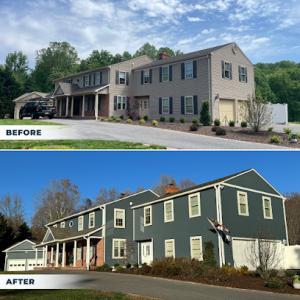
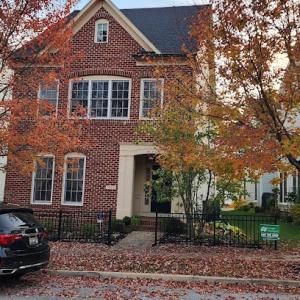
Fichtner Home Exteriors has been a leading Maryland roofing and exterior home improvement contractor for over two decades. Based in Odenton, Maryland, we offer award-winning roofing and exterior home improvement services for builders and homeowners.
Terrapin Roofing
(240) 708-2069 www.terrapin-roofing.com
564 Serenity Ct, Odenton, Maryland
5.0 from 30 reviews
At Terrapin Roofing we are committed to delivering top-tier roofing solutions that add value and beauty to the homes and businesses of our community. As a GAF certified contractor, we are ranked in the top 5% of contractors in the United States. We use the #1 shingle in America, the Timberline HDZ, an architectural shingle with an unlimited windproven wind rating and a lifetime transferable warranty.

Whiting Window Siding & Roofing
(301) 235-8817 whitingcompany.com
1040 Verdigris Way, Odenton, Maryland
4.4 from 46 reviews
Whiting Window Siding and Roofing, located at 1040 Verdigris Way in Odenton, MD is your top local roofer specializing in comprehensive residential roofing services including roof installation, shingle roofing services, and affordable roofing solutions. With over 40 years in the industry, our expert roofers provide high-quality craftsmanship for new roof installations, roof replacements, and flat roof repairs. Known throughout Maryland, Washington, D.C., and Northern Virginia for treating each home with care and respect, we ensure the protection and aesthetic value of your property. For those searching "roofer near me," contact us today for reliable and affordable roofing services.
Hammertime Construction
(443) 298-1235 www.hammertimeconstructioninc.com
Serving
4.9 from 59 reviews
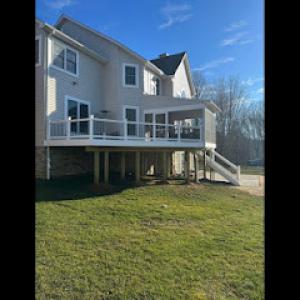
Build your dream home with Hammertime Construction! We specialize in top-notch roofing and siding services, but we're more than just a roofing contractor in Crofton, MD. From windows, siding, and hardwood flooring to fencing, patios, and decks, our experienced team can do it all. With our competitive pricing, we're a one-stop shop for all your general contracting needs. We are dedicated to treating every customer with respect to provide exceptional service. Contact us today to request a free quote! We look forward to working with you.
Prime Roofing & Siding
(443) 232-1776 primeroofingandsiding.com
Serving
5.0 from 71 reviews
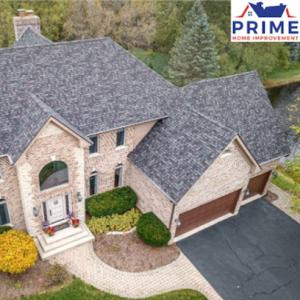
Prime can handle it all. No need to call multiple contractors to discuss roofing, siding, windows, soffits, attic fans etc... Don't go though the hassle of coordinating so many contractors. Just call us!!

Premier Remodelers
(443) 995-5710 www.thepremierremodelers.com
Serving
4.7 from 29 reviews
Looking to elevate your home with premier remodeling? Look no further than The Premier Remodeler! As one of the top general contractors in Maryland, we specialize in delivering exceptional craftsmanship and impeccable service. Our team is dedicated to transforming your vision into reality, whether it's through premier construction, premier home improvements, or upgrading your premier windows and doors. When it comes to siding, our expertise shines through as the trusted Crownsville siding contractor. We understand the importance of quality materials and skilled installation to enhance the beauty and durability of your home. For those seeking reliable roofing solutions, our Anne Arundel County roofing companies are here to meet your needs.
Potomac Custom Remodeling
(443) 212-3280 potomaccustomremodeling.com
Serving
4.8 from 116 reviews
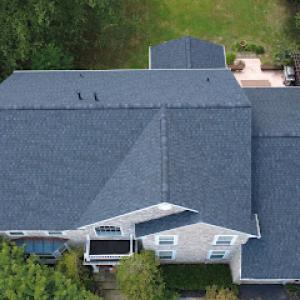
Transform your property with expert remodeling services from Potomac Custom Remodeling Specializing in roofing, windows, siding, and solar solutions, we’re committed to enhancing your home's value and functionality. Whether you need a roof replacement, new windows, or energy-efficient solar installation, our team ensures top-quality craftsmanship and excellent customer service. Trust us to handle your renovation project with care and professionalism. Contact us today for a free consultation!
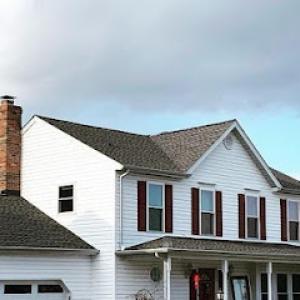
RoofPRO
(410) 705-7552 www.marylandroofers.com
Serving
4.8 from 260 reviews
RoofPRO, located at 8137 Telegraph Road, is your leading roofing contractor dedicated to providing top-tier roofing and siding services. As a trusted roofing company, we specialize in expert roof repair, roof replacement, and commercial roofing solutions tailored to meet your needs. Our experienced team ensures every project is completed with precision and excellence, making us the go-to choice for your roofing and siding needs. Whether you're seeking a reliable siding company or a professional roofing contractor, RoofPRO guarantees exceptional craftsmanship and customer satisfaction. Choose RoofPRO for unparalleled service in roofing and siding in your area.
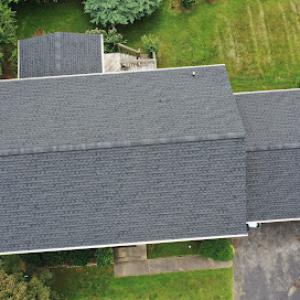
Ace Home Improvements
(301) 241-9760 www.acehomeimprovementsllc.com
Serving
4.7 from 155 reviews
Ace Home Improvements, LLC is a certified GAF Master Elite® Roofing Contractor, so you can have peace of mind knowing your roofing project is in factory-trained hands. Our team specializes in installing asphalt shingle roofing for homeowners throughout Anne Arundel County and surrounding counties in Maryland. We also provide emergency roof repairs and storm damage restoration in the event that your roof is damaged by severe weather. Our certified and experienced crew can inspect your roof, provide a professional assessment and even help you with your insurance claim, if applicable. Don't let roofing get in the way of your comfort at home. Your family deserves a beautiful, durable roof. Contact us today for expert help.
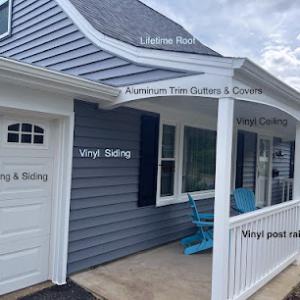
Snap Roofing Siding & Windows
(301) 464-0049 snaproofing.com
Serving
4.8 from 35 reviews
SNAP Roofing Siding & Windows was founded in 1975.We are celebrating our 50 Yr anniversary this year Originally, William Levitt built Bowie; Cape Cods, Colonials, Ranchers and Country-Clubbers made up the majority of our work. The original 1960's, 20 year roofs were first replaced in the 1980's.The second replacement were done in the 2000's, we are now doing the 3rd replacements. The roofs we install today look better and last longer 50 yrs.(130mph wind compared to 70mph) with LIFETIME warranties. Our vinyl siding, trim and windows do not need paint and will not rot. As Bowie grew, so did we, now we work all over Maryland! SNAP installs, Roofing, Siding & Windows . Get answers to your questions today 301-464-0049 or roofingsnap@gmail.com.
Reliable Roofers
(240) 456-0200 www.reliableroofers.net
Serving
4.8 from 74 reviews
Family Owned Roofing Business
In Odenton, the rhythm of weather really shapes when a roof replacement goes smoothly. The hot, humid summers and cold winters in Maryland mean that spring and fall are the most reliable installation windows. Those seasons tend to offer milder temperatures, lower humidity, and fewer major weather disruptions-important for adhesive performance, material handling, and the pace of a multi-day project.
Spring in this area brings the first steady stretch of workable days after winter freeze-thaw cycles. If you're targeting a replacement then, the goal is to schedule after the last major cold spell and before the late-spring storms that can pop up. Crews will benefit from dry, moderate days, but spring can still bring rain events that stall outerwork or require temporary tarping. Coordinate with your contractor for a window that avoids heavy rain forecasts and allows for a clean, dry attic and eaves prior to the first heat spikes.
Fall offers a comfortable working climate and a natural cadence with holiday-season planning. The best approach is to pick a period after the peak heat has faded but before the first strong cold snaps. Autumn days in this region can swing quickly, so a mid-season plan with built-in contingency days helps keep the project on track. Clear, dry afternoons help sealants and underlayment settle properly, reducing the risk of premature wear once winter arrives.
Winter conditions raise concerns about ice dams and freeze-thaw cycling, which can worsen existing roof defects and complicate installation quality. If a replacement must occur in cold weather, expect longer timelines, potential thaw-freeze cycles, and the need for heated work areas or de-icer-safe pathways around the worksite. Snow events can halt progress entirely, so contingency days and temporary weather mitigation become part of the plan. A winter window should be a backup option rather than the primary plan, used only when spring or fall slots are unavailable.
Summer heat and humidity in central Maryland can affect shingle adhesive behavior and crew pace. Hot days may slow the install as materials cure at different rates and safety considerations rise. Plan for early start times, shaded staging areas, and frequent hydration breaks for crew members. Summer storms can interrupt material handling and scheduling, so choose a window with a reliable stretch of dry days and avoid consecutive heat waves or thunderstorm forecasts.
1) Prioritize spring or fall slots with at least two weeks of flexible dates to accommodate weather. 2) Build in a rain contingency plan and a few backup days. 3) Communicate with the contractor about extended cold or hot-day protocols if a partial winter replacement becomes necessary. 4) Schedule a pre-install inspection when weather looks favorable to confirm roof condition and identify potential issues that could worsen with seasonal shifts. 5) Prepare attic access and exterior staging areas in advance to minimize delays when good weather finally arrives.
Asphalt shingles remain the dominant practical choice in Odenton, supported by a broad local market. The ease of installation, solid coverage for a range of home styles, and strong storm performance for typical Nor'easter and summer humidity swings make them a reliable baseline. When you're evaluating replacement, you'll find many Odenton-area crews specializing in asphalt, with options that balance wind resistance, curing times, and ease of repair after a hail or heavy rain event. For moisture-heavy seasons, pair asphalt with a robust underlayment, solid flashing at valleys and chimneys, and proper attic ventilation to keep deck moisture out of the attic space.
Metal is a growing option on Odenton houses, especially where homeowners want longevity and a distinctive curb appeal. Metal handles the Mid-Atlantic wet months well and tends to shed moisture quickly, which can reduce potential for leak paths after a heavy storm. If you're considering metal, focus on panel assemblies, sealant choices at overlaps, and a correctly configured venting plan to prevent condensation beneath the metal, particularly in winter when freeze-thaw cycles are common. Heavier systems still need precise flashing details and reliable attic ventilation to avoid ice damming and moisture buildup.
Clay tile and concrete tile offer striking textures and long lifespans, but Odenton's year-round moisture swings demand careful planning. Heavier tile needs a properly engineered roof deck, reinforced framing where needed, and meticulous underlayment. In winter, freeze-thaw cycles can magnify micro-cracks if flashing and ventilation aren't up to par. If tile is installed, expect a slower response to impact and a strategy for snow loads and roof access for maintenance. Local specialists in tile work provide guidance on ballast and layering to keep tiles secure during strong storms.
Wood shingles or shakes bring classic character to many Odenton homes. They can perform well in this climate when kept dry and sealed, but they require vigilant maintenance for moisture infiltration and moss or mold growth in shaded spots. Ensure ridge and valley flashing are well sealed, and plan for periodic cleaning and resealing to preserve the wood's integrity through humid summers and winter dampness.
Synthetic options blend the look of traditional materials with enhanced moisture resistance and lighter weight. They work well in areas prone to rapid weather changes and can simplify ventilation and underlayment needs because of more forgiving expansion properties. If choosing synthetic, verify compatibility with existing flashing details and ensure colorfast materials to resist fading after sun exposure and storm events.
In Odenton, you can expect close alignment with national material ranges, but local conditions tilt the numbers toward practical realities. For asphalt shingles, plan roughly 350 to 750 USD per square. Metal roofs typically run 600 to 1100 USD per square, while clay tile is usually 900 to 1800 USD per square. Concrete tile tends to be 1000 to 2000 USD per square, wood shingles or shakes 600 to 1200 USD per square, and synthetic or composite shingles 500 to 900 USD per square. These bands reflect the mix of early-2000s and newer homes across Anne Arundel County, plus the tendency for re-roofing projects to layer in underlayment upgrades or improved ventilation.
Regional storm events drive costs up in Odenton when roofs are damaged and residents rush to secure dry-in and repairs. After a heavy Nor'easter or a humid-to-cold swing, contractors field tighter calendars and higher material surcharges, which can push the project cost beyond the typical ranges. It's common to see emergency dry-in or temporary protective measures added to the bill when crews are coordinating amid widespread storm damage across Anne Arundel County. If a project hinges on storm-related timing, expect a tighter window and possible price variance tied to availability of crews and materials.
Project timeline pressure tends to rise after a major weather event. For homeowners, this means potential incremental costs if work is staged or if late-season windows limit daylight and drive expedited scheduling. While the core material ranges stay intact, labor availability and sequencing-such as decking inspection, underlayment selection, and vent or skylight adjustments-can nudge the final total. Planning ahead for a modest buffer in both budget and schedule helps keep the project on track even when storm-driven demand spikes.
Get a clear picture of your project costs upfront - no commitment required.
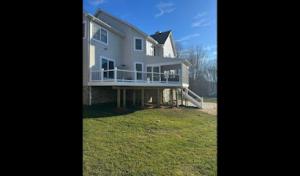
Hammertime Construction
(443) 298-1235 www.hammertimeconstructioninc.com
Serving
4.9 from 59 reviews

A full roof replacement in Odenton typically goes through Anne Arundel County's permitting system, not a separate municipal department. The process is anchored in the county's standards and inspections schedule, which means you are dealing with a broader jurisdiction that has its own timelines and checklists. If a storm-damaged roof needs replacement, the county approach can feel different from a small-town permit flow, so expect a bit more coordination between your contractor, the permit office, and the inspector who reviews the completed work.
The permit is handled through the Anne Arundel County Department of Permits and Inspections. Inspections are scheduled as work progresses, with a final inspection closing the permit. The sequence typically follows framing or sheathing, underlayment, ice and water shield where required, and then the finish roofing. Because inspection sign-off is part of the replacement process, Odenton homeowners should confirm who is pulling the permit and how the inspection timing will affect tear-off and dry-in scheduling. If the contractor or a chosen project manager pulls the permit, you'll want a clear calendar for when each inspection is expected and when the dry-in must be completed to avoid weather delays.
Mid-Atlantic weather swings can push a roof project into wet or freezing periods. If a leak exists, you may need temporary measures to protect living spaces while waiting for inspections, but keep in mind that county requirements may limit or guide any rapid weatherproofing. Communicate early with your contractor about the expected inspection milestones and any county-specific forms or documentation that the department requires-especially after a storm event where damage is reported. Missing an inspection window can stall the project and extend the tear-off period, increasing exposure to the elements.
Keep organized records of all communications, permit numbers, inspection dates, and any deviations requested by the county inspector. If a storm damage claim is involved, having the permit and inspection history ready can streamline the insurance review and help demonstrate that the replacement followed the proper sequence and required approvals. Be proactive about confirming deadlines with the inspecting office to minimize delays.
In Odenton, the local contractor market shows meaningful demand for skylight work, suggesting leak-prone skylight flashing and surrounding shingle transitions are a recurring issue for homeowners here. Skylights sit at a natural weak point where roofing meets vertical openings, and improper flashing or aging seals quickly become pathways for water entry during spring storms and summer humidity. If a skylight sits near a high-traffic section of the roof, foot traffic and minor hail can compromise the flashing over time, widening gaps that seem small at first but leak when soaked by wind-driven rain. Homeowners should note any sign of staining, musty odors, or damp ceilings near skylights, and treat these indicators as real warnings rather than cosmetic quirks.
Flat and low-slope roofing is also an active specialty in the Odenton market, indicating that not all local roof problems are on simple steep-slope suburban roofs. Low-slope areas rely heavily on proper drainage and robust edge detailing; a slight misalignment or degraded seam can trap water and spay it along the field. In this climate, where humid summers meet winter freeze-thaw cycles, those trapped waters freeze, expand, and widen seams. The result is elevated risk of punctures, blistering, or accelerated wear around penetrations such as vents or HVAC curbs. If a roof section feels unusually warm after rain or shows fast-sagging around drains, those are practical red flags to investigate sooner rather than later.
In a climate with humid summers, wind-driven rain, and winter freeze-thaw, penetrations and low-drainage areas tend to reveal workmanship problems faster than open field shingle areas. Flashing at valleys, sidewall penetrations, and chimney joints can deteriorate quietly, especially when California-style or stock flashing setups were used without renovation in decades past. You may notice sudden spikes in condensation, small waterfalls along seam lines, or a persistent damp patch on attic sheathing after a heavy storm. Addressing those issues promptly helps prevent a cascade of secondary damage.
After a Nor'easter or a tropical-fed storm, focus on skylights, flashing around chimneys, and transitions where low-slope sections meet steeper pitches. Look for lifted shingles near skylights, loose sealant around vents, and any edge or corner where water could pool or back up. If leaks are detected, prioritize a targeted repair that ensures a continuous moisture barrier rather than a patch on top of an aging system. In Odenton, the pattern shows that timely, precise attention to these failure points makes a tangible difference in keeping interiors dry before more extensive damage occurs.
Find contractors experienced in skylight installation, flashing, and leak repairs to bring natural light into your home.
Whiting Window Siding & Roofing
(301) 235-8817 whitingcompany.com
1040 Verdigris Way, Odenton, Maryland
4.4 from 46 reviews
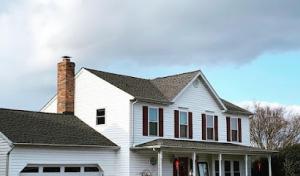
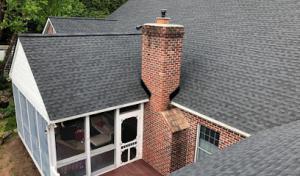
In this market, a meaningful share of contractors offer warranties tied to manufacturer programs, and many of those programs require installation standards that align with local conditions. Because Maryland insurers may review underlayment and venting details after a claim, workmanship quality in Odenton has consequences beyond the initial install. A certified or manufacturer-backed installation helps ensure the roof deck, underlayment, and attic ventilation are documented to meet these thresholds, which can influence claim outcomes and long-term performance.
For aging roofs, warranty terms should reflect the actual scope of work: tear-off, flashing replacement, and ventilation upgrades. If a tear-off is partial or if flashing around chimneys and skylights is not upgraded to current standards, some manufacturers may limit coverage. Ensure the warranty language explicitly covers moisture barriers, venting conformity, and hail resistance, and that it aligns with the work you are receiving. This alignment reduces dispute risk if a leak or wind event occurs after installation.
Keep a single file of all project documentation: contractor certifications, product manufacturer numbers, photos of underlayment and venting before and after, and a clear timeline of the work performed. In the event of storm damage, this documentation supports the claim review by insurers and helps verify that the installation complied with the applicable warranty requirements. Expect that insurers may request these records to confirm workmanship quality and material compatibility.
When evaluating bidders, prioritize those with verified manufacturer certifications and clear warranty transfer options. Ask how they handle tear-off scope, flashing replacements, and attic ventilation upgrades within the warranty terms, and request a written outline that ties each warranty clause to the actual work performed. A reliable contractor will provide a warranty document that mirrors the project scope and includes post-installation maintenance guidance.