
Last updated: Apr 19, 2026
Crofton sits inland in Anne Arundel County, so roofs here absorb wind-driven rain, fallen limbs, and hurricane remnants more often than salt-soaked coastal exposure. That combination creates quick, stealthy damage: shingles peeled back by gusts, flashing loosened by heavy rain, and valleys choked with leaves and small branches. In these planned neighborhoods, the uniform rooflines mean a single compromised section can ripple across the home's envelope, inviting interior leaks sooner than you expect. The risk isn't just a storm-day concern; it compounds over the next few days as wind shifts and rain reappears. If your roof has any loose granules, exposed underlayment, or suspicious patches around dormers, treat them as urgent red flags rather than cosmetic issues.
The local contractor signal mix strongly favors emergency repair and storm damage work, indicating homeowners commonly need rapid tarping and post-storm assessments. After a heavy event, your first move is to cover exposed areas to prevent further water intrusion. A durable tarp stretched tight, weighted with boards, can buy critical hours while you arrange a professional evaluation. Do not wait for a pristine dry spell to act-water finds its way under shingles and into the attic, especially where trees shed limbs during summer thunderstorms and fall wind events. When tarping, focus on the most vulnerable points: along hips and valleys, around chimney and vent penetrations, and any edge where flashing looks suspect. Take clear photos from multiple angles before and after you tarp; insurance companies and adjusters respond better to well-documented, time-stamped evidence. If you're unsure about how to secure a tarp safely, contact a local pro who regularly handles storm-impacted roofs in mature neighborhoods.
Crofton's mature canopy is both a blessing and a burden. Branches and full limbs hang over many homes, and even light breezes can send debris skittering across a roof's surface. After summer thunderstorms and fall wind events, gutter clogging becomes a common aftereffect. Clogged gutters and downspouts create standing water at the eaves, which accelerates edge rot and can lead to fascia damage if left unattended. Debris accumulation also hides underlying damage: a minor shingle lift may be masking a larger flashing issue or vent seal failure. Inspecting after storms with a critical eye is essential, but proceed cautiously-climbing on a damaged roof in windy conditions can be risky. If ladders or rooftop access feels uncertain, prioritize a professional inspection rather than a DIY walkthrough.
Storm-driven damage often looks uneven once the rain stops. Start a detailed damage log the moment you can safely do so. Note the date and time of the storm, any observed leaks in ceilings or walls, and visible damage to shingles, flashing, or skylights. Photograph roof defects from ground level with a wide shot, then move in for close-ups of loose granules, cracked or missing shingles, lifted flashing, or damaged vents. Keep receipts and records of any temporary repairs, such as tarping or gutter clearing, and preserve the email or text communications you have with your responding contractor. A clear, accurate record speeds up post-storm assessments and helps ensure the claim reflects the real extent of the damage.
Because repairs in this area are time-sensitive and heavily influenced by weather cycles, a local contractor with a track record of rapid tarping and documented storm assessments is invaluable. Seek a crew that can respond quickly, perform a concise initial assessment, and outline a practical, staged plan for enduring repairs. In neighborhoods where trees dominate the skyline, you may also encounter more frequent follow-up visits after the initial scope to address any late-stage effects from debris or secondary leaks. Your goal is to establish a predictable, responsive repair cadence that protects the interior from seasonal rains and minimizes additional damage while you arrange the full roof restoration plan.
Find local contractors experienced in assessing and restoring roofs after hail, wind, and severe weather events.
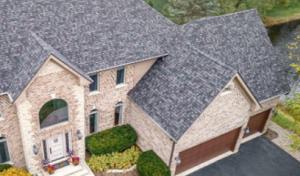
Prime Roofing & Siding
(443) 232-1776 primeroofingandsiding.com
2138 Priest Bridge Court Suite 4, Crofton, Maryland
5.0 from 71 reviews
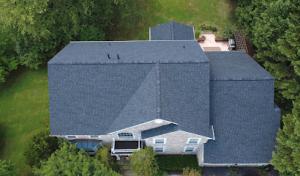
Potomac Custom Remodeling
(443) 212-3280 potomaccustomremodeling.com
2138 Espey Ct STE 6, Crofton, Maryland
4.8 from 116 reviews
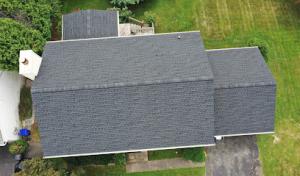
Ace Home Improvements
(301) 241-9760 www.acehomeimprovementsllc.com
2138 Priest Bridge Dr #1, Crofton, Maryland
4.7 from 155 reviews
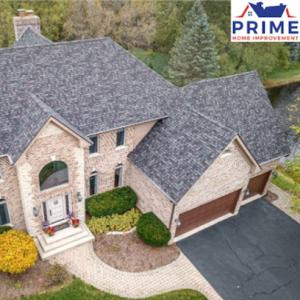
Prime Roofing & Siding
(443) 232-1776 primeroofingandsiding.com
2138 Priest Bridge Court Suite 4, Crofton, Maryland
5.0 from 71 reviews
Prime can handle it all. No need to call multiple contractors to discuss roofing, siding, windows, soffits, attic fans etc... Don't go though the hassle of coordinating so many contractors. Just call us!!
Hammertime Construction
(443) 298-1235 www.hammertimeconstructioninc.com
2485 Revere Ct, Crofton, Maryland
4.9 from 59 reviews
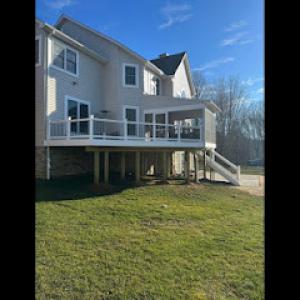
Build your dream home with Hammertime Construction! We specialize in top-notch roofing and siding services, but we're more than just a roofing contractor in Crofton, MD. From windows, siding, and hardwood flooring to fencing, patios, and decks, our experienced team can do it all. With our competitive pricing, we're a one-stop shop for all your general contracting needs. We are dedicated to treating every customer with respect to provide exceptional service. Contact us today to request a free quote! We look forward to working with you.
Potomac Custom Remodeling
(443) 212-3280 potomaccustomremodeling.com
2138 Espey Ct STE 6, Crofton, Maryland
4.8 from 116 reviews
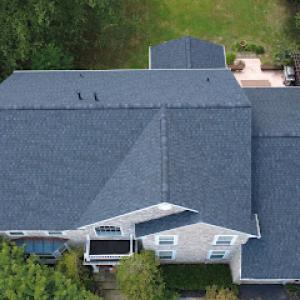
Transform your property with expert remodeling services from Potomac Custom Remodeling Specializing in roofing, windows, siding, and solar solutions, we’re committed to enhancing your home's value and functionality. Whether you need a roof replacement, new windows, or energy-efficient solar installation, our team ensures top-quality craftsmanship and excellent customer service. Trust us to handle your renovation project with care and professionalism. Contact us today for a free consultation!
Ace Home Improvements
(301) 241-9760 www.acehomeimprovementsllc.com
2138 Priest Bridge Dr #1, Crofton, Maryland
4.7 from 155 reviews
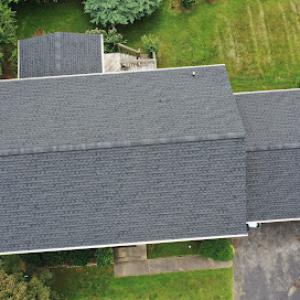
Ace Home Improvements, LLC is a certified GAF Master Elite® Roofing Contractor, so you can have peace of mind knowing your roofing project is in factory-trained hands. Our team specializes in installing asphalt shingle roofing for homeowners throughout Anne Arundel County and surrounding counties in Maryland. We also provide emergency roof repairs and storm damage restoration in the event that your roof is damaged by severe weather. Our certified and experienced crew can inspect your roof, provide a professional assessment and even help you with your insurance claim, if applicable. Don't let roofing get in the way of your comfort at home. Your family deserves a beautiful, durable roof. Contact us today for expert help.
Valor Home Roofing
2142 Priest Bridge Court #3, Crofton, Maryland
4.2 from 148 reviews
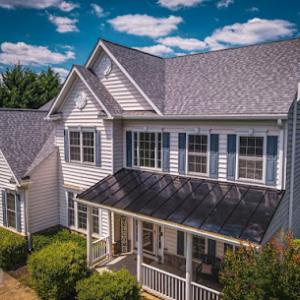
For over three decades, Valor Home has been transforming the exterior of homes in the greater Crofton, MD area. Born from humble, veteran and family-owned beginnings, we've grown into a trusted leader in exterior remodeling. From complete roof replacements to beautiful window installations and energy-efficient siding solutions, Valor Home provides comprehensive services to enhance your home's beauty and value. We believe in delivering quality products and expert craftsmanship, ensuring your vision becomes a reality.
Reliable Roofers
(240) 456-0200 www.reliableroofers.net
Serving
4.8 from 74 reviews
Family Owned Roofing Business

Premier Remodelers
(443) 995-5710 www.thepremierremodelers.com
Serving
4.7 from 29 reviews
Looking to elevate your home with premier remodeling? Look no further than The Premier Remodeler! As one of the top general contractors in Maryland, we specialize in delivering exceptional craftsmanship and impeccable service. Our team is dedicated to transforming your vision into reality, whether it's through premier construction, premier home improvements, or upgrading your premier windows and doors. When it comes to siding, our expertise shines through as the trusted Crownsville siding contractor. We understand the importance of quality materials and skilled installation to enhance the beauty and durability of your home. For those seeking reliable roofing solutions, our Anne Arundel County roofing companies are here to meet your needs.

Cunningham Contracting
(410) 721-8757 www.cunninghamcontractinginc.com
Serving
4.5 from 8 reviews
Cunningham Contracting, Inc. offers expert roofing, gutter, window, and siding services to homeowners in the Greater Annapolis Area, including Howard, Prince George’s, Baltimore, Montgomery, and Anne Arundel Counties. With over 25 years of experience, we provide solutions that enhance your home’s beauty and durability. Whether you need a roof replacement or new siding, our team is here to help. Get in touch today to request your free quote and discover why we’re the trusted name in home improvement.
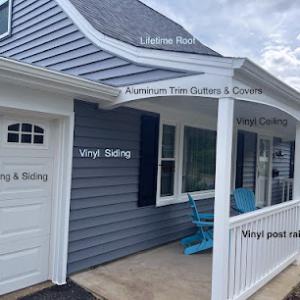
Snap Roofing Siding & Windows
(301) 464-0049 snaproofing.com
Serving
4.8 from 35 reviews
SNAP Roofing Siding & Windows was founded in 1975.We are celebrating our 50 Yr anniversary this year Originally, William Levitt built Bowie; Cape Cods, Colonials, Ranchers and Country-Clubbers made up the majority of our work. The original 1960's, 20 year roofs were first replaced in the 1980's.The second replacement were done in the 2000's, we are now doing the 3rd replacements. The roofs we install today look better and last longer 50 yrs.(130mph wind compared to 70mph) with LIFETIME warranties. Our vinyl siding, trim and windows do not need paint and will not rot. As Bowie grew, so did we, now we work all over Maryland! SNAP installs, Roofing, Siding & Windows . Get answers to your questions today 301-464-0049 or roofingsnap@gmail.com.
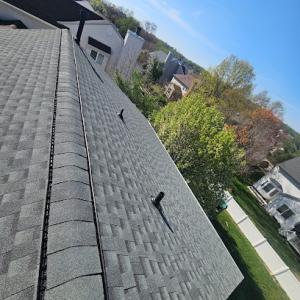
Legacy Built Exteriors ,LLC
(240) 320-2174 legacybuiltexteriors.com
Serving
5.0 from 93 reviews
Getting your roof or siding replaced can be a daunting task. Let Legacy Built Exteriors manage the process for you. Our qualified and experienced team will make sure you get the best quality roof and siding for your home . legacy Built Exteriors where quality is our priority.
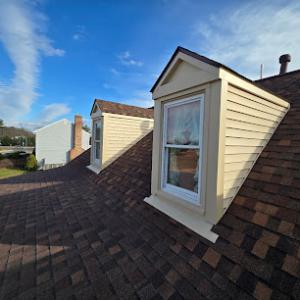
Mancia Roofing
(240) 665-0050 jmanciaroofing.com
Serving
5.0 from 81 reviews
Mancia Roofing specializes in top-notch roofing in Bowie MD. As a premier contractor, we are dedicated to providing residents and businesses in Bowie with high-quality roofing solutions. With years of expertise, our team ensures durability, aesthetics, and peace of mind for every project. Whether you need a simple repair or a complete roof overhaul, Mancia Roofing is your trusted partner. We use the best materials, innovative techniques, and offer unparalleled customer service. Proudly serving Bowie, our commitment to excellence has made us a household name. Choose Mancia Roofing – where your roof's integrity and your satisfaction are our top priorities.
GRB Roofing
(443) 377-2094 www.grbroofing.com
Serving
4.9 from 179 reviews
We are a leading internal & external renovation company based in Bowie, MD! While our most popular and highest demand service is roofing installations and repairs, a large part of our business is external renovations. We replace and install siding, windows & skylights, decks, fencing projects and more. We offer 24hr emergency services for storm damage, water damage, tree damage and more. We will work with your insurance company to get your home back to 100% as quickly and painlessly as possible. Based in Maryland, we service Annapolis, Arnold, Bowie, Crofton, Davidsonville, Edgewater, Harwood, Millersville, and all surrounding areas.
Spring in this corridor of central Maryland brings a mix of rain-heavy stretches and lingering cool snaps. For roof projects, this means tear-off windows can be interrupted by wet weather, which slows progress and can expose underlayment to moisture longer than ideal. A practical approach is to plan the first warm, drier weeks as the main teardown period, with a contingency buffer for back-to-back storms. Start with a thorough interior inspection for winter moisture intrusion, so the crew can address any leaks quickly once the roof surface is exposed. If trees in the neighborhood shed during storms, expect debris loading on the existing roof to spike, and stage additional cleanup time into the schedule. Communicate a clear drying-out period after rainfall before exposing underlayment and decking, to prevent any moisture-related issues in sensitive heat- or cold-affected layers.
Summer brings hot, humid conditions that stress installation timelines and worker safety alike. Heat-sensitive materials and fastenings perform best when temperatures are moderate, so plan the bulk of shingle exposure during the cooler early morning hours or late afternoon when possible. Dry, consistent days are the goal, but sudden heat waves or afternoon downpours can interrupt progress. In a tree-lined neighborhood, shade from mature canopies can help, yet afternoon shade also hides sun exposure differences that affect material handling. Ensure crews have ample water, shaded breaks, and a plan to protect underlayment from rapid temperature swings. Given the season's demand for quick leaks response after storms, keep a rapid-contact channel ready for homeowners to report wind-driven uplift or shingle displacement, especially after high-wind events that follow summer thunderstorms.
Fall scheduling must contend with wind and rain from Atlantic hurricane remnants moving inland across Maryland. This creates tight windows for preparation, tear-off, and resheathing, and increases the risk of wind-driven debris during work. Prioritize everything that influences storm readiness: secure tarps, reinforce edge details, and keep skylight flashing checked as a prelude to heavier weather. Fall can also bring cooler nights that help curing, but rapidly changing conditions require flexible sequencing-complete roof sheathing and underlayment before any lingering dew or overnight cool-down cycles can affect sealant performance. Have a robust storm-response plan in place for post-storm leaks, including a contact routine that gets a crew to inspect and seal vulnerable areas promptly before interior damage progresses.
Winter installation faces latent cold snaps, freeze-thaw cycles, and shortened daylight hours that compress the working window. When temperatures dip, adhesives and sealants may not reach full performance, so align critical sealant work with milder days. If weather stalls progress, prioritize securing the roof deck, flashing, and leak-prone penetrations first to limit interior risk. Snow load and ice dam considerations should guide the sequence and material choice, with extra attention given to safe access and material handling on slippery surfaces. The goal is to maintain a steady cadence during milder spells while preventing long exposure of underlayment to winter moisture. In all seasons, a clear, practical plan for rapid leak response remains essential to protect interiors when storms strike.
The dominant roofing mix in Crofton includes asphalt shingles alongside heavier premium materials such as clay tile, concrete tile, and slate, which creates major differences in structural load and replacement planning. Homes with asphalt shingles typically present lighter framing and simpler flashing details, making quick repairs and reroofs more straightforward after a storm. Homes with tile or slate bring added weight that can affect attic venting, deck framing, and chimney support. When planning replacement after hail, wind, or freeze-thaw cycles, it matters to understand how the chosen material interacts with the existing structure and any adjacent additions, like sunrooms or dormers, that can influence overall load distribution.
Asphalt shingles fit much of Crofton's suburban housing stock, offering reliable weather protection and easy patchwork for quick leak response after a storm-driven event. In practical terms, many roofs in planned communities use a standard 3-tab or architectural profile, which means matching repair shingles is usually feasible within a few blocks if a few dozen shingles need to be replaced after a hail hit or windstorm. When evaluating a repair or reroof, check the alignment of edging and drip edge, and confirm that the underlayment has remained sound under the shingles' shadow lines in mature tree cover. Localized shading from mature oaks and maples can create microclimates on a roof surface, where moisture pockets form and microcracks show up first along the eaves and in valleys.
Tile and slate appear more often on higher-end homes where repair matching and flashing details matter more. Clay tile makes for a distinctive, long-lasting surface but requires a robust support system and precise flashing, especially around penetrations, chimneys, and skylights. Concrete tile shares the weight and layout considerations, though it can offer a broader palette of textures and colors. Slate provides exceptional durability but demands exact installation and professional flashing to prevent water intrusion at hip and ridge lines. In areas with heavy tree debris and seasonal storms, the likelihood of microcracks along edges increases, so matching a replacement piece that blends with the surrounding surface is crucial for both aesthetics and performance.
Wood shingles and shakes remain part of the local material mix, but central Maryland moisture cycles make maintenance and weathering behavior a bigger concern than in drier climates. In Crofton, moisture-related issues show up first as cupping or cupping along grain lines after repeated wet-dry cycles, and algae or moss growth can accelerate surface breakdown in shaded spots. Regular inspection for surface granule loss on asphalt panels adjacent to wood exposures, and for any soft spots around valleys and soffits, helps prevent cascading leaks during spring storms. If wood elements are present, anticipate more frequent upkeep around flashing transitions where water can perch and infiltrate, particularly near mature trees that drape the roof edge with shade and debris.
Storm-driven damage demands rapid assessment and documentation. In a neighborhood with mixed materials, a fast leak response plan should prioritize secure tarp placement for exposed areas, targeted shingle or tile replacements that preserve color and alignment, and careful flashing resealing around penetrations. With the tree-lined environment, branches and debris can magnetically complicate post-storm inspections; thus, a neighborly approach to sharing repair notes and identifying quick-access handhold points around the attic and eaves keeps water from penetrating deeper into the structure while waiting for a scheduled rooftop visit.
The most popular roofing material in the US. Find pros who install, repair, and replace asphalt shingles.
Ace Home Improvements
(301) 241-9760 www.acehomeimprovementsllc.com
2138 Priest Bridge Dr #1, Crofton, Maryland
4.7 from 155 reviews
Valor Home Roofing
2142 Priest Bridge Court #3, Crofton, Maryland
4.2 from 148 reviews

In this unincorporated area, roofing permits are handled by Anne Arundel County rather than a separate city department. This means the process and requirements come from the county's Department of Inspections and Permits, not a Crofton-specific office. When a full or partial re-roof is planned, the county permit is the backbone of compliance, ensuring the replacement meets current code and safety standards for the four-season Maryland climate and the mature neighborhood tree canopy that characterizes Crofton's planned developments. The permit acts as the official record that the work is reviewed for structural soundness, fire resistance, and proper venting and underlayment.
A full re-roof typically requires filing a building permit with the Anne Arundel County Department of Inspections and Permits. This includes providing project details such as the chosen roofing material, ice and water shield where applicable, ventilation strategy, and penetrations for vents, chimneys, and exhausts. The permit ensures the replacement system integrates with existing attic ventilation and attic access, which is essential for long-term performance in a climate with temperature swings and seasonal storms. As the project moves through review, permit status can be tracked online, and any county notes or conditions will be communicated through the permit portal or the inspector assigned to the project.
If the project involves structural changes beyond simply replacing shingles or tiles-such as reinforcing framing, modifying rafters or decking, or altering the roofline-the county may require plan review before approval and inspection. Plan review looks at how the structural elements tie into the overall building system, including drainage, load paths, and compatibility with existing exterior features. This extra scrutiny helps prevent hidden issues that could complicate leak response after a storm, an important consideration for neighborhoods with mature trees and frequent wind-driven moisture. Expect the plan review to consider how any structural modifications affect attic ventilation, attic insulation continuity, and drainage toward gutters and downspouts.
Anne Arundel County inspectors verify installation details during the final inspection for permitted Crofton re-roof projects. The cadence of that final step can feel like the true test of the job. The review isn't just a passing nod on a sheet; it can reveal nuances in decking attachment, flashing integration, attic ventilation, and shingle alignment that only show up after the roof is in place. In a neighborhood lined with mature trees and four-season weather, those details matter for long-term leak performance and wind resistance. Expect questions about fastener patterns, valley treatment, drip edge, and proper roof-to-wall transitions. If something isn't sitting right, the inspector can require adjustments or additional work before a certificate of occupancy or closeout is issued. Treat this phase as a concrete quality check, not a box to tick later.
Because county review can expand when decking or framing issues are uncovered, Crofton homeowners should define whether the job is a simple re-roof or includes structural correction before work starts. Clarify with the roofer whether any plies or sheathing replacements are anticipated, whether deck repair is needed, or if a full turnkey replacement of damaged framing is included. If the plan changes mid-project, there is a real risk of schedule creep and additional site visits that can slow closeout. A precise scope helps ensure the final inspection covers the right systems and avoids backtracking on labor and materials once crews are half finished. It also communicates clearly to the crew when specialized framing or structural reinforcement is truly part of the job, rather than an after-the-fact discovery.
Inspection timing matters in a busy suburban county market where storm-driven demand can compress contractor schedules and delay closeout. In Crofton, a surge of repairs after a nor'easter or one of the late-season squalls can stack projects, pulling crews tight and pushing inspections toward the back half of the calendar. Plan for a realistic inspection window after the bulk of the work is complete-yet before the weather shifts again or the next round of seasonal storms arrives. Communicate anticipated inspection dates with the contractor and have a contingency in mind for weather-driven holds. A well-timed final check reduces the risk of delays that compound through the season and helps protect the home's roof, attic, and interior from extended exposure.
Maryland insurers commonly want clear documentation of roof condition and project scope, which is especially relevant in Crofton's storm-repair-heavy market. When a wind event rattles off shingles or lifts a vent, the claim hinges on precise records. You should establish a careful baseline by noting visible damage, missing shingles, and any interior signs of water intrusion. Make sure you photograph the roof from multiple angles, with dates, before you start any work. A concise written list of observed issues that matches the photos helps prevent back-and-forth misunderstandings during the claim process.
Crofton homeowners should expect possible adjuster site visits after wind or storm events and should keep pre- and post-work photos for claim support. If an adjuster arrives, have access to the attic and interior ceilings where staining or leaks are evident. After work is completed, repeat the same photographic routine, focusing on the areas discussed in the claim and any newly visible damage. Consistency matters: identical angles, lighting, and distances between shots help demonstrate repair scope and progress, minimizing disputes about what was present before and after.
Statewide oversight by the Maryland Insurance Administration shapes claim practices, so documentation quality can materially affect how roof damage is evaluated. In practice, clear images, labeled diagrams, and a written narrative of weather events and subsequent observations align with how adjusters assess causation and scope. If a dispute arises, organized records that connect each observed condition to a specific storm event support a straightforward, defensible path to settlement. Precision in your file reduces delays and keeps the process from becoming punitive or opaque.
Connect with contractors who help homeowners navigate the claims process from damage assessment to final approval.
Prime Roofing & Siding
(443) 232-1776 primeroofingandsiding.com
2138 Priest Bridge Court Suite 4, Crofton, Maryland
5.0 from 71 reviews
Potomac Custom Remodeling
(443) 212-3280 potomaccustomremodeling.com
2138 Espey Ct STE 6, Crofton, Maryland
4.8 from 116 reviews
Ace Home Improvements
(301) 241-9760 www.acehomeimprovementsllc.com
2138 Priest Bridge Dr #1, Crofton, Maryland
4.7 from 155 reviews
As you price a roof, expect asphalt shingles to land around 350 to 700 USD per square, with synthetic or composite shingles typically 500 to 900. Wood shingles or shakes run about 600 to 1200, concrete tile 800 to 1500, and both clay tile and slate can be from 1200 to 2600 per square. Local crews and suppliers mirror those ranges, but you'll notice concrete tile and heavier options move the project into a sturdier, longer-lasting class. For a typical Crofton home with standard access and mid-sized roof planes, that first number matters most when budgeting for replacement.
Choosing heavier materials such as tile or slate may trigger a structural review or more complex installation planning in Anne Arundel County. If your house has older framing or limited attic access, the switch from asphalt to heavier products can add not just material cost but extra labor and potential reinforcement needs. In practice, a tile or slate upgrade often translates into a higher starting point for price and a longer lead time for crew scheduling, especially after big storms when demand spikes.
Storm surges in demand across central Maryland tighten labor availability, especially for fast-turn leak response and full re-roofs after major weather events. In Crofton, that pressure shows up as longer lead times and possible premium charges for expedited work or after-hours shingle deliveries. When a major storm hits, expect shorter windows to lock in a crew and open a backlog for permits, inspections (handled separately), and material staging for replacements.
Start with your chosen shingle type, verify weight and compatibility with existing decking, and layer in potential structural checks if you're leaning toward tile or slate. Build in a contingency for weather-driven delays and crew availability, which is especially real in Crofton's tree-lined neighborhoods after storm seasons.
Don't let upfront costs delay a critical repair - these contractors offer payment plans to fit your budget.
Valor Home Roofing
2142 Priest Bridge Court #3, Crofton, Maryland
4.2 from 148 reviews

In this climate, skylight repair is a meaningful specialty in the local market, with enough homes featuring roof penetrations to warrant dedicated leak-check attention. When inspecting, treat the skylight flashing, curb, and sealant as distinct from the main field. Look for microcracks around the flashing tray, condensation between panes, and signs of wind-driven edge lift after storms. In Crofton, a steady annual check helps catch small failures before they become interior leaks.
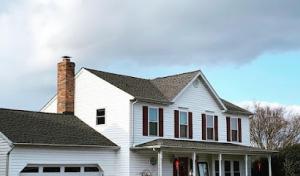
Chimneys and their flashing are recurring trouble spots in older or customized Crofton homes where transitions meet the roof plane. Prioritize the chase cap, step flashing, and counterflashing along the brick or stonework. After heavy rain or freeze-thaw cycles, inspect mortar joints near the flashing for cracks, and check the intersection where chimney leads into the roof valley. A small misfit here can allow water to travel laterally under shingles.
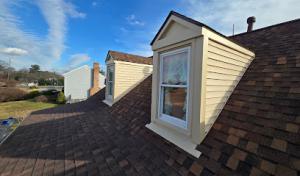
In a four-season cycle with snow and thaw, penetrations and flashing details often fail before the main field of the roof does. Pay particular attention to vent pipes, attic dormers, and any skylight or chimney-related rows of flashing that sit near tree cover. Loose nails, raised shingle edges, or rusted metal around penetrations are early warning signs. Address these promptly to prevent cascading leaks.
When a leak is suspected, start with a quick, practical path: identify the highest water entry point in the interior, trace the path to the roof, and inspect both the flashing and the penetration seals directly overhead. In Crofton, performing these checks after storms or during seasonal transitions reduces water intrusion time and supports faster repairs.
Keep clear records of any skylight or chimney work, including photos of the flashing details and the upstream roofing condition. For insurance documentation, organize notes on roof penetrations, flashing materials, and the date of the last sealant or flashing refresh. In seasonal peaks, timely follow-up inspections help ensure leak points stay resolved.
Find contractors experienced in skylight installation, flashing, and leak repairs to bring natural light into your home.
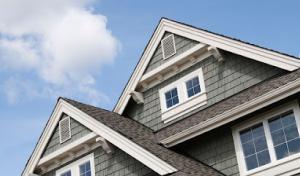
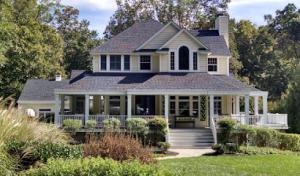
Although pitched residential roofs dominate Crofton, the contractor signal set shows a meaningful local market for flat or low-slope sections. In neighborhoods with heavier tree cover and dense lot layouts, these areas can silently drive leak risk if they're not assessed with the same attention as the main roof. When evaluating a re-roof or a repair after a storm, make sure the low-slope portions are treated as a separate surface with their own drainage and flashing checks. The goal is to prevent secondary leaks that travel from a main roof edge into walls or into attached spaces.
These low-slope areas are often the parts most affected by standing water risk during Crofton's wet spring periods and heavy summer downpours. Plan for thorough drainage profiling: confirm that roof-to-drain transitions are clear, confirm primary and secondary drainage paths, and check for ponding on any sections where the slope is near or below a quarter inch per foot. In mature neighborhoods with aging flashings, anticipate sealant degradation and consider mechanical fasteners or cap flashings that resist seasonal temperature swings. In addition, verify that parapet walls, if present, have proper counter-flashing to channel water away from joints.
Attached garages, porch roofs, and additions in suburban Anne Arundel neighborhoods can age differently from the main roof and should be scoped separately. These sections often experience unique weather exposure due to adjoining structures, shade patterns from mature trees, and roof intersections with siding or masonry. When planning repairs or replacements, isolate the evaluation timeline and flashing details for these areas from the primary roof. Inspect joints where the deck or porch roof meets the main plane for signs of ice damming potential, grime buildup, and fastener corrosion. Prioritize resealing or re-flashing those connections to maintain a uniform, weather-tight envelope across the entire roof complex.
Find specialists in TPO, EPDM, and built-up flat roofing systems for residential and commercial properties.
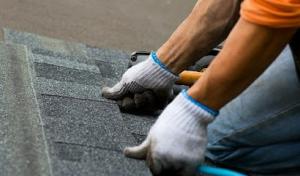
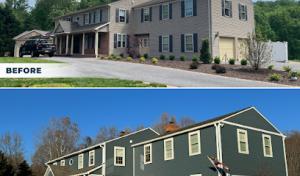
In this market, you will find several long-standing, family-owned firms that carry weight with neighbors and HOA managers alike. Warranty terms vary, and manufacturer-certified contractors are present but not the default. When you compare plans, focus on what the warranty actually covers after storm impacts, how long coverage lasts, and whether wear-from mature-tree debris or accidental damage is explicitly included. Look for transferability if you plan to stay in the home; many neighbors value a smooth transfer when the house changes hands.
Crofton's contractor pool places strong emphasis on cleanup being included in the job-nails, shingle fragments, and stray fasteners are never a afterthought. Ask for a written cleanup clause that specifies daily debris removal and a final sweep with a magnet to locate nails. Confirm how debris from trees and branches will be handled during storm season, since a thorough cleanup reduces the risk of punctures to underlayment and gutters once rain arrives again. In practice, expect crews to towel off driveways and sidewalks and to remove all packaging, with a dedicated site supervisor verifying that no sharp leftovers remain.
Fast response matters when leaks appear through layered roof lines in Crofton's mature-tree neighborhoods. Favor contractors who document arrival times, provide a dedicated emergency contact, and set a realistic on-site assessment window after a weather event. A neighborhood-reputation screen often correlates with how quickly a crew can tarp a damaged area and proceed with temporary fixes before a full repair plan. If a contractor cannot commit to a prompt response, weigh that against their warranty depth and cleanup commitments.