
Last updated: Apr 19, 2026
Late-summer to early-fall tropical storm remnants sweep through this area with a reliability that keeps the roofing calendar jittery. In practice, that means leaks can appear after a quick downpour or a lull between storms, and timing often clashes with busy contractors and insurance adjusters. When a storm hits, roofing projects in Anne Arundel County tend to stall as crews chase emergency work and adjusters triage multiple claims. Plan for delays, but act fast on the first signs of leakage: damp ceilings, bubbling paint, and musty attic air can escalate quickly after a heavy rain or wind event. If a storm rolls through, anticipate that a temporary fix may be needed to limit interior damage while you secure a proper assessment and permanent repair.
You must contain water intrusions as soon as you notice them. Start by carefully removing valuables from the affected area and placing tarps or plastic sheeting to catch further leaks. Do not delay a professional inspection if water is actively entering, even if it seems minor-what looks like a small drip can expand after another round of rain. In this market, emergency repair crews are commonly available, and many local contractors position themselves to respond quickly to storm-related leaks. The goal is to stop additional damage, not to perform a cosmetic fix. If shingles are visibly lifted, missing, or torn after a storm, document it immediately with clear, time-stamped photos from several angles.
Maryland wind and hail claims often hinge on sharp, comprehensive documentation. Before any work begins, gather as much as possible: a dated list of damage, close-up photos of damaged areas, the roof's slope and material type, and the progression of leaks inside the home. Keep a running log of weather events that coincided with the damage-dates, wind speeds if known, and rain totals. When meeting an adjuster, present a complete set of replacement estimates from reputable local roofers and negotiate for full replacement when the damage extends beyond isolated shingles. Carriers in this region may scrutinize whether damage is storm-related versus age-related wear, so your file should clearly separate pre-storm conditions from post-storm results. Consistency matters: align the photos, the work orders, and the narrative of when and how the damage manifested.
The local contractor market shows unusually strong prevalence for emergency repair, storm damage, and insurance-claims help. That means you are not alone if you need rapid containment and a guided path through the claims process. Seek a contractor who can provide transparent, on-site evaluations and a documented plan that uses weather-resilient materials appropriate for the mid-Atlantic climate. Ask for a written mitigation plan, a staged timeline that accounts for potential delays from storm-season scheduling, and a clear explanation of what constitutes temporary versus permanent repairs. Given the tendency for delays in the wet spring-to-fall window, demand daily or every-other-day updates during a storm-related project and insist on a single point of contact.
Insurers appreciate a tightly organized claim package. If possible, submit the storm event report, the contractor's initial assessment, and color photographs that show the interior impact and roof surface condition. Ensure the contractor's estimates clearly distinguish between necessary emergency measures and permanent replacement work. If the claim is approved for replacement, insist on a comprehensive scope that covers structural checks, underlayment, flashing, and ventilation where impacted by the storm. In the aftermath of a major event, expect a listening environment from adjusters: present your documented history, the sequence of leaks, and the alignment between storm timing and observed damage to support a straightforward claim path.
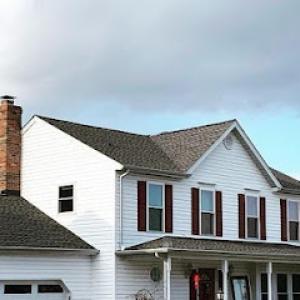
RoofPRO
(410) 705-7552 www.marylandroofers.com
8137 Telegraph Rd, Severn, Maryland
4.8 from 260 reviews
RoofPRO, located at 8137 Telegraph Road, is your leading roofing contractor dedicated to providing top-tier roofing and siding services. As a trusted roofing company, we specialize in expert roof repair, roof replacement, and commercial roofing solutions tailored to meet your needs. Our experienced team ensures every project is completed with precision and excellence, making us the go-to choice for your roofing and siding needs. Whether you're seeking a reliable siding company or a professional roofing contractor, RoofPRO guarantees exceptional craftsmanship and customer satisfaction. Choose RoofPRO for unparalleled service in roofing and siding in your area.
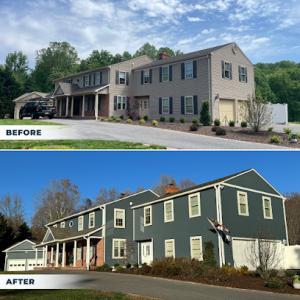
Fichtner Home Exteriors
(410) 519-1900 fichtnerservices.com
Serving
4.9 from 288 reviews
Fichtner Home Exteriors has been a leading Maryland roofing and exterior home improvement contractor for over two decades. Based in Odenton, Maryland, we offer award-winning roofing and exterior home improvement services for builders and homeowners.
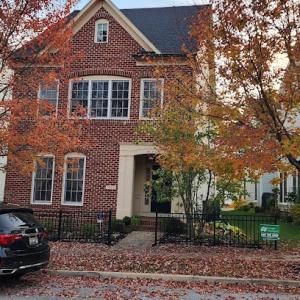
Terrapin Roofing
(240) 708-2069 www.terrapin-roofing.com
Serving
5.0 from 30 reviews
At Terrapin Roofing we are committed to delivering top-tier roofing solutions that add value and beauty to the homes and businesses of our community. As a GAF certified contractor, we are ranked in the top 5% of contractors in the United States. We use the #1 shingle in America, the Timberline HDZ, an architectural shingle with an unlimited windproven wind rating and a lifetime transferable warranty.
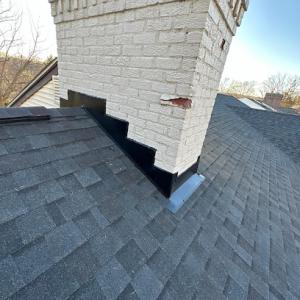
Blusky Roofing & Restoration
Serving
5.0 from 33 reviews
Blusky Roofing and Restoration is a versatile company specializing in Residential and Commercial roofing services. Our expertise extends to state and federal roofing and restoration projects, ensuring top-notch quality and compliance with regulatory standards. Trust us for comprehensive solutions in the roofing and restoration industry.

DreamHome
(410) 834-4291 www.dhremodeling.com
Serving
4.9 from 29 reviews
As a BBB Accredited Roofer and the first choice for roofing and exterior renovation throughout Virginia and Maryland, you can rely on the professionals at DreamHome, Inc. to provide the innovative products and guaranteed service you need to keep your property in top shape. To learn more about our company and the impressive selection of services we offer, just give us a call today. You can also fill out our online form on our site and we'll get you started with a free quote and consultation
Roofing Pups, Roofing & Siding
(443) 261-0692 roofingpups.com
Serving
4.7 from 366 reviews
Roofing Pups Roofing & Siding has been making customers' homes look beautiful in the DMV communities for more than 30 years combined. Roofing Pups Roofing & Siding provides the highest quality, affordable exterior remodeling and replacement contracting services. Our staff is professional, well-trained, and ready to serve you. Call today and receive a free, no-hassle in-home consultation by one of our service consultants. We would love to help with your next home improvement project! We are your roof's best friend!
George & Sons Exterior
(443) 629-1674 georgeandsonsexteriors.com
Serving
4.7 from 12 reviews
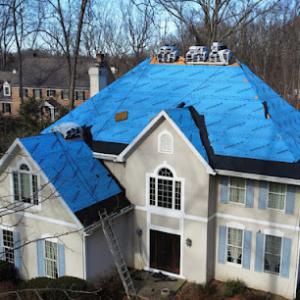
George & Sons Exteriors is your go-to roofing contractor in Glen Burnie, Maryland. With over 25 years of experience, we offer homeowners peace of mind through our reliable services. Specializing in Glen Burnie roof replacement, we also handle roof repairs, siding, gutters, vinyl windows, skylights, and junk removal. As a family-owned business, we take pride in our work and our community. Whether you need a new roof or repairs, our dedicated team is here to help. We value our customers and their feedback, striving to provide excellent service every time. Start your project with George & Sons Exteriors today and see the difference we can make for your home.
True North Remodeling
Serving
4.8 from 212 reviews
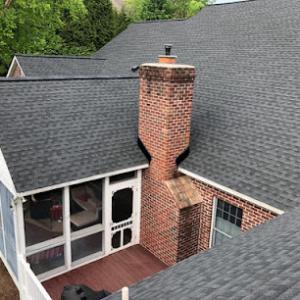
True North Remodeling is a full-service roofing and home remodeling company serving homeowners throughout Maryland. We specialize in roofing, siding, window replacement, gutters, decks, patios, kitchens, bathrooms, basements, and complete home renovations. Known for honesty, quality craftsmanship, and a relationship-first approach, we guide homeowners through every step of the remodeling process. From exterior protection to interior transformation, Maryland homeowners trust True North Remodeling for reliable service and lasting results.
Glen Burnie Roofing
(410) 590-9006 www.glenburnieroofing.com
Serving
4.8 from 55 reviews
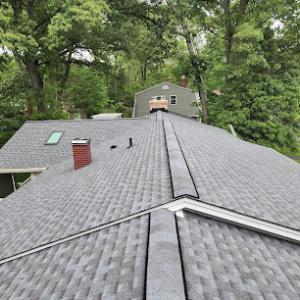
We are a "full service" roofing contractor and we will handle everything from a new roof installation, restoration and maintenance to re-roofs and repairs. All with the assurance that can solely come with years of experience.
5 Star Roofing & Restoration
(833) 578-2707 www.5starroofingandrestoration.com
Serving
4.8 from 193 reviews
5 STAR Roofing and Restoration provides top-notch service for all home improvement and emergency mitigation needs. We specialize in helping homeowners get approvals on their storm damage roof repair or replacements. Our team of experienced roofers are dedicated to your satisfaction and will provide you with a quality job that is built to last. Contact us today for a free quote and let us help you restore the value of your home. Thank you for choosing 5 STAR Roofing and Restoration -
American Remodeling
(410) 799-9600 americanremodelingcorp.com
Serving
4.7 from 127 reviews
Since 2000, we’ve built our reputation by offering honest pricing, quality craftsmanship and a team dedicated to treating every project as our only project. Everyone at American Remodeling is keenly aware of the trust we have earned when we are hired to take on a project. On many occasions, we come in to help dreams of a new exterior look become reality. Sometimes, we are hired after damage has been done; when a storm or calamity makes remodeling an unexpected project. Big or small, we start every project by considering the unique details of each home.

Maryland Roofing Company
(410) 716-4414 marylandroofingco.com
Serving
5.0 from 34 reviews
For trustworthy and professional roofers in Severna Park, rely on our team at Maryland Roofing Company. The roof of your home or business fulfills an important function and it's important to have confidence in the roofing company that you choose for the job. Maryland Roofing Company has been in the roofing business for over 40 years, providing customer-focused roofing service to each and every customer. Our roofers are true experts in metal and shingle roofing products. Roofing technology has advanced noticeably in recent years and our team is happy to walk you through the different materials, colors, and options you have at your disposal. Contact us today for all your professional roofing services in Severna Park and surrounding areas!
The typical replacement window window in this area follows a spring-through-fall rhythm, with dry conditions leaning toward better tear-off and installation days. In practice, that means plan for a schedule that starts after the last hard freeze and aims to finish before the first reliable cold snap. Dry weather reduces shrinkage and helps sealants cure properly, which matters for a long-lasting roof-and-window integration when you're coordinating with a total home upgrade. If heavy spring storms interrupt outdoor work, you build in a one- to two-week contingency block, keeping crews ready to resume as soon as rains ease and visibility improves.
Spring storms and heavy rains in this Maryland corridor can disrupt tear-off and window installation timelines. When you're facing a wet week, shift to inspection, measurements, and material staging rather than full-on exterior work. Have a clear plan for rescheduling without letting catch-up drag into the peak heat of summer. Keep a buffer in your window purchase and order timing, so you're not waiting on back-ordered glass or flashing components when a late-spring downpour rolls through. Coordinate with your roofer to stage minor tasks like flashing checks or soffit protection during rain breaks so the larger project can resume smoothly when skies clear.
Hot, humid summers in this area affect crew pacing and material handling. Heat can slow install times and stress sealants, so success hinges on daytime planning and hydration strategies. If you're replacing windows alongside roofing, expect morning installations to beat the peak heat. Have shaded staging areas and dedicated breaks to protect both workers and materials. Efficient staging reduces material handling time and minimizes the risk of heat-induced warping or sealant failure. For homeowners, this means staying flexible with delivery windows and providing clear access paths for equipment and debris management.
If replacement windows are tied to a storm-related leak response, address flashing continuity and membrane overlaps with the same diligence used on the roof. Ensure that any penetrations through the wall sheathing are treated as part of the same waterproofing plan, so you don't end up chasing leaks after the window is installed. When documenting damage for insurance, photograph the roof-to-wall junctions where windows meet the structure, and note any signs of moisture migration around drip edges or flashing. A coordinated approach between roofing and window work minimizes backtracking and helps keep your project on a practical, site-specific schedule.
Get a clear picture of your project costs upfront - no commitment required.
5 Star Roofing & Restoration
(833) 578-2707 www.5starroofingandrestoration.com
Serving
4.8 from 193 reviews
Asphalt shingles are the dominant practical choice in Severn's market, aligning with the strongest local specialization among material-specific contractors. This isn't accidental: the mid-Atlantic climate creates a need for reliable performance across hot summers and damp springs. Asphalt products have a broad installer base, respond well to standard guidance on underlayment and ventilation, and usually offer straightforward repair options when storm-driven leaks occur after heavy rain events. For homes with standard attic ventilation and modest roof slopes, asphalt can deliver dependable long-term protection without overwhelming the budget. The local contractor scene is used to sizing, aligning with typical residential stock that features steep- or moderate-slope roofs with common eave details.
Severn homeowners also have access to meaningful local specialization in metal roofing, though these specialists are fewer than asphalt-focused teams. Metal roofs bring excellent hail resistance and fast drainage, which can be a clear advantage after late-season tropical remnants or spring deluges. In practice, metal works best when a roof deck is solid and ventilation is adequate, because expansion and contraction are more pronounced with temperature swings. If choosing metal, expect precision details around penetrations, flashing, and attic venting. A metal option can also pair well with certain architectural styles that favor a crisper silhouette or a design intent to shed weight on older structures, provided the roof's framing and warranty tolerance align with the panel system.
Tile roofing, including clay and concrete, is a craft-forward option found in select Severn neighborhoods. Clay and concrete tiles excel at shedding rain and standing up to humidity, but they require a robust roof framing and careful sealant details around hips, valleys, and chimneys. In this climate, expansion and contraction are part of the performance story, especially after freezing periods followed by rapid heating. Tile systems benefit from professional volleys of maintenance around fasteners and mortar joints, where seasonal moisture movement can reveal hairline failures before they become active leaks. The trade-off is weight and installation complexity, so only teams with tile-specific experience should install or repair them.
Cedar shake work remains available through local specialists who understand how cedar responds to dry-wet cycles and humidity. Cedar performs well aesthetically and can accommodate mid-century or craftsman-inspired homes with appropriate underlayment. However, cedar is more sensitive to moisture management and requires regular attention to prevent cupping or splitting during winter freezes. For a homeowner weighing cedar against asphalt, consider the maintenance window and how late-spring rain can test the sealant and flashing around dormers or vents. With the right maintenance plan, cedar can deliver warmth and character without compromising reliability during storm-driven periods.
In this re-roofing-heavy market, tearing off old roofing and disposing of debris tends to be the major cost driver more than the initial install in a lot of jobs. Severn homeowners often see the most noticeable price movement from how quickly crews can schedule, access the job site, and handle waste, especially after a windy or hail event that spikes demand. Storm-driven demand in the Anne Arundel County area can tighten scheduling and labor availability, pushing pricing toward the upper end of the local ranges. When evaluating bids, expect crews to itemize tear-off, disposal, and replacement logistics as separate line items, since those factors often determine the final total more than the nominal material cost. In a typical late-spring to early-summer window, weather-driven delays can stretch timelines and trade labor, so timing should factor into the total cost picture.
Asphalt shingles remain the most common choice for Severn roofs and usually come in a broad price band. In a re-roofing scenario, where labor and disposal dominate, the practical per-square range tends to cluster toward the higher end of the listed spectrum when capture and haul-off are required. Metal roofing offers longer life and better wind resistance but carries a higher labor footprint for tear-off and installation, which again widens the gap between bid estimates in storm-affected periods. Clay and concrete tiles deliver distinct durability and aesthetic options but require careful deck and ventilation considerations; their square costs reflect both material complexity and the heavier handling logistics of removal and replacement. Wood shingles or shakes provide a traditional look with strong environmental durability, yet moisture, wind, and fire considerations can influence the bid, particularly in a market where crews juggle multiple re-roofs after storms. Synthetic or composite shingles give you a mid-range choice that still benefits from faster installation and lighter handling than heavier tile systems while delivering decent longevity. For quick reference, here are the typical ranges homeowners will encounter in this market: Asphalt Shingles, roughly 350-650 USD per square; Metal Roofing, 700-1100 USD per square; Clay Tile, 1200-1800 USD per square; Concrete Tile, 1000-1500 USD per square; Wood Shingles/Shakes, 800-1200 USD per square; Synthetic/Composite Shingles, 600-1000 USD per square. Actual bids will almost always separate tear-off and disposal from the new material scope.
Because storm events can compress labor availability, it pays to build a realistic cushion into your project window. If a wind or hail event hits Anne Arundel County, expect bids to tighten within a few days to weeks and potential lead times for crews to shift gears toward your project. When you compare bids, ask for a line item breakdown that clearly shows tear-off, disposal, underlayment, decking checks, and any required roof vent or attic improvements. In late spring to fall, a reasonable contingency of 10-20 percent above the material cost is not unusual for re-roofs, given logistics and potential weather-related delays. Finally, use a single, consolidated schedule with your chosen contractor to coordinate inspections, material deliveries, and crew arrival times, minimizing downtime and keeping the project on track during Severn's typical wet spring-to-fall window.
Don't let upfront costs delay a critical repair - these contractors offer payment plans to fit your budget.
RoofPRO
(410) 705-7552 www.marylandroofers.com
8137 Telegraph Rd, Severn, Maryland
4.8 from 260 reviews

Recovery Home Improvement
(410) 288-1633 www.recoveryhomeimprovement.com
Severn, Maryland
4.5 from 23 reviews

In this part of Maryland, roofing work typically travels through the county's building department rather than a separate city office. That means project planning should align with Anne Arundel County's timelines for permits, plan review, and inspection windows. The wet spring-to-fall window in this area can swell rain-delayed schedules, which makes early permit submission and a realistic inspection plan essential. When a storm-driven leak or urgent repair looms, you still need to respect the permitting pace-emergency repairs may still require permit compliance after the fact, and skipping steps can delay closeout and create stubborn hold-ups if inspectors later identify gaps.
The local process centers on submitting project details and contractor information before any work begins. That means you must verify who is actually pulling the permit for your roof. It's not uncommon for a subcontractor or the replacing contractor to take the lead, while the homeowner is left responsible for ensuring all paperwork is in order. If the correct permit holder isn't identified early, you risk filing confusions, double-documented changes, or even the need for re-inspection later on. A quick check with the county building department and a written confirmation from your contractor can save you a lot of friction when the crew is ready to install.
Inspections occur both during installation and after the job to verify code compliance and leak testing. In practice, that means scheduling matters-your crew should anticipate several inspection touchpoints, not just one final walkthrough. A dry run with the inspector can help confirm flashing, underlayment, and ventilation details meet county standards before shingles go down. If an issue is flagged, timely remediation is essential because late fixes can push you past the typical storm-season window and complicate closeout. Plan for access to the attic and roof line for interior checks as needed.
Delays in permit processing or inspection availability can ripple into your weather window, especially with Anne Arundel's spring-through-fall pattern. Build a realistic calendar that accounts for potential rain days, required re-inspections, and any contractor coordination gaps. Closeout isn't just a paperwork finish line-it's the final sign-off that confirms the project met all county code requirements and leak testing criteria. Without a clean closeout, you risk unwelcome surprises should future issues arise and a mismatch between work completed and recorded approvals.
In Severn, homeowners face a Maryland insurance environment where wind and hail events can drive claim activity, making roof condition records especially important before and after storms. If a storm passes and things look minor at first, a quick photo log can save you from surprises later when an adjuster reviews the roof's history. The weather pattern-winter freezes, spring rains, and late-season storm remnants-means dry spells can quickly give way to moisture concerns that insurers scrutinize closely.
Carriers serving this region may ask for detailed existing-condition photos and may be sensitive to under-insured or misrepresented damage, which can affect whether repairs or full replacement are approved. When you file after a weather event, present clear, dated images of the entire roof, along with close-ups of visible defects, flashing, and penetrations. Keep notes on any immediate leaks, attic moisture, or condensation, and link those observations to corresponding storm dates. A well-organized file helps avoid disputes that can stall decisions or slow approvals.
Because local inspections are part of the county process, homeowners in Severn should keep permit records, inspection results, and contractor scopes together with claim documentation. Store a folder that ties the roof's original condition, any contractor work, and every inspector's notes to the claim timeline. When an adjuster arrives, having a consolidated package reduces back-and-forth and supports a coherent narrative about what was present before the storm and what the roof needed afterward.
Connect with contractors who help homeowners navigate the claims process from damage assessment to final approval.
RoofPRO
(410) 705-7552 www.marylandroofers.com
8137 Telegraph Rd, Severn, Maryland
4.8 from 260 reviews
The Severn contractor market shows meaningful specialization in both flat or low-slope roofing and skylight work, suggesting these are recurring service needs in local homes and additions. When a home uses low-slope dormers or extended flat porches, the water shedding is gentler and more dependent on precise flashing, drainage transitions, and edge detailing. That specialty means you'll often encounter good, repeatable workmanship that focuses on long-term drip prevention rather than quick fixes.
Spring heavy rains in this area make flashing details and drainage transitions especially important on low-slope sections where water sheds more slowly than on steeper roofs. Pay extra attention to the transitions where low-slope roofs meet vertical walls, vents, and skylight curbs. Ensure metal flashing is continuous, bent to lock seam joints, and that sealant beads are compatible with roofing materials and exposed to sun and rain cycles without cracking.
County leak-testing expectations during inspection make penetrations such as skylights a practical quality-control focus for homeowners. If a skylight was installed with an earlier roof, verify the flashing pan, curb counterflashing, and shingle-to-flash transitions are integrated. In this climate, testing for capillary action around the curb and ensuring membrane underlayment extends under the skylight opening can catch slow leaks before they become visible.
During routine checks, inspect skylight seals, surrounding shingles, and any pooling near low-slope sections after heavy rain. Look for soft or missing shingles in the vicinity, but also for subtle staining along the interior walls where a leak may travel from a distant flashing detail. Develop a simple maintenance habit: after storms, look at the skylight area from the attic and exterior to confirm water is not entering at seams or joints.
Find specialists in TPO, EPDM, and built-up flat roofing systems for residential and commercial properties.
RoofPRO
(410) 705-7552 www.marylandroofers.com
8137 Telegraph Rd, Severn, Maryland
4.8 from 260 reviews

When heavy spring rains roll in and late-season tropical remnants drift through Anne Arundel County, the first question is how quickly a crew can respond to a leak and start cleanup. Homes in this area often rely on quick triage: stopping water intrusion, protecting interior finishes, and then coordinating a temporary but reliable temporary fix before permanent replacement. You should screen for crews that outline a clear on-site emergency plan, including moisture containment, tarping, and a realistic timeline for temporary and permanent work. Ask how crews handle recurrent leaks during wet spells and whether they bring moisture meters and roof-medical-grade patching materials to the site on day one. In practice, look for teams that treat cleanup as part of a responsible chain of care, not a separate add-on.
Long-established, family-owned, residential-focused firms have a tangible presence in this market. Trust and neighborhood reputation matter, so verify references from nearby homeowners, and prefer contractors who can share recent job photos from Severn-area projects. Quick response isn't just a promise; it's a measurable service standard you can test by calling during a rain event and noting estimated arrival times and on-site readiness. Choose firms that communicate clearly about what they will do in stages, who will supervise the crew, and how cleanup will be managed to leave driveways and yards free of debris after each visit.
Manufacturer-certified and warranty-offering contractors exist, but not every claim for enhanced warranties will apply to your specific system. Screen for clarity on what the warranty covers, including workmanship, shingles or panels, underlayment, and any included storm-related protections. Confirm what documentation accompanies the warranty, such as product data sheets, install checklists, and before-and-after moisture assessments. For storm-driven work, ensure the contractor provides a written plan showing inspection points after large rain events, and what steps trigger warranty-related service. In any case, request a single, consolidated project file that you can share with your insurer if a claim becomes necessary.