Last updated: Apr 19, 2026
Marlborough's cold winters bring repeated snow, melt, and refreeze cycles that turn roof work from a simple scheduling choice into a seasonal strategy. The texture of the local climate-where ice dams, granular loss, and shingle creep can ride the same wave-means the timing of a tear-off and roof installation matters as much as the materials chosen. Because freeze-thaw cycles stress decking and flashing, aligning a replacement with more forgiving temperatures helps reduce post-install damage and speeds up drying in the attic and eaves. In practice, this means treating the late spring through early fall period as the preferred window, with planning that anticipates the shifts between sunny warmth and sudden spring showers.
In Marlborough, the snowpack is typically established earlier in the season, but by late spring, meltwater becomes more predictable and less volatile than heavy winter precipitation. Fall brings cooler days and stronger wind exposure, but it also narrows the risk of extreme cold that can complicate adhesive cures and roof nailings. When work is undertaken in the late spring through early fall, shingles and underlayment have a longer window to settle before the first heavy freeze of the season, and the crew can manage ventilation and attic heat more effectively. The pace also aligns with better roofing crew productivity, reducing the chance of delays caused by winter storms or early season cold snaps. This timing helps ensure that the roof system can perform as intended through the toughest local cycles without catching you in the middle of a thaw-edge project.
Spring rain adds a variable to the plan in this climate. While the season offers more moderate temperatures, persistent wet weather and lingering winter moisture can delay tear-offs and installation. The key is to keep decking dry during replacement, since damp or warped boards complicate shingle seating and step flashing. Homeowners should anticipate short weather windows for each phase of work and coordinate with the contractor to stage lumber, underlayment, and fasteners so that materials spend as little time exposed to rain as possible. If a storm system pushes through, plan for a temporary roof protection layer or a brief pause in work to avoid compromising the roof deck, which can be hard to dry out once water intrusion begins.
Fall brings wind exposure that tests new seams and flashing, especially around chimneys and dormers common on older stock. If the window extends into late fall, ensure the installation schedule defers the most heat-sensitive steps until conditions stabilize. This region experiences gusts that can loosen temporary coverings and expose newly installed underlayment to blowing rain. The goal is to have the bulk of the installation completed before the first hard freeze sets in, leaving enough margin to finish detail work, sealants, and flashing with cold-weather methods that you know hold up in Marlborough's climate.
The practical approach is to map a replacement window that spans late spring to early fall, with built-in contingencies for wet springs and late-summer heat spikes. Start with a clear inspection of the roof, attic ventilation, and decking to identify any moisture or damage that could delay work. Schedule a phased tear-off if the roof is extensive, to allow for partial drying during the process and to manage interior humidity. Build in a buffer for unexpected rain events and storms, so the critical waterproofing steps-ice and water shield installation and proper flashing around chimneys and valleys-are completed during optimal conditions. This focus on dry conditions during adhesion and sealing will help the new roof hold up through Marlborough's distinctive freeze-thaw cycles.
New England winters deliver freeze-thaw cycles that test any roof, and Marlborough's snow load adds a reliable edge to the decision between asphalt and metal. The seasonal pattern here is not a single-weather story; it blends heavy snow in winter with rapid thaw events in spring and brisk, sometimes windy falls. That means a roof must be resilient across multiple stressors: ice dams, moisture infiltration from persistent snowmelt, and wind-driven drainage challenges as leaves accumulate and gutters clog. Asphalt shingles respond well to these conditions when installed with modern underlayments and proper attic ventilation. They handle the routine expansion and contraction of winter temperatures and accommodate a wide range of roof pitches common to Marlborough homes. Metal, by contrast, stands out for its resilience against wind and its reflective properties, but it requires careful detailing at hips, valleys, and transitions to perform consistently through the thaw cycles and summer heat. The local climate profile makes a one-size-fits-all answer unlikely, and your choice should align with how your home ages through multiple seasons.
Asphalt shingles dominate the local re-roofing market for good reason. They're familiar, manageable to install in tight schedules, and widely supported by a broad network of installers who understand Marlborough's typical roof lines and chimney configurations. In winter, asphalt tends to tolerate freezing and thawing cycles reasonably well when the roof deck is dry and the attic is ventilated. If your home features steep pitches or a chimney stack that concentrates heat and moisture, asphalt offers predictable performance when paired with proper underlayment and ice and water shield at eaves and valleys. The large pool of local crews means quicker turnarounds and easier access to warranty-backed products that are familiar on older New England homes with varied roof ages. In spring, asphalt roofs benefit from regular maintenance-clearing debris from valleys, ensuring adequate attic venting, and checking for lifted edges after heavy snows. With well-chosen asphalt shingles, you gain a versatile, repair-friendly option that suits Marlborough's common home stock without forcing a specialized installation footprint.
Metal roofing brings visible advantages in wind resistance and rapid snow shedding, which can mitigate ice dam risk on exposed Marlborough elevations. Yet metal is more specialized here, with a smaller pool of local installers who are comfortable detailing the transitions around chimneys, dormers, and skylights that appear frequently on older homes in the area. The material's longevity pairs well with heavier seasonal stresses, provided the installation accounts for expansion gaps, sealant durability, and proper fastening patterns to avoid fastener failures after temperature swings. If a home's roof is a high-slope design or features numerous penetrations, metal can deliver a clean, long-lasting look with minimal maintenance-though the upfront coordination with qualified crews matters more than with asphalt. Summer heat, while less punishing than winter, still requires an installer who understands how metal panels behave when exposed to direct sun and potential thermal expansion. In Marlborough, metal stands as a capable, more specialized option that rewards careful planning and skilled execution.
You balance familiarity, maintenance expectations, and how your roof interacts with seasonal stresses. Asphalt shingles offer broad compatibility with Marlborough's typical housing stock and a robust local support network for repairs and replacements. Metal roofing, while less common, provides compelling performance for wind-prone sections or homes facing frequent thaw cycles where rapid shedding and longevity align with your expectations for a long-term solution. The decision comes down to your home's existing geometry, the level of detail required at transitions, and how you prioritize ease of repair versus potential longevity.
In Marlborough, you'll see asphalt shingles dominate many neighborhoods, but the mix of older New England homes means premium options show up with chimneys and steeper structures. Local pricing spans from 350 to 650 USD per square for asphalt shingles, with higher-end materials drifting toward 700 to 1100 USD per square for metal, and premium options like slate stretching 1000 to 1800 USD per square. This reflects both the typical stock and the occasional standout property that calls for a more durable or distinctive roof. When estimating, keep in mind that a "square" is 100 square feet, so a 2,000-square-foot roof translates to about 20 squares.
Costs in Marlborough can rise when projects are booked into the city's preferred late spring through early fall season, when weather is more favorable and demand is concentrated. That peak window brings tighter scheduling and higher material and labor rates, especially for full replacements with tear-offs. If your schedule can tolerate shoulder-season work, you may find more flexible crews and better bargaining room, though spring moisture and autumn wind events still demand solid planning. For the homeowner, earmarking months outside the busiest stretch can help stabilize both price and pace.
Older Marlborough homes with chimneys and full tear-off re-roofing needs can add labor complexity compared with straightforward overlay-style discussions. A full tear-off requires careful removal to avoid exposing underlying decking during freeze-thaw cycles, plus more time to manage protrusions, fireplaces, and any chimney flashing. This complexity tends to push costs up compared with lighter, non-tear-off re-roofing still within the same material category. In practice, expect premiums for the extra labor, higher waste disposal, and the additional inspection steps that come with a true replacement rather than a simple overlay.
Given Marlborough's freeze-thaw winters and spring moisture, choosing material with proven performance in those cycles pays off. Asphalt shingles remain the most budget-friendly and versatile choice, especially if the budget is tight and the roof line is straightforward. For steeper pitches or properties with visible chimneys and dormers, metal options can offer longer life with better wind resistance, while clay or concrete tiles carry higher upfront costs but can deliver superb durability in a well-drained roof plane. Slate delivers premium durability and aesthetics, but its cost reflects both material and installation complexity.
To build a realistic budget, start with your roof's square footage and multiply by the chosen material's per-square cost. Don't forget associated expenses in Marlborough, such as higher labor during peak season and potential extra costs for tear-offs on older homes. If a full tear-off is indicated, reserve a contingency pool for decking inspection, flashing around chimneys, and potential repairs to ensure the system performs during freeze-thaw cycles. In short, expect the price ladder to reflect not only the material but the labor intensity tied to Marlborough's distinctive housing stock.
New Life Construction
(978) 549-2280 newlifeconstruction.pro
Marlborough, Massachusetts
4.9 from 64 reviews
New Life Construction of Leominster, MA is a licensed & insured home improvement and roofing contractor specializing in roof services. We help homeowners with all aspects of exterior home remodeling including siding, roofs, windows, doors, and specialty applications. New Life Construction has over 30 years of experience in the contracting trade. We offer estimates and competitive pricing, helping property owners throughout Central Massachusetts.
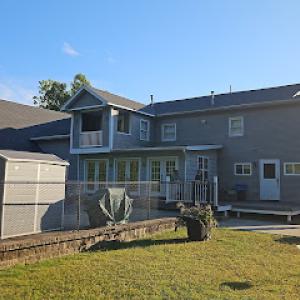
Garpelli Home Improvement
(508) 596-4296 garpellihomeimprovement.com
11 Apex Dr, Marlborough, Massachusetts
5.0 from 33 reviews
We are here to serve our community All jobs are very welcome Roofing replacement - roofing repair - chimney maintenance- gutter
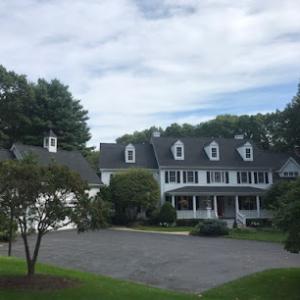
Evangelous Roofing
(508) 400-0380 southbororoofing.com
128 S Bolton St, Marlborough, Massachusetts
4.8 from 64 reviews
At Evangelous Construction Roofing, it is our goal to preserve the investment of your home. We are a fully licensed and insured professional roofing contractor located in Massachusetts. Our staff specializes in roofing and performs the highest quality of work. As a result, both you and your investments are protected. We take pride in our workmanship. All services are completed by seasoned professionals who always do the job right. Employees are all certified, fully licensed, and insured. In addition, they have a wealth of experience installing only the highest quality materials with the best warranty in the market. On top of that, we are certified as a Master Elite Roofing Contractor by GAF.
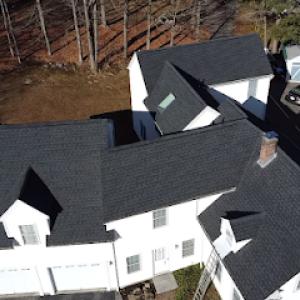
WS construction roofing
(774) 688-4629 wsconstructionroofing.com
26 River St, Marlborough, Massachusetts
4.9 from 35 reviews
Welcome to WS Roofing, where excellence meets all things roofing services and construction. With an impressive 19-years of experience constructing in the Greater-Boston area, our company delivers top-notch roofing solutions. The WS team is dedicated to providing not only superior craftsmanship but also a seamless and hands-off experience for our clients. Our services are: Residential Roofing, Commercial Roofing, Roofing Repair, Roofing Replacement, Siding, Gutter Cleaning, Skylight Replacement, Snow and Ice Dam Removal.

Advanced Roofing, Siding & Windows
(978) 440-5020 www.goadvancedsiding.com
576 Boston Post Road E Suite I-B, 576 Boston Post Rd E suite b, Marlborough, MA
4.8 from 31 reviews
Advanced Roofing, Siding and Windows is here to help maintain the quality of your home’s exterior.

Harry's Construction
(978) 719-1053 www.harrysconstructionma.com
561 Boston Post Rd E Suite 2, Marlborough, Massachusetts
4.6 from 22 reviews
Harry Construction firmly believes that its role is to ensure that every project is delivered on time, under budget, and that the highest level of quality has been maintained. Through proper project planning and a collaborative approach, we provide the best building solution in the most expedient and cost efficient process. Our approach is to exceed the expectations of the customer – our number one priority. Harry Construction teamwork, communication practices and experience result in a safe, harmonious and effective construction process.
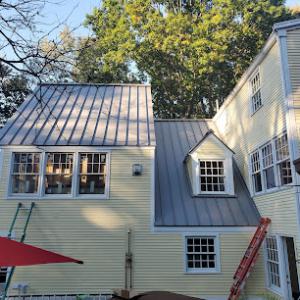
Classic Metal Roofs
(978) 562-7770 classicmetalroofs.com
Serving
5.0 from 121 reviews
Classic Metal Roofs, located at 156 Northboro Road, Unit A-7,Southborough, MA 01772 is your premier roofing contractor specializing in high-quality metal roofing solutions. Our expertise is in aluminum residentialmetal roofs in standing seam metal and metal shingles makes us the top choice for discerning homeowners. As experienced metal roofers, we provide unparalleled craftsmanship and durability across our offerings, including copper roofs, zinc roofing. Serving the local community with dedication, we guarantee exceptional service for anyone searching for "metal roofing near me." Trust Classic Metal Roofs for the finest in roofing innovation and protection.

Golden Group Roofing & Solar
(508) 786-8834 goldengrouproofing.com
Serving
5.0 from 102 reviews
Golden Group Roofing & Solar in Hudson, MA delivers premium residential roofing, siding, skylights, and integrated solar across Greater Boston and Central Massachusetts. Services include roof replacement and new installation, roof repairs and leak fixes, thorough inspections, skylight installation and repair, siding replacement and repair, and solar panel design and installation with one coordinated team. Certified, award-winning crews, transparent proposals, strong warranties, and flexible financing. Proudly serving Hudson, Westborough, Worcester, Framingham, Lexington, Wellesley, Newton, and nearby, schedule your free consultation today.
C&K Roofing & General Contracting
(781) 518-3456 ckroofingne.com
Serving
4.8 from 139 reviews
Our roofing contractor will make your roof a priority in Hudson, Maynard, Acton, Stow, Sudbury, and Concord, MA and surrounding areas. When it comes to keeping your home or office well-maintained, working with a skilled group of contractors is key. That's why you can have full confidence in C&K Roofing Our team in Hudson, MA, is dedicated to improving your roofing system from all aspects. Ready to start your next home renovation project? Call now to speak with a member of our team. We happily provide roofing services within a 30-mile radius of Hudson, MA.
Emmaty
(508) 369-0822 emmatyexteriors.com
Serving
4.9 from 59 reviews
Emmaty Exteriors provides exterior envelope solutions for new and renovating homes and businesses to optimize energy usage and efficiency. We provide solar design & installations. Roofing, Siding and Window design & installation. Call us today for your free estimate.
Re-Roof
(617) 416-9773 www.reroofus.com
Serving
5.0 from 11 reviews
Redefining excellence in roofing solutions Roof Repair, Maintenance, Replacement, and Upgrades: - GAF Certified Roofer - Up to 50 years Warranty - 3 Business Hour Free Estimate - Fast Installation - Roof Financing Options When it comes to roofing, precision, speed, and efficiency are key. We understand that your home is one of your most significant investments, and ensuring the integrity of your roof is paramount. We bring cutting-edge technology to the forefront, providing you with a seamless roofing experience. Disclosures Up to 50 years Warranty: The warranties we offer can differ based on materials and product package chosen by the client. Financing Options: Financing choices are determined by clients eligibility.
Atlantic Roofing Company
(508) 263-0577 www.atlanticroofingmass.com
Serving
4.8 from 26 reviews
Atlantic Roofing Company was formed in 1992. We replace and repair roofs of all types from slate roofs to metal standing seam to shingle roof as well as flat roofs. Our goal is to provide a service to our customers where we go above and beyond for there project.
A full roof replacement in Marlborough requires a building permit. When you apply, the department expects a clear scope of work, the proposed materials, and verifiable contractor information. The city treats a replacement differently from simple repairs, and submitting accurate details up front helps avoid delays that can push your project into harsher weather windows. If your project involves anything beyond a straightforward shingle swap-such as upgrading underlayment, adding structural ties, or changing roof pitch-prepare for a more thorough review. The local code authority looks for compliance that supports long-term performance through freeze-thaw cycles and moist springs, so the paperwork mirrors those practical concerns.
Inspections in Marlborough are not a one-and-done event; they are scheduled during the installation and again after work is complete. If the plan includes unusual structural work-like altering attic access, modifying load paths, or reinforcing rafters-the department may trigger a plan review. That extra layer can add time and require revised drawings or calculations. Understanding this upfront helps set expectations with the contractor and reduces the chance of mid-project stoppages. In areas with heavy snow and frequent wind exposure, the city wants to confirm the roof's design aligns with both current codes and the realities of local weather patterns.
A final inspection is typically needed before the permit can be closed. This means your project isn't really complete in the eyes of the permit office until an inspector signs off after the last nail is driven and the flashing is dressed. Plan for the possibility of minor finish checks after the visible work ends, and have documentation ready-manufacturer warrants, inspection notices, and any required test results. Proper permit closeout matters just as much as the installation itself, since a clean record helps with insurance filings and future property transactions.
Massachusetts insurers commonly expect documentation of roof age and prior condition, and that means before-and-after photos are especially important for homeowners in this area. The winter freeze-thaw cycles and spring moisture can hide wear that only becomes obvious after a fresh inspection, so clear images taken at the start and after replacement provide a concrete record that stands up to questions from adjusters.
Keep a dated photo log that shows the roof from multiple angles, the condition of chimneys, flashing, and vents, and close-ups of damaged areas after a storm. When weather permits, photograph any signs of granule loss on asphalt shingles or rust on metal systems, as well as the integrity of hip and ridge lines. Store these images with a simple description and date so you can easily reference them later during a claim review or if a dispute arises about replacement timing.
Permit and inspection records from Marlborough can help corroborate replacement timing and smooth claim handling when damage disputes arise. Organized records that tie the roof's age to a specific year, along with notes from previous inspections, give an adjuster a clear narrative about when the roof needed attention and why a replacement was warranted. This is especially helpful after a harsh winter or a windy fall when damage can be contested.
Create a single, dated folder (physical or digital) that includes photos, contractor notes, prior inspection reports, and any correspondence with insurers. In Marlborough's market, wind and hail claims are monitored, so having an orderly archive reduces the risk of gaps or misremembered details. A tidy set of documents can help you avoid delays and ensure your claim moves forward despite complex weather patterns that stress older homes.
Connect with contractors who help homeowners navigate the claims process from damage assessment to final approval.
New Life Construction
(978) 549-2280 newlifeconstruction.pro
Marlborough, Massachusetts
4.9 from 64 reviews

Advanced Roofing, Siding & Windows
(978) 440-5020 www.goadvancedsiding.com
576 Boston Post Road E Suite I-B, 576 Boston Post Rd E suite b, Marlborough, MA
4.8 from 31 reviews
Chimney-related exterior work is notably common in Marlborough's contractor market, signaling that roof-to-chimney intersections are a frequent homeowner concern locally. The mix of older homes with chimneys and frequent freeze-thaw cycles means flashing and masonry joints take a beating. Skylight service is also widely represented among Marlborough contractors, making skylight flashing and leak diagnosis a meaningful local repair topic rather than a niche add-on. These penetration details matter more in Marlborough because leak calls often happen during snowmelt, spring rain, and autumn weather shifts rather than only during major storm events.
Start with a careful visual check after the long winter or before heavy spring rains. Look for white efflorescence on brick chimneys, cracked or spalling masonry, and peeling flashing where the chimney meets the roof. On skylights, inspect the curb flashing, the plastic glazing seals, and any rust on metal frames. If you notice granule loss near the chimney or hairline cracks in masonry, flag these areas for timely attention, because small flaws quickly become larger leaks with spring wetness and freeze-thaw cycles.
Chimney flashing should be sanded smooth where the metal base meets roofing material and sealed with compatible, weather-rated sealant. If you see rust or loose flashing tabs, tighten or replace them promptly. For skylights, ensure the curb is solid and the sealant around the base remains pliable. Re-seal any gaps with a flashing membrane designed for low-slope transitions and for cold-season use. In Marlborough, a practical approach is to maintain a tight, two-point seal at both the base and the top where the skylight meets the roof slope.
If water enters near a chimney chase or along the skylight seam during snowmelt, an expert inspection is warranted. Local contractors often identify seasonal leak patterns tied to freeze-thaw stress that other areas miss. A professional can reflash, repoint masonry, or replace a failing skylight curb to restore a dry roof surface before the next seasonal shift.
Find contractors experienced in skylight installation, flashing, and leak repairs to bring natural light into your home.
New Life Construction
(978) 549-2280 newlifeconstruction.pro
Marlborough, Massachusetts
4.9 from 64 reviews
Evangelous Roofing
(508) 400-0380 southbororoofing.com
128 S Bolton St, Marlborough, Massachusetts
4.8 from 64 reviews
WS construction roofing
(774) 688-4629 wsconstructionroofing.com
26 River St, Marlborough, Massachusetts
4.9 from 35 reviews
The market tends to favor re-roofing over new construction, so you'll want a crew that can handle tear-off with minimal disruption and rapid leak containment. In a city where freeze-thaw cycles, snow load, spring moisture, and autumn wind gusts test roofs year-round, the right crew fights through bursts of wind-driven debris, ice dam risks, and moisture intrusion. Look for teams that show steady, practical experience with older homes featuring chimneys, steep pitches, or multi-layered roof histories, not just glossy advertisements.
Cleanup is not an afterthought here; it's a signal of jobsite control and respect for neighboring properties. Local homeowners value crews that set up sturdy debris protection, containment measures for gutters and landscaping, and a thorough daily cleanup. Ask about what equipment is used to shoulder snow and shingle debris off sloped surfaces during fall and winter installations, and how waste is removed at the end of each workday. A quick, reliable response to minor leaks during work is another hallmark of a crew that understands Marlborough's seasonal pressures.
Long-established, family-owned, locally owned, licensed, insured, and manufacturer-certified firms all have visible presence in town, offering multiple ways to screen for stability. When evaluating crews, check for a clear local track record: a physical office, local references, and certification with shingle or metal manufacturers. These markers translate into accountability during heavy spring rains, or after a heavy first snow, when timely service and documented workmanship become critical.
Begin with a written plan that outlines tear-off sequence, weather contingency measures, and protection for chimneys and vents. Request a dedicated crew lead and a single point of contact for scheduling and leak-response, plus a reliable cleanup protocol. Prioritize teams with verifiable Marlborough-area projects and prompt, transparent communication you can rely on when winter storms roll in.
Get a clear picture of your project costs upfront - no commitment required.