
Last updated: Apr 19, 2026
Acton's cold winters with repeated freeze-thaw cycles make ice dam prevention a first-order roofing concern rather than a secondary maintenance issue. When snow sits on a roof and the sun or attic heat starts melting it, meltwater can refreeze at the eaves. The result is ice backed up behind dammed water, forcing meltwater under shingles and into ceilings, insulation, and interior walls. In this climate, a small insulation or ventilation lapse becomes a doorway for leaks that can run undetected for days. This isn't theoretical-it's a recurring pattern that costs homeowners more when ignored. The goal is to interrupt the snowmelt at the roofline before it reaches the critical edge and valleys.
Fall leaf drop from the town's mature tree canopy can trap moisture at eaves and in valleys, increasing the chance of winter edge icing and gutter backup. Leaves act like tiny water sponges, holding meltwater against flashing and seam joints. When that moisture migrates to colder zones, ice dams form where shingles meet soffits and flashing, especially where roof planes meet chimneys or dormers. Additionally, the abundant tree shade and heavy snowfall typical of Acton create longer periods of snow cover, extending the window for edge icing if ventilation and flashing aren't up to par. The result is a higher likelihood of recurring leak patterns after every freeze-thaw cycle, even on roofs that looked solid last season.
Focus on air circulation and moisture control from the attic downward. Early-season checks should verify that soffit vents are clear and that attic insulation provides a continuous, uniform seal to minimize heat escaping into the roof deck. If insulation is sparse toward the eaves, heat rises toward the roof and snowmelt is more likely to run to the edge, where it freezes again. Inspect flashing around chimneys, vents, skylights, and valley intersections with a critical eye. Any loose or gap-filled flashing invites meltwater to wick into the roof edge or interior ceiling. Clean gutters as soon as leaves are down, but do not rely on gutters alone to prevent dams; gutters are a secondary defense at best and can back up when ice forms at the eave overhangs. If you notice persistent ice buildup along the eaves, or damp spots on ceilings or walls after a thaw, treat these symptoms as a call to action rather than a cosmetic issue.
A proactive approach prioritizes addressing the roof edge first: upgrade or repair attic ventilation to ensure a steady, cool roof deck in winter, and install or repair flashing at all eave-to-wall transitions and around penetrations. If you have valleys or roof intersections with persistent ice buildup, consider upgrading flashing and adding a secondary ice-and-water shield in those zones. Schedule a targeted inspection after heavy snows and thaws to catch developing problems early, before leaks appear inside. In Acton, the combination of leaf-laden eaves, cold winters, and frequent freeze-thaw cycles means that preventive measures now save both interior damage and disruption later. Treat this as essential maintenance, not optional care.
Asphalt shingles are the dominant practical choice for a reason. In Acton, most re-roofs follow the same traditional attic and overhang configurations found on mid-century homes and newer Colonials, where asphalt shingles align with existing roof pitches, typical ceiling heights, and the neighborhood's overall look. They handle the winter freeze-thaw cycle well when paired with proper ventilation and quality attic insulation, and they adapt easily to the common roof shapes in town-from shallow gables to more complex dormers. For many homeowners, asphalt shingles offer a straightforward installation that respects the scale of local houses and the realities of the seasonal snow and ice load. When selecting asphalt, prioritize a thicker, warranty-backed option that features good resistance to wind uplift and an integrated ice-dam shedding profile. This helps reduce the risk of water backing up at eaves during heavy icing events, which is a frequent concern along Acton streets lined with established trees.
Metal roofing has a meaningful local presence and is often considered by homeowners looking for better snow shedding and longer-term performance through freeze-thaw seasons. In town, metal can be a smart match for steeper roof angles and for homes where you want to extend seasonal use of the attic by minimizing ice dam formation. Metal's smooth surface lets snow slide more readily, which reduces the weight and moisture stress that ice dams impose on the eaves. It also offers strong resistance to wind-driven debris from the heavy tree canopy common around many Acton streets. For retrofit projects, metal can be integrated with existing venting and insulation upgrades to optimize performance in cold months. When choosing metal, look for a profile that aligns with the roof's slope and a coating that holds color and coating integrity through multiple freeze-thaw cycles. In Acton's climate, a well-installed metal roof paired with robust attic ventilation can be a practical step toward reducing winter maintenance needs.
Clay and concrete tile appear in the broader material mix but are less naturally aligned with typical New England residential roof structures than asphalt, metal, wood, or synthetic options. These tiles can provide durable, long-lasting aesthetics, but they often require deeper roof framing and may be heavier than other choices. In Acton, where many homes have older framing and varying attic configurations, tile systems can introduce structural and installation challenges that narrow their suitability to homes with compatible rafters and adequate support. If a tile option is appealing for its traditional look or specific architectural style, a careful assessment of the existing structure and proper subdecking is essential. Tile can perform well in freeze-thaw cycles when paired with correct ventilation and moisture management, yet the weight and retrofit complexity mean it's not the default path for most houses in the neighborhood.
Wood shingles or shakes bring a distinct colonial character that blends with several Acton neighborhoods, especially on homes built in the earlier mid-20th century. They require meticulous maintenance to prevent moisture-related issues and may demand more attention to attic ventilation and insulation to keep ice dams at bay. Synthetic or composite shingles offer a modern compromise, combining the look of traditional materials with improved resistance to moisture and weathering. In practice, synthetic options often strike a balance between ease of installation, performance through freeze-thaw cycles, and the local re-roofing market's needs. When evaluating these materials, consider the long-term performance under Acton's tree canopy and winter conditions, along with how well the chosen material tolerates the existing roof pitch and framing.
Acton roofs face Nor'easters and rapid spring swings that can push rain through flashing seams you didn't know were failing. Wind-driven rain combined with thaw cycles often hides damage until the next weather push, at which point leaks appear inside walls, ceilings, and attic spaces. If you hear wind-driven rain hammering against the roof or notice moisture appearing around dormers, chimneys, or vent flashing after a storm, treat it as urgent. Your first move is to落 secure safe access to the attic and locate any damp insulation or staining patterns that align with roof penetrations. Photograph the area from multiple angles and map the exact location of any staining, lifted shingles, or displaced flashing. When you suspect a leak, cut a small, controlled outlet for water to avoid interior spread-prop a plastic sheet or tarp over the affected interior area only if you can do so without creating a falling hazard or moisture trap.
After a Nor'easter or spring surge, don't wait for another round of weather to act. If you can safely access the roof, look for concrete signs of distress: lifted shingles, curled edges, shifted flashing around chimneys or vents, and granule loss near valleys or hips. In Acton, this pattern is a common route for water to sneak in long before a full-blown roof failure becomes obvious. If you can't safely inspect, or you see active leakage indoors, treat it as an emergency and arrange for a temporary tarping or tarp-and-board coverage to minimize further damage. Keep a log of weather events, noting dates, wind speeds, and rainfall amounts, plus photos of any roofing abnormalities. That documentation will help a contractor identify the most vulnerable areas quickly when weather cooperates for a repair window.
When interior staining or ceiling bulges appear after a storm, you must document the progression: the exact room, the wall or ceiling location, the date of first visible staining, and any changes after subsequent events. In Acton, the local market responds rapidly to emergency storm damage; contact a contractor who offers 24/7 response and has a plan for rapid leak control, temporary containment, and a disciplined assessment of flashing and vent penetrations. Expect that flashing failures can stay hidden until the next event, so a proactive, targeted, and timely fix-focusing on flashing, underlayment, and vent seals-delivers the best defense against repeat leaks after the next Nor'easter.

Precision Roofing
(978) 635-1023 precisionroofing-llc.com
Serving
4.9 from 83 reviews
Serving Littleton, MA, and surrounding areas, Precision Roofing, LLC is your roofing expert with over 20 years of experience. We offer residential and commercial roofing, siding, and gutter services. * Experienced & Trusted: Over 20 years in business. * Top-Rated: BBB Accredited since 2005, A+ rated. * Certified Professionals: CertainTeed Shingle-Master Certified, standing-seam metal roof installers. * Skylight Experts: Velux brand installations. * Fully Insured & Licensed: Your peace of mind is our priority. * Free Estimates: Clear, upfront quotes. * Quality Materials: Lifetime pipe boots with Kynar finish. * On-Site Project Manager: Ensuring top-quality completion. CALL 978-635-1023 TODAY FOR YOUR APPOINTMENT, INSPECTION AND QUOTE!
Trinity Roofing Contractors
(978) 590-8524 trinityroofingcontractor.com
Serving
5.0 from 64 reviews
We are a full service residential roofing company specializing in asphalt shingle, metal and rubber roof installations and repairs. We offer a full range of products from both Owens Corning and GAF. Financing is offered as well. We have been in business for 17 years and we offer free estimates good for one year in writing. There are no high pressure sales tactics just a description of the roofing installation process and a bit about us. We offer Military, senior and first responder discounts, Thank You!
Express Roofing
(978) 256-2333 expressroofer.com
Serving
4.9 from 273 reviews
At Express Roofing, we often come across clients who neglect to have regular maintenance done on their roofs. Usually, the damage that we have to repair ends up costing them a lot more than they would have spent on maintenance costs. Can you remember the last time that you had maintenance done on your roof or the siding of your house? If you can’t then you should contact us as soon as possible. At Express Roofing, we are proud to be the most reliable roofing contractor in Westford! Our company was established in 1985, meaning that we have over 30 years of experience. That makes a huge difference it comes to our quality. Our services include Westford roofing, replacement windows, and vinyl siding.
Mighty Dog Roofing
(978) 634-5611 www.mightydogroofing.com
Serving
4.9 from 318 reviews
Call us today to learn more!
Brennan Roofing Pros
(978) 540-7026 brennanroofingconcord.com
Serving
5.0 from 23 reviews
Brennan Roofing Pros takes on roofing projects with a focus on both protection and appearance. Whether repairing storm damage, replacing worn materials, or installing a brand-new roof, the team works with precision to ensure lasting results. Each job begins with a detailed inspection so any hidden issues are addressed before work starts. Customers appreciate the honest recommendations, the steady communication throughout the project, and the care taken to leave the property clean when the job is done. Brennan Roofing Pros is committed to craftsmanship that stands up to years of use and weather.
Affordable Roofing / Gutters
(603) 233-9971 1affordablebuilders.com
Serving
5.0 from 26 reviews
Affordable Roofing has provided years of quality service to our customers. We are a family-owned and operated business, based in Nashua, NH. We serve the entire Southern New Hampshire and Northern Massachusetts. Our team sells and installs Residential and Commercial roofing of all types.
Budget Exteriors
(617) 969-0500 budgetexteriorsma.com
Serving
4.6 from 9 reviews
Budget Exteriors proudly offers home improvement solutions at an affordable price. From roofing to siding, windows to decks, our team of experienced professionals provide superior results at a fraction of the cost.
Wicked Smart Exteriors
(978) 551-7484 www.wickedsmart-exteriors.com
Serving
4.8 from 23 reviews
We are a full service roofing company that handles everything from small repairs to full roofing system.
Apex Roofing & Restoration
Serving
4.9 from 263 reviews
We understand that replacing a roof is a sizable investment in your property. Apex offers quality service with 30 years worth of experience. We offer a 25 year workmanship warranty and look forward to helping you with your next roofing project! If you're planning to visit the showroom, please call ahead so we can have someone ready to assist with any roofing needs.
Adam Vaillancourt Roofing & Gutters
(978) 396-4214 www.adamvroofing.com
Serving
4.9 from 168 reviews
Adam Vaillancourt Roofing & Gutters is Chelmsford’s go-to roofing contractor, proudly serving Northern Massachusetts in areas such as Andover, Haverhill, and more. We specialize in residential and commercial roof replacement, roof repair, and roof maintenance—including asphalt shingles, flat roofing, and premium metal systems. Our team uses top-quality materials and industry-best installation practices to protect your home for the long haul. We also offer expert gutter solutions with Gutter Shutter® systems, professional roof cleaning and rejuvenation, skylight repair and replacement, and attic ventilation services. With a reputation built on trust, craftsmanship, and customer-first service, Adam Vaillancourt Roofing is committed to you.
C&K Roofing & General Contracting
(781) 518-3456 ckroofingne.com
Serving
4.8 from 139 reviews
Our roofing contractor will make your roof a priority in Hudson, Maynard, Acton, Stow, Sudbury, and Concord, MA and surrounding areas. When it comes to keeping your home or office well-maintained, working with a skilled group of contractors is key. That's why you can have full confidence in C&K Roofing Our team in Hudson, MA, is dedicated to improving your roofing system from all aspects. Ready to start your next home renovation project? Call now to speak with a member of our team. We happily provide roofing services within a 30-mile radius of Hudson, MA.
Dempsey Roofing
(978) 808-6678 dempsey-roofing.com
Serving
5.0 from 119 reviews
Licensed and Insured. In business over 35 years. Offering the following services: asphalt shingles, rubber roofing, roll roofing, chimney repair, and snow and ice removal." Offering the following services: asphalt shingles, rubber roofing, roll roofing, chimney repair, and snow and ice removal.
In this town, a roof replacement cannot be treated as simple maintenance. The Building Department requires a permit for roof replacement, rather than letting re-roof work slide by as if nothing changed. That permit protects you when ice dam season returns and the house needs dependable flashing and ventilation. Starting without permitting can create delays, complicate insurance questions after a cold snap, and ripple into future resale conversations with a buyer who wants to see everything properly documented.
The local process centers on plan review before any tear-off begins. Your project should enter the plan-review phase with a clear scope, chosen materials, and code-related details ready for scrutiny. That means documenting underlayment type, nail patterns, ventilation calculations for the attic, and flashing strategies around chimneys and valleys. If you plan to upgrade attic vents or switch to a metal valley, spell that out now. When the plans reflect code compliance and practical moisture management, inspectors spend less time chasing issues and more time confirming a solid install.
Inspectors check ventilation, flashing, and overall code compliance at scheduled milestones and require final sign-off when the project is complete. The cadence matters: expect a midway check to verify access, ventilation adequacy, and fastener installation, then a final walk-through to confirm the system meets the town's standards for ice-dam resistance and freeze-thaw resilience. If anything falls short, corrections must be documented and re-inspected before the permit can be closed. Treat these checkpoints as protective steps rather than formal hurdles.
Skipping steps can lead to delays, rework, and potential voiding of the permit. In winter, unresolved flashing or inadequate ventilation can magnify ice-dam risk and freeze-thaw damage, making subsequent repairs more expensive and disruptive. Treat the permit and review stages as part of a thoughtful plan to keep your roof performing reliably through Acton's challenging winters.
Typical pricing runs about 350 to 650 per square for asphalt shingles, 700 to 1,200 for metal, 1,000 to 1,800 for clay tile, 900 to 1,700 for concrete tile, 600 to 1,000 for wood shingles or shakes, and 500 to 900 for synthetic or composite shingles. Those figures reflect Acton's mix of older housing stock, tree exposure, and the freeze-thaw cycle that drives a need for reliable underlayment, solid flashing, and good ventilation. When selecting a material, balance long-term performance with upfront cost, knowing that heavier or more intricate profiles can push labor effort higher even if the material price itself is not the largest share of the bill.
Costs in Acton can rise when roof work is compressed into the late spring through early fall replacement window favored by local weather conditions. If more than one contractor is squeezed into that narrow window, you may see price bumps from both demand and labor availability. Planning ahead helps lock in crews and reduce overtime charges. In homes with steep pitches, multiple levels, or complex penetrations, timing becomes even more critical, since longer project duration increases exposure to seasonal moisture and the risk of weather-related delays.
Older homes, chimney intersections, skylights, and tree-related debris exposure are common local complexity factors that can increase labor and flashing scope beyond base material pricing. Acton neighborhoods with mature trees tend to require careful debris management and additional leaf guards or vent cleaning, which adds to cost but pays off in ice-dam prevention and consistent ventilation. If the roof already shows signs of ice dam risk or has a history of flashing failures at chimneys or skylights, expect a larger scope for flashing, drip edge, and insulation improvements. To keep costs reasonable, prioritize replacing deteriorated underlayment and flashing along with the shingle layer, and request a detailed breakdown that separates material cost, labor, and any specialty flashing work.
Get a clear picture of your project costs upfront - no commitment required.

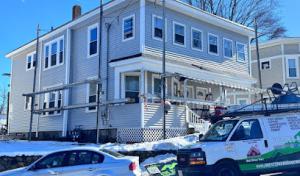
In Acton, roof claims usually succeed when homeowners document storm-related damage thoroughly with photos, dates, and contractor findings rather than relying on age-related wear arguments. Massachusetts does not show a broad regional insurer pullback in this market, but claim handling still varies by carrier and policy language. Because local damage often involves leaks, flashing failures, and weather-driven partial damage rather than obvious catastrophic loss, documentation quality matters more than homeowners expect.
Start with a dated, high-resolution photo record that shows the roof, gutters, flashing, and any interior signs of water intrusion. Photograph the surrounding trees and any recent storm debris that could have affected the roof. Take close-ups of flashing step joints, vent flashings, chimney penetrations, and valleys where ice dams typically form. Note any prior repairs, patchwork, or mismatched shingles. Have a licensed contractor provide a written assessment that itemizes damage, the likely causes, and recommended repairs. When possible, document dates of storms and the chronological sequence of leaks or moisture intrusion, since insurers weigh timing alongside visible damage.
Submit a detailed claim packet that includes the contractor's findings, a schematic of affected roof areas, and a log of weather events tied to the damage. Be precise about how leaks align with wind-driven rain, freeze-thaw cycles, or snow load, rather than framing the loss as age-related wear. If a adjuster visits, point to specific defects and supply the contractor's notes and photos that correspond to each issue the adjuster identifies. Consistency between photos, dates, and the contractor's report reduces back-and-forth that can delay settlement.
Because local damage often involves leaks and flashing issues rather than one big catastrophe, the thoroughness of documentation can determine settlement outcomes more than any single symptom. Prepare for questions about maintenance history, prior repairs, and how recent storms correlate with the observed conditions. Clear, organized evidence helps avoid disputes and speeds the path to a fair resolution.
Connect with contractors who help homeowners navigate the claims process from damage assessment to final approval.

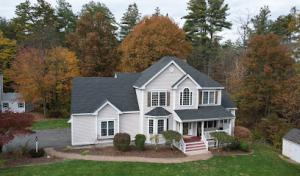
Chimney-related roof transitions matter in Acton because chimney work is a visible part of the local contractor market and many homes have masonry penetrations that complicate flashing. The brick or stone chimney often sits on the seam where the roof deck meets the wall, creating a natural site for ice dams to start if water isn't shed properly. Pay attention to the base flashing, counter-flashing, and the step-flashing along the sides of the chimney. In practice, you want to confirm that all flashing pieces extend well onto the mortar joints, not onto soft brick or deteriorating mortar. When a new cap or crown is installed, verify that the transition behind the cap is sealed and that the flashing is integrated with the roof surface so meltwater cannot backslide under shingles during thaw cycles.
Skylight service is also common locally, making curb and flashing details an important leak point during snowmelt and wind-driven rain events. Look for a properly pitched curb that directs water laterally away from the glazing units. The flashing should wrap the curb and tie into the main roof flashing without creating step-downs that collect ice. If a skylight is set into a ridge or near a chimney, ensure there is continuous sealant and that the pan flash overlaps both the curb flashing and the surrounding roof flashing. In winter, inspect for small gaps where ice can form, and confirm there is adequate ventilation around the skylight opening to reduce condensation and condensation-driven leaks.
Acton winters stress flashing details because freeze-thaw expands and contracts joints. A common fault is missing or split counter-flashing where it should overlap base flashing to form a continuous barrier. When replacing shingles around chimneys or skylights, ensure the new shingles are cut precisely to avoid exposing underlayment and allow for a clean step-flash up the side of the chimney or curb. Inspect flashing around transitions after heavy storms and after snowmelt to catch hairline leaks before they connect with attic insulation. Acton inspectors specifically review flashing performance, so these details affect both leak prevention and final approval.
Find contractors experienced in skylight installation, flashing, and leak repairs to bring natural light into your home.
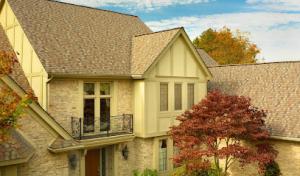
While steep residential roofing dominates, the local market still shows meaningful flat-roof specialization for porches, additions, and low-slope sections. These areas are especially vulnerable in Acton when snowmelt, leaf debris, and spring rain slow drainage at transitions. The freeze-thaw cycle in Middlesex County compounds this, so planning around ice dams and moisture buildup is not optional. Pay attention to where gutters end and where low-slope areas connect to the main roof, since those junctions often become trouble spots first.
Homeowners should treat low-slope sections as separate systems during replacement planning rather than assuming the main roof material solves every drainage condition. A dedicated membrane, flashing, or detailing strategy for the low-slope portion helps prevent pooling and seepage at transitions. When evaluating a project, sketch the porch or addition roof as its own roof plane with its own scuppers or edge drains, even if it shares a wall line with the primary roof. In winter, snow tends to linger on these bays, so specify materials and fasteners that perform well under prolonged moisture exposure.
In Acton, consider a low-slope assembly that uses a durable waterproof membrane topped with an appropriate cap or protection layer chosen for the expected traffic and sun exposure. Ensure that flashing around chimneys, skylights, and ventilation heads is continuous and properly scaled to the low-slope geometry. Confirm that the transitions from the main roof to the low-slope section have tested drainage paths, and that any slope thresholds direct water outward rather than toward interior joints. If adding vents or attic insulation, coordinate with the low-slope roof to maintain balanced ventilation and prevent hot-air pockets that can worsen ice dam risk.
Seasonal checks should include clearing debris from any edge features and ensuring that the drainage outlets remain unobstructed. In spring, inspect the transition areas for signs of moisture intrusion or staining along the interior ceiling edges. A proactive camera-inspection of the low-slope membrane after the first heavy melt can catch minor breaches before they escalate, and keeps the porch or addition roof from becoming a recurring problem area.
Find specialists in TPO, EPDM, and built-up flat roofing systems for residential and commercial properties.
Adam Vaillancourt Roofing & Gutters
(978) 396-4214 www.adamvroofing.com
Serving
4.9 from 168 reviews
The roofing scene in this area has many quick-response, few-days-turnaround crews, which can make choosing a reliable contractor tricky. When you compare options, focus on how crews handle cleanup, scheduling, and weather interruptions as much as the initial estimate. A solid plan for daily cleanup and terminal debris removal protects your driveway and landscaping, while clear scheduling communication prevents a mid-project delay that ice dam risk can amplify. Look for contractors who outline their process for resuming work after a weather delay and who commit to leaving your property in a orderly state each day.
Long-established, family-owned outfits and manufacturer-certified firms exist alongside newer operations, and credentials here can be a meaningful differentiator rather than a given. Ask for proof of manufacturer designation, training records, and references from recent projects with similar roofing material and configurations. Firms with a track record of working on older stock homes and complex penetrations-where ventilation and flashing details are critical-tend to perform more predictable installations and stand behind their workmanship longer. If a company cannot provide solid references or verifiable certifications, treat that as a red flag.
Because inspections emphasize ventilation and flashing, you should insist on a contractor who can explain these elements clearly before you sign. Ask to see the planned ventilation strategy for your attic and roofline, including intake, exhaust, and any soffit details, plus a written flashing plan around chimneys, dormers, and valleys. A credible crew will walk you through how their approach addresses ice dam risk, including insulation considerations and attic air sealing. If the contractor resists detailing these aspects, it's wise to keep looking.
In practice, you want a crew that respects safe access and minimizes disruption during the project, especially in heavy tree cover where debris can complicate cleanup and ventilation paths. Check how the company sequences tasks around potential winter weather, how they protect landscaping, and how they coordinate with you on day-by-day access. A dependable crew treats these realities as part of the job, not afterthoughts, reducing the chance of snowmelt-driven complications once the roof is in place.