Last updated: Apr 19, 2026
Ice dam risk is real and immediate for draftsmen and homeowners in this inland Worcester County setting. Snow accumulation near the eaves can melt and refreeze, forming ice that backs up under shingles and into soffits and attic spaces. That means roof design and replacement timing must prioritize eave protection, proper attic ventilation, and continuous insulation to control heat leaving the home. If you've watched ice build up on neighboring homes after a winter storm, you're seeing the exact scenario that can push a small leak into a costly, long-lasting repair. Prioritize a plan that minimizes heat loss from the living space into the attic and edges, because once an ice dam forms, the damage can escalate quickly along the roof deck and interior ceilings.
Winter access and scheduling are a real local issue because roof work can be delayed when snow cover, frozen decks, or cold-weather installation limits affect crews and inspections. Shrewsbury's cold snaps often come with rapid changes in conditions, so timing is critical. If a replacement or major repair hinges on reliable material installation and a solid inspection sequence, plan for mid-winter work only when the forecast allows uninterrupted access for crew safety and shingle or panel seating. Delays aren't just inconvenient; they extend exposure to freeze-thaw cycles that aggravate existing damage and can worsen ice dam risk. Build a winter-focused timeline that factor in weather windows and the likelihood of short, workable stretches rather than a broad, open-ended schedule.
Homes in this inland Worcester County setting often need roof evaluations that connect attic heat loss, ventilation, and eave protection rather than treating leaks as isolated shingle problems. A comprehensive assessment should map attic insulation depth, sealing around penetrations, and the airflow path from soffits to roof vents. Improper ventilation can push heat into the roof plane, accelerating snowmelt near the eaves and increasing ice dam potential. You want a plan that seals air leaks at the attic floor, installs baffles where needed to maintain vent channels, and ensures continuous insulation to keep the roof surface cold enough to prevent dam formation during freeze-thaw cycles.
Begin with a thorough roof scan focused on eaves, valleys, and penetrations. Look for signs of prior ice dam damage: staining along ceilings, warped or lifted shingles at the lower edge, and water marks in the attic. If you notice snow hanging heavily on the roof edge or melt lines that stop abruptly at the eave, you likely have heat loss or ventilation gaps that need addressing during the next replacement window. Schedule a joint evaluation with insulation and ventilation specialists to design an integrated solution that lowers heat leakage, improves eave protection, and reduces the chance of future ice dams. In winter, establish a plan for weather-safe access, including snow removal around access points and ensuring equipment can reach the roof surface without compromising deck safety. Quick, decisive fixes now protect the home from escalating damage when winter storms arrive.
Spring storms bring a sharp uptick in wind and hail events that hit roofs hard, and the damage can be deceptive from the ground. In this area, wind-lifted shingles and granule loss from hail can create hidden vulnerabilities that only show up after the weather settles. Ice dams aren't front-and-center in spring, but the wear from a long winter and the rapid freeze-thaw cycles around late winter into early spring still leave roofs more susceptible to sudden shingle blow-off, edge lifting, or flashing looseness when crews say they'll "get to it" after a big storm. Pay close attention to gusts over 40-50 mph and to hailstones that leave dented gutters, dented vent caps, or shiny bruises on darker shingles. If a storm shakes loose a section or creates gaps at valleys and flashing, that risk can accelerate once warm days melt snow and push moisture under weakened joints.
After severe weather, the advantage goes to homeowners who have solid, dated documentation. Gather a photo trail that shows the roof's age, the exact material type, and any pre-existing wear before any contractor climbs up. Take ground-level images of nurseries like trees overhanging the roof and any debris in gutters, then capture up-close shots of damaged shingles, flashing, and vents. Note the date of the storm and the specific sections affected. This region's insurers commonly see wind, hail, and ice-dam claims, so clear, timestamped records can smooth the adjuster's review and help establish a credible baseline for repairs.
Post-storm demand spikes mean quick action is essential, but safety must come first. If shingles are loose or flashing looks compromised, avoid climbing onto a wet, slick roof. Call a locally trusted contractor with a track record of emergency response and storm work to secure a temporary tarping or board-up if needed, reducing water intrusion. Confirm with the contractor that temporary measures won't delay a thorough inspection and final repair plan. Understand that after a major event, crews may be juggling multiple jobs, so set expectations for a realistic timeline and request written estimates that clearly scope underlayment, flashing, and final inspection components.
Find local contractors experienced in assessing and restoring roofs after hail, wind, and severe weather events.
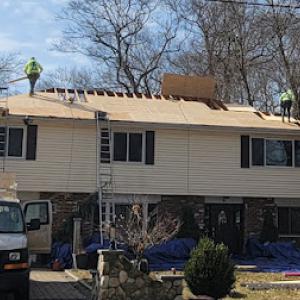
Patrick Glynn Roofing
(774) 292-9689 pglynnroofing.com
18 Woodland Rd, Shrewsbury, Massachusetts
5.0 from 38 reviews
Certainteed Certified Roofing Services, serving Central and Eastern Massachusetts at Great Rates!

Golden Group Roofing & Solar
(508) 873-1884 goldengrouproofing.com
Serving
4.9 from 174 reviews
We’re your award-winning local roofing company specializing in quality roof replacement, roof repairs, home siding replacement, home siding repairs, skylights, Solar Roofing . As a certified roofer, we provide the best roofing systems in Greater Boston and Central Massachusetts. You’ll love your new roof so much, you’ll call us the top local roofing company too! Our team approaches each solar panel installation project with a roofer’s eye. The integrity of your roof and the structure under it is our top concern. While we want you to benefit from solar panels, we want to make sure your roof can integrate the Solar PV System.
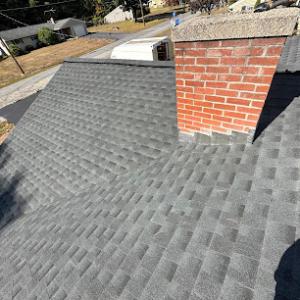
JMR Roofing Contracting
(978) 648-7724 www.jmrroofingma.com
Serving
5.0 from 15 reviews
JMR Roofing Contracting provides roofing, siding, gutter, and chimney services to Lynn, MA, and surrounding areas.
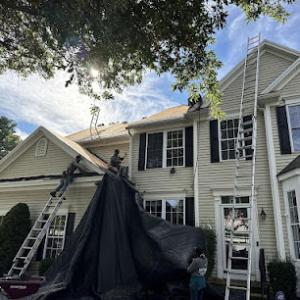
Northeast Home & Energy
(508) 625-7215 northeast-home.com
Serving
4.9 from 222 reviews
We are a Roofing Contractor in North Grafton, MA serving residential and commercial customers since 1980. Northeast Home & Energy specializes in roof repair, roof replacement, energy-efficient replacement windows, vinyl siding, and attic & wall insulation. We are a top A+ rated BBB member, an elite installer roofing company for roof repair and replacement, and have always prided ourselves on outstanding quality craftsmanship and the personal attention we give to every client. Our business was founded upon responsive, professional home improvements for all of our customers. We treat your home as if it were our own.
Tip Top Roofing
(508) 835-4777 www.tiptoproofs.com
Serving
4.9 from 367 reviews
Established in 2007, Tip Top Roofing & Siding is the premier provider of exceptional quality roof installation services in all of Central and Southeastern Massachusetts. Our skilled roofing professionals are GAF-certified installers, and average 13 years of experience in the roofing trade.
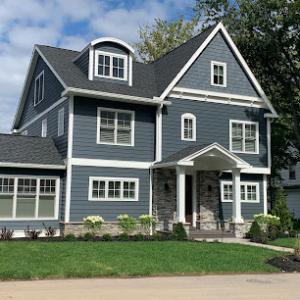
Emmaty
(508) 369-0822 emmatyexteriors.com
Serving
4.9 from 59 reviews
Emmaty Exteriors provides exterior envelope solutions for new and renovating homes and businesses to optimize energy usage and efficiency. We provide solar design & installations. Roofing, Siding and Window design & installation. Call us today for your free estimate.
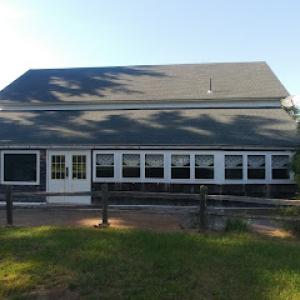
JPV Roofing & Construction
(508) 397-3272 www.jpvroofing.com
Serving
5.0 from 167 reviews
JPV Roofing & Construction provides roofing services to Worcester County, Connecticut & Massachusetts
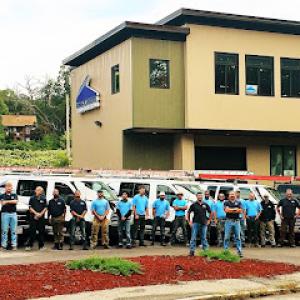
Kidd-Luukko Corporation
(508) 799-9500 kidd-luukko.com
Serving
4.8 from 54 reviews
Kidd-Luukko Corporation was established in 1999 and incorporated in 2002. We’re constantly raising industry standards by bringing high-end service and products to the customer. Three generations of residential construction and an impressive array of commercial exposure have revealed serious shortcomings in the roofing sector. Kidd-Luukko Corporation is determined to raise the bar. Commanding a network of the region’s finest and most talented roofing professionals, Kidd-Luukko Corporation is an industry leader offering superior results at an affordable price.

Greenwood Industries
(508) 865-4040 greenwoodindustries.com
Serving
3.7 from 45 reviews
The Custom Building Envelope Solutions Provider with locations throughout the Northeast. Greenwood Industries has more than 30 years experience in commercial roofing, architectural metal, waterproofing, masonry, as well as service and maintenance.
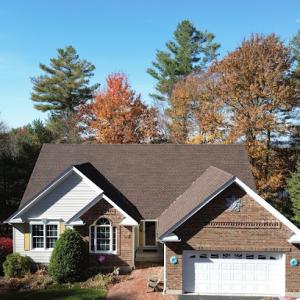
Hemlock Roofing
(774) 418-3724 hemlockroofingco.com
Serving
5.0 from 214 reviews
Family owned Roofing Contractor specializing in all kinds of Roof replacements ! Shingle , metal , slate , tpo/Rubber
A Eagle Gutters
(508) 523-0414 www.aeaglegutters.com
Serving
4.8 from 80 reviews
Eagle Gutters provides reliable gutter installation, cleaning, and maintenance services designed to protect your home from water damage. We offer durable gutter and downspout systems, seamless gutter options, and premium materials built to last. Our team focuses on quality workmanship, quick turnaround, and long-term performance—keeping your property safe and looking its best. Whether you need a new gutter system or a seasonal cleaning, Eagle Gutters delivers dependable service you can count on. Call today to schedule your gutter service or request a free estimate!
Pinkman Roofing
(508) 233-7411 www.pinkmanroofing.com
Serving
5.0 from 123 reviews
At Pinkman Roofing, we bring over 20 years of combined experience in roofing, siding, skylights, gutters, painting, and solar removal. Our team is committed to delivering high-quality craftsmanship, reliable service, and tailored solutions for residential and commercial projects. Trust us to bring expertise and professionalism to every job.
Asphalt shingles remain the dominant practical choice for Shrewsbury homes because they fit the area's large re-roofing market and a broad mix of existing residential stock. They install quickly, tolerate the freeze-thaw cycles typical here, and are forgiving on imperfect roof decks. For most homeowners facing winter ice dam risk, an asphalt roof can be upgraded with a high-quality underlayment, well-sealed flashing, and properly integrated snow guards to help control meltwater flow toward eaves. If replacement timing is driven by winter conditions, asphalt's moderate weight and straightforward installation make it the least disruptive option for crews working through shoulder-season weather windows.
When choosing asphalt shingles, consider a product with good wind resistance and a reinforced nailing area, since winter storms can produce sudden gusts. A thicker shingle with a Class A fire rating also delivers longer durability in the snow belt and helps minimize maintenance calls after a heavy season. In practice, you'll want the installation to include continuous underlayment and careful edge detailing, because proper flashing around chimneys and vent penetrations is essential to keeping attic cold spots from forming ice dams. For many homes, asphalt offers the best balance between performance under freeze-thaw cycles and the ability to billet in a reliable, predictable warranty.
Metal roofing has local relevance for homeowners prioritizing snow shedding and long-term durability through freeze-thaw cycles. Metal can shed snow more efficiently than asphalt, reducing the risk of large ice dams on steep or unvented sections. When installed in Shrewsbury's winter climate, attention to expansion joints, proper fastener seals, and high-quality flashing becomes critical because metal expands with heat and contracts with cold. Summer expansion and detailing matter during installation, so ensure flashing is continuous and designed to accommodate seasonal movement, especially around hips, valleys, and roof-to-wall transitions. A well-sealed edge and venting strategy helps prevent moisture buildup under the metal that can lead to corrosion or frost issues over time.
If metal is chosen, evaluate panel gauges and coating systems that respond well to salt exposure and the local freeze-thaw cycle. In winter, a clean transition at eaves and proper gutter integration help prevent sudden ice release or water backup that can threaten interior ceilings. Metal's higher upfront investment pays back in durability and a reputation for resisting repeated snow loads-provided the installation is meticulous and the seasonal expansion considerations are addressed.
Tile, wood, and synthetic options appear in the market but require closer attention to structural suitability, flashing quality, and winter performance than standard asphalt replacements. Clay and concrete tiles are heavier and demand a strong roof structure plus precise underlayment and flashing to tolerate freeze-thaw cycles. Wood shingles or shakes bring a historic look but can be vulnerable to moisture and insect activity if not properly maintained, and their performance in very cold snaps depends on ventilation and detailing that minimizes trapped moisture. Synthetic or composite shingles aim to mimic natural materials while offering better weight management and sometimes enhanced freeze-thaw resistance, yet they still demand rigorous flashing details and careful integration with existing venting and insulation.
Before selecting any of these options, have a structural assessment done to confirm deck strength and an experienced roofer review flashing, attic ventilation, and ice-dam prevention measures. In winter, the reliability of the seal around valleys, chimneys, and transitions to walls becomes especially critical to prevent leaks under heavy snow loads.
Understanding how costs play out in this market helps you plan for a winter-ready roof without surprises. Local pricing is influenced by the area's strong re-roofing demand, which keeps replacement crews busy and can tighten scheduling in peak seasons. In practice, you'll see projects get pushed toward milder stretches of late winter or early spring if you can avoid the heart of January storms, but winter work is common and crews balance weather with throughput.
Asphalt shingles remain the most common option, with typical replacement costs stacked around 350 to 700 USD per square for a standard set, depending on underlayment quality and shingle brand. Metal roofing sits higher, roughly 600 to 1,000 USD per square, and clay or concrete tiles move into the premium range, reflecting heavier labor and roof deck considerations. Wood shingles and synthetic options hover in between, but in Shrewsbury you'll often encounter mixed crews that handle underlayment, flashing, and cleanup more intensively because of local house shapes and older chimney lines.
Winter conditions change the project rhythm. Snow load needs careful assessment before shingles go on; crews often schedule dry, cold snaps for the actual roof replacement, with contingency plans for mid-project snow events. Costs can rise when winter storms create backlogs that extend timelines or force temporary protective measures to guard the interior during replacement. If a storm backlog or a delayed permit window slips into early spring, you may see a longer project span with higher material and labor coordination costs.
Chimney intersections, skylights, and thorough cleanup are more than a formality locally. Expect added labor for sealing, flashing integration, and debris containment, which affects overall price and schedule. A careful contractor will include these details upfront and explain how they influence the square-foot cost, especially for homes with multiple skylights or complex chimney flashing.
Get a clear picture of your project costs upfront - no commitment required.
In Shrewsbury, a building permit is required for most roof replacements, with the Building Department reviewing submitted plans before work begins. This review is meant to confirm that the proposed underlayment, flashing details, and overall approach meet local code and safety expectations. If plans are incomplete or unclear, the review can pause the project, so you want the application to be thorough and organized from the start. Early conversations with your contractor about material choices, ventilation, and drainage details help ensure the packet moves smoothly through the permits desk. Expect a formal checklist to accompany the submission, and be prepared to provide product data and installation methods for the roof system you choose.
Local inspections commonly occur at underlayment, flashing, and final completion stages rather than only at the end of the project. This structure means you should plan around multiple touchpoints rather than a single finish date. If the underlayment or flashing work isn't visible behind siding or in attic spaces, the inspector may request additional access, which can add scheduling time. Communicate with your contractor about showing critical intersections-valleys, hips, and penetrations-during the permit inspections. Missing a required staged inspection can trigger a delay that carries through to final approval, so coordinate your crew's sequence with the inspection calendar in mind.
Incomplete documentation and winter-season work can slow permit issuance or inspection timing in Shrewsbury, so scheduling should account for municipal review. If snow and cold snap windows narrow the usable days for roof work, you might see longer lead times between application and final sign-off. Have your contractor prepare a clear, seasonally appropriate timeline that aligns with the Building Department's expectations, including weather contingencies for ice-dam risk and access to the roof for inspectors. This forward planning reduces the chance of late starts or staged delays that push the project beyond the typical winter window.
In this Massachusetts market, insurers commonly ask for roof age, material type, photos, and sometimes on-site inspection findings before settling wind, hail, or ice-dam claims. Gather a current roof deck age estimate from your last replacement or inspection, note the material type, and collect clear photos of all elevations showing damage, wear, and any ice-dam evidence. Keep a dated file of communications with your insurer or adjuster so you can track what was requested and when.
Shrewsbury homeowners benefit from documenting conditions before repairs because emergency leak response after winter or spring storms can otherwise erase claim evidence. Take dated photographs after every major storm and after seasonal freeze-thaw cycles. If you have existing write-ups from a contractor or roofer, save those as part of the claim history. When possible, obtain a brief on-site finding summary from a licensed adjuster or contractor to corroborate pre-replacement conditions.
Roof certifications and warranty documentation can carry extra weight locally because insurers may prefer certain roof types or proof of compliant replacement work. Retain any manufacturer certification cards, installation registrations, and warranty terms for your new roof. If a certification or warranty explicitly addresses wind, hail, or ice-dam performance, place a copy in the claim file and note the installation date and installer credentials.
Start with a concise damage summary, then attach photographs labeled by date and damage type. Include the roof age, material type, and a copy of the on-site findings if available. When contacting the insurer, reference the specific vulnerabilities common after winter-ice dams, heavy snow load, and wind damage-so adjusters understand the urgency and context of the claim.
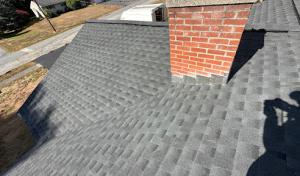
Chimneys are a frequent focal point for roof work in this area, and the flashing where the chimney meets the roof is a common failure spot. In winter, ice and snow can push against masonry joints, widening small gaps and allowing water to track under shingles. When a contractor inspects a Shrewsbury roof, expect close attention to the valley and the perimeter of the chimney flashing, with special care given to mortar joints and the transition from crown to flashing. If mortar is deteriorating or flashing has bent tabs, plan for resealing or replacement before the first serious thaw. A meticulous homeowner should verify that any work around the chimney preserves a continuous, watertight seal and that counter-flashing remains firmly tucked under the chimney cap or masonry veneer.
Skylights are a common source of moisture problems here because local homes often battle both aging flashing and seasonal freeze-thaw cycles. When diagnosing leaks, separate flashing failure from field-shingle issues where the water appears to travel. Look for softened sealant, loose or lifted shingles near the skylight base, and check whether the curb is properly flashed with a watertight transition to the roof surface. In many cases, what looks like a skylight problem is actually a small failure in the surrounding flashing or a clogged drainage path on the surrounding shingles. Regular inspection after heavy snows helps catch creeping leaks before they become interior damage.
Fall leaf buildup is a predictable nuisance in town and can clog valleys, gutters, and downspouts, creating stagnant water that finds its way under shingles. Leaves can bury the edge of the flashing at the chimney or skylight, accelerating deterioration in cold weather. Prioritize seasonal cleanouts and ensure gutters can flow freely to prevent ice dam formation. When inspecting pre-winter, focus on debris in the valley and around any roof penetrations, and verify that drainage paths are clear to minimize snow melt backing up under the roofing membrane.
Find contractors experienced in skylight installation, flashing, and leak repairs to bring natural light into your home.
Cpr Roofing
(774) 214-6744 cprroofingma.com
202 N Quinsigamond Ave, Shrewsbury, Massachusetts
4.9 from 107 reviews
Patrick Glynn Roofing
(774) 292-9689 pglynnroofing.com
18 Woodland Rd, Shrewsbury, Massachusetts
5.0 from 38 reviews