Last updated: Apr 19, 2026
Framingham homeowners deal with cold winters that create snow buildup followed by freeze-thaw cycling at eaves and gutters. That pattern relentlessly tests roof edges, flashing transitions, and gutter lines. When ice forms at the eaves, it backs up melting snow behind it, pushing water under shingles where underlayment and decking are weakest. Left unchecked, this edge damage becomes a recurring source of leaks and higher repair costs as winter wears on.
The city's seasonal pattern makes roof edges the first places winter damage often shows up. Ice dams form at the eaves, while gutter lines and flashing transitions bear the brunt of the freeze-thaw cycle. If a section of edge flashing lifts or a gutter pulls away, water can find its way behind the fascia and into the attic or ceiling. In older homes with mixed roofing materials or irregular roof lines, these problem spots show up sooner and more aggressively than on newer, uniform roofs.
Leak symptoms often become visible during late-winter thaw or early spring rain, when compromised underlayment and flashing are exposed. Look for damp spots along exterior walls, staining on ceilings near exterior walls, or peeling paint and stained fascia boards. Pay attention to icy buildup along the eaves after a storm, and note any softening or sagging of roof edges, flashing that looks lifted, or gutters that drip water inward rather than away from the house. If you see pooling water at the edge of a roof or staining that travels away from interior corners, treat it as a red flag.
When you notice ice at the edge or suspect edge damage, prioritize safety: avoid stepping on icy sections and keep children and pets away from the runoff zone. Remove snow from above the affected area with a plastic scoop, pushing the snow toward the interior of the roof where it can melt away naturally rather than creating new dams. Ensure downspouts are clear so meltwater can exit properly, which reduces backpressure on the edge flashing. Clear any visible debris from gutters that can trap meltwater against the fascia. If ice remains thick against the edge, consider applying a safe de-icer only to the exterior surface, following product instructions and ensuring it won't damage roofing materials or plants below.
If you notice persistent dripping in the attic or staining that progresses after a thaw, call a qualified roofer promptly. Edge flashing that's lifted or deteriorated, flashing joints that show gaps, or fascia boards that feel soft or damp behind paint are red flags requiring professional assessment. A local roofer can resecure flashing, replace damaged edge materials, and reseal transitions to restore the roof's protective barrier. In cases of extensive ice dam damage, you may need a targeted repair or a more comprehensive edge retrofit to prevent recurrence during the next cold snap. Prompt action protects the attic, insulation, and interior finishes from costly water intrusion.
Replacement timing is typically pushed to late spring through early fall because winter snow and ice complicate tear-off and weatherproofing. In this climate, trying to push a full re-roof through a heavy snow season often means weeks of delays and deteriorating edge details. The goal is to complete the job during dry, moderate weather when shingles seat properly and flashing can be sealed without wind ripping tarps or freezing roof decks. If a roof shows obvious ice-dam vulnerability, addressing that risk before winter starts is a priority, but the actual replacement itself tends to wait for a window with reliable temperatures and manageable moisture.
Spring thaw and heavy rainfall in the area often reveal hidden leaks, making that season a common trigger for replacement decisions. When snowmelt meets old underlayment, you might notice staining, soft decking, or sudden damp spots along interior ceilings after a series of spring storms. This is a practical time to schedule a thorough assessment and discuss options with a contractor who understands typical New England edge failures. The objective is to have a planned, coordinated tear-off and weatherproofing sequence rather than chasing leaks on a week-by-week basis during rainier weeks.
Autumn wind activity in MetroWest can loosen aging shingles and create a late-season rush for repairs before winter sets in. You may see more loose tabs on the rakes, eaves, and lower edges after strong gusts or a storm that drives debris onto the roof. If the roof is nearing its service life, a careful autumn walkthrough becomes essential to determine whether you'll need a full replacement or a targeted edge repair before the first hard freeze. Plan ahead for decking checks, flashing reseals, and drip-edge integrity while days are still mild and dry.
Coordinate with a contractor to establish a clear tear-off and installation sequence that minimizes exposure of the deck and interior. Prioritize an initial inspection that focuses on edge facings, fascia, soffits, and ice-dam prone areas to gauge the extent of work needed. Expect weather windows to dictate the project timeline, with a preference for consistent daytime temperatures and dry forecasts. If a leak has appeared in spring or fall, document the affected areas and discuss staging options that protect living spaces during the transition between old and new roofing. In Framingham, planning around these seasonal rhythms helps ensure the roof outlasts the upcoming winter without compromising edge integrity.
Get a clear picture of your project costs upfront - no commitment required.
ERC Inc. - Egama Roofing
(508) 808-3523 www.egamaroofing.net
769 Waverly St, Framingham, Massachusetts
5.0 from 133 reviews
A&R MBE Roofing Contractors
(508) 250-9757 www.ar-mberoofing.com
1671 Worcester Rd, Framingham, Massachusetts
5.0 from 5 reviews
J&R Construction Roofing
(888) 914-7663 jrconstructionma.com
263 Hollis St, Framingham, Massachusetts
5.0 from 183 reviews
Are you looking for licensed and insured, one-stop roofing or snow plowing service? Turn to J&R Construction, the certified contractor in Framingham MA. Established in 1994, the family orientated company offers a myriad range of services including commercial and residential roofing, while it is also known for commercial snow plowing. We are GAF Master Elite Shingle Installers, and Mule-Hide Certified Rubber roof installers. Only 3 percent of roofing companies are certified installers in the US.
ERC Inc. - Egama Roofing
(508) 808-3523 www.egamaroofing.net
769 Waverly St, Framingham, Massachusetts
5.0 from 133 reviews
Egama Roofing is locally operated business with 20+ years of experience that offers comprehensive roofing services such as roof installations with 25 years craftsmanship warranty and 50 years on materials. We also undertake roof related work such as gutter, skylight, and chimney rebuild and repairs. We offer free inspections along with a free estimate. Just give us a call , we’ll come to you.
Crestline Home
945 Concord St #100c, Framingham, Massachusetts
4.9 from 183 reviews
Crestline Home is a licensed and certified home service provider in Massachusetts, offering comprehensive roofing solutions for homes and businesses. They specialize in roofing services, providing repairs, installations, and maintenance. Crestline Home aims to deliver trusted, high-quality, and affordable roofing services, ensuring homes are safe, warm, and worry-free.
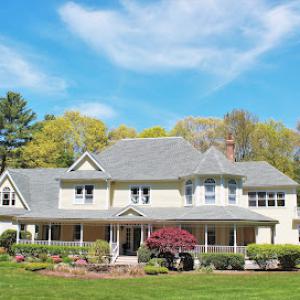
H&R Roofing
(508) 348-4348 www.hr-roofing.com
20 Cedar St, Framingham, Massachusetts
4.9 from 166 reviews
Only 3% of all Roofing Installers in the US can claim to be certified, a requirement by Roof Manufacturers to provide a REAL Warranty versus one that, at worst, might end when the truck pulls out of your driveway. We stand by your roof for the long term by offering you a best-in-market 50-year limited warranty. Leveraging our 20 years of experience we will guide you to get the MOST reliable, affordable, energy-efficient roofing solution for your home. We do residential as well as commercial roofing projects throughout Massachusetts and Rhode Island.
Ben's Construction
(508) 962-2417 www.bensroofingconstruction.com
499 Concord St, Framingham, Massachusetts
5.0 from 24 reviews
Ben’s Construction is a family owned business. We specialize in roofing, siding, gutters and general construction services in Massachusetts. We offer residential and commercial construction services. Our commitment to our customers is our priority. We have established an outstanding reputation for delivering quality work, value and timely performance. We strive to build long-term relationships by providing services to fit our customer’s unique needs and requirements. I started working in construction and specializing in all types of roofing since 1999. I have personally been involved in every job I have done and have been dedicated in providing customers the highest standards of work. Our core values are Integrity and Quality.

Diamond Construction
(508) 320-1980 diamondconstructionma.com
116 Cochituate Rd, Framingham, Massachusetts
4.3 from 60 reviews
The friendly professionals at Diamond Construction offer a full menu of services aimed at keeping your home safe when storms roll through. Servicing many in the New England area in Roof Installation, Gutters, Siding, Custom Windows, Gutter Installation, Residential and Commercial Remodeling, and more!
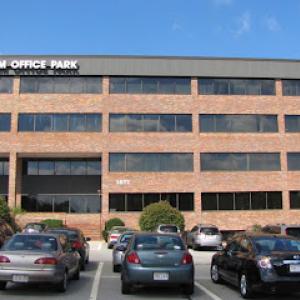
A&R MBE Roofing Contractors
(508) 250-9757 www.ar-mberoofing.com
1671 Worcester Rd, Framingham, Massachusetts
5.0 from 5 reviews
We are a local minority family owned business dedicated to installing Roofs, Insulation, Finish Carpentry, and Siding. We are characterized by the quality of our products and the efficiency of our workmanship. Our founder has more than ten years experience of mastering multiple construction trades. We have completed large-scale commercial projects that accredit us to be able to carry out any and all residential projects. Please give us a call for a free estimate!

United Home Experts
(508) 881-8555 unitedhomeexperts.com
Serving
4.8 from 581 reviews
We are an exterior home and building improvement company, grounded by great people that love the craft. Our niche is long-term, low-maintenance roofing, siding, windows, doors and painting solutions. We’re changing the face and reputation of the home improvement industry by uniting top quality products, more than 25 years of experience on New England homes, innovative technology and some of the most talented and kind people on earth. Based in Ashland, MA, and founded in 1998, we are family owned and professionally operated, servicing Massachusetts, Rhode Island, Northern Connecticut and Southern New Hampshire. Our passion is creating a company people love to work for and customers are proud to refer.
New Stage Roofing & Home Improvement
(844) 616-0054 www.newstageroofing.com
Serving
4.9 from 124 reviews
New Stage Roofing & Home Improvement, formerly Power Construction Roofing & Siding, proudly serves homeowners across the Greater Boston area with reliable roofing and siding solutions. With more than 25 years of experience, our team delivers expert roof installations, repairs, replacements, and siding upgrades using premium materials from GAF and CertainTeed. As a GAF Master Elite Contractor, we provide exceptional craftsmanship backed by industry-leading warranties. Whether you’re restoring your home’s exterior or starting fresh, we bring professionalism, quality, and lasting protection to every project.
Shore Lock Homes
(800) 916-9438 www.justfixmyhome.com
Serving
4.1 from 111 reviews
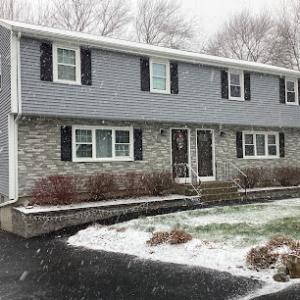
Looking for professional roofing contractors in Natick, MA? Look no further than Shore Lock Homes. As a family-owned company with decades of experience, they offer top-quality roofing, window, gutter, and siding services for homeowners and businesses. Their skilled team delivers precise and proven workmanship using high-quality materials to deliver long-lasting and better-looking results. From detecting and repairing leaks to restoring gutters and downspouts, they are ready to take on virtually any job pertaining to a property’s exterior. With a commitment to customer satisfaction and a focus on transparency, Shore Lock Homes is the region’s trusted roofing partner. They also offer free estimates for most major products and services!
Roof Maxx of Framingham, MA
Serving
4.9 from 43 reviews
Roof Maxx® is a scientifically formulated, and 100% safe, plant-based roof rejuvenating spray treatment that was developed by renowned scientists at the world’s largest private research and development company.
Watertite Company
(508) 655-5588 watertiteco.com
Serving
5.0 from 80 reviews
Serving the community since 1974! Watertite Company provides roofing repair, roof installation and skylights services. We are proudly serving Natick, Framingham, Wellesley, Needham, Southborough, Holliston, Sudbury And Surrounding Areas in Eastern Massachusetts. We are the premier residential roofing and skylights company in the area: - #1 Rated roofing, siding, deck and trim company in eastern Massachusetts - Watertite Coompany is a Certified VELUX® Installer, because we believe in using only quality products - Family Owned Local Business Connected with Community - Over 50 Years in Business - Served more than 15,000 satisfied customers - Free Inspection and Estimates Call Today For A Free Inspection And Estimate
Asphalt shingles remain the dominant practical choice for most Framingham homes, balancing cost, ease of installation, and local climate demands. They resist common seasonal challenges and can be matched to a broad range of architectural styles found in the area. In many neighborhoods, a modern asphalt system with a weathered-blue or charcoal color can blend with aging siding while providing solid protection against typical New England precipitation. When selecting asphalt, look for products with good granule adhesion and a robust sealant system to reduce vulnerable edges during freeze-thaw cycles. In sun-exposed planes, choose a closely matched reflective or cool-shade shingle to help limit heat buildup on attic spaces and to slow asphalt aging from summer UV exposure.
Older Massachusetts homes in the region often feature heavier roofing options such as slate and clay tile. These materials offer exceptional longevity and a distinctive character, but they require careful assessment of structural capacity before replacement. Verify that the underlying deck framing and rafter span can support the weight, and plan for upgraded flashing details where roof meets chimney, walls, or dormers. On an aging roof, a detailed evaluation can identify areas where substrate, underlayment, or localized reinforcement is needed to prevent edge failure during winter storms. If choosing slate or clay tile, anticipate the need for specialized installation practices and support systems, especially on roof edges and around penetrations.
Wood shingles or shakes bring a textured, traditional aesthetic that complements older neighborhoods with mixed architectural styles. In Framingham, where summer sun can accelerate drying and brittleness, wood roofs require vigilant maintenance. Look for tight, well-sealed joints and consistent fastener patterns to minimize water infiltration. If opting for wood, consider mid- to high-grade products treated for rot resistance and a protective finish that holds up to sun and moisture over time. Properly installed, wood can perform well, but it benefits from careful clearance around eaves, valleys, and flashings to prevent edge failure after ice dam season.
Synthetic or composite shingles offer versatility for varied rooflines and ages of houses. They can emulate slate, wood, or asphalt while delivering improved impact resistance and often better performance in freeze-thaw conditions around edges. In damp, sun-rich pockets of the town, synthetic products can resist UV degradation and maintain color with less maintenance than traditional wood. For homes with existing edge detailing in disrepair, selecting a synthetic option that includes enhanced sealing and robust underlayment can yield reliable edge performance through seasonal temperature swings.
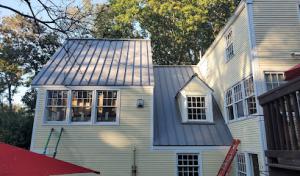
Copper and certain metal systems are favored on higher-end or historically sensitive homes where visual impact, longevity, and custom flashing are priorities. Metal roofs shed ice more predictably and handle rapid freeze-thaw cycles well when installed with careful edge detailing. These choices pair well with complex roof geometries and parapets often found on older properties, where specialized flashing around dormers and chimneys minimizes vulnerable edge zones. If considering metal in a Framingham setting, ensure the substrate and ridge line work harmonize with surrounding materials to prevent thermal expansion stresses from becoming edge problems during winter.
In Framingham, typical pricing for asphalt shingles runs about $350 to $600 per square. This makes asphalt a common first choice for many older homes that still have solid decking and straightforward tear-offs. If your roof has a steeper pitch or a lot of detailing, expect the cost to approach the higher end. Winter ice dam and freeze-thaw cycles can stress asphalt edges, so a careful edge seal and proper attic ventilation become worth the small upfront cost to reduce future damage.
Clay tile projects in this area tend to run $900 to $1,700 per square, and wood shingles or shakes typically run $600 to $900 per square. Both materials address a different aesthetic and performance profile. Clay tile is heavy and may require structural reinforcement on older framing, which can add to both material and labor time. Wood shingles or shakes are more sensitive to moisture and freeze-thaw cycles, so expect additional underlayment and flashing work to manage edge exposure and prevent ice dam-related leaks.
Synthetic or composite shingles sit in the mid-range at roughly $450 to $800 per square. They offer good resistance to cracking from cold weather and can be easier to install over aged decking. In Framingham, where edge and chimney flashing endure seasonal swings, a higher-quality synthetic option paired with proactive edge detailing helps mitigate repeated freeze-thaw stress at the eaves.
Slate roofs command $1,000 to $1,800 per square in this market. Slate is durable against freeze-thaw cycles but is heavy and costly to install. On older Framingham homes with limited attic headroom or compromised decking, a slate retrofit may require structural assessment and possible reinforcement, which can raise the overall price beyond the material cost alone.
Copper comes in around $1,200 to $1,900 per square. Copper's longevity and its performance against ice-dam pressure make it attractive for high-end repairs or replacements, especially where eye-catching detailing and seamless edge work are priorities. Expect longer lead times and precise flashing requirements to maintain a corrosion-resistant edge against harsh winters.
Costs in Framingham can rise on older homes that need decking repairs, chimney flashing work, or careful tear-off of heavier legacy materials common in eastern Massachusetts. Heavier materials may require more labor-intensive removal and structural checks. Additionally, scheduling pressure after winter damage or during the late spring through early fall replacement window can affect labor availability in the local market. Planning with a contractor who can sequence decking repairs, edge protection, and flashing restoration before the main material install helps control surprises and keeps the project on track.
Don't let upfront costs delay a critical repair - these contractors offer payment plans to fit your budget.

In Framingham, a building permit is required for a full re-roof, and the permit is filed with the City's Building Department. The permit must be active before roofing work begins, which makes permit timing a real scheduling issue for local projects. If the permit sits idle or is delayed, work cannot start, and that pause can push back weather windows and leave you exposed to winter conditions longer than expected. Plan for the permit to be processed well in advance, and align the contractor's start date with the permit's active status to avoid costly delays.
Because the permit must be active before any nail hits shingle, you need clear coordination between inspection milestones and the project timeline. The Building Department can specify required lead times, inspection windows, and any conditions tied to weatherproofing or edge detailing. A thoughtful start-to-finish plan includes contingency buffers for winter weather, so that an unexpected cold snap or freeze-thaw pattern doesn't derail the project after permits are issued. Communication with the contractor about permit status, weather considerations, and expected inspection dates helps keep the job on track and reduces the risk of work stoppages.
Inspections are scheduled during the job and again after completion to confirm code compliance and weatherproofing. The first round typically focuses on material storage, edge flashing, underlayment, and fastener patterns, ensuring they meet local code expectations and Framingham's climate realities. The final inspection verifies that all components are properly installed and that the roof is sealed against winter moisture and ice dam risk. If an issue is found, the project may require adjustments on-site and a follow-up inspection, which can lengthen the timeline and increase exposure to seasonal conditions.
Treat the permit and inspection process as part of the job scope, not an afterthought. Delays can lead to weather-related vulnerabilities, and improper weatherproofing caught after the fact can create lasting problems with insulation, ventilation, and edge failures. To protect the roof and the home, ensure the contractor prioritizes timely permit submission, accurate documentation for inspections, and a clearly defined sequence of work that matches the approved plan. This disciplined approach reduces the chance of setbacks that cost you time and expose the roof to freeze-thaw cycles.
In this area, Framingham homeowners operate within a Massachusetts insurance environment where wind, hail, and snow-related roof claims are routine enough that documentation quality matters.
Insurers commonly expect clear photos from multiple angles, a thorough scope of damage, and evidence that the completed work aligns with standard code requirements used by adjusters in the state.
Because winter and storm-driven damage may appear in stages, homeowners benefit from documenting conditions as soon as leaks, uplift, or impact damage are noticed.
Begin with a dated, outside-to-inside photo sequence after each storm. Capture roof edge conditions, ice dam remnants, gutters, and interior staining on ceilings near exterior walls. Keep a simple diary noting dates, weather, and any symptoms like dampness or frost buildup.
Share the photos and scope with your roofer and the insurer's adjuster early, and request a written repair plan that references relevant code sections. Ensure that the proposed repair confirms proper edge flashing, ice dam prevention, and water barrier integrity typical of Framingham homes.
Weather rigor and older stock mean edge detail failures, uplift, and eave corrosion show up after the first thaw. Documentation that links observed damage to these conditions helps corroborate claims during the settlement process.
Keep records organized by storm date, with a copy of the signed repair agreement and any receipts. Store files in a weatherproof digital folder and back up photos with captions describing focal points such as flashing alignment, fascia, and shingles exposed to wind-driven rain. This organization makes it easier for adjusters to verify the sequence of events and the repair scope. Keep a readily accessible log.
Connect with contractors who help homeowners navigate the claims process from damage assessment to final approval.
H&R Roofing
(508) 348-4348 www.hr-roofing.com
20 Cedar St, Framingham, Massachusetts
4.9 from 166 reviews

Diamond Construction
(508) 320-1980 diamondconstructionma.com
116 Cochituate Rd, Framingham, Massachusetts
4.3 from 60 reviews
New Stage Roofing & Home Improvement
(844) 616-0054 www.newstageroofing.com
Serving
4.9 from 124 reviews
In Framingham, recurring trouble spots are roof edges, gutters, flashing transitions, and any area stressed by repeated freeze-thaw movement. Ice dams along the eaves push against the fascia, which can loosen gutters and bend flashing. You may notice small penetrations or gaps where water finds a path toward the attic. Regular edge detailing and drip edge integrity matter more here than elsewhere.
Spring rain in the area tends to expose failures in flashing and underlayment that stayed hidden during colder months. Look for streaks or damp insulation near transitions from the roof to walls, around chimneys, and at vent flashing. Once the snow recedes, water may migrate behind siding or into soffits if the underlayment has split or been pinched by ice buildup.
Autumn debris and wind can contribute to shingle uplift and impact damage, especially where trees overhang roof sections. Clogged gutters create standing water that sloshes under edge shingles, and wind can peel loose tabs against vulnerable flashing. Trees overhangs also shed branches that can nick edges, creating micro-damage that accelerates ice dam formation during winter.
Rot or soft decking near eave lines signals slower decay that can fail under freeze-thaw cycles. Check for white staining, mold, or moss along shakes and on shaded edges, which can indicate moisture lingering behind the protective layers. If any flashing seams show dark staining, or if gutters sag, these are telltale signs to inspect sooner rather than later.
Find specialists in TPO, EPDM, and built-up flat roofing systems for residential and commercial properties.