
Last updated: Apr 19, 2026
Grosse Pointe sits in the Detroit-area winter pattern where repeated freeze-thaw cycles are a primary roof-life issue rather than a one-off storm concern. This means every season can push edges, valleys, and junctions toward ice backup if drainage isn't consistently managed. The result is not just icicles; it's hidden stress that can lead to interior leaks, stained ceilings, and accelerated deterioration of historic roofing structures. Understanding this rhythm is the first line of defense for an older home with its distinctive rooflines.
Older houses in this area carry complex roof geometries that invite trouble when ice forms. Dormers, intersecting valleys, chimney shoulders, and long gutter runs create numerous points where water can back up and refreeze. When ice dams develop, meltwater pushed up under shingles can seep into soffits, fascia, and interior walls, especially around dormer junctions and along gutter lines. In homes with multiple roof planes, one problem area can quickly cascade into several leakage paths. The hazards aren't theoretical: they show up as wet ceiling patches, peeling paint, and attic condensation that can corrode framing and insulation from the inside out.
Late-fall leaf buildup from mature neighborhood tree cover compounds the risk just before the first snows. When leaves clog gutters and downspouts, drainage slows and water backs up to the eaves. If a temperature swing follows, that backed-up water freezes at the edge, forming a stubborn dam. The result is a repeatable cycle: clogged gutters, edge icing, water infiltration, and repeated freeze-thaw stress on the roof decking and flashing. Homes with abundant tree cover often face this sequence year after year, so proactive clearing and protection become essential parts of the seasonal routine, not a single-weekend chore.
Your response to this pattern should be concrete and proactive. Start with a careful assessment of the roof's edge details: where valleys meet ridges, where chimneys rise through the roof plane, and where gutters terminate. Pay attention to lookouts and flashing around dormers, as these are common leakage entry points. Maintain clean, unobstructed gutters and ensure downspouts route water well away from walls. Consider installing gutter guards and a maintenance-friendly leaf removal plan for late fall, so drainage remains unimpeded even as temperatures flip. Insist on proper attic insulation and a functioning air barrier, because heat escaping into the roof space fuels the formation of ice dams at the eave. If heat loss is noticeable in the attic, address it before the first freeze rather than after problems appear.
When problems do arise, address them promptly with a practical sequence. Remove ice with safe, purpose-built tools and only when conditions permit; avoid aggressive chiseling that can damage shingles or flashing. Seal exposed leaks from the interior with temporary measures while scheduling a permanent fix, because delay invites deeper damage to sheathing and rafters. For complex rooflines, prioritize flashing repairs, valley reinforcements, and chimney-side detailing where ice tends to back up first. Finally, partner with a local roofing professional who understands the region's winter cycle and the particular stresses of older architectural designs, so solutions respect both performance and preservation.
In this neighborhood, claims activity tends to surge after Michigan hail or wind storms rather than after hurricane-style events. The older, architecturally distinctive roofs on many homes near the lake are more susceptible to impact and wind-driven damage, and the surrounding conditions-freeze-thaw cycles, ice buildup, and dense tree cover-mean that damage can accumulate quickly after a severe event. This pattern shapes how insurers respond and how homeowners should prepare when reporting a loss.
Insurers rely heavily on clear, dated evidence to settle roof claims. Expect photo documentation of all visible damage, with date stamps that line up with the storm timeline. Gather pictures from multiple angles-ridge lines, valleys, flashing, and any interior signs of leakage near the ceiling or attic-taken as soon as safely possible after a event. If an adjuster visits, they may request a detailed report of observed conditions, including the roof age, previous repairs, and known vulnerable features of the roof assembly. Keep a simple log of weather events, nearby reports, and any temporary leaks you've managed to control.
Begin by locating your most recent roof records: purchase date, prior repairs, and any warranty details tied to the roof's original materials. Before you file, review your insurer's claim intake guidelines to ensure you provide the right documentation in the correct formats. When you file, provide a concise narrative of the event, noting wind speeds if known and hail size or impact patterns observed on the property. If you can safely access the attic, document any signs of moisture intrusion, such as staining on sheathing or mold indicators, and photograph these as supplementary evidence. After the first inspection, be prepared for a subsequent re-inspection, which is common as adjusters evaluate for hidden damage that isn't immediately visible from ground level.
Local underwriting and claim scrutiny are influenced more by recent wind and hail loss patterns than by any broad statewide insurer pullback trend. Insurers will compare your roof's condition to recent regional damage patterns to gauge severity and repair scope. In a market with many older roofs, adjusters pay particular attention to the age of the roof, the type of material, and whether the roof's design includes features that historically suffer ice dam-related issues or wind uplift. Be ready to show maintenance history and identify any pre-existing vulnerabilities that could affect payment decisions.
Keep an eye on ice dam development during thaw cycles, as trapped meltwater can mimic or exacerbate wind and hail damage in the eyes of some adjusters. If shingles show curling or granule loss after a winter storm, document promptly; insurers may expect evidence of damage trends that align with the storm date. Communicate clearly with your insurer about any temporary fixes you've implemented to prevent further interior damage, and retain receipts for materials or services used to mitigate leaks between inspections. A careful, well-documented file is often the difference between a straightforward settlement and extended negotiations when wind-driven and hail-related damage intersects with older roofing.
Find local contractors experienced in assessing and restoring roofs after hail, wind, and severe weather events.
BCD Roofing
(313) 707-4747 www.bcdroofing.com
Serving
4.9 from 113 reviews
Roofing, Siding, Gutters Installation Experts; Licensed and Insured; Serving Macomb, Oakland, and Wayne counties
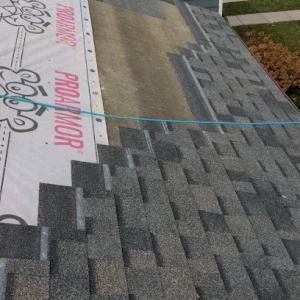
Monarch Roofing Company
(248) 238-8322 www.monarchroofco.com
Serving
5.0 from 15 reviews
Roof Repairs and Replacements
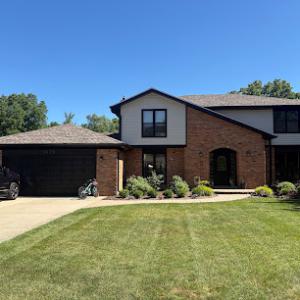
Leach Construction
(586) 822-1981 leachconstruction-mi.com
Serving
5.0 from 73 reviews
Welcome to Leach Construction, LLC Your Trusted Partner for Quality Roofing Solutions Serving Wayne, Oakland, Macomb, St. Clair, and Washtenaw counties, Leach Construction, LLC is a family-owned company with roots dating back to the 1960s. Based in St. Clair Shores, we specialize in residential and commercial roofing systems, as well as siding, gutters, and deck installations and renovations. Whether you need a new roof for your home or a reliable commercial system for your business in Metro Detroit, our experienced team is committed to delivering durable, efficient solutions tailored to your needs. At Leach Construction, we take pride in craftsmanship, precision, and customer satisfaction—building with care, every step of the way.
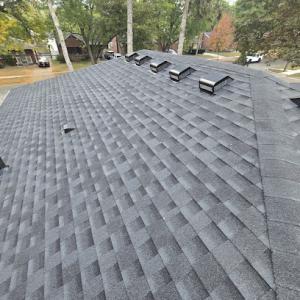
Oak Roofing
Serving
5.0 from 134 reviews
We only do complete replacements, Sorry we do not do repairs.
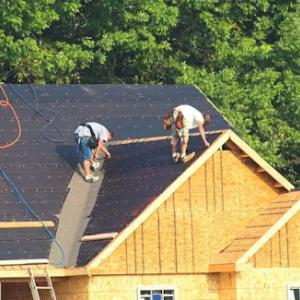
Detroit Roofers
Serving
5.0 from 125 reviews
Detroit Roofers is proud to be the trusted name in roofing for St. Clair Shores, Roseville, Eastpointe, Harper Woods, and surrounding Detroit-area communities. We specialize in residential and commercial roofing, offering expert repairs, full replacements, and new installations. Our licensed and insured team works with asphalt shingles, metal roofing, and flat roof systems—always backed by strong warranties and 5-star reviews. Property owners throughout Detroit rely on our fast service, honest estimates, and dependable results. When quality counts, choose Detroit Roofers for craftsmanship built to protect what matters most.
Pankow n Sons Roofing & repair
(586) 216-6141 www.pankowandsonsroofing.com
Serving
4.9 from 38 reviews
We specialize in repairing your roof. Don't let the union tell you it has to be completely tore off and replaced. Let us come give you a free estimate today!!
L&S Home Improvements
(586) 879-7006 www.lnshomeimprovements.com
Serving
4.9 from 305 reviews
L&S Home Improvements, located in Warren, MI, is your premier roofing company serving Southeast Michigan, including Macomb, Oakland, and Wayne counties. With a specialization in roofing installation, siding, and gutters, our experienced team of roofers is dedicated to delivering top-quality craftsmanship and exceptional service. Having completed over 1,600 roofs in the area, we take pride in our reputation for reliability and excellence. Whether you need a new roof, roof repairs, or a complete roofing system overhaul, trust L&S Home Improvements to protect and enhance your home. Contact us today for a free inspection and no-obligation quote. L&S Home Improvements will take care of all your roofing, siding, and gutter needs!

Rauth Roofing Windsor - Flat, Replacement, & Commercial Roofing Contractors
(519) 945-6301 www.rauthroofing.com
Serving
4.7 from 38 reviews
Rauth Roofing, located at 7830 McHugh St, is Windsor’s premier roofing contractor specializing in top-tier commercial roofing solutions. With expertise in flat roof replacements and restorations, we are the trusted flat roofers for businesses across Windsor and Ontario. Our commitment to quality and durability makes us stand out among commercial roofing companies. As leaders in commercial roofing, our skilled team ensures exceptional roofing solutions tailored to your needs. Choose Rauth Roofing for professional, reliable service for roofing in Windsor Ontario, and experience the excellence in commercial roofing that Windsor business owners trust.
Mills Roofing & Renovations
(519) 971-1434 millsroofing.net
Serving
4.8 from 40 reviews
Honesty, knowledge and workmanship elevate us to the top! Residential Roofing, Re-roofs, Repairs, New Construction - Free Estimates.
Certified Roofing & Exteriors
(519) 991-3886 certifiedroofingwindsor.com
Serving
4.7 from 191 reviews
Certified Roofing & Exteriors – Serving Windsor & Essex County since 2014, we’re your trusted general contracting and exterior services provider. Google reviews speak for themselves: consistent praise for our excellent team, top‑quality work, thorough cleanup, and unmatched professionalism . We specialize in: • Shingle roofing • Metal roofing • Soffit & fascia • Eavestrough / gutter installation • Gutter guard systems • Siding installation & repair • Windows & doors • Skylights & sun tunnels • Railings, trim, exterior finishing • Emergency response roofing repair services As a certified installer in Windsor—we carry manufacturer certifications (e.g., BP, CertainTeed, GAF, Owens Corning)—
Bach Roofing Company
(586) 244-2086 www.bachroofingcompany.com
Serving
5.0 from 105 reviews
Your local family-owned, quality St. Clair Shores roofing company. Bach Roofing Company can handle all your residential & commercial roofing needs. From minor repairs to full roof replacement. While we're based out of St. Clair Shores, we service homes and businesses in cities all over Metro Detroit, including Grosse Pointe, Grosse Pointe Farms, Grosse Pointe Park, Harrison Township, Chesterfield, New Baltimore, Macomb, Clinton Township, and Shelby Township.

Allstar Roofing
(519) 991-3083 www.windsor-roofing.ca
Serving
4.9 from 110 reviews
As one of Windsor’s leading residential & commercial roofing contractors, we understand we are not just covering a building; we are covering your home or business. We only use high quality roofing products and we guarantee that they are installed correctly. We are a fully licensed and insured roofing company and all of our employees are Certainteed Certified Master Shingelers. Call or e-mail us today for estimate on any of your roofing needs in Windsor and Essex.
Asphalt shingles remain the dominant practical choice for the region, delivering reliable protection at familiar long-term performance. Yet the older, higher-character homes nearby Lake St. Clair keep a visible demand for metal, wood, tile, and synthetic options that honor historic aesthetics while offering modern durability. If the goal is to preserve the look of a classic house, those alternatives deserve serious consideration alongside the traditional asphalt path.
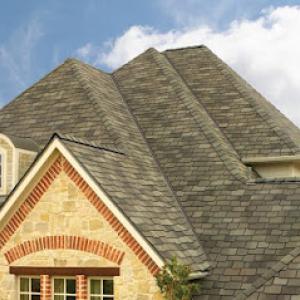
In older neighborhoods, asphalt shingles are often chosen for their balance of performance and ease of restoration. Modern APRs (architectural polymer resins) and reinforced undertlayment systems help manage freeze-thaw cycles, but the key here is pairing a quality underlayment with well-sealed flashing and accurate ridge venting. When choosing asphalt, prioritize a shingle line with strong wind resistance, a robust warranty, and a color that harmonizes with brick, stone, or cream-painted siding. For many homes, a darker, texture-rich asphalt shingle can blend well without looking out of place on a century-old façade.
Metal roofing offers longevity and a distinctive profile that can complement steeply pitched roofs or turret-like forms common in older estates. In this setting, metal's heat reflection and snow-shedding capabilities are beneficial, but flashing details must be exact to prevent ice dam participation at eaves and valleys. Wood shakes and shingles deliver authentic character, yet their performance hinges on careful maintenance and treatment to resist moisture infiltration during thaw cycles. Tile options-clay or concrete-can satisfy preservation goals, but matching the texture and color to surrounding architecture is essential; tile weight and structural support require careful assessment. Synthetic or composite shingles can mimic the look of natural materials while offering improved underlayment compatibility and snow-shedding behavior.
Clay tile, concrete tile, and wood shake decisions often center on preserving the look of an older home rather than simply chasing the lowest installed cost. In practice, this means coordinating profile, color, and texture with existing trim, masonry, and window surrounds. If a roof uses a historic tile profile, ensure that new material respects the original roof plane and eave dimensions, and that fasteners and sealants remain compatible with the underlying decking and trellised or overhanging features.
Freeze-thaw exposure in southeast Michigan makes underlayment quality a primary consideration across all materials. Choose a high-quality synthetic or felt underlayment rated for cold temperatures, with a moisture barrier that remains flexible in frost. Flashing at chimneys, dormers, and valley intersections must be meticulously integrated to resist ice dams and water intrusion. Snow-shedding behavior matters for steeper roofs and taller elevations; select materials and configurations that encourage controlled shedding without forming ice dams at eaves. In all cases, ensure that eave overhangs and drip edges provide continuous protection to the fascia and soffit areas during heavy snowfall.
In this market, you'll see per-square costs that reflect the tonnage of older homes and the craft required for preservation-minded choices. Provided local pricing ranges run per square from $350 to $650 for asphalt shingles, $700 to $1200 for metal, $1100 to $1900 for clay tile, $900 to $1800 for concrete tile, and $500 to $900 for wood or synthetic/composite roofing. Those brackets aren't just numbers: they map to the mix of materials you're likely to see on the peninsula's lakeside homes, where character and durability matter as much as curb appeal. If you're replacing on a century-old bungalow or a Tudor with steep pitches and dormers, expect the project to hover toward the upper ends of those ranges.
Older roofs in this area often feature steep pitches, multiple dormers, chimneys, valleys, and other architectural details that slow tear-off and flashing work. That extra labor time translates directly into higher costs and longer timelines. If your home has a hipped roof with several dormers, plan for more crew hours, more material cuts, and more meticulous flashing to prevent ice dam formation during freeze-thaw cycles. In practice, you'll notice a modest premium when opting for tiles or metal where the installation requires precise rake edges, copper valleys, or integrated snow guards to keep ice away from eaves and parapets.
Asphalt shingles remain the most economical upfront option, but for homes with a lot of exposure to lake effect weather, tile and metal can offer better long-term performance in the face of freeze-thaw stress. Clay and concrete tiles bring added weight and require structural confirmation, which can add to the quote in older structures. Wood shingles or shakes deliver period-appropriate texture but may demand higher maintenance and faster replacement cycles in this climate. Synthetic/composite shingles can balance cost with durability and easier handling on complex rooflines.
When you're gathering bids, ask for itemized breakdowns: tear-off, disposal, flashing, underlayment, and town-hall escalation that may appear during spring storm surges. Compare the cost of upgrading underlayment and ice-dam protection, especially on steep, detail-rich roofs. If a contractor recommends specialty edge details or copper components for long-term protection, weigh the upfront premium against the potential for fewer repairs after harsh winters.
Get a clear picture of your project costs upfront - no commitment required.
Pankow n Sons Roofing & repair
(586) 216-6141 www.pankowandsonsroofing.com
Serving
4.9 from 38 reviews
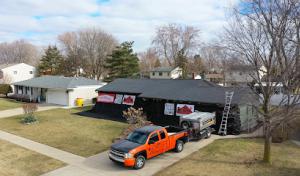
A full roof replacement requires a building permit issued by the Building Department. In this city, permits are not a formality to skip; they set the baseline for the work being done safely, legally, and with respect for the distinctive historic and architectural character of older homes near Lake St. Clair. Skipping the permit or delaying it until after the project has started can lead to revocation, work stoppages, or costly rework if inspectors find nonconforming materials or methods. The permit process serves as a practical check that restoration or upgrade approaches align with local standards and climate realities.
Inspections are required both during and after installation. This means that project timing cannot rely solely on crew availability or favorable weather windows. Each stage-from scaffold setup and drainage considerations to flashing, attic ventilation, and underlayment-will be scrutinized to ensure performance under freeze-thaw cycles and potential ice dam conditions. If a chosen material or detail does not meet inspection criteria, adjustments may be necessary, which can extend timelines and complicate coordination with a busy roof crew. Plan on scheduling around inspection windows to avoid delays that could push work beyond the typical seasonal sweet spots.
Plan review and permit processing can add lead time in some cases, which matters most when homeowners are trying to schedule work between late spring and early fall. The local schedule tends to tighten as the calendar moves toward winter, and building staff may require additional documentation or plan clarifications for older homes with preservation considerations. It is prudent to initiate the permit request well before project start, especially if the roof involves historic materials, venting retrofits, or intricate detailing that needs careful verification. Coordinating with both the permit office and the homeowner's preferred weather window helps avoid a bottleneck that could leave a roof vulnerable to late-season freezes or an abrupt shift into colder months.
Before locking in dates, verify that the required permits, plan reviews, and any historic preservation reviews are in order. Have your contractor prepare a complete submittal package that includes ventilation details, flashing strategies, drainage plans, and a scope of work that aligns with local expectations. When snow and ice are possible or imminent, discuss accelerated inspection options with the Building Department early in the planning stage to minimize the risk of weather-driven delays. Keeping a realistic buffer around inspection days helps ensure the project stays on track without compromising safety or compliance.
Replacement projects are typically slotted from late spring through early fall to avoid the challenges of winter weather. That window aligns with the region's freeze-thaw cycle and helps protect fragile, preservation-minded materials before snow and ice return. In planning, think about the coastally influenced climate and how a longer, drier stretch during late spring and summer supports better sealing and inspection outcomes.
Spring brings a local combination of hail and high winds that can create sudden repair demand and delay planned replacement calendars. If a project runs late into spring, expect fast-paced scheduling shifts as crews chase weather windows and temporary repairs take priority. Use this period to address any necessary kick-off tasks, such as attic ventilation checks and deck-led access for material deliveries, so the main installation can proceed promptly once conditions stabilize.
Fall timing is affected by leaf accumulation and the risk of early snow, making inspections and gutter-related prep more time-sensitive than in less tree-covered neighborhoods. Leaf clutter can hide underlying roof issues and clog drainage systems, so scheduling early in autumn allows crews to clear debris, protect valleys, and secure ice-damming mitigation measures before temperatures drop. If a fall project slips, plan for expedited service to complete critical repairs before late-season weather becomes unfavorable.
Coordinate with a roofing contractor to map a realistic sequence that avoids peak storm periods, respects attic and downspout accessibility, and builds in a buffer for material delivery delays. Maintain a flexible plan that prioritizes weather gaps, but lock in dates with concrete milestones for inspection, edge detailing, and gutter prep-so the project maintains steady progress through the preferred season.
After hail or high winds, the insurance environment in this area tends to be active, with claims driven by event-related damage rather than a broad statewide withdrawal of carriers. That means your experience hinges on how well a loss is documented and when a storm hits your neighborhood near Lake St. Clair. The emphasis is on replacement cost value documentation and on presenting a clear picture of what was damaged, how it was damaged, and what it will take to restore the roof to its former condition or better.
Homeowners in this market should maintain thorough photo records of shingles, flashing, gutters, skylights, and interior leak points. Carriers may ask for more than a simple contractor opinion, especially when older, architecturally distinctive roofs are involved. Take wide exterior shots to show overall roof condition as well as close-ups of granule loss, cracks, or lifted edges. Inside the attic or ceiling, photograph any staining, drips, or signs of moisture around penetrations. Keeping a dated, organized library of images helps support a fair assessment of damage and replacement needs, which matters more for the unique trim and materials common to these homes.
If a storm affects the roof, start by documenting the event and its impact on the roof and related systems. Preserve damaged shingles, metal flashings, gutters, and any interior water intrusion, as these details can influence the claim review. When you call a contractor for inspection, ensure you have a written assessment that clearly links observed damage to specific storm-driven causes. Share those notes with your insurer and be prepared for questions about pre-existing conditions, maintenance history, and the roof's original installation details.
Expect adjusters to request detailed evidence beyond a verbal report. A neighborly, cooperative stance often smooths the process-especially for older homes with distinctive materials. Provide access to the attic and roof line as needed, and supply your photo log and any pre-storm maintenance records. Prefer contractors who understand the local climate's freeze-thaw cycles and can discuss how to preserve character while meeting modern protection standards.
Given the mix of older homes near the water, the choice of roofing materials can influence both claim outcomes and long-term performance. When evaluating repairs or replacements, align material choices with both wind resistance and the preservation of architectural character typical for the area. Documentation should connect the selected materials to expected durability under Michigan winters and to any preservation guidelines that help the insurer recognize a restoration that honors the home's original design.
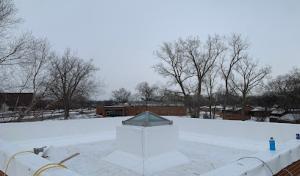
Even in a pitched-roof market like Grosse Pointe, older home additions, porches, and detached garage sections often create low-slope roofing details that fail differently from the main roof. The mixed ages of these structures mean joints, overlaps, and supports may not align with the original roof lines, inviting unseen leaks after every thaw. Freeze-thaw cycling amplifies small imperfections, turning tiny drips into steady intrusions over a long winter. If a low-slope addition sits adjacent to a chimney, wall, or skylight, the risk isn't just the membrane-it's how flashing meets aging masonry and metal details.
Backed-up drainage is especially hard on low-slope transitions where older homes were expanded over time. When gutters clog or downspouts worsen the flow, water sits along the edge, refreezes, and then breaches the edge of the roof. Over successive seasons, that cycle erodes fasteners, underlayment seams, and edge flashing. In these spaces, the failure often travels laterally from the corner where the addition abuts the main roof, rather than dropping straight down from the peak as with the original structure.
These sections often sit next to chimneys, walls, or skylights, making flashing quality a bigger local concern than membrane choice alone. The priority is robust, continuous flashing that can accommodate shifting substrates and irregular detailing. Choose flashing that tolerates seasonal movement and integrates with masonry joints without gaps. A reliable transition at every corner and parapet is more protective than chasing a perfect membrane color or thickness.
Prioritize detailed inspection of edge terminations where additions meet original roofing. Ensure that step flashing, counter-flashing, and sealants remain continuous and free of ridges. Inspect after thaws for any telltale ice dam patterns near transitions. Lastly, consider staged maintenance that treats these low-slope sections with the same diligence as the main roof, since neglect here invites hidden damage to structural supports and interior finishes.
Find specialists in TPO, EPDM, and built-up flat roofing systems for residential and commercial properties.
Pankow n Sons Roofing & repair
(586) 216-6141 www.pankowandsonsroofing.com
Serving
4.9 from 38 reviews