
Last updated: Apr 19, 2026
Wind-driven rain from open-lake storms can hammer roofs along the lakefront and canal corridors here. Shingles may lift, granules shed, or small leaks become big problems fast, especially after a rapid thaw or a windy day. In this climate, the first sign of trouble often appears as a few missing shingles or dark staining on ceilings inside, followed by creeping moisture in attic spaces. If you notice any curled edges, buckling, or frequent drips after a storm, treat it as a roofing emergency and move quickly to document and mitigate.
Take clear, dated photos from multiple angles-valleys, edges, and any visible fastener failures. Focus on yard debris that hit the roof, hail impact marks on shingles, and flashing around chimneys or vent pipes. Keep a running log of when the wind hit, how long it lasted, and any accompanying hail. Save all receipts for temporary repairs, tarps, and any paid assessments. When an adjuster arrives, hand them a concise packet: storm date, photos, a list of compromised areas, and a written note of any interior leaks or attic moisture. This city sees regular hail and wind claim activity, so a tight file speeds the process and reduces back-and-forth.
If you see active leaks, place a sturdy tarp over the leak spot and secure it along with any exposed nails or flashing corners. Avoid over-tightening tarps, which can tear away under wind gusts. Clear downspouts and ensure water can shed away from the foundation. Do not attempt full replacements during a storm window; temporary measures bought now help protect insulation and interior finishes while you coordinate estimates and expect an adjuster-led review.
Adjusters will want interior access to verify moisture and potential structural concerns, especially after a storm with hail or wind. They often focus on shingles, underlayment, flashing, and vent penetrations. Having technician-grade photos ready helps standardize the discussion. Prepare a short, factual description of all affected areas, including attic signs of moisture and any observed loft condensation. After the visit, expect a queue: the local demand surge can push scheduling out a bit, so advance planning matters.
In this lake-influenced environment, choose a contractor who understands wind-driven rain patterns and how fast-moving storms influence leak progression. Look for crews with storm-rebuild experience in canal-front neighborhoods and a track record for accurate, itemized estimates. Ask for a written scope that covers deck-to-roof flashing, vent repairs, attic ventilation checks, and a plan for temporary moisture mitigation. A reliable contractor will coordinate with your insurance process, provide detailed before-and-after photos, and offer a transparent timeline that addresses potential delays during peak demand.
Spring hail and wind events can damage shingles before scheduled work begins and can also delay replacement calendars during peak demand surges. Plan for a contingency window and maintain ongoing communication with your chosen contractor and the insurer. If a second storm window hits while work is underway, the priority is to prevent interior damage first, then complete exterior repairs as soon as conditions allow. Stay flexible but vigilant: a clear, proactive approach minimizes extended exposure to attic moisture and further weather-induced deterioration.
Seasonal checks help catch issues before they become claims: inspect flashing around skylights and chimneys after big storms, verify attic insulation and ventilation, and reseal step-flashings along eaves that bear the brunt of wind-driven spray. Regular inspections by a trusted local roofer can catch hairline leaks early, reducing the chance of widespread interior damage and creating a smoother path through the insurance process when a storm does strike.
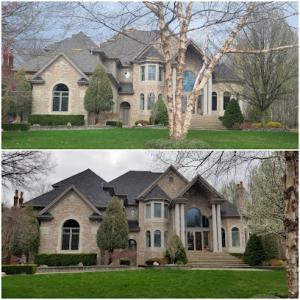
Giovanni's Home Concepts
(313) 970-8783 giovanniroofing.com
28238 E Duluth St, Harrison Township, Michigan
4.9 from 31 reviews
Veteran owned with 23 years of experiance. Quality exterior renovations and remodels. Only highest quality materials and installations of roofing siding and gutters. Servicing southeast michigan.

The Roofing Company
(586) 330-9290 www.theroofingcompanymi.com
26891 Tucker St, Harrison Township, Michigan
3.7 from 22 reviews
The Roofing Company is a professional roofing contractor in Michigan. We specialize in residential roofing, commercial roofing, roof repairs, skylights and 5in/6in gutters and also gutter leaf protection! Serving all of Metro Detroit! Choosing a roofing contractor can be tricky because it can result in you having to pay even more money to fix what the first person did. With The Roofing Company your in safe hands, there will be no need to stress as our entire crew is trained and vetted to make sure we can get the job done right the first time.
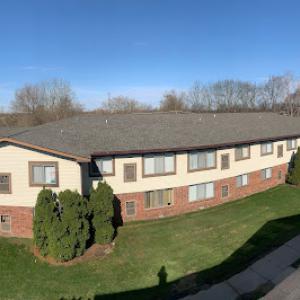
RoofCom
Serving
5.0 from 34 reviews
Welcome to ROOFCOM, your premier roofing solution provider. We specialize in hassle-free roofing services, offering everything from installations to repairs. What sets us apart is our commitment to transparent pricing, top-quality materials, and exceptional craftsmanship. With years of industry experience, trust us to deliver reliable results tailored to your needs. Experience roofing made easy with ROOFCOM.
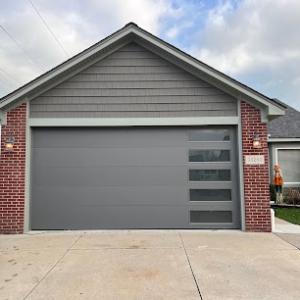
Covered Construction
(586) 630-0814 www.coveredconstructioncompany.com
Serving
5.0 from 62 reviews
Covered Construction is a licensed and insured roofing contractor serving Macomb, Oakland, and Wayne County. We provide expert roof replacement, siding replacement, gutter replacement, skylight repair, window replacement, roof repair, storm and hail damage inspections, emergency leak detection, and flat roofing systems including EPDM, TPO, and tile. Our certified team (GAF, CertainTeed, Velux, Lomanco, HAG) delivers high-quality roofing for residential and commercial properties acrossChesterfield • Macomb • Shelby Twp • Clinton Twp • St. Clair Shores • Grosse Pointe • Troy • Royal Oak • Novi • Sterling Heights • Bloomfield • Birmingham • West Bloomfield • Bloomfield Hills • Madison Heights • Utica • New Baltimore, Metro Detroit areas.
Acs Roofing
(586) 800-3558 www.acsroofers.com
Serving
5.0 from 114 reviews
ACS Roofing is a family-owned and operated roofing company that has been servicing Michigan's Southeastern Tri-County area for more than 20 years. We specialize in both residential and commercial roofing, and our professionally trained installers complete 90% of installs the same day. We take pride in our work, and one of our core values is to always leave your property cleaner than when we arrived. If you're looking for a reliable, experienced, and affordable roofing company, ACS Roofing is here for you.
BarrWood Services
(586) 488-4002 www.barrwoodservices.com
Serving
4.9 from 111 reviews
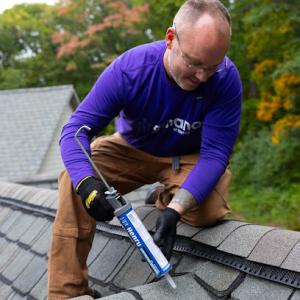
Detroit Gonano offers roof protection, restoration, and rejuvenation services to homeowners and commercial property owners in Macomb, Wayne, Oakland and St. Clair Counties. We are fully licensed and insured with references to back it up! We are now the exclusive dealer for Gonano products including Cement saver, Wood Saver, Revive, and Shingle Saver treatment in St Clair, Macomb, Oakland, Wayne and Washtenaw counties. Our partner Barr-Wood Services is a fantastic compliment to our services. With over 20 years experience in the industry, look no further for your repair needs! Underbelly, heat tapes, roofing, skirting, entry doors and subfloor repairs, window and door replacements are just a few of the services we offer.

Clean Roof Today
(586) 221-2558 www.cleanrooftoday.com
Serving
5.0 from 36 reviews
Clean Roof Today is a Michigan based roof cleaning company committed to quality, efficiency, and affordability. If you're a homeowner, realtor, or investor then give us a call and find out why our customers love our services. From asphalt shingle roofing to tile or slate roofs, our experienced contractors have you covered. We offer free quotes!
Next Exteriors
(844) 770-6398 www.nextexteriorsmi.com
Serving
5.0 from 29 reviews
NEXT Exteriors by Premier Builder is a family-owned company serving Southeast Michigan with a focus on building strong, lasting relationships. We’re not just about quality craftsmanship; we’re about being a trusted neighbor who always puts you first. Our team is committed to honesty, transparency, and delivering real results with care. With decades of experience, we’ve built a reputation for being dependable and approachable, ensuring your home receives the attention it deserves every step of the way. Let’s build something great together.

Shelby Construction Services Roofing Siding Windows
(833) 674-3529 www.shelbyconstructionservices.com
Serving
4.8 from 167 reviews
Shelby Construction Services is a trusted exterior remodeling and roofing contractor based in Clinton Township, MI, proudly serving all of Macomb County. Voted the #1 Roofing Contractor in the area, we specialize in roof replacement, siding installation, window replacement, and seamless gutters. Whether you need a full exterior upgrade, or roofing, siding or window replacement our licensed and insured team delivers quality craftsmanship with honest pricing. Financing options are available to make your project affordable. Call today for a free estimate on roofing, siding, or window replacement in Macomb County and surrounding Michigan communities.
Bach Roofing Company
(586) 244-2086 www.bachroofingcompany.com
Serving
5.0 from 105 reviews
Your local family-owned, quality St. Clair Shores roofing company. Bach Roofing Company can handle all your residential & commercial roofing needs. From minor repairs to full roof replacement. While we're based out of St. Clair Shores, we service homes and businesses in cities all over Metro Detroit, including Grosse Pointe, Grosse Pointe Farms, Grosse Pointe Park, Harrison Township, Chesterfield, New Baltimore, Macomb, Clinton Township, and Shelby Township.
Schena Roofing & Sheet Metal
(586) 949-4777 www.schenaroofing.com
Serving
4.4 from 34 reviews
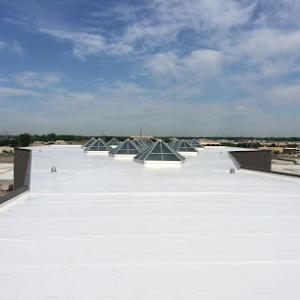
Our family owned commercial roofing company serves Michigan, Ohio, and Indiana, and has since 1969. We come to the table with experience, integrity, safety, quality craftsmanship, and professional installers. Our reputation and work ethic earned us the trust and confidence of many repeat customers, including automotive companies, retail/office complexes, property managers, hospitals, and religious facilities. Commercial roofing has been our specialty for over 50 years and our success is carried by the commitment of our professional installers.
JNR Roofing
(586) 816-9976 www.jnr-roofing.com
Serving
4.9 from 179 reviews
JNR Roofing is your trusted residential roofing and commercial roofing contractor near you, proudly serving Chesterfield, Macomb, New Baltimore, St. Clair, Harrison Township, Algonac, and Clinton Township. Our licensed and insured team provides roof replacements, roof repairs, skylight installation, vinyl siding, seamless gutters, and gutter guards. With 150+ five-star reviews, we’re known for honest service, efficient work, and quality craftsmanship. From storm-damage repairs to full exterior upgrades, JNR Roofing delivers dependable, local service that puts your home or business first. Call today for fast, professional help!
Cold winters bring repeated freeze-thaw cycles that stress shingles, flashing, and roof penetrations. In Harrison Township, the shoreline exposure means those cycles often land with a little more bite after a heavy wind or a quick warm spell. That added stress accelerates wear on the crest of the roof, around vents, chimneys, and any rooftop equipment. When a roof is repeatedly forced to expand and contract, fasteners loosen, granules loosen, and small gaps creep in. The result is a roof that ages faster in place, with a higher chance of minor leaks turning into bigger concerns after a late-season thaw or a sudden cold snap.
Winter snow and ice buildup increase ice dam risk locally, especially when attic ventilation and insulation are not balanced during replacement. The first sign of trouble is often at the eaves: a slick edge of ice that resists meltwater from escaping downward. In a lake-influenced climate, warm attic air can melt snow near the peak while cold attic temperatures near the soffit keep water from draining properly. The meltwater then refreezes at the colder edge, backing up under shingles and into roof decking. The damage mimics itself: stained ceilings, damp spots along interior walls, and warped sheathing if the problem isn't detected early. This is not just a maintenance nuisance; it is a symptom of how moisture moves through a roof assembly in this lakeside environment.
Township inspections commonly verify compliance with ventilation requirements, making moisture and ice-dam prevention a practical local code issue, not just a maintenance preference. If a roof replacement happens when the attic is poorly vented or under-insulated, you're setting up a repeat cycle of heat buildup and moisture condensation. Balanced attic ventilation-intake at the soffits and exhaust at the ridge or high vents-helps keep roof sheathing closer to outdoor temperatures. Adequate insulation reduces warm attic air that drives meltwater toward the colder eave, where it refreezes. In practice, this means checking the attic before replacing roofing materials: measure insulation depth, seal attic air gaps, and confirm vent pathways are clear of insulation or debris. That balance matters more here than in many inland suburbs.
On a practical level, consider coordinating a roof replacement with an eye toward attic conditions. If you're replacing shingles, ensure the underlayment is appropriate for seasonal freezes and that flashing around chimneys and vents is integrated with a continuous water barrier. After a heavy snow event, use a roof rake with care to remove loose snow from the eaves, reducing the dam risk when temperatures swing. During the heating season, keep interior humidity in check to minimize moisture migrating into the attic; excess moisture indoors can contribute to condensation and mold risk in upper spaces. If a leak appears after a thaw, address it promptly-small leaks can widen quickly if the attic remains damp and the ice dam persists.
Because ikan-shore exposures influence how roofs respond to freeze-thaw cycles, inspectors will look closely at attic ventilation balance, insulation levels, and the integrity of flashing. Expect questions about any previous ice dam issues, attic temperatures, and recent winter weather patterns. If an installation is planned, ensure the chosen materials and underlayment are suitable for cold starts and freeze-thaw cycles, and that ventilation paths are designed to keep the roof deck closer to the outside temperature as seasons change. This local focus helps prevent moisture and ice-dam problems before they become expensive repairs.
In this township, a building permit is required for a full roof replacement. The permit process is there to ensure that the project aligns with local codes, weather considerations, and the specific construction practices common to lakefront homes along the channel systems. Planning ahead helps prevent delays that can occur if the permit is applied for after tear-off begins. When the permit is pulled, it creates a formal record that the work is being completed to meet local standards rather than proceeding as an informal repair.
The township building department reviews project details and coordinates inspections rather than treating reroofing as a no-permit job. This means that the permit review will look at more than just the roofing materials; it will consider attic ventilation, deck or deck-ridge connections, and how the roof integrates with gutters and drainage plans to manage lake-influenced moisture. Expect a back-and-forth period where the reviewer may request drawings or notes about underlayment, vent placement, and eave details. Having these items ready up front helps keep the project on schedule and reduces the chance of field corrections.
Typical inspections occur after tear-off and again after installation to verify code compliance and ventilation details. The first inspection confirms that the tear-off was performed safely, that waste is properly contained, and that the roof deck is sound and clean for new underlayment. The second inspection checks that underlayment, flashing, and ventilation meet local standards and that roof penetrations-such as vents, skylights, and chimneys-are correctly integrated. In lake-exposed areas, proper ventilation and venting strategies are crucial to prevent condensation issues during freeze-thaw cycles. Coordinate with the contractor to ensure access and any required safety precautions are in place for the inspectors.
Documentation matters in this process. Have accurate roof plans, material specifications, and vent layouts ready to accompany the permit submission. If a change becomes necessary during tear-off or installation-such as updating a vent size or adjusting flashing details-inform the building department promptly. Clear communication helps avoid rework during inspections and reduces the risk of holding up the project when the weather window on the lakefront is at its best.
Start early by confirming with the contractor which team member will handle the permit submission and what documentation is needed. Because inspections are tied to both tear-off and installation milestones, set up a predictable inspection cadence with the contractor and the inspector. Keep a visible log of any weather-related delays and access issues so that the permit timeline remains realistic. In storm-prone seasons, coordinate scheduling to minimize exposure of open decking and to address any temporary protective measures needed for moisture control and wind exposure.
Late spring through early fall is the window you should target for most roof projects. In this climate, winter freezes can lock up work and complicate shingle handling, while the peak heat of summer can accelerate aging and complicate sealants. Plan for dry spells and moderate temperatures to keep installation steady and your attic and interior spaces comfortable during the work. Scheduling around anticipated lake winds and canal-front exposure helps minimize startup delays when weather turns.
Spring storms are a constant around the shoreline and canal corridors, so your project plan should assume occasional interruptions. Have a clear sequence with your crew: remove damaged sections first, then install underlayment and flashing, and finally apply the top layer. This approach reduces exposure windows for wind-driven moisture and makes it easier to protect interior spaces if a shower rolls through. If a storm is forecast during critical milestones, coordinate temporary covers or tarps and a quick follow-up window to finish the step. In this market, timely communication with the crew keeps days on track.
Autumn brings leaf fall and more gusty weather, which can complicate cleanup and final inspections. Build in an extra cleanup pass after a windy stretch, so debris doesn't trap moisture or hide damage near vents and flashing. Inspection timing matters too: a post-storm check helps verify sealing around lake-facing edges and canal-side flashings before winter. Homeowners often expect a thorough, included cleanup, so ensure the contractor schedules a final walk-through to confirm everything is cleared and weatherproofed.
Storm events around Lake St. Clair can compress work into tight windows. Have a plan for rapid tarping and temporary stabilization if a roof is compromised between rain events. This approach reduces interior moisture risk and keeps the project moving when your crew's day-to-day schedule gets disrupted. A neighborly acknowledgment of seasonal constraints helps keep neighbors informed and prevent misunderstandings during the peak months.
Get a clear picture of your project costs upfront - no commitment required.

Shelby Construction Services Roofing Siding Windows
(833) 674-3529 www.shelbyconstructionservices.com
Serving
4.8 from 167 reviews

Asphalt shingles remain the dominant practical choice for most homes along the Lake St. Clair shoreline and in canal-front neighborhoods. They handle the freeze-thaw cycles, are easier to repair after a storm, and come in a wide range of profiles to mimic more premium looks without overburdening the structure. For homes facing wind and hail, look for reinforced or polymer-modified varieties with higher wind-resistance ratings and better impact performance. In your Lake Michigan-adjacent exposure, a high-quality asphalt shingle with a good warranty and a compatible underlayment can be your first line of defense against moisture intrusion after a major run of storms.
Metal roofs are a smaller but active specialty locally, appealing to homeowners prioritizing wind resistance and long service life near Lake St. Clair. Metal performs well under gusty lake winds and can shed hail more predictably than some other materials, reducing the risk of leaks after severe storms. The trade-off is that installation requires a precisely prepared roof deck and attention to fasteners and sealants around edges and penetrations. If choosing metal, budget for a panel profile and coating that resist chalking and corrosion in the lake breeze, and ensure proper attic ventilation to manage condensation in winter.
Wood shingles and shakes offer a traditional, textured look that suits many older canal-front homes. They can stand up to cold snaps when properly installed and vented, but their performance hinges on ongoing maintenance and regular treatment against moisture. In hail-prone seasons, wood can suffer impact through the surface, which may necessitate more frequent inspections after storms. Weigh roof slope, roof pitch, and the likelihood of freeze-thaw damage when considering wood, since these factors influence how quickly moisture can migrate into the substrate.
Clay and concrete tiles appear in the market, but they require careful structural assessment and can be more vulnerable to handling and impact concerns during hail-prone seasons. Their weight demands a solid substrate and framing, and edge protection is crucial in wind-driven storms. If choosing these tiles, verify that the existing structure can support the load and that roof transitions and penetrations are reinforced to prevent wind-driven leaks after a storm event.
Synthetic or composite shingles blend performance characteristics of traditional categories and can offer enhanced impact resistance and lighter weight. In a lakeside climate with freeze-thaw cycles, look for entries with proven dimensional stability and water resistance. These can be a favorable compromise when seeking storm resilience without the weight and maintenance burden of heavier tiles.
Local replacement costs vary by material, with provided ranges running from 300 to 550 USD per square for asphalt shingles up to 900 to 1800 USD per square for clay tile. This spread reflects the Lake St. Clair shoreline exposure, freeze-thaw cycles, and the mix of steeper residential rooflines common in canal-front neighborhoods. When you're budgeting, start with the material you prefer and then add expected charges for tear-off, ventilation work, and debris handling. Clay tile, for example, sits at the high end of the scale, but its durability can pay off in the long run if you're replacing on a calm, wind-friendly section of the roof.
Storm-driven demand spikes in this market can push scheduling pressure and pricing, especially after hail and wind events that generate simultaneous claim activity. In the aftermath of a wind or hail event, anticipate quicker turnarounds and possible upsell opportunities for underlayment and ventilation improvements flagged by inspectors. If a hail event hits, you'll often see multiple jobs in the same timeframe, which can temporarily affect availability of crews and lead to higher short-term costs. Planning ahead for the typical fall and early spring windows can help you lock in pricing and a reliable crew.
Costs can also move based on tear-off complexity, ventilation corrections flagged during inspection, debris handling expectations, and whether the home uses steeper residential rooflines or specialty materials. A full tear-off on a complex layout or in a space with tight access can add to labor and disposal fees. If inspectors call for upgraded ventilation or additional attic insulation, expect incremental increases. Debris removal from a several-story or heavily wooded property can stretch the day rates. In short, the baseline material price matters, but the overall job cost reflects the roof's layout, the condition of existing components, and the specifics of how the storm damage is addressed.
Don't let upfront costs delay a critical repair - these contractors offer payment plans to fit your budget.
Shelby Construction Services Roofing Siding Windows
(833) 674-3529 www.shelbyconstructionservices.com
Serving
4.8 from 167 reviews
In this township, storm events bring regular hail and wind losses that test roofs built for lake exposure and canal-front homes. Decisions about repair versus full replacement are not one-size-fits-all, and insurers will scrutinize whether damage is repairable, claim-worthy, or likely to trigger deeper investigations. The outcome hinges on whether cosmetic issues sit alongside functional failure and on how well the roof's remaining life aligns with policy expectations.
Insurers in this market expect thorough documentation before approving major roof work. Gather date-stamped photos from multiple angles, showing both shingles and flashing, as well as close-ups of any hail impact or damaged decking. Contractor findings should be summarized clearly, including the severity and location of issues. Written estimates that lay out scope, materials, and labor support the claim and help prevent delays caused by ambiguous requests for clarification.
Coverage outcomes can vary significantly by policy language, so homeowners here need to compare cosmetic versus functional damage positions before authorizing full replacement. If the roof shows limited surface marks but sound structure, a repair path with documented proof might be favored. If structural weakness or water intrusion exists, expect closer insurer review and potential dependability questions regarding remaining life and maintenance history.
Prepare a concise summary of observed conditions, linking visible damage to wind and hail events from the recent season. Coordinate with a trusted local contractor who understands how storm forces interact with typical Harrison Township roofing assemblies. Keep a detailed file of all communications with the insurer, the contractor, and any adjusters to maintain a clear, auditable trail.
Connect with contractors who help homeowners navigate the claims process from damage assessment to final approval.
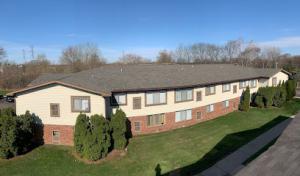
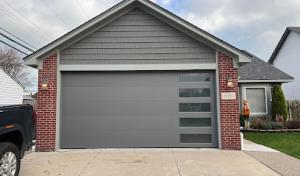
Local contractor signals show meaningful demand for skylight work, chimney-related roofing details, and flat-roof service, indicating that leak points around transitions are a real homeowner concern in this area. The combination of Lake St. Clair exposure, canal-front neighborhoods, and freeze-thaw cycles concentrates wear at transitions: skylight edges, chimney bases, and any low-slope sections. Recognize that wind-driven rain and hail can exploit marginal flashing first, then travel along fast-moving joints to interior spaces.
When inspecting skylights, start with the flashing. Freeze-thaw cycling can curl metal or lift sealant, while wind-driven rain forces moisture under marginal corners. Check the curb seal for musty smells or staining, and test for daylight leaks during a quick dusk-to-dawn light pass. If a skylight sits over a flat or low-slope area, ensure the surrounding membrane transitions smoothly into the main roof field. Slope-matched flashing and a clean, debris-free drain path are essential to prevent ponding water near the curb.
Chimneys are common leak culprits where flashing meets masonry. Inspect the flashing course twice a year, especially after winter thaws and storms. Look for rust on step flashing, mortar cracks, and degraded chimney caps. The chimney crown should shed water away from the roof edge; cracking invites winter moisture intrusion. For rising wind and hail periods, upgrade to a continuous step-and-counter flashing detail that ties into the roof deck with a waterproof membrane beneath.
Low-slope sections on additions, porches, or mixed-roof homes require dedicated drainage and membrane attention. Ensure proper slope toward the primary drainage points and verify the use of a compatible, reinforced membrane system at transitions from high-slope shingles to flat areas. Seal all edge penetrations, vents, and pipe boots with a membrane underlayment that extends onto the main field. Regularly inspect for glossed blisters or pooling after heavy rain and wind events, and address promptly to prevent water migration into living spaces.
Find contractors experienced in skylight installation, flashing, and leak repairs to bring natural light into your home.
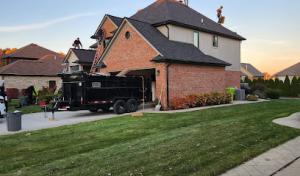

This market leans heavily toward reroofing rather than new construction, so homeowners should prioritize contractors with tear-off, leak-response, and occupied-home workflow experience. Storm seasons and lake-influenced wind and hail events mean roofs are often disrupted, and crews that can work around an occupied home without turning the property into a construction zone are invaluable. Look for firms that outline a clear plan for shingle recycling or debris containment and a sensible sequence that minimizes disruption to daily life.
Long-established, family-owned, licensed, and insured contractors are common signals in this market. Those firms tend to be more communicative about scheduling, weather delays, and site protection because their reputation sits on repeat referrals from neighbors. Manufacturer-certified firms exist here as well, but they are less prevalent; still, a recognized certification can indicate adherence to product warranties and proper installation methods. When you call, ask for fiberboard or roof deck inspection notes, documentation of nailing patterns, and a written sequence for tear-off versus install. Realistic timelines and a single point of contact help manage expectations during a storm-impacted window.
Quick response and cleanup are standout local hiring priorities, reflecting storm-call urgency and the practical need to manage debris around established residential properties. Observe how the crew prepares the site: tarps or ground protection, containment for any lead-based flashing or vent work, and a plan to minimize noise and driveway clutter. Ask for a temporary roof through storm events if needed and insist on clear communication about any delays caused by weather or material backorders. A contractor that can provide a spare shingles sample and a visual progress check helps you verify alignment with your home's color and alignment, which matters a lot after heavy wind events.
Before deciding, request references from nearby storms and verify licensing and insurance coverage. Confirm they have a documented leak-response plan, including how emergency calls are prioritized when leaks occur and how they handle occupied-home access. A steady, transparent bid that includes debris cleanup, protection of landscaping, and a defined warranty period is a practical signal of a firm prepared for the realities of this market.