
Last updated: Apr 19, 2026
Winter ice damming is a real, ongoing threat for your roof when cold cycles and heat leaks line up on a dense, aging neighborhood block. Hamtramck's cold winters and repeated freeze-thaw cycles make ice damming one of the most relevant roof failure patterns locally. When heat escapes from the attic, the roof melts snow near the peak, but cold air at the eaves keeps the lower edge frozen. Water backs up behind that dam and finds routes through shingles, underlayment, or flashing, pushing into ceilings and walls. In tight, older homes, a single dam can flood plaster ceilings, stain finished upper floors, and spill into shared side-yard work areas where neighbors are close enough to feel the impact quickly. This is not a distant risk-it's a neighborhood reality that demands immediate attention.
Many homes in Hamtramck are older and closely spaced, so heat loss from under-insulated attics can accelerate uneven roof melt and refreeze at the eaves. A leaky ceiling isn't just a nuisance; it signals moisture traveling through insulation layers and reaching structural wood, which invites rot and mold in hidden pockets. Tight lot access complicates emergency repairs, making proactive measures more critical than in less dense areas. Roof edge details, gutters, and downspouts can become clogged or damaged by ice buildup, forcing water to back up under shingles and into interior spaces before a leak becomes visible from below. Every day carries the risk that a small leak becomes a costly, wide-spread water intrusion problem behind finished surfaces.
Clear snow from the roof edge by using a plastic roof rake, working from ground level without stepping on the roof. Keep gutters free of ice and debris so meltwater can travel to downspouts instead of seeping under shingles. If you notice staining on ceilings, damp plaster, or a musty odor after a thaw, treat it as an active leak and limit further water intrusion by stopping the source-shut off HVAC dampers near the attic if safe, and contain the area to prevent damage to furnishings or neighbor-facing spaces. Place buckets under any active drips and protect nearby belongings in shared or adjacent spaces. Schedule a rooftop and attic inspection as soon as weather permits, prioritizing the eaves, fascia, and flashing where ice dams most often form.
Address attic heat loss with targeted insulation upgrades and air sealing in the kneewall and attic hatch area, focusing on the most leaky spots identified during an inspection. Improve or install proper roof ventilation to keep the attic temperature closer to outdoor conditions, reducing the temperature differential that drives ice dam formation. Ensure roof edge details are solid: verify flashing, underlayment, and shingle-overhangs extend beyond the fascia and gutters. In dense neighborhoods, consider extending gutter systems or adding heat cables only in areas where ice dam risk remains after insulation and ventilation improvements, and coordinate with neighbors on shared eaves to prevent cross-property issues.
If leaks persist after removing snow or if there are visible signs of water intrusion into plaster ceilings or finished upper floors, contact a local roofer with experience in older homes and dense corridors. A thorough assessment should include attic insulation levels, air leakage paths, venting adequacy, and the condition of roof edge components. Quick, decisive action from a skilled contractor can prevent escalating damage to interior spaces and expensive repairs later.
Hamtramck roofs are exposed to spring hail and heavy rains after winter wear has already weakened shingles, flashing, and roof penetrations. That combination can turn a minor bruise on a shingle into a slow leak that travels along a rafter tail or into an interior closet. After ice damming has loosened the edge of the roof and pushed water inward, the first hard downpour can push that compromised edge from leak to flooding inside a room. If you hear a steady drip during a heavy shower or notice damp spots that weren't there last week, treat it as urgent. Delays in securing temporary measures or arranging a timely professional repair let water intrusion compound damage to sheathing, insulation, and interior finishes.
Local homeowners often need to distinguish fresh storm damage from age-related shingle brittleness because insurers in Michigan may scrutinize older roofs closely. Look for new impact marks, bruising, or curling that aligns with a recent hail event, especially on the upper faces and south-facing slopes. Compare those marks to the general brittleness you know comes from years of freeze-thaw cycles. If panels or flashing show sharp, clean edges around a recent dent, that's a stronger sign of storm impact than natural wear. Document dates, photographs, and any temporary leaks you've observed. A careful, dated record can help differentiate a fresh claim-worthy issue from longstanding deterioration.
Rapid weather swings from winter into spring can turn minor flashing or decking issues into active leaks before contractors' busy-season schedules fill up. Start with a quick, safe inspection from ground level: check flashing at chimneys, vents, and where walls meet the roof; look for lifted shingles, granule loss, or dark stains on the sheathing you can see through any interior attic access. If you notice water staining in the attic, note the location and trace the path of the leak to identify whether it's a flashing failure, a compromised vent boot, or a gap at a roof penetration. For any uncertain findings, call a local roofer who routinely handles older, tightly spaced houses and who can perform a careful, professional assessment without tearing into the ceiling. In the meantime, protect interior spaces with cardboard or plastic sheeting to slow drips and keep the area safe from mold growth. A swift assessment and early mitigation can save substantial interior damage as the calendar fills with weather-driven repairs.
Find local contractors experienced in assessing and restoring roofs after hail, wind, and severe weather events.
Detroit Roofers
Serving
5.0 from 125 reviews
Detroit Roofers is proud to be the trusted name in roofing for St. Clair Shores, Roseville, Eastpointe, Harper Woods, and surrounding Detroit-area communities. We specialize in residential and commercial roofing, offering expert repairs, full replacements, and new installations. Our licensed and insured team works with asphalt shingles, metal roofing, and flat roof systems—always backed by strong warranties and 5-star reviews. Property owners throughout Detroit rely on our fast service, honest estimates, and dependable results. When quality counts, choose Detroit Roofers for craftsmanship built to protect what matters most.

P D Roofing
Serving
4.8 from 95 reviews
Established in 1992, P D Roofing, Inc. is a fully licensed and insured family-owned business serving customers throughout Michigan. We provide a comprehensive range of roofing services for both commercial and residential properties. Our experienced team is dedicated to providing top-quality workmanship and exceptional customer service. Call today for a free estimate!
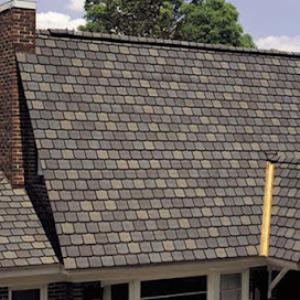
The Detroit Roofing Company
(313) 484-2787 roofer-detroit.com
Serving
4.9 from 40 reviews
We are specialized in all types of home needs offering 24/7 emergency services to our valued customers. Our team has good experience working with different governmental, industrial, commercial, institutional and multi-unit residential roofing units.
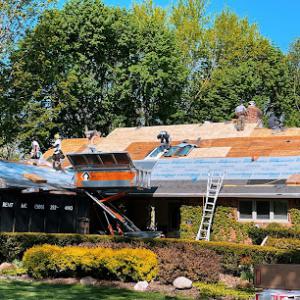
Eave Roofing
(248) 955-3258 www.eaveroofing.com
Serving
5.0 from 39 reviews
Quick quotes. Professional install. Financing available. Licensed and insured.
Enochs construction
Serving
5.0 from 12 reviews
We are a licensed & insured residential & commercial remodeling company Due to the high volume of spam calls sending a detailed text message is best for initial contact.
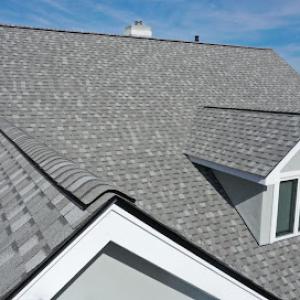
RGS Roofing & Construction
(313) 550-6077 rgsconstructionllc.com
Serving
4.7 from 12 reviews
We provide expert home improvement services in the Detroit, MI area. At RGS Construction, our professional renovators and roofing contractors handle your project without the stress of dealing with subcontractors or other complications.
Oak Roofing
Serving
5.0 from 134 reviews
We only do complete replacements, Sorry we do not do repairs.
Pankow n Sons Roofing & repair
(586) 216-6141 www.pankowandsonsroofing.com
Serving
4.9 from 38 reviews
We specialize in repairing your roof. Don't let the union tell you it has to be completely tore off and replaced. Let us come give you a free estimate today!!

Pro Home Improvement
Serving
4.6 from 332 reviews
Pro Home Improvement has proudly served Michigan and the Detroit Metro area with unparalleled expertise, integrity, and customer service since 2006. We utilize premium materials and products to ensure your home remains beautiful and reliable for decades to come. Our comprehensive expertise spans roofing, siding, windows, gutters, and insulation – all essential elements for protecting your home against Michigan's freezing winters, intense summer heat, and seasonal downpours. Contact us today for a free estimate from our experienced, friendly professionals.
Bright Roofing & General Building Restoration
(313) 963-9083 www.bright-roofing.com
Serving
5.0 from 6 reviews
A family-owned, 3rd generation, commercial roofing contractor located on the outskirts of Corktown. Dedicated to responding to your emergencies quickly, offering immediate solutions to your problems, providing qualified & guaranteed work, while properly communicating with you throughout the entire process. We pledge to observe the highest standards of Integrity, Frankness and Professional Responsibility in dealing with our Owner Clients. We invite you to discover for yourself the difference Bright Roofing can offer to your project. Then experience firsthand our willingness to go beyond the "standard" customer service commitments and witness our ability to consistently exceed your expectations. Our goal is 100% customer satisfaction.

Lighthouse Exteriors
(248) 629-9260 www.lighthouseexteriors.com
Serving
4.7 from 491 reviews
Welcome to Lighthouse Exteriors, your trusted Michigan-based partner for high-quality home improvement services. As a faith-based company, we are dedicated to guiding homeowners through every step of their exterior renovation journey with integrity, craftsmanship, and care. We specialize in roof replacement, roof repair, storm damage restoration, and siding installation, using durable materials and expert techniques to ensure your home is protected and looks its best. In addition to roofing and siding, we also offer professional concrete contracting services, including the installation and repair of driveways, patios, walkways, and other hardscaping features.

Troy Roofing Company
(248) 587-8250 www.roofingtroy.com
Serving
4.9 from 54 reviews
We at Troy Roofing Pros have the top certificates from the best roofing manufacturers within the roofing industry and we’re proud to become the lead roofing company in the entire Troy area of Michigan. We approach every roofing project from our clients with our utmost care and perfectly capable roofing crews with a plan to complete them without causing even the slightest mistakes or delays. As the lead roofing company around the Troy area, we cannot afford to make minor mistakes on our job that would put you in danger and ruin our reputation at the same time. Our experience over the years taught us perfectly to not make any minor mistakes as any inexperienced roofing company meant to do inevitably.
Asphalt shingles fit much of the older residential stock because they are widely used locally and work across the common steep-slope roof shapes found on the tight, compact blocks here. They are forgiving on imperfect framing and often easier to sleeve into existing roof lines without heavy structural changes. When you're facing winter ice damming, a dense, properly sealed shingle layer with solid underlayment helps a lot, but the key is attic insulation and ventilation to keep roof temps even. In practice, you'll pair good fascia and drip edge with clean gutters to reduce meltwater backing up at the eave. For repairs on aging sections, matching the profile and granules to the surrounding sections keeps the roof weather-tight and visually cohesive across the neighborhood. If you're evaluating a full replacement, consider a mid- to higher-grade shingle that has better wind resistance and a longer warranty, since small gaps or uneven joints can become leak pathways in a picture-perfect, snow-heavy winter.
Metal is relevant for homeowners prioritizing snow shedding and durability through freeze-thaw cycles, but detailing matters on older structures. Metal panels shed snow more quickly, which helps front-entry overhangs and narrow alley exposures where drifting occurs. On aging homes, assess parapet connections, deck rigidity, and potential mismatches with existing trim and soffits. You may need additional underlayment or a sealed edge system to prevent ice dams at eave or valley intersections where water can back up if the roof deck isn't fully contained. If you choose metal, look for a panel profile that minimizes rooftop noise during rapid temperature swings and consider coating colors that reflect heat in winter sun, reducing thermal swings that stress older sheathing. Ensure proper fastening patterns are compatible with the existing rafters and sheathing to avoid fastener pull-through in snow loads.
Clay tile, concrete tile, wood shakes, and synthetic products appear in the market but require careful structural and installation review on aging Hamtramck homes. Clay and concrete tiles are heavy, so the roof framing must be rated for their weight. They excel in securing a long lifespan and can resist wind-driven ice but can crack under freeze-thaw stress if the deck isn't perfectly flat or if underlayment is compromised by moisture. In tight houses with limited access, installation details-like proper batten spacing and flashing at penetrations-are crucial to prevent leaks where rows meet walls, chimneys, or skylights. On aging structures, you'll likely need reinforcement or a complete deck refresh before tile installation to avoid sagging and premature failure. If there are already signs of water intrusion after freeze-thaw cycles, tile systems should be evaluated by a pro who can verify deck integrity and flashing details before proceeding.
Wood shakes offer a traditional look but require meticulous maintenance to avoid rot and moisture issues, particularly where eaves and overhangs collect ice. In Hamtramck's climate, you'll see quicker wear along valleys and near neighbors' trees that shed debris onto the roof. Synthetic products mimic wood or slate and can balance the aesthetic with lower maintenance, but installation needs careful alignment with aging sheathing. For aging homes, confirm that the roof structure can accept the chosen material, and verify flashing, venting, and underlayment are compatible with the product's installation requirements. In practice, you'll want to pair any of these options with a solid ice dam plan: continuous interior insulation, vented soffits, and a well-sealed attic-to-crest path to minimize warm-air buildup that fuels ice dam formation.
Winter ice damming and spring storms drive demand for full re-roofs in this tight enclave. After harsh winters, shingles can fail suddenly, and interior leaks tend to surface after a thaw. Scheduling shifts as weather windows open, and price pressure follows, especially for complete tear-offs that require staging, debris removal, and careful protection of neighboring yards. In Hamtramck, those swings matter more because tight lot lines limit easy staging of materials and dumpsters, which can push labor time and disposal costs higher than in more open neighborhoods.
Costs in this city are affected by the older housing stock, where tear-offs often uncover decking repairs, ventilation upgrades, and flashing replacement. You may discover compromised sheathing or corroded flashings once the old roof is lifted, and that means additional materials and labor. Limited driveway access and closely packed homes increase the need for careful material handling and waste containment, raising debris-hauling time and crew coordination costs. Expect the crew to spend extra effort on protecting adjacent structures and managing noise and dust in dense streets.
Asphalt shingles remain the baseline, but the exact price hinges on decking condition and flashing needs uncovered during removal. Metal, clay, or concrete tiles bring higher upfront costs, yet may offer longer life in a climate with freeze-thaw cycles. Wood and synthetic options can add value where discrete, low-maintenance options are desirable, but they also incur premium handling and waste disposal considerations on tight sites. In practice, material costs are only part of the picture; the real driver is whether the existing deck requires replacement or reinforcement, which can elongate the project and affect overall pricing.
Because full re-roofs require careful sequencing, a single severe winter or several spring storms can compress the window for permits and inspections, tightening scheduling and pricing. Build a buffer for weather-related delays and for potential decking repairs uncovered during tear-off. On smaller lots, request a plan that coordinates material deliveries to minimize street clutter and maximize space for the crew to maneuver safely. Expect contingencies for flashing, ventilation upgrades, and possible underlayment refresh when estimating a project in this neighborhood.
Get a clear picture of your project costs upfront - no commitment required.
Pankow n Sons Roofing & repair
(586) 216-6141 www.pankowandsonsroofing.com
Serving
4.9 from 38 reviews
A full re-roof in Hamtramck typically requires a permit through the city's building department rather than being treated as a no-paperwork job. Skipping that step is not only risky, it can trigger delays, fines, and the hassle of pulling back up a roof to correct what didn't conform to code. Before any shingles peel back or underlayment goes on, you should file for the permit, have the scope lined out, and align on the approved materials and installation methods. The department cares about how the roof is designed around the tight spaces, winter ice patterns, and the way homes sit shoulder-to-shoulder with little room for staging. In practice, that means your plan will be checked for compatibility with the existing structure, ventilation strategy, and the way flashing will tie into nearby parapets and masonry.
Once the permit is in, the city reviews the project scope, approved materials, and installation methods before work proceeds. This review is not a hurdle to intimidate you; it's a safeguard against the common Hamtramck reality of ice damming, wind exposure on shallow pitches, and limited access for staging. Have your roof plan clear: roof type, underlayment specifics, fastener pattern for nailing, and flashing details around dormers, vents, and chimneys. If there is any unusual detail-such as a double layer of underlayment or a nonstandard venting approach-the city may request adjustments. The process protects you from rushed decisions that could lead to leaks or compromised underlayment in the first brutal Michigan winter after a replacement.
After replacement, an inspection is scheduled to verify underlayment, nailing, flashing, and ventilation, with possible re-inspection if corrections are needed. This stage is where the obvious quality checks meet the harsh realities of Hamtramck's climate: ice dam risk, tight lot issues, and the way a new roof will shed snow and water around tight eaves. Expect the inspector to walk the entire perimeter, check the integrity of drip edge and gutter interfaces, confirm the nailing pattern aligns with the chosen shingles, and verify proper attic ventilation and hip-and-valley flashing details. If anything doesn't pass, you'll need to address the concerns and schedule a follow-up visit. Treat the inspection as a final weatherproofing test, not a formality, because a failed pass often means rework that can disrupt the home's comfort during the next thaw. Keep a clear line of communication with your contractor and have all documentation ready to demonstrate compliance with the approved plan.
In Michigan's competitive but increasingly documented insurance environment, Hamtramck homeowners should expect close review of wind, hail, and ice-dam roof claims. The insurer will want to understand whether damage aligns with a storm event or long-term wear, especially on older roofs that show aging patterns. The outcome hinges on how clearly a claim ties to a recent incident rather than gradual deterioration.
Adjusters may look carefully at aging shingles and roof deck condition, which matters in a city with many older homes and frequent re-roofing needs. If the deck shows sagging, loose or missing fasteners, or moisture intrusion behind brittle underlayment, those details can influence the settlement. In Hamtramck, where lot density and tight construction can complicate access, the pre-existing condition of the roof often weighs as heavily as the reported storm event.
Visible photos, contractor estimates, and a clear claim history are especially important locally when trying to separate storm damage from long-term wear. Take fresh, well-lit shots from multiple angles after any incident. Keep a running log of weather events and prior repairs, and ensure contractor notes explicitly distinguish new damage from existing conditions. Clear, consistent documentation reduces ambiguity during the adjuster's review.
Be prepared to present both objective evidence and an honest maintenance record. If you've had prior leaks or re-roof work, gather permits or historical notes if available. A concise narrative that links the date of a reported event to observable new damage helps the claim feel grounded. Avoid guessing about causes; rely on photos, measurements, and professional assessments to tell the story.
Flat and low-slope roofing matters in Hamtramck because many older homes and rear additions include porch, dormer, or extension roof sections that fail differently than the main slope. These smaller planes often sit in shade, drain slowly, and have parapets or edge details that invite moisture intrusion if not finished properly. The result is a patchy history of leaks that reappear after every winter thaw.
Moderate precipitation combined with freeze-thaw conditions can leave standing water and membrane stress on these smaller low-slope areas. Check after heavy rains and during spring thaws: look for pooling near drains, scuppers, and transitions where the roof meets walls. A common issue is delaminated membrane edges at terminations or flashing that has pulled back from coping. Keep edges clean of debris and ensure scuppers stay clear so water can exit rather than back up into parapets or cornices.
These sections are often overlooked during patch repairs even though they can be the source of recurring leaks into kitchens, additions, and upper rear rooms. Prioritize flashing around metal transitions, vent pipe penetrations, and any skylight or dormer seals. If a low-slope area shows blistering or surface wear, address it sooner rather than later; a small crack or seam separation can widen quickly with freeze cycles.
Schedule a shallow inspection from ground level and, if safe, from a standing surface to evaluate membrane integrity and drainage paths. Keep an eye on membrane edges where it meets verticals, and ensure that any patch work follows the original slope and drainage plan. For aging or suspect membranes, plan full-system attention rather than isolated fixes to prevent recurring leaks in kitchens and rear rooms.
Find specialists in TPO, EPDM, and built-up flat roofing systems for residential and commercial properties.
Pankow n Sons Roofing & repair
(586) 216-6141 www.pankowandsonsroofing.com
Serving
4.9 from 38 reviews
In a city carved into a tight Detroit corner, you'll notice big, out-of-town crews aren't as nimble for those snow-dam and leak concerns that come with older, dense housing. A truly local crew will be familiar with the way these roofs shed ice and meltwater, where tight access can slow material deliveries, and how crews pivot around a packed schedule when a full re-roof is needed on a hot-stamped, weathered roof deck. Look for teams that regularly work the immediate area and can point to recent re-roofs on similar lot sizes and rooflines.
Quick response and reliable cleanup are non-negotiables here. You want a crew that can show up on short notice after a winter thaw and that leaves no trace of nails or torn shingles after they leave. Experience with aging homes matters, because the way you anchor, vent, and reseal on a long-shuttered roof differs from new construction. Ask for a project timeline, a clear sequence of the tear-off, underlayment, and cap flashing, and a single point of contact who can field punch-list items without delay.
Given the city's review process and potential post-job correction requests, you should favor contractors who are comfortable with municipal feedback and who commit to addressing inspector-flagged issues promptly. Confirm they document roof conditions, flashing details, and ice-dam mitigation measures in the plan. A contractor who proactively coordinates with inspectors can save you time and avoid lingering leaks during the first thaw.
Ask for local references with similar house styles, a clearly defined cleanup plan, and a written warranty that covers workmanship for several years. Request a brief, concrete outline of how they will handle ice-dam prone areas, attic ventilation, and insulation checks. When you have a couple of options, prioritize the crews that demonstrate dependable, transparent communication and a readiness to adapt to Hamtramck's older stock.